
REVIEW · HISTORICAL TOURS
Chatham: The Historic Dockyard Chatham Annual Ticket
Ships, rope, and submarine secrets await. Chatham Historic Dockyard brings Britain’s naval past to life across a working dockyard site where you can board a Cold War submarine, take the bridge of a Second World War destroyer, and ring the bell on a Victorian sloop. It is a rare chance to move through several centuries of maritime history without everything being sealed behind glass.
I especially like the three historic vessels, each offering a different kind of experience, and the quarter-mile ropery, where rope-making remains the star attraction for many visitors. The main drawback is simple: the site is large, and four hours may not be enough to see everything properly, so the 365-day return option matters.
In This Review
- Key Things to Know Before You Go
- Why Chatham Dockyard Feels Different
- Start With the Three Historic Warships
- The Ropery Is Chatham’s Must-See Stop
- Command of the Oceans Looks Beneath the Floor
- No. 1 Smithery Adds Art and Wider Naval History
- Follow the Lifeboats Through More Than a Century
- Victorian Dockyard Buildings Give the Visit Its Setting
- How Much Time Should You Allow?
- Is the $37 Price Good Value?
- Families, Adults, and Maritime Enthusiasts
- Practical Tips for a Better Visit
- Should You Buy the Annual Ticket?
- FAQ
- How long is the Chatham Historic Dockyard ticket valid?
- What does the admission ticket include?
- Are the historic ships included?
- Is parking included in the ticket?
- Is the attraction wheelchair accessible?
- What language is the experience offered in?
- Can I cancel the booking?
Key Things to Know Before You Go
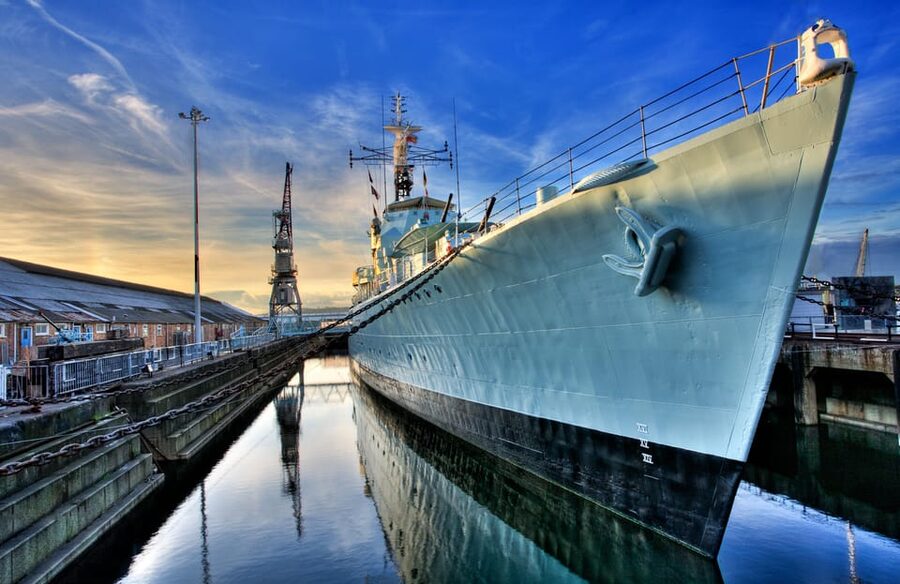
- A submarine, destroyer, and Victorian sloop: Each ship gives you a different view of naval life, from cramped Cold War compartments to an exposed Victorian deck.
- The historic ropery is a highlight: Chatham has made rope for Britain’s ships on this quarter-mile site since 1618.
- The annual ticket lasts 365 days: One admission can become several visits, which greatly improves the value.
- The collection covers more than warships: No. 1 Smithery, the lifeboat collection, and Command of the Oceans add civilian, industrial, and interactive history.
- Allow more than half a day: The site includes ships, exhibitions, museums, and dockyard buildings spread across a sizeable area.
- Parking costs extra: Entry includes the dockyard and exhibitions, but not parking.
Why Chatham Dockyard Feels Different
Many maritime museums show you a ship. Chatham lets you walk through an entire naval production site, then step aboard vessels from different eras. That change of scale matters. You are not only looking at objects from the past. You are seeing the place where ships were built, repaired, supplied, and prepared for life at sea.
Chatham’s importance grew during the great age of sailing ships, when naval power depended on yards that could build strong vessels, make rope, store supplies, and employ large numbers of skilled workers. The dockyard’s long history gives the visit a useful sense of place. A display about shipbuilding means more when the surrounding buildings were part of that same industrial world.
I like that the site does not force you into one narrow story. You can focus on naval warfare, industrial craft, lifesaving at sea, family activities, or the architecture of the dockyard itself. The result feels more like a full historic district than a single museum.
The trade-off is size. Chatham offers enough material for a full day, and possibly several visits, but that means a quick stop can feel rushed. If you have only four hours, choose your priorities before arriving rather than trying to cover every building at equal speed.
More History Tours in Britain:
- London: Historic Pubs of Central London Walking Tour
★ 4.9 · 1,065 reviews - Portsmouth: Historic Dockyard Ultimate Explorer Ticket
★ 4.8 · 1,052 reviews - York: Witches and History Old Town Walking Tour
★ 4.7 · 928 reviews
Start With the Three Historic Warships
The three vessels form the heart of the visit. They are not interchangeable exhibits. Each one gives you a different sense of how crews worked, moved, and lived aboard ships built for very different periods.
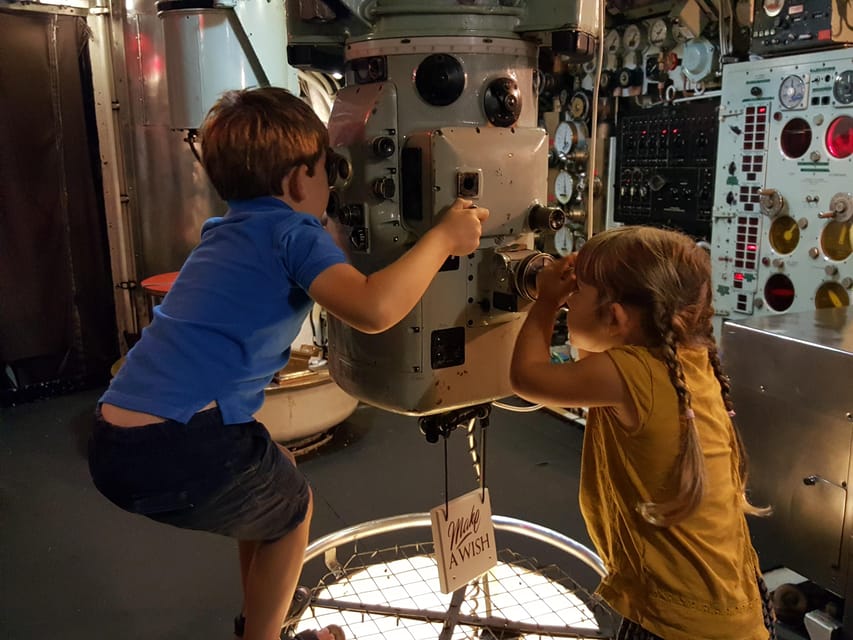
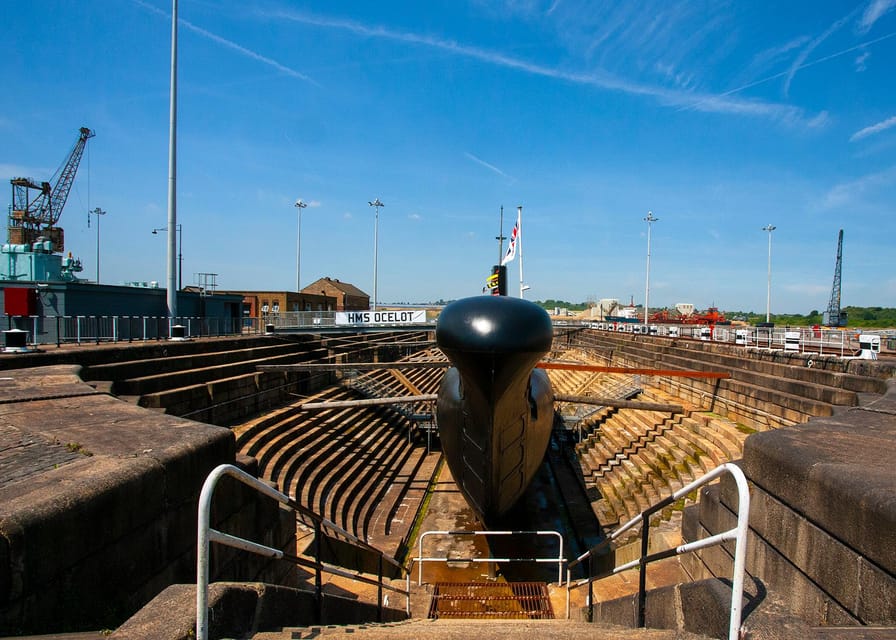
The Cold War submarine is the most striking for many people. You can peer through the periscope and see the kind of equipment that helped submarine crews observe the world above the waves while remaining hidden below them. The tight passages and enclosed spaces make the vessel feel practical rather than grand.
If you have mobility concerns or dislike narrow interiors, take your time here. A submarine is naturally confined, and the experience depends on moving through a vessel designed around function, not comfort. Still, even a short visit gives you a strong impression of how demanding submarine service could be.
The submarine is Ocelot, a vessel that attracts people with a personal connection to submarining. The guides are happy to share information, and the atmosphere can become especially engaging when someone with service experience adds their own memories. You do not need that background to enjoy the vessel, but it can add another layer to the visit.
The Second World War destroyer offers a different experience. Instead of the submarine’s hidden, enclosed world, you can take charge on the bridge and look at the ship from the perspective of a vessel built for action on the surface. That makes it a good stop for families, since children can imagine themselves handling the ship rather than simply reading about it.
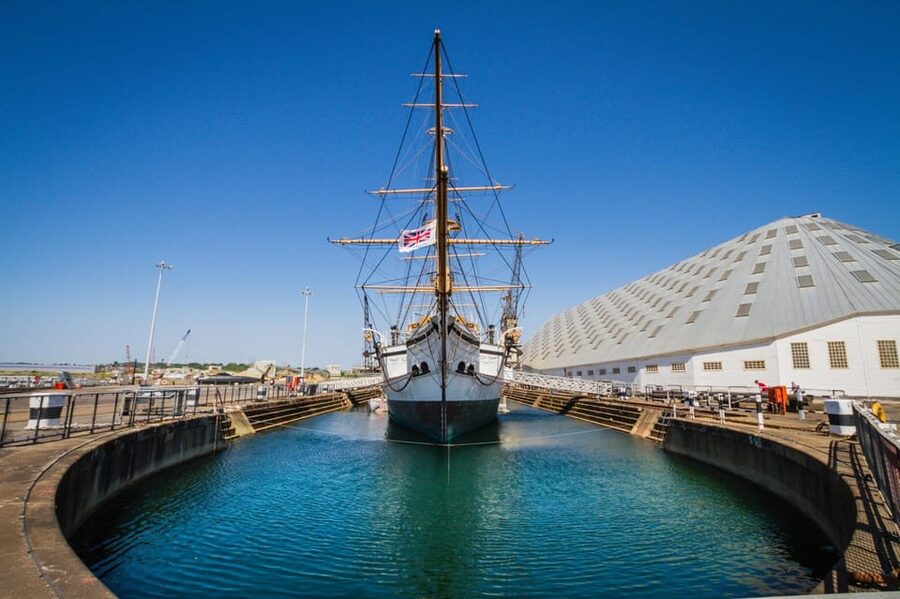
The Victorian sloop brings an earlier age into view. Ringing the ship’s bell is a small moment, but it gives the vessel a sense of ceremony and life. The contrast between an open Victorian deck and a cramped Cold War submarine helps you understand how much naval technology and daily routine changed over time.
The ships are the kind of exhibits that reward slow exploration. Read the signs, notice the equipment, and think about why each vessel was designed in that particular way. You will get more from them than you would by simply walking aboard, taking a photograph, and moving on.
The Ropery Is Chatham’s Must-See Stop
If you only have time to make one part of the dockyard a priority, I would put the ropery near the top of your list. Rope-making has taken place here since 1618, and the quarter-mile-long facility helps explain the enormous amount of practical work needed to keep sailing ships at sea.
The process is easier to understand when you see it in person. Long lengths of material, large-scale machinery, and careful handwork show why rope was a major part of shipbuilding rather than a minor accessory. The ropery connects the dockyard’s ships to the workers who supplied them.
This is also one of the best stops for visitors who enjoy traditional crafts and industrial history. You do not need a special interest in naval battles to find the rope-making operation fascinating. It gives the visit texture and shows the human skill behind the famous ships.
Plan to spend real time here rather than treating it as a corridor between bigger attractions. The demonstration and museum section are frequently singled out as the strongest part of the day. If your first visit is short, the annual ticket gives you a good reason to return specifically for the ropery.
Command of the Oceans Looks Beneath the Floor
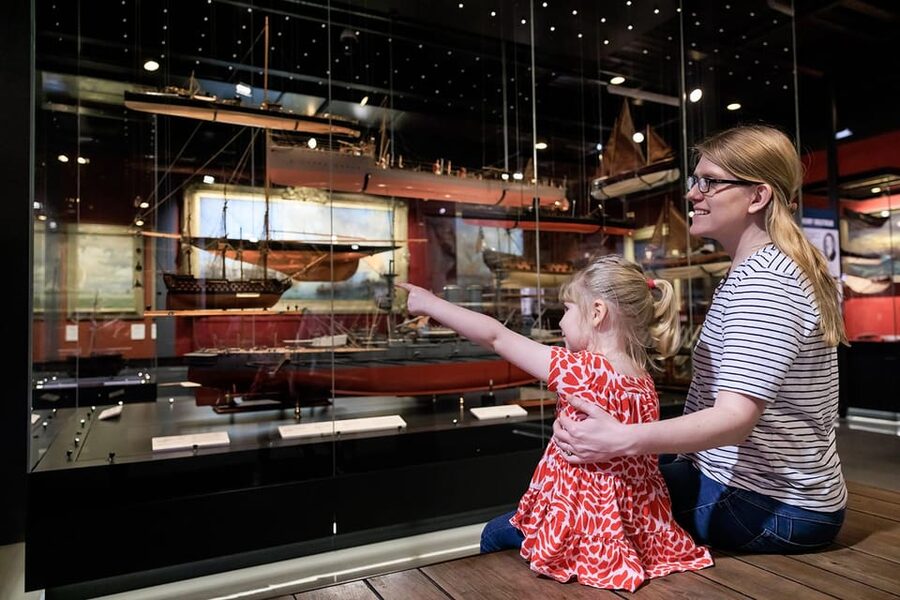
The Command of the Oceans exhibition adds an interactive element to the dockyard story. Its unusual feature is the chance to discover the hidden secrets of an ancient ship below the floor. That design makes the exhibition more active than a standard row of maritime objects.
It is useful because it links the visible dockyard to the parts of ships that normally remain out of sight. Hulls, construction, and the hidden work beneath a vessel can be difficult to understand from paintings or written panels alone. Here, the exhibition gives you a physical way to think about how ships were made and why they could survive demanding conditions at sea.
This should work well for families because the interactive format gives younger visitors something to do while adults take in the historical details. It also breaks up the ship visits, which can begin to feel similar if you board all three vessels without a change of pace.
A few more options to weigh up in Britain
- London: The London Eye Entry Ticket
★ 4.6 · 35,875 reviews - London: Tower Bridge Entry Ticket
★ 4.7 · 15,560 reviews - London: Westminster Abbey Entrance Ticket
★ 4.6 · 11,254 reviews - London: St Paul’s Cathedral Entry Ticket
★ 4.7 · 9,813 reviews
No. 1 Smithery Adds Art and Wider Naval History
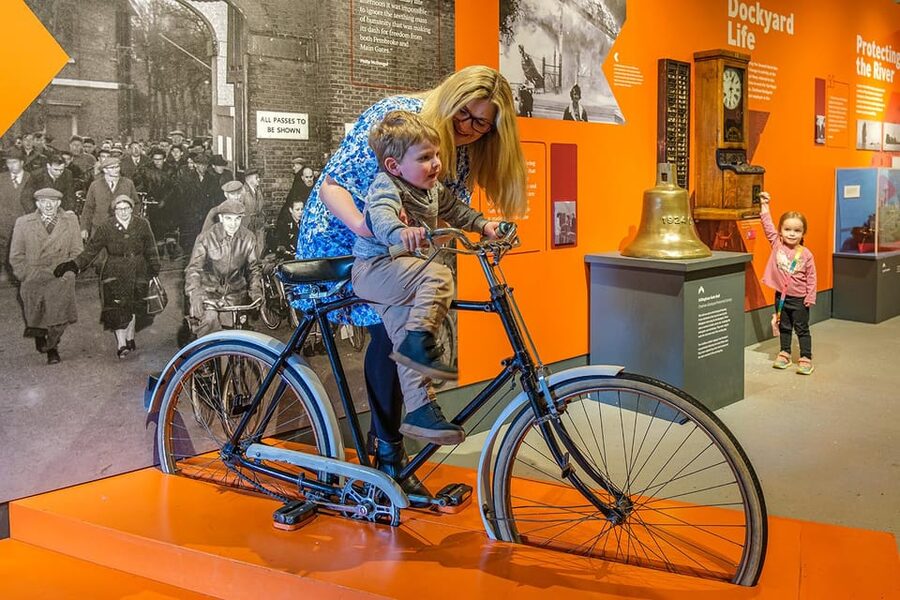
No. 1 Smithery holds collections from Royal Museums Greenwich and Imperial War Museums. That makes it an important stop for anyone who wants more than the dockyard’s buildings and ships.
The collection broadens the story. Ships are large, memorable objects, but smaller items often explain how people experienced naval life, war, work, and travel. No. 1 Smithery gives you a place to slow down and examine those details.
I would visit it after one or two of the ships, when you have already built a basic picture of the dockyard. The displays can then help you connect the physical vessels with the wider institutions and events they belonged to.
It is worth noting that the site’s appeal is not limited to military enthusiasts. The collections and historic buildings offer plenty for anyone interested in design, engineering, museum objects, or the daily work of a major port.
Follow the Lifeboats Through More Than a Century
The RNLI Historic Lifeboats collection is described as the largest of its kind in the United Kingdom. It shifts attention away from naval power and toward rescue, service, and the dangers faced by people at sea.
The collection works well beside the warships because it shows another side of maritime life. A destroyer represents national defense, while a lifeboat represents local courage and practical aid. Together, they create a broader picture of the sea and the people who depend on it.
You may find this section particularly valuable if you are visiting with children. Lifeboats are easy to understand at a glance, yet they also open the door to questions about weather, rescue work, equipment, and teamwork.
The collection also provides a welcome change from the darker, more technical submarine interiors. If your group has mixed interests, use the lifeboats as a shared stop between the more specialized exhibits.
Victorian Dockyard Buildings Give the Visit Its Setting
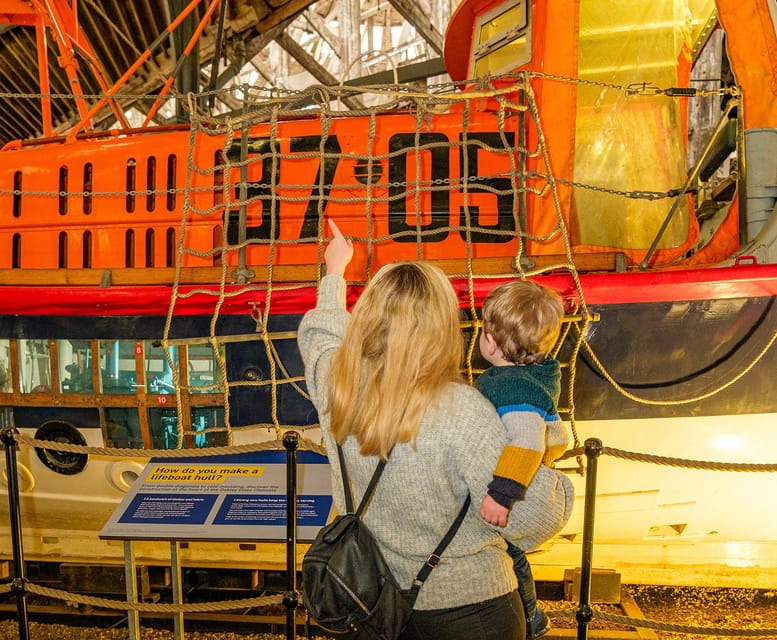
The dockyard’s buildings are not just containers for exhibitions. They help you picture the place as a secure, busy industrial site that operated for generations. You can follow the paths used by skilled workers and see how the setting supported shipbuilding on a very large scale.
That authenticity is one of Chatham’s greatest strengths. Restored buildings, working craft traditions, and preserved vessels create a stronger sense of place than a modern museum built without its original surroundings.
At the same time, the historical setting means some areas may feel less polished or direct than a purpose-built attraction. You are moving through a real dockyard complex, not a compact gallery where every exhibit sits in one climate-controlled room. Wear sensible footwear and expect some walking between sections.
The site’s guides and staff add a great deal. Their friendly, informative approach helps turn an old building or piece of equipment into something understandable. The quality of the day depends partly on how much you engage with the explanations, so do not hesitate to listen when a guide begins talking about a ship or work process.
How Much Time Should You Allow?
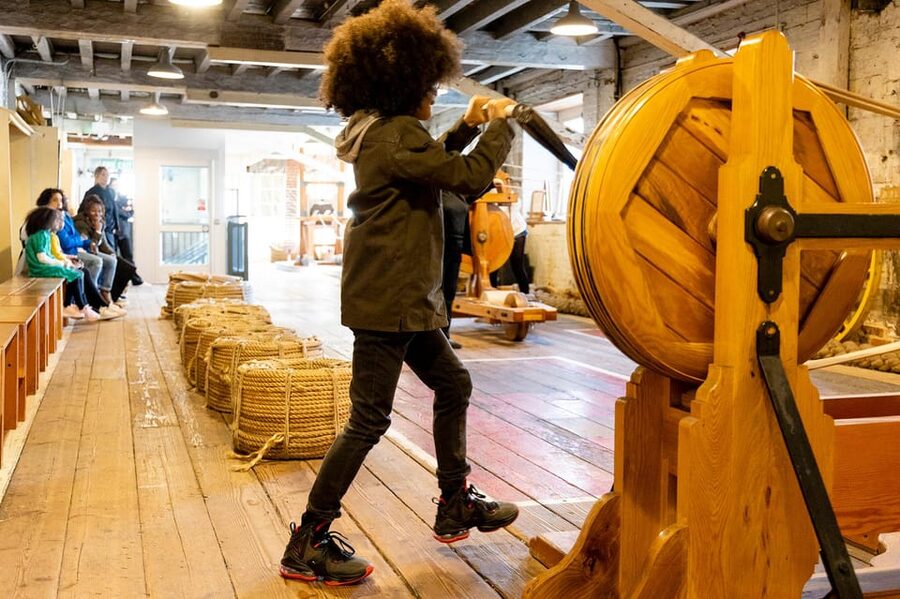
You can spend four hours here and still leave with more to see. That is not a complaint about poor organization. It reflects the amount of ground covered by the annual ticket.
For a first visit, I would plan at least a full day if your schedule allows. Give priority to the three ships, the ropery, and the exhibitions that best match your interests. A shorter visit can still work, but you will need to make choices.
The 365-day validity changes the calculation. If you live nearby, or expect to return to South East England, the ticket is far more useful than a one-off admission. You can make a first visit broad and relaxed, then return for the areas you missed.
Several people find that one visit is not enough to see everything. That is one of the strongest reasons to book this particular ticket rather than treating Chatham as a quick half-day attraction.
Is the $37 Price Good Value?
At $37 per person, the ticket is not the cheapest museum admission you will find. The value comes from what is included and how long the ticket remains useful.
Entry covers the historic dockyard, temporary and permanent exhibitions, school holiday activities, the vessels, the submarine museum, the rope-making museum, the lifeboat collection, and other exhibits. If you spend a full day exploring, the price is reasonable for the amount of material available.
The value becomes much stronger if you return. Because the ticket is valid for 365 days from first activation, a second visit effectively reduces the cost of each day. This is especially helpful for local residents, families, and anyone staying in the area for more than a short break.
Parking is not included, so add that cost when you plan your budget. The ticket itself is flexible, with free cancellation up to 24 hours before the visit and a reserve-now, pay-later option. Those terms are useful if your wider plans are still changing.
Families, Adults, and Maritime Enthusiasts
Chatham works well for families because the visit keeps changing shape. Children can board ships, peer through a periscope, ring a bell, explore interactive displays, and take part in school holiday activities. The play area and facilities also give parents a place to pause.
Adults without children will find plenty to occupy a full day too. The restored dockyard buildings, industrial craft, lifeboats, and museum collections give the visit substance beyond the more obvious ship attractions.
It is especially well suited to anyone interested in submarines, naval engineering, traditional trades, or British maritime history. Former service personnel may find the vessels particularly meaningful, but you do not need specialist knowledge to follow the explanations.
Wheelchair access is available, though the ships themselves may naturally present tighter or more restricted areas. If accessibility is important for your group, ask staff on arrival which parts of each vessel are easiest to reach.
Practical Tips for a Better Visit
Start early if you want to see the major ships and the ropery without rushing. The site has enough to occupy you all day, and the strongest experiences are the ones where you pause rather than hurry from one attraction to the next.
Wear comfortable shoes and prepare for changing weather. Much of the appeal comes from walking through an open dockyard setting, and poor weather can make the day less comfortable even when the indoor exhibitions remain enjoyable.
If you only have four hours, choose three priorities before you arrive. My suggested order would be the submarine, the ropery, and one of the surface ships, followed by either No. 1 Smithery or the lifeboat collection.
English is the stated language for the host and activity information. Parking is separate from admission, so check that detail when arranging your visit.
Should You Buy the Annual Ticket?
Yes, if you can spare most of a day or expect to return within a year. The combination of historic ships, the submarine, the ropery, lifeboats, exhibitions, and original dockyard buildings gives Chatham enough substance for repeat visits.
I would be less enthusiastic if you are looking only for a brief, tightly timed attraction. The site is broad, and some people may feel it has changed little over the years. But that continuity is also part of its appeal: Chatham is valuable because it preserves a working historic setting rather than reducing the past to a few polished displays.
For families, maritime enthusiasts, and anyone who enjoys hands-on history, the $37 ticket is a sound buy. Visit once for the ships, return for the rope-making operation, and use the annual validity to take the site at a sensible pace.
FAQ
How long is the Chatham Historic Dockyard ticket valid?
The ticket is valid for 365 days from the date of first activation.
What does the admission ticket include?
It includes entry to The Historic Dockyard Chatham, access to temporary and permanent exhibitions, and school holiday activities.
Are the historic ships included?
Yes. Admission includes access to the three historic vessels, including a Cold War submarine, a Second World War destroyer, and a Victorian sloop.
Is parking included in the ticket?
No. Parking is not included.
Is the attraction wheelchair accessible?
Yes, the experience is listed as wheelchair accessible. Individual areas aboard historic vessels may have their own physical limitations.
What language is the experience offered in?
The host or greeter language is English, and the listed activity language is English.
Can I cancel the booking?
Yes. You can cancel up to 24 hours in advance for a full refund. You can also reserve now and pay later.
Just added in Britain
- Dunstable: Whipsnade Zoo Full-Day Entrance Ticket★ 4.6 · 153 reviews
- Royal Horticultural Society: Harlow Carr Garden Ticket★ 4.7 · 14 reviews
- Yorkshire: All Creatures Great and Small Mini-Coach Tour★ 4.8 · 25 reviews
- Yorkshire Dales National Park Driving Tour with an APP★ 5.0 · 1 review
- York’s Snickelways Story Walking Tour★ 4.9 · 79 reviews
- From Edinburgh: 5 Day Best of Northern England Tour★ 5.0 · 5 reviews
- York: Wizard Walk of York Tour – Magic, Comedy & Family Fun★ 4.8 · 57 reviews
- York: Private Guided Walking Tour★ 5.0 · 3 reviews
Historical Tours, compared.


Other lists this tour turns up in