
REVIEW · BEATLES TOURS
Liverpool Beatles Museum Entry Ticket
Start where Beatlemania began. The Liverpool Beatles Museum packs more than 1,000 original items into a Grade II listed building on Mathew Street, only yards from the Cavern Club. I like the chronological layout, which takes you from Liverpool and Hamburg to worldwide fame and the band’s studio years. I also like the rare personal objects, including John Lennon’s glasses, instruments, letters, and Paul McCartney’s bass amp. The main drawback is practical: the building has no lift, so you need to manage three floors by stairs.
This is a self-paced museum rather than a guided walking tour. You can read the displays, listen to Beatles music, watch footage, and spend as long as you wish within the one-day validity. Allow at least two hours, and three if you are the sort of person who stops for every photograph, guitar, and handwritten note.
In This Review
- Key points at a glance
- A Beatles museum in the heart of Mathew Street
- The first floor: Liverpool, Hamburg, and the beginning
- The second floor: fame, photographs, and cultural change
- The third floor: rare objects and the biggest rewards
- How the self-paced visit works
- How much time should you allow?
- Is the $26 admission good value?
- What makes the collection feel personal
- Who will enjoy this museum most?
- Practical advice before you go
- Should you book the Liverpool Beatles Museum?
- FAQ
- Where is the Liverpool Beatles Museum?
- How much does admission cost?
- How long is the museum ticket valid?
- What does the ticket include?
- Is an audio guide available?
- Is the museum accessible by lift?
Key points at a glance
- More than 1,000 authentic objects: See guitars, drums, clothing, photographs, letters, medals, instruments, and personal belongings connected with the Beatles.
- Three floors, arranged chronologically: The displays trace the group from their early Liverpool and Hamburg years through fame and their later recording work.
- Rare pieces with real star power: Look for John Lennon’s glasses, Sgt. Pepper medals, the white cello from Magical Mystery Tour, and Paul McCartney’s bass amp.
- A prime Mathew Street location: The museum sits close to the Cavern Club, making it easy to combine with other Beatles sites in central Liverpool.
- A relaxed visit at your own pace: An optional audio guide is available for £1, while music, photographs, videos, and written displays provide plenty to explore without it.
- Plan for stairs: The Grade II listed building has no lift access, an important point for anyone who may find stairs difficult.
A Beatles museum in the heart of Mathew Street
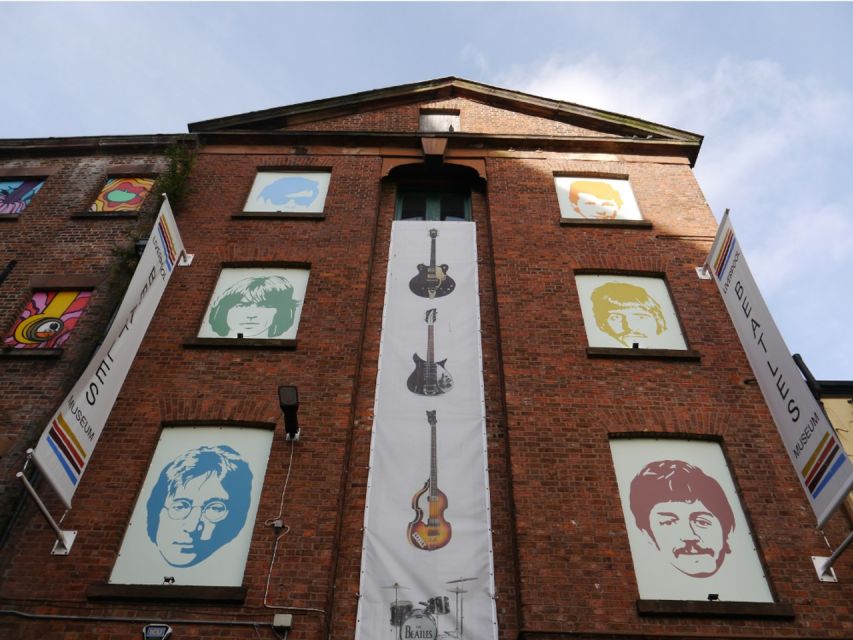
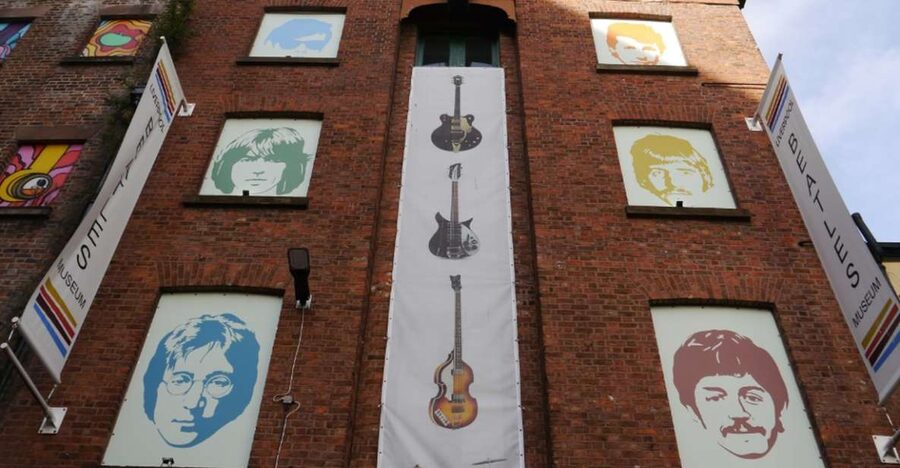
The address does much of the storytelling before you even enter. Mathew Street is one of Liverpool’s main Beatles landmarks, and the museum is just around the corner from the Hard Days Night Hotel and close to the Cavern Club.
That location makes this an easy addition to a city-centre day. You do not need transport between the museum and the other well-known Beatles places nearby. I would visit the museum before or after the Cavern Club, but I would not try to rush through both in a short gap. The museum has far more to read and inspect than its modest street entrance suggests.
The building itself is Grade II listed. That gives the visit an old Liverpool setting, but it also brings a clear limitation: there is no lift. You will move through the collection over three floors by stairs, so take that into account before booking.
More Beatles tours:
- Liverpool: City & Beatles Tour with Live Guide & Live Music
★ 4.8 · 5,249 reviews - Liverpool: The Beatles Story Ticket
★ 4.7 · 4,197 reviews - Liverpool: Beatles Explorer Bus Tour Ticket
★ 4.7 · 939 reviews
The first floor: Liverpool, Hamburg, and the beginning
The early displays are among the most valuable parts of the museum, particularly if you want to understand the Beatles as a working band rather than only as four famous faces.
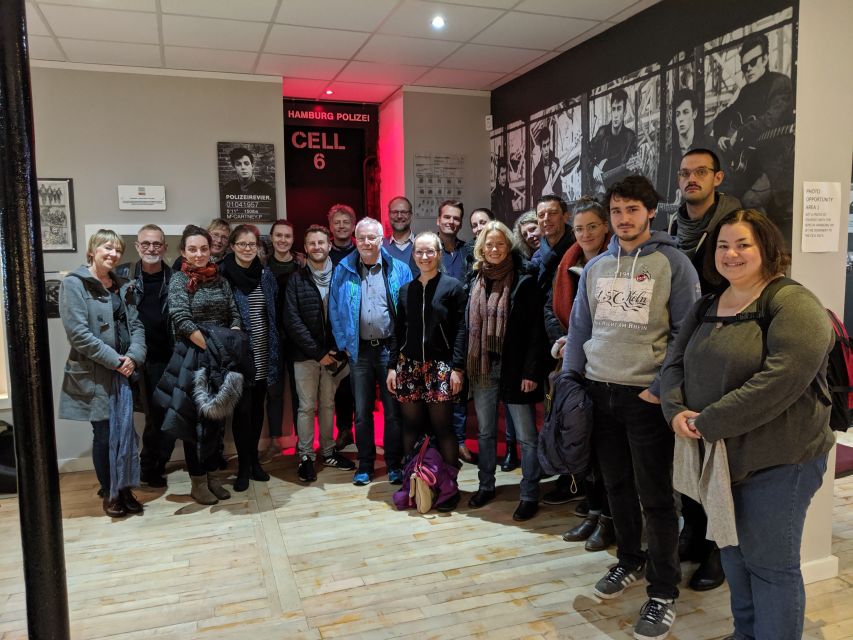
The story begins with their Liverpool years and follows their time in Hamburg. This is where the group developed its stage habits, sharpened its sound, and built the experience that later helped carry them around the world. The exhibits place the band within the local music scene and show how their story connected with other artists of the period.
You might find yourself spending longer here than expected. Early photographs, instruments, clothing, and personal pieces give the first years a physical presence. A display about the band’s beginnings can feel familiar from books and documentaries, but standing in front of original objects changes the scale of the story.
The museum also gives attention to Pete Best and his role as drummer during the early period. One point to keep in mind is that the emphasis on the Best family connection is stronger here than at some other Beatles attractions. That makes sense given the museum’s origins with Roag Best and his family, but some visitors may want more explanation about why Ringo Starr replaced Pete Best.
That is not necessarily a flaw for every visitor. If you already know the standard Beatles story, the additional focus on early Liverpool and Pete Best can add useful local context. If you are mainly interested in the familiar lineup and the later years, you may find the first floor less immediately rewarding than the upper levels.
The second floor: fame, photographs, and cultural change
The middle part of the visit follows the Beatles as their audience grew from local crowds to international fame. Displays are arranged in time periods, making it easy to see how quickly the band changed.
You will encounter photographs, clothing, instruments, written material, and objects linked to the public side of the group’s career. The presentation also places the Beatles alongside other artists and events of the era. That broader view is one of the museum’s strengths. It is not only a collection of objects connected to four musicians. It also shows the world in which their music took shape.
A particularly memorable item is connected with the 1965 Hammersmith Odeon Christmas concert, including material about the giant sweater worn at the show. Details like this reward visitors who enjoy the small stories behind major events. They also give longtime fans a chance to connect the display with their own memories of concerts, records, or television appearances.
The layout is informal rather than heavily theatrical. This museum is more about examining objects and reading the story than pressing buttons or moving through elaborate stage sets. That may disappoint you if you want an interactive attraction, but it is a plus if you prefer time with the actual material.
There are photographs, videos, music, and explanatory text throughout. The sound helps set the mood, while the written information gives you the chance to move at your own pace. Families can use the displays selectively, and children or teenagers with a strong interest in music may find the instruments and personal items more engaging than a standard text-heavy museum.
The third floor: rare objects and the biggest rewards
The top floor is likely to be the highlight for serious Beatles fans. This is where the collection’s most striking objects make the strongest impression.
Keep an eye out for:
- John Lennon’s glasses
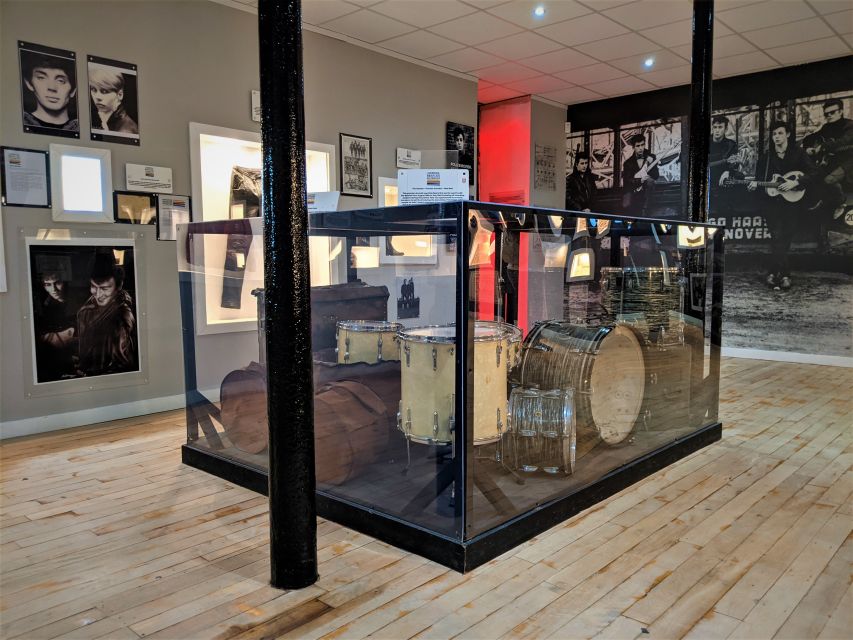
- Original guitars and drums from the Hamburg period
- John Lennon’s Sgt. Pepper medals
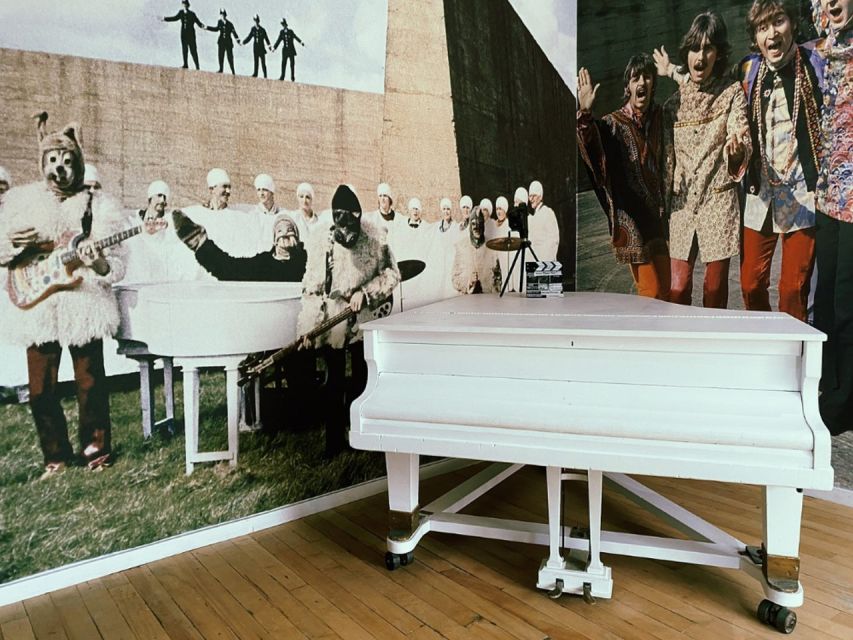
- The white cello from Magical Mystery Tour
- Paul McCartney’s bass amp
- Instruments used by the Beatles
- Personal letters and other private material
- Film footage and interviews connected with the band
These are not simply illustrations of a famous story. They are objects that connect the music to the people who made it. A bass amp, a pair of glasses, or a well-used instrument can say more about daily working life than another framed photograph.
The upper floor is also where the museum’s scale becomes clear. The collection is extensive, yet the building is compact. You get a great deal for the admission price, but you should not expect wide galleries or large empty spaces between displays. At busy times, moving slowly around the exhibits may require patience.
I would save extra time for this floor. The later material includes the Beatles’ more experimental studio years, when their music, clothing, recording methods, and public image changed rapidly. The museum connects this period with objects, photographs, footage, and instruments rather than presenting it as a simple list of hit records.
More Museum Tours in Liverpool:
- Liverpool: Liverpool Football Club Museum and Stadium Tour
★ 4.8 · 10,764 reviews - Liverpool Football Club: Museum Ticket
★ 4.6 · 230 reviews - Liverpool: The Anfield Abseil & Liverpool FC Museum
★ 4.8 · 117 reviews - London: Chelsea Football Club Stadium and Museum Tour
★ 4.8 · 4,576 reviews
How the self-paced visit works
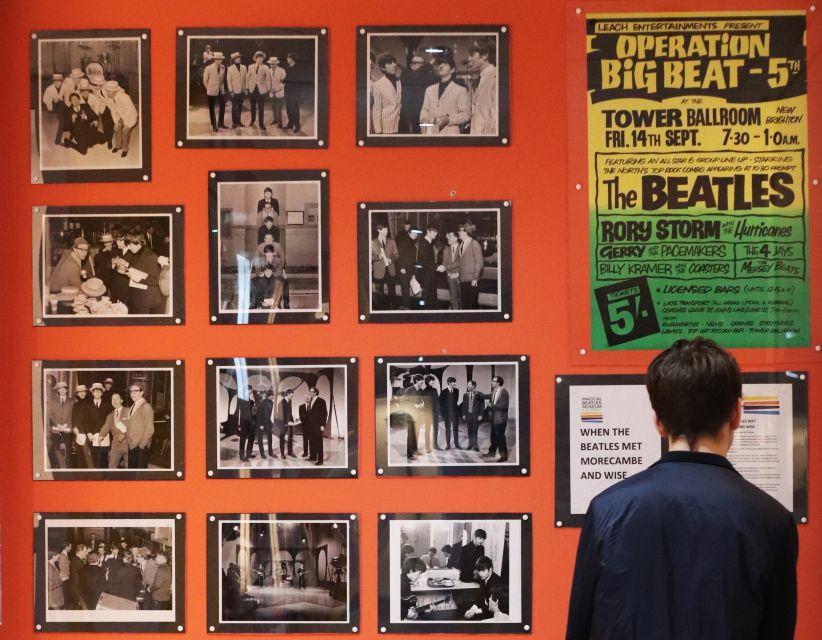
You are not locked into a timed group. Once inside, you can make your own route through the three floors and stop where the story catches your attention.
An audio guide is available for £1 at the entrance. I think it is worth considering, especially if you want more explanation about the early Liverpool years or prefer listening to reading. The guide is not essential, though. The exhibits include plenty of written information, and the music playing through the museum adds a useful soundtrack.
One caution: the audio commentary has not pleased everyone. The computer-generated voice can sound slightly unnatural, and some of the wording may feel awkward. If you prefer a natural human narration, you may be happier reading the panels and using the museum’s photographs and videos as your guide.
The self-paced format is a real benefit. You can move quickly through familiar material, then slow down at the objects that matter most to you. It also means you can visit with people who have different levels of Beatles knowledge without forcing everyone to follow the same schedule.
How much time should you allow?
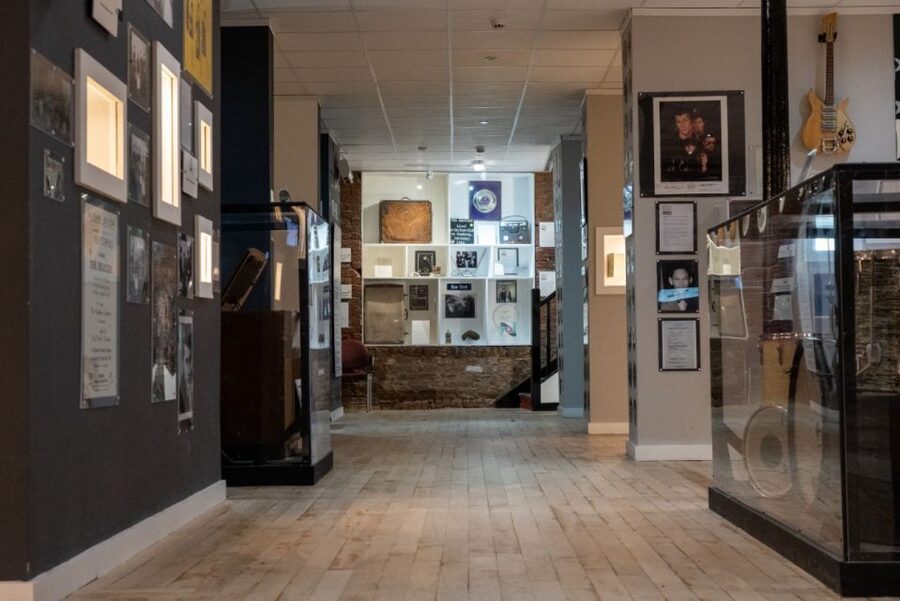
Two hours is a sensible minimum if you want to read the displays properly. Many people spend closer to three hours, especially when they listen to the audio, watch footage, and pause at the instruments and personal belongings.
You can make a shorter visit, but that risks turning the museum into a quick photograph stop. The chronological structure works best when you allow the story to develop from the early days through the breakup period.
There are not many seats, so standing for a long time may become tiring. One practical approach is to visit when you are fresh, rather than placing it at the end of a packed day of sightseeing. If you arrive late, you may feel rushed, and the museum’s large quantity of information deserves better than a hurried final hour.
The ticket is valid for one day, so you have flexibility within that period. The experience is not a full-day activity in the sense of spending eight hours inside, but it can comfortably fill a substantial part of an afternoon.
Is the $26 admission good value?
At $26 per person, this is not a bargain-bin attraction, but I think it offers solid value for anyone with a real interest in the Beatles or music history.
The price gives you access to three floors and more than 1,000 authentic items. You are not paying only for a short display of photographs. The museum includes instruments, clothing, letters, personal objects, interviews, footage, and material from the band’s earliest years through the end of the 1960s.
The value depends on how you like to visit museums. If you enjoy original artifacts and careful reading, you can easily spend two or three hours here. If you prefer rides, interactive sets, and dramatic visual effects, another Beatles attraction in Liverpool may suit you better.
The museum has been compared with the Beatles Story near the docks. The two experiences serve different purposes. The Beatles Story is more interactive, while this museum puts greater weight on memorabilia and detailed objects. I would choose this one if your priority is seeing original items and learning through a chronological collection.
The optional £1 audio guide is a modest extra. Food and drink are not included, but that is hardly a problem in central Liverpool, where you can stop for lunch before or after the visit.
What makes the collection feel personal
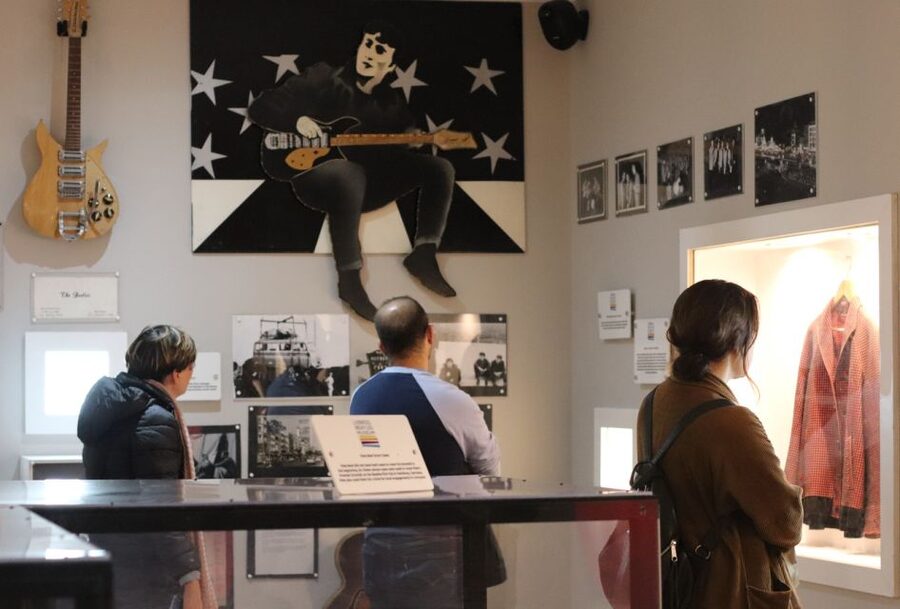
The best museum displays turn well-known names back into ordinary people who worked, travelled, performed, and kept things. This collection does that through its personal objects.
John Lennon’s glasses are powerful because they are so familiar and so ordinary. The Sgt. Pepper medals connect to a highly theatrical period, while the white cello from Magical Mystery Tour points to the Beatles’ willingness to use unusual sounds and images.
The instruments tell another part of the story. Guitars and drums from the Hamburg period bring you close to the band’s working life before international success. Paul McCartney’s bass amp is a practical piece of equipment, but it also reminds you that these songs came from physical performances, rehearsals, amplifiers, and repeated nights on stage.
Letters and unseen personal material add a quieter side. They can make the visit feel less like a parade of famous photographs and more like a record of relationships, work, and changing ambitions.
Who will enjoy this museum most?
I would recommend it most strongly to:
- Dedicated Beatles fans who want unusual artifacts
- Music lovers interested in instruments and recording history
- Visitors exploring Liverpool’s Beatles landmarks on foot
- Families with children or teenagers who already know the band
- People who prefer a quiet, self-guided museum visit
- Anyone curious about the Beatles’ Liverpool and Hamburg beginnings
Casual visitors can still enjoy it, especially because the displays follow a clear timeline. But this is not the most interactive Beatles attraction, and a newcomer may not appreciate every reference or object.
If you know the albums, the names, and the main chapters of the story, you will get more from the collection. If your knowledge is limited, the chronological layout and audio option make it easier to follow.
Practical advice before you go
Buy enough time into your day. I would plan for two hours at the very least, with three hours available if you want to inspect the collection carefully.
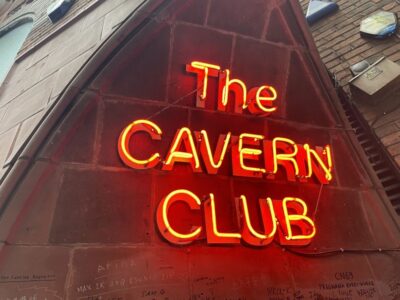
Visit the Cavern Club separately rather than assuming the museum covers the same experience. The two sites are close together, but they offer different kinds of encounters. The museum is about objects and historical explanation, while the Cavern Club is the better place to connect with the performance setting associated with Liverpool’s music story.
Wear comfortable shoes because the building has three floors and no lift. If stairs are a concern, contact the museum before booking so you can confirm whether the visit is suitable for your needs.
The museum shop is small but useful for Beatles-themed gifts. It offers a range of reasonably priced souvenirs, so you do not need to budget for a major purchase to find something to take home.
Free cancellation up to 24 hours before the visit and reserve-now, pay-later booking can help if your Liverpool plans are still changing. Check the available start times before booking, since the ticket is valid for one day rather than functioning as an open-ended pass.
Should you book the Liverpool Beatles Museum?
Book it if you want a substantial collection of real Beatles artifacts in a central Liverpool setting. The strongest reasons are the chronological layout, the early Liverpool and Hamburg material, and the rare objects such as Lennon’s glasses, the Sgt. Pepper medals, the white cello, and McCartney’s bass amp.
I would be more cautious if you want a highly interactive attraction or cannot manage stairs. For most Beatles fans, though, $26 buys several hours of focused history beside the Cavern Club, with enough unusual material to reward people who already know the basic story.
My advice is simple: give yourself two to three hours, consider the £1 audio guide, and do not treat this as a quick stop between other appointments. If the Beatles are one of your reasons for coming to Liverpool, this museum deserves a place near the top of your list.
FAQ
Where is the Liverpool Beatles Museum?
The museum is on Mathew Street in central Liverpool, in Merseyside, only yards from the Cavern Club and around the corner from the Hard Days Night Hotel.
How much does admission cost?
The listed price is $26 per person. Food and drink are not included.
How long is the museum ticket valid?
The ticket is valid for one day. Check availability for the available starting times when booking.
What does the ticket include?
The ticket includes entrance to the Liverpool Beatles Museum. Food and drink are not included.
Is an audio guide available?
Yes. An optional audio guide can be purchased at the entrance for £1.
Is the museum accessible by lift?
No. The Grade II listed building does not provide lift access, and the collection is arranged across three floors.
Just added in Liverpool
- Soulful Sunday Roast Dinner with Drag Queens★ 4.6 · 3 reviews
- Liverpool: Private City Highlights Walking Tour★ 5.0 · 4 reviews
- Private City Tour – Liverpool★ 5.0 · 1 review
- From Liverpool: North Wales Sightseeing Tour Shore Excursion★ 4.3 · 34 reviews
- Liverpool: Beatles-Themed Private Taxi Tour with Transfers★ 5.0 · 113 reviews
- Liverpool: Wild West Saloon Immersive Cocktail Experience★ 5.0 · 2 reviews
- Liverpool: The Beatles Tour on Electric Pedal-Assist Ebikes★ 5.0 · 17 reviews
- Liverpool: 1980s Music Walking Tour with Guitarist “Nasher”★ 5.0 · 6 reviews
Beatles Tours, compared.

City & Beatles Tour with Live Guide & Live Music
Read our review →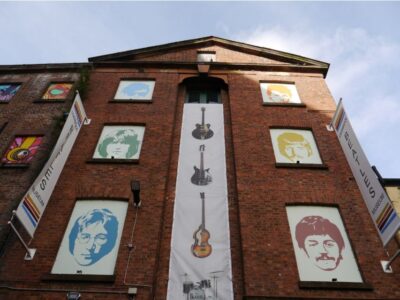

Beatles and Abbey Road Tour with Richard Porter
Read our review →


Beatles In My Life Walking Tour with Richard Porter
Read our review →Other lists this tour turns up in