
REVIEW · WESTMINSTER ABBEY TICKETS
Westminster Abbey Skip-the-Line Entry and Private Tour
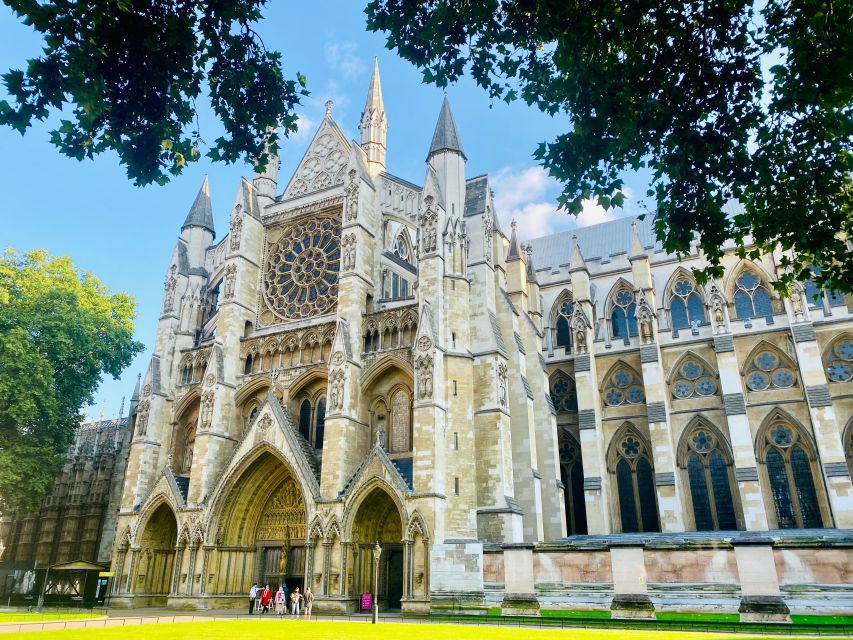
A thousand years of power fit inside one church. This private Westminster Abbey tour brings you close to coronation history, royal graves, poets’ corners, and Gothic stonework, with a Blue Badge guide to connect the pieces. I especially like the separate entrance, which helps protect your limited London sightseeing time, and the personal guide who can make the abbey easier to understand. The main drawback is the price: at $337 per person, it is a serious splurge for two hours.
The route covers the coronation chair, royal chapels, famous burials, galleries, and the 13th-century triforium. Guide Trudy earned particular praise for making the visit work for children aged 8, 11, and 14, so families may find the private format easier than a large group tour. Still, the abbey is a working church, and short-notice closures or changed opening hours can affect your plans.
In This Review
- Key points to know before you book
- Meeting your guide outside Westminster Abbey
- Entering the abbey through a separate entrance
- William the Conqueror and the coronation story
- Royal weddings and the Tudor sisters
- Poets, scientists, and the famous buried inside
- Medieval stonework, the Henry VII Chapel, and the galleries
- Why a private two-hour tour can be worth $337
- Who will get the most from this experience
- Should you book Westminster Abbey with Urban Saunters?
- FAQ
- How long does the Westminster Abbey private tour last?
- What is included in the tour price?
- Is this a private tour?
- Where do I meet the guide?
- Is the tour conducted in English?
- Can I take photographs or record video inside Westminster Abbey?
- Can I bring luggage or a large bag?
- What happens if Westminster Abbey closes unexpectedly?
Key points to know before you book
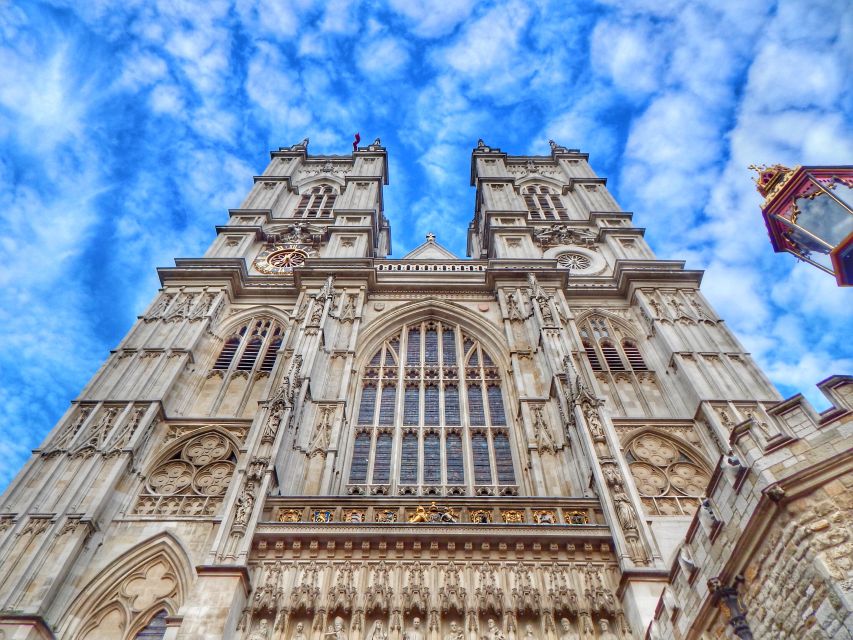
- Every English coronation since William the Conqueror: Learn why Westminster Abbey is the setting for royal coronations, from 1066 through Charles III.
- A private group with an English Blue Badge guide: You get a personal tour rather than a large crowd moving at someone else’s pace.
- Royal tombs and famous writers in one building: See the graves of Elizabeth I, Mary I, Geoffrey Chaucer, Charles Dickens, Isaac Newton, Charles Darwin, Rudyard Kipling, and Stephen Hawking.
- A view from the 13th-century triforium: The upper gallery offers a different angle on the abbey’s architecture.
- A two-hour visit with skip-the-line access: The separate entrance can be valuable when London’s major sights are busy.
- Not suited to every visitor: Large bags are not allowed, photography inside is prohibited, and the tour is not suitable for wheelchair users or people with mobility impairments.
Meeting your guide outside Westminster Abbey
Your meeting point is outside the official Westminster Abbey shop, at the base of the abbey’s western side. Look for the guide holding an Urban Saunters tour sign.
This detail matters because Westminster Abbey sits in a busy central London area, and the building’s many entrances can cause confusion. Give yourself enough time to locate the shop rather than arriving at the last moment. The guide meets you outside, so you should be ready before entering the church.
The tour is conducted in English and is limited to your private group. That setup gives you a better chance to ask questions, pause over details, or keep children engaged. The experience has received a rating of 4.6 from four reviews, including strong praise for Trudy’s friendly manner and ability to keep three daughters interested during the visit.
You will need comfortable shoes. Bring water and weather-appropriate clothing, since the tour takes place rain or shine and begins outside. Do not bring luggage or large bags. You also need a passport or ID card, including identification for children.
More Westminster Abbey tickets:
- London: Westminster Abbey Entrance Ticket
★ 4.6 · 11,254 reviews - London: Westminster Abbey, Big Ben & Buckingham Guided Tour
★ 4.8 · 2,170 reviews - London: Buckingham Palace, Westminster Abbey & Big Ben Tour
★ 4.8 · 949 reviews
Entering the abbey through a separate entrance
The skip-the-line benefit is one of the clearest practical reasons to consider this tour. Instead of joining the standard entry process, you use a separate entrance with your guide.
That does not mean every minute of waiting disappears, since the abbey can change its procedures or face unexpected crowds. It does mean the guide handles the entry arrangement and can help you get inside with less fuss. For a short London visit, that can protect valuable sightseeing time.
Once inside, expect a church rather than a museum built only for tourism. Westminster Abbey remains a working place of worship, and services or church business can affect access. Opening hours can change, and closures may happen at short notice. I would avoid scheduling this tour so tightly that one alteration ruins your whole day.
Photography inside is not allowed, and video recording is also prohibited. That may disappoint anyone hoping to document every chapel and monument, but it encourages you to look carefully while you are there. Bring your attention instead of a camera plan.
William the Conqueror and the coronation story
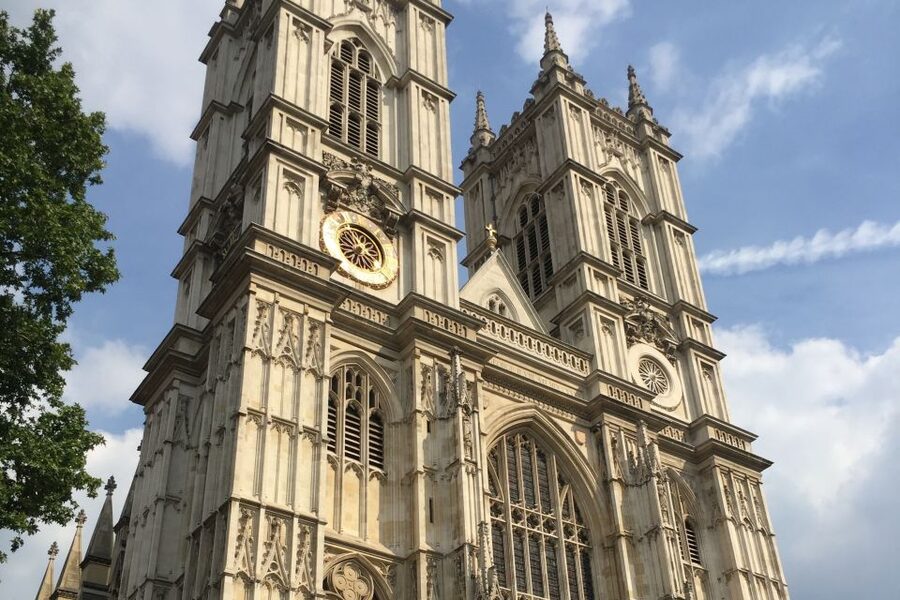
The tour’s main thread is the coronation. Westminster Abbey has hosted every coronation from William the Conqueror to Charles III, making the building more than a pretty Gothic church. It is a place where royal ceremony, national identity, and political power have met for centuries.
Your guide gives an overview of roughly 1,000 years of British history and culture. That broad scope is useful because the abbey contains far more names, monuments, and architectural details than you can absorb in one visit. A guide helps sort the important from the merely ornate.
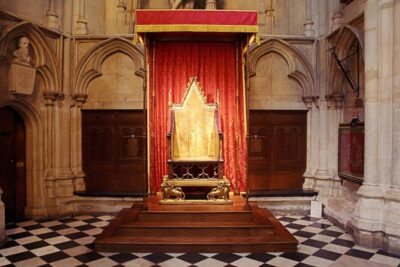
The coronation chair is a major highlight. At around 700 years old, it links modern royal ceremony to medieval England. Seeing the chair in person gives the coronation ritual a physical anchor. Instead of thinking only about a televised event, you can connect it to an object that has been part of the ceremony for generations.
This section should appeal to anyone interested in monarchy, medieval history, or public ceremony. It is also useful for families because a guide can turn the coronation into a story with recognizable characters and clear drama. Trudy’s success with children suggests that the right guide can make the subject accessible without flattening it into a school lecture.
Royal weddings and the Tudor sisters
Westminster Abbey also has a softer, more romantic side. The building has hosted 17 royal weddings, including the wedding of William and Kate.
That connection gives you a way to see the abbey as more than a burial place or coronation stage. It has also been a setting for family celebrations watched by huge audiences. Your guide can place the modern ceremony within the longer story of royal weddings held here.
The Tudor burials bring a sharper edge. Queen Elizabeth I and Queen Mary I, sisters who ruled England at different times and followed different religious paths, are buried in the abbey. Their shared resting place is a reminder that royal families could be divided by faith, politics, and succession.
I find this one of the most useful stops for understanding why Westminster Abbey matters. The building does not present history as a neat line of successful monarchs. It contains rival claims, difficult reigns, family conflict, and the remains of people whose decisions shaped England.
If you already know the Tudor story, you may appreciate the location more than a basic explanation. If you do not, the guide’s overview helps give the tombs meaning. A private tour is particularly handy here because you can ask for more context rather than simply moving along with a large crowd.
A few more options to weigh up in London
- London: The London Eye Entry Ticket
★ 4.6 · 35,875 reviews - From London: Harry Potter Warner Bros Studio Tour
★ 4.7 · 26,588 reviews - London: Westminster to Greenwich River Thames Cruise
★ 4.5 · 22,836 reviews - Magical London: Harry Potter Guided Walking Tour
★ 4.7 · 22,044 reviews
Poets, scientists, and the famous buried inside
The abbey’s burial places extend well beyond royalty. You can see the final resting places of Geoffrey Chaucer, Rudyard Kipling, Charles Dickens, Isaac Newton, Stephen Hawking, and Charles Darwin.
This mixture is one of the tour’s strongest features. In a short walk, you move from monarchs to writers, physicists, astronomers, and scientists. It shows how the abbey honors several parts of British public life, not just the crown.
Geoffrey Chaucer and Dickens connect the building to English literature. Newton and Darwin represent major changes in scientific thought. Kipling brings another literary voice, while Stephen Hawking links the abbey’s long past to the modern age.
You should not expect a long, separate lecture on each person. There are too many sites to cover in two hours. Instead, the guide uses these burials to explain the abbey’s wider role in British culture. If one figure particularly interests you, use the private format to ask a question and request a little more time where practical.
This part of the visit also suits families with different interests. One person can focus on kings and queens, another on Dickens or Chaucer, and someone else on Newton, Darwin, or Hawking. That variety helps prevent the tour from becoming a single-topic royal history lesson.
Medieval stonework, the Henry VII Chapel, and the galleries
Look closely at the 16th-century stonework. The craft is easy to miss if you spend all your time reading names and dates, but your guide can direct your attention to the carved details.
The Henry VII Chapel is another major architectural stop. Its grand design gives you a strong sense of the ceremony and status associated with the Tudor monarchy. You will want comfortable shoes because the visit involves moving through a historic building, and the tour is not suitable for visitors with mobility impairments or wheelchair users.
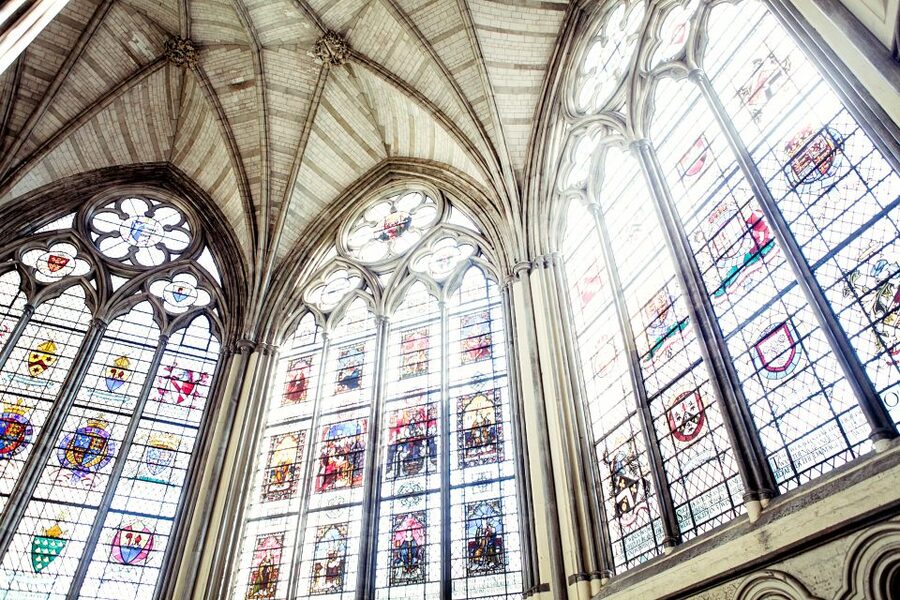
The tour also includes the abbey’s galleries. These areas reveal details that are harder to see from the main floor and help explain how the building developed over time. The 13th-century triforium is especially appealing because it gives you views across the abbey from above.
The upper-level viewpoint changes the experience. From the floor, Gothic architecture can feel overwhelming because the ceiling and vertical lines pull your eyes upward. From the triforium, you gain a different sense of the building’s shape and scale.
The mention of flying buttresses and carved gargoyles adds to this architectural side of the visit. These features are not merely decoration. They show the practical engineering and artistic ambition behind a medieval church. I would pay attention to the contrast between the massive structural elements and the small carved creatures placed high above eye level.
Why a private two-hour tour can be worth $337
The price is $337 per person, which makes this a high-cost option. You are paying for private guiding, admission, and skip-the-line access, not for food, drinks, hotel pickup, or transport.
The value depends heavily on your priorities. If you want the cheapest way inside Westminster Abbey, this is not the obvious choice. If you have limited time and want a guide focused on your group, the cost becomes easier to defend.
Two hours is long enough for a well-shaped introduction to the abbey, but not long enough to inspect every monument at leisure. The guide’s job is to give you a coherent route through a huge amount of material. That can save you from wandering past important sites without understanding them.
The private format also matters more for families and mixed-interest groups. A guide can adjust explanations and keep younger children involved. Trudy received especially warm praise for making the visit fun for children aged 8, 11, and 14 while still providing strong historical content.
For two people, the total cost is substantial. For a larger family or group, compare the total private price carefully with other entry and guide options available for your dates. The listing gives the rate per person, so your final cost rises with each member of the group.
The free cancellation policy gives you some protection. You can cancel up to 24 hours in advance for a full refund, and the reserve-now, pay-later option lets you hold the place without paying immediately. Those terms are useful because the abbey’s status as a working church means schedules can change.
Who will get the most from this experience
I would recommend this tour most strongly to first-time visitors who want the major highlights explained without spending half a day working out a route. It also suits people who care about royal ceremonies, Tudor history, British literature, science, or Gothic architecture.
Families should give it serious thought. The positive feedback about Trudy shows how much a lively guide can matter, especially when children have different ages and attention spans. A private group is less awkward when someone needs a question repeated or a child needs a moment to catch up.
This is less suitable for anyone who wants a quiet, self-guided visit with plenty of time for photography. Since photos and video are prohibited, you must be content to remember the place without recording it.
It is also a poor match for anyone with limited mobility. The tour is specifically not suitable for wheelchair users or people with mobility impairments. Large bags and luggage are not allowed, so plan to visit after leaving bulky belongings elsewhere.
Book with care if your London schedule is tight. The abbey can close or alter its hours on short notice, so keep another nearby activity in reserve. The tour takes place in all weather, and you should be prepared to wait outside briefly before meeting your guide.
Should you book Westminster Abbey with Urban Saunters?
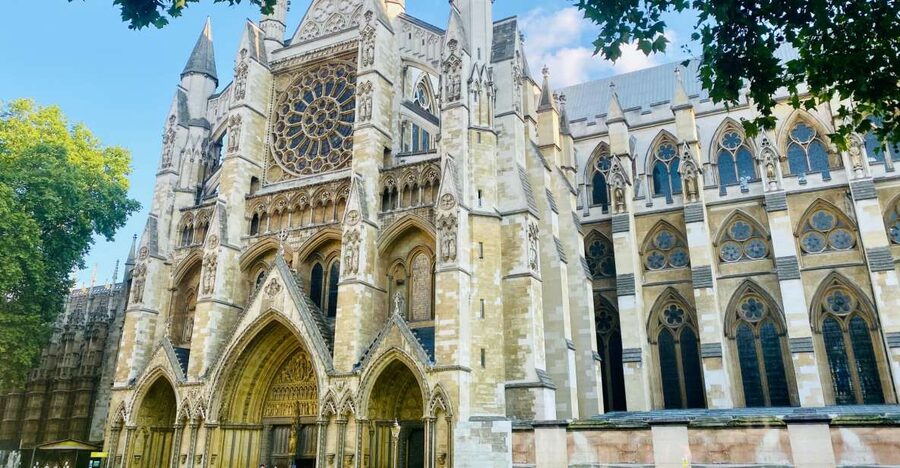
Book this experience if you value personal attention, efficient entry, and a clear historical story more than a low price. The strongest parts are the coronation chair, Tudor tombs, famous burials, Henry VII Chapel, and the upper gallery views, all tied together by an English Blue Badge guide.
The price is hard to justify for every budget, and two hours goes quickly. But for a private family visit, a special London trip, or anyone who wants the abbey’s major stories explained without guesswork, it can be a worthwhile splurge. Choose it for the guide and the structure, not just for admission.
FAQ
How long does the Westminster Abbey private tour last?
The tour lasts two hours.
What is included in the tour price?
The price includes entrance tickets and an English-speaking Blue Badge guide.
Is this a private tour?
Yes. The experience is operated as a private group tour.
Where do I meet the guide?
Meet outside the official Westminster Abbey shop at the base of the abbey’s western side. The guide will hold an Urban Saunters tour sign.
Is the tour conducted in English?
Yes. The live tour guide speaks English.
Can I take photographs or record video inside Westminster Abbey?
No. Photography inside and video recording are not allowed.
Can I bring luggage or a large bag?
No. Luggage and large bags are not allowed.
What happens if Westminster Abbey closes unexpectedly?
The abbey is a working church, so closures and opening-hour changes can happen at short notice. The tour also operates rain or shine.
Just added in London
- Women in art – National Gallery★ 5.0 · 3 reviews
- From London: Windsor, Stonehenge & Oxford Private Car Tour★ 3.5 · 4 reviews
- Windsor Stonehenge Bath Private Tour from London with Passes★ 4.8 · 5 reviews
- Windsor Castle Tour with Fish and Chips Lunch in London★ 4.4 · 25 reviews
- Windsor Castle Hampton Court Palace Private Tour with Pass★ 5.0 · 1 review
- Windsor Castle & Hampton Court Palace VIP Black Taxi Tour★ 4.9 · 14 reviews
- Windsor Castle Hampton Court palace Private Tour with Ticket★ 4.4 · 2 reviews
- From London: Windsor Castle, Bath, and Stonehenge Day Trip★ 4.4 · 153 reviews
Westminster Abbey Tickets, compared.
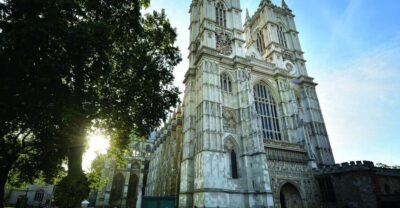

Westminster Abbey, Big Ben & Buckingham Guided Tour
Read our review →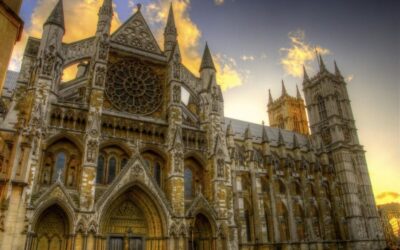
Buckingham Palace, Westminster Abbey & Big Ben Tour
Read our review →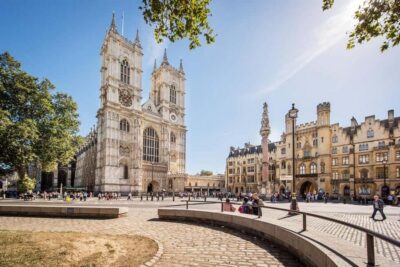
Guided Westminster Abbey Tour and Refreshments
Read our review →
Westminster Abbey Skip-the-line Entry & Guided Tour
Read our review →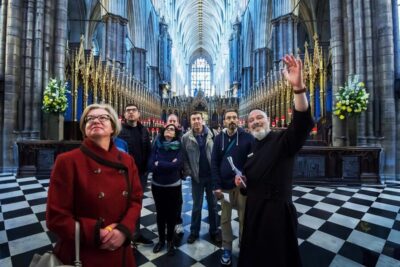
Westminster Walking Tour & Westminster Abbey Visit
Read our review →Other lists this tour turns up in