
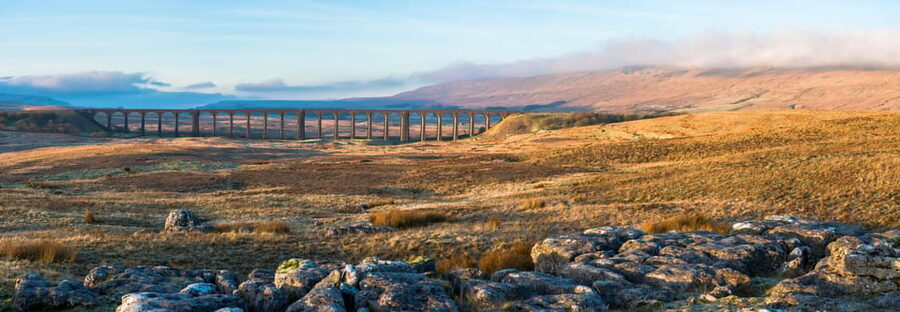
REVIEW · YORK TOURS
York & North Yorkshire Moors: Online Travel Guide
Yorkshire rewards travelers who take their time. This online travel guide connects York, the North Yorkshire Coast, and the North York Moors in a suggested 171-mile route, with ideas for 15 key destinations and sample trips lasting about three to 14 days. I like the way it gives you a clear plan without forcing you to follow every stop.
I also like the price: $16 per group of up to seven is strong value if you are sharing the guide with family or friends. The main drawback is that this is not a guided tour or navigation app. You need your own vehicle, your own bookings, and your own judgment about timing, parking, and road conditions.
In This Review
- Key points at a glance
- What this $16 guide really gives you
- York: begin with walls, Vikings, and medieval streets
- Howardian Hills and Castle Howard: a graceful change of pace
- Whitby: abbey ruins, cliffs, and a famous food stop
- Scarborough: a classic resort with two distinct bays
- The wider Yorkshire Coast: choose your own pauses
- North York Moors: open roads and steam-train towns
- Historic places that give the route its shape
- Sample trip lengths from three to 14 days
- Digital access and Google Maps links
- Price, group value, and what remains your responsibility
- Who will get the most from this guide?
- Should you book the York and North Yorkshire guide?
- FAQ
- How long is the suggested route?
- How long can I access the guide?
- How many people does the price cover?
- Do I need to download an app?
- Is this a guided tour?
- Do I need my own transport?
- Does the guide provide live navigation?
Key points at a glance
- Three very different Yorkshire experiences: medieval York, classic seaside towns, and open moorland roads.
- A 171-mile point-to-point plan: useful for shaping a road trip without spending hours joining destinations yourself.
- 15 destination ideas: enough choice to build a short break or a longer holiday.
- One low group price: a single licence covers up to seven people for 12 months.
- Useful digital links: suggested Google Maps pins, directions by section, and links for more information.
- Self-guided freedom: you choose your start point, finish point, pace, accommodation, meals, and entrance tickets.
What this $16 guide really gives you
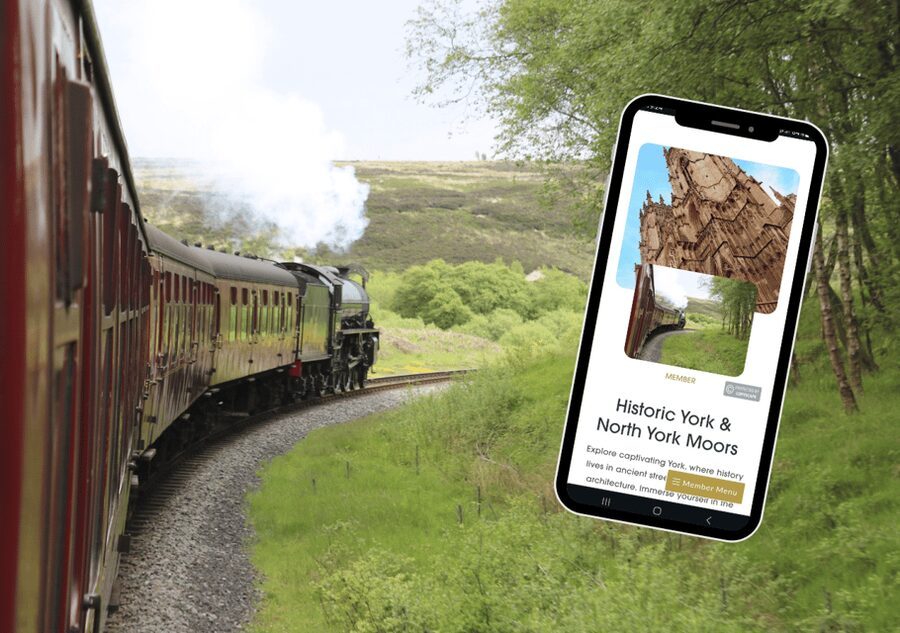
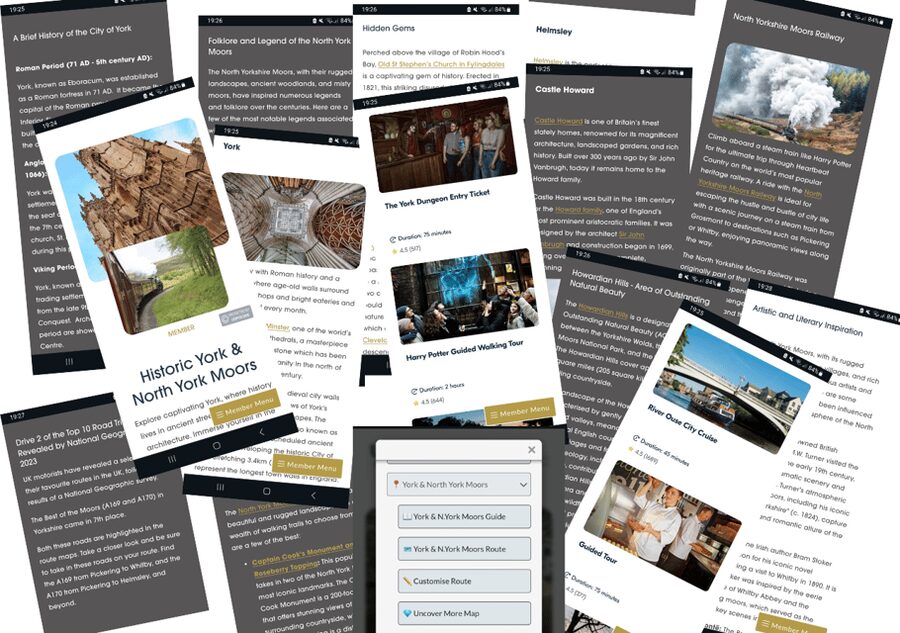
This is best understood as a digital travel book with a suggested road-trip framework. You read it online through a website, with no app to download and no meeting point to find.
The guide divides North Yorkshire into three sections: York, the North Yorkshire Coast, and the North York Moors National Park. That structure makes sense. Each area has a different character, so you can build a trip around city sightseeing, sea views, historic places, moorland drives, or a mix of all four.
The suggested route covers 171 miles, or 278 kilometres. That distance sounds manageable, but do not mistake it for a quick driving loop. You will want time for walks, meals, attraction visits, photography, and the occasional slow road through the moors.
I see the biggest value in the planning stage. The guide helps you answer the questions that often bog down a self-drive holiday: Which places fit together? How many nights might I need? What can I skip if I only have three days? Where should I look for parking or accommodation?
It does not create a personal itinerary for you. Instead, it gives you a sensible starting point and lets you select the pieces that suit your interests.
A few more options to weigh up in York
- York: Daytime Sightseeing Boat Cruise with Live Commentary
★ 4.2 · 2,618 reviews - Comedy Horror Show: York Ghost Bus Tour
★ 4.4 · 2,496 reviews - York: Harry Potter Guided Walking Tour
★ 4.5 · 1,231 reviews
York: begin with walls, Vikings, and medieval streets
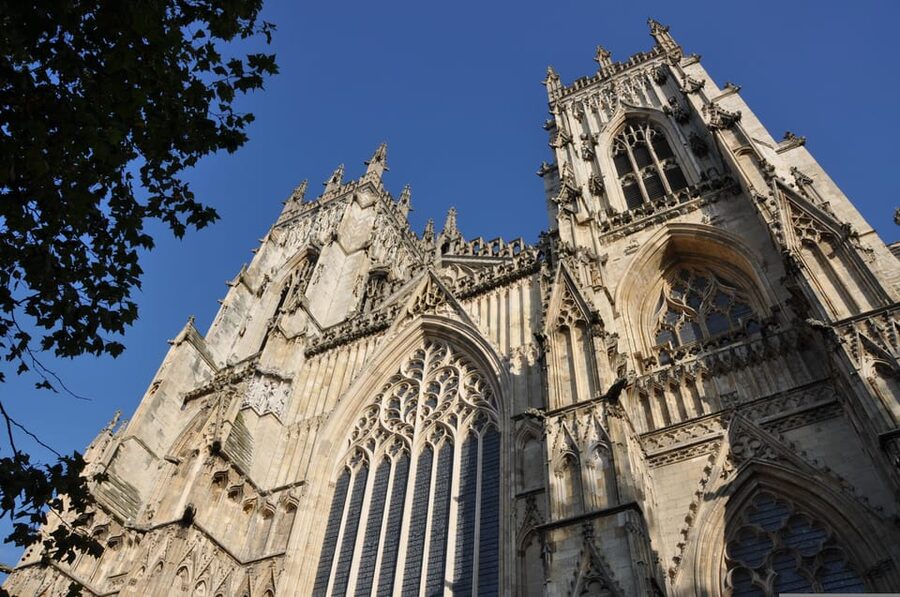
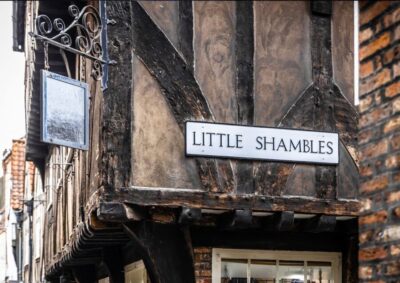
York is the strongest opening section for a first visit. Its compact historic centre gives you several major sights close together, including York Minster, the Shambles, the Jorvik Viking Centre, medieval city walls, and river cruises.
The guide’s York suggestions should help you decide how much time to allow. A quick visit may focus on the Minster, the Shambles, and a walk along the walls. A longer stay gives you room for the Viking centre, a river trip, and unhurried wandering through the old centre.
I like that the plan does not reduce York to one famous street. The Shambles is photogenic, but the city is more rewarding when you balance it with the Minster and the walls. York Minster provides the grand scale, while the narrow streets offer atmosphere and easy wandering.
The Jorvik Viking Centre adds a different layer. It gives the city a connection to its Viking past, rather than leaving you with only medieval stonework and tourist shops. A river cruise can also provide a change of pace after walking through the centre.
The practical issue is time. York has enough to fill a full day, and possibly two. If you try to treat it as a brief stop before the coast, you may spend more time checking sights off a list than enjoying the city.
Howardian Hills and Castle Howard: a graceful change of pace
The Howardian Hills section introduces a quieter side of North Yorkshire. This Area of Outstanding Natural Beauty provides a scenic link between York and the wider region, while Castle Howard adds a major historic attraction to the route.
Castle Howard is the obvious anchor here. The guide points you toward the estate as part of a broader trip rather than presenting it as a stand-alone stop. That is helpful because you can decide if the house and grounds deserve several hours or simply use the area as a scenic drive between larger destinations.
The appeal is the contrast with York. After busy streets and indoor attractions, the Howardian Hills offer open views and a slower rhythm. You might find this section particularly useful if you prefer stately homes, gardens, and countryside roads to a packed sightseeing schedule.
Do remember that entrance tickets are not included. The guide can point you toward ideas and links, but it does not buy attraction tickets or arrange visits. Check opening details and current prices before setting your route around Castle Howard.
Whitby: abbey ruins, cliffs, and a famous food stop
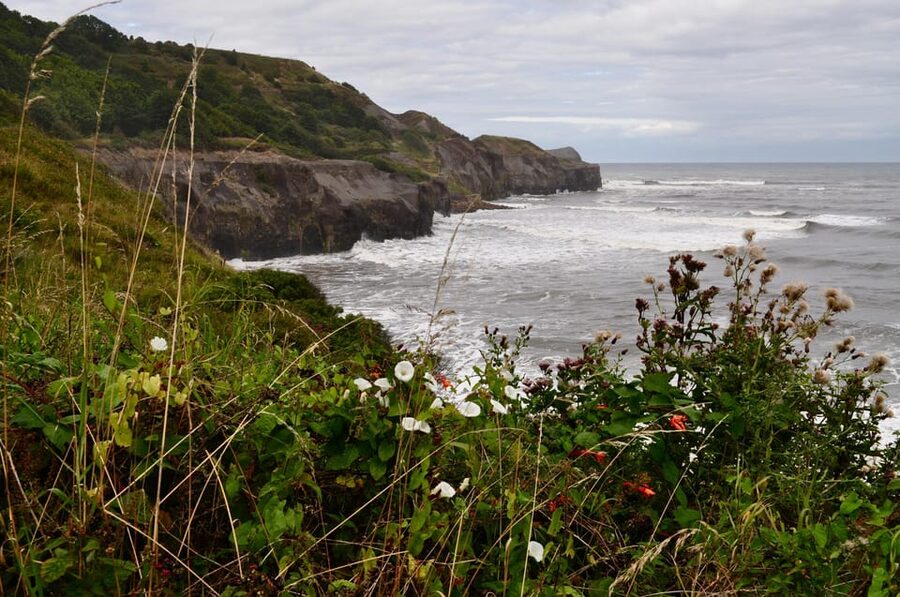
Whitby is one of the most distinctive coastal stops in the plan. Its clifftop abbey ruins, sea views, and fish and chips give it a strong sense of place.
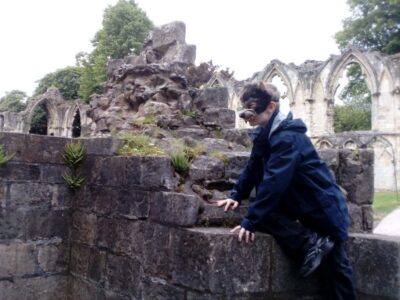
The ruined abbey is the visual highlight. Set above the town, it brings together open coastal scenery and a powerful historic setting. You can pair the visit with time in Whitby itself, where the harbour and seaside character make a pleasant contrast with the moors.
The guide also points you toward Whitby’s famous fish and chips. That sounds simple, but food stops matter on a road trip. A local meal can give the day a clear centre and save you from treating every destination as another hurried photo stop.
Whitby may be one of the places where you want flexibility. The town can suit a short visit, but the abbey, town streets, harbour, and coast can easily stretch your schedule. If you are driving in the busier part of the year, allow extra time for parking and local traffic.
The guide does not promise live directions, so use the supplied map links alongside your normal navigation tools. The suggested pins can help with planning, but you should not expect the guide to reroute you around delays.
A different kind of day out entirely:
- York: The York Dungeon Entry Ticket
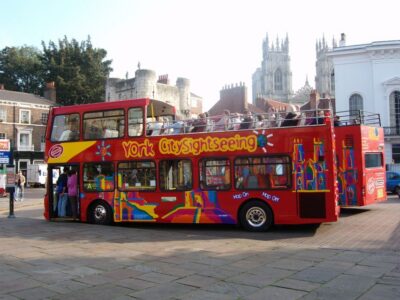
★ 4.8 · 1,108 reviews - York: City Sightseeing Hop-On Hop-Off Bus Tour
★ 4.6 · 954 reviews - York: Witches and History Old Town Walking Tour
★ 4.7 · 928 reviews - York: City Highlights Small Group Walking Tour
★ 4.9 · 867 reviews
Scarborough: a classic resort with two distinct bays
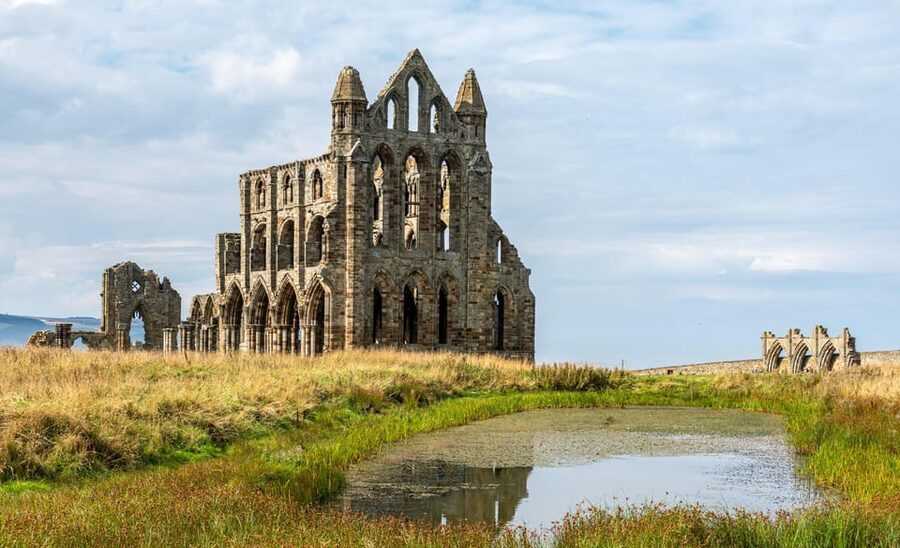
Scarborough offers a different coastal mood from Whitby. It is a traditional resort town with two bays, a grand castle, seafront amusements, and a long-established holiday atmosphere.
The two-bay layout gives you a useful way to think about the town. You can use the guide’s suggestions to choose between a beach-focused visit, a castle stop, or a broader look at the seafront. The castle adds a historic viewpoint, while the amusements provide the classic British seaside experience.
I like having Scarborough included because it keeps the coast section from becoming a sequence of only ruins and quiet villages. This is a livelier resort, and it may suit families or anyone who enjoys traditional seaside entertainment.
The possible drawback is that Scarborough will not appeal equally to everyone. If you want remote coves and empty coastal paths, the town can feel more developed than other parts of the route. The guide’s flexible format lets you shorten this stop or skip it altogether.
The wider Yorkshire Coast: choose your own pauses

The coastal section is not limited to Whitby and Scarborough. It also suggests hidden bays, colourful towns, and coastal trails, giving you room to adjust the trip to your own pace.
This is where the guide’s cherry-pick approach works well. You might spend longer in Whitby, add a coastal walk, or use a smaller town as a break between the main destinations. The plan gives you ideas rather than insisting that every stop belongs in every trip.
I would use this part of the guide to build breathing room into the holiday. Road trips are better when every hour is not allocated. A smaller coastal stop, a viewpoint, or a walk can make the route feel like a holiday rather than a transport exercise.
At the same time, the word hidden should not make you expect secret, empty places with no planning required. Coastal parking, opening times, and weather can affect your day. The guide supplies links and suggestions, but you remain responsible for checking the details.
North York Moors: open roads and steam-train towns
The North York Moors section changes the pace again. Instead of city streets or seafront promenades, you get moorland drives, historic villages, and wide views.
The guide specifically highlights steam train towns such as Grosmont. That gives the national park section a strong human connection. You are not simply driving through open country. You can use the towns as places to stop, explore, and break up the road journey.
Thornton-le-Dale adds a storybook village option. It is the kind of destination that works well as a short visit, especially if you want attractive streets and a gentler stop between longer drives.
The moors also appeal to visitors who enjoy the connection between place and creativity. The guide links the area with painters, poets, local legends, and wild scenery. That context matters because it encourages you to notice the character of the region instead of seeing it as empty space between attractions.
Take the driving seriously. The route is self-drive, and the guide does not provide live navigation or customisable routing. You will need to use your own vehicle and remain alert to the demands of rural roads. Plan fuel, parking, and rest stops in advance rather than assuming every stretch will offer convenient services.
Historic places that give the route its shape
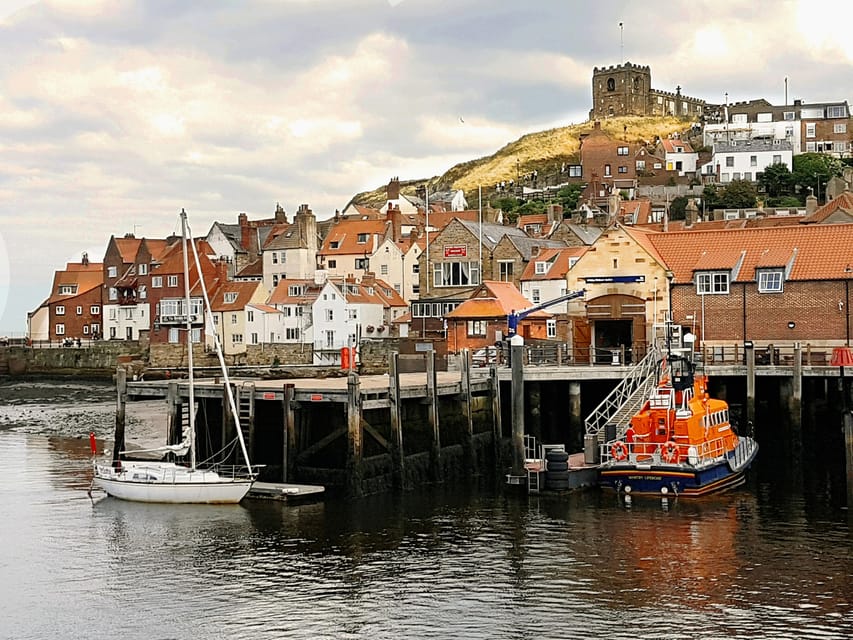
The trip includes more than the headline attractions. Historic sites such as abbeys, stately homes, and priory ruins help connect the different regions.
This matters because North Yorkshire can otherwise feel like several separate holidays placed side by side. York offers medieval and Viking associations, the coast brings abbey ruins and maritime character, and the moors add old villages, estates, and local stories. Historic sites give those sections a common thread.
I especially like the range. You can choose grand architecture at Castle Howard, religious ruins near the coast, and atmospheric remains in more rural settings. You do not need to visit every site to get value from the guide. The point is to identify the types of places you enjoy and build around them.
Entrance fees are separate, and the guide does not book activities. That is normal for a planning product, but it affects your budget. The $16 price covers the guide, not the holiday itself.
Sample trip lengths from three to 14 days
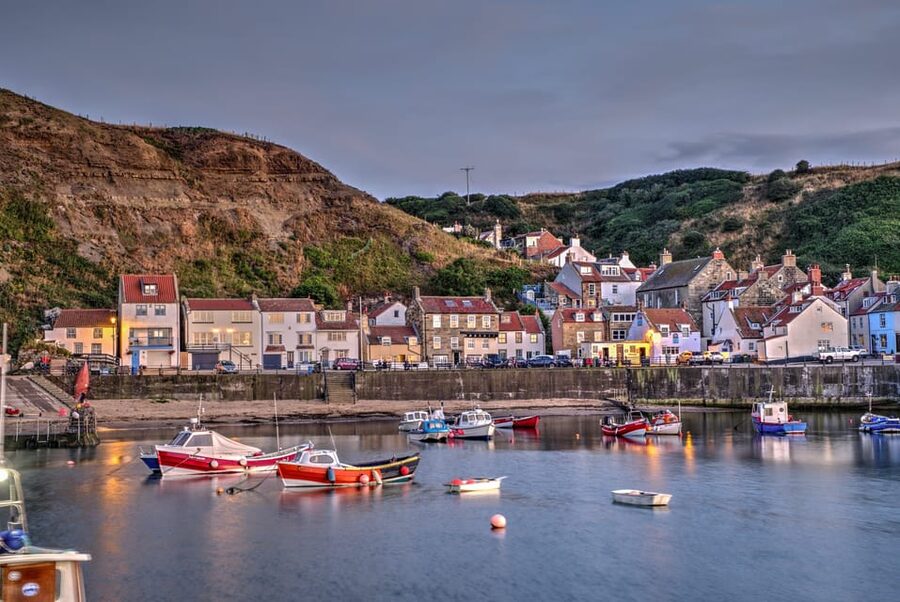
The guide is designed to support trips from roughly three to 14 days. That flexibility is one of its best features, provided you use it honestly.
For three days, you will need to choose. A sensible approach might be York, one coastal destination, and a short moorland section. Trying to include all 15 destination ideas would make the trip feel rushed.
With four to seven days, you can give York proper attention, visit Whitby and Scarborough, and add selected moorland stops. You may also have time for Castle Howard or another historic site.
A longer trip of up to 14 days gives you space to slow down. You can include more coastal towns, allow time for walks, spend longer in York, and make the moors part of the experience rather than just a scenic drive.
The guide’s sample itineraries are useful because they show how destinations can be combined. Still, treat them as examples, not rules. Your ideal route may depend on your interests, available accommodation, weather, and how much driving you enjoy.
Digital access and Google Maps links
You receive one account licence with 12 months of access, valid for 364 days from first activation. That long access period makes the guide useful well before departure, not just during the trip.
After booking, you receive a web link to create a separate guidebook account. You need a valid email address and password, and this account is separate from your GetYourGuide login. You can access the guide on a phone or computer through the website.
The guide includes pre-populated Google Maps with suggested pins and directions. It also offers customisable directions by section through Google Maps, but the overall guide itself is not customisable.
That distinction is important. You get map support, but not live navigation. Use your regular navigation system for traffic, closures, and route changes. Keep your phone charged, and bring a backup plan if you will be driving through areas with patchy service.
Price, group value, and what remains your responsibility
At $16 for a private group of up to seven, this is inexpensive compared with a guided multi-day tour. If several people share the cost, it becomes particularly good value for the planning time it can save.
You are paying for structure, ideas, links, and a ready-made route. You are not paying for a guide, transport, accommodation, meals, attraction tickets, or fuel. Those costs can be much larger than the guide price, so use the $16 as a planning fee, not as the full cost of the experience.
I would recommend booking as soon as you know you want to use it, since you can activate the 12-month access and start planning. The cancellation policy allows a full refund if you cancel at least 24 hours in advance, and reserve-now-pay-later flexibility is available.
You need your own vehicle, a charged smartphone, and travel insurance. There is no meeting point, and any starting point shown for the route is illustrative only. You decide where to begin and finish.
Who will get the most from this guide?
This suits independent visitors who want help with the big picture but do not want a fixed group tour. It is especially useful if you are visiting North Yorkshire for the first time and want a sensible mix of city, coast, and moors.
Families and groups of friends can share the low group price and choose different levels of sightseeing. Couples may appreciate the freedom to linger in York or take a slower coastal route. Drivers who enjoy building their own holiday will get more from it than anyone looking for a fully managed experience.
It is less suitable if you need a personal guide, live route changes, booked accommodation, or a detailed hour-by-hour schedule. It also requires you to make the final decisions about roads, parking, opening times, and attraction costs.
Should you book the York and North Yorkshire guide?
Book it if you want a flexible self-drive holiday with a useful backbone. The strongest reason is the combination of three very different areas: York’s historic centre, the coast around Whitby and Scarborough, and the North York Moors near places such as Grosmont and Thornton-le-Dale.
Skip it if you expect a guided tour or a navigation service. This guide will not drive the route for you, make reservations, or solve last-minute transport problems.
For $16 per group, I think it earns its place as a planning tool. Use the suggested route as a starting point, cut stops that do not interest you, leave room for weather and slow roads, and let the guide do what it does best: help you turn a large region into a trip you can actually manage.
FAQ
How long is the suggested route?
The suggested point-to-point route covers 171 miles, or 278 kilometres.
How long can I access the guide?
You receive 12 months of access, described as 364 days from first activation.
How many people does the price cover?
The price of $16 covers a private group of up to seven people with one account licence.
Do I need to download an app?
No. You access the guide through a website, and nothing needs to be downloaded.
Is this a guided tour?
No. This is a self-guided online travel guide. No guide will meet you in person.
Do I need my own transport?
Yes. You need your own vehicle to visit the suggested destinations, and transport, fuel, and related costs are not included.
Does the guide provide live navigation?
No. It includes suggested Google Maps pins and directions, plus directions by section, but it does not provide live navigation or fully customisable routing.
Just added in York
- Yorkshire: All Creatures Great and Small Mini-Coach Tour★ 4.8 · 25 reviews
- York’s Snickelways Story Walking Tour★ 4.9 · 79 reviews
- York: Wizard Walk of York Tour – Magic, Comedy & Family Fun★ 4.8 · 57 reviews
- York: Private Guided Walking Tour★ 5.0 · 3 reviews
- York’s Haunted Heart : Ghost, Ghouls and Gallows★ 4.6 · 82 reviews
- York: Private Bespoke History Walking Tour★ 4.9 · 29 reviews
- York: Party Cruise with Drink, Dinner, and DJ★ 3.4 · 38 reviews
- York Private Guided Walking Tour★ 5.0 · 1 review
York Tours, compared.

Daytime Sightseeing Boat Cruise with Live Commentary
Read our review →



Other lists this tour turns up in