
REVIEW · WALKING TOURS
Beginner Foraging Walk: Wild food walking tour & tasters
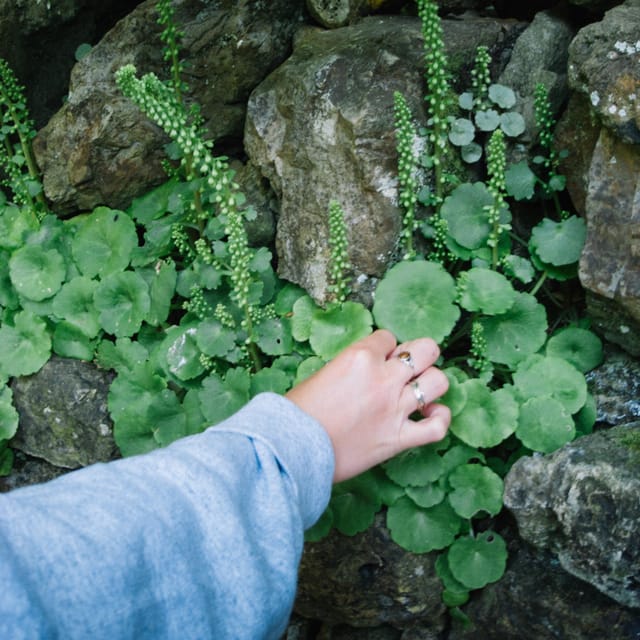
Wild food grows closer than you think. This 1.5-hour walk with Joseph Thurbin takes you through the Isle of Wight countryside while teaching simple ways to identify edible plants and fungi. You will also taste snacks made with wild ingredients, which turns the lesson from theory into something you can actually remember.
I like the friendly, hands-on approach, and I like that Joseph explains how to photograph plants and fungi so you can identify them at home later. The main drawback is that this is not a gentle stroll for everyone. The two-mile route calls for sturdy shoes, reasonable fitness, and comfort with uneven countryside paths.
The walk costs $33.67 per person, which is fair if you want a short guided introduction rather than a full-day foraging course. It is aimed at adults aged 18 and over, and people with food allergies should not book this experience.
In This Review
- Key things to know before you go
- Meeting Joseph at The Buddle Inn in Niton
- A two-mile introduction to wild food
- Learning to identify plants and fungi safely
- Tasting nettles and other wild ingredients
- Joseph Thurbin’s teaching style
- Why the Isle of Wight setting adds value
- What to bring for British weather
- Who will get the most from this walk
- Is $33.67 a fair price?
- Practical call: should you book it?
- FAQ
- Where does the foraging walk start?
- Where does the activity finish?
- How long is the walk?
- What language is the tour offered in?
- Can I reach the meeting point by public transport?
- What should I bring?
- Is the tour suitable for everyone?
Key things to know before you go
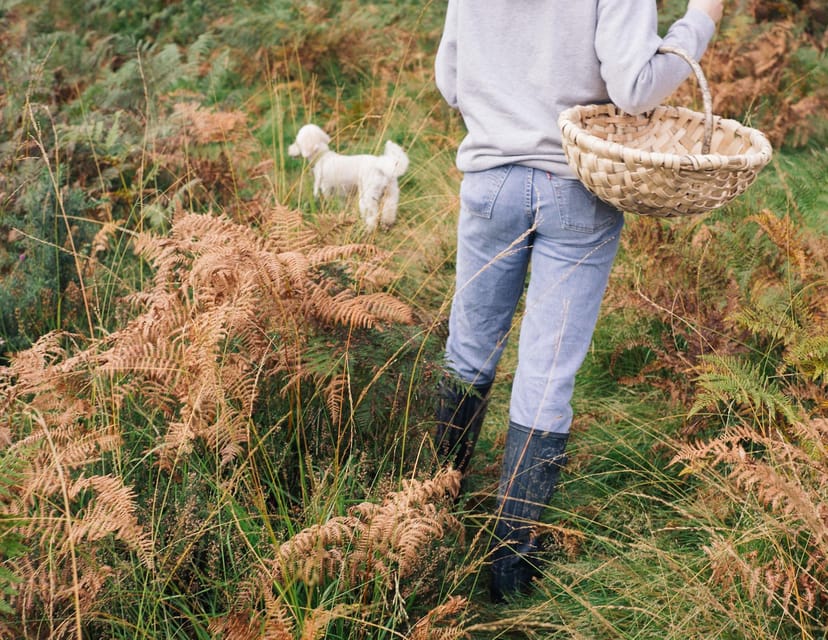
- Joseph Thurbin leads the walk: He is a lifelong forager and filmmaker who brings both plant knowledge and practical photography tips.
- The route covers about two miles: It begins opposite The Buddle Inn in Niton and returns to the same car park after roughly 1.5 hours.
- You taste wild ingredients: The walk includes snacks made with wild plants, including the chance to try ingredients such as nettles.
- It suits beginners: The focus is on plants and fungi that are relatively easy to identify, rather than advanced species hunting.
- The setting is rural and secluded: You walk through one of the quieter, more scenic corners of the Isle of Wight.
- Good footwear matters: Bring comfortable, sturdy shoes, waterproof clothing, water, a charged phone, and a notebook if you like taking notes.
Meeting Joseph at The Buddle Inn in Niton

The walk begins at the large car park opposite The Buddle Inn in Niton. Look for the guide carrying a foraging basket. That is a useful meeting point because it gives you a clear landmark and keeps the start simple.
You can reach Niton by Southern Vectis Route 6, so you do not necessarily need a car. If you drive, check whether a parking charge applies. Parking is not included in the tour price.
The meeting point also gives you a sense of the outing’s character. This is not a town-based food tour with a string of cafés and shops. You are heading into the countryside, where the lesson depends on what is growing along the route and what Joseph can point out in its natural setting.
I would arrive ready to walk rather than dressed for a casual pub visit. The weather on the Isle of Wight can change quickly, and the advice to bring a raincoat is practical rather than fussy.
More Food Tours in Britain:
- From Edinburgh: Scottish Highlands Tour with Whisky Tasting
★ 4.8 · 628 reviews - London: Piccadilly and Soho Beer Bike Tour
★ 3.9 · 198 reviews - York: York Cocoa Works Guided Tour and Tasting
★ 4.5 · 168 reviews
A two-mile introduction to wild food
The walk lasts about 1.5 hours and covers roughly two miles. That is enough time to learn a useful range of basic ideas without committing half a day to the subject.
Joseph’s aim is to help you recognise edible plants and fungi with more confidence. For a beginner, that matters. Foraging is not simply a matter of spotting something green and deciding it looks safe. Correct identification is essential, and a guided walk gives you a chance to compare plants in the field while asking questions straight away.
The route passes through a scenic and secluded part of the Isle of Wight. The setting is part of the appeal, but it also affects the pace. You are likely to stop often as Joseph examines plants, explains identifying features, and talks about possible kitchen uses.
That makes this more of a learning walk than a steady hike. If you want to cover ground quickly, you may find the frequent pauses frustrating. If you enjoy looking closely at the countryside, the slower pace is exactly what makes the outing worthwhile.
Learning to identify plants and fungi safely
The central lesson is plant identification. Joseph introduces species that are suitable for beginners and explains how to tell them apart. You will learn the basics of identifying wild edible plants, along with ideas for using them in cooking.
The value here is not just memorising a list of names. You are learning to notice details in the field and to build a habit of checking what you find. That is a much safer starting point than relying on a casual internet photograph or an old family tip.
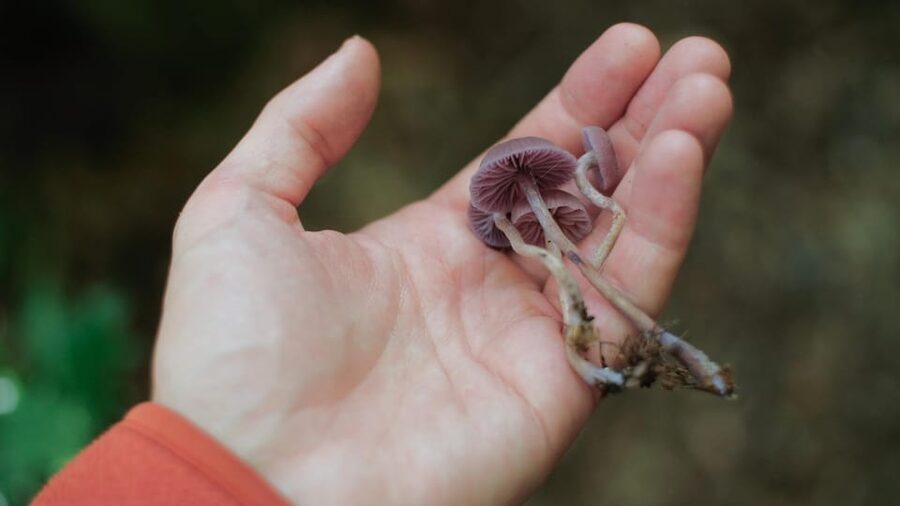
The walk also includes fungi. The information provided does not promise a particular number or type of mushroom, since what you see can vary with the season. That is a sensible approach. Wild species change with the time of year, and the January outing mentioned by one participant still found plants available for foraging.
That January detail is useful. You should not assume the Isle of Wight offers the same plants all year, but you also do not need to wait for summer to learn something. Even in winter, there may be species to discuss and taste.
Joseph also explains how to photograph plants and fungi for identification at home. This is one of the most practical parts of the experience. You can use your phone to capture a plant from several angles, then continue learning after the walk instead of treating the tour as a one-off activity.
Bring a charged smartphone for that reason. A notebook is also useful if you prefer writing down names, identifying details, and cooking ideas.
Tasting nettles and other wild ingredients
The tasting element gives the walk a welcome bit of fun. You will be offered snacks made with wild ingredients, and you may get to try plants such as nettles in an edible preparation.
That matters because it connects identification with everyday use. A plant can be interesting in the hedgerow, but you are more likely to remember it when you understand how it might work in a meal.
One especially enthusiastic response described being inspired to eat more nettles. Another person said the walk encouraged them to cook with plants they had never considered before. That tells you what the tasting is designed to do: not serve a large meal, but open your mind to ingredients that most people walk past.
Do not book this expecting a substantial lunch. The food is described as tasty snacks, so eat appropriately before or after the walk if you need a full meal.
You also need to take the allergy warning seriously. This experience is not suitable for people with food allergies. The tour involves tasting wild ingredients, and the safest choice is to avoid booking if you have an allergy that could make sampling risky.
A different kind of day out entirely:
- London: The London Eye Entry Ticket
★ 4.6 · 35,875 reviews - From London: Harry Potter Warner Bros Studio Tour
★ 4.7 · 26,588 reviews - London: Westminster to Greenwich River Thames Cruise
★ 4.5 · 22,836 reviews - Magical London: Harry Potter Guided Walking Tour
★ 4.7 · 22,044 reviews
Joseph Thurbin’s teaching style
Joseph is both a lifelong forager and a filmmaker. Those two skills suit this kind of walk. Foraging depends on careful observation, and filmmaking encourages attention to shape, detail, and clear visual explanation.
The strongest praise focuses on his friendly manner and ability to make the subject easy to follow. He is described as approachable, full of interesting facts, and easy to get along with. That is important for beginners, who may feel hesitant about asking basic questions or admitting that two plants look identical to them.
The atmosphere seems relaxed rather than formal. You are not signing up for an exam or a technical botany course. You are being shown how to begin, what to notice, and how to keep learning.
That said, the tour cannot replace a full field guide or advanced training. A 1.5-hour walk can give you a useful foundation, but you should continue checking plants carefully before eating anything you find on your own. The best takeaway is confidence to learn, not permission to forage without care.
Why the Isle of Wight setting adds value
The Isle of Wight is a good place for an outdoor food lesson because the experience takes place in the countryside rather than inside a classroom. You see plants where they grow, with the weather, terrain, and season all shaping the lesson.
The route near Niton is described as one of the island’s most picturesque and secluded areas. That gives the outing a sense of escape, even though the walk itself is short.
I like that the natural setting is not just decoration. It changes how you learn. A plant seen in context is easier to remember than a sample shown on a table. You can observe where it grows, what surrounds it, and how Joseph points out the features that help with identification.
There is also a quiet pleasure in walking through the countryside with a practical purpose. Instead of simply looking at the view, you begin to notice what is underfoot and along the path.
The tradeoff is that a rural route may be less comfortable for people who need smooth, level access. The experience is not suitable for wheelchair users or people with mobility impairments, and it is not recommended for those with a low level of fitness.
What to bring for British weather
The packing list is short, but each item has a reason:
- Comfortable, sturdy shoes
- Waterproof clothing, including a raincoat
- Comfortable clothes suited to outdoor walking
- A bottle of water
- A charged smartphone
- A notebook, if you want to record plant names and tips
High heels are not allowed, which should not surprise anyone planning a countryside walk. Alcohol and drugs are also not allowed, and you should not attend while intoxicated.
The clothing advice deserves attention. Even a 1.5-hour walk can feel unpleasant if your shoes soak through or the rain arrives halfway around the route. I would dress for damp conditions rather than trusting a bright morning.
Your phone serves two purposes. It can help you take photographs for later identification, and it gives you a simple way to record notes. Just remember to charge it before leaving.
Who will get the most from this walk
This experience is best for adults who are curious about wild food and want a gentle starting point in a guided setting. You do not need to arrive with prior foraging knowledge. The teaching is aimed at beginners, and the emphasis is on easy-to-identify plants and fungi.
It also suits people who enjoy combining a scenic walk with a practical skill. You are not only looking at the countryside, and you are not only attending a food tasting. The two parts work together.
I would recommend it for:
- First-time foragers
- Amateur cooks looking for new ingredients
- Visitors who enjoy nature walks with a clear focus
- People interested in plant photography
- Adults wanting a short outdoor activity on the Isle of Wight
It is a poor fit for anyone seeking a long hike, a full meal, or a family activity for young children. Children under 18 are not suitable for this tour, and the walk is not designed for people with limited mobility or low fitness.
Is $33.67 a fair price?

At $33.67 per person, the value depends on what you want from the outing. For a short walk, the price may seem higher than simply exploring the countryside alone. But you are paying for a guide, structured instruction, plant and fungi identification help, tasting samples, and practical advice you can use later.
The photography guidance adds value because it extends the lesson beyond the route. You can leave with a method for recording plants and continuing your own study.
The price also makes more sense if you see this as an introduction rather than a sightseeing walk. A standard countryside stroll gives you views. This experience gives you a skill, a tasting session, and an expert-led way to look at the plants around you.
Do not expect a large food spread or a full-day course. The outing is compact and focused. For many people, that will be a strength, especially if you are fitting it into a wider Isle of Wight visit.
Free cancellation up to 24 hours before the start gives you some protection if the weather or your plans change. You can also reserve now and pay later, which helps if you are arranging several activities in advance.
Practical call: should you book it?
Book this walk if you want a short, friendly introduction to wild food and like the idea of tasting ingredients in the place they grow. Joseph Thurbin’s approachable teaching style, practical phone photography tips, and clear beginner focus make it more useful than a simple nature stroll.
Think twice if you have food allergies, need wheelchair access, dislike damp weather, or want a strenuous hike or a substantial meal. The route is short, but it still requires suitable footwear and a reasonable level of fitness.
For curious adults staying near Niton, this is a good-value way to spend 1.5 hours. You will leave with new plants to look for, ideas for cooking with wild ingredients, and a better sense of how careful identification works.
FAQ
Where does the foraging walk start?
It starts at the large car park opposite The Buddle Inn in Niton. Your guide will be carrying a foraging basket.
Where does the activity finish?
The walk ends back at the same meeting point.
How long is the walk?
The activity lasts about 1.5 hours and covers roughly two miles.
What language is the tour offered in?
The live tour guide leads the experience in English.
Can I reach the meeting point by public transport?
Yes. The starting point is accessible via Southern Vectis Route 6.
What should I bring?
Bring comfortable shoes, comfortable clothes, water, a charged smartphone, and suitable waterproof clothing such as a raincoat. A notebook can also help with taking notes.
Is the tour suitable for everyone?
No. It is not suitable for children under 18, wheelchair users, people with mobility impairments, people with food allergies, or people with a low level of fitness. High heels, alcohol, drugs, and attending while intoxicated are not allowed.
More Walking Tours in Britain
- London: The Original Jack the Ripper Walking Tour
★ 4.7 · 7,833 reviews - Oxford: University and City Walking Tour with Alumni Guide
★ 4.7 · 4,429 reviews - London: Harry Potter Movies Walking Tour (Kids Go Free)
★ 4.7 · 3,071 reviews - London: The Great British Rock and Roll Music Walking Tour
★ 4.9 · 1,783 reviews
Just added in Britain
- Chester: The Dead Good Ghost Walking Tour★ 4.3 · 9 reviews
- The Best of British Cooking Class & Dining Experience★ 5.0 · 1 review
- London: Live Comedy Show at Big Belly Bar and Comedy Club★ 4.5 · 80 reviews
- London: British Museum Highlights Guided Small Group Tour★ 4.9 · 113 reviews
- The Beatles London Walking Tour★ 4.2 · 147 reviews
- The Best Highlights of London Walking Tour & Boat Cruise★ 5.0 · 1 review
- From Edinburgh: Best of Scotland Small-Group Day Tour★ 4.7 · 61 reviews
- The Authentic Walking Tour with Indian Tasting Meal★ 4.8 · 4 reviews
Walking Tours, compared.

Magical London: Harry Potter Guided Walking Tour
Read our review →

University and City Walking Tour with Alumni Guide
Read our review →
Harry Potter Movies Walking Tour (Kids Go Free)
Read our review →
The Great British Rock and Roll Music Walking Tour
Read our review →
Jack the Ripper Walking Tour – Ripper Vision Tours
Read our review →
Other lists this tour turns up in