
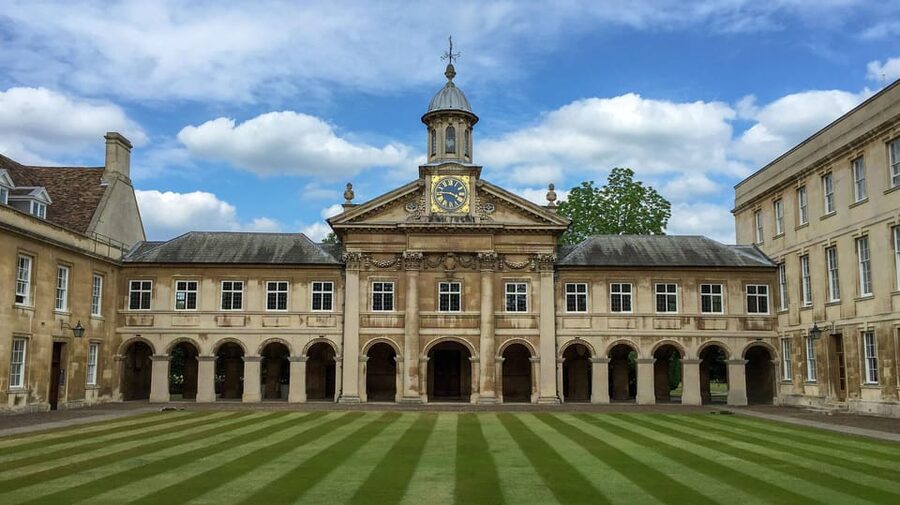
REVIEW · WALKING TOURS
Cambridge: University Walking Tour
Cambridge rewards slow looking. This two-hour walk turns grand college walls, clocks, and laboratories into a story about ideas that changed the world. I like the small groups of no more than 15 and the way the tour connects Cambridge to Christian foundations, modern science, religious freedom, and the fight against slavery. I also like that admission to the Round Church, its exhibition, and 23-minute film is included.
The main drawback is access. College entry is hoped for, not promised, and it is unavailable during university exam term from late April through the end of June. The walk can also move at a moderate to fast pace, so you should allow the full two hours and wear proper shoes.
In This Review
- Key points to know before you book
- Starting inside Cambridge’s Round Church
- Cambridge explained through a few big ideas
- Senate House and the ceremony of university life
- The Corpus Clock and Cambridge’s stranger details
- Cavendish Laboratory and the rise of modern science
- Famous Cambridge figures, from Newton to Wilberforce
- College entry: valuable when available, uncertain by design
- Why a small group changes the experience
- Pace, weather, and what the walk feels like
- Is $22 good value for Cambridge?
- Who will enjoy this Cambridge walk most?
- My verdict: book it for context, not guaranteed college access
- FAQ
- Where does the Cambridge University Walking Tour begin?
- What time does the tour meet?
- How long does the tour last?
- What language is the tour conducted in?
- Is entry to the Round Church included?
- Does the tour enter Cambridge colleges?
- Can the tour enter colleges during university exam term?
- Is the walking route wheelchair accessible?
- Can children join the tour?
- Can I bring a dog?
- What should I bring?
- Can I cancel my booking?
Key points to know before you book
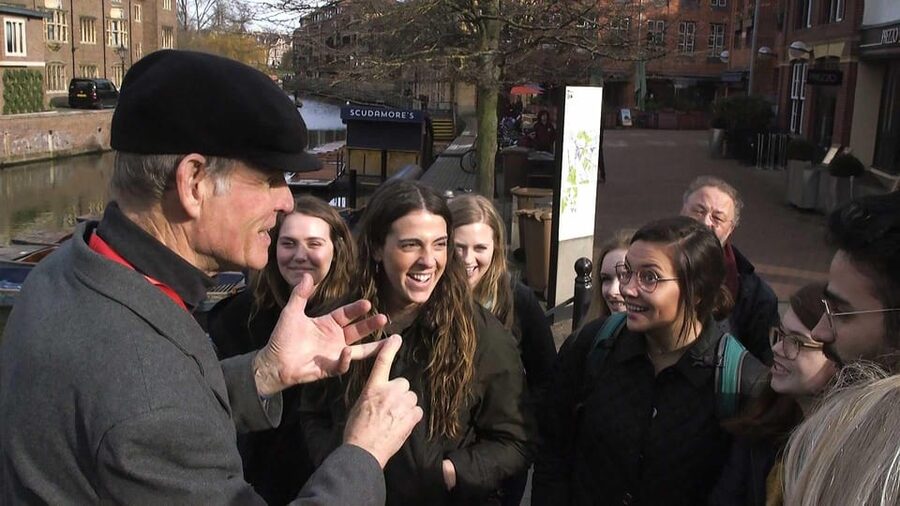
- A history tour with a clear idea behind it: The walk traces how faith, learning, science, law, and reform shaped Cambridge over eight centuries.
- Round Church entry is included: Begin inside this distinctive church, where an exhibition and film provide useful background.
- Small groups keep it personal: The maximum group size is 15, making it easier to hear the guide and ask questions.
- College access varies: The route may include one or two colleges, but opening times and exam term restrictions can change the plan.
- Guides bring strong local knowledge: Dave, Ian Cooper, Jon, John, Julia, and Martin have all been praised for clear explanations, humor, and easy conversation.
- Allow up to two hours: One guest found the walk ran long enough to affect a train connection, so do not schedule a tight departure afterward.
Starting inside Cambridge’s Round Church
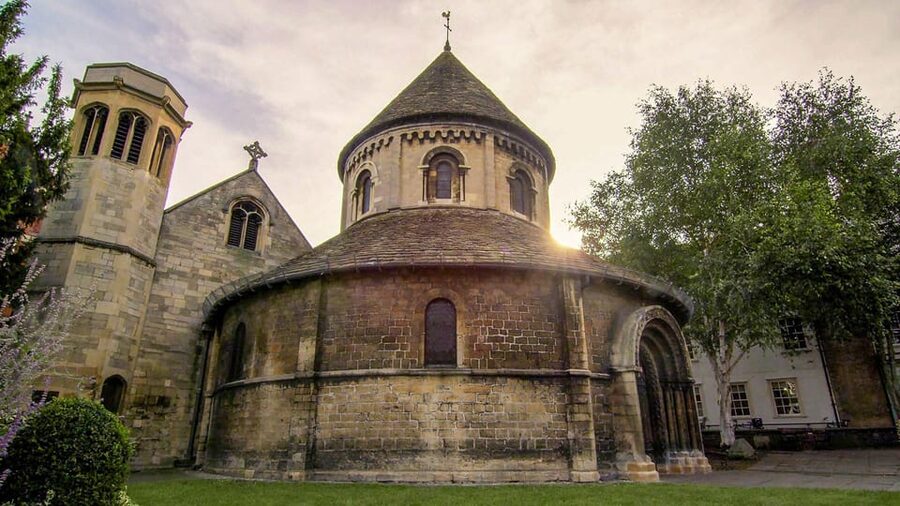
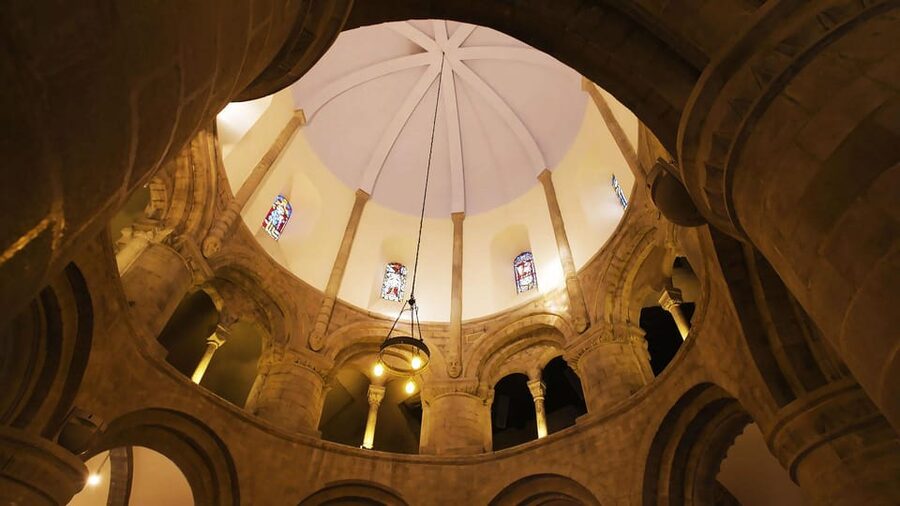
Your walk begins inside the Round Church, formally known as the Church of the Holy Sepulchre. You should arrive ahead of the 2:15pm start and check in at the welcome desk rather than waiting outside.
This is a good meeting point for more than practical reasons. The church gives the tour an immediate sense of place and introduces the Christian thread that runs through the afternoon. The exhibition and 23-minute film are included, subject to opening times, so you may see them as part of your visit to the church rather than as a separate attraction.
The tour runs on Wednesdays, Thursdays, Fridays, and Saturdays. It is conducted in English with a live guide, and the advertised length is 90 to 120 minutes. That range matters. Plan on two hours, not a quick hour and a half, especially if you want time for questions or if the guide has a lively group.
More Walking Tours in Cambridge
- Cambridge: Alumni-Led Walking Tour w/ King’s College Option
★ 4.8 · 1,177 reviews - Cambridge: Alumni-Led Walking & Punting Tour w/Kings College
★ 4.6 · 418 reviews - Cambridge: 2-Hour Private University Walking Tour
★ 4.9 · 28 reviews
Cambridge explained through a few big ideas
This is not simply a parade of famous buildings. The guide uses Cambridge as a way to explain how ideas developed and spread.
You hear how the university grew from Christian monasteries and how the Protestant Reformation changed England. The discussion then moves through the rise of modern science, arguments for the rule of law and religious freedom, and the campaign to abolish the British slave trade.
I like this structure because it gives the city a thread. Cambridge can otherwise feel like a collection of impressive façades with Latin names and closed gates. Here, the buildings matter because they are tied to people, conflicts, and changes in public life.
The religious focus is clear. If you prefer a tour limited to architecture or college gossip, this may not be your best match. Yet the subject is presented as history and public debate, not as a requirement that you share a particular belief. One visitor who described themselves as nonreligious still found the discussion engaging, especially the effect of religion on England and the wider world.
Senate House and the ceremony of university life
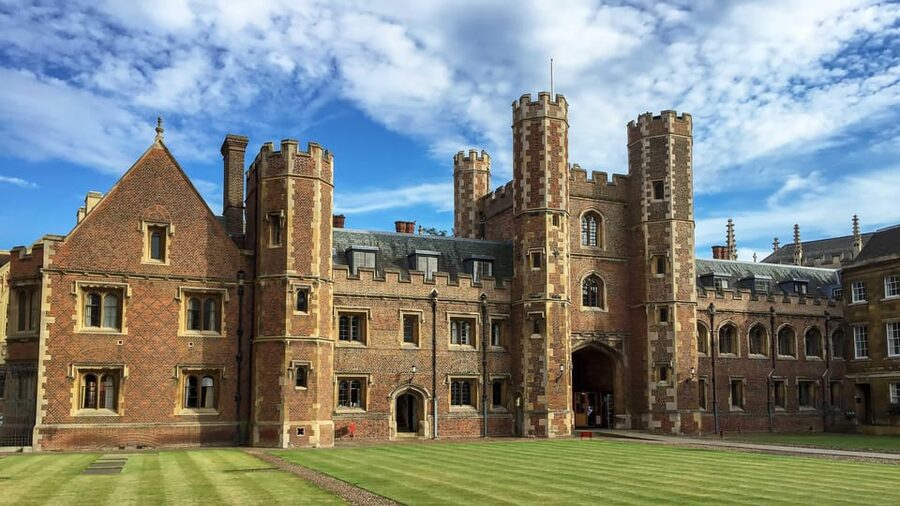
Senate House is one of the major sights on the route. It is a useful place to understand that Cambridge is not only a set of old colleges. It is also a working institution with formal traditions, academic ceremonies, and a strong public identity.
At stops like this, expect the guide to explain what the building represents and connect it to the wider story of university life. You will likely spend time standing while the guide speaks, so cold weather can make this part less comfortable. A warm coat is a better idea than relying on the brief walk between stops to keep you comfortable.
The walk’s strength is the way a guide can fill in what a photograph cannot. Senate House is easy to admire on your own, but the context helps you understand why it matters within Cambridge rather than treating it as just another handsome building.
The Corpus Clock and Cambridge’s stranger details
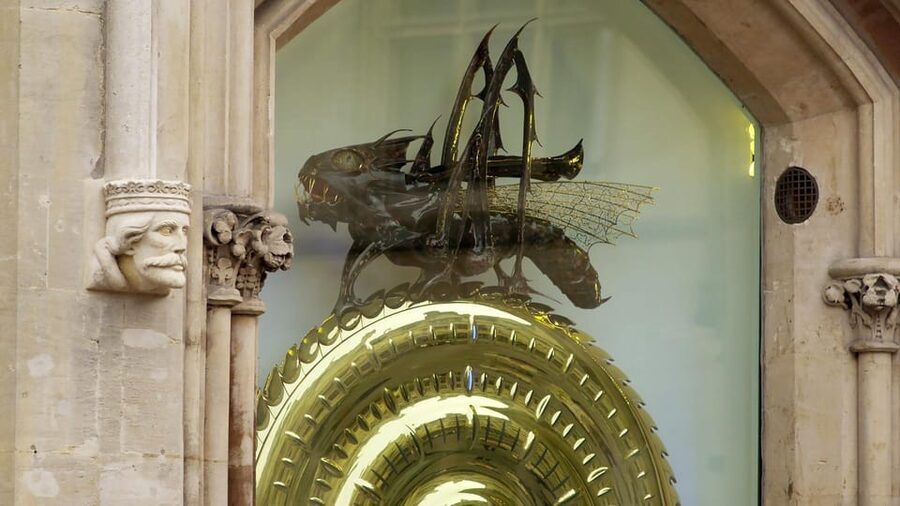
The Corpus Clock adds a lighter, more curious note to the route. It is one of those Cambridge sights that benefits from explanation because its appearance raises more questions than it answers.
The clock helps balance the heavier subjects of reform, science, and politics. A good guide can move from major historical themes to an unusual local detail without making the afternoon feel like a lecture. That mix is part of the appeal here.
The guides are repeatedly praised for humor and easy delivery. Dave is singled out for entertaining explanations and for answering questions off the cuff. Ian Cooper is described as engaging enough that the two-hour walk seemed to pass quickly. Those comments matter because a history walk succeeds or fails on delivery, not just on its list of stops.
A different kind of day out entirely:
- Cambridge: Guided River Cam Punting Tour
★ 4.7 · 1,469 reviews - Cambridge: University Alumni Tour with Kings College Option
★ 4.7 · 1,282 reviews - Cambridge: City Sightseeing Hop-On Hop-Off Bus Tour
★ 4.4 · 520 reviews - Cambridge: Shared Punting Tour with Guide
★ 4.7 · 427 reviews
Cavendish Laboratory and the rise of modern science
The Cavendish Laboratory links Cambridge to the development of modern science. Its place on the route helps show how the university’s story moved beyond theology and classical learning into experimental work and scientific discovery.
The tour also brings in Isaac Newton, one of Cambridge’s most famous figures. Newton gives the guide a natural way to discuss scientific change and the wider influence of Cambridge scholars.
You should not expect a laboratory visit unless the guide specifically confirms one. The information describes the Cavendish Laboratory as an iconic spot, but it does not promise interior access. As with the colleges, the value is often in seeing the place and learning what happened there, rather than assuming every important building is open to the public.
This is a useful distinction when planning your day. The walk offers context and access to selected sites, not a guaranteed behind-the-scenes tour of every institution.
Famous Cambridge figures, from Newton to Wilberforce
The people attached to Cambridge give the walk its human scale. Isaac Newton represents science, John Milton brings literature into the story, and William Wilberforce connects the university to the campaign against the British slave trade.
These are not included merely as a roll call of famous alumni. The guide uses them to ask how individuals shaped public life and how ideas moved from academic settings into national and international debates.
That approach makes the tour suitable for different ages and interests. A group ranging from people in their late twenties to their mid-seventies reportedly enjoyed the same walk, which suggests the material is broad enough for mixed groups. You can listen for architecture, religion, politics, literature, or science, depending on what catches your attention.
The guides also appear comfortable with questions. Jon is praised for asking the group questions and creating a relaxed atmosphere, while Dave is noted for handling unexpected questions well. That makes the experience feel more like a conversation than a memorized speech.
College entry: valuable when available, uncertain by design
The tour aims to enter approximately one or two colleges when opening schedules allow. This is one of the biggest variables in the experience.
College grounds can give you a closer look at the spaces that define Cambridge, but access is controlled by the university and individual colleges. You cannot treat entry as guaranteed. During exam term, from late April to the end of June, the tour cannot enter colleges at all.
That limitation is stated clearly, but it still affects value. If your main goal is to walk through college courtyards and chapels, check the date carefully and keep your expectations flexible. The route can still cover key historical sites, but the experience will be more street-based when college access is closed.
Visitors with dogs must also remain outside any colleges visited. Assistance dogs are allowed, and dogs are otherwise welcome on the walk, subject to those college restrictions.
Why a small group changes the experience
A maximum of 15 people is a practical advantage. Cambridge streets can be busy, and a large group can make it hard to hear a guide or see what they are pointing toward. A smaller party keeps the walk more manageable and gives you a better chance to ask a question.
The guides are not interchangeable in style, but the praise is consistent across several names. Dave is described as friendly, funny, and exceptionally well informed about Cambridge and England. Ian Cooper receives similar praise for his clear delivery and depth of detail. John, Jon, Julia, and Martin are also described as warm, enthusiastic, and engaging.
That variety can be a plus. You are booking a local guide rather than a fixed audio script, so the exact emphasis and stories may differ by day. One guide may spend more time on religion, another on buildings or personalities. The route itself can vary slightly too.
Pace, weather, and what the walk feels like
This is a moderate to fast walking tour. The route is pushchair accessible, but it is not wheelchair accessible, and the experience is not suitable for people with mobility impairments or wheelchair users.
You will also stop to listen. That means comfort depends on more than walking shoes. In cold weather, standing outside while hearing about a building can become the hardest part of the afternoon. Bring weather-appropriate clothing, water, and comfortable shoes. A camera is welcome, but audio recording is not allowed.
The walk is suitable for older children, but anyone under 16 must be accompanied by a responsible adult. Unaccompanied minors are not permitted.
One practical warning: do not place a train departure immediately after the advertised finish. The walk may last close to two hours, and one visitor had to leave before the very end to catch a train. Give yourself a buffer for the final stories, questions, and the walk back to the station.
Is $22 good value for Cambridge?
At $22 per person, the price is fair for a small-group guided walk lasting up to two hours, especially with entry to the Round Church, its exhibition, and film included.
The strongest value comes from interpretation. You can walk past Senate House, the Corpus Clock, and the Cavendish Laboratory alone, but you will not automatically understand their place in Cambridge’s story. A guide connects the sights to Newton, Milton, Wilberforce, the Reformation, science, law, and abolition.
The price is less compelling if you are buying it only for guaranteed college entry. That access is conditional, and the route may vary. For the best value, think of this as a guided introduction to Cambridge’s ideas and people, with possible college access, rather than as a college interiors tour.
The reserve-now-and-pay-later option also helps if your schedule is still shifting. You can cancel up to 24 hours beforehand for a full refund, according to the booking terms.
Who will enjoy this Cambridge walk most?
I would recommend it to you if you want more than photographs and prefer a guide who explains why a city matters.
It suits:
- First-time visitors who want a useful orientation on foot
- People interested in Christianity, the Reformation, science, law, or social reform
- History and architecture fans who enjoy stories about the people behind buildings
- Families with accompanied children aged under 16
- Visitors making a day trip who want structure without committing to a full-day program
- Anyone who likes small groups and the chance to ask questions
It may not suit you if you need a slow pace, guaranteed indoor access, or a wheelchair-friendly route. It is also not ideal for a tightly timed itinerary, since the tour can run to the full two hours.
My verdict: book it for context, not guaranteed college access
I would book this tour early in a Cambridge visit, particularly if you are seeing the city for one day. It gives you a framework for the streets, university buildings, and famous names, then leaves you free to explore on your own afterward.
The best reason to go is the guide-led storytelling. Dave, Ian Cooper, Jon, John, Julia, and the other guides are praised for clear explanations, humor, patience, and real command of the subject. The most useful expectation is also the simplest: you are paying for a thoughtful walk through Cambridge’s ideas and history, with the Round Church included and college entry when possible.
Book it if that sounds appealing. If college interiors are your main goal, check the date, avoid exam term, and confirm what access is possible. Wear warm clothes, leave plenty of time afterward, and let the afternoon run at its own pace.
FAQ
Where does the Cambridge University Walking Tour begin?
It begins inside the Round Church. Enter the church and check in at the welcome desk before the scheduled start.
What time does the tour meet?
The walking tours meet at 2:15pm on Wednesdays, Thursdays, Fridays, and Saturdays.
How long does the tour last?
The tour lasts 90 to 120 minutes. You should plan for the full two hours.
What language is the tour conducted in?
The live guided tour is conducted in English.
Is entry to the Round Church included?
Yes. Admission to the Round Church, including its exhibition and 23-minute film, is included, subject to opening times.
Does the tour enter Cambridge colleges?
The tour aims to enter approximately one or two colleges when opening availability allows, but entry is not guaranteed.
Can the tour enter colleges during university exam term?
No. College entry is not available during university exam term, which runs from late April to the end of June.
Is the walking route wheelchair accessible?
No. The route is pushchair accessible but not wheelchair accessible, and the experience is not suitable for wheelchair users or people with mobility impairments.
Can children join the tour?
Yes, but children under 16 must be accompanied by a responsible adult. Unaccompanied minors are not allowed.
Can I bring a dog?
Dogs are welcome, but visitors with dogs must remain outside any colleges visited because of college restrictions. Assistance dogs are allowed.
What should I bring?
Bring comfortable shoes, water, a camera, and clothing suitable for the weather.
Can I cancel my booking?
You can cancel up to 24 hours in advance for a full refund. The reserve-now-and-pay-later option lets you hold a place without paying immediately.
Just added in Cambridge
- Haunted Stories of Cambridge – Private Walking Tour★ 5.0 · 1 review
- Grantchester: Walking Tour of TV Show Locations★ 4.9 · 6 reviews
- From Cambridge: Guided day trip to Stratford & The Cotswolds★ 4.7 · 4 reviews
- From Cambridge: Guided Day Tour to Bath and Stonehenge★ 4.8 · 14 reviews
- Cambridge: Ghost Tour Led by University Alumni Guide★ 4.5 · 108 reviews
- Cambridge: Shared Chauffeured Punting Tour★ 4.8 · 18 reviews
- Cambridge: Sightseeing Walking Tour with a Local Guide★ 3.0 · 5 reviews
- Cambridge: The Original Uncomfortable Cambridge™ Tour★ 4.8 · 13 reviews
Walking Tours, compared.

Magical London: Harry Potter Guided Walking Tour
Read our review →
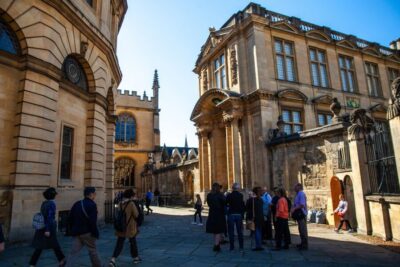
University and City Walking Tour with Alumni Guide
Read our review →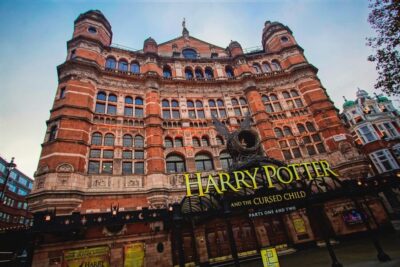
Harry Potter Movies Walking Tour (Kids Go Free)
Read our review →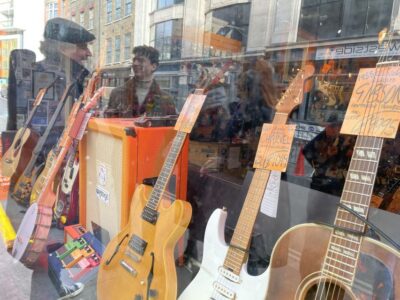
The Great British Rock and Roll Music Walking Tour
Read our review →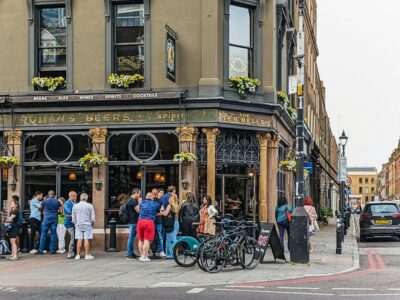
Jack the Ripper Walking Tour – Ripper Vision Tours
Read our review →
Other lists this tour turns up in