
REVIEW · CASTLE TOURS
Dover Castle Admission Ticket
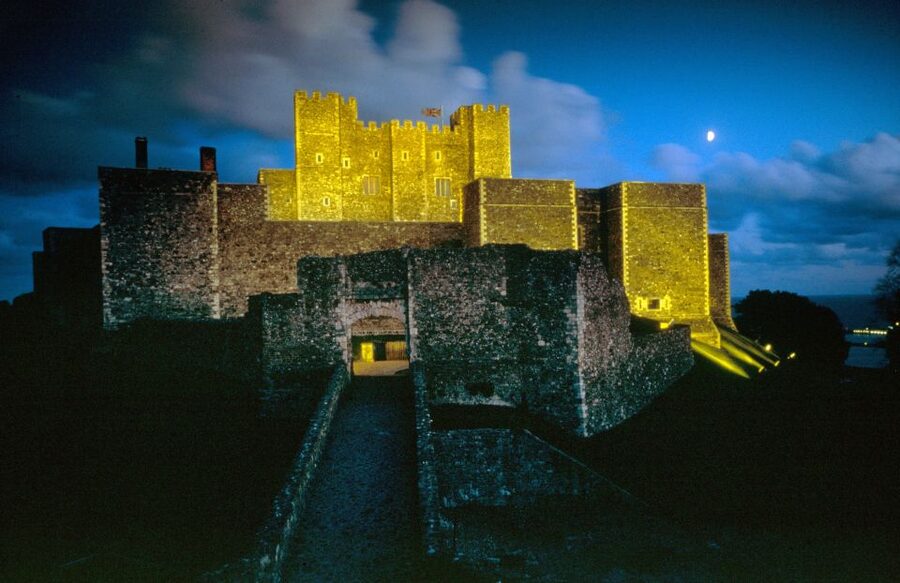
England’s castle story begins at Dover. This one-day admission gives you two especially strong reasons to visit: the vivid recreation of Henry II’s royal palace and the moving wartime tunnels tied to Dunkirk. I also like that the ticket covers far more than a single building, from Roman remains and medieval defenses to Cold War-era military history. The main catch is simple: the site is large, steep, and physically demanding, with long waits possible for the most popular tunnel tours.
Plan on three to four hours if you want to do the castle justice. You can see the main sights faster, but rushing means missing the hospital, wartime tunnels, guided talks, or the far corners of the grounds. The $33 admission price feels fair for a full day of history, though it is less appealing if you have only an hour or two in Dover.
In This Review
- Key points to know before you go
- Why Dover Castle Matters
- Start With the Great Tower
- Climb to the Great Tower Roof
- Follow the Story Underground
- Do Not Skip the Underground Hospital
- Allow for Queues at the Wartime Tunnels
- See Dover Castle Under Siege
- Look for the Small Details
- How Long Should You Spend There?
- Is the $33 Ticket Good Value?
- Who Will Enjoy Dover Castle Most?
- Simple Tips for a Better Visit
- Should You Book Dover Castle?
- FAQ
- Where is Dover Castle located?
- How long is the Dover Castle ticket valid?
- How much does admission cost?
- What is included with the ticket?
- What is the last entry time?
- Is Dover Castle wheelchair accessible?
- Can I cancel my booking?
Key points to know before you go
- The Great Tower recreates Henry II’s court with colorful rooms, lifelike hologram figures, a great hall, kitchens, guest rooms, and armories.
- The roof gives sweeping views over Dover Castle, the white cliffs, and the Channel area, but expect stairs, slopes, uneven ground, and a few easy-to-miss steps.
- The wartime tunnels are the emotional heart of the visit, using film, sound, and archive images to explain the 1940 Dunkirk evacuation.
- The underground hospital tour adds a human side to military history, with staff-led interpretation in the former medical tunnels.
- Dover Castle Under Siege adds a newer layer, using interactive displays and reopened medieval tunnels to show the castle under attack.
- You need time and a plan, since queues for the wartime tunnels can eat into your day, especially during school holidays and busy summer periods.
Why Dover Castle Matters
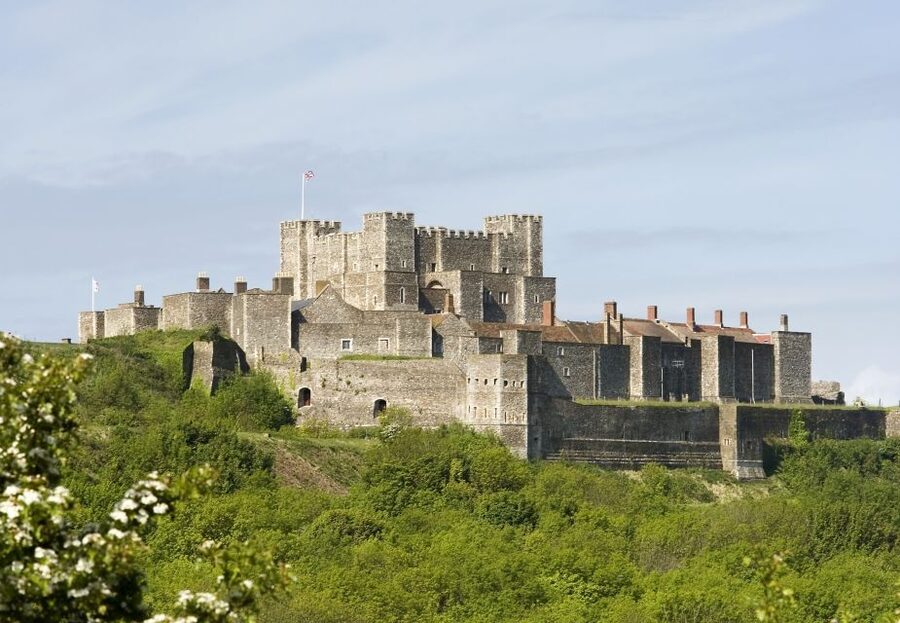
Dover Castle sits above the famous white cliffs in Kent, guarding one of the narrowest crossings between England and continental Europe. That location explains the castle’s long military life. Roman activity, medieval kings, Napoleonic defenses, both world wars, and the Cold War all left their mark here.
I like the site because the history is not trapped in one period. Many castles give you a grand hall, a few walls, and a plaque explaining the rest. Dover gives you royal apartments above ground and command tunnels below it. You move from kings and feasts to hospital wards, artillery, evacuation plans, and modern military strategy.
The setting adds to the impact. From the upper parts of the castle, you can look across the huge defensive complex and toward the coast. On a clear day, the view helps you understand why Dover was such a valuable lookout point.
More Castle Tours in Britain:
- Windsor Castle Admission Ticket
★ 4.7 · 7,032 reviews - Inverness: Isle of Skye and Eilean Donan Castle Day Trip
★ 4.8 · 4,136 reviews - London: Windsor Castle, Stonehenge & Bath Full-Day Tour
★ 4.4 · 3,112 reviews
Start With the Great Tower

Make the Great Tower your first major stop. It is the castle’s visual centerpiece and the clearest introduction to medieval royal life.
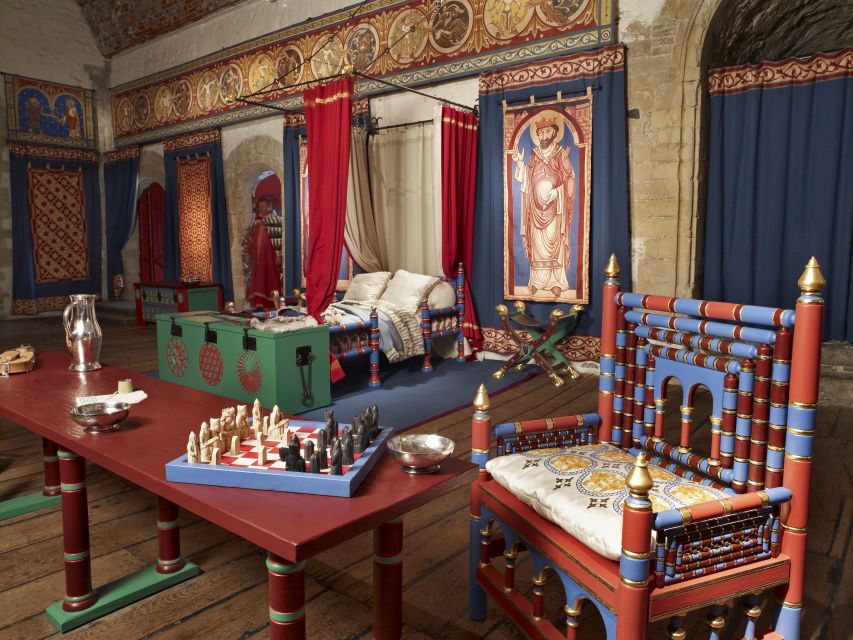
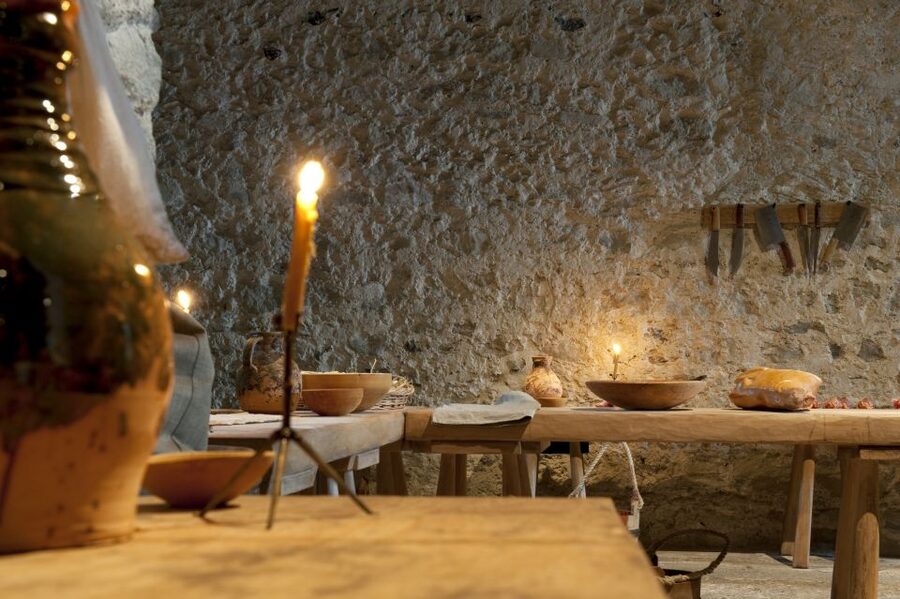
Inside, Henry II’s 12th-century palace has been presented with bright colors, furnished rooms, and lifelike hologram figures. These figures lead you through the private chambers, guest rooms, great hall, kitchen, and armories. The staging is theatrical, but it solves a real problem: medieval stone rooms can feel empty and confusing without a sense of how people used them.
I especially like the kitchen and great hall because they help you picture the castle as a working royal residence, not just a defensive shell. The great hall shows the public side of court life, while the private chambers suggest the separation between the king’s household, visitors, and servants.
The hologram presentation will suit families and anyone who prefers history with a clear story. If you like bare ruins and quiet interpretation, it may feel a little polished. Still, the rooms are easy to follow, and the presentation gives the tower a strong sense of purpose.
Climb to the Great Tower Roof
The climb to the roof is worth the effort. From the top, you get broad views across the castle grounds and out toward the coast. You can see how the walls, towers, earthworks, and open spaces fit together as one large defensive system.
This is also where the physical demands become clear. Dover Castle has many stairs, hills, slopes, and rough surfaces. You should wear sturdy shoes and allow extra time if you walk slowly or need regular rests.
Take care on the roof. One visitor found a step difficult to spot against the attractive view, so keep your eyes on the path as well as the horizon. The scenery is excellent, but castles are full of uneven transitions that modern buildings would normally mark more clearly.
The roof works best as a pause between indoor visits. Give yourself a few minutes to look back at the tower, identify the outer defenses, and appreciate the castle’s position above Dover.
Follow the Story Underground
The tunnels are what make Dover Castle more than a standard medieval visit. Several underground areas connect the castle to different periods of conflict, including medieval, Napoleonic, and 20th-century military use.
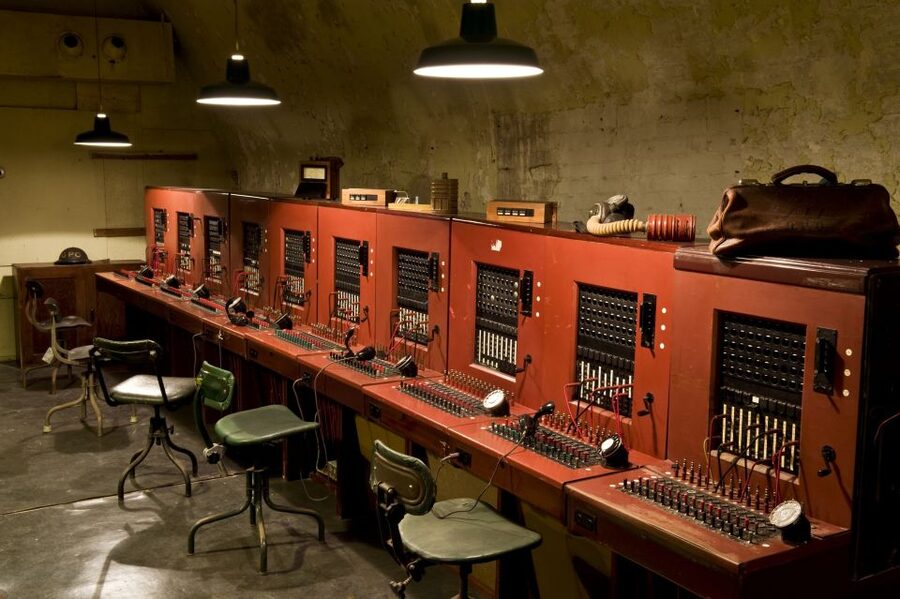
The wartime tunnels focus on the 1940 evacuation from Dunkirk, when more than 300,000 British and allied troops were brought home. Film, audio, archive photography, and staged scenes explain how the operation unfolded from Dover’s command center.
This section is not just a display of military hardware. It shows the pressure of decision-making during a national emergency. The tunnel setting helps because you are walking through the kind of cramped, enclosed place where orders were planned and communicated.
The Dunkirk presentation can be moving, particularly when the film and sound work together in the underground rooms. Give this part your full attention. It is easy to treat a tunnel as a quick stop, but the presentation is one of the most worthwhile parts of the admission.
A few more options to weigh up in Britain
- London: The London Eye Entry Ticket
★ 4.6 · 35,875 reviews - London: Tower Bridge Entry Ticket
★ 4.7 · 15,560 reviews - London: Westminster Abbey Entrance Ticket
★ 4.6 · 11,254 reviews - London: St Paul’s Cathedral Entry Ticket
★ 4.7 · 9,813 reviews
Do Not Skip the Underground Hospital
The former underground hospital gives the wartime story a more personal angle. Here, the focus shifts from troop movements and command decisions to injury, treatment, and the daily work of medical staff.
The tour is guided, and the staff help you understand how the rooms were used. Their explanations add details that you would likely miss by walking through the tunnels alone. Several visitors particularly enjoyed the hospital tour, and that makes sense: it puts ordinary people at the center of a large military story.
The hospital tour may have set times and limited capacity, so check what is available when you arrive. If you reach the castle late, you may miss some guided activities. Arriving early gives you a better chance of fitting in both the hospital and wartime tunnel visits.
Allow for Queues at the Wartime Tunnels
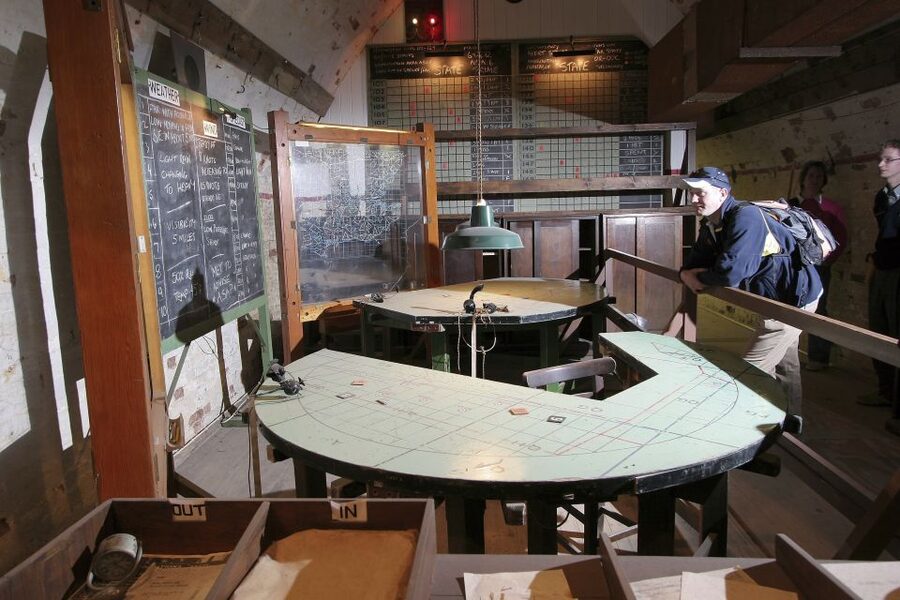
The biggest practical issue is the queue for the wartime tunnels. On busy days, staff may direct people toward the tunnels as soon as they enter, creating a line that is not obvious from the ticket office. You might think you are simply following the normal route, only to discover that the wait will affect the rest of your visit.
I would ask staff about tunnel times immediately after entry. Then decide if you want to join the line or visit another area first. If the queue is long, do not assume you can return late in the day and walk straight in.
The wait can be frustrating, but the wartime presentation is worth prioritizing. People who skipped it because of limited time often regretted missing one of the castle’s strongest attractions. If you have only two hours, choose carefully. If you have four hours, you have a much better chance of seeing the main tunnel experiences without racing.
See Dover Castle Under Siege
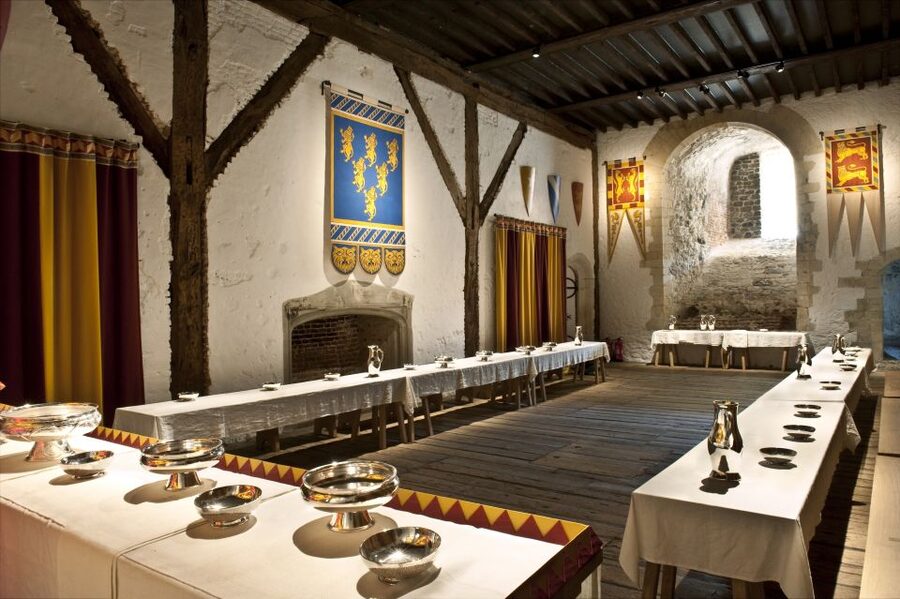
Dover Castle Under Siege adds a newer attraction to the visit. It explains some of the castle’s most difficult periods through interactive displays and reopened medieval tunnels.
This is a useful addition because it connects the castle’s defensive design with the danger it faced. Rather than treating the walls as scenery, the attraction asks you to think about attacks, pressure, and the people required to defend such a large stronghold.
The reopened medieval tunnels also help balance the visit. The Great Tower shows royal life, the wartime tunnels show 20th-century conflict, and this attraction brings attention back to the castle’s earlier military role.
Plan your route around opening times and staff instructions. The site includes many separate areas, and access to particular tours or displays can vary.
Look for the Small Details
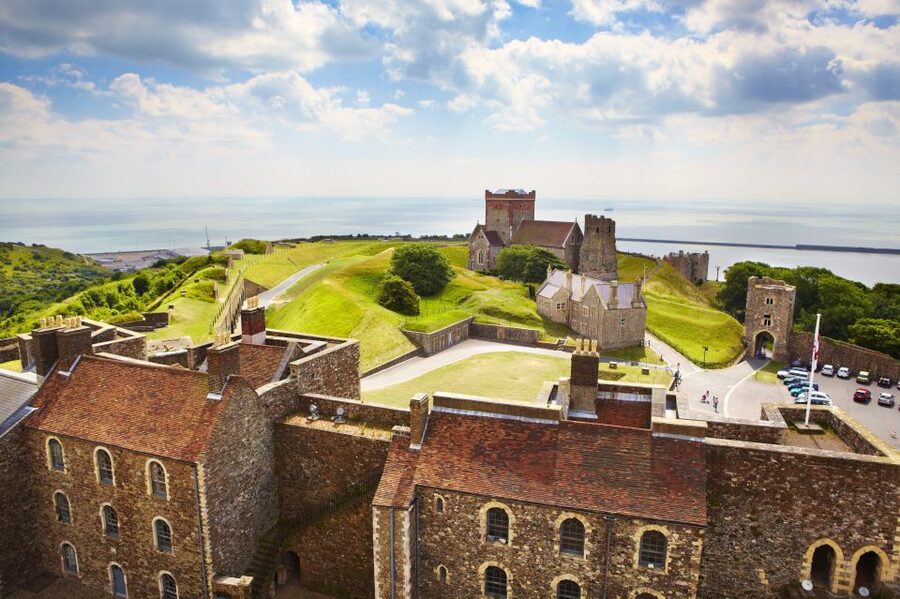
Dover Castle rewards curiosity. One unusual feature is the fresh water well, reported to be roughly 100 meters deep. A water-drop demonstration shows its depth in a way that makes the figure easier to grasp.
You should also speak with the staff stationed around the grounds. They can explain details that are not always obvious from the buildings alone, and their stories can add warmth to what might otherwise be a large collection of walls and rooms.
Depending on the day, you might find family activities, performances, costumed interpretation, or emergency-service vehicles on display. These extras are especially useful if you are visiting with children. Young visitors can connect with armor, vehicles, and dramatic scenes more quickly than with dates carved into a sign.
The site’s strength is this mix of formats. You can watch a film, climb a tower, listen to a guide, examine a deep well, walk through a tunnel, and then stop to enjoy the view.
How Long Should You Spend There?
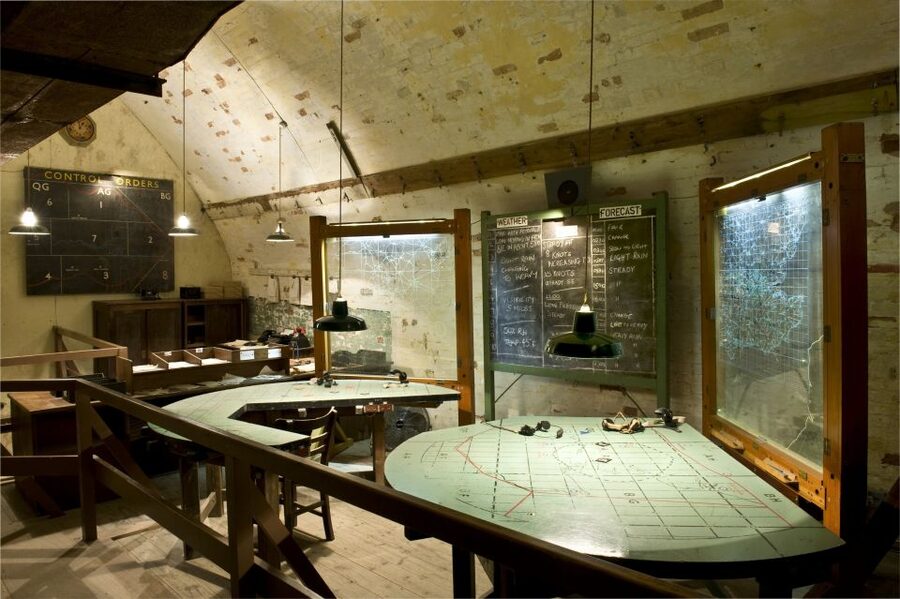
Although the ticket is valid for one day, most people will not need an entire day unless they want a slow visit. I would set aside at least three hours for the Great Tower, grounds, major tunnels, and views. Four hours is more comfortable if you want guided tours and time for photographs.
Two hours can cover the main castle areas, but you will probably need to skip something. The most common losses are the medieval tunnels, secret wartime tunnels, or a guided hospital visit.
The castle is also not a quick, flat museum. You will walk uphill and downhill, climb stairs, and cross rough ground. One visitor described aching the next day, while another warned that the site can be hard for older or less fit people.
The location is a short uphill walk from Dover Priory Station, according to one visitor. That can be useful if you arrive by train, but the final approach and castle grounds still require energy.
Is the $33 Ticket Good Value?
At $33 per person, the admission is not cheap. Yet you are paying for a large historic site with several distinct attractions, not simply entry to one tower.
I think the value is strongest when you stay for three or four hours and include at least one tunnel tour. The medieval palace, Great Tower roof, wartime command areas, underground hospital, interactive displays, and grounds create a full visit. If you only walk around the outer walls for an hour, the price will feel high.
The ticket also makes more sense for families and history fans. Children have activities and visual displays to keep them interested, while adults can follow the castle’s long military story. A family ticket allows entry for two adults and up to three children aged 5 to 17, so families should compare that option with separate admission.
Online booking can make entry easier. Some people used a mobile voucher at the entrance without waiting, while others were able to secure same-day admission online when the castle’s own ticket arrangements were less convenient. Follow the current voucher instructions carefully, since some bookings require exchanging the voucher at the ticket office.
The stated last entry time is two hours before closing. Reach the ticket office at least two hours before closing if you need to exchange your voucher. That rule matters because a late arrival can turn a full-price visit into a very short one.
Who Will Enjoy Dover Castle Most?
You should book this if you enjoy military history, medieval buildings, or places where the setting itself explains the story. The castle is also a strong choice for families because the displays, performances, figures, and activities give children several ways to engage.
It suits anyone who can manage stairs and hills. If you have limited mobility, the site is wheelchair accessible, but the large grounds, slopes, rough surfaces, and tower stairs may still affect how much you can see. Plan around your own energy rather than trying to cover every corner.
You should be cautious about adding Dover Castle to an already packed day trip. Some organized day trips combine the castle with the white cliffs and Canterbury. That can be enjoyable, but a short schedule may leave you choosing between castle rooms, tunnels, and Canterbury’s sights.
If Dover is your main destination for the day, you can explore at a better pace. The castle has enough substance to fill the visit without needing another major stop.
Simple Tips for a Better Visit
- Arrive early, especially during school holidays or summer.
- Ask about tunnel queues and tour times as soon as you enter.
- Prioritize the wartime tunnels and underground hospital if military history interests you.
- Wear shoes suitable for hills, stairs, and uneven ground.
- Bring water, since the grounds are broad and the walking adds up.
- Watch for steps around the Great Tower roof and other historic areas.
- Allow four hours if you want the main tours, tower, grounds, and displays.
- Speak with staff in the castle rooms and tunnels. Their explanations can reveal details you might otherwise pass.
- Check English Heritage directly before visiting on a date marked as closed, since the site may still be open under certain circumstances.
- If you use a voucher, follow the instructions about entry and ticket exchange, and do not arrive within the final two hours before closing.
Should You Book Dover Castle?
Yes, if you can give it at least three hours and enjoy a mix of medieval and wartime history. The Great Tower is engaging, the views are excellent, and the underground hospital and Dunkirk tunnels give the visit real emotional weight.
I would not book it for a rushed stop or if steep paths and stairs will make the day uncomfortable. In that case, you may see only a small part of what you paid for.
For most people, the best plan is to arrive early, deal with the tunnel schedule first, then explore Henry II’s palace and climb the tower. At $33, it is a substantial admission, but the range of experiences makes it good value when you take your time.
FAQ
Where is Dover Castle located?
Dover Castle is at Castle Hill, Dover, Kent, CT16 1HU, in South East England.
How long is the Dover Castle ticket valid?
The admission ticket is valid for one day.
How much does admission cost?
The listed price is $33 per person.
What is included with the ticket?
The ticket includes admission to Dover Castle and its available areas and attractions covered by the admission.
What is the last entry time?
The last entry time is two hours before closing. If you need to exchange a voucher at the ticket office, arrive at least two hours before closing.
Is Dover Castle wheelchair accessible?
Yes, the activity is listed as wheelchair accessible. However, the site includes hills, stairs, slopes, and uneven surfaces, which may affect access to particular areas.
Can I cancel my booking?
Yes. You can cancel up to 24 hours in advance for a full refund. A reserve-now-and-pay-later option is also available for eligible bookings.
Just added in Britain
- Chester: The Dead Good Ghost Walking Tour★ 4.3 · 9 reviews
- London: Live Comedy Show at Big Belly Bar and Comedy Club★ 4.5 · 80 reviews
- London: British Museum Highlights Guided Small Group Tour★ 4.9 · 113 reviews
- The Best of British Cooking Class & Dining Experience★ 5.0 · 1 review
- The Beatles London Walking Tour★ 4.2 · 147 reviews
- The Best Highlights of London Walking Tour & Boat Cruise★ 5.0 · 1 review
- From Edinburgh: Best of Scotland Small-Group Day Tour★ 4.7 · 61 reviews
- The Authentic Walking Tour with Indian Tasting Meal★ 4.8 · 4 reviews
Castle Tours, compared.

Isle of Skye and Eilean Donan Castle Day Trip
Read our review →
Windsor Castle, Stonehenge & Bath Full-Day Tour
Read our review →



Loch Lomond, Trossachs & Stirling Castle Tour
Read our review →
Other lists this tour turns up in