REVIEW · TICKETS
Handel Hendrix House Ticket
Two musical worlds share one London address. Handel Hendrix House brings together the Georgian rooms where George Frideric Handel composed Messiah and the modest Mayfair flat where Jimi Hendrix lived in the 1960s. I like the sharp contrast between the two homes, and I especially enjoy the chance to hear a harpsichord played inside Handel’s rooms. The main drawback is scale: this is a compact museum, and the Hendrix rooms contain fewer original belongings than some visitors may expect.
I would allow one to two hours, or closer to three if you read every panel and catch live music. The house is easy to reach from Bond Street, the staff and volunteer guides add useful detail, and the $19 admission is fair for a focused music stop in central London. Just remember that special events and concerts cost extra.
In This Review
- Key things to know before you go
- Finding Handel Hendrix House in Mayfair
- Handel’s Brook Street rooms and the making of Messiah
- Why the harpsichord matters here
- Handel’s dressing room and final bedroom
- Climbing into Jimi Hendrix’s 1960s London
- Hendrix’s records, guitar gear, and personal taste
- How the two halves work together
- How long to stay and what the visit feels like
- Is $19 good value?
- Who should book Handel Hendrix House?
- Should you book it?
- FAQ
- Where is Handel Hendrix House located?
- What is the nearest Tube station?
- How long does a visit take?
- What is included in the ticket?
- Are concerts included in the ticket?
- Is the museum wheelchair accessible?
- Can I bring luggage or a large bag?
- What language is used at the museum?
Key things to know before you go
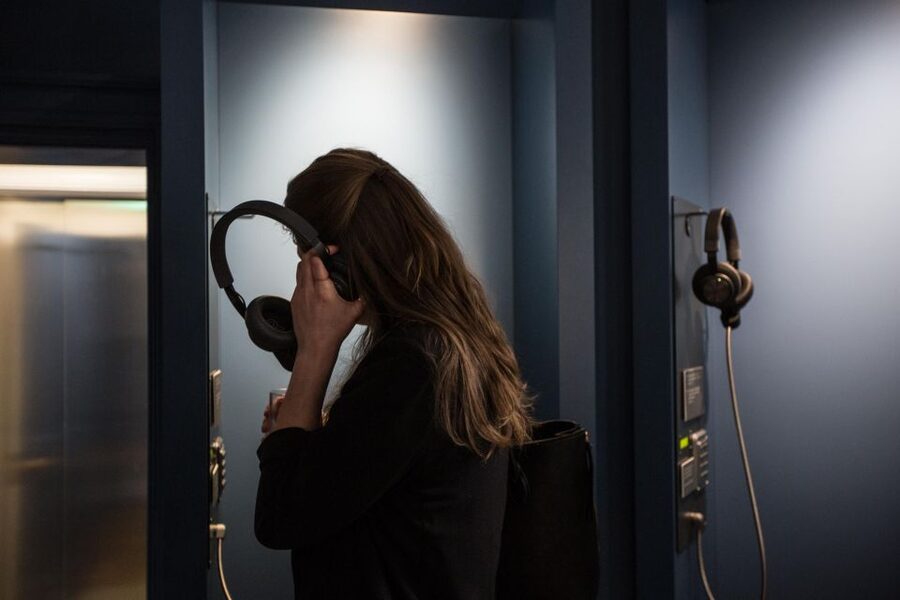
- Two musicians, two very different homes: Handel’s Georgian residence and Hendrix’s 1960s flat sit in the same narrow Brook Street building, separated by more than two centuries.
- Messiah was composed here: Handel worked, rehearsed, entertained musicians, and lived in these rooms for 35 years.
- The Cuzzoni story adds drama: Handel reportedly threatened to throw soprano Francesca Cuzzoni out of a window when she refused to sing one of his arias.
- A working harpsichord changes the visit: Live playing can make the Handel rooms feel less like display cases and more like working music rooms.
- Hendrix’s domestic life takes center stage: His recreated bedroom shows the home he shared with Kathy Etchingham, not just the stage persona.
- The museum is small but carefully focused: You will not spend all day here unless you read closely, attend music, or take time with the staff.
Finding Handel Hendrix House in Mayfair
Handel Hendrix House is at 25 Brook Street in Mayfair, central London. Bond Street Station, served by the Central and Jubilee lines, is the nearest Tube stop.
This is a good museum to pair with other central London plans. You can visit before shopping or sightseeing around Mayfair, but the museum itself deserves more attention than a quick look between appointments. The rooms are intimate, and the narrow layout rewards a slower pace.
The admission is valid for one day, so you have flexibility during the museum’s available opening times. The ticket includes museum entry, but not special events. Saturday live music may require separate admission, so check before you set your schedule around a concert.
Large bags and luggage are not allowed. That is worth keeping in mind if you are arriving before checking into your accommodation or leaving London later in the day.
A few more options to weigh up in London
- London: The London Eye Entry Ticket
★ 4.6 · 35,875 reviews - From London: Harry Potter Warner Bros Studio Tour
★ 4.7 · 26,588 reviews - London: Westminster to Greenwich River Thames Cruise
★ 4.5 · 22,836 reviews
Handel’s Brook Street rooms and the making of Messiah
The Handel section occupies the lower part of the museum and gives you the strongest sense of the building’s age. You climb a wonky, 250-year-old Grade I listed stairway into rooms connected with Handel’s work and private life.
The stairs are part of the atmosphere, though they also remind you that this is a historic house rather than a modern gallery. Take your time as you move upward. The museum is listed as wheelchair accessible, but the historic route includes stairs, so anyone with access needs should confirm the practical arrangements before visiting.
Handel lived here for 35 years, at the heart of English court life and musical culture. This was not simply a bedroom and study. He composed, rehearsed, performed, entertained, and talked with leading musicians of the Baroque period in these rooms.
The most famous connection is Messiah. Knowing that this music was created in the house gives the rooms real purpose. You are not looking at a general display about an old composer. You are standing in the setting where one of the best-known works in Western music took shape.
The house also carries a touch of theatrical mischief. Handel’s clash with the soprano Cuzzoni is tied to these windows. When she refused to sing one of his arias, he threatened to throw her out. The story gives the otherwise formal rooms a human edge. Behind the courtly clothes and musical reputation was a forceful man who expected his performers to do as he asked.
Why the harpsichord matters here
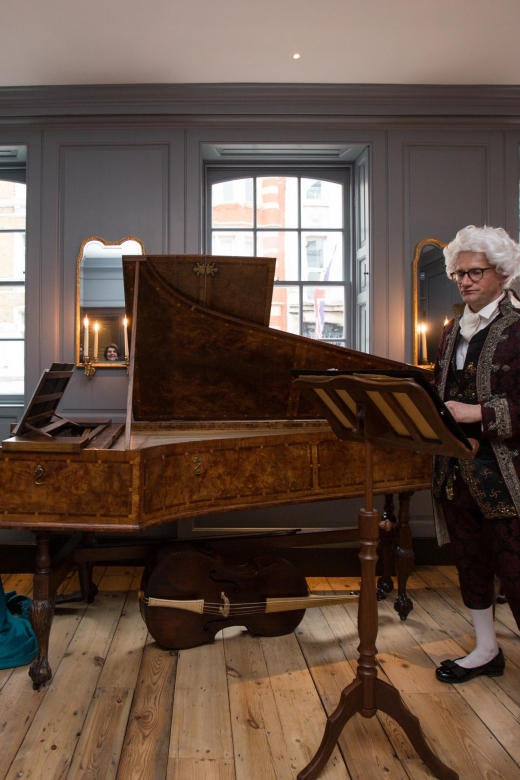
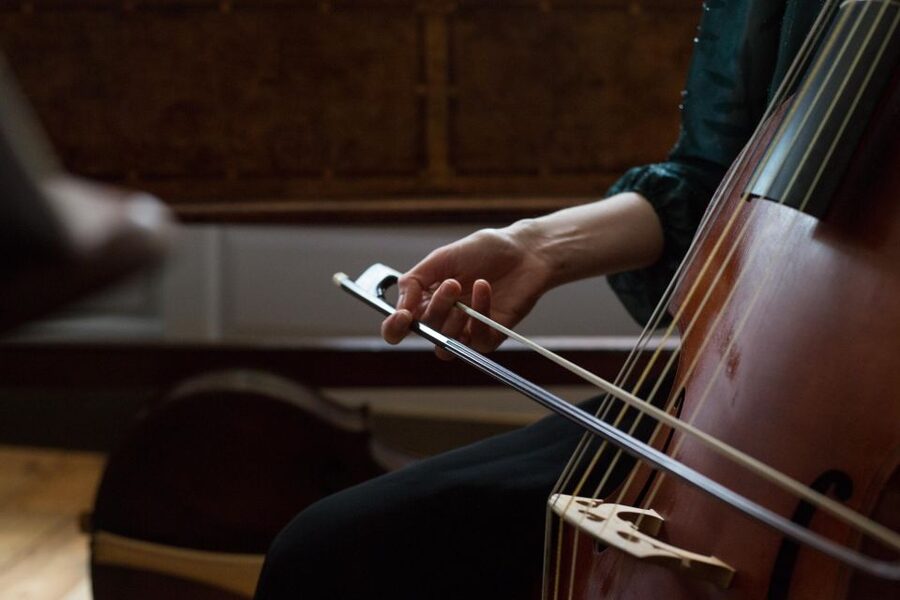
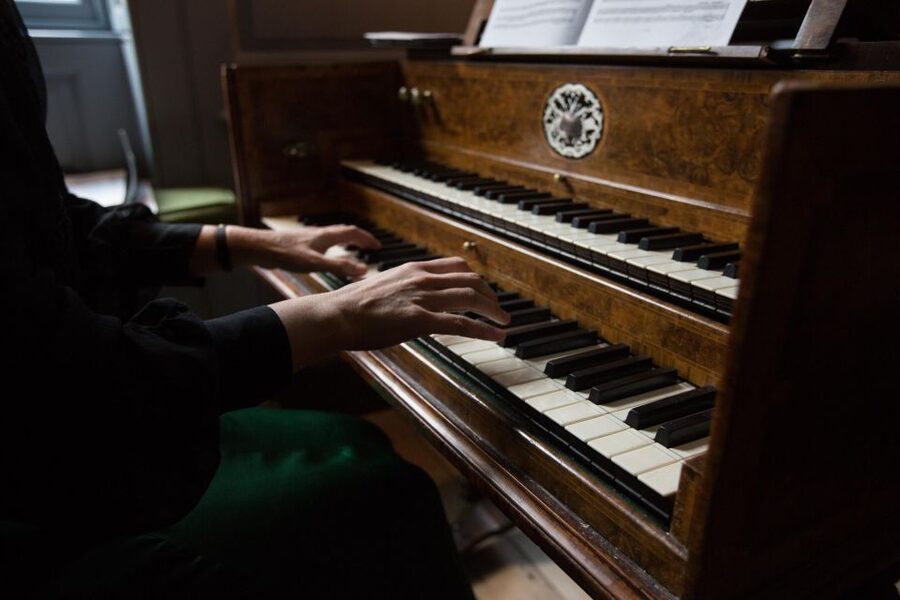
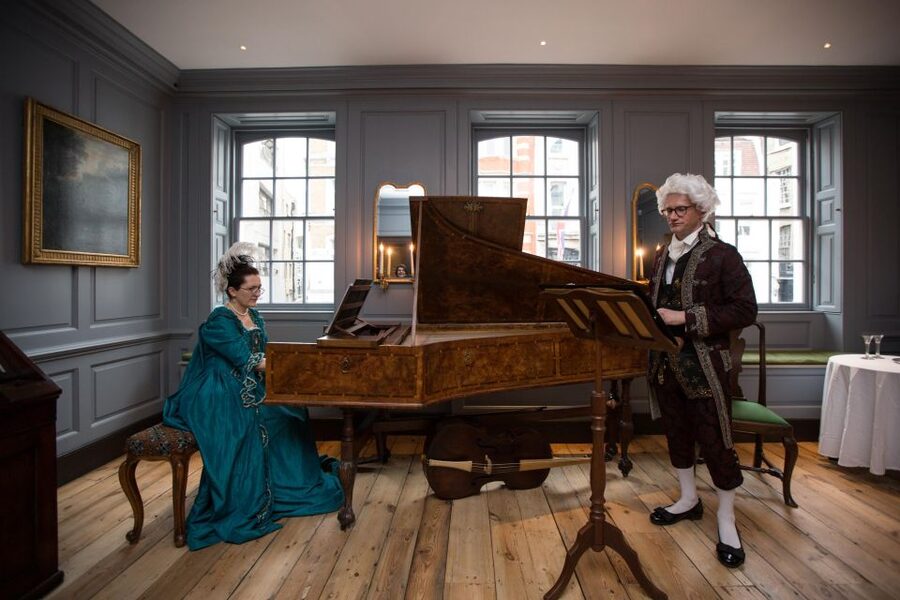
The best part of the Handel rooms may be the sound. Musicians are sometimes present, playing one of the antique harpsichords as you explore.
A harpsichord can look delicate and decorative behind glass. Hearing its bright, detailed sound in the house changes your understanding of the instrument. The music helps you picture the rooms as places of rehearsal and performance, not silent historic interiors.
Live playing is not guaranteed at every moment, so do not treat it as a fixed part of every visit. If you happen to hear Handel being rehearsed, stay for a while. One visitor specifically found a live harpsichord rehearsal to be a highlight and advised allowing two or three hours to appreciate the museum properly.
The sound also helps explain the difference between Handel’s world and Hendrix’s. Handel’s music depends on ensemble, voice, and formal performance. Hendrix’s sound would later come from amplified guitar, pedals, and powerful stage equipment. The museum lets you move between those two sound worlds within a few minutes.
Handel’s dressing room and final bedroom

On the second floor, the museum continues into Handel’s dressing room and bedroom. These rooms are quieter and more personal than the rooms tied to his public work.
The bedroom is where Handel eventually died of old age after his long life in London. That detail matters because the house presents his career as a full span of adult life, not just the moment he wrote Messiah. You see the working musician, the court figure, and the older man who had spent decades at the center of English music.
The Handel section is more extensive than the Hendrix section, so visitors who arrive mainly for rock music should plan to give it a fair chance. It provides the setting for the museum’s central idea: two major musicians lived next door to one another at very different points in London’s story.
You may find that the Handel rooms need more reading than the Hendrix rooms. Take advantage of the guides stationed around the house. They can explain details that may not be obvious from the displays, and their presence adds warmth to what could otherwise feel like a formal historic-house visit.
A different kind of day out entirely:
- Magical London: Harry Potter Guided Walking Tour
★ 4.7 · 22,044 reviews - London: Madame Tussauds London
★ 4.6 · 20,915 reviews - London: Warner Bros. Studio Tour with Transfers
★ 4.7 · 17,586 reviews - London: Tower Bridge Entry Ticket
★ 4.7 · 15,560 reviews
Climbing into Jimi Hendrix’s 1960s London
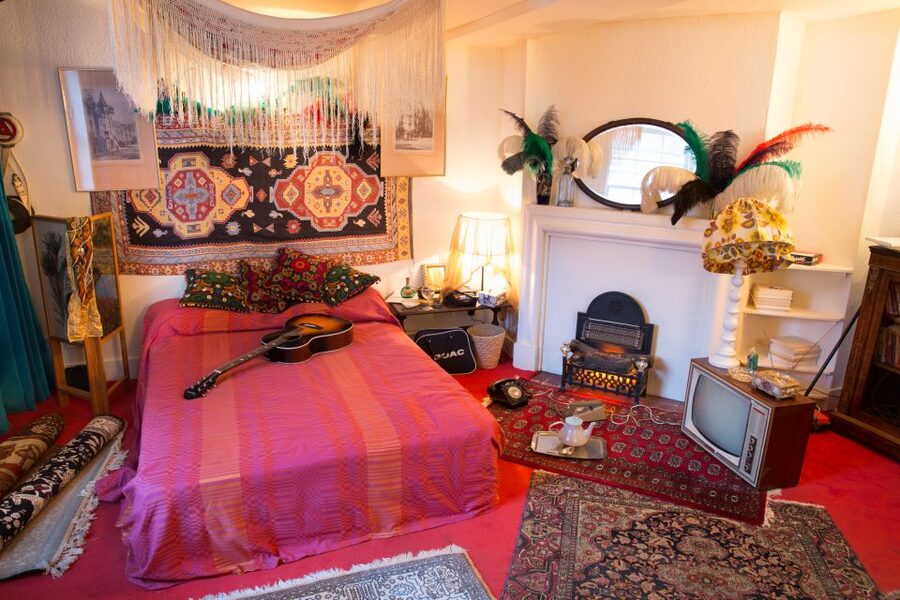
The Hendrix rooms are on the third floor. The change in mood is immediate. You move from Handel’s Georgian London to the 1960s, when Mayfair and the wider city embraced Jimi Hendrix as one of the era’s great guitarists.
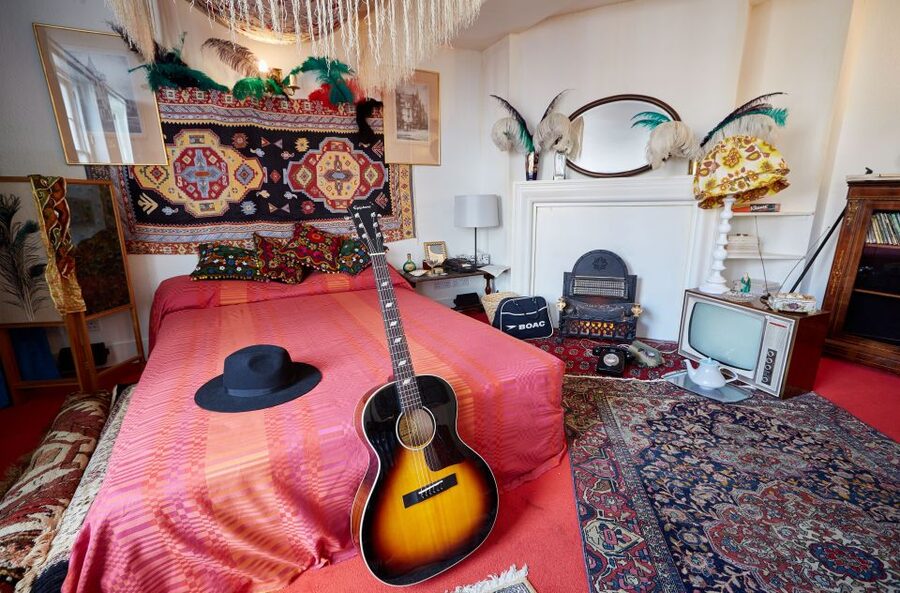
Hendrix lived at 23 Brook Street with his girlfriend Kathy Etchingham. He described the flat as the first place he had truly called home. That idea guides the display. The museum is less interested in presenting only the famous performer and more interested in showing how he lived between performances.
The flat has been recreated through detailed research, with Kathy Etchingham helping establish many small domestic details. That makes the room feel personal rather than stage-managed. You can look at the arrangement of the space and think about the ordinary routines behind the photographs and film footage.
The reconstruction is not filled with a large number of original possessions. One visitor noted that the Hendrix room has few authentic items, with a mirror being one of the more pertinent original objects. It is an important qualification. If you expect a room packed with Hendrix-owned furniture and equipment, you may find the display lighter than expected.
Still, the recreated room works because it is colorful and evocative. The value lies in seeing the space as a home, with the domestic setting brought back through careful work. It gives context to Hendrix’s London years without pretending that every object is original.
Hendrix’s records, guitar gear, and personal taste
The record collection is one of the strongest parts of the Hendrix display. It gives you a route into the music he listened to, not only the music he made.
You can browse albums associated with his collection and learn about what he enjoyed from each one. Kathy Etchingham’s anecdotes add a personal layer. These details help move Hendrix away from the usual image of a guitarist frozen in a famous pose. You get a glimpse of taste, habits, and influences.
The display also covers the amps and pedals used to create Hendrix’s distinctive sound. For guitar fans, this section provides useful technical context. His music was not produced by the guitar alone. Amplification and effects helped shape the feedback, distortion, and color that made his playing so recognizable.
An acoustic guitar is also on display. Its presence is a useful reminder that Hendrix was not only about noise and electrical power. The museum gives you a chance to consider the musician’s tools in a more complete way, from the quiet instrument to the equipment that helped define his loudest performances.
The Hendrix area is especially rewarding if you already know his music, but you do not need to be an expert. The record collection, room reconstruction, and equipment displays make the story accessible to casual listeners too.
How the two halves work together
The museum’s main strength is the contrast. Handel and Hendrix were neighbors, but almost everything else about their lives and music feels far apart.
Handel’s rooms suggest formal musical life, court connections, written compositions, and the sound of harpsichord and voice. Hendrix’s room belongs to a period of electric guitars, popular records, modern media, and a much more informal domestic style.
Yet the connection is not forced. Both men used London as a place to work, build a career, and find an audience. Both transformed music in their own periods. The house gives you a simple way to compare how musicians lived, practiced, performed, and became famous.
That pairing also keeps the museum from becoming too narrow. Handel fans get a substantial historic house, while Hendrix fans get a personal London setting. If you only care about one musician, the other section may feel like a bonus rather than the main reason for your visit. Give it time anyway. Several visitors who arrived for Hendrix found the Handel rooms unexpectedly interesting.
How long to stay and what the visit feels like
The basic visit can take an hour or two. That is enough for a steady look at both sections, especially if you focus on the key rooms and displays.
I would allow two to three hours if you want to read the material, speak with the staff, and wait for possible music in the Handel rooms. The building is small, so a longer visit is not about covering a huge number of galleries. It is about giving the rooms, recordings, instruments, and personal details time to register.
The museum’s small-group format is limited to nine participants, and English is the stated language. That modest scale suits the building. You are more likely to have space to look closely and ask questions than you would in a large, crowded museum.
Volunteer guides can make a real difference. One guide in the Hendrix area was described as especially enthusiastic and engaging, and staff throughout the house can add details beyond the written information. If someone is available, ask about the room reconstruction, the records, and the harpsichord.
The atmosphere can vary depending on the day. A quiet visit may feel reflective. A day with live playing can feel much more active. The museum has also held live music on Saturday afternoons, but those events are separate from standard museum admission.
Is $19 good value?
At $19 per person, I consider this a reasonable central London museum ticket. You get access to two highly personal music sites rather than a broad collection of unrelated exhibits.
The value is strongest if you care about Handel, Hendrix, music history, historic homes, or unusual London stops. A Hendrix fan may consider the price worthwhile for the recreated flat, record collection, and equipment displays, but should understand that the room contains limited original material.
The Handel section helps balance that concern. It is larger, historically grounded, and tied directly to Messiah and Handel’s long London life. If you enjoy live performance, a harpsichord rehearsal can make the ticket feel especially well spent.
The price is less compelling if you want a major museum with many hours of galleries, a large collection, or a wide range of activities. This is a focused visit. You are paying for the setting, the connection between the two musicians, and the chance to see rooms that carry a clear link to their lives.
Who should book Handel Hendrix House?
I would recommend it to music lovers who enjoy seeing where artists worked and lived. It suits visitors who prefer a compact, thoughtful stop over a huge museum with dozens of rooms.
It is also a good choice for mixed-interest pairs. One person can come for Hendrix and the other for Handel, with enough in each section to make the visit worthwhile. Families with older children and teenagers may also find the contrast useful, especially if one section connects with their music interests.
Hendrix fans should set expectations carefully. The room is recreated, and the number of original Hendrix belongings is limited. The personal stories, record collection, guitar equipment, and domestic setting are the main attractions.
Handel fans receive the fuller historic-house experience. The rooms connected with Messiah, the dressing room, the bedroom, and the chance of hearing a harpsichord give this half real substance.
The museum is not the best pick if you are carrying luggage, have only a few minutes, or want entry to a concert without checking the separate event arrangements. It is also worth asking about access in advance if the historic stairs are a concern, even though the venue is listed as wheelchair accessible.
Should you book it?
Book Handel Hendrix House if you want a personal look at two musicians who shaped very different eras. I especially recommend it for the Handel rooms, the chance of live harpsichord music, and the carefully recreated Hendrix flat.
Go with realistic expectations. This is a small museum, not a full-day attraction, and the Hendrix display has more reconstructed atmosphere than original objects. Allow two hours if possible, ask the guides questions, and check for any live music event before you go.
At $19, it is a sensible Mayfair stop for music fans and curious visitors who enjoy places with a strong link to the people who lived there.
FAQ
Where is Handel Hendrix House located?
It is at 25 Brook Street in Mayfair, London, W1K 4HB.
What is the nearest Tube station?
Bond Street Station is the nearest Tube stop. It is served by the Central and Jubilee lines.
How long does a visit take?
You can explore the museum in about one to two hours. Allow two to three hours if you want to read carefully, speak with guides, and possibly hear live harpsichord music.
What is included in the ticket?
The ticket includes museum entrance fees.
Are concerts included in the ticket?
No. Entry to events, including special live music programs, is not included in the standard museum admission.
Is the museum wheelchair accessible?
The activity information lists the museum as wheelchair accessible. The historic house also includes a 250-year-old stairway, so confirm the practical access arrangements before visiting.
Can I bring luggage or a large bag?
No. Luggage and large bags are not allowed.
What language is used at the museum?
The stated language is English, and the host or greeter is also English-speaking.
Just added in London
- The Best of British Cooking Class & Dining Experience★ 5.0 · 1 review
- London: Live Comedy Show at Big Belly Bar and Comedy Club★ 4.5 · 80 reviews
- London: British Museum Highlights Guided Small Group Tour★ 4.9 · 113 reviews
- The Beatles London Walking Tour★ 4.2 · 147 reviews
- The Best Highlights of London Walking Tour & Boat Cruise★ 5.0 · 1 review
- The Authentic Walking Tour with Indian Tasting Meal★ 4.8 · 4 reviews
- Iconic London: Bard, Beatles, Bond & Baker Street★ 4.9 · 15 reviews
- Terrific East-End Private Food tour with a friendly local.★ 5.0 · 1 review
Tickets, compared.





Buckingham Palace: The State Rooms Entrance Ticket
Read our review →