REVIEW · TICKETS
Isle of Wight: Osborne Admission Ticket
Royal life feels surprisingly domestic here. Osborne House gives you grand state rooms, but its real appeal is the glimpse of Queen Victoria and Prince Albert as parents, workers, and family people. I like the twin desks where they worked and the small nursery details, while the walk through the grounds to Victoria’s private beach adds fresh air and sea views to the palace visit. The main drawback is scale: four hours may be enough for the house, but a proper look at the gardens, Swiss Cottage, and beach can take most of a day.
You can explore the opulent Royal Apartments, family bedrooms, Durbar Room, pleasure gardens, Victorian Walled Garden, and restored bathing machine for about $27 per person. I also like that the site works for different ages and interests, though parts of the estate involve long walks, slopes, and occasional waiting for the courtesy bus.
In This Review
- Key points to know before visiting Osborne House
- Why Osborne House feels different from a typical royal palace
- Inside the Royal Apartments and Durbar Room
- Twin desks, nurseries, and the royal family at home
- Swiss Cottage and the afternoon tea scene
- Gardens, old trees, and the Victorian Walled Garden
- Walking down to Queen Victoria’s private beach
- Food, rest stops, and the practical side of a long visit
- Seasonal planning and the four-hour question
- Who will get the most from Osborne House?
- Should you book Osborne House?
- FAQ
- What is included in the Osborne House admission ticket?
- How long should I allow for a visit?
- Which parts of Osborne House are open?
- Can I visit Queen Victoria’s private beach?
- Is the Swiss Cottage included?
- Is Osborne House suitable for wheelchair users?
- Is there a bus around the estate?
- What happens during the winter guided-tour period?
- Can I cancel the booking?
Key points to know before visiting Osborne House
- The lower floor is currently open: You can see the main state rooms and family spaces, but access to upper parts of the house may be restricted.
- The beach walk is worth your time: Victoria’s private beach and restored bathing machine provide one of the visit’s most memorable moments.
- Swiss Cottage adds a personal touch: The royal children’s playhouse and gardens reveal a much less formal side of family life.
- Allow more than four hours if possible: The house is only one part of a large estate with gardens, trees, cafés, and sea views.
- Winter access changes: From November 9 to March 16, excluding December 27 to January 1 and February 15 to 23, the house is visited by an allocated guided tour.
- Mobility help is available: A courtesy bus reaches parts of the estate, including the Swiss Cottage area, though it may not run as frequently as you would like.
Why Osborne House feels different from a typical royal palace

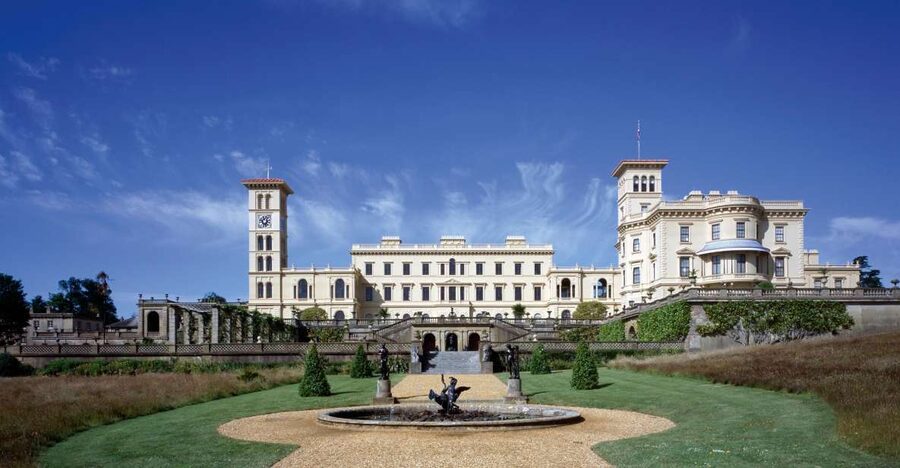
Osborne House was Queen Victoria and Prince Albert’s private retreat on the Isle of Wight. That private purpose shapes the whole visit. This is not simply a grand building designed to impress visiting dignitaries. It was a family home, a workplace, a holiday house, and eventually the place where Victoria died.
The formal rooms are lavish, but the most touching details are often smaller. You can see the twin desks used by Victoria and Albert, reminders that the royal couple worked side by side. You can also see family bedrooms, nursery furnishings, and objects connected with birthdays, meals, entertainment, and daily routines.
That mix gives Osborne House a warmer feel than many royal residences. I would come here if you want more than portraits and ceremonial furniture. The house helps you picture the royal family as people who ate together, raised children, arranged afternoon tea, and sought privacy away from mainland life.
The presentation also benefits from room attendants and volunteers stationed around the house. They can add useful background and answer questions, though one practical weakness is that not every visitor will find enough written explanation. An information booklet or audio guide would make some objects easier to understand, especially if you prefer to explore without asking questions.
A few more options to weigh up in Britain
- London: The London Eye Entry Ticket
★ 4.6 · 35,875 reviews - London: Tower Bridge Entry Ticket
★ 4.7 · 15,560 reviews - London: Westminster Abbey Entrance Ticket
★ 4.6 · 11,254 reviews
Inside the Royal Apartments and Durbar Room
The house visit begins with the ground floor, which currently contains the main accessible portion of Osborne House. You move through the Royal Apartments, private family bedrooms, and decorated rooms used for formal occasions and domestic life.
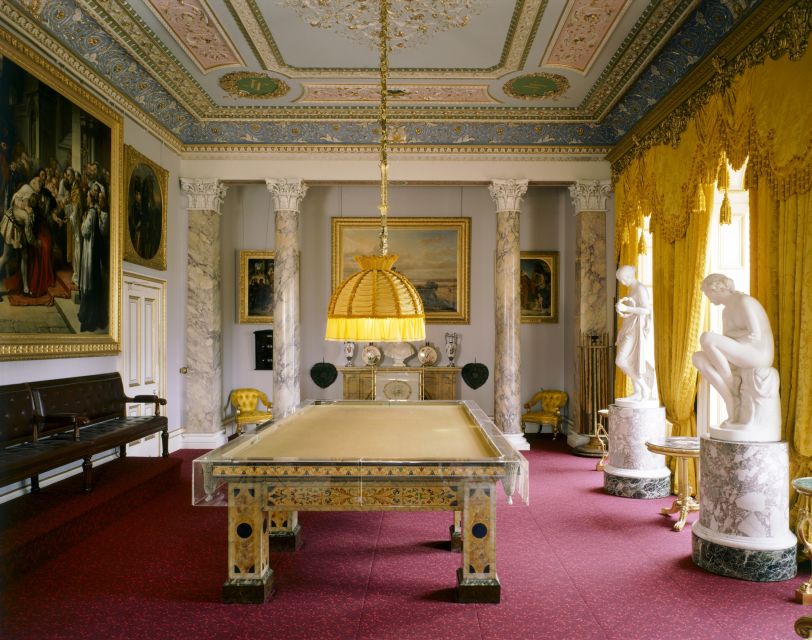
The state rooms deliver the expected royal spectacle. Furniture, paintings, sculpture, and gifts show the wealth and taste of the household. Look beyond the large pieces and notice the smaller details in the rooms. Birthday presents given to Queen Victoria are particularly interesting because they connect the rooms to real occasions rather than treating the house as a static display.
The Durbar Room is one of the visual highlights. Its decoration is elaborate and unlike the more restrained rooms elsewhere in the house. It was created for formal use and shows how Osborne could shift from a family residence to an impressive setting for official entertaining.
Food and social life receive plenty of attention. You can learn how the household handled grand state banquets as well as family meals. That contrast matters. A palace can seem remote when you see only ceremonial rooms, but Osborne becomes easier to understand when you consider the practical rhythm behind the display.
The ground floor route includes narrow areas and tight stairs in parts of the building. Take your time, especially during busy summer periods, when the rooms can feel crowded. One visitor felt too many people were admitted at once, so an early arrival may help you enjoy the interiors at a calmer pace.
Twin desks, nurseries, and the royal family at home
The twin desks used by Victoria and Albert are among the most revealing objects in the house. They suggest a working partnership, not simply a decorative marriage portrait. Prince Albert’s influence can also be felt in the design of the estate, the furniture, the gardens, and the opportunities arranged for the couple’s nine children.
The nursery displays are especially appealing for families. Tiny chairs and beds make the royal children feel real in a way that formal portraits cannot. You can see where they played and gain a sense of how carefully their education and daily life were organized.
The family focus is one of Osborne House’s strongest qualities. I would recommend it even if you are only mildly interested in royalty, because the domestic details provide a clear human story. Children may connect more readily with the nursery and Swiss Cottage than with the grand apartments.
Still, you should set expectations about what is open. The current arrangement allows visitors to see the lower floor, not every level of the house. Seasonal restrictions can also change the experience, so check the current opening details before you travel.
Swiss Cottage and the afternoon tea scene
Down in the grounds, Swiss Cottage was created for the royal children. It includes their play area and their own gardens, giving you a rare look at how a nineteenth-century royal household encouraged practical activities and pretend play.
A room is dressed as it was on July 11, 1861, when the children prepared afternoon tea for their parents. The date is important because Prince Albert died later that year, making the scene unexpectedly poignant. It is a quiet display, but it helps place the family story in time.
The Swiss Cottage visit also gives the estate a change of pace. After the grandeur of the main house, you see a smaller setting shaped around childhood. I would make the effort to visit it if you have enough time and energy.
The Swiss Quarter is closed from November 1 through March 31. The supplied information refers to the wider Swiss area and also describes a courtesy bus to the Swiss Cottage, so check the exact seasonal arrangement on the day. The bus can be a real help if you have walking difficulties, but do not assume it will appear every few minutes. Several visitors only noticed it after seeing it pass, so ask staff about the service when you arrive.
A different kind of day out entirely:
- From London: Harry Potter Warner Bros Studio Tour
★ 4.7 · 26,588 reviews - London: Westminster to Greenwich River Thames Cruise
★ 4.5 · 22,836 reviews - Magical London: Harry Potter Guided Walking Tour
★ 4.7 · 22,044 reviews - London: Madame Tussauds London
★ 4.6 · 20,915 reviews
Gardens, old trees, and the Victorian Walled Garden
Osborne’s grounds are large enough to change the character of your visit. You can stroll beside historic trees, walk through the pleasure gardens, and spend time in the Victorian Walled Garden. These areas show the estate as a place for recreation, gardening, and family life rather than simply a grand residence.
Prince Albert’s interest in planting is visible across the grounds. Reviews of the estate frequently point to the trees and gardens he developed, including foreign pine trees. The planting gives the walks a strong sense of design, but you still get open views and room to pause.
The Walled Garden is a good stop for visitors who enjoy horticulture and careful restoration. It also provides a break from the formal interiors. You might want to bring a picnic if the weather is kind, since the grounds are spacious and the visit can stretch well beyond the advertised four hours.
The walking is the main catch. The estate is not difficult for everyone, but there is plenty of it, and some paths lead a fair distance from the house. If you have limited stamina, plan your route rather than trying to cover every corner. The courtesy bus can reduce the effort, especially on the journey to the more distant parts.
Walking down to Queen Victoria’s private beach
Do not leave without going to the beach. The route takes you through the trees and down toward the sea, ending at the private shore once guarded for the royal family. It adds a strong sense of place to the visit and explains why Victoria valued Osborne as an escape from the mainland.
The restored bathing machine is the beach’s distinctive object. It recalls the Victorian practice of changing privately before entering the water, and it makes the royal beach feel personal rather than merely scenic.
The views out toward the Solent are excellent on a clear day. Queen Victoria’s sea-facing alcove is another worthwhile viewpoint, giving you a direct connection to the way she used the house and grounds for privacy and rest.
The walk back can be tiring, particularly if you have already spent hours inside and in the gardens. Some visitors would welcome more buses to the beach and back. If mobility is a concern, ask about the accessible courtesy bus before setting off. Staff and drivers have been praised for helping with mobility scooters, making the beach possible for more people than the walk alone would suggest.
Food, rest stops, and the practical side of a long visit
You will find three places to sit for food, coffee, cake, or ice cream. Some seating is outdoors only, so weather matters. The terrace restaurant has been described as spacious, with wraps and quick service, though the wider food selection may feel limited or oddly combined.
I would not build the entire day around the cafés. A packed lunch gives you more control, especially if you want to spend time near the beach or in the gardens. You can also use the indoor and outdoor seating areas as rest points between sections of the estate.
Parking is reported to be easy, followed by a walk to the house. The exact meeting point can vary according to the ticket option, so check the instructions attached to your booking. At the ticket office, you need to exchange your voucher for an admission ticket, and the last entry is two hours before closing. Do not arrive near closing and expect a full visit.
The ticket includes entrance to the house and estate. At about $27 per person, I consider it good value if you use the grounds properly. The price would feel less attractive for a quick house-only visit, but the gardens, Swiss Cottage area, beach, viewpoints, and rest stops make this closer to a full day out.
A family ticket covers two adults and up to three children aged 5 to 17. That can make the visit particularly worthwhile for families who want a mix of history, outdoor space, and child-friendly displays.
Seasonal planning and the four-hour question
The advertised duration is four hours, but I would treat that as a minimum useful visit rather than a strict schedule. Four hours should let you see the house and choose one or two outdoor areas. To see the house, Swiss Cottage, gardens, and beach without rushing, set aside most of a day.
Summer provides the best chance to enjoy every section, but it can also bring more people inside the house. Busy rooms may slow the route, and cafés can be under pressure at popular times. Arriving early helps you get through the main rooms before the largest crowds.
From November 9 to March 16, with the stated holiday exceptions, access to the house is by guided tour only. You cannot reserve a particular tour in advance. Staff allocate you to the next available tour when you arrive, and only the ground floor and grounds are open.
Winter can still be rewarding. The gardens are quieter, and a dry, crisp day can make the views especially clear. But opening times are limited, and some features are closed. Check directly with English Heritage before making a special trip, particularly if Osborne is the main reason for visiting the island.
The site is wheelchair accessible, and the courtesy bus improves access across the large grounds. The house itself has narrow areas and tight stairs, so ask staff about the best route for your needs. The helpful attitude of the attendants is a real advantage, but the distances between areas still require planning.
Who will get the most from Osborne House?
I would recommend Osborne House to anyone interested in Queen Victoria, Prince Albert, nineteenth-century royal life, gardens, or historic homes with strong family stories. It also works well for families because the nursery and Swiss Cottage provide something more engaging than a long sequence of formal rooms.
You should choose it if you enjoy walking and want a flexible day. The estate gives you room to wander, stop for refreshments, and follow your own interests. You can focus on art and furniture, family life, trees and gardens, or the private beach.
You may want to reconsider if you have only a short window on the Isle of Wight. The ferry journey and island travel can make this a long outing, and rushing through the estate would waste much of what the ticket includes.
Should you book Osborne House?
Yes, if you can give it at least four hours and preferably most of a day. The house is beautifully preserved, but the best experience comes from combining the royal rooms with the children’s Swiss Cottage, the gardens, and the walk to the private beach.
At $27, the admission offers solid value for a major heritage site, especially for families using the grounds and for repeat visits. Check seasonal closures before booking, ask about the courtesy bus immediately, and arrive well before the two-hour last-entry cutoff.
I would book it for a clear-weather day if possible. The interiors reward careful attention in any season, but the trees, gardens, and sea views are what turn Osborne House from a palace visit into a memorable Isle of Wight outing.
FAQ
What is included in the Osborne House admission ticket?
The ticket includes entrance to Osborne House and the estate grounds.
How long should I allow for a visit?
The stated duration is four hours, but the estate is large. Allow more time if you want to see the house, gardens, Swiss Cottage, and private beach without rushing.
Which parts of Osborne House are open?
Currently, only the lower floor, or ground floor, of the house is open to visitors. Seasonal arrangements can change, so check before visiting.
Can I visit Queen Victoria’s private beach?
Yes. The estate includes access to the former private beach, where you can see the restored bathing machine and enjoy views toward the sea.
Is the Swiss Cottage included?
The estate includes the Swiss Cottage area when it is open. The Swiss Quarter is closed from November 1 through March 31.
Is Osborne House suitable for wheelchair users?
The activity is listed as wheelchair accessible. A courtesy bus can help visitors reach parts of the large estate, including the Swiss Cottage and beach areas, though you should ask staff about current service arrangements.
Is there a bus around the estate?
A courtesy bus serves some areas of the estate. It can be useful for visitors with walking difficulties, but service frequency may vary.
What happens during the winter guided-tour period?
From November 9 to March 16, excluding December 27 to January 1 and February 15 to 23, house access is by the next available guided tour. You cannot prebook a specific tour, and only the ground floor and grounds are open.
Can I cancel the booking?
You can cancel up to 24 hours in advance for a full refund. The reserve-now, pay-later option also allows you to delay payment while keeping your plans flexible.
Just added in Britain
- Chester: The Dead Good Ghost Walking Tour★ 4.3 · 9 reviews
- The Best of British Cooking Class & Dining Experience★ 5.0 · 1 review
- London: Live Comedy Show at Big Belly Bar and Comedy Club★ 4.5 · 80 reviews
- London: British Museum Highlights Guided Small Group Tour★ 4.9 · 113 reviews
- The Beatles London Walking Tour★ 4.2 · 147 reviews
- The Best Highlights of London Walking Tour & Boat Cruise★ 5.0 · 1 review
- From Edinburgh: Best of Scotland Small-Group Day Tour★ 4.7 · 61 reviews
- The Authentic Walking Tour with Indian Tasting Meal★ 4.8 · 4 reviews
Tickets, compared.






Buckingham Palace: The State Rooms Entrance Ticket
Read our review →