REVIEW · LONDON TOURS
London: Architecture Tour of Benjamin Franklin House
Franklin’s London address hides a remarkable story. I love the original Georgian townhouse and the way the guide connects its rooms to Franklin’s political life, family ties, and experiments. I also like the chance to try the glass armonica, a curious instrument few historic sites let you touch. The main drawback is the five-storey layout, with sloping floors, uneven stairs, and no wheelchair access.
This one-hour English tour costs about $16, a fair price for entry, a live guide, and access to the only remaining home of Benjamin Franklin. Ron’s enthusiastic storytelling and Brian’s extra details have both added real value for visitors, though the entrance can be awkward when people are trying to come in during the tour.
In This Review
- Key points to know before you go
- Why Benjamin Franklin’s Craven Street home matters
- Finding 36 Craven Street near the river
- The kitchen and Franklin’s view of London food
- Margaret Stevenson’s parlour and Franklin’s London circle
- Franklin’s parlour and the life of an American in London
- The Craven Street Bones and Hewson’s anatomy school
- Playing Franklin’s glass armonica
- Architecture from the 1730s to the 2006 opening
- Is $16 good value for an hour?
- Who will enjoy this Benjamin Franklin tour?
- Practical advice for making the most of the visit
- Should you book Benjamin Franklin House?
- FAQ
- How long does the Benjamin Franklin House architectural tour last?
- How much does the tour cost?
- What language is the tour offered in?
- Where do I meet the guide?
- Can I take photographs inside?
- Can I record the tour?
- Is the house wheelchair accessible?
- Are there accessible restrooms?
- Are assistance dogs allowed?
- Can I cancel the booking?
Key points to know before you go
- Franklin lived here for 16 years: He rented rooms at 36 Craven Street from 1757 until 1776, during a crucial period in his political and scientific life.
- The house is Grade I listed: Original Georgian and later Victorian features give the building much of its appeal.
- The Craven Street Bones add a darker twist: The remains connect the house to surgeon Hewson’s anatomy school.
- You visit Franklin’s parlour: This was his main rented floor, where the tour explores his experiments, beliefs, and work in London.
- You can try the glass armonica: Franklin invented the instrument, and the final stop gives you a chance to play a tune.
- The tour lasts about an hour: You can take photos and ask questions, making this an easy addition to a day around central London.
Why Benjamin Franklin’s Craven Street home matters
Most people connect Franklin with Philadelphia, the Declaration of Independence, and the American Revolution. London adds a less familiar chapter. Franklin lived at 36 Craven Street for 16 years, from 1757 until 1776, making this the only remaining home associated with him.
That long stay matters because Franklin was not simply passing through London. He worked, experimented, debated politics, entertained important people, and became closely tied to the Stevenson family, who owned the house. He left in 1776 to return to America and sign the Declaration of Independence. He never came back to London.
I find the site most interesting when it presents Franklin as a person living among other people, not just as a famous name on a plaque. His London life included food, family, science, political arguments, and an unusual relationship with his landlady’s household.
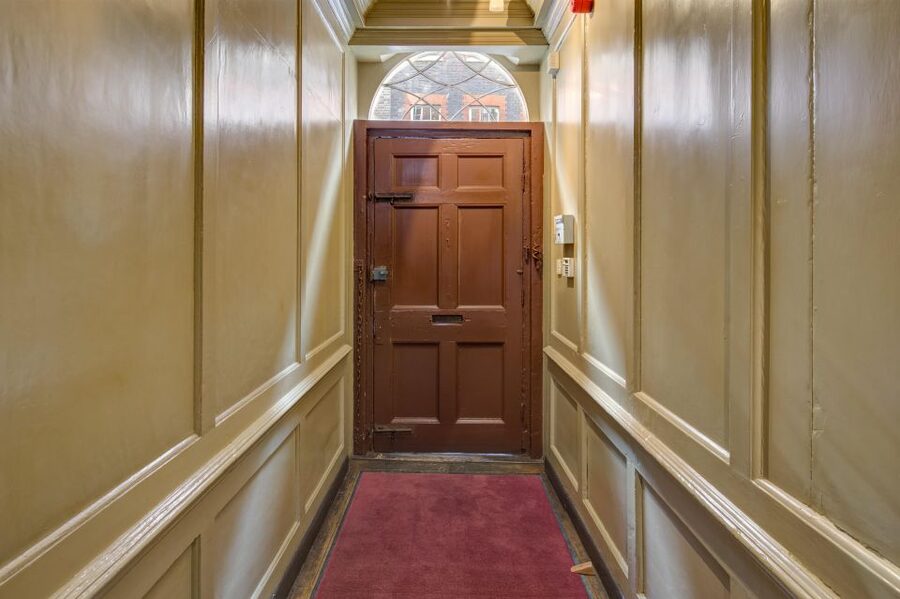
The building itself adds another layer. It is a five-storey townhouse with a staircase between each floor. The structure has Grade I listed status, and its uneven, sloping floors are part of the real historic fabric. You should expect an old house, not a polished modern museum.
A few more options to weigh up in London
- London: The London Eye Entry Ticket
★ 4.6 · 35,875 reviews - From London: Harry Potter Warner Bros Studio Tour
★ 4.7 · 26,588 reviews - London: Westminster to Greenwich River Thames Cruise
★ 4.5 · 22,836 reviews
Finding 36 Craven Street near the river
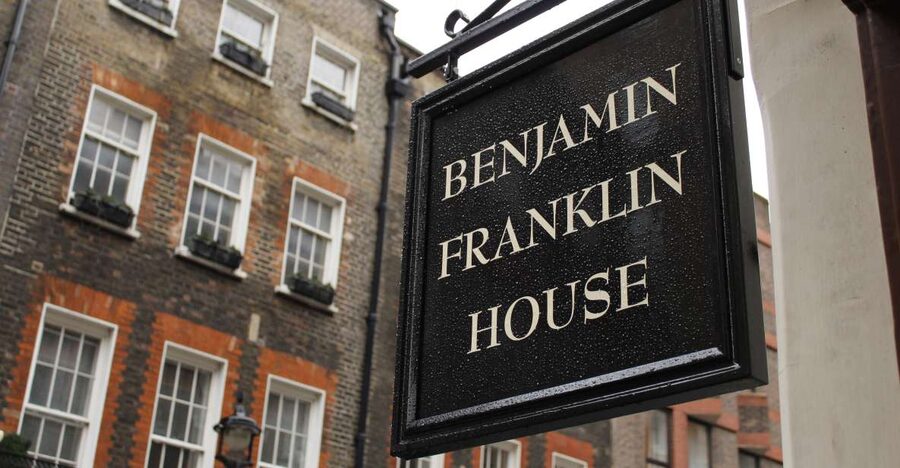
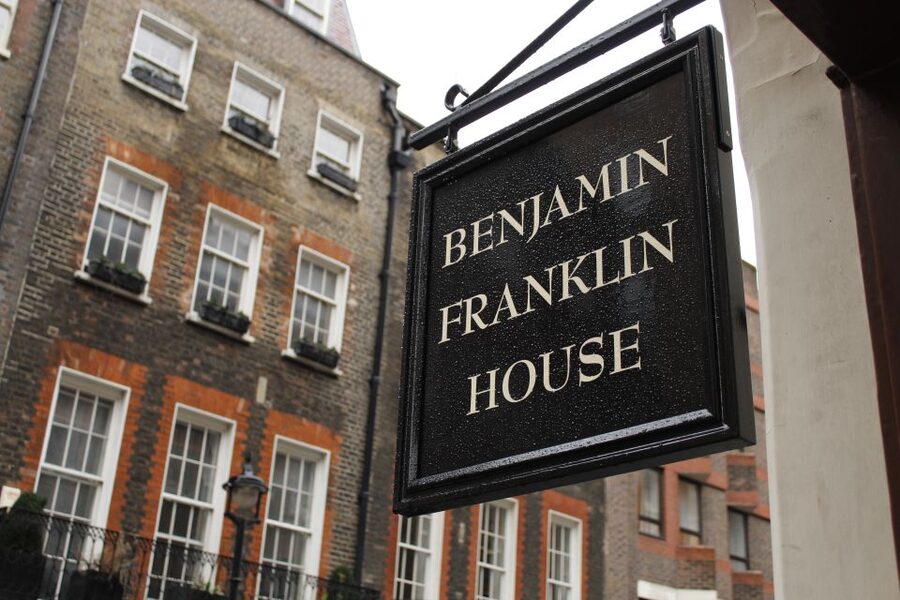
The meeting point is simple: knock on the door at 36 Craven Street, below the Benjamin Franklin House sign. You do not need to search for a separate meeting plaza or a large museum entrance.
The entrance can be slightly confusing. One visitor noted that people coming into the house interrupted the tour, so I would arrive a few minutes early and make sure you are standing at the correct door. That small bit of planning should help you avoid a rushed start.
The tour is offered in English with a live guide. You can take photographs, but flash photography is not allowed. Audio recording is also prohibited, so plan to listen rather than create your own recording.
The location works well for anyone already spending time in central London. Since the visit lasts about an hour, it can fit neatly between other sights. The stated validity is one day, with starting times dependent on availability, so check the time before you make other plans.
The kitchen and Franklin’s view of London food
The tour begins by looking at the house and its early history from the 1730s onward. In the kitchen, the guide brings Georgian food into the story and explains Franklin’s thoughts about the London diet.
This is a useful choice because food gives you a quick sense of daily life. Political history can feel remote, but a discussion of what people ate brings the house down to ordinary routines. You begin to picture Franklin not only as a scientist and statesman, but as a person managing meals and domestic life in an unfamiliar city.
I appreciate this kind of room-based storytelling. Instead of hearing a long list of dates, you move through the building and connect each space with a part of Franklin’s experience. The kitchen also helps explain why the house matters as architecture, since its value comes from the complete domestic setting rather than one famous object.
Do not expect a cooking demonstration or a meal. The kitchen is used to explain Georgian life and Franklin’s opinions about food. The attraction is the context, not a hands-on culinary activity.
Margaret Stevenson’s parlour and Franklin’s London circle
Upstairs, the tour reaches the parlour of Margaret Stevenson, the wealthy widow from whom Franklin rented rooms. This is where the story becomes more personal.
The guide explains Stevenson’s household, Franklin’s relationship with the Stevenson family, and his connections with his own family. You also hear about the influential people Franklin met in the parlour to discuss current affairs.
This room shows how much of Franklin’s London life depended on conversation. The parlour was not just a sitting room. It was a place where political ideas, news, science, and personal relationships crossed paths.
I like that the tour does not treat Franklin as an isolated genius. His work grew out of social contact, argument, and access to people. The Stevenson connection also gives the house a human center. You are not simply walking through rooms that a famous man once used. You are learning how he fit into a household for nearly two decades.
The stairs between rooms are part of the experience, but they can be tiring or awkward. Handrails are available on every staircase, and seating is provided in all the historic rooms. If you need frequent rests, tell the guide when the tour begins.
A different kind of day out entirely:
- Magical London: Harry Potter Guided Walking Tour
★ 4.7 · 22,044 reviews - London: Madame Tussauds London
★ 4.6 · 20,915 reviews - London: Warner Bros. Studio Tour with Transfers
★ 4.7 · 17,586 reviews - London: Tower Bridge Entry Ticket
★ 4.7 · 15,560 reviews
Franklin’s parlour and the life of an American in London
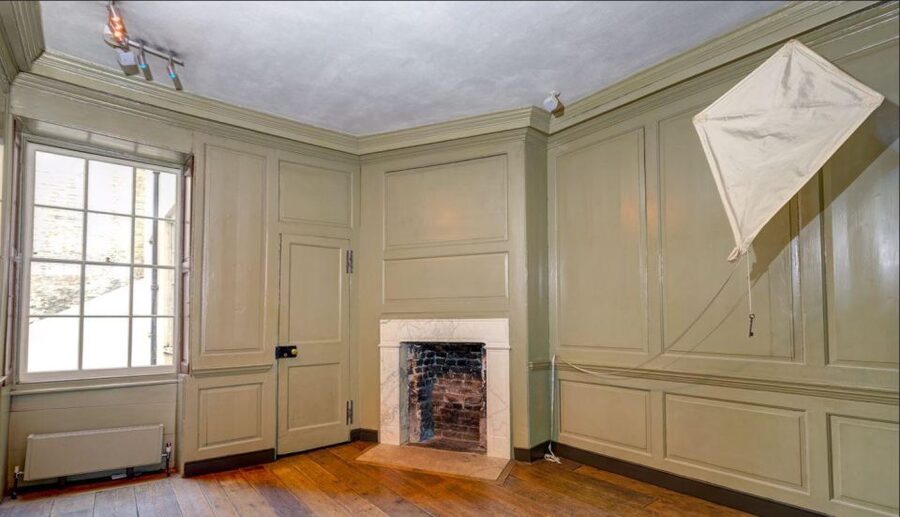
The main highlight is Franklin’s parlour, the floor he rented for 16 years. Here the tour turns to his experiments, political beliefs, public actions, and eccentric personality.
This is the point where the architectural tour and the Franklin biography come together most clearly. The room is important because it was his long-term base. You can better understand the scale of his London connection by remembering that he lived here far longer than many modern visitors spend in the city.
The guide also explains why Franklin came to London and what he did while he was there. The emphasis is not limited to the best-known events of his later American career. Instead, you get a fuller picture of his political thinking and scientific curiosity during his years in Britain.
The exact feel of this section depends on the guide. Ron has been praised for his enthusiasm and detailed command of the house and Franklin’s story. Brian has also been praised for adding extra details. The strongest part of this attraction is clearly the live interpretation, so do not hesitate to ask questions at the end.
You should also keep expectations sensible. This is not a large museum with many galleries or a full day of exhibits. It is an intimate historic house, and the value comes from the building, the guide, and the concentrated story.
The Craven Street Bones and Hewson’s anatomy school
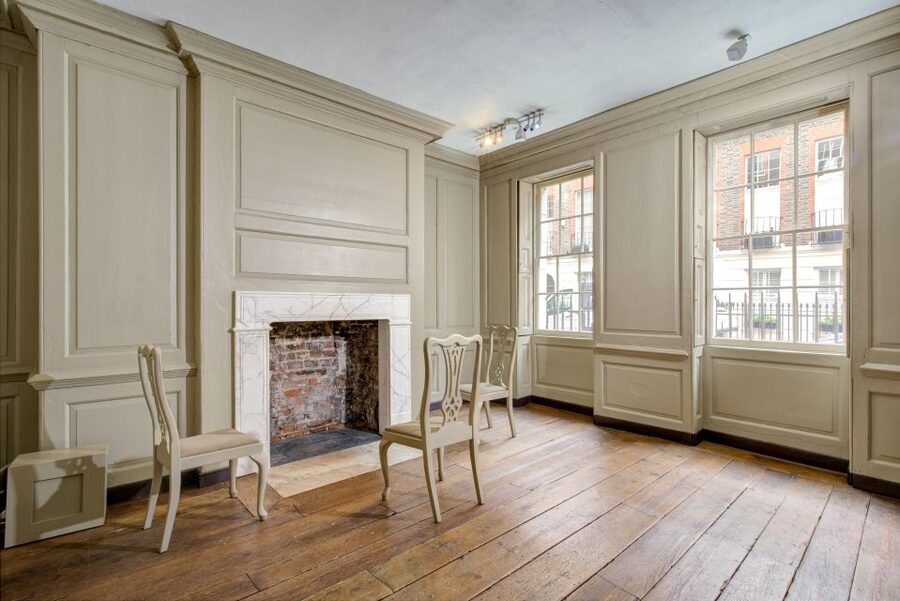
One of the most unusual parts of the visit is the story of the Craven Street Bones. The remains are linked to surgeon Hewson’s anatomy school, which operated at the house.
This detail changes the mood of the tour. Franklin’s home was also connected to medical study, and the bones add a less comfortable but important part of the building’s past. You get a reminder that historic houses often held several kinds of activity at once, some respectable and some unsettling by modern standards.
The tour explains the connection rather than turning it into a sensational display. That approach suits the site. The bones are valuable because they reveal another occupant and another use of the house, not simply because they are macabre.
If you prefer a purely domestic or political visit, this section may surprise you. Still, it is one of the details that makes the house more than a standard famous-person residence.
Playing Franklin’s glass armonica
The final stop is the Glass Armonica Room. Franklin invented the instrument, and visitors are invited to try playing a tune.
This is a welcome hands-on finish. Much of the tour involves listening and looking closely at a fragile historic building. The chance to make a sound yourself gives the visit a more memorable ending.
The glass armonica is also a good example of Franklin’s inventive side. It shows that his interests reached beyond politics and household matters. You do not just hear that he experimented with music. You get a small chance to understand the instrument through direct experience.
Do not expect a full musical performance or a long workshop. The activity is brief, but it adds something that a display case cannot. I would especially recommend asking a question here if you want to know more about how the instrument works or why Franklin created it.
Architecture from the 1730s to the 2006 opening
The architectural story extends from the house’s origins in the 1730s to its modern conservation project. The building opened to the public in 2006 after work to preserve it and present its history.
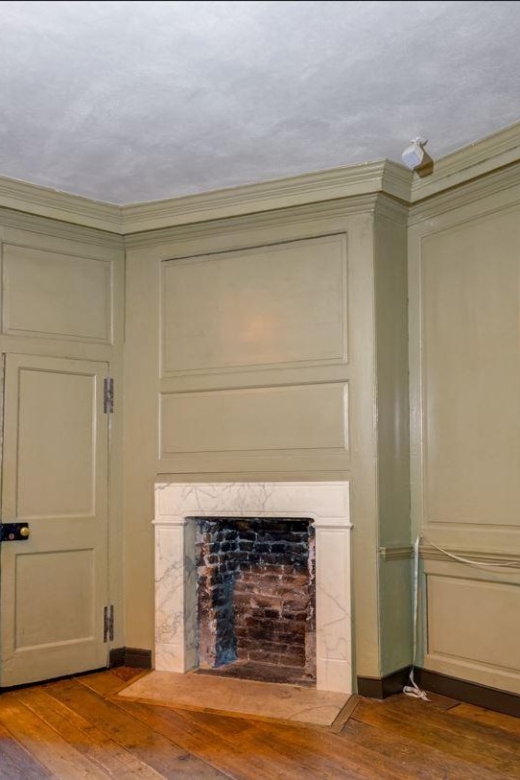
The conservation story matters because the house has not been stripped of its age. The sloping floors, uneven levels, and narrow stairways are practical reminders that this is an old townhouse. You will see original Georgian features along with notable Victorian details, giving the building more than one period of visual interest.
I find this more rewarding than visiting a reconstructed room that feels too perfect. Here, the architecture itself asks you to pay attention. You move slowly, look at the structure, and see why conservation in a Grade I listed building requires care.
The same features that make the house special also limit access. There is no wheelchair access, and there is no accessible restroom. The restrooms are downstairs in the basement. Carers enter free of charge, and visitors with disabilities can receive concessionary tickets, but the physical layout remains a serious consideration.
Guide dogs and hearing dogs are allowed throughout the house. Other pets are not permitted. Smoking, vaping, drinks, alcohol, drugs, and bare feet are also not allowed indoors.
Is $16 good value for an hour?
At around $16 per person, the price is reasonable if you enjoy historic houses and guided interpretation. Admission includes entry to the house and an hour-long tour with time for questions at the end.
The value does not come from the number of rooms or the length of the visit. It comes from the rarity of the building. This is Franklin’s only remaining home, and you see the actual rooms connected with his London life rather than a general exhibition about him.
The live guide also matters. Ron has been praised for his enthusiasm, while Brian has been praised for giving extra details about Franklin. The guides can make the difference between a quick house visit and a much clearer understanding of why Franklin spent so long in London.
Children under 12 enter free, which makes the price more appealing for families. The glass armonica may help hold a child’s attention, though the stairs and historic-room format require care and patience.
You can cancel up to 24 hours before the visit for a full refund, and you can reserve now and pay later. Those options are useful if your London schedule is still changing.
Who will enjoy this Benjamin Franklin tour?
I would choose this tour if you like:
- Historic houses with original architectural details
- Benjamin Franklin, the American Revolution, or early American diplomacy
- Science, invention, and unusual musical instruments
- Small museums where a guide supplies the main story
- Short London activities that fit around a larger sightseeing plan
- Family outings where children benefit from free admission under age 12
It is especially good for visitors who want a more personal view of Franklin. You see where he lived, learn about the people around him, and hear about his daily setting in London.
I would think twice if you need step-free access, an accessible restroom, or a fully self-guided visit. The five-storey layout is unavoidable, and the tour depends on moving between floors. You should also avoid booking if you want a large collection of objects or several hours of independent exploration.
Practical advice for making the most of the visit
Arrive early and locate the door at 36 Craven Street before the tour begins. The entrance is below the Benjamin Franklin House sign, and a little extra time can prevent confusion.
Wear comfortable shoes with good grip. The floors and stairs are uneven and sloping, even though handrails are available. Seating is provided in each historic room, so you can rest as the guide speaks.
Keep your camera ready, but switch off the flash. You may take photographs, but you cannot make audio recordings. Leave drinks outside and remember that smoking and vaping are not allowed indoors.
Use the question time at the end. The guide-led format means you may hear the main story first and then ask about Franklin’s experiments, the Stevenson family, the bones, or the glass armonica.
Should you book Benjamin Franklin House?
Book it if you want a compact, guide-led look at Franklin’s life in London and value authentic rooms over a large museum collection. The $16 admission is fair, the hour is easy to fit into a busy day, and the combination of Georgian architecture, political history, the Craven Street Bones, and the glass armonica gives the visit plenty of variety.
Skip it if stairs are a major problem or if you want a broad, self-guided exhibition. For everyone else, this is a focused and unusual stop, made much better by a lively guide such as Ron or Brian. Arrive early, ask questions, and give yourself time to notice the old house beneath the famous name.
FAQ
How long does the Benjamin Franklin House architectural tour last?
The guided tour lasts about one hour. Entry to the house and time for questions at the end are included.
How much does the tour cost?
The listed price is $16 per person. Children under 12 enter free.
What language is the tour offered in?
The live guided tour is offered in English.
Where do I meet the guide?
Knock on the door at 36 Craven Street, below the Benjamin Franklin House sign.
Can I take photographs inside?
Yes, visitors may take photographs, but flash photography is not allowed.
Can I record the tour?
No. Audio recording is not permitted.
Is the house wheelchair accessible?
No. The building has five floors, stairs between each floor, and no wheelchair access.
Are there accessible restrooms?
No. Restrooms are downstairs in the basement, and there is no accessible restroom.
Are assistance dogs allowed?
Guide dogs and hearing dogs are allowed in all areas of the house. Other pets are not permitted.
Can I cancel the booking?
Yes. You can cancel up to 24 hours in advance for a full refund. You can also reserve now and pay later.
Just added in London
- London: Live Comedy Show at Big Belly Bar and Comedy Club★ 4.5 · 80 reviews
- London: British Museum Highlights Guided Small Group Tour★ 4.9 · 113 reviews
- The Best of British Cooking Class & Dining Experience★ 5.0 · 1 review
- The Beatles London Walking Tour★ 4.2 · 147 reviews
- The Best Highlights of London Walking Tour & Boat Cruise★ 5.0 · 1 review
- The Authentic Walking Tour with Indian Tasting Meal★ 4.8 · 4 reviews
- Iconic London: Bard, Beatles, Bond & Baker Street★ 4.9 · 15 reviews
- London: Tate Britain Official Discovery Tour★ 4.7 · 7 reviews
London Tours, compared.
Westminster to Greenwich River Thames Cruise
Read our review →
Magical London: Harry Potter Guided Walking Tour
Read our review →