REVIEW · LONDON TOURS
London: Hidden Baker Street Tube Station Tour
Baker Street has more secrets than Sherlock Holmes. This 85-minute tour takes you beyond the ordinary platforms into old lift shafts, closed corridors, and parts of the station last open to the public around 1945. I like the access to original Metropolitan Railway spaces, and I like the human stories about Underground staff who worked and played here. The main drawback is physical: you will walk on uneven ground, climb stairs in low light, and spend time in confined areas.
The tour costs $60 per person, which is not cheap for an 85-minute walk. Still, this is the only tour with access to these restricted station areas, so the price makes more sense if you care about transport history, Victorian London, or places normally sealed off from public view.
- Original 1863 station spaces: Baker Street opened on January 10, 1863, as part of the Metropolitan Railway, the first underground passenger railway.
- Behind-the-scenes access: See old platforms, corridors, lift shafts, and staff areas that ordinary passengers cannot enter.
- The Underground’s former headquarters: Learn how Baker Street served as an operational center, not just a station.
- Staff rifle range: One of the tour’s more unexpected stops reveals the practical, sometimes odd, side of Underground work.
- English-speaking guides: Guides including Anthony, Sophie, and Pat have been praised for their friendly, enthusiastic presentation.
- A proper walking tour: Expect stairs, uneven flooring, low lighting, and no elevators.
In This Review
- Meeting Sherlock Holmes Before Meeting Victorian London
- Baker Street in 1863: The Start of Underground Travel
- Original Platforms and Corridors Closed Since 1945
- The Old Lift Shafts and the Station’s Changing Design
- The Underground Headquarters and Life Behind the Platforms
- What the Guides Add to the 85 Minutes
- How the $60 Price Measures Up
- Who Will Enjoy This Station Tour Most?
- How Baker Street Fits Into a London Day
- Is Hidden Baker Street Worth Booking?
- FAQ
- Where does the Hidden Baker Street Tube Station Tour meet?
- How long does the tour last?
- How much does the tour cost?
- What language is the tour conducted in?
- What areas can you see during the tour?
- Is this the only tour with access to these hidden station areas?
- Are children allowed on the tour?
- Is the tour suitable for people with mobility impairments?
- What should I bring and wear?
Meeting Sherlock Holmes Before Meeting Victorian London
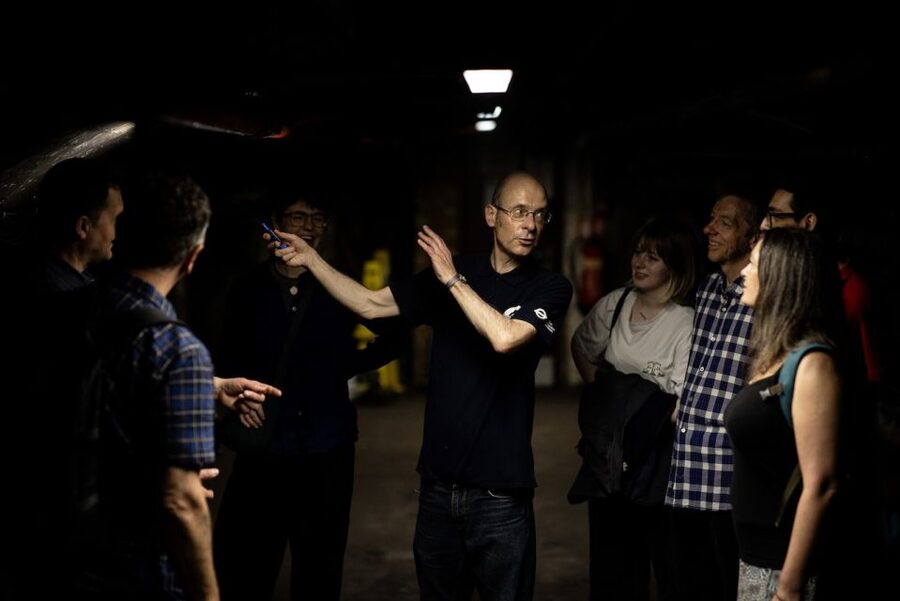
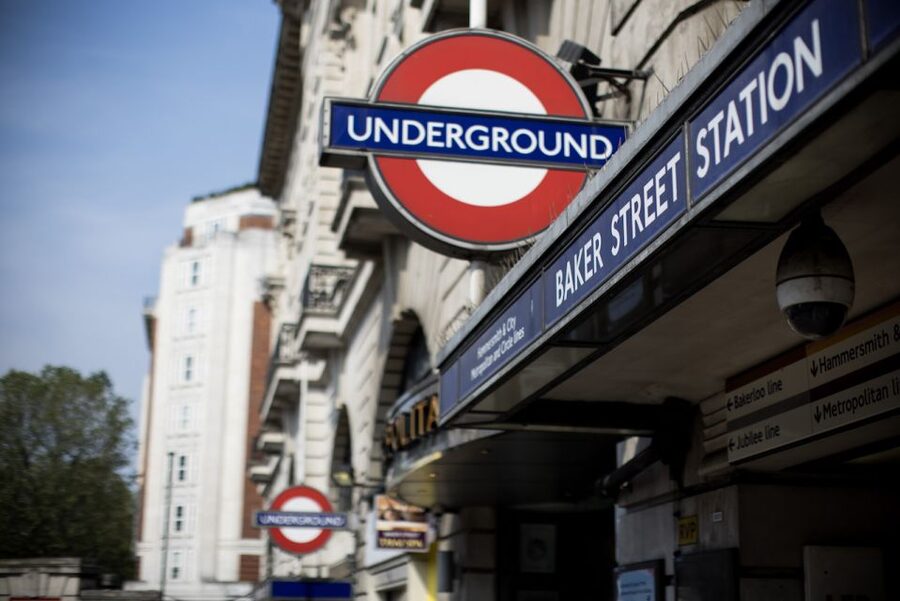
You meet outside Baker Street Underground Station, in front of the Sherlock Holmes statue. It is an easy landmark to spot, and the location fits the neighborhood perfectly: the fictional detective draws crowds above ground while the tour leads you into the real stories below it.
This meeting point is also useful because Baker Street is a working station, not a museum frozen in time. You begin in a place used every day, then move toward areas that most people pass without noticing. That contrast is central to the appeal. You are not simply looking at old railway objects behind glass. You are entering parts of a functioning London station that have been closed away for decades.
The tour is conducted in English with a live guide. Recent guide teams have included Anthony, Sophie, and Pat, with particular praise for their friendly manner, strong presentation, and command of the subject. That matters here. A dark corridor and a disused lift shaft are interesting, but the guide’s stories give them purpose.
Baker Street in 1863: The Start of Underground Travel
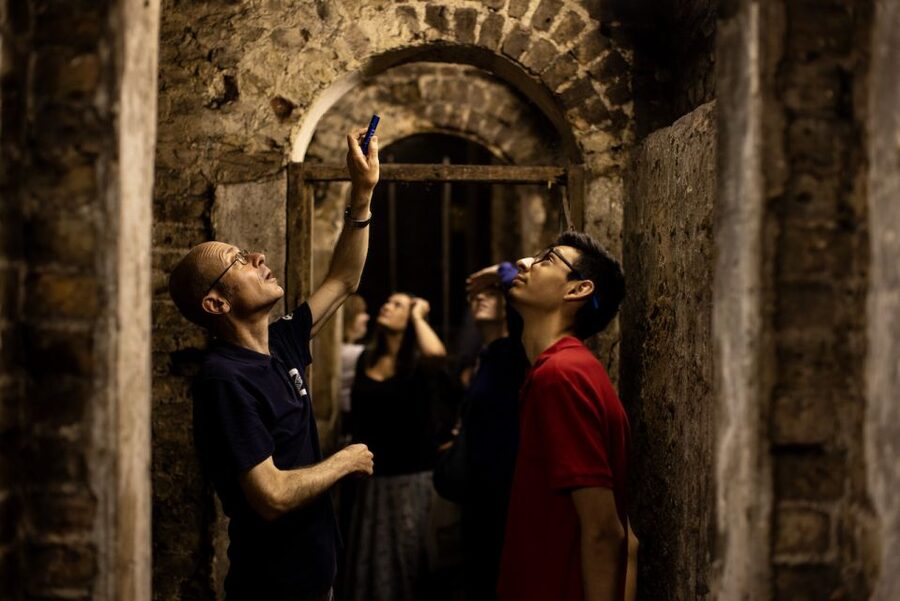
The tour places Baker Street at the birth of modern metro travel. On January 10, 1863, the Metropolitan Railway opened this station as part of a radical new system designed to carry passengers beneath London’s crowded streets.
At the time, underground travel was a strange idea. The tour explores what the first passengers thought about going below the city, then traces how the Underground grew over the next 160 years. That broad timeline helps you understand why Baker Street matters beyond its connection with Sherlock Holmes.
I especially like this historical framing because it turns the station into a starting point rather than just an old place. The Underground network now feels familiar to millions of people, but Baker Street represents the moment when the idea was still experimental. The system created a model later used by metro networks around the world.
You will also hear about the original steam railway era. The phrase steam travel beneath Victorian London is not just a colorful description. It points to the noise, engineering problems, and public uncertainty that came with early underground trains.
A few more options to weigh up in London
- London: The London Eye Entry Ticket
★ 4.6 · 35,875 reviews - From London: Harry Potter Warner Bros Studio Tour
★ 4.7 · 26,588 reviews - London: Westminster to Greenwich River Thames Cruise
★ 4.5 · 22,836 reviews
Original Platforms and Corridors Closed Since 1945
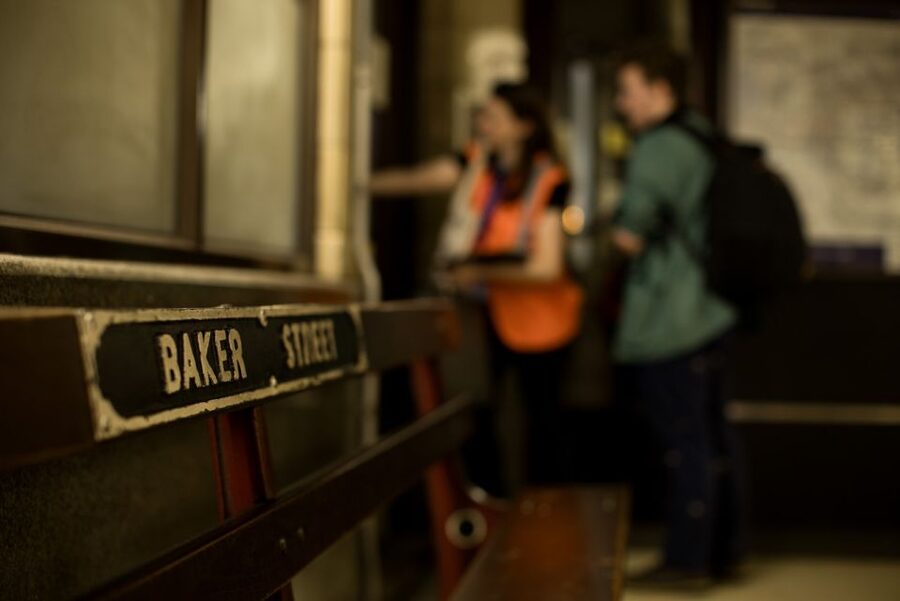
The most appealing part of the tour is the chance to see areas that have not been part of ordinary public circulation for roughly 75 years. Some corridors and lift shafts were last accessed by the public as far back as 1945.
The exact sequence can depend on how the station is being operated, but you should expect a guided walk through closed-off sections rather than a simple platform talk. Original platforms and old passageways help you picture how the station changed as the Underground expanded.
These spaces may not look polished. That is part of their value. You are likely to encounter old surfaces, subdued lighting, and the practical feel of a working railway site rather than a carefully staged exhibition. You should not expect a large collection of signs or display cases explaining every object. The guide supplies much of the interpretation.
I find that this makes the tour more rewarding for people who enjoy physical evidence. A disused lift shaft can tell you more about how passengers once moved through the station than a modern diagram can. A closed corridor shows how the railway adapted over time, often by adding, rerouting, and sealing off spaces as needs changed.
The downside is that this kind of access demands attention. Low light can make it harder to see details, and uneven ground means you should watch your footing. Comfortable shoes are essential.
The Old Lift Shafts and the Station’s Changing Design
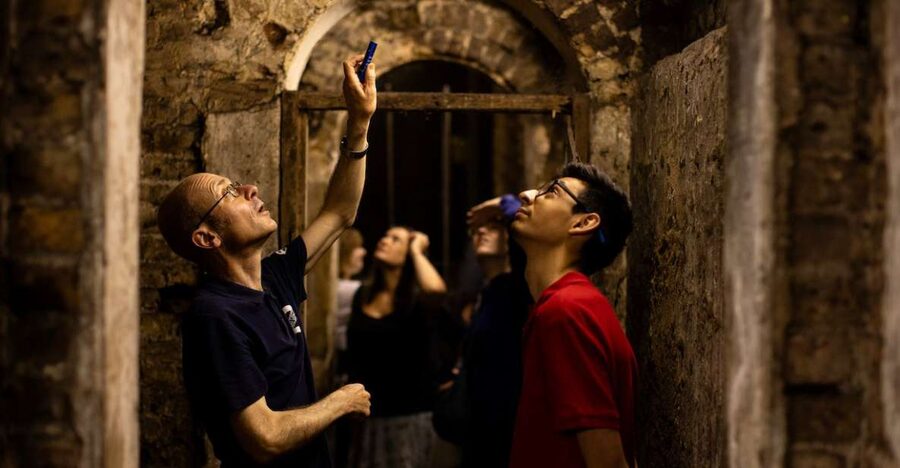
Old lift shafts offer a direct look at an earlier period of Underground engineering. Before modern escalator systems became the normal way to move between street level and platforms, lifts played a major role in station design.
On this tour, the lift shafts are not just architectural curiosities. They help explain how Baker Street handled passengers in its early years and how station layouts changed as the railway system grew. You can connect the physical space with the larger story of expansion, improved capacity, and changing passenger habits.
The shafts may be more interesting to you if you enjoy infrastructure, architecture, or engineering. If you prefer tours built around grand rooms and dramatic decoration, the experience may feel more stripped back. The appeal is in the scale, age, and function of the spaces, not in visual polish.
The route includes stairs and there are no elevators. That is important both for comfort and safety. The tour is not suitable for people with mobility impairments, and anyone who finds enclosed spaces difficult should think carefully before booking.
The Underground Headquarters and Life Behind the Platforms
Baker Street once served as an operational headquarters for the London Underground. That gives the station another layer of interest. It was not only a place where passengers entered and left trains. It was also a workplace where staff managed the wider system.
The guide explains how the Underground operated and introduces the people who kept it moving. You will hear stories drawn from the London Transport Museum’s archive and collection, including accounts of staff life over the years.
This is where the tour moves beyond railway hardware. The stories about workers help you picture the station as a community with routines, responsibilities, and its own culture. The tour also covers how staff used the site for both work and recreation, which makes the station feel less like an anonymous machine and more like a lived-in workplace.
The staff rifle range is an especially unusual detail. It shows that Underground premises could serve practical staff purposes that modern passengers would never expect. You should not book this tour only for that one stop, but it is the kind of detail that makes the experience memorable.
A different kind of day out entirely:
- Magical London: Harry Potter Guided Walking Tour
★ 4.7 · 22,044 reviews - London: Madame Tussauds London
★ 4.6 · 20,915 reviews - London: Warner Bros. Studio Tour with Transfers
★ 4.7 · 17,586 reviews - London: Tower Bridge Entry Ticket
★ 4.7 · 15,560 reviews
What the Guides Add to the 85 Minutes
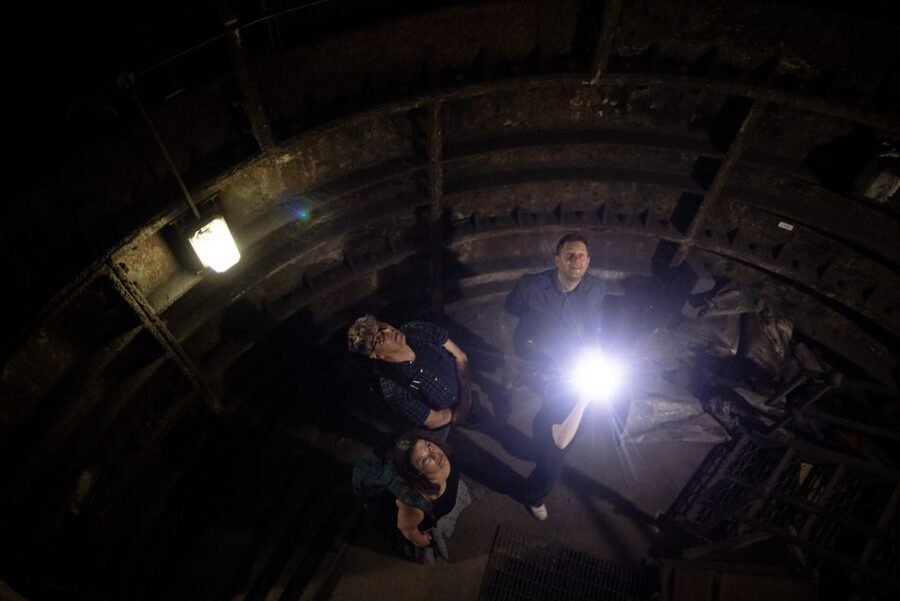
A good guide is vital on a tour through spaces that may otherwise seem dark and bare. The best parts of Baker Street are not always obvious at first glance. You need someone to explain what a corridor once did, why a lift shaft mattered, or how the station fitted into the larger Underground system.
The recent guiding team has included Anthony, Sophie, and Pat. Their presentation has been praised for being friendly, enthusiastic, and well organized. That combination suits the tour. You want clear historical detail, but you also want the guide to make the walk feel like an exploration rather than a technical lecture.
The 85-minute length is well chosen for a focused visit. It gives the guide time to cover the station’s opening, the early passengers, its later growth, staff life, and the restricted spaces without turning the outing into a full-day commitment.
You should still expect a steady amount of walking. The time can pass quickly because the route changes between historical explanation and physical exploration, but it is not a sit-down presentation. Bring water for before or after the tour, since food and drinks are not allowed during it.
How the $60 Price Measures Up
At $60 per person, this is a premium short tour. You are paying about $42 per hour, before considering the value of the access itself.
For a general introduction to London’s Underground, that price would be hard to justify. You can ride the network cheaply and visit transport displays elsewhere. This tour earns its cost through restricted access to original station areas that are not part of normal public use.
I think the price works best for three kinds of people:
- You care about railway history and want to see original infrastructure.
- You have already visited London’s main sights and want an experience away from the usual route.
- You enjoy guided access to places that cannot be explored independently.
The value is weaker if you dislike stairs, enclosed spaces, or tours built around architecture and historical explanation. You also need to accept that the route is relatively short and that the spaces may look plain. The reward is access and context, not entertainment in the theatrical sense.
Free cancellation up to 24 hours before the tour and the option to reserve now and pay later give you some useful flexibility. Those policies do not change the price, but they make it easier to fit the tour into a busy London schedule.
Who Will Enjoy This Station Tour Most?
I would recommend it to adults and children aged 10 or older who have a real interest in London, engineering, transport, or historic buildings. The maximum is four children aged 10 to 15 per adult, so families should plan around that limit.
The tour should also suit repeat visitors who have already seen the major London sights. Baker Street’s Sherlock Holmes connection is fun, but the main subject is the real Underground. You do not need to be a railway expert. The guides explain the setting and connect the details to the growth of the network.
It is less suitable for anyone with limited mobility, claustrophobia, or difficulty walking on uneven ground. Open-toed shoes are not allowed, and comfortable closed shoes are the sensible choice. Large bags and luggage are also not permitted, so do not arrive with airport baggage or a full daypack.
Bring a passport or ID card, as identification is listed among the things you should carry. Food and drinks are not allowed on the tour, but water is recommended for the walking involved.
How Baker Street Fits Into a London Day
The tour lasts 85 minutes, so it is easy to place in a half-day plan. You could pair it with other sights in the Baker Street area, but the most important planning point is to arrive ready for the meeting outside the station, not inside a museum entrance.
Give yourself enough time to reach the Sherlock Holmes statue and get organized before the start. Baker Street is a busy part of London, and a late arrival could be stressful when the group moves into restricted areas.
The tour does not include pickup or drop-off. You make your own way to the station and leave on your own afterward. That is normal for a central London walking tour, but it means you should build the transit time into your plans.
Because the experience takes place partly in low-light areas, it may not be the best choice immediately before an important reservation if you prefer to stay perfectly polished. Wear practical clothes and shoes. This is a working historic site, not a formal museum gallery.
Is Hidden Baker Street Worth Booking?
I would book this tour if you want to understand how London’s Underground began and you are curious about the parts of a station hidden from daily commuters. The access to original platforms, old lift shafts, staff corridors, and the former headquarters gives the tour a clear reason to exist.
I would skip it if you want a broad overview of London attractions, dislike confined spaces, or need an accessible route. The $60 price is fair only if the restricted access and specialist stories matter to you.
For the right visitor, this is a strong choice. You get Victorian railway history, staff stories, unusual working spaces, and a look at Baker Street beyond the famous detective statue. Just wear closed shoes, leave the large bag behind, and be ready for stairs.
FAQ
Where does the Hidden Baker Street Tube Station Tour meet?
Meet your guide outside Baker Street Underground Station, in front of the Sherlock Holmes statue.
How long does the tour last?
The tour lasts 85 minutes.
How much does the tour cost?
The listed price is $60 per person.
What language is the tour conducted in?
The tour is conducted in English with a live guide.
What areas can you see during the tour?
You can see closed-off parts of Baker Street Station, including original platforms, old lift shafts, hidden corridors, and the staff rifle range.
Is this the only tour with access to these hidden station areas?
Yes. This is the only tour with access to the hidden areas described at Baker Street Station.
Are children allowed on the tour?
Children under 10 are not allowed. Children aged 10 to 15 may attend, with a maximum of four children in that age range per adult.
Is the tour suitable for people with mobility impairments?
No. The tour includes considerable walking, uneven ground, stairs, low lighting, and no elevators. It is not suitable for people with mobility impairments.
What should I bring and wear?
Wear comfortable closed shoes and bring water, a passport or ID card. Food, drinks, luggage, large bags, and open-toed shoes are not allowed.
Just added in London
- The Best of British Cooking Class & Dining Experience★ 5.0 · 1 review
- London: Live Comedy Show at Big Belly Bar and Comedy Club★ 4.5 · 80 reviews
- London: British Museum Highlights Guided Small Group Tour★ 4.9 · 113 reviews
- The Beatles London Walking Tour★ 4.2 · 147 reviews
- The Best Highlights of London Walking Tour & Boat Cruise★ 5.0 · 1 review
- The Authentic Walking Tour with Indian Tasting Meal★ 4.8 · 4 reviews
- Iconic London: Bard, Beatles, Bond & Baker Street★ 4.9 · 15 reviews
- London: Tate Britain Official Discovery Tour★ 4.7 · 7 reviews
London Tours, compared.


Westminster to Greenwich River Thames Cruise
Read our review →
Magical London: Harry Potter Guided Walking Tour
Read our review →