REVIEW · LONDON TOURS
London Ley Line Walks
Ancient paths cross London. This three-hour walk links places such as St. Paul’s Cathedral, Alexandra Palace, and St. James’s Park with the idea of ley lines, the invisible routes some believe connect sites of spiritual and historic importance. I like the chance to see familiar London landmarks through an unusual lens, and I like the social side, since the walk is designed for people who enjoy open discussion and unusual ideas.
The guide, Zachary Denman, brings a personal interest in stone circles, earth energy, writing, and filmmaking. That enthusiasm is a major part of the appeal. The main caution is that this is not a standard sightseeing tour, and anyone looking only for conventional London facts may find the spiritual claims too speculative.
In This Review
- Five things to know before you go
- London through ley lines, not just landmarks
- Zachary Denman’s personal approach
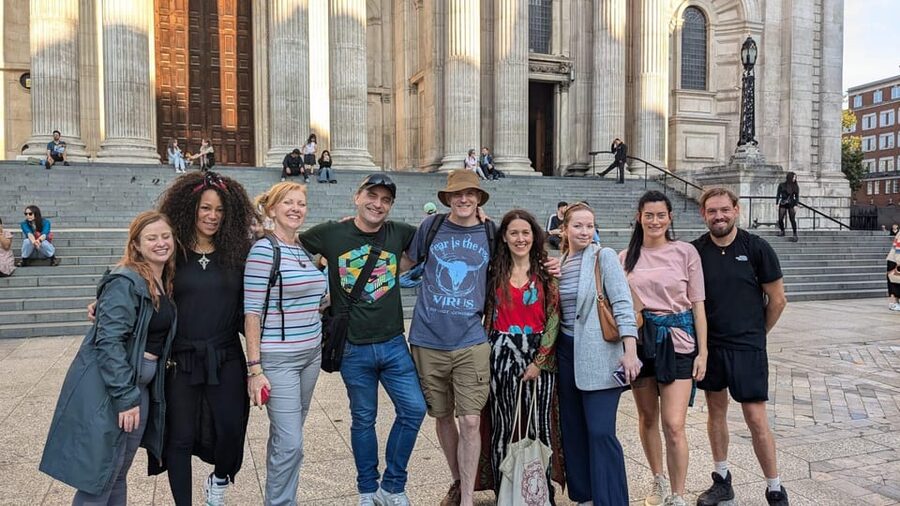
- St. Paul’s Cathedral and the heart of the city
- Alexandra Palace and the wider view
- St. James’s Park and London’s quieter side
- How the three-hour format works
- What you get for $33
- The social side of the walk
- Who will enjoy this experience most
- Practical tips for a better walk
- Should you book London Ley Line Walks?
- FAQ
- Where does London Ley Line Walks take place?
- How long does the walk last?
- How much does the experience cost?
- Who leads the walk?
- What language is the tour conducted in?
- Is transportation included?
- How will I find the meeting point?
- What should I bring?
- Can I cancel the booking?
Five things to know before you go
- Zachary Denman leads the walk: His background as a filmmaker, writer, and researcher shapes the storytelling and gives the tour a clear personal focus.
- Major London landmarks become part of a larger pattern: St. Paul’s Cathedral, Alexandra Palace, and St. James’s Park are viewed not only as attractions, but as points within proposed ley line routes.
- The walk is built around conversation: You are encouraged to meet people with similar interests, exchange ideas, and consider different views about London’s past.
- Three hours is enough for a focused introduction: You get time to walk, listen, ask questions, and take photographs without committing to a full-day outing.
- Comfort matters: Bring water and wear walking shoes. The starting point is sent by email before the walk, so check your messages carefully.
London through ley lines, not just landmarks
Most London walking tours explain kings, churches, fires, bridges, and political power. London Ley Line Walks takes another route. It asks you to consider why certain places may feel important, how old sites might relate to one another, and whether the city contains patterns that are easy to miss when you move around by Tube or bus.
The idea of ley lines is central. These are said to be energetic or symbolic pathways crossing the earth and linking places with ancient or spiritual significance. The concept is not part of standard archaeological consensus, so you should come with curiosity rather than the expectation of proven fact.
That distinction matters. You are not simply paying for a list of accepted historical details. You are paying for a guided discussion about possible connections between London’s sites, the meaning people attach to them, and the way place can shape belief.
I think that makes the walk best suited to an open-minded audience. If you enjoy folklore, sacred sites, alternative history, stone circles, or questions about earth energy, the subject may give you plenty to think about. If you prefer dates, architectural facts, and documented events only, you may want to pair this with a more traditional London tour.
A few more options to weigh up in London
- London: The London Eye Entry Ticket
★ 4.6 · 35,875 reviews - From London: Harry Potter Warner Bros Studio Tour
★ 4.7 · 26,588 reviews - London: Westminster to Greenwich River Thames Cruise
★ 4.5 · 22,836 reviews
Zachary Denman’s personal approach
Zachary Denman is described as a filmmaker, writer, and researcher with a lifelong interest in stone circles and ley lines. That history gives the walk a clear point of view. He is not presenting the subject as a passing curiosity. His work grows from years of personal interest and study.
The strongest praise for the experience focuses on Zac’s enthusiasm, kindness, and command of the subject. One recent couple described the walk as inspiring and breathtaking, and said they hoped to return for more. That is useful context when choosing a specialist tour. The guide’s energy matters here because much of the experience depends on explanation, interpretation, and conversation.
You should also expect a tour shaped by the guide’s interests. That can be a strength. A specialist who cares deeply about a subject may notice links and details that a general guide would skip. It can also mean the route feels less like a fixed sightseeing script and more like an introduction to a particular way of seeing London.
St. Paul’s Cathedral and the heart of the city
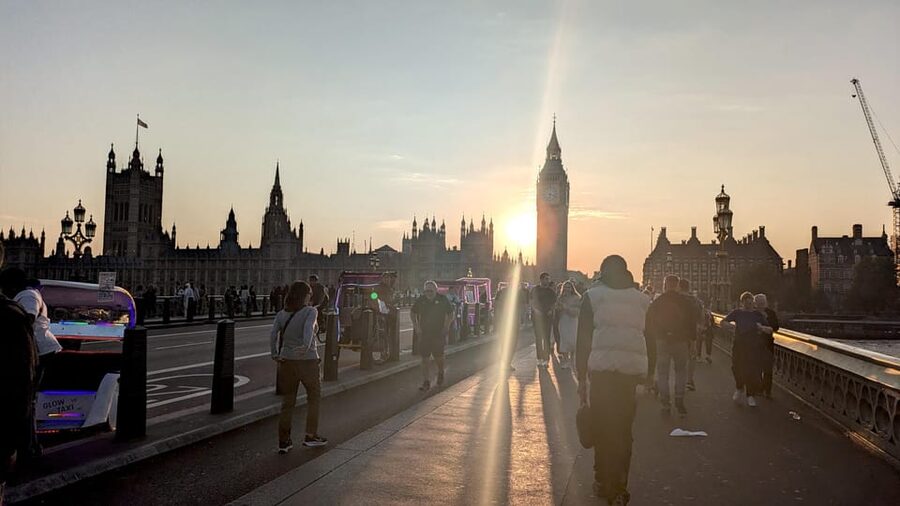
St. Paul’s Cathedral is one of the named locations connected with these walks. Even without the ley line theme, it is an important place to begin thinking about power, belief, and the way London has been organized around significant sites.
The cathedral gives the discussion a strong visual anchor. Its scale and position in the city make it easy to consider how religious buildings have shaped movement and attention over time. On this walk, you are invited to look beyond the obvious architectural story and think about the cathedral as a point within a wider pattern.
The exact route and order of stops are sent before the walk, so you should not assume St. Paul’s is always the first stop. The activity description names several possible landmarks rather than publishing a detailed step-by-step route. That gives the guide some flexibility, but it also means you should check the advance email for the meeting point and route details.
Bring a camera if you enjoy recording places that spark your imagination. The cathedral and surrounding city streets offer plenty to photograph, even if the main focus is the spoken interpretation rather than photography itself.
Alexandra Palace and the wider view
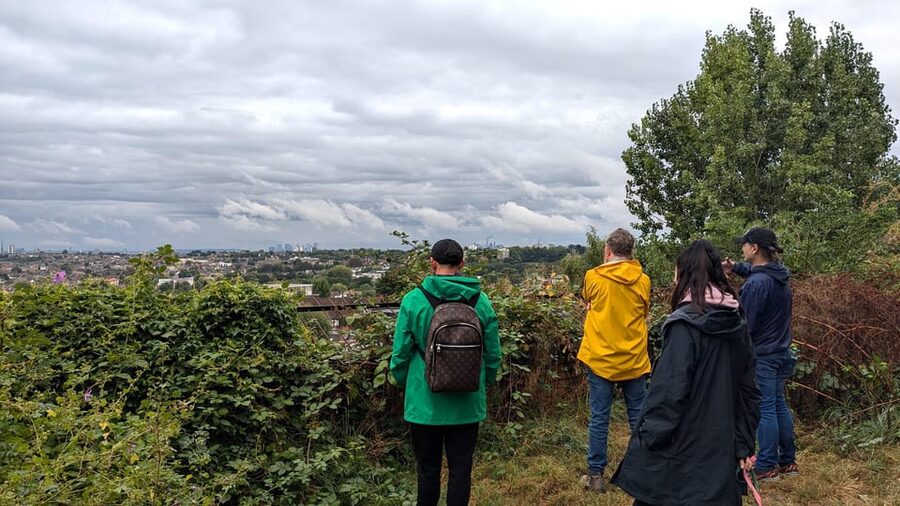
Alexandra Palace is another named stop. Its position gives the walk a different setting from central London. The location is associated with broad views across the city, making it a useful place to think about lines, direction, distance, and the relationship between prominent points.
The ley line idea works best when you can picture connections between places. A wide view can help you understand the physical scale of London and consider how a proposed route might cross the city. You are not just hearing about an abstract line on a map. You are looking outward and placing one location in relation to another.
Still, it is important to keep your expectations realistic. The supplied information does not provide a specific viewpoint, route sequence, or guaranteed time at Alexandra Palace. Treat it as a named location within the experience, not as a promise of a particular panorama or a long stop inside the palace.
For you, this may be one of the most rewarding parts of the walk if you like connecting city geography with spiritual ideas. It may be less satisfying if you expect a formal tour of the palace building or a detailed architectural visit.
A different kind of day out entirely:
- Magical London: Harry Potter Guided Walking Tour
★ 4.7 · 22,044 reviews - London: Madame Tussauds London
★ 4.6 · 20,915 reviews - London: Warner Bros. Studio Tour with Transfers
★ 4.7 · 17,586 reviews - London: Tower Bridge Entry Ticket
★ 4.7 · 15,560 reviews
St. James’s Park and London’s quieter side
St. James’s Park brings the walk into one of London’s best-known green spaces. It offers a calmer contrast to the built-up areas around major landmarks and fits naturally with a discussion about natural energy, sacred ground, and the relationship between people and place.
The walk’s language about earth energy and spiritual awakening is likely to be most appealing here. Parks can change the way you experience a city. You slow down, notice the surroundings, and have more room for conversation. That does not prove any ley line theory, but it can make the ideas easier to consider in a relaxed setting.
The activity description does not promise wildlife sightings, a botanical focus, or a particular garden feature. I would therefore treat the park as part of the broader route rather than a separate garden tour. The value comes from the setting and the discussion, not from a detailed horticultural program.
How the three-hour format works
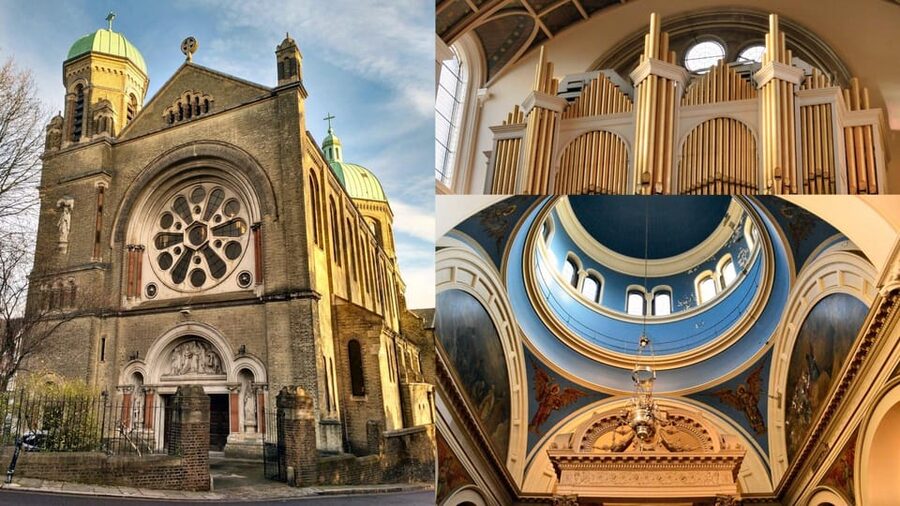
Three hours is a sensible length for this kind of experience. It gives Zac enough time to explain the basic ideas, discuss several locations, and allow questions without turning the walk into an all-day commitment.
You should expect to spend much of the time on foot, listening and moving between places. The exact distance is not provided, so comfortable shoes are important. Water is specifically recommended, and it is wise to carry your own bottle since meals and drinks are not included.
There is no transportation to the starting point. You must arrange your own way there, and the meeting point arrives by email before the walk. That setup is common for urban walking tours, but it makes planning important. Check the message in advance, allow time to reach the start, and do not rely on finding the group at one of the named landmarks unless the instructions say so.
The activity is listed as wheelchair accessible. If you use a wheelchair, read the meeting instructions carefully and confirm any route concerns before setting out, since the precise route and surfaces are not described in the available details.
What you get for $33
At $33 per person, the price is reasonable if you want a specialist-led experience rather than a general orientation to London. Your fee covers a three-hour guided walk, an English-speaking live guide, discussion of London ley lines, and the chance to meet people interested in similar subjects.
The value depends heavily on your interest in the topic. A conventional London tour can give you more established history for the same amount of time. This walk gives you something different: a focused interpretation of the city and a chance to discuss ideas that are usually left out of standard sightseeing.
You are not paying for food, drinks, transport, museum admission, or a private vehicle. That keeps the basic price clear, but you should budget for your own refreshments and the cost of getting to the start.
The payment terms also make the booking fairly flexible. You can reserve a place and pay later, and cancellation is free up to 24 hours before the walk for a full refund. Check availability for the current starting times, since the duration is fixed at three hours but the available schedule can vary.
The social side of the walk
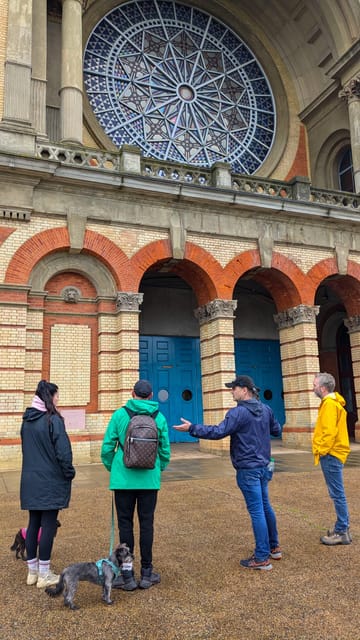
Meeting like-minded people is one of the clearest aims of London Ley Line Walks. That is more than a minor extra. For a subject involving spiritual ideas, alternative history, and personal interpretation, conversation is part of the experience.
You may enjoy hearing why other people are interested in stone circles, ancient routes, or earth energy. You can share your own thoughts, ask questions, and decide how strongly you accept the ideas being presented. The format seems designed to welcome discussion rather than keep everyone silent while a guide delivers a long lecture.
The activity is not advertised as private, so you should expect to share the walk with other participants. The group size is not stated. If you prefer one-to-one attention or a quiet private outing, check the arrangements before booking.
The best attitude is friendly curiosity. You do not need to agree with every claim to enjoy the walk. You can appreciate the stories, locations, and questions while keeping your own judgment.
Who will enjoy this experience most
I would recommend this walk to you if you have an interest in:
- Ley lines, stone circles, and earth energy
- Alternative interpretations of London’s past
- Spiritual or reflective city experiences
- Meeting people with similar interests
- Guided walks led by a specialist with a strong personal connection to the subject
- Photographing historic London locations
It may not be the right choice if you want a tightly documented history tour, a private guide, a food stop, or a route with every minute and location published in advance.
Families can consider it, but the information does not give a recommended minimum age or a child-focused format. The discussion is aimed at people who want to engage with the subject, so adults and older children who enjoy open-ended ideas may get more from it.
Practical tips for a better walk
Wear shoes that you can use comfortably for three hours. The route details are not published in full, and the activity is described as a guided walk rather than a short stop between attractions.
Carry water, since drinks are not included. A camera is also recommended, particularly if you enjoy recording the landmarks and views connected with the route.
Read the pre-tour email carefully. It contains the meeting point, and that information is essential because the named sites cover different parts of London. You are responsible for reaching the start, so allow extra time for transport and finding the exact meeting spot.
The tour is conducted in English. Alcohol and drugs are not allowed, so plan for a sober, respectful group setting.
Should you book London Ley Line Walks?
Book it if you want to see London through a spiritual and alternative-history lens, and if you enjoy asking questions rather than receiving only settled answers. The combination of major landmarks, a passionate guide, and a three-hour format gives you a focused way to explore an unusual side of the city.
I would be more cautious if you want conventional historical proof or a standard sightseeing route. The ley line concept is interpretive, and the exact sequence of stops is not provided in advance. At $33, the experience offers fair value for curious visitors who want a specialist discussion and a social walk, but less value for anyone uninterested in the subject.
The best reason to book is Zac Denman himself. His enthusiasm and kindness have received particularly strong praise, and this type of walk needs a guide who can make unusual ideas engaging without losing the group. Bring water, wear good shoes, check the meeting email, and arrive ready to think for yourself.
FAQ
Where does London Ley Line Walks take place?
The walks take place in South East England, with named locations including St. Paul’s Cathedral, Alexandra Palace, St. James’s Park, and other historic London landmarks.
How long does the walk last?
The guided walk lasts three hours.
How much does the experience cost?
The listed price is $33 per person.
Who leads the walk?
The walk is led by Zachary Denman, a filmmaker, writer, and researcher with a long-standing interest in stone circles, ley lines, and earth energy.
What language is the tour conducted in?
The live guided walk is conducted in English.
Is transportation included?
No. You are responsible for reaching the starting point, and transportation is not included.
How will I find the meeting point?
The meeting point and related details are emailed before the guided walk.
What should I bring?
Bring water, comfortable walking shoes, and a camera if you would like to take photographs.
Can I cancel the booking?
Yes. You can cancel up to 24 hours in advance for a full refund. You can also reserve now and pay later to keep your plans flexible.
Just added in London
- The Best of British Cooking Class & Dining Experience★ 5.0 · 1 review
- London: Live Comedy Show at Big Belly Bar and Comedy Club★ 4.5 · 80 reviews
- London: British Museum Highlights Guided Small Group Tour★ 4.9 · 113 reviews
- The Beatles London Walking Tour★ 4.2 · 147 reviews
- The Best Highlights of London Walking Tour & Boat Cruise★ 5.0 · 1 review
- The Authentic Walking Tour with Indian Tasting Meal★ 4.8 · 4 reviews
- Iconic London: Bard, Beatles, Bond & Baker Street★ 4.9 · 15 reviews
- London: Tate Britain Official Discovery Tour★ 4.7 · 7 reviews
London Tours, compared.



Westminster to Greenwich River Thames Cruise
Read our review →
Magical London: Harry Potter Guided Walking Tour
Read our review →