
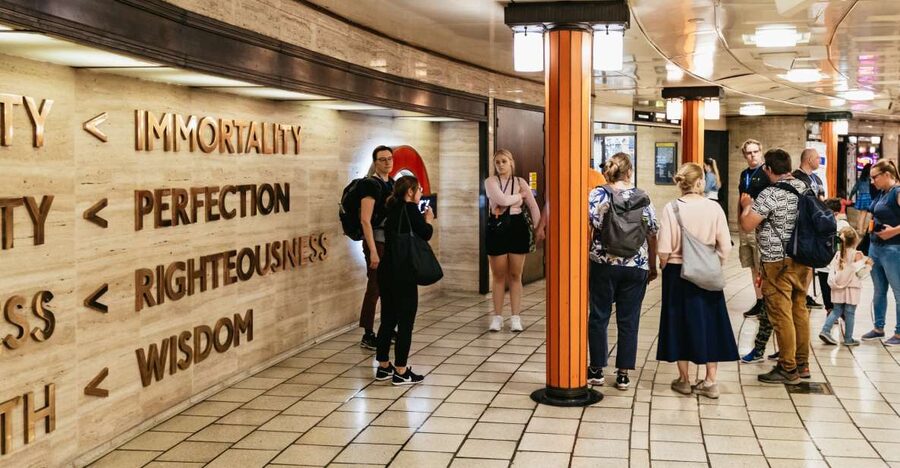
REVIEW · WALKING TOURS
London: Secrets of the London Underground Walking Tour
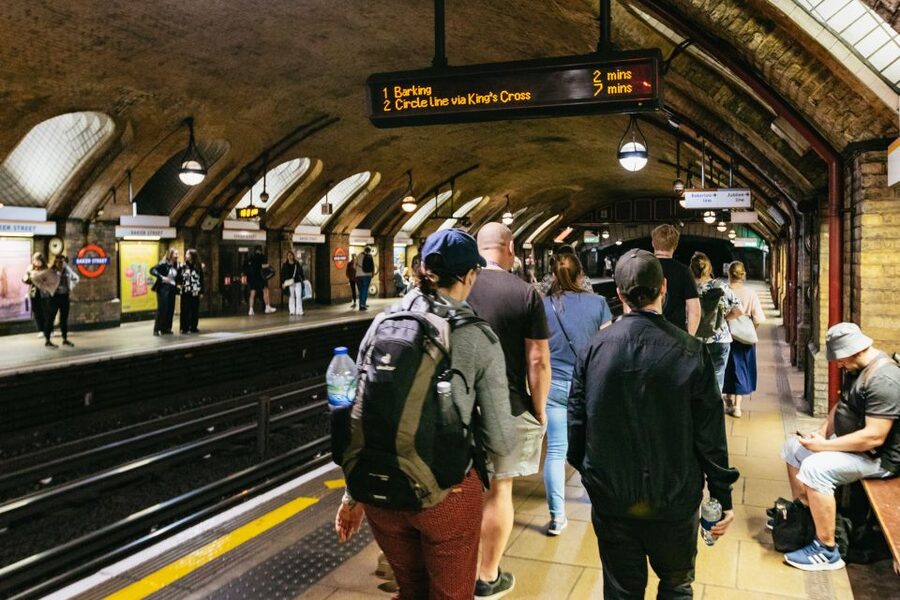
London has a secret life below street level. This 2.5-hour walking tour turns the Tube from a useful ride into a story about engineering, war, ghosts, and daily London life. I like beginning at Baker Street Station, one of the original Metropolitan Railway stops, and I like the way guides such as John, Aaron, Angela, and Peter bring small details to life.
The audio headset is a real help in noisy stations, and the route gives you a fresh look at places you may have passed many times. The main drawback is expectation: you do not normally go inside a closed Underground station, and your Tube fares are extra. There are also plenty of stairs, so this is not suitable for wheelchair users or people with reduced mobility.
I also like the tour’s mix of practical transport and unusual tales. You hear how steam trains gave way to electric rail, how the first tunnels were built, and how stations served as wartime shelters, aircraft factories, and storage rooms for British Museum treasures. It is history you encounter while moving through the real network, not in a quiet lecture room.
In This Review
- Key points to know before you go
- Why London’s Tube makes such a good tour
- Starting at Baker Street Station
- Following the Tube from steam to electric power
- Haunted stations and the reality of ghost stops
- The Tube during the Blitz
- Finishing at the London Transport Museum
- Is $40 a fair price?
- Walking, stairs, and practical comfort
- Who will enjoy this Tube tour most?
- Should you book the Secrets of the London Underground tour?
- FAQ
- Where does the London Underground walking tour begin?
- How long does the tour last?
- Where does the tour finish?
- Is a London Underground ticket included?
- What transport ticket should I buy?
- Is the London Transport Museum included?
- Will I enter a disused Underground station?
- Is the tour suitable for wheelchair users?
- Is the tour conducted in English?
Key points to know before you go
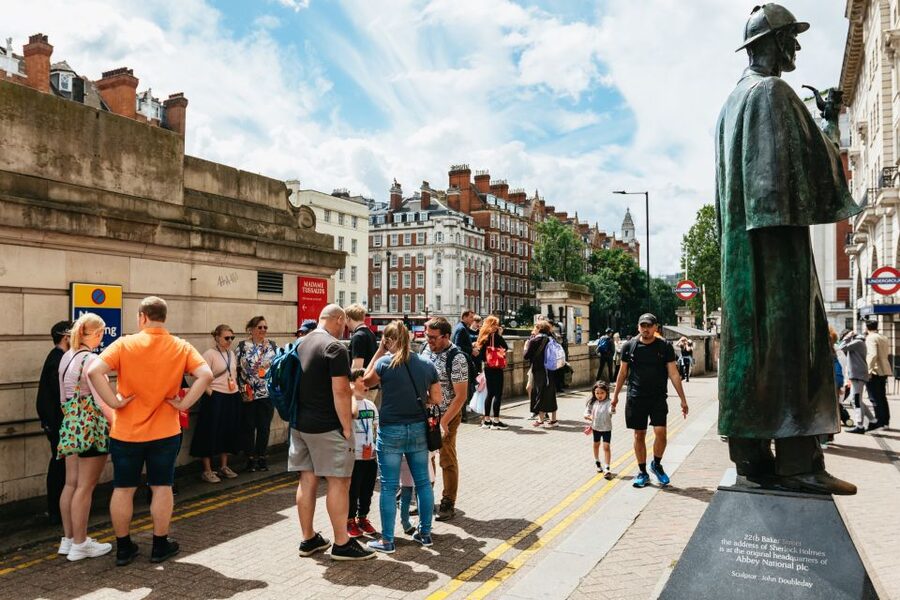
- Start at the Sherlock Holmes statue: Meet outside Baker Street Station, beside the famous detective’s statue.
- See the Tube’s 1863 beginnings: Baker Street was part of the world’s first underground railway.
- Expect stories, not restricted access: You may see clues to abandoned or ghost stations, but this is not a tour inside a disused station.
- Bring your own travel ticket: A Zones 1 to 2 day travel card or Oyster card is required and not included in the $40 tour price.
- Use the headset: The audio equipment helps you follow the guide above ground and in noisy stations.
- Plan for stairs and walking: The route is unsuitable for wheelchair users and people with limited mobility.
Why London’s Tube makes such a good tour
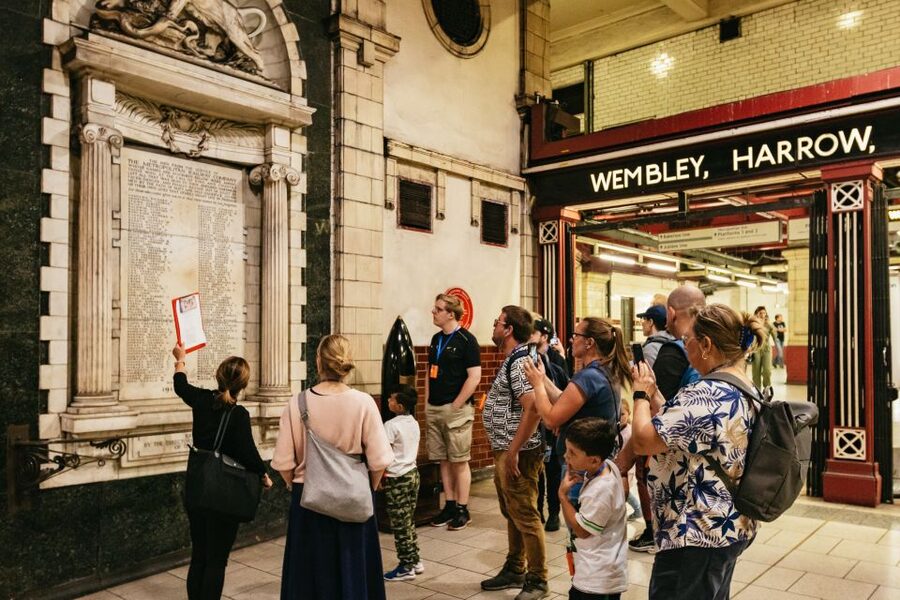
London’s Underground is easy to take for granted. You tap in, follow the colored line, squeeze onto a train, and get where you need to go. Yet the system carries more than 1.3 billion passenger journeys each year across 270 stations, and its story reaches into nearly every part of modern London.
This tour gives you a reason to look up from the map. Station tiles, old signs, tunnel shapes, platform details, and the famous Underground roundel all become part of the lesson. I like that the guide connects these features to bigger changes in the city, from the move away from steam power to the Tube’s role during wartime.
The subject is also nicely varied. You are not asked to spend two and a half hours listening to dates and engineering terms. One moment may cover tunnel construction, and the next may bring up a haunted platform, a forgotten station, or a wartime use you would never guess from the entrance outside.
The tour is conducted in English by a live guide. The strongest praise has gone to guides including John and Aaron for their clear delivery, humor, patience, and ability to answer questions. Angela and Peter have also been praised for keeping groups together and making the information easy to follow. The guide matters here because much of the experience depends on storytelling.
More Walking Tours in London
- Magical London: Harry Potter Guided Walking Tour
★ 4.7 · 22,044 reviews - London: The Original Jack the Ripper Walking Tour
★ 4.7 · 7,833 reviews - London: Harry Potter Movies Walking Tour (Kids Go Free)
★ 4.7 · 3,071 reviews
Starting at Baker Street Station
Meet by the Sherlock Holmes statue outside Baker Street Station. This is a simple meeting point, but allow time to find the correct exit and gather before the tour begins. The statue gives you an obvious landmark, and it ties the start of the tour to one of London’s most famous fictional residents.
Baker Street is not just a convenient place to meet. It was one of the original stations on the Metropolitan Railway, opened in 1863. That line was the first underground railway in the world, built to solve a very London problem: surface roads were crowded, and the city needed a faster way to move people through the center.
The early system was far from the clean, quiet Tube you know today. The first trains were steam-powered, and the tunnels had to be built close to the surface using a method that caused major disruption above ground. Your guide explains how the earliest sections were made and how the network later changed as electric trains became possible.
Baker Street also offers a useful introduction to the design language of the Underground. The tour discusses the roundel, the red and blue symbol now recognized around the world. It is more than a logo. It helped make stations easier to identify and gave a growing collection of separate railway companies a shared visual identity.
I would pay attention to the details your guide points out rather than rushing toward the next train. Several people who have used the Tube for years were surprised by features they had never noticed. That is one of the tour’s best qualities: familiar stations become places to inspect.
Following the Tube from steam to electric power
The route uses the Underground itself, so you get a short taste of the system while learning about it. One public transport section takes about 10 minutes, though actual travel can vary with service conditions. Delays or line closures can force the guide to change the route.
That flexibility matters. During a period of strikes and closed lines, Aaron was praised for finding an alternative and guiding the group through the city on foot. This is a useful reminder that the tour takes place on a working railway, not a museum set. Trains can be delayed, stations can close, and the plan may shift.
The guide explains the change from steam-powered trains to electric rails and shows how the Underground developed over time. You also hear why more than 40 stations were abandoned. Some closed because routes changed, some became unnecessary, and others were overtaken by newer parts of the network.
Do not expect a technical engineering course. The information is aimed at curious visitors who want to understand how the system grew. The tour works best when the guide links construction choices to the streets and buildings around you. You are learning the reason for the Tube’s shape while standing inside the city it was built to serve.
The audio headset helps here. Above ground, passing traffic and group movement can make a guide hard to hear. Underground, train noise creates another problem. The headsets have generally been praised as useful, though one person found the sound crackly above ground. Bring them back to your ear quickly after each stop so you do not miss the next explanation.
Haunted stations and the reality of ghost stops
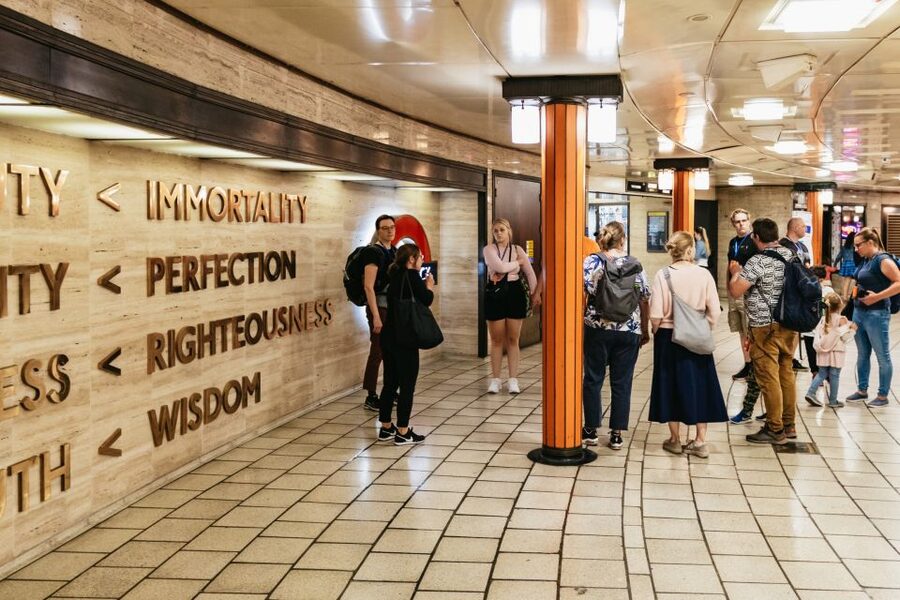
The supernatural side of the tour adds fun without taking over the whole experience. You hear stories about stations reputed to be haunted by the ghost of a Pharaoh’s daughter and by a nun. The exact appeal depends on your taste, but these tales give the network a pleasingly strange edge.
You also hear about a station located above the remains of 1,000 bodies. Details like this show how the Underground is tied to older layers of London. The Tube did not replace the city’s past. It was built through and around it.
Set your expectations carefully if abandoned stations are your main reason for booking. The tour can discuss disused stations and may give you a view of a ghost station from the active network, but you should not assume you will enter a closed platform or explore restricted tunnels. One person specifically felt disappointed at not going into a disused station, while others enjoyed the wider history even without behind-the-scenes access.
That distinction is important. This is a walking and public transport tour through accessible parts of the Tube, not an exploration adventure. If you want stories, odd details, and a fresh way to read the system, it delivers. If you want to walk inside sealed stations, you may find the experience less dramatic than expected.
A different kind of day out entirely:
- London: The London Eye Entry Ticket
★ 4.6 · 35,875 reviews - From London: Harry Potter Warner Bros Studio Tour
★ 4.7 · 26,588 reviews - London: Westminster to Greenwich River Thames Cruise
★ 4.5 · 22,836 reviews - London: Madame Tussauds London
★ 4.6 · 20,915 reviews
The Tube during the Blitz

The Underground’s wartime role is one of the most useful parts of the tour. During the Blitz, stations were repurposed as shelters for London residents. The same spaces built to move people could also protect them during air raids.
The guide also covers less familiar wartime uses. Parts of the Tube system were used as an aircraft factory, and Underground spaces stored treasures from the British Museum. These stories expand your idea of what a railway can be. The Tube was not only a transport system. At key moments, it became shelter, workplace, warehouse, and part of the city’s defense.
I find these details more meaningful when presented in the places connected to them. You are not simply reading that Londoners used stations during the Blitz. You are standing in the network and imagining the same tunnels serving a very different purpose.
This section also gives the tour emotional weight without becoming heavy. The guide keeps the pace moving, balancing wartime facts with lighter stories about station design, famous symbols, and local landmarks. Several guides have been praised for using humor while still treating the subject seriously.
Finishing at the London Transport Museum
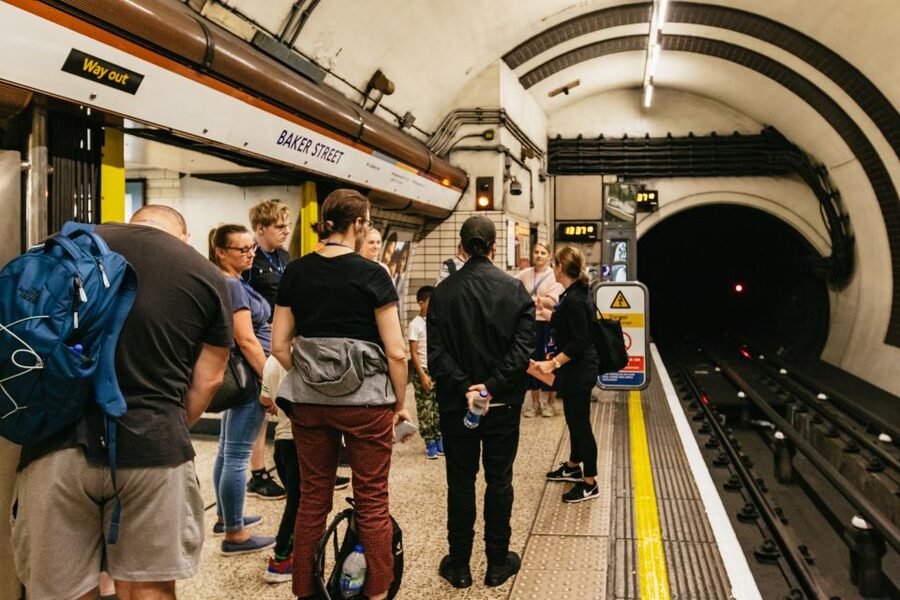
The route includes a visit to the London Transport Museum and finishes at 10B Bridge Street in Westminster, near the museum area. This gives you a useful final stop after seeing the working Underground.
The museum visit rounds out the tour by placing the Tube in the wider story of London transport. After hearing how the Underground was built and changed, you can continue thinking about the machines, signs, tunnels, and public services that shaped the city.
The precise amount of time spent inside the museum is not specified, so I would not book this expecting a long independent museum visit. Treat it as the closing part of the guided route. If you want to explore the museum at length, check its opening details and plan extra time separately.
The finish in Westminster is practical for sightseeing. You are near major central London attractions and public transport connections, so the tour can fit neatly into a day of sightseeing. Just remember that the experience begins at Baker Street and ends elsewhere, so you will need to arrange your own return or continue with your plans from Westminster.
Is $40 a fair price?
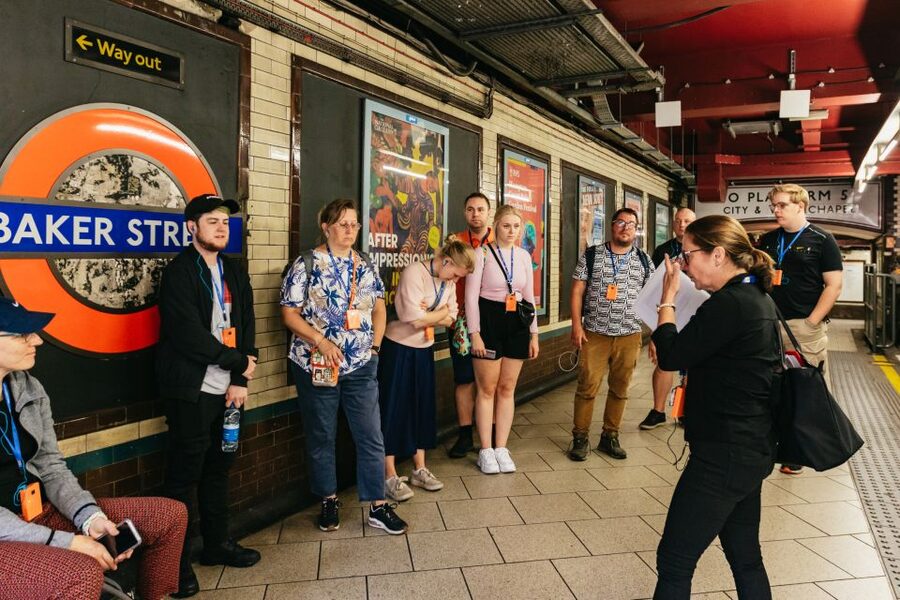
At $40 per person, the tour offers a useful service for visitors who would otherwise ride the Tube without understanding it. You are paying for an expert English-speaking guide, a planned route, historical interpretation, and audio equipment. The price is strongest if you enjoy guided history and want more than a list of station names.
The Underground fare is not included. You need a public transport ticket, an Oyster card, or a Zones 1 to 2 day travel card before joining. This extra cost is easy to miss, so budget for it from the start. One participant used a bank card during the tour and reported a much higher charge than expected, while another found a travel pass cheaper.
That fare requirement also means the $40 does not cover every cost of the outing. Still, I think the value is solid for visitors who want context and a guide who can handle questions. It is less compelling if you already know Underground history well or mainly want access to sealed stations.
The reserve now and pay later option, plus free cancellation up to 24 hours before the start, can help if your London schedule is unsettled. These terms matter most when you are fitting the tour around changing museum visits, rail arrivals, or weather.
Walking, stairs, and practical comfort
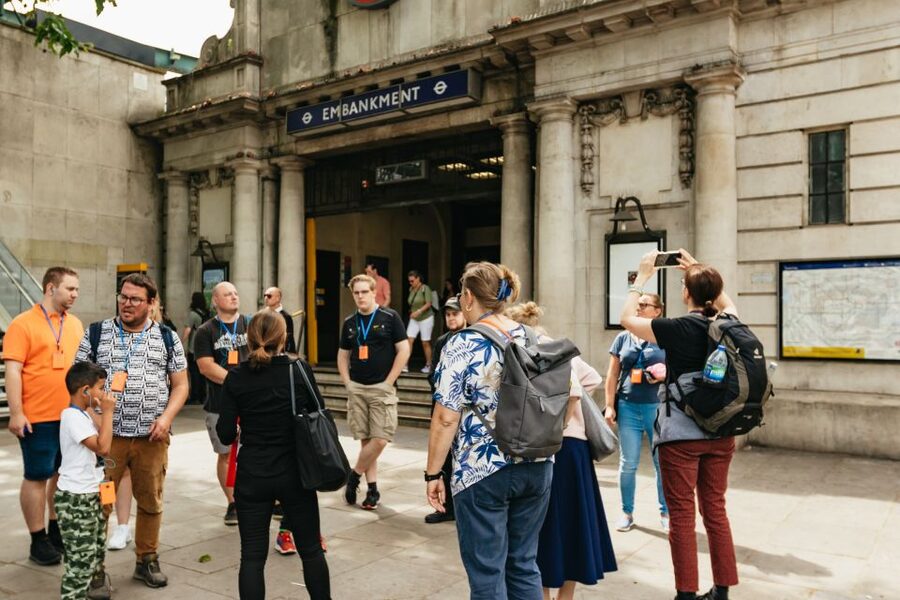
You will walk a moderate amount over 2.5 hours, with repeated station access and changes between street level and platforms. The number of stairs is a serious consideration. This tour is not suitable for wheelchair users or people with reduced mobility, and baby strollers and large bags are not allowed.
Wear comfortable shoes. The route combines ordinary London streets with Underground corridors, station passages, and stairs. You will want to hear the guide, keep up with the group, and move through busy public spaces without carrying more than necessary.
Bring only what you need, and have your transport ticket ready before the meeting time. Food and drinks are not included, so eat beforehand or carry a small drink if allowed by the operator. The tour is long enough that comfort affects how much information you retain.
The headsets are especially helpful if you have hearing concerns or if the group is large. They let you stay with the guide’s explanation while other trains and passengers carry on around you.
Who will enjoy this Tube tour most?
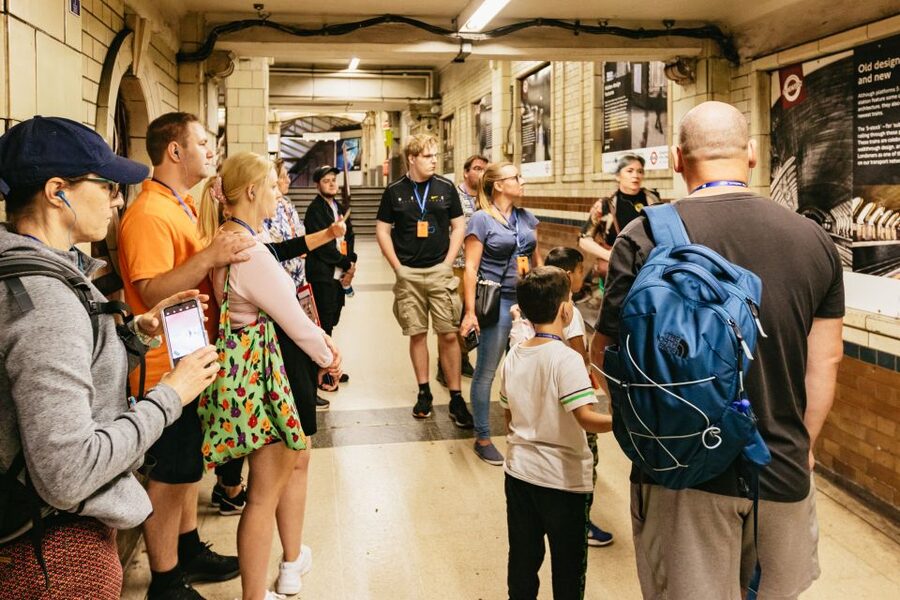
I would recommend it to first-time London visitors who plan to use the Underground often. The tour teaches you how to see the system as part of the city rather than as a confusing set of colored lines.
It also suits London residents and repeat visitors. Several people who had used the Tube for years learned new details about stations they thought they knew. That is a good sign for anyone who wants a different angle on familiar London.
Families with older children can enjoy it if they are comfortable walking and listening. One guide was praised for answering the many questions of an inquisitive son, which suggests that curious young people can get plenty from the experience. Very young children may struggle with the pace, stairs, and long explanations.
History fans, transport enthusiasts, and anyone who likes ghost stories should find plenty to enjoy. The tour is less suitable for visitors wanting a short photo stop, a private experience, or access to closed stations. It is also not a good choice if stairs and extended walking are difficult for you.
Should you book the Secrets of the London Underground tour?
Book this tour if you want to understand why London’s Tube looks and works the way it does. The strongest reasons are the original Baker Street setting, the mix of engineering and wartime stories, the haunted-station tales, and guides such as John and Aaron who make the information lively.
Go in expecting an informative route through active stations, not a restricted-access expedition. Bring a Zones 1 to 2 travel pass or Oyster card, wear good shoes, leave large bags behind, and allow for stairs and possible service changes.
For curious visitors, $40 is a fair price for a fresh look at an everyday part of London. If you want to see the city from below street level and start noticing the details on every later Tube ride, I would book it.
FAQ
Where does the London Underground walking tour begin?
It begins outside Baker Street Station, by the Sherlock Holmes statue.
How long does the tour last?
The tour lasts 2.5 hours.
Where does the tour finish?
It finishes at 10B Bridge Street in Westminster, London SW1A 2JR.
Is a London Underground ticket included?
No. You must bring your own public transport ticket, Oyster card, or suitable travel pass.
What transport ticket should I buy?
A Zones 1 to 2 day travel card or an Oyster card is recommended for the tour.
Is the London Transport Museum included?
The route includes a visit to the London Transport Museum.
Will I enter a disused Underground station?
You should not expect to enter a disused station. The tour discusses abandoned stations and may show a ghost station from the active network.
Is the tour suitable for wheelchair users?
No. The tour is not suitable for wheelchair users or people with reduced mobility because of the stairs and walking involved.
Is the tour conducted in English?
Yes. It has a live English-speaking guide, and audio headsets are included.
Just added in London
- The Best of British Cooking Class & Dining Experience★ 5.0 · 1 review
- London: Live Comedy Show at Big Belly Bar and Comedy Club★ 4.5 · 80 reviews
- London: British Museum Highlights Guided Small Group Tour★ 4.9 · 113 reviews
- The Beatles London Walking Tour★ 4.2 · 147 reviews
- The Best Highlights of London Walking Tour & Boat Cruise★ 5.0 · 1 review
- The Authentic Walking Tour with Indian Tasting Meal★ 4.8 · 4 reviews
- Iconic London: Bard, Beatles, Bond & Baker Street★ 4.9 · 15 reviews
- London: Tate Britain Official Discovery Tour★ 4.7 · 7 reviews
Walking Tours, compared.

Magical London: Harry Potter Guided Walking Tour
Read our review →

University and City Walking Tour with Alumni Guide
Read our review →
Harry Potter Movies Walking Tour (Kids Go Free)
Read our review →
The Great British Rock and Roll Music Walking Tour
Read our review →
Jack the Ripper Walking Tour – Ripper Vision Tours
Read our review →
Other lists this tour turns up in