

REVIEW · WALKING TOURS
London: Street Art and Graffiti Guided Walking Tour
East London wears its art on every wall. I like the way this two-hour walk turns Brick Lane and Shoreditch into an open-air gallery, while also explaining the East End’s social and cultural past. I also like the range: you may see work by Banksy, ROA, Invader, Shepard Fairey, and Stik, along with tiny stickers, floor pieces, tags, and large murals. The main consideration is that street art changes constantly, so a favorite piece may be painted over, moved, or gone by the time you arrive.
The tour begins under the White Goat Statue outside Old Spitalfields Market and moves toward Brick Lane and Shoreditch. Guides such as Josh, Laura, Eva, Ava, Gabi, and Natalie have been praised for making the subject clear to beginners while still offering useful detail to people who already know graffiti culture. You walk at an easy pace, but it is still a city walk, so bring rain gear and comfortable shoes.
In This Review
- Key points at a glance
- Starting beneath the White Goat Statue
- Why a guide matters on this route
- From Spitalfields toward Brick Lane
- Brick Lane’s famous names and small surprises
- Shoreditch and the art that keeps moving
- The East End story behind the paint
- Pace, group experience, and guide style
- Is $33 a fair price?
- Who should book this walk?
- My verdict: book it for the stories, not just the walls
- FAQ
- Where does the London street art tour meet?
- How do I get to the meeting point?
- How long does the tour last?
- Which areas does the tour visit?
- Which artists might I see?
- Is the tour offered in English?
- Is the tour wheelchair accessible?
- Can I combine the walking tour with a street-art workshop?
Key points at a glance
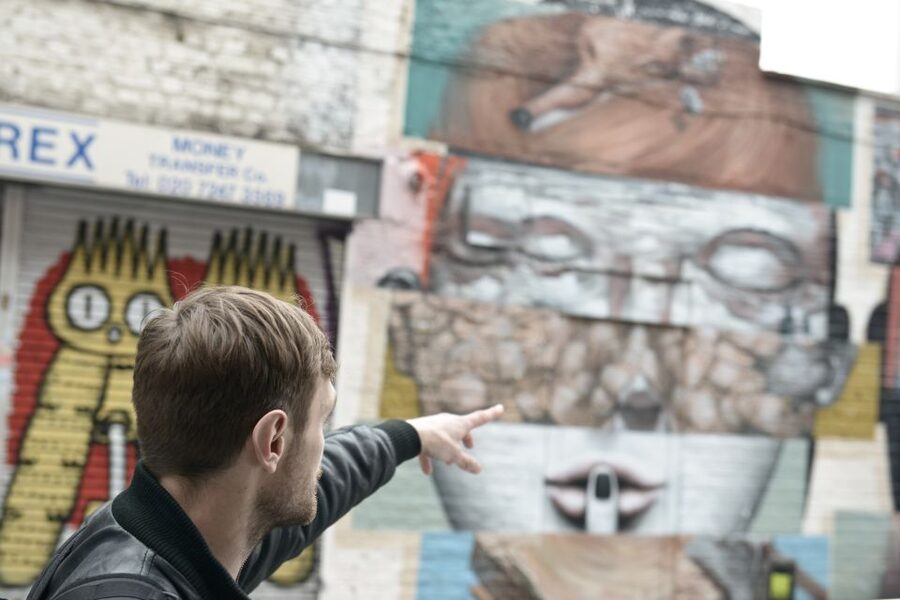
- A changing outdoor gallery: See work from around 40 local and international artists, with new pieces appearing as old ones disappear.
- More than Banksy: The route introduces you to ROA, Invader, Shepard Fairey, Stik, and many lesser-known artists.
- Art with context: Learn about paint, stickers, stencils, tagging, murals, technique, meaning, and the unwritten rules of the scene.
- East End stories included: The guide links the artwork to the area’s changing culture and past.
- A useful meeting point: Start beneath the White Goat Statue beside Old Spitalfields Market, close to Liverpool Street Station.
- Good value at $33: You are paying for interpretation and access to pieces you would likely miss on your own, not simply for a walk through Brick Lane.
Starting beneath the White Goat Statue
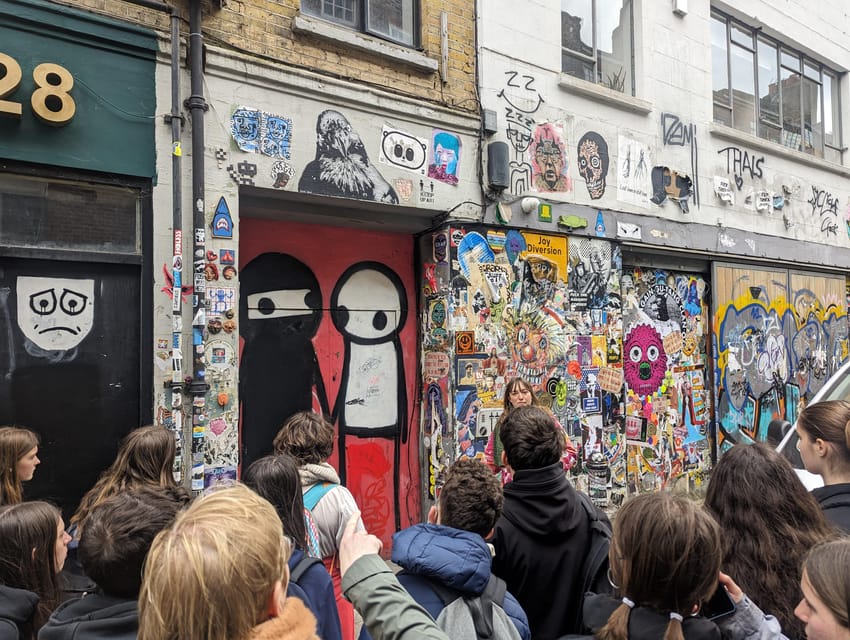
The meeting point is easy to reach once you know what to look for. Exit Liverpool Street Station onto Bishopsgate, turn left, then turn right onto Brushfield Street between Pizza Express and the RBS building. Walk about 100 meters toward Old Spitalfields Market and look for the white goat on top of the statue.
Arrive 10 minutes early. This is one of those London meeting points where a little preparation saves needless street-corner confusion. The guide waits under the statue, at The White Goat Statue, Brushfield Street, London E1 6AA.
The location also gives you a useful introduction to the area. You begin close to the City of London, the capital’s historic financial district, then walk into the East End, where the mood and street scene change quickly. That contrast helps explain why this is a good place for a street-art tour. You are not looking at isolated gallery pieces. You are seeing art placed among shops, markets, side streets, walls, signs, and older buildings.
More Walking Tours in London
- Magical London: Harry Potter Guided Walking Tour
★ 4.7 · 22,044 reviews - London: The Original Jack the Ripper Walking Tour
★ 4.7 · 7,833 reviews - London: Harry Potter Movies Walking Tour (Kids Go Free)
★ 4.7 · 3,071 reviews
Why a guide matters on this route
You can walk Brick Lane alone and see plenty of painted walls. The trouble is knowing what you are looking at. A quick glance may reveal a large mural, but not the artist, method, date, purpose, or story behind it.
The guide’s value is in directing your eyes. Several guides, including Josh, Laura, Eva, Ava, Gabi, and Natalie, have been praised for pointing out art that is easy to miss. That may include a small sticker, a piece on the ground, work high above eye level, or a detail partly covered by something newer.
The tour also gives you a basic vocabulary. You learn how graffiti and street art overlap, but are not always the same thing. The discussion can include tagging, stickers, paint, stencils, murals, and the different approaches artists use to claim space or communicate an idea.
This is helpful if you arrive thinking all wall art is simply graffiti. The walk encourages you to look at materials, scale, placement, lettering, character design, and the relationship between old and new work. Sue, who began with little knowledge of the subject, described leaving with a new way of seeing it. That is a fair description of what the tour aims to do.
From Spitalfields toward Brick Lane
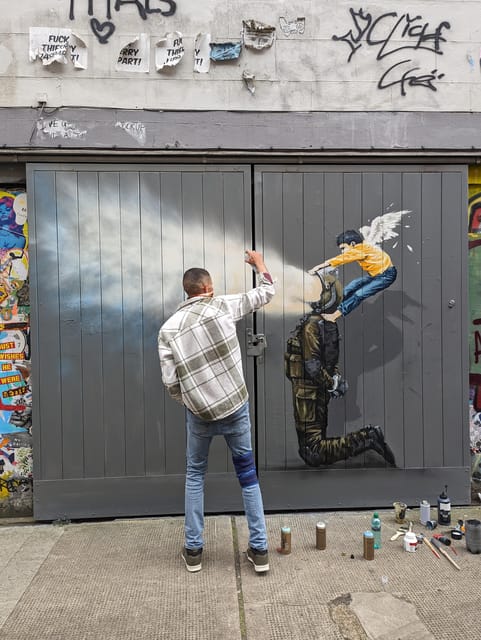
The opening part of the walk sets the East End scene before the route reaches its densest display of art. Your guide explains how the area’s past shaped its street culture, then begins showing you pieces that you might pass without noticing.
Do not expect a formal gallery sequence with numbered rooms. The route uses the public streets, and the art appears in layers. A painted wall may sit beside a sticker, a paste-up, or a tag. Some works are bold and easy to photograph. Others require your guide to stop, point, and explain where to look.
The route’s gradual movement from Spitalfields toward Brick Lane is part of its appeal. You see how the character of the streets changes and how the amount and type of art develop along the way. Josh was praised for shaping the walk so it began in an area with little visible art, then moved toward places where much more was on display. That structure gives you a useful sense of how location affects street art.
Brick Lane is the natural center of the experience. It has long been associated with alternative culture, independent businesses, food, music, fashion, and art. The tour does not treat the street as a backdrop for famous names alone. It uses the area to explain how artists, local culture, and changing neighborhoods meet.
Brick Lane’s famous names and small surprises
Banksy may be the name that gets you to book, but he is not the whole point. The tour also covers artists such as ROA, Invader, Shepard Fairey, and Stik, plus many other local and international artists.
That range matters. ROA’s work, for example, is associated with detailed animal imagery. Invader is known for small mosaic-style pieces. Stik’s simple figures can carry a direct emotional or social message. Shepard Fairey’s work connects street art with graphic design and bold political imagery. The guide explains these differences rather than placing every artist in one broad category.
You may also see work made from materials other than spray paint. Stickers, stencils, pasted images, and painted pieces each have their own methods and traditions. One stop might involve a large wall, while another is a tiny mark on a sign or pavement. The contrast keeps the walk from becoming a parade of similar murals.
The best moments may be the pieces you would never have found alone. One guide, Ava, was praised for showing art on walls, signs, roofs, and even the floor. Another guide, Natalie, used her own experience as a street artist to explain the culture and rules behind the work. Those details turn a photo stop into a short lesson in how the scene operates.
There is also a practical limit. Because the art is outdoors and constantly changing, the exact pieces are not guaranteed. A Banksy may be visible, but the listing promises exposure to street art from around 40 artists, not a fixed Banksy checklist. Book this for the stories and range, not for one particular wall.
A few more options to weigh up in London
- London: Landmarks & Secrets Bike Tour with Pub & Street Art
★ 4.9 · 314 reviews - London: East End Street Art Tour and Spray Painting Workshop
★ 4.8 · 297 reviews - London: Half-Day Street Art Tour and Workshop
★ 4.9 · 172 reviews - London: Street Art Bike Tour
★ 5.0 · 45 reviews
Shoreditch and the art that keeps moving
The walk continues into Shoreditch, another East London area closely linked with creative work and street art. Here, you can expect more large-scale pieces and plenty of visual variety, although the guide adapts the route as the streets change.
That flexibility is important. A street-art tour cannot be frozen in time. New work appears, old work is painted over, and some pieces fade or vanish. The changing route means the experience can feel different on a return visit, but it also means you should not expect a museum-style collection preserved for your inspection.
Your guide may explain why a particular wall attracts artists, how a piece was made, or what the artist may be trying to say. The discussion can cover technique, emotion, meaning, and the culture of tagging. It can also show how one work responds to another. That sort of context is difficult to get from a self-guided stroll.
I especially like the way this makes you more observant after the tour. Erik described learning to recognize street art throughout London. That is one of the strongest results of the walk. You do not just collect photographs in Shoreditch. You gain a better eye for art elsewhere in the city.
The East End story behind the paint
This is not an art lecture detached from place. The guide also explains the history of London’s East End and how different periods affected its culture.
The exact emphasis depends on your guide. Laura has been praised for adjusting the walk to the interests of the group. Josh was described as welcoming questions from people familiar with hip-hop and graffiti culture while keeping the explanation accessible to newcomers. That balance is valuable because groups often include serious art fans, curious first-timers, and families with teenagers.
The historical material gives the route more weight. You begin to understand why certain streets became associated with alternative culture and why street art developed here in such a visible way. The point is not to turn the walk into a full history tour of East London. Instead, local history gives the art a setting and helps you understand why this part of London feels different from the polished streets of the nearby financial district.
That mix was repeatedly praised by people who came mainly for the artwork. If you are not already interested in graffiti, the East End stories give you another reason to pay attention. If you already follow the artists, the local background makes the familiar names more meaningful.
Pace, group experience, and guide style
The advertised duration is two hours. Most of the walk is slow enough for photographs, questions, and explanations. One person reported finishing in about an hour and a half, so the exact length may vary with the route, group size, and amount of discussion.
That slower pace is a strength. You are not rushed from one wall to the next. Ortal specifically praised the relaxed pace, while other people said the two hours passed quickly because the guide kept the discussion moving.
The experience is in English with a live guide. Guide quality is clearly central to the tour, and the strongest descriptions focus on enthusiasm, clear explanations, and a personal feel. Ava has been praised for making the walk fun, Eva for offering local tips, Laura for her ability to respond to the group, and Natalie for her first-hand connection with the art world.
Do not expect every guide to deliver the same speech word for word. That is probably a good thing. The route changes, and the guides bring different interests and experience. The tradeoff is that your experience will depend partly on who leads the walk that day.
The tour is wheelchair accessible. Still, it takes place on city streets, and the activity information advises bringing rain gear. London weather can change quickly, so a waterproof layer is sensible even when the morning begins dry.
Is $33 a fair price?
At $33 per person, this is not the cheapest way to spend two hours in London. You can walk Brick Lane for free. You can also find plenty of online photographs and general information about Banksy and other artists.
The tour earns its price through selection and explanation. You are not paying for access to a private collection. You are paying for someone to identify the best pieces, show you art you might miss, explain the methods, and connect the streets to East End culture.
For me, the value is strongest if you are new to street art, short on time, or keen to understand what you are seeing. It is also good for families with older children and teenagers. One family used it during a half-term break, and another group said their teenagers came away with ideas for their own art projects.
The value is less certain if you want a fixed list of major murals, a guaranteed Banksy, or a long workshop. In that case, the combined tour and spray-painting options may suit you better. A shorter workshop lasts about 45 minutes to one hour and is available daily for people over 10. A longer version lasts two hours with a break and is for people over 12. Anyone under 16 must be accompanied by an adult throughout, and the workshop and tour can be booked separately for members of the same group.
Who should book this walk?
I would choose this tour if you want a different side of London without spending half a day indoors. It suits art fans, curious first-timers, photographers, families with teenagers, and anyone interested in the social side of East London.
It is particularly useful early in your London stay. Afterward, you can return to Brick Lane or Shoreditch and explore with a better understanding of what you are seeing. You might also notice stickers, tags, and small pieces in other parts of the city that previously blended into the background.
You should think twice if long city walks are difficult, if you dislike being outdoors in uncertain weather, or if your main goal is to make street art rather than study it. The workshop is the better choice for hands-on activity.
Booking is flexible: you can reserve now and pay later, and cancellation is free up to 24 hours in advance for a full refund. The tour begins near Liverpool Street Station, so it is easy to fit around other East London plans.
My verdict: book it for the stories, not just the walls
I recommend the London Street Art and Graffiti Guided Walking Tour. Its best feature is not simply the chance to see a Banksy. It is the way a good guide, such as Josh, Laura, Eva, Ava, Gabi, or Natalie, helps you understand why a piece matters, how it was made, and what it says about the place around it.
Book it if you want a friendly, informative walk with plenty to look at and a strong local angle. If you are already certain you want to spray-paint, choose a workshop instead. For everyone else, $33 buys a sharper eye, a better route, and two useful hours in East London.
FAQ
Where does the London street art tour meet?
Meet under the White Goat Statue on Brushfield Street, outside Old Spitalfields Market. The address is The White Goat Statue, Brushfield Street, London E1 6AA.
How do I get to the meeting point?
Liverpool Street Station is the closest station. Exit onto Bishopsgate, walk left, then turn right onto Brushfield Street between Pizza Express and the RBS building. Walk about 100 meters and look for the statue with a white goat on top.
How long does the tour last?
The advertised duration is two hours. The exact length can vary, and one recent walk was reported to take about an hour and a half.
Which areas does the tour visit?
The walk starts near Old Spitalfields Market and continues toward Brick Lane and Shoreditch in East London.
Which artists might I see?
The tour covers work by around 40 local and international artists. Names specifically associated with the walk include Banksy, ROA, Invader, Shepard Fairey, and Stik.
Is the tour offered in English?
Yes. It is led by a live English-speaking guide.
Is the tour wheelchair accessible?
Yes, the activity is listed as wheelchair accessible.
Can I combine the walking tour with a street-art workshop?
Yes. A shorter workshop lasts about 45 minutes to one hour for people over 10, while a longer version lasts two hours with a break for people over 12. People under 16 must be accompanied by an adult throughout.
Just added in London
- The Best of British Cooking Class & Dining Experience★ 5.0 · 1 review
- London: Live Comedy Show at Big Belly Bar and Comedy Club★ 4.5 · 80 reviews
- London: British Museum Highlights Guided Small Group Tour★ 4.9 · 113 reviews
- The Beatles London Walking Tour★ 4.2 · 147 reviews
- The Best Highlights of London Walking Tour & Boat Cruise★ 5.0 · 1 review
- The Authentic Walking Tour with Indian Tasting Meal★ 4.8 · 4 reviews
- Iconic London: Bard, Beatles, Bond & Baker Street★ 4.9 · 15 reviews
- London: Tate Britain Official Discovery Tour★ 4.7 · 7 reviews
Walking Tours, compared.

Magical London: Harry Potter Guided Walking Tour
Read our review →

University and City Walking Tour with Alumni Guide
Read our review →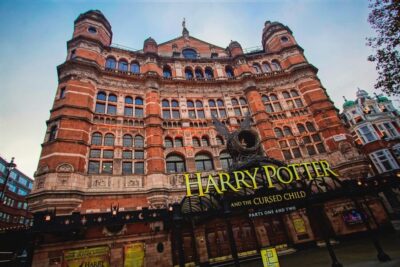
Harry Potter Movies Walking Tour (Kids Go Free)
Read our review →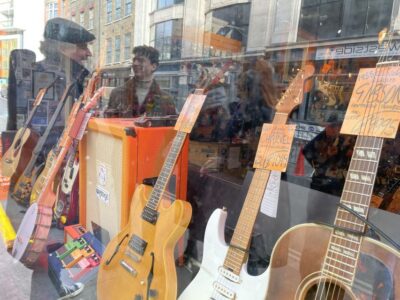
The Great British Rock and Roll Music Walking Tour
Read our review →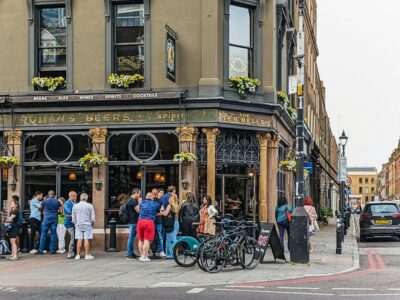
Jack the Ripper Walking Tour – Ripper Vision Tours
Read our review →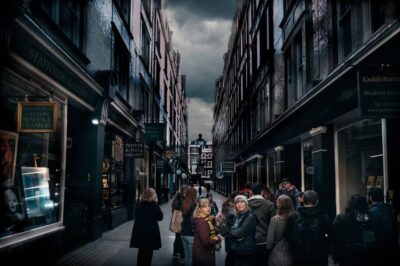
Other lists this tour turns up in