REVIEW · PRIVATE
London: The Birthplace of The Rolling Stones Private Tour
Rock history starts in ordinary places. This private London tour follows The Rolling Stones from early rehearsals and pub gigs to Olympic Studios and Richmond, where the young band found its audience. I like the small-group format, with a maximum of seven people, and I like that the route reaches places many standard music tours skip. Guide Paul adds personal stories and decades of local knowledge, especially around Richmond.
The main consideration is price: $485 per group, not per person, makes good sense for a full group but feels steep for one or two people. The tour also lasts three hours and uses a vehicle for much of the route, so it suits fans who want context and access rather than a long walking tour through central London.
In This Review
- Key points about this Rolling Stones tour
- Why the early Stones story works so well in London
- Earl’s Court: where the name and lineup took shape
- The Half Moon in Putney: a pub with a long Stones connection
- Olympic Studios in Barnes and the sound of the first six albums
- Richmond: where the band found its audience
- The meeting with The Beatles and the Decca turning point
- What the three-hour format feels like
- What makes the guide important
- Price, group size, and who gets the best value
- Practical points before you book
- Should you book the Rolling Stones birthplace tour?
- FAQ
- Where does the tour meet?
- How long does the tour last?
- How much does the private tour cost?
- Is the price per person or per group?
- What language is the tour conducted in?
- Who guides the tour?
- Does the tour include transport?
- Are entrance fees included?
- Can children join the tour?
Key points about this Rolling Stones tour
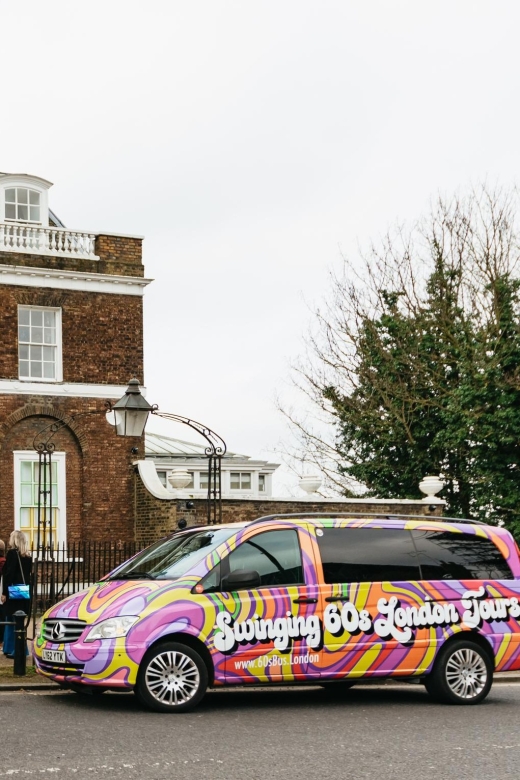
- The story begins at Earl’s Court tube station, close to the place where Brian Jones gave the band its name in 1962 and where Bill Wyman first auditioned.
- The Half Moon in Putney connects the early Stones with a pub venue where they performed as recently as 2000.
- Olympic Studios in Barnes is a major stop, linked with the recording of the band’s first six albums.
- Richmond supplies the emotional center, with early homes, hangouts, venues, and places where the band built a local following.
- Paul leads the tour, bringing personal anecdotes and more than 45 years of life in Richmond to the route.
- Music plays on the air-conditioned tour bus, turning the short drives into part of the show.
Why the early Stones story works so well in London
This is not simply a tour of famous names on a map. It follows the period when The Rolling Stones were still trying to become a working band.
The tour places their rise in the early 1960s, a time when British popular culture was changing fast. The group grew out of that climate for change, using clubs and pubs as their training ground. That setting matters. You see the band not as a finished legend, but as young musicians searching for a stage, a sound, and an audience.
The route also covers a useful stretch of west and southwest London. Earl’s Court, Putney, Barnes, and Richmond are not all next door to one another, so the private bus saves you from piecing together several Underground and taxi journeys. You get the guide’s commentary while moving between places, rather than spending the afternoon simply getting from one stop to the next.
For me, the best feature is the balance between landmark locations and less obvious stops. The tour includes major names such as Olympic Studios, but it also points to early homes, haunts, and venues that helped shape the group. That gives the story some grit. The Stones were built in rooms, pubs, and small clubs long before they became stadium material.
A few more options to weigh up in London
- London: The London Eye Entry Ticket
★ 4.6 · 35,875 reviews - From London: Harry Potter Warner Bros Studio Tour
★ 4.7 · 26,588 reviews - London: Westminster to Greenwich River Thames Cruise
★ 4.5 · 22,836 reviews
Earl’s Court: where the name and lineup took shape
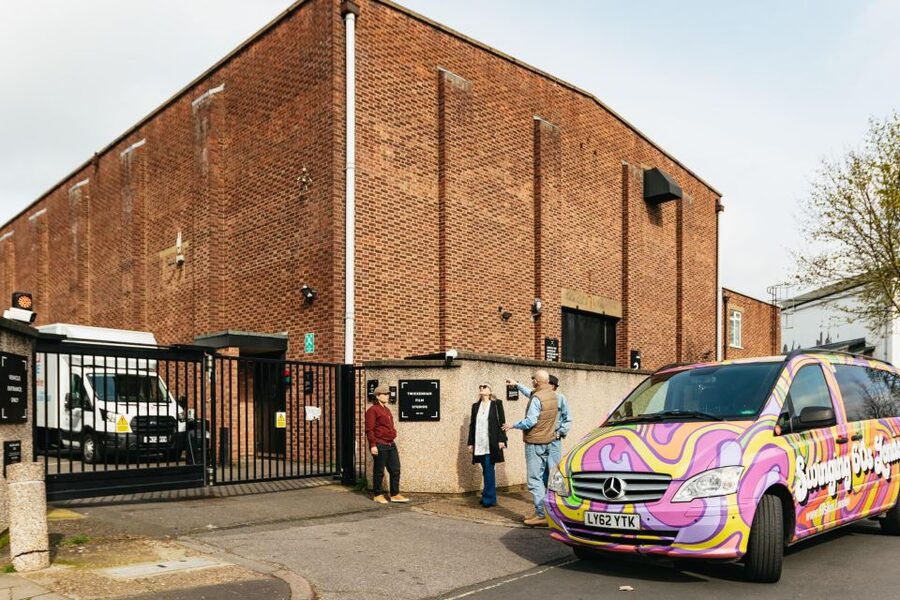
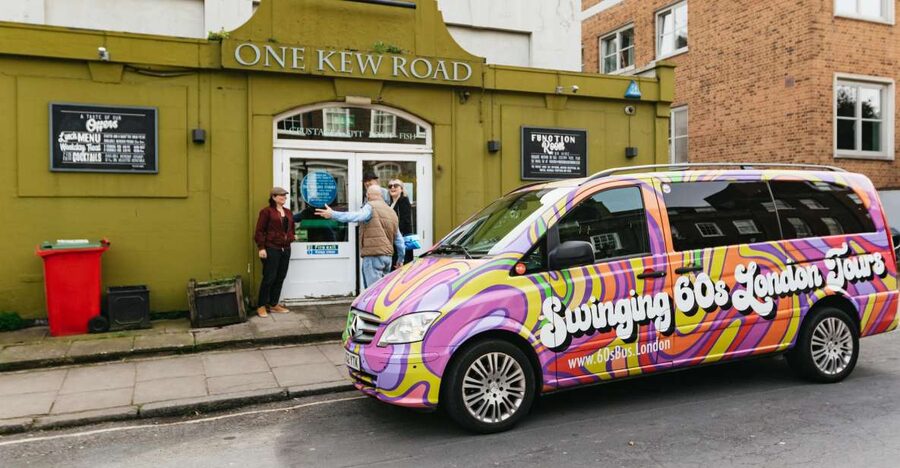
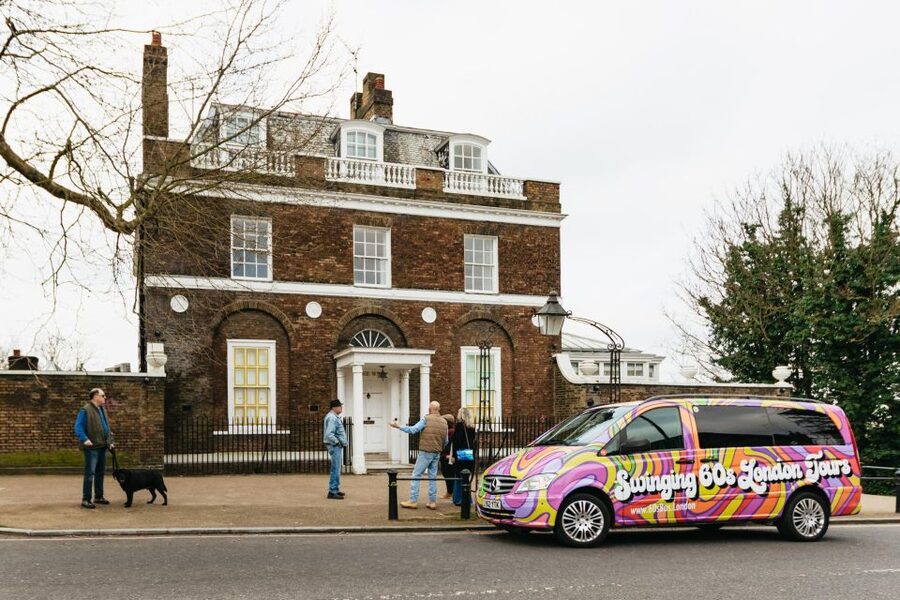
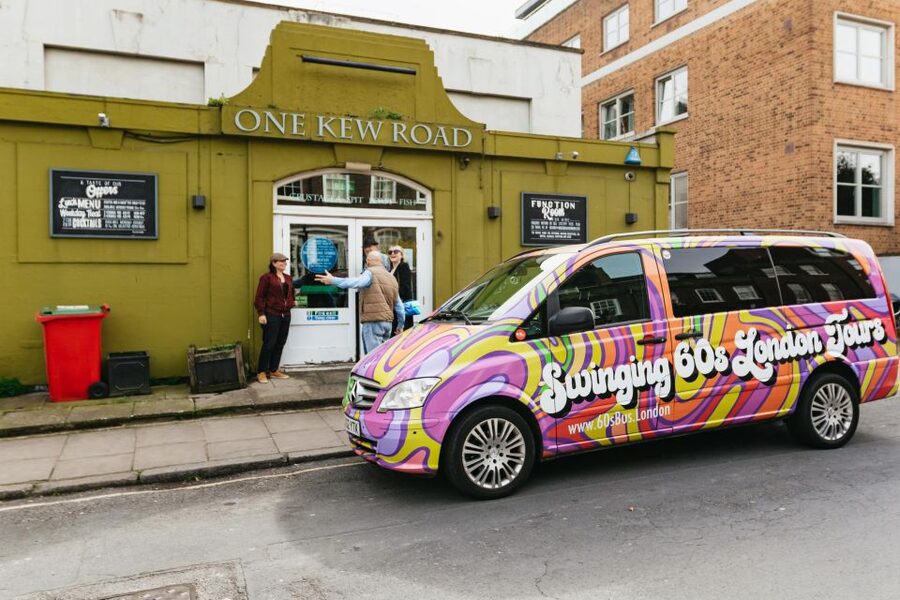
Meet outside Earl’s Court tube station on Earl’s Court Road. Look for the psychedelic mini bus parked as close to the station entrance as possible.
This is more than a convenient pickup point. The area is close to the place where Brian Jones gave the band its name in 1962. It is also tied to the early audition of Bill Wyman, who would become a key member of the classic lineup.
That makes Earl’s Court a strong opening. You begin with two basic questions: how did the group get its name, and how did the lineup come together? Those details can sound small, but they help explain why this tour is different from a simple list of concert sites.
I would arrive with enough time to find the correct station exit and the mini bus. The meeting point is on Earl’s Court Road, and the vehicle should be easy to identify, but busy London streets can still make a first meeting less relaxed than expected.
The tour is conducted in English, and Paul is the named guide. His style, according to the supplied feedback, is a major part of the experience. He is praised for clear explanations, detailed answers, and stories that extend beyond The Rolling Stones to other bands from the same era.
The Half Moon in Putney: a pub with a long Stones connection
The next stop is the Half Moon pub in Putney. This is an important kind of music site because it links the band’s early working life with its much later career.
The Rolling Stones played here in their early years, and they returned as recently as 2000. That long span gives the venue extra weight. It was not just a place connected with the band before fame. It remained part of their performance story decades later.
A pub stop also keeps the tour grounded. Big studios and famous halls can make rock history feel distant. A working pub suggests the practical side of building a following: show up, play, win over the room, and come back again.
The available information does not promise a full indoor visit, food, or drinks at the Half Moon. Treat it as a location stop within the wider route. If you want a pub meal or a drink, do not assume it is included. The tour includes transport, music, guide service, and no extra entry costs, but it does not list refreshments.
Olympic Studios in Barnes and the sound of the first six albums
Olympic Studios in Barnes is likely to be one of the most meaningful stops for serious fans. The Stones recorded their first six albums there, linking this quiet-looking London setting with the band’s early recorded sound.
The value here comes from the contrast. Recording studios often look less dramatic than concert halls, but they are where a band’s working methods become music that reaches the world. Olympic Studios helps shift the story from live club act to recording band.
You will see the location from the tour vehicle and hear the guide explain its place in the band’s rise. The information provided does not say that you enter the studio, so I would not book this expecting an interior tour or a recording session. The appeal is the story and the physical setting, not a guaranteed look inside.
Early Stones music plays on the air-conditioned bus during the route. That is a small but useful touch. It connects the places outside the windows with the records being discussed, and it means the transfer between stops does not feel like dead time.
A different kind of day out entirely:
- Magical London: Harry Potter Guided Walking Tour
★ 4.7 · 22,044 reviews - London: Madame Tussauds London
★ 4.6 · 20,915 reviews - London: Warner Bros. Studio Tour with Transfers
★ 4.7 · 17,586 reviews - London: Tower Bridge Entry Ticket
★ 4.7 · 15,560 reviews
Richmond: where the band found its audience
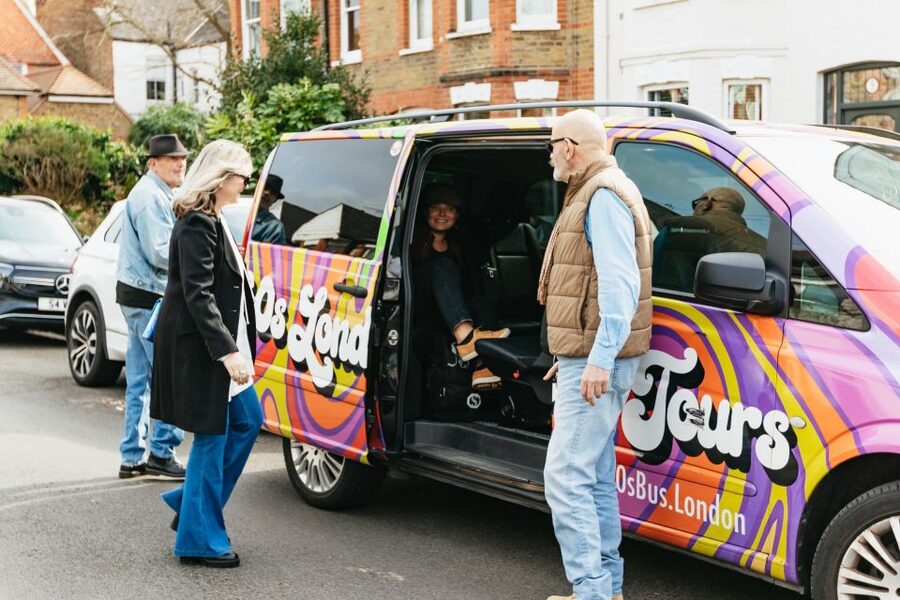
Richmond is the heart of the tour. The Stones began to build their following here, and the route covers places linked with their homes, social life, and early performances.
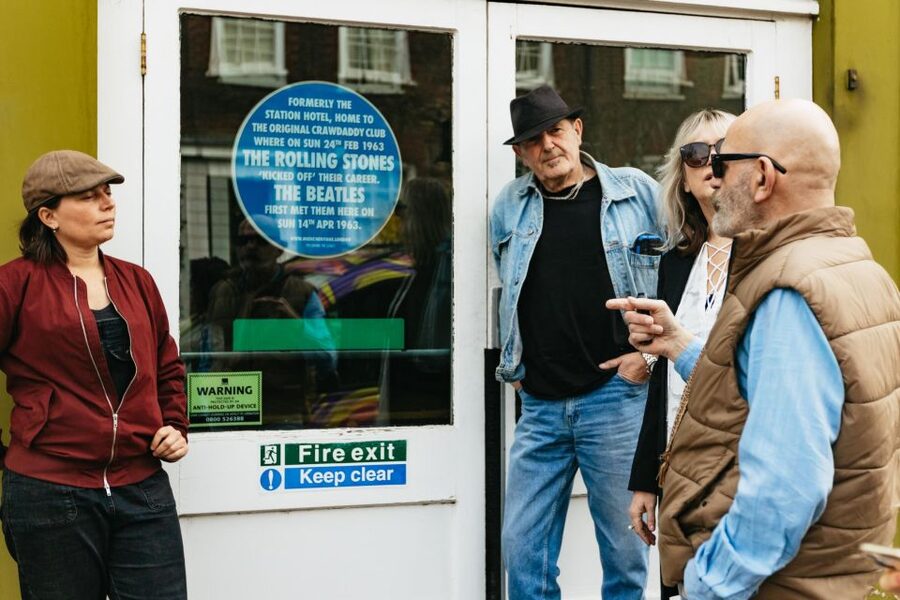
The Station Hotel is central to this part of the story. It was where the band secured its first residency, met The Beatles for the first time, signed with Decca Records, and came under the management of Andrew Loog-Oldham. Those are not minor footnotes. Together, they mark the moment when a promising club band began moving toward a professional career.
The Station Hotel also connects several turning points in one place. A residency gave the band regular work. Meeting The Beatles placed them within the rising British beat scene. The Decca agreement gave them a recording path, while Andrew Loog-Oldham helped shape their public direction and pushed them toward wider fame.
The tour uses early photographs and spoken stories to bring these locations into focus. That matters because some sites may not look dramatic today. A photograph can show how a place appeared when the band was using it, while the guide explains what happened there and why it mattered.
Paul has lived in Richmond for more than 45 years. That local connection gives this section a useful edge. He is not just repeating a central London rock script. He can place the band’s Richmond period within the area he has known for decades.
The meeting with The Beatles and the Decca turning point
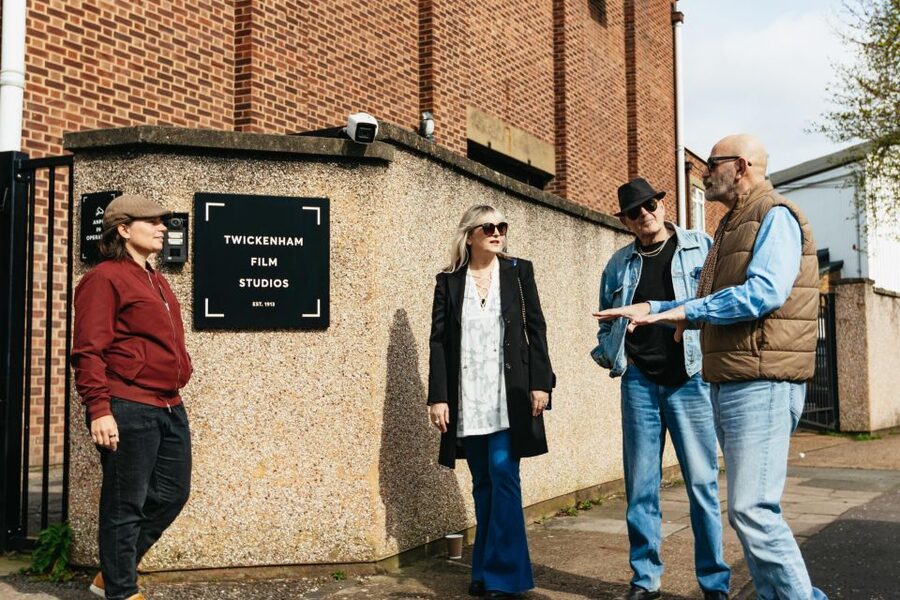
The Stones story is often told through later hits, but this tour spends time on the band’s early network. The meeting with The Beatles at the Station Hotel shows how closely the major British groups were connected at the start.
It also helps you understand the scale of the change. The Rolling Stones did not begin with a ready-made international machine. They played local venues and built relationships before record deals and major management entered the picture.
Signing with Decca Records was another key step. A record contract can sound inevitable when you know the ending, but the early club work came first. The Richmond stops make that order clear: performance, audience, contacts, recordings, then a much larger career.
I appreciate this kind of sequence because it gives you more than celebrity trivia. You see the machinery of a music career taking shape. The tour is strongest when it explains how a place helped the band move from one stage to the next.
What the three-hour format feels like
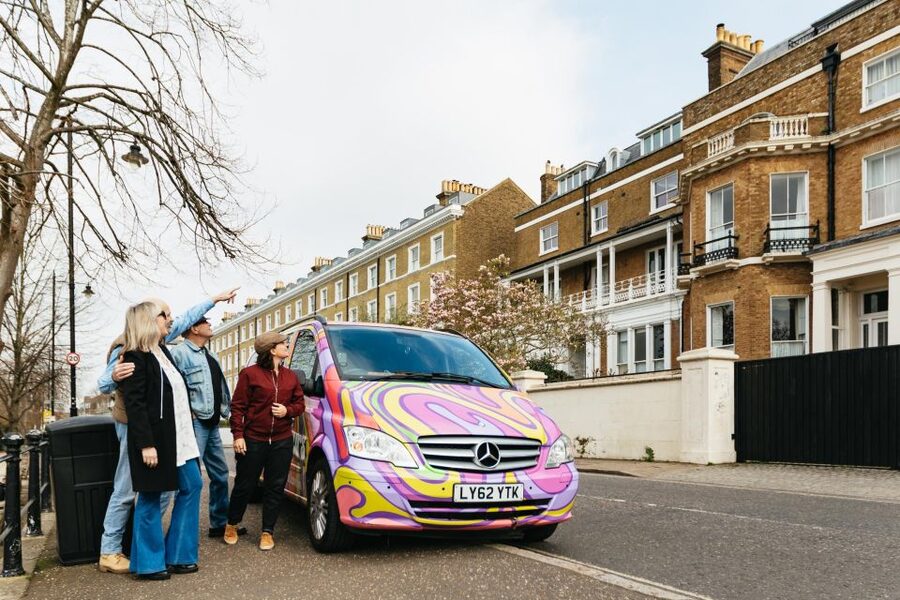
Three hours is enough time to cover several parts of west London without turning the experience into a rushed checklist. The air-conditioned mini bus is especially useful because the route includes multiple districts and a Richmond section away from the starting point.
The vehicle holds up to seven people, so the experience remains private rather than becoming a large coach outing. You can ask questions directly, and the guide can adjust the conversation to your group’s interests. The feedback gives Paul high marks for answering questions and making the history clear, which is important on a tour built around stories rather than entry tickets.
The bus also plays early Stones music. I would expect the soundtrack to be a supporting feature, not a full concert or a carefully announced album program. Still, it adds atmosphere and keeps the subject present while you travel.
The route is not designed as a long walking tour. You should expect short visits and exterior views, with commentary connecting them. That is a benefit if you want broad coverage and easier transport. It is less suitable if you want to spend a long time inside each venue or linger at every location.
What makes the guide important
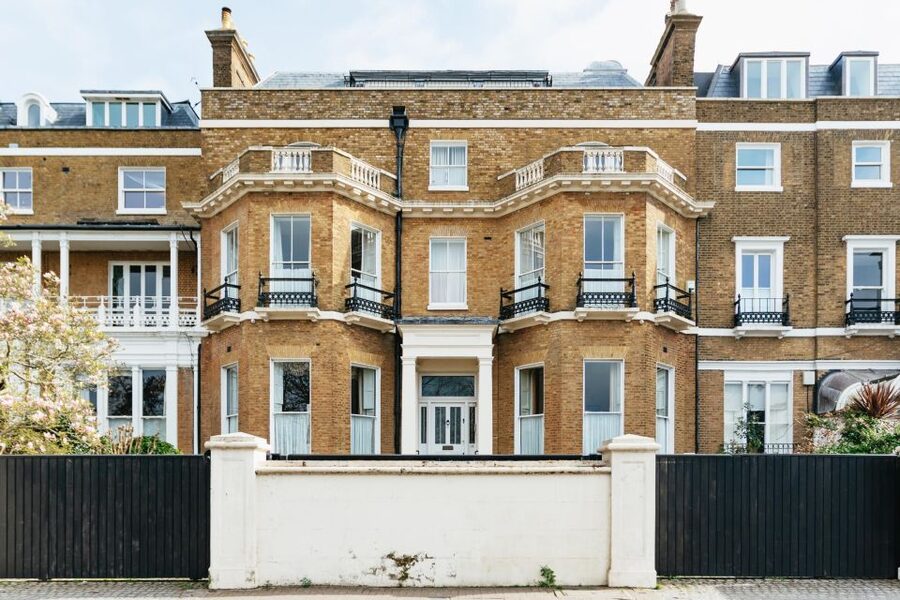
A music-history route can be flat if the guide only recites dates. Here, the guide is a central part of the value.
Paul is praised for being able to cover The Rolling Stones and related bands of the 1960s through the 1980s. That wider view can help you place the Stones in their musical surroundings rather than treating them as an isolated act.
The supplied comments also praise his clarity. One visitor specifically noted that Paul explained a great deal and was easy to understand. That is worth noting for an English-language tour, especially if you are not a native English speaker.
The tour promises expert narrative, early photographs, and personal anecdotes. Those elements should appeal to you if you enjoy stories about people and places, not just a succession of famous song titles.
Because the group is private, you can make good use of the question time. Ask about the early lineup, the Richmond residency, Olympic Studios, Andrew Loog-Oldham, or the relationship between the Stones and other bands of that period. The tour description makes clear that related music history is part of Paul’s subject area.
Price, group size, and who gets the best value
The price is $485 per group of up to seven people. That works out to about $69 per person if you fill every seat, before any personal spending on food or drinks.
For a full group, the price is easier to justify. You get a private vehicle, an English-speaking guide, three hours of transport and commentary, early Stones music, and no additional admission charges. You also avoid arranging separate transport between Earl’s Court, Putney, Barnes, and Richmond.
For two people, the per-person cost is much higher. You are paying for the private format and the specialist subject, not just for entry to a museum. If you want a low-cost overview, a public music walk may be better value. If you want a focused Stones route with your own guide, the private setup has a clear advantage.
The tour is best for committed fans, music-minded visitors, and small groups who enjoy asking questions. It also suits an adult group looking for a particular London story rather than a general sightseeing outing.
Children under 11 are not accepted, so families with younger children will need another plan. The three-hour duration and rock-history focus also make this a better match for older children and adults.
Practical points before you book
The meeting point is outside Earl’s Court tube station on Earl’s Court Road. Watch for the psychedelic mini bus near the station entrance.
The tour is in English. The available information does not list other languages, so choose it only if everyone in your group is comfortable following spoken English for three hours.
The experience includes an air-conditioned bus, early Rolling Stones music, and an experienced guide. No extra entrance fees are listed. Glass objects are not allowed, and children under 11 cannot join.
You can cancel up to 24 hours before the tour for a full refund. You can also reserve now and pay later, which helps if your London schedule is still changing.
The tour has a five out of five rating from three supplied bookings, including especially strong praise for Paul. That is a small sample, so I would treat it as encouraging rather than final proof. Still, the praise is consistent: Paul’s stories, clear delivery, and command of Stones-era music are the main reasons this experience earns attention.
Should you book the Rolling Stones birthplace tour?
Book it if you want to understand how The Rolling Stones grew from a 1962 club act into one of rock’s defining bands. The strongest parts are the early locations, the Richmond focus, Olympic Studios, and Paul’s personal storytelling.
I would be cautious if you want a tour filled with interiors, long venue visits, or major concert halls. Much of the value comes from seeing locations from the vehicle and hearing why they matter. The $485 price is also much easier to defend with five to seven people than with only one or two.
For a Stones fan, though, the route has real purpose. It shows where the name, lineup, residency, record deal, management, and audience came together. That is a better reason to visit London’s rock sites than simply chasing plaques and photo stops.
FAQ
Where does the tour meet?
The meeting point is outside Earl’s Court tube station on Earl’s Court Road. Look for the psychedelic mini bus parked as close to the station entrance as possible.
How long does the tour last?
The tour lasts three hours.
How much does the private tour cost?
The price is $485 per private group of up to seven people.
Is the price per person or per group?
The price is for the group, with up to seven people included.
What language is the tour conducted in?
The tour is conducted in English, with a live English-speaking guide.
Who guides the tour?
The named guide is Paul. He has lived in Richmond for more than 45 years and shares stories about The Rolling Stones and other bands from the same period.
Does the tour include transport?
Yes. The tour uses an air-conditioned tour bus for up to seven people.
Are entrance fees included?
Yes. The tour includes the listed visits and does not require additional entry costs.
Can children join the tour?
Children under 11 are not permitted to join.
Just added in London
- The Best of British Cooking Class & Dining Experience★ 5.0 · 1 review
- London: Live Comedy Show at Big Belly Bar and Comedy Club★ 4.5 · 80 reviews
- London: British Museum Highlights Guided Small Group Tour★ 4.9 · 113 reviews
- The Beatles London Walking Tour★ 4.2 · 147 reviews
- The Best Highlights of London Walking Tour & Boat Cruise★ 5.0 · 1 review
- The Authentic Walking Tour with Indian Tasting Meal★ 4.8 · 4 reviews
- Iconic London: Bard, Beatles, Bond & Baker Street★ 4.9 · 15 reviews
- London: Tate Britain Official Discovery Tour★ 4.7 · 7 reviews
Private, compared.
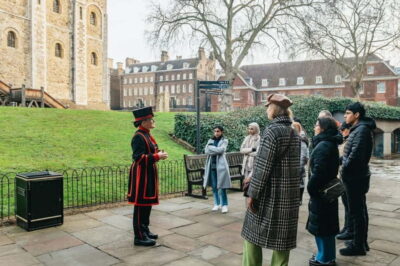
Tower of London Entry & Beefeater Private Audience
Read our review →
Private Bridgerton Walking Tour for upto 20 people
Read our review →