REVIEW · LONDON TOURS
London: The English Civil War, Charles II and Westminster
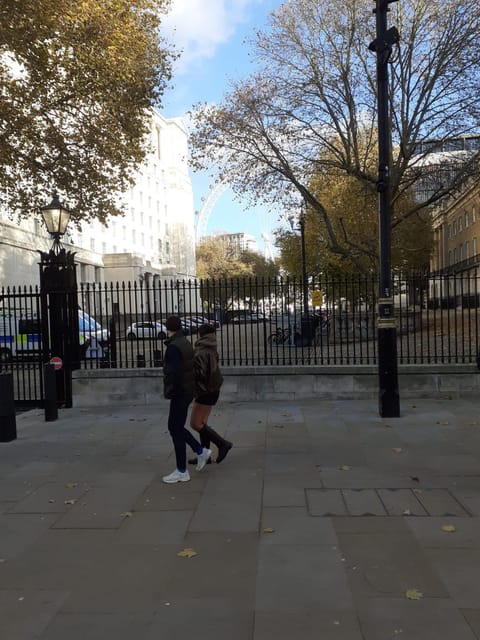
Royal scandal, civil war, and a king who liked a good park stroll. This three-hour walking tour brings Charles II and the Restoration to life through Green Park, Buckingham Palace, St. James’s Palace, and Whitehall. You get architecture, royal gossip, political panic, and some wonderfully strange medical beliefs along the way.
I like the route’s mix of open parks and serious history. I also like the focus on places you can see without paying an entrance fee, including the Royal Banqueting Hall from the outside. The main drawback is simple: you walk a lot, and none of the palaces or historic interiors are entered.
In This Review
- Key points to know before booking
- Why Charles II makes a good London walking-tour subject
- Meeting at Green Park’s Diana fountain
- Buckingham Palace and the royal parks
- St. James’ Palace and a royal birth under a strange star
- Whitehall and the Royal Banqueting Hall
- The English Civil War without losing the human story
- The Popish Plot and London’s appetite for panic
- Whitehall Palace and the sudden death of Charles II
- What the $26 price includes
- Who will enjoy this Charles II walking tour?
- Should you book it?
- FAQ
- Where does the tour begin?
- How long does the walking tour last?
- Does the tour include entrance to St. James’ Palace or the Royal Banqueting Hall?
- Which places are covered during the walk?
- Which languages are available?
- Is the tour suitable for wheelchair users?
Key points to know before booking
- Charles II is the central character: You follow his birth, exile, return to England, royal life, and sudden death.
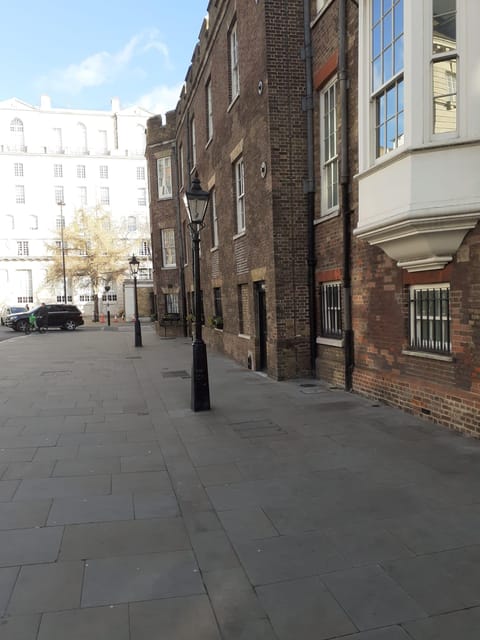
- The tour begins by Green Park’s Diana fountain: Exit Green Park Underground and walk into the park to find the meeting point.
- The route links three royal parks: Green Park, St. James’ Park, and the surrounding royal grounds help explain how London’s court functioned.
- Whitehall provides the most unusual stories: Hear about royal healing ceremonies, the Popish Plot, and the end of Charles II’s life.
- The Royal Banqueting Hall is viewed from outside: There are no admission tickets or indoor visits included.
- Plan for a full three hours on foot: Comfortable shoes, water, and weatherproof clothing will make a real difference.
Why Charles II makes a good London walking-tour subject

Charles II is often remembered as the Merry Monarch, a nickname that suggests parties, romance, and loose royal manners. That picture is not wrong, but it leaves out the hard years that shaped him. His life crossed the execution of his father, the rule of Oliver Cromwell, the monarchy’s return, religious fear, political conspiracy, and another royal crisis after his death.
That gives your guide plenty to work with. The tour is not simply a parade of palace facades. It explains how London changed during the English Civil War and the Restoration Period, then shows you where those events took place.
I find this approach useful because the city’s grand buildings can otherwise feel disconnected from the people who used them. Here, a park becomes a hunting ground, a palace becomes a barracks, and a banqueting hall becomes a place where a king claimed to heal the sick.
The walk also covers Catherine of Braganza, Charles II’s queen, and his use of the royal parks. You hear about court life without losing sight of the larger political story. That balance suits anyone who likes history with a human face.
A few more options to weigh up in London
- London: The London Eye Entry Ticket
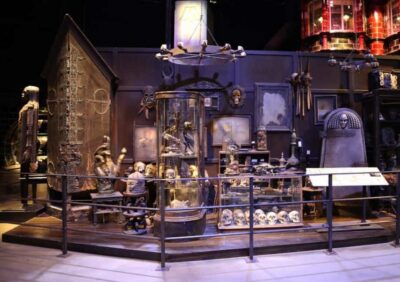
★ 4.6 · 35,875 reviews - From London: Harry Potter Warner Bros Studio Tour
★ 4.7 · 26,588 reviews - London: Westminster to Greenwich River Thames Cruise
★ 4.5 · 22,836 reviews
Meeting at Green Park’s Diana fountain
Your meeting point is next to the Constance Fund fountain of Diana, just after you leave Green Park Underground and enter the park. This is practical for first-time visitors because the Underground station puts you close to the starting place. Still, give yourself a few extra minutes. Royal parks have several paths and entrances, and a rushed start is no fun.
The tour opens in Green Park, where the guide explains that the area was once a swampy burial ground for lepers connected with nearby St. James’ Hospital. It is an unexpected beginning. Today, you see lawns, trees, paths, and royal surroundings. The earlier use of the land is far less polished.
You then hear how Henry VIII acquired the parks as hunting grounds. Charles II later bought them and helped shape the roads that still make this part of London easy to cross. He also commissioned Britain’s first ice house, a small but memorable detail that gives you a glimpse of royal luxury.
The Green Park portion lasts about 20 minutes. That is enough time to set the scene without turning the opening into a long lecture. I like this part because it explains the practical side of monarchy. Royal parks were not just pretty public spaces. They were working parts of court life, used for hunting, travel, display, and leisure.
Buckingham Palace and the royal parks
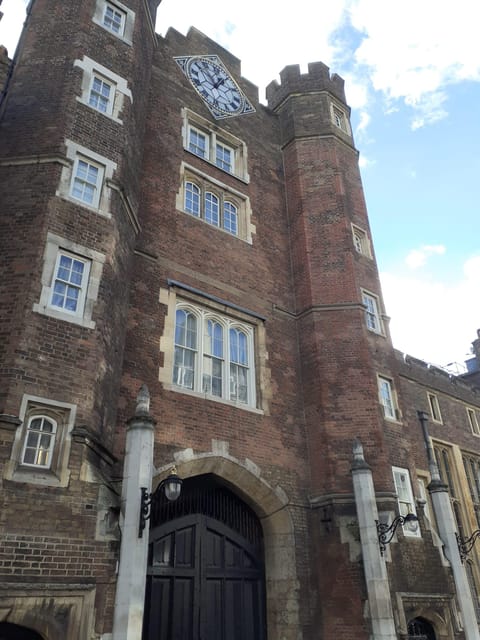
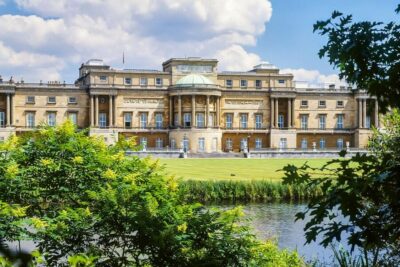
The route continues toward Buckingham Palace, with about 20 minutes devoted to the area. The emphasis is on the royal setting and its connection to Charles II rather than an interior visit. You should expect to view the palace from outside.
This stop helps place the Restoration monarchy in the London you recognize today. Buckingham Palace is strongly associated with the modern royal family, but the wider district carries much older royal connections. By walking through the parks and along the palace approaches, you see how compact this royal quarter is.
The tour also takes in St. James’ Park. Together with Green Park, it gives you a better sense of how the royal grounds fit together. The paths are scenic, but do not mistake this for a leisurely garden outing. The parks are part of a historical route, and you continue moving between explanations and landmarks.
This is a good point to take photos, but keep your camera ready throughout the walk. The experience is outdoors, and photography is allowed. The guide may point out architectural details or locations that are easy to miss if you are focused only on the best-known palace frontage.
St. James’ Palace and a royal birth under a strange star
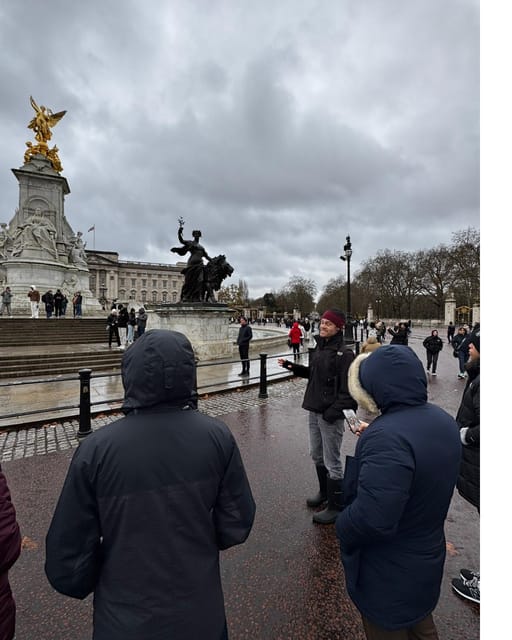
St. James’ Palace receives another 20-minute section of the walk. The palace began as a hunting lodge for Henry VIII, but it became especially important to Charles II because he was born there to Charles I and Henrietta Maria.
The story of his birth is particularly memorable. A brilliant star appeared in daylight on the day he was born. People at the time treated it as a royal sign. Modern interpretation identifies it as a possible supernova, but the important point for the tour is how easily unusual events became part of royal image-making.
St. James’ Palace also connects Charles II to the darker part of the English Civil War. Charles I spent his final night there before his execution. That single detail changes the mood of the building. It was not merely a royal residence. It was the last setting for a king awaiting death.
During the Commonwealth period under Oliver Cromwell, the palace was turned into a barracks. This is one of the tour’s useful reminders that buildings survive political upheaval, but their purpose can change quickly. A royal home became military accommodation, then returned to royal use.
St. James’ Palace remains a working royal residence, including for Princess Anne and others. You will not enter it on this walk, so your experience depends on the guide’s storytelling and the exterior setting. If you want lavish interiors, this is not the right ticket. If you want to understand how a building carried several chapters of British political life, it earns its place on the route.
A different kind of day out entirely:
- Magical London: Harry Potter Guided Walking Tour
★ 4.7 · 22,044 reviews - London: Madame Tussauds London
★ 4.6 · 20,915 reviews - London: Warner Bros. Studio Tour with Transfers
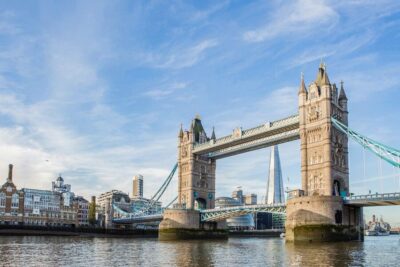
★ 4.7 · 17,586 reviews - London: Tower Bridge Entry Ticket
★ 4.7 · 15,560 reviews
Whitehall and the Royal Banqueting Hall
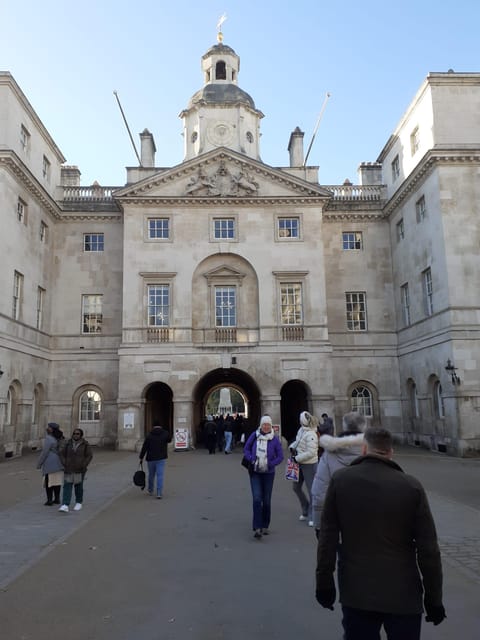
Whitehall is the longest stop, with about 40 minutes of guided explanation. This is where the tour’s themes come together: monarchy, religion, public ceremony, political fear, and the dangers of royal power.
The Royal Banqueting Hall was built during the reign of James I and designed by Inigo Jones. You see it from outside, with no entrance included. Its exterior is worth a careful look because it was once more colorful than it appears today. Alternating honey-colored and pinkish-brown stone, along with white Portland stone details, gave the building a livelier appearance.
It is easy to walk past the Banqueting Hall while thinking only of the road and government buildings around it. Your guide helps restore its ceremonial purpose. This was a place where the monarchy staged grand events and reinforced its public image.
One of the most unusual subjects here is the royal healing ceremony. James I, Charles I, and Charles II were associated with the belief that a monarch could cure certain illnesses by touch or blessing. The stories are startling. One woman was supposedly cured of blindness through contact with the king’s blood. Another tale describes a man with ulcers and sores who received a blessing from Charles I and supposedly turned those sores into a bottle of medicinal drink.
These accounts tell you less about medical truth than about belief and royal authority. In an age when illness had few reliable treatments, the king’s body could be treated as sacred. Charles II reportedly touched more than 7,000 sufferers in the Banqueting Hall. That number gives the ceremony a scale that is hard to picture until you connect it with the building.
You also learn about the annual service held on January 30, marking the death of Charles I. This ritual kept the memory of the executed king alive and showed how public ceremonies could shape political identity long after an event had ended.
The English Civil War without losing the human story
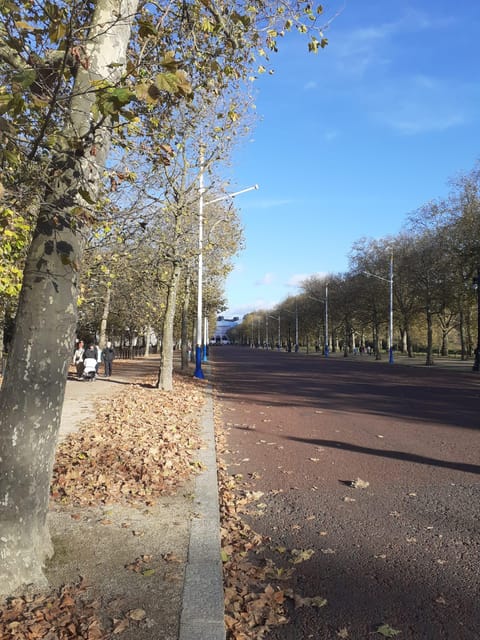
The English Civil War can become a confusing list of factions, battles, and constitutional arguments. This walk makes it easier to follow by tying the conflict to specific buildings and people.
Charles I’s execution is the central break. The monarchy was removed, the Commonwealth followed under Oliver Cromwell, and St. James’ Palace lost its royal function for a time. When Charles II returned, the Restoration was not simply a happy homecoming. It was an attempt to rebuild royal authority in a country that had already tried life without a king.
The parks and palaces help you see the contrast. One minute, you are hearing about hunting grounds and royal leisure. A short walk later, you are standing outside a place connected with execution, military occupation, and religious anxiety.
I appreciate that the route also touches other periods of British history. A verified booking from July 2025 praised the guide’s explanations of the Restoration, architecture, and additional periods of British history. The guide was described as pleasant and highly informed. That mix matters because the tour works best when the guide can explain both the major events and the smaller architectural clues around you.
The available guiding languages are English and Danish. If you want the full historical discussion, confirm the language offered at your chosen starting time when you check availability.
The Popish Plot and London’s appetite for panic
The tour also covers the Popish Plot, a conspiracy theory that caused widespread hysteria. This episode shows how fear of Catholic influence could turn rumor into public crisis.
The subject fits Charles II’s reign particularly well. Religious divisions remained raw after the Civil War, and suspicion could quickly become political ammunition. A false or exaggerated story was not harmless gossip. It could damage reputations, send people to prison, and threaten the stability of the crown.
You do not need specialist knowledge to follow this part. The guide uses London’s royal setting to explain how rumor moved through public life and why the plot had such force. It is a valuable counterpoint to the cheerful image of Charles II. The Restoration period included pleasure and theatrical display, but it also carried serious religious and political pressure.
For me, this is one of the tour’s strongest subjects because it connects a past conspiracy to a familiar human pattern: when people are frightened, a dramatic explanation can spread faster than evidence.
Whitehall Palace and the sudden death of Charles II
The final part of the walk turns to Whitehall Palace, once an enormous royal complex with more than 1,500 rooms at the height of its opulence. Much of that palace has disappeared, so the tour relies on the streets, surviving buildings, and the guide’s explanation to help you picture its former size.
Whitehall was not just a ceremonial address. It was the center of royal government and daily court life. The palace’s scale tells you how many people, offices, servants, ceremonies, and private rooms were needed to maintain the monarchy.
Charles II died there suddenly of a stroke at the age of 56. He left no legitimate heir, and the country again faced uncertainty. That ending gives the tour a strong final note. The Restoration had restored the monarchy, but it had not removed the old problem of succession.
The walk finishes at the Sir Winston Churchill statue. This is a sensible endpoint in Whitehall, near some of London’s most important government and political landmarks. It also lets the story end with a later figure associated with national crisis and leadership, even though the tour’s main subject remains Charles II and the Restoration.
What the $26 price includes
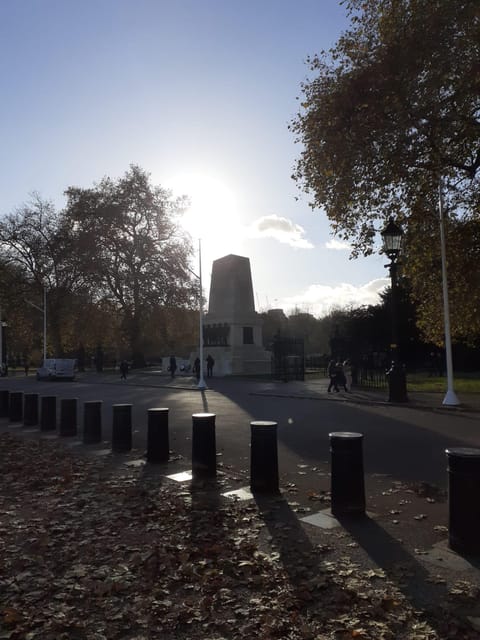
At $26 per person, this is a reasonable price for a three-hour guided history walk in central London. You are paying for the guide’s explanations, route planning, and interpretation of places that you can otherwise pass without understanding.
The value is strongest if you enjoy context. Green Park and Whitehall are free to enter, and you do not receive admission to a palace or museum. The tour is not a way to save money on attraction tickets because there are no attraction tickets included.
Instead, think of it as a walking lesson with a royal setting. You get a connected story across several locations rather than isolated facts from plaques. The guide’s comments on architecture, the parks, and other periods of British history add value beyond the Charles II theme.
At only three hours, it can also fit neatly into a sightseeing day. You might schedule it in the morning or early afternoon, then visit an indoor attraction afterward. Bring water and wear comfortable shoes. The route includes a lot of walking, and London weather can change quickly, so dress for the forecast.
The activity is not suitable for wheelchair users or people with mobility impairments. Bikes, alcohol, and drugs are not allowed. Free cancellation is available up to 24 hours before the start, and you can reserve now and pay later, which helps if your schedule is still changing.
Who will enjoy this Charles II walking tour?
I would recommend this tour to you if you like:
- British royal history beyond the familiar Tudor and modern monarchy stories
- Political and religious conflict explained through real places
- Outdoor sightseeing with regular stops for stories
- Architecture viewed in its historical setting
- Charles II, the English Civil War, and the Restoration Period
- A guided route that does not require expensive entrance tickets
It is especially useful if you have already seen the main royal sights and want a stronger understanding of how they connect. It also works well early in a London visit because the walk introduces Green Park, St. James’ Park, Buckingham Palace, St. James’ Palace, and Whitehall in one outing.
You may want to skip it if you dislike long walks, need step-free access, or want to go inside the palaces and Banqueting Hall. This is an outdoor tour, not an interiors tour. The historical material is the main event.
Should you book it?
Book this tour if you want London’s royal quarter explained rather than simply photographed. For $26, you get three hours of focused guiding, unusual Charles II stories, royal park history, and a clear introduction to the English Civil War and Restoration.
The best reason to go is the range of material. You move from a former leper burial ground to royal hunting grounds, from Charles II’s birth palace to his father’s final night, then on to royal healing rituals and political hysteria at Whitehall.
Just plan honestly for the walking. Wear good shoes, bring water, and expect to remain outdoors. If you accept those limits, this is a thoughtful and fairly priced way to see central London through the complicated life of one king.
FAQ
Where does the tour begin?
The meeting point is next to the Constance Fund fountain of Diana. It is just after you exit Green Park Underground and enter Green Park.
How long does the walking tour last?
The tour lasts three hours. Starting times vary, so check availability when booking.
Does the tour include entrance to St. James’ Palace or the Royal Banqueting Hall?
No. The experience is an outdoor walking tour and does not include entrance fees or admission to any sites.
Which places are covered during the walk?
The route includes Green Park, Buckingham Palace, St. James’ Palace, Whitehall, the Royal Banqueting Hall area, and St. James’ Park. It finishes at the Sir Winston Churchill statue.
Which languages are available?
The live guide is available in English and Danish.
Is the tour suitable for wheelchair users?
No. The tour is not suitable for wheelchair users or people with mobility impairments. Comfortable walking shoes are recommended because there is a lot of walking.
Just added in London
- London: British Museum Highlights Guided Small Group Tour★ 4.9 · 113 reviews
- The Best of British Cooking Class & Dining Experience★ 5.0 · 1 review
- London: Live Comedy Show at Big Belly Bar and Comedy Club★ 4.5 · 80 reviews
- The Beatles London Walking Tour★ 4.2 · 147 reviews
- The Best Highlights of London Walking Tour & Boat Cruise★ 5.0 · 1 review
- The Authentic Walking Tour with Indian Tasting Meal★ 4.8 · 4 reviews
- Iconic London: Bard, Beatles, Bond & Baker Street★ 4.9 · 15 reviews
- London: Tate Britain Official Discovery Tour★ 4.7 · 7 reviews
London Tours, compared.

Westminster to Greenwich River Thames Cruise
Read our review →
Magical London: Harry Potter Guided Walking Tour
Read our review →