
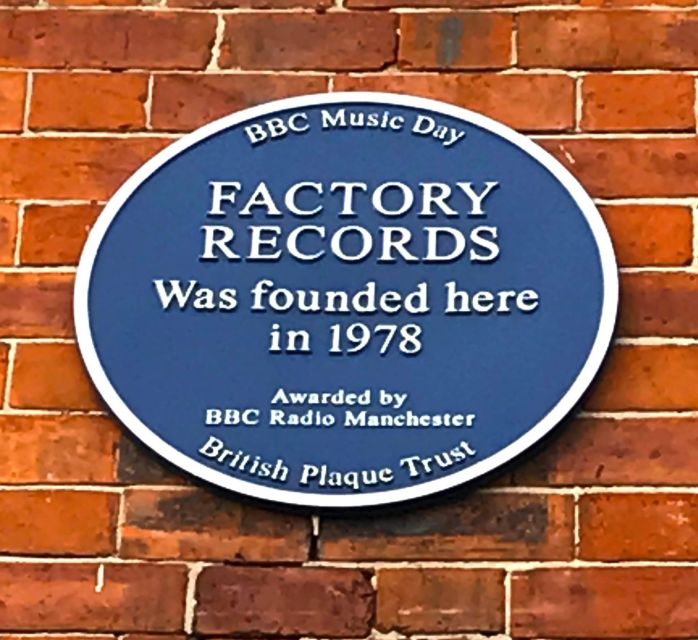
REVIEW · WALKING TOURS
Manchester: Music-Themed City Walking Tour
Manchester’s music story begins on ordinary streets. This 105-minute walk connects famous bands, lost venues, and the city’s industrial past, so you get more than a roll call of musicians. I like the way the tour links The Hacienda, Joy Division, and New Order to the wider story of Manchester. I also like its lively, personal guiding, especially from hosts such as Jonathan Schofield, Anna, Emma, and Seby.
The Northern Quarter gives the walk its creative spark, with the rise of The Stone Roses, Happy Mondays, and the Madchester movement. Guides are praised for sharp anecdotes and humor, but you should know that some beloved fan sites, including Salford Lads Club and several music murals, are not part of the standard route.
In This Review
- Key points at a glance
- Why Manchester needs a music tour
- Starting outside The Bridgewater Hall
- The Hacienda and Manchester’s post-punk pulse
- The Northern Quarter and the rise of Madchester
- Stories from Jonathan, Anna, Emma, and Seby
- Manchester’s industrial story behind the songs
- What is not included for serious Smiths fans
- Pace, group size, and the 105-minute format
- Is $29 good value?
- Who should book this Manchester walk?
- How to get more from the experience
- Should you book it?
- FAQ
- Where does the Manchester music tour meet?
- How early should I arrive?
- How long does the tour last?
- What language is the tour in?
- What is included in the price?
- Does the tour visit The Hacienda?
- Does the tour include Salford Lads Club?
- Can I cancel for a full refund?
Key points at a glance
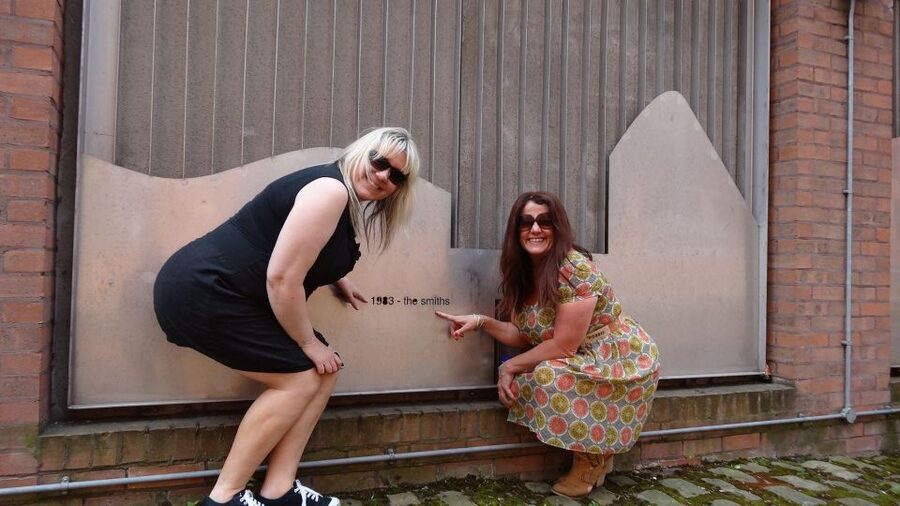
- The Hacienda’s former site: Learn how the legendary club shaped Manchester’s post-punk era, even though the original building is gone.
- Northern Quarter and Madchester: Connect The Stone Roses and Happy Mondays with the streets where Manchester’s club culture took shape.
- Music and industry together: See how factories, working-class identity, and urban change helped feed the city’s music.
- Strong personal guiding: Jonathan Schofield, Anna, Emma, and Seby have each earned praise for humor, passion, and detailed stories.
- A compact city walk: The 105-minute length suits a first afternoon in Manchester, though a large group can make the experience feel less intimate.
- Plan extra music stops: Smiths fans should arrange Salford Lads Club and nearby murals separately after the walk.
Why Manchester needs a music tour
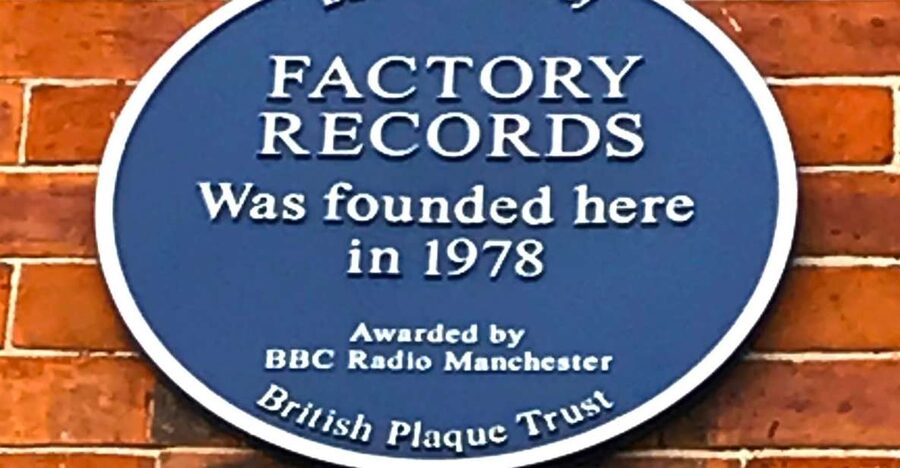
Manchester’s music story is not confined to concert halls. It grew from working streets, old industrial buildings, changing neighborhoods, and a strong local sense of identity. This walk works best when it shows those links instead of treating music as a list of famous names.
You begin outside The Bridgewater Hall, a useful central meeting place for a city walk. Arrive 10 minutes early, since the guide starts there and the tour moves on foot. The walk lasts 105 minutes, long enough to build a clear story without taking over your whole day.
I see the main appeal in the connection between place and sound. You are not simply told that Manchester produced influential bands. You are shown the settings that helped make the city’s music feel distinctive, from former venues to the streets of the Northern Quarter.
The tour is in English, with a live guide. That matters here. Music history can feel flat when delivered as dates and album titles, but a good guide can explain who played where, how clubs affected the city, and why certain places still matter.
More Walking Tours in Manchester
- Manchester: Media City & The Quays Guided Walking Tour
★ 5.0 · 165 reviews - Manchester: Morning or Afternoon City Walking Tour
★ 4.8 · 120 reviews - Manchester: Food and Drinks Walking Tour
★ 4.9 · 70 reviews
Starting outside The Bridgewater Hall
The meeting point outside The Bridgewater Hall gives the tour a formal cultural setting before it turns toward Manchester’s more unruly music past. You meet the guide there, 10 minutes before the start, and then begin an urban walk through central Manchester.
The supplied information does not give a fixed list of every stop, so you should not expect a precise, guaranteed route of every band-related address. The broad focus is clear: iconic venues, former music sites, the Northern Quarter, and streets tied to Manchester’s cultural growth.
That flexible approach can be a strength. A good guide can respond to the group, spend more time on post-punk if several people are Joy Division fans, or explain a local detail that would not appear on a standard sightseeing route.
It also means you should arrive with sensible expectations. This is not a museum visit, a concert, or a private tour built around one band. It is a guided city walk that uses music to explain Manchester.
The Hacienda and Manchester’s post-punk pulse
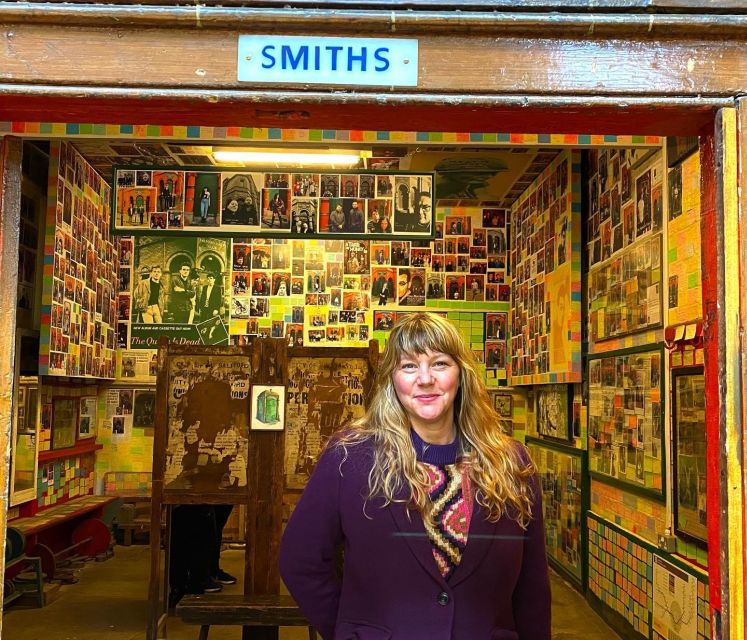
The former site of The Hacienda is one of the most important moments in the walk. The club is gone, but its place in Manchester’s story remains powerful. It is associated with Joy Division and New Order, and with the post-punk era that helped put the city on the musical map.
The value of seeing a former venue is partly imaginative. You are looking at an ordinary urban site while hearing about the performances and cultural shifts that once made it famous. That contrast helps explain how quickly music places can disappear, even when their influence lasts.
A guide can also show why The Hacienda matters beyond one nightclub. Its story connects bands, audiences, nightlife, and a city adapting to major social and economic change. You get a better sense of music as a shared local experience, not just a product made by performers.
Post-punk fans should speak to the guide early. One particularly useful tip comes from a guest who wanted to focus on Joy Division, New Order, and The Smiths. Seby helped shape a separate route afterward so the visitor could reach Salford Lads Club and other important sites.
That advice is worth following. The standard walk covers a broad Manchester music story, not every site connected with every band. If your heart belongs to Ian Curtis or Morrissey, tell the guide at the beginning rather than waiting until the final minutes.
The Northern Quarter and the rise of Madchester
The Northern Quarter is the tour’s natural centerpiece for many music fans. This creative part of Manchester is linked with the Madchester movement, including The Stone Roses and Happy Mondays.
The area gives you a chance to understand how music, nightlife, fashion, and local identity fed one another. The tour does not treat Madchester as a random burst of cool names. It places the movement within Manchester’s social and cultural setting.
That context is what makes the stop useful for casual listeners. You do not need to know every album or lineup to follow the story. The guide explains why this part of town became associated with a new sound and a particular mood.
For committed fans, the Northern Quarter may feel like familiar territory, especially if you have already read about Madchester. Even so, personal stories can add something fresh. Emma, for example, was praised for bringing new details to well-known subjects, while Anna was appreciated for adding personal anecdotes and energy.
The streets themselves are part of the appeal. The walk takes you beyond polished cultural attractions and into the urban setting that helped shape Manchester’s creative identity. That makes the experience feel more connected to the city than a collection of indoor exhibits.
A different kind of day out entirely:
- Manchester: Canal & River Cruise
★ 4.4 · 3,761 reviews - Etihad Stadium: The Manchester City Stadium Tour
★ 4.8 · 3,096 reviews - From Manchester: North Wales, Snowdonia, and Chester Tour
★ 4.8 · 1,577 reviews - Manchester: National Football Museum Admission Ticket
★ 4.4 · 1,243 reviews
Stories from Jonathan, Anna, Emma, and Seby
The guide is the heart of this experience. The strongest praise goes to the people leading it, not simply to the places on the route.
Jonathan Schofield is singled out for his deep familiarity with Manchester’s music scene, good humor, and ability to tell a story. He has been described as someone who makes the walk feel fun as well as informative. If Jonathan leads your tour, expect a strong focus on Manchester’s music industry and the city around it.
Anna has been praised for her energy and personal anecdotes. Emma has impressed music fans who already knew a great deal about Manchester bands, adding details that still felt fresh. Seby was especially helpful to a post-punk fan who wanted to continue beyond the official route.
These details tell you something important: the experience depends partly on the individual guide. That is normal for a walking tour, and here it appears to be a major benefit. You are paying for interpretation, timing, humor, and local memory.
The anecdotes may concern backstage events, musicians, venues, or lesser-known moments in the city’s music story. The available information does not promise a specific set of stories, so I would not book this expecting one particular revelation. Instead, expect a changing mix of facts and behind-the-scenes material.
Manchester’s industrial story behind the songs

The tour does not treat music as separate from Manchester’s working past. It also covers the city’s industrial history, its resilience, and the character of its people.
That wider frame is one of the best reasons to book this instead of simply following a band map. Manchester’s musical identity developed in a city shaped by industry and major social change. The guide helps you see how those forces created the setting for new music and youth culture.
You may pass cobbled streets and former venues while hearing about the changing city around them. Those details give the bands a physical setting. A song or club story becomes easier to remember when you can place it within the streets and buildings of Manchester.
This part should appeal to people who came with a partner or family member who is not a serious music fan. One person can follow the bands, while another gets a useful introduction to the city’s development. The walk is still music-led, but it is not only for experts.
The balance also keeps the tour from becoming too narrow. Joy Division, New Order, The Smiths, The Stone Roses, and Happy Mondays all matter, but Manchester’s story is larger than any one sound.
What is not included for serious Smiths fans
You should pay close attention to what the walk does not promise. The image used to promote the experience led one Smiths fan to expect a visit inside Salford Lads Club, but that location was not included.
Another post-punk fan specifically hoped to see Salford Lads Club, the Ian Curtis mural, and the Andy Rourke mural. Those places were not on the standard walk either. The guide did help with an afterward route, and the visitor reached Salford Lads Club by taking two buses.
That makes the practical advice simple: if those locations are essential, plan them separately. The murals are closer to where the tour ends, so you may be able to visit them right afterward. Salford Lads Club requires its own journey and should not be treated as an included stop.
This is not a criticism of the walk so much as a warning about fan expectations. The tour covers Manchester’s music story across several eras. It is not a dedicated Smiths or Joy Division pilgrimage.
Pace, group size, and the 105-minute format
At 105 minutes, the tour is a manageable introduction rather than an all-day music pilgrimage. I like that length for a first day in Manchester. You get enough time for background and stories, then still have most of the afternoon for museums, food, or extra music sites.
The walk requires you to spend the tour outdoors and moving between locations. The information provided does not state a precise distance or accessibility arrangements, so you should check the current details if walking conditions are important to you.
Group size may affect the experience. One person found the group much larger than expected. In a large group, it can be harder to hear every aside or ask detailed questions, especially when the guide is discussing a popular site.
On the other hand, a larger group can add atmosphere to a music tour. It is easy to imagine the shared enthusiasm when the guide reaches The Hacienda or the Northern Quarter. Still, if you want a quiet, highly personal conversation about one band, ask about the group setup before booking.
Is $29 good value?

At $29 per person, the tour offers fair value if you want interpretation rather than simple directions. You are paying for 105 minutes with a live English-speaking guide, plus the convenience of tying several music eras and Manchester’s industrial past into one walk.
The value is strongest for first-time visitors. You could locate some former venues yourself, but the meaning of those places is harder to reconstruct from a map. The guide supplies the links between buildings, clubs, bands, and social change.
It is also good value for music fans who want a starting point. You can use the walk to decide which extra places deserve your time, then continue independently. Seby’s help with a post-tour route shows how the experience can function as a useful orientation, not merely a finished activity.
The price is less compelling if you only want one narrow subject. Smiths fans who expect Salford Lads Club, or visitors who want a complete Joy Division pilgrimage, may feel they are paying for material outside their main interest. In that case, book it for the broader city story and add your specialist sites separately.
The reserve-now, pay-later option gives you flexibility, and cancellation is free up to 24 hours before the start for a full refund. Those terms are useful when your Manchester plans are still shifting.
Who should book this Manchester walk?
I would recommend it to:
- First-time Manchester visitors who want a strong sense of place.
- Music fans interested in several eras, from post-punk to Madchester.
- Casual listeners who want the story explained without doing homework first.
- Couples or families with mixed interest in music and city history.
- Visitors who enjoy live storytelling more than formal museum displays.
- Fans who want help planning extra music sites after the walk.
I would be more cautious if you need a private experience, a guaranteed small group, or a route devoted to one band. The tour is broad, and group size can be larger than expected.
You also need English-language listening skills. The guiding is in English only, so this is not the right choice if you need another language.
How to get more from the experience
Arrive outside The Bridgewater Hall 10 minutes early. Use that time to tell the guide which parts of Manchester’s music story matter most to you. Mention Joy Division, New Order, The Smiths, The Stone Roses, or Happy Mondays if you want extra context.
Do not wait for the final stop to ask about Salford Lads Club or the murals. Plan those sites as a separate outing, and remember that reaching Salford Lads Club involved two buses for one visitor.
If you are visiting Manchester for more than a day, take notes on the places and names that interest you. The 105-minute format gives you an overview, and the best follow-up may be independent exploration after the tour.
Most of all, listen for the links between music and place. The point is not simply to say that a famous band once played somewhere. It is to understand why Manchester produced so much memorable music and why the city still takes that story seriously.
Should you book it?
Book this tour if you want Manchester’s music story told with personality, humor, and city context. The strongest guides, particularly Jonathan Schofield, Anna, Emma, and Seby, make the walk feel personal and lively, and the former Hacienda site plus the Northern Quarter give it clear anchors.
Skip it if you expect an exhaustive Smiths or Joy Division pilgrimage. For that, arrange Salford Lads Club and the murals separately. For everyone else, $29 buys a useful introduction, a set of well-told stories, and a better understanding of how Manchester’s music grew from the city around it.
FAQ
Where does the Manchester music tour meet?
Meet your guide outside the entrance of The Bridgewater Hall in Manchester.
How early should I arrive?
You should meet the guide 10 minutes before the tour begins.
How long does the tour last?
The walking tour lasts 105 minutes.
What language is the tour in?
The live tour is conducted in English.
What is included in the price?
A guide is included.
Does the tour visit The Hacienda?
The experience covers the former site of The Hacienda and explains its importance to Manchester’s music story.
Does the tour include Salford Lads Club?
No. Salford Lads Club is not included in the standard route, so you should plan it separately if it is important to you.
Can I cancel for a full refund?
Yes. You can cancel up to 24 hours before the tour for a full refund.
Just added in Manchester
- Bridgewater: Royal Horticultural Society Garden Ticket★ 4.9 · 40 reviews
- Manchester: Visit Manchester Pass with Entry Tickets & Tours★ 3.0 · 5 reviews
- Manchester: Trax Social Racing Simulator Experience★ 3.1 · 13 reviews
- Manchester: Trax Social Music Quiz Experience★ 5.0 · 1 review
- Manchester: Silent Disco Adventure Tour★ 5.0 · 72 reviews
- Manchester: Junkyard Golf Club Tickets for 9 or 18 Holes★ 4.6 · 133 reviews
- Manchester: Sightseeing Walking Custom Tour with a Guide★ 3.6 · 8 reviews
- Manchester: FunnyBoyz Benidorm Bingo Cabaret Show★ 3.9 · 6 reviews
Walking Tours, compared.

Magical London: Harry Potter Guided Walking Tour
Read our review →

University and City Walking Tour with Alumni Guide
Read our review →
Harry Potter Movies Walking Tour (Kids Go Free)
Read our review →
The Great British Rock and Roll Music Walking Tour
Read our review →
Jack the Ripper Walking Tour – Ripper Vision Tours
Read our review →
Other lists this tour turns up in