
REVIEW · WALKING TOURS
Secret Old London Walking Tour
London’s darkest stories hide in plain sight. This 90-minute walk from Barbican to the old City uncovers plague grounds, execution sites, a Roman amphitheatre, ruined churches, and quiet corners most visitors miss. I especially like the mix of medieval atmosphere and grim human stories, plus the way guides such as Rosie, Jess, Jeremy, Pepe, and Jesse turn dates and ruins into memorable tales.
At $26 per person, the tour offers good value for a short guided walk, especially if you want more than the usual royal palaces and big museums. The main thing to consider is the subject matter: executions, plague, warfare, and death are central to the experience, and the pace may feel slower than ideal on a cold day if the guide spends extra time showing pictures.
In This Review
- Key points to know before you book
- Starting at Barbican, where modern London meets the old City
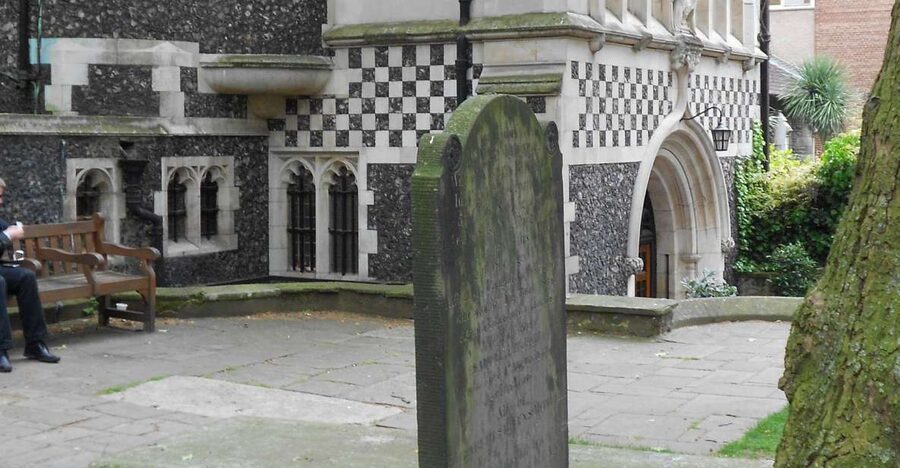
- Charterhouse Square and the calm face of the plague
- Smithfield, where markets, jousts, and executions shared the same ground
- St Bartholomew the Great, a rare piece of medieval London
- A bombed church shell and the scars of the Blitz
- The memorial to self-sacrifice in a quiet city park
- Finding the perimeter of London’s lost Roman amphitheatre
- What the guide adds to the experience
- Who will get the most from this $26 walk?
- Timing, clothing, and a few practical tips
- Should you book the Secret Old London Walking Tour?
- FAQ
- Where does the Secret Old London Walking Tour begin?
- How long does the walking tour last?
- What language is the tour conducted in?
- Is the tour suitable for children?
- Are dogs allowed on the tour?
- What should I bring?
Key points to know before you book
- Charterhouse Square was once a Black Death burial ground: Its peaceful lawns hide one of the walk’s most unsettling stories.
- Smithfield brings London’s grim past into focus: Medieval jousts and public executions took place here, including the death of William Wallace.
- St Bartholomew the Great adds real medieval atmosphere: This historic church has also appeared in Four Weddings & A Funeral and Sherlock Holmes.
- The route links old London with newer scars: You’ll see a Blitz-damaged church shell and the site of the city’s lost Roman amphitheatre.
- The guides are the main attraction: Jess, Rosie, Jeremy, Pepe, and Jesse have all been praised for lively storytelling and strong local knowledge.
- The walk suits curious visitors over age 12: Comfortable shoes are essential, and pets are not permitted except guide dogs.
Starting at Barbican, where modern London meets the old City
The tour begins outside Barbican Underground Station, a useful meeting point in one of London’s most visually striking districts. The Barbican is known for its concrete arts complex and postwar architecture, but this walk quickly turns your attention to older layers beneath the modern City.
That contrast gives the tour its shape. You are not walking through a preserved medieval village. You are moving through a working part of London where office towers, paved streets, churches, squares, and archaeological remains sit close together. A good guide helps you notice what is easy to miss when you are simply trying to cross the road or find the next station.
The guide leads in English, and the tour is listed as wheelchair accessible. Still, this is a walking experience through historic streets and open spaces, so you should wear comfortable shoes and be ready for regular standing. There is no refreshment included, so bring water if you need it.
The walk lasts about an hour and a half. That is long enough to connect several sites without taking up half your day, making it easy to pair with the Barbican, St Paul’s, the Museum of London area, or another City visit.
More Walking Tours in London
- Magical London: Harry Potter Guided Walking Tour
★ 4.7 · 22,044 reviews - London: The Original Jack the Ripper Walking Tour
★ 4.7 · 7,833 reviews - London: Harry Potter Movies Walking Tour (Kids Go Free)
★ 4.7 · 3,071 reviews
Charterhouse Square and the calm face of the plague
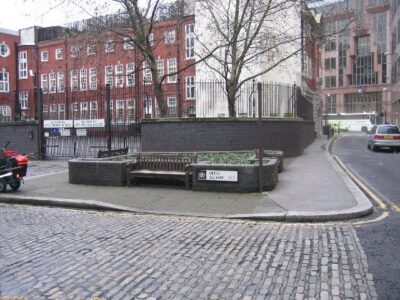
Charterhouse Square is one of the first places where the tour’s title begins to make sense. Today, it offers a quiet patch of greenery surrounded by the City. Six hundred years ago, it was used as a burial ground during the Black Death.
That change in mood is powerful. You see a pleasant urban square, then learn that the ground had a far more terrible purpose. I like this kind of stop because the story does not depend on a grand monument. The setting itself is the evidence. You are asked to picture a city overwhelmed by disease, with bodies taken outside the normal burial system and placed in mass graves.
The guide’s role matters here. Without explanation, Charterhouse Square is simply a tidy open space. With the right context, it becomes a reminder of how quickly London’s streets could turn dangerous in the medieval period.
This is also a good example of the tour’s broader approach. It is not only about famous buildings. It uses small squares, street lines, churchyards, and overlooked corners to show how London’s past survives in ordinary places.
Smithfield, where markets, jousts, and executions shared the same ground
From Charterhouse Square, the route moves toward Smithfield, one of the most dramatic sections of the walk. The area is tied to medieval tournaments, public gatherings, and executions. Its past is not neat or polite, and that is exactly why it works so well on a tour about old London.
Smithfield was one of London’s principal execution sites. Here, the condemned drew their final breath before crowds that came to watch. The story of William Wallace, the Scottish figure made famous to modern audiences by Braveheart, is especially memorable. The tour information promises his connection to Smithfield, although one booking review specifically noted that this detail was not mentioned on one outing. If Wallace is important to you, ask the guide about him during the Smithfield section.
The appeal of this stop is not simply gore. Smithfield shows how public life once mixed commerce, entertainment, punishment, and ceremony. Medieval Londoners could come to the same broad area for a market, a joust, or an execution. That makes the site useful for understanding the values and fears of the period.
The area can feel very different on a Saturday, when it is quieter than during the weekday business rush. One visitor particularly liked the peaceful weekend setting. If you want to hear stories without as much surrounding noise, a weekend departure may be worth considering, although starting times depend on availability.
St Bartholomew the Great, a rare piece of medieval London
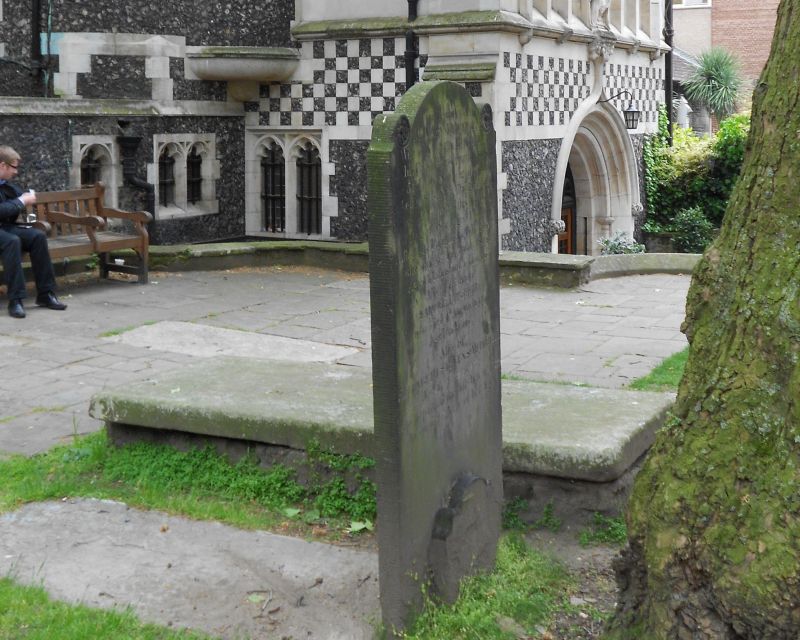
Between the darker stories of Charterhouse Square and Smithfield is St Bartholomew the Great, one of the tour’s most rewarding stops. This is a medieval church with a strong sense of age, and its survival gives you a chance to picture London before the modern street grid and high-rise offices took shape.
The church has appeared in Four Weddings & A Funeral and Sherlock Holmes, which adds a bit of fun for film fans. Yet its importance does not depend on screen appearances. The building provides a physical link to the religious institutions that shaped medieval London.
Guides have used this part of the walk to explain monasteries, architecture, and the way old religious foundations affected the City. Rosie was praised for bringing in subjects beyond basic dates, including architecture, politics, and language. That wider approach is a real strength. You are not just told that a church is old. You get a sense of how religious houses, streets, and civic power were connected.
The church also breaks up the grim material. After plague pits and executions, a medieval interior or church setting gives the walk a quieter rhythm. You still hear difficult stories, but the experience is not one long sequence of violence.
A different kind of day out entirely:
- London: The London Eye Entry Ticket
★ 4.6 · 35,875 reviews - From London: Harry Potter Warner Bros Studio Tour
★ 4.7 · 26,588 reviews - London: Westminster to Greenwich River Thames Cruise
★ 4.5 · 22,836 reviews - London: Madame Tussauds London
★ 4.6 · 20,915 reviews
A bombed church shell and the scars of the Blitz
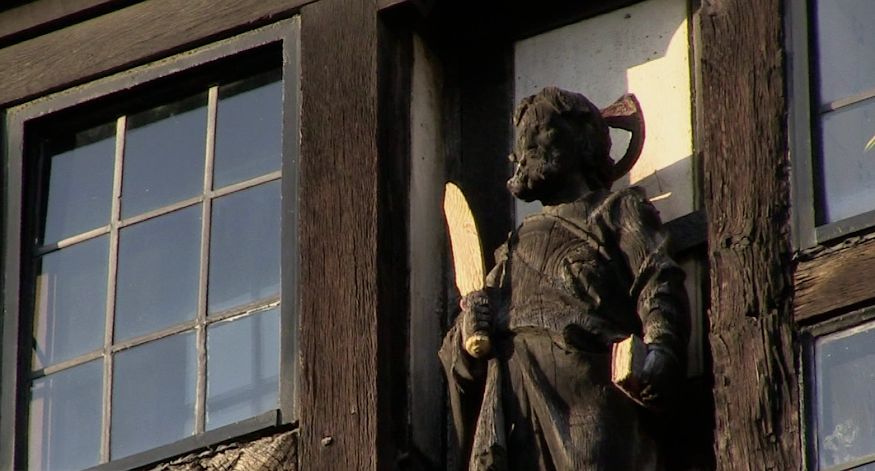
Another stop takes you through the shell of a church destroyed during the Blitz. This section shifts the story from medieval and Tudor London to the twentieth century, showing that the City’s scars are not all ancient.
A ruined church can be more affecting than a fully restored building. Empty walls and missing sections make destruction visible. Instead of reading about wartime damage in a museum, you are standing in a place that still carries the outline of what was lost.
The tour works best when it connects these periods rather than treating them as separate facts. Plague, religious upheaval, public punishment, Roman occupation, and wartime bombing all left marks on the same small part of London. You begin to see the City as a place repeatedly rebuilt, but never fully wiped clean.
You may spend time looking at historic images during the walk. That helps explain what a site once looked like, though one winter booking noted that less time with pictures and more movement would have made it easier to stay warm. Dress for the weather, especially from late autumn through early spring.
The memorial to self-sacrifice in a quiet city park
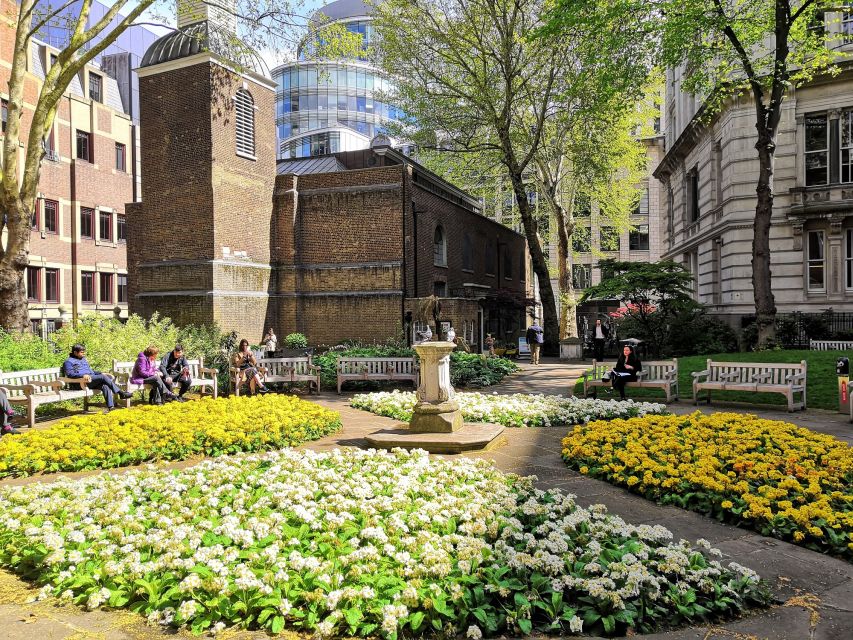
The itinerary also includes a touching memorial to heroic self-sacrifice. The supplied details do not identify the memorial by name, so you should think of this as a story-led stop rather than a major landmark visit.
That can be part of its appeal. London has famous monuments on nearly every major route, but some of its most moving memorials are found in small parks and tucked-away spaces. The guide gives you the background, then lets the setting do much of the emotional work.
This section helps balance the tour’s harsher material. The walk is advertised around guts and gore, but it is not only a parade of punishments and deaths. The memorial adds a more human note, focusing on courage and the choice to protect others.
Several guides have been praised for keeping the tone lively and approachable. Rosie was described as entertaining and passionate, while Jeremy was noted for being friendly and easy to talk with. That matters on a walk that covers heavy subjects. A stiff lecture could make the route feel grim in the wrong way. Good delivery gives the stories energy without turning suffering into a cheap joke.
Finding the perimeter of London’s lost Roman amphitheatre
The Roman amphitheatre is one of the tour’s best examples of London’s buried past. You will not be visiting a complete arena with towering seats and intact arches. Instead, the walk helps you locate the perimeter of the city’s long-lost Roman amphitheatre.
That distinction is important. This is an archaeological clue, not a grand Roman monument. You need to use your imagination, guided by the explanation of where the structure once stood and how the modern City grew around it.
I like this kind of stop because it changes the way you look at pavement and buildings. A place that seems thoroughly modern may sit over a much older plan. The amphitheatre also adds another time layer to the tour, taking you back far earlier than the medieval stories at Smithfield and Charterhouse Square.
The guide’s storytelling is especially useful here. Several people praised the way guides made old London feel present, with stories that covered history, politics, architecture, and even the history of language. That range helps a Roman site feel connected to the city you are seeing now, rather than like an isolated fact from a textbook.
What the guide adds to the experience
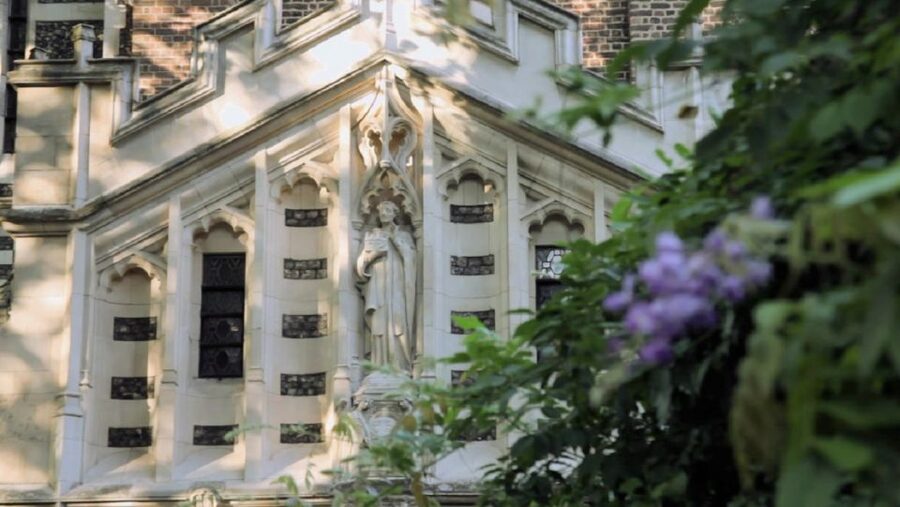
The strongest theme in the feedback is the quality of the guiding. Jess has been praised as enthusiastic, funny, and well informed about the corners behind the City’s tall buildings. Rosie has been described as passionate and entertaining. Jeremy is known for a relaxed delivery, while Pepe has been called a real star. Jesse also received praise for using stories and amusing details to keep the walk moving.
That variety suggests the experience depends somewhat on who leads your departure, but the overall pattern is clear: this is a guide-led tour, not a route you would get the same value from by following a map.
The best guides do three things well:
- They point out details you would walk past.
- They connect several centuries instead of presenting isolated facts.
- They make room for humor without losing respect for difficult subjects.
One person found the amount of information almost hard to remember, which is a fair warning. Ninety minutes can cover a lot of ground here. You may want to jot down the names of places you would like to revisit, or take a few notes after the walk while the stories are fresh.
The pace has generally been considered comfortable, with enough time to absorb the information. It may feel less brisk if you prefer constant walking, particularly in cold weather or when the guide is showing historic images.
Who will get the most from this $26 walk?
At $26, I see this as a fair price for a compact London history experience. You are paying for a live English-speaking guide who provides context that is difficult to gather from signs alone. The value is strongest if you enjoy stories, old streets, church architecture, and small details rather than only major attractions.
It is also a good choice for repeat visitors. People who live and work in London have found plenty to learn, even when they already knew the general area. That makes the route useful for anyone who has covered the Tower, Westminster, and the British Museum but wants a less familiar side of the city.
I would recommend it for:
- First-time visitors who want an unusual introduction to the City
- London residents looking for a fresh way to see familiar streets
- History fans interested in Roman, medieval, Tudor, and wartime London
- Film fans who enjoy recognizing St Bartholomew the Great
- Small groups or work teams wanting an easy shared activity
- Anyone who prefers storytelling to a formal museum visit
It may be less suitable if you want a gentle sightseeing stroll with little mention of death or suffering. Children under 12 are not suitable for the tour, and dogs are not allowed apart from guide dogs. Large bags and luggage are also not permitted, so plan to arrive unencumbered.
The tour is wheelchair accessible according to the activity details. Since the experience takes place on foot through historic streets and open areas, anyone with specific mobility needs should still confirm the practical route details before booking.
Timing, clothing, and a few practical tips
Wear comfortable shoes. That is the one packing tip you should take seriously, even though the walk lasts only 90 minutes. The route includes streets, squares, church areas, parks, and archaeological sites, with stops where you will stand and listen.
London weather can change quickly. Rain did not spoil one outing and cleared as the walk began, but you should still bring a waterproof layer. In winter, warm clothing matters because some explanations may keep you in one place for several minutes.
There is no refreshment included. Eat beforehand or carry a small drink, but leave luggage and large bags behind. Video recording is not allowed, so rely on notes if you want to remember a particular story.
Free cancellation is available up to 24 hours before the tour for a full refund, and you can reserve now and pay later. Those terms are useful if you are arranging a London weekend around unpredictable weather or changing plans.
Should you book the Secret Old London Walking Tour?
Book it if you want London’s overlooked stories rather than another tour of the headline sights. For $26, the combination of Charterhouse Square, Smithfield, St Bartholomew the Great, the Blitz-damaged church, the memorial, and the Roman amphitheatre perimeter gives you a lot of history in a short time.
I would especially choose it for a second or third London visit, or for a local who thinks the City has no surprises left. Just keep your expectations realistic: you are seeing traces and locations, not a series of fully preserved monuments. The tour is at its best when you listen closely, use your imagination, and let the guide connect the fragments.
If the idea of plague pits and executions sounds fascinating rather than off-putting, this is one of the better short walks for seeing a less polished, more human side of London.
FAQ
Where does the Secret Old London Walking Tour begin?
The tour begins outside Barbican Underground Station in London.
How long does the walking tour last?
The tour lasts 1.5 hours.
What language is the tour conducted in?
The tour is conducted in English with a live guide.
Is the tour suitable for children?
The tour is suitable for persons over 12.
Are dogs allowed on the tour?
Dogs are not allowed, except for guide dogs.
What should I bring?
Bring comfortable shoes. Refreshments are not included, and large bags or luggage are not permitted.
Just added in London
- The Best of British Cooking Class & Dining Experience★ 5.0 · 1 review
- London: Live Comedy Show at Big Belly Bar and Comedy Club★ 4.5 · 80 reviews
- London: British Museum Highlights Guided Small Group Tour★ 4.9 · 113 reviews
- The Beatles London Walking Tour★ 4.2 · 147 reviews
- The Best Highlights of London Walking Tour & Boat Cruise★ 5.0 · 1 review
- The Authentic Walking Tour with Indian Tasting Meal★ 4.8 · 4 reviews
- Iconic London: Bard, Beatles, Bond & Baker Street★ 4.9 · 15 reviews
- London: Tate Britain Official Discovery Tour★ 4.7 · 7 reviews
Walking Tours, compared.

Magical London: Harry Potter Guided Walking Tour
Read our review →

University and City Walking Tour with Alumni Guide
Read our review →
Harry Potter Movies Walking Tour (Kids Go Free)
Read our review →
The Great British Rock and Roll Music Walking Tour
Read our review →
Jack the Ripper Walking Tour – Ripper Vision Tours
Read our review →
Other lists this tour turns up in