REVIEW · GUIDED
Shepton Mallet Prison: Guided Tour
Some prisons tell history better than museums. Shepton Mallet Prison gives you the real thing: steel doors, narrow landings, old cells, hard labour yards, and an execution room where 25 men were put to death between 1889 and 1945. The 90-minute guided tour brings the place to life through detailed stories about prisoners, officers, visitors, and the often harsh rules that shaped daily life.
I like the way the tour combines access to an actual Victorian prison with a guide-led walk through its most important areas. I also like that your ticket includes a self-guided visit, so you can spend extra time with displays and rooms after the formal tour. The main drawback is the subject matter. Execution, overcrowding, punishment, and miserable working conditions make this a grim visit, and the old buildings may be awkward if you have trouble kneeling or walking on uneven surfaces.
The guides are a major part of the experience. Jason has been praised for his storytelling and his convincing prison-guard style, while Esther brings warmth and a clear love of the subject. Cameron is also known for being friendly and well informed. Book ahead if you can, and allow time to find the visitor centre after entering the gate.
In This Review
- Key points to know before you go
- Why Shepton Mallet Prison feels different
- Beginning with B Wing and C Wing
- The hard labour yard and the tread wheel
- The Gate Lodge and the old Governor’s Office
- The exercise yard and Governor’s House
- The condemned cell and execution room
- Why the guided tour is worth choosing
- How much time you should allow
- Is the $33 price fair?
- Who should book this experience?
- Final verdict: book it for the guide and the setting
- FAQ
- Where does the Shepton Mallet Prison tour begin?
- How long does the guided tour last?
- What language is the tour in?
- What does the tour include?
- What time do guided tours run?
- Can I cancel the booking?
Key points to know before you go
- You tour a real working prison site from centuries past: Shepton Mallet remained a prison into the 1990s, giving the buildings a direct link to recent history.
- B Wing shows the problem of overcrowding: Its capacity was 94 prisoners in 2001, though earlier years could be far more cramped.
- C Wing has an unusual double story: It held women and children before becoming important for a secret Second World War role.
- The hard labour yard explains punishment through work: You see where prisoners faced harsh and often pointless tasks, including the dreaded tread wheel.
- The execution room is the most sobering stop: Twenty-five men were executed within the prison grounds from 1889 to 1945.
- The guided tour adds far more than a walk around: Your ticket also includes a self-guided visit, useful for returning to areas you want to study.
Why Shepton Mallet Prison feels different
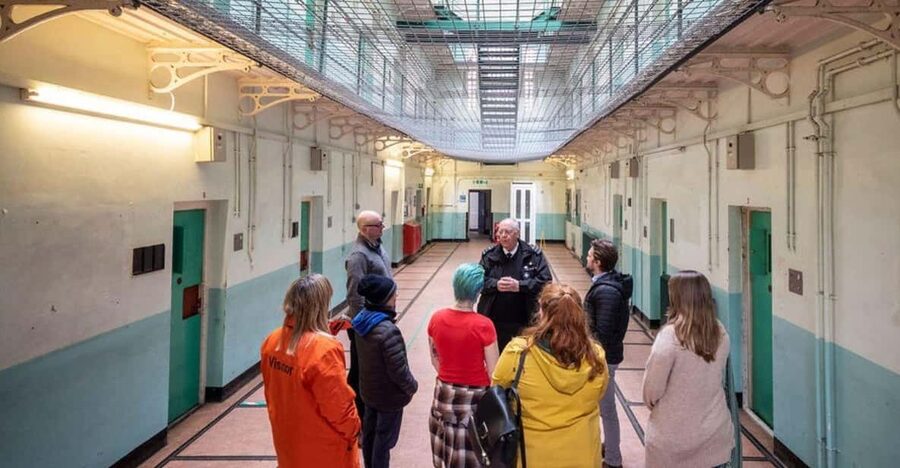
Many historic attractions present the past from a safe distance. Here, you pass through the same gates and along the same landings used by officers and prisoners. The walls, doors, yards, and cells are not reconstructions made for a display. They are the setting itself.
That physical connection gives the tour its force. A paragraph about prison discipline is one thing. Standing behind a heavy steel door while a guide explains what confinement meant is another. You get a much clearer sense of how control worked through locks, routines, restricted movement, labour, and the constant presence of officers.
The site also covers a long period. The oldest sections around the Gate Lodge and Governor’s Office reach back to the 1600s, while the prison continued operating until the 1990s. You are not looking at one neat chapter of history. You are following changes in punishment, prison management, buildings, and public attitudes over roughly four centuries.
The tone is direct rather than polished. Stories can be shocking, sad, and occasionally strange. That mix is part of the appeal, but it also means this is not a light family attraction in the usual sense. I would choose it for people who want serious social history, true crime context, and an honest look at institutional life.
A few more options to weigh up in Britain
- Magical London: Harry Potter Guided Walking Tour
★ 4.7 · 22,044 reviews - London: Emirates Stadium Entry Ticket and Audio Guide
★ 4.7 · 5,513 reviews - Liverpool: City & Beatles Tour with Live Guide & Live Music
★ 4.8 · 5,249 reviews
Beginning with B Wing and C Wing
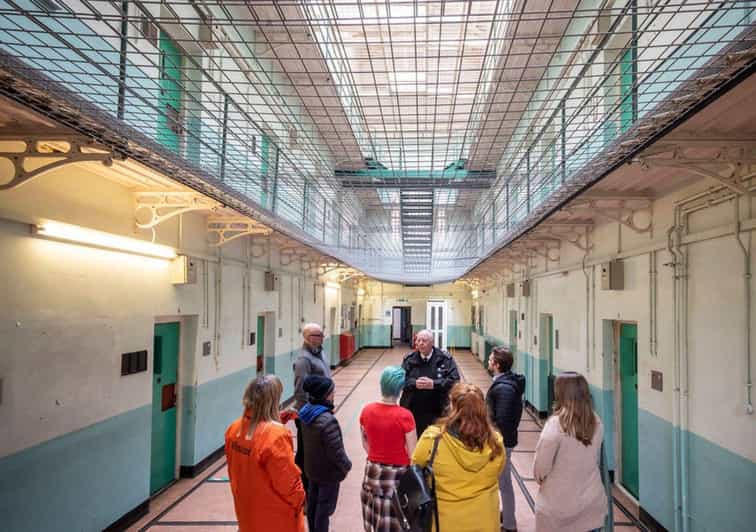
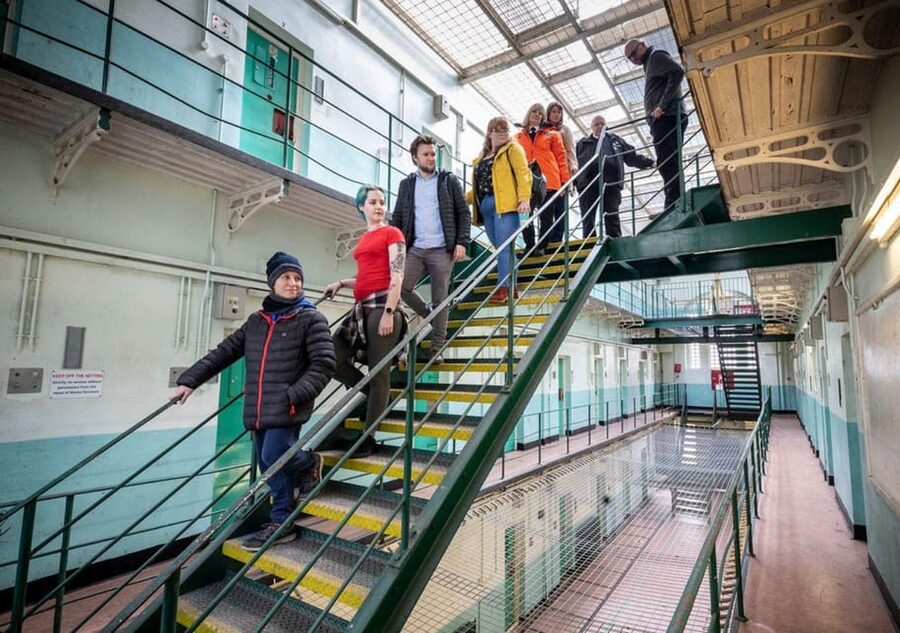
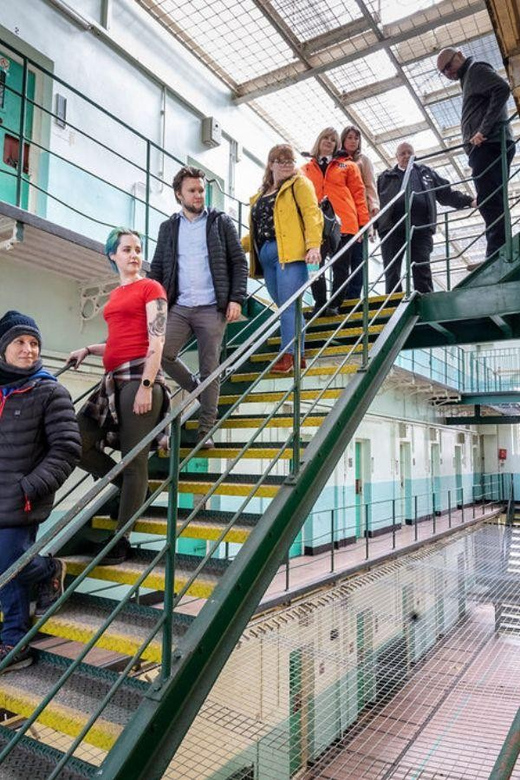
The tour takes you into two traditional Victorian wings, B Wing and C Wing. These are the sections that make the prison feel most immediate, because the design was built around surveillance and confinement.
B Wing was the largest wing. By 2001 it had capacity for 94 prisoners, but the guide explains that earlier periods brought severe overcrowding. That detail matters. The official capacity gives you a number, while the stories show what that number meant when too many people were packed into limited space.
You walk the landing as officers did for generations. From there, steel doors and rows of cells make the prison’s system easy to read. Movement was controlled. Privacy was limited. Every passage through the building depended on permission and supervision.
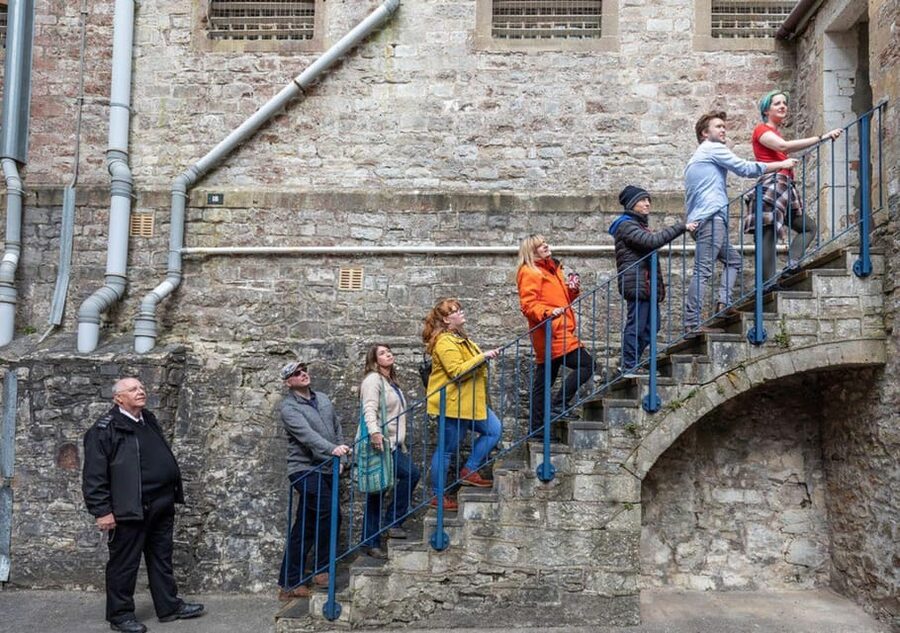
The guide’s role is especially valuable here. A self-guided route can show you the architecture, but it may not explain how the space worked day after day. Guides such as Jason, Esther, and Cameron add the human details, including what life was like for prisoners, officers, and people who came into the prison to visit.
C Wing has a different story. It was purpose built in 1848 to hold women and children, and it continued in that role into the early 1900s. That alone gives the wing a different emotional weight, since the prison system’s treatment of women and young people raises questions that a simple building tour cannot answer.
The wing later played an important top secret role during the Second World War. The information provided about that period is enough to make C Wing one of the most intriguing parts of the route, even if you are more interested in wartime history than prison history. It shows how old institutions can be reused for purposes far removed from their original design.
The hard labour yard and the tread wheel
From the wings, you head to the Hard Labour Yard. This stop explains the Victorian belief that prisoners should be kept busy through punishing work, even when the work achieved little useful purpose.
The point was often discipline rather than production. Prisoners faced exhausting tasks designed to remove idleness from prison life. That distinction is important, because it reveals how punishment was understood in the 1800s. The work was not necessarily intended to teach a trade or create something of value. It was meant to be hard.
You can also see the Tread Wheel building from the yard. The tread wheel was among the most physically demanding forms of Victorian hard labour. Prisoners repeatedly stepped onto the wheel, climbing as it turned, often producing no practical result at all.
The building itself helps you picture the scale of the punishment. You are not simply reading that labour was tiring. You are looking toward the place where repetitive effort became part of the daily regime.
This section may be especially useful if you want the tour to explain systems rather than provide a collection of spooky stories. The hard labour yard connects the buildings to wider ideas about crime, punishment, idleness, and social control. It also gives the guide room to explain how attitudes changed over time.
The Gate Lodge and the old Governor’s Office
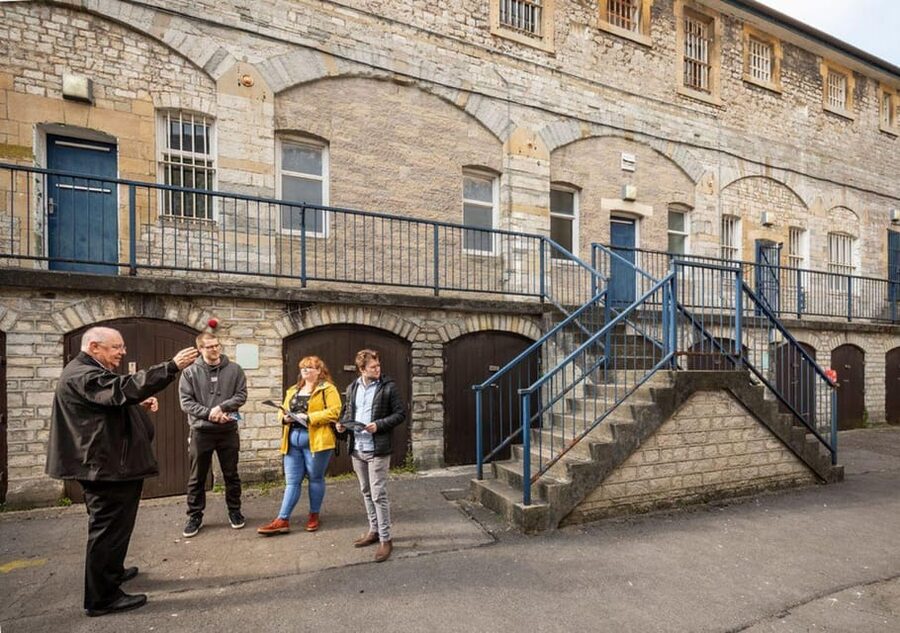
The Gate Lodge contains some of the prison’s oldest surviving areas. From the 1600s through the 1990s, this side served as the main entrance, so it changed repeatedly as the prison expanded and its needs shifted.
The old Governor’s Office is part of this same historical zone. It gives you a sense of the administrative side of the institution, rather than focusing only on the people locked inside it. That balance is useful. Prison history involves both confinement and the officials who designed, enforced, and recorded the rules.
One of the original cells has recently been uncovered in this area. You can explore it, but only if you are comfortable getting down on your hands and knees. That is a small detail with practical importance. Wear sensible clothing and avoid assuming every part of the tour will involve easy standing and walking.
The cell is likely to appeal to anyone who wants the most direct connection with the prison’s earliest period. It also gives the tour a physical reminder that older prison conditions could be far more basic than the later Victorian wings.
A different kind of day out entirely:
- London: The London Eye Entry Ticket
★ 4.6 · 35,875 reviews - From London: Harry Potter Warner Bros Studio Tour
★ 4.7 · 26,588 reviews - London: Westminster to Greenwich River Thames Cruise
★ 4.5 · 22,836 reviews - London: Madame Tussauds London
★ 4.6 · 20,915 reviews
The exercise yard and Governor’s House
The large exercise yard is overlooked by three wings and the old Governor’s House. This is one of the best places to understand the prison as a complete institution rather than a series of disconnected rooms.
From the yard, you can look up at the buildings that controlled daily movement and recreation. Prisoners exercised under the sight of the surrounding wings, while the Governor’s House reflects the clear separation between those who ran the prison and those confined within it.
The open space offers a change after the narrow landings and cells. It also helps you notice how much of prison life was shaped by visibility. The architecture made it difficult to move without being seen, and the surrounding wings kept the institution’s authority physically present.
If you are taking photographs, this is likely to be one of the more useful areas for showing the scale of the site. Still, the strongest part of the visit remains the guide’s explanation of how each space was used. The buildings are striking, but their meaning comes from the routines and rules attached to them.
The condemned cell and execution room
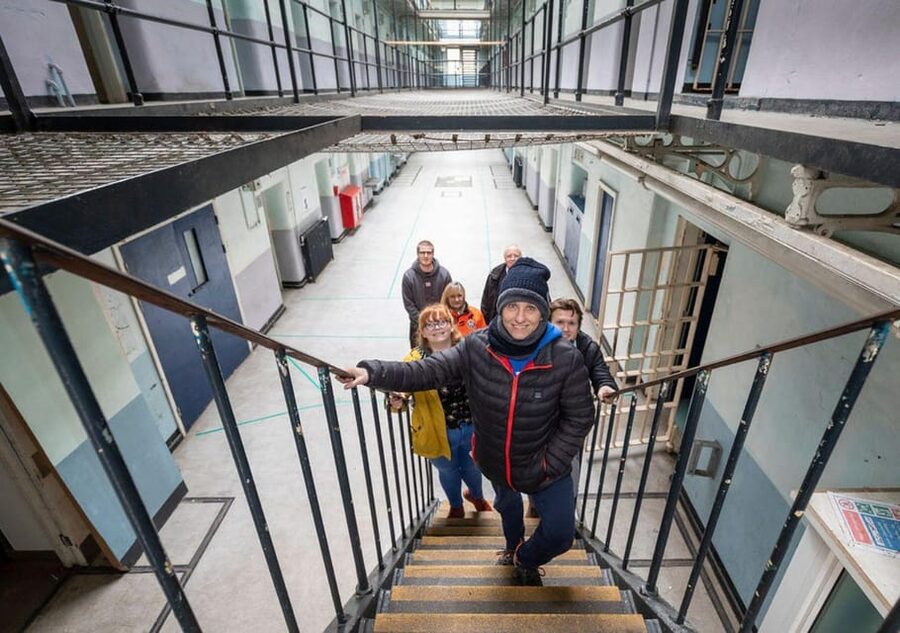
The execution section is the most serious part of the tour. You follow the route taken by condemned men from the cell where they spent their final days to the execution room.
Twenty-five men were executed within the prison grounds between 1889 and 1945. Most executions took place in this room, often under the supervision of Albert Pierrepoint, one of Britain’s best-known executioners.
The guide discusses the crimes involved as well as controversies surrounding some convictions. That second part matters. The tour does not simply present executions as a list of dates and offences. It also raises questions about evidence, justice, punishment, and whether every conviction deserved the final penalty.
You can also visit the final resting place of seven of the executed men. The site includes the location of two military firing squad executions as well. These details add weight to the visit, but they are not treated as entertainment. Expect a sober atmosphere and give yourself time to process what you have seen.
This section may not suit young children or anyone uncomfortable with death penalty history. For adults interested in British criminal justice, though, it is one of the most valuable parts of the experience because it connects personal stories to a larger legal and moral debate.
Why the guided tour is worth choosing
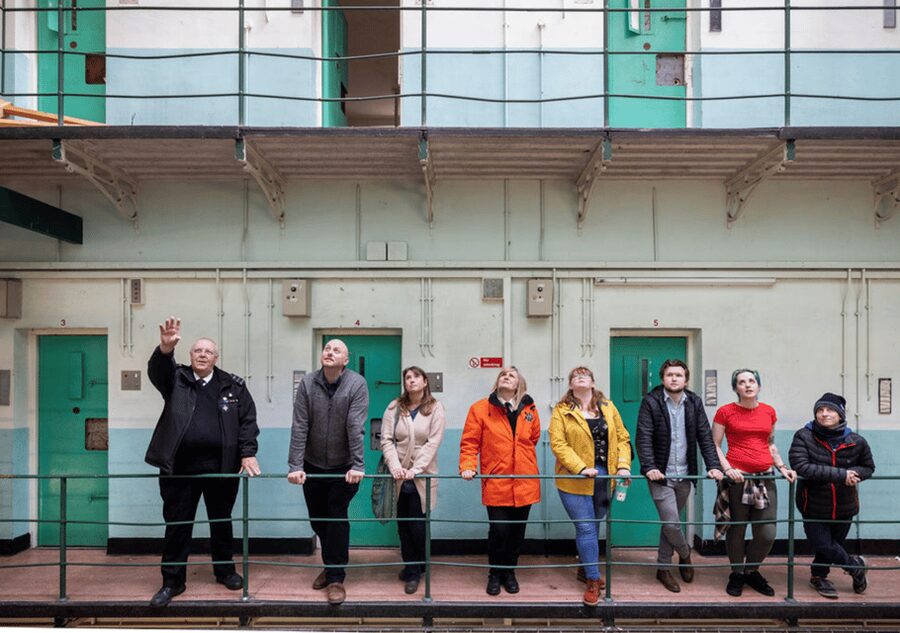
The self-guided visit gives you freedom, but the guided tour gives the prison its voice. You can read signs and study objects on your own, yet a strong guide can connect one room to the next and explain why a detail matters.
The best guides here use storytelling without losing the historical setting. Jason has been praised for making the information interesting and for taking on the role of a prison guard while still speaking warmly about former inmates. Esther is known for clear storytelling and a strong personal interest in the site. Cameron brings a friendly manner and plenty of detail.
That range of styles is useful because the subject can become heavy. A guide who can explain difficult material clearly, answer questions, and add a touch of personality makes the 90 minutes move quickly.
The tour is also described as no-holds-barred. That means you should not expect a softened version of prison life. You hear about harsh punishment, overcrowding, hard labour, executions, and the people affected by the system.
I would choose the guided option rather than only walking around independently. The self-guided access remains important, but the tour helps you notice details you might otherwise pass without understanding.
How much time you should allow
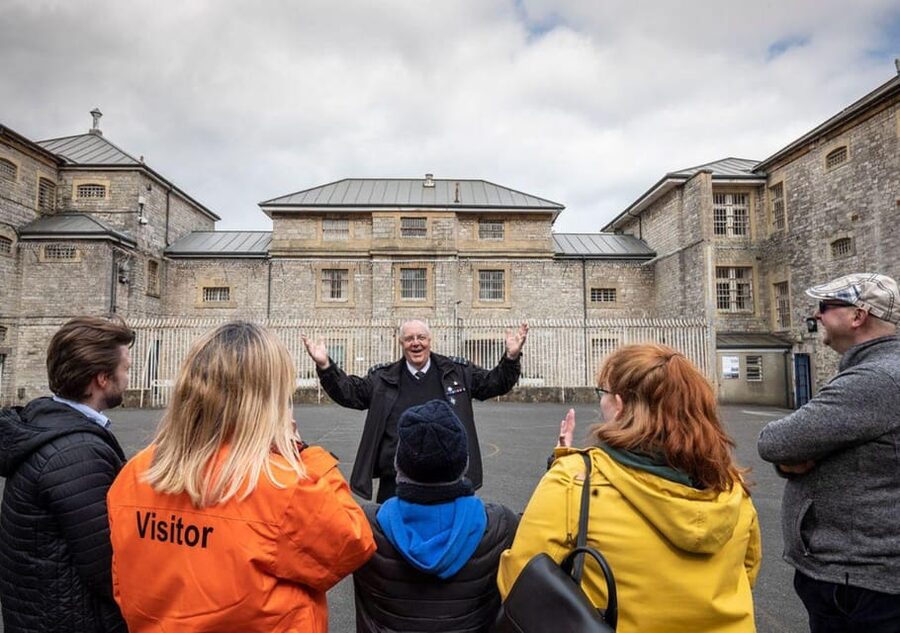
The guided portion lasts 1.5 hours. That is enough for a focused route through the main wings, yards, Gate Lodge area, Governor’s Office, and execution spaces, but it may not be enough for every display and room available afterward.
Plan to stay longer if you want to explore at your own pace. The self-guided tour is included, and you can use it to revisit areas that caught your attention or see parts not covered in depth during the group walk.
The on-site cafe serves barista-style coffee, hot drinks, and snacks. There is also a gift shop with prison-themed souvenirs. These facilities are practical rather than central to the attraction, but they make it easier to turn the visit into a relaxed half-day outing.
Guided tours run at 2pm from Monday to Friday. At weekends and during school holidays, they run at 11am and 2pm. Since the tours are popular, booking ahead is sensible. If you have difficulty finding the visitor centre, continue through the gate to the centre on Frithfield Lane rather than stopping too early. Clearer signs would help, so allow a few extra minutes.
Is the $33 price fair?
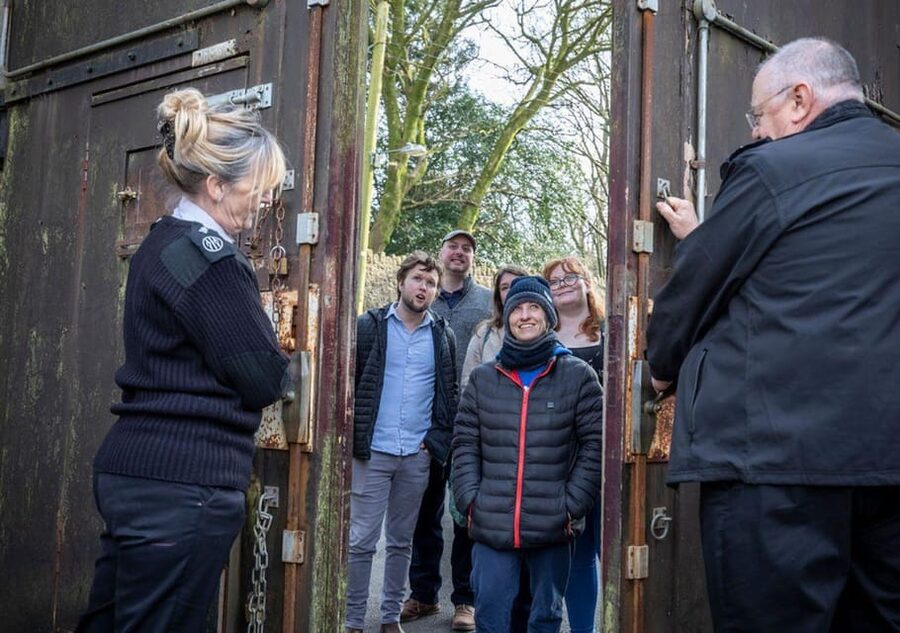
At about $33 per person, the tour costs more than a basic museum admission, but you are paying for two things: access to an authentic prison site and a live guided experience.
The value is strongest if you care about interpretation. The guide adds stories, context, and answers to questions, then you still have the self-guided visit included. If you rush out after the 90-minute tour, you will get less from the ticket than someone who stays to explore.
The price also reflects the unusual setting. You are not entering a modern attraction built to resemble a prison. You are visiting a place with surviving wings, yards, cells, administrative rooms, execution spaces, and a long institutional past.
I would consider it fair value for adults interested in British history, crime and punishment, architecture, or unusual Somerset attractions. It is less suitable if you want a cheerful day out or a quick stop with no difficult subject matter.
Who should book this experience?
I would recommend the tour to adults, history fans, and anyone who prefers places with a strong sense of reality. It also suits visitors interested in the Victorian period, wartime secrecy, prison reform, and the history of capital punishment.
Families should judge the content carefully. The site may interest older children, but executions and harsh prison conditions are central themes, so it is not an easygoing attraction for every age group.
You should also be comfortable with a 90-minute guided walk and the possibility of kneeling to enter an original cell. The tour is in English, with an English-speaking live guide, so it is best for people who can follow detailed spoken explanations in English.
Final verdict: book it for the guide and the setting
I would book Shepton Mallet Prison if you want a serious, unusual, and highly atmospheric history visit in Somerset. The real Victorian wings, hard labour yard, secret wartime connection, and execution room give the tour plenty of substance.
Choose the guided option, not just the self-guided route. Jason, Esther, and Cameron show how much depends on the person leading you, and the stories add meaning that the buildings alone cannot provide.
Skip it if death penalty history or harsh prison conditions are not for you. Otherwise, allow more time than the advertised 1.5 hours, arrive early enough to find the visitor centre, and use the included self-guided visit to fill in the details.
FAQ
Where does the Shepton Mallet Prison tour begin?
The experience begins at the Shepton Mallet Prison visitor centre on Frithfield Lane, Shepton Mallet, Somerset, BA4 5FQ.
How long does the guided tour last?
The guided tour lasts 1.5 hours.
What language is the tour in?
The live guided tour is in English.
What does the tour include?
Your ticket includes entry to the guided tour, access to the Victorian prison, and a self-guided visit so you can explore at your own pace.
What time do guided tours run?
Tours run at 2pm Monday to Friday. At weekends and during school holidays, tours run at 11am and 2pm.
Can I cancel the booking?
You can cancel up to 24 hours in advance for a full refund. A reserve now and pay later option is also available.
Just added in Britain
- Chester: The Dead Good Ghost Walking Tour★ 4.3 · 9 reviews
- The Best of British Cooking Class & Dining Experience★ 5.0 · 1 review
- London: Live Comedy Show at Big Belly Bar and Comedy Club★ 4.5 · 80 reviews
- London: British Museum Highlights Guided Small Group Tour★ 4.9 · 113 reviews
- The Beatles London Walking Tour★ 4.2 · 147 reviews
- The Best Highlights of London Walking Tour & Boat Cruise★ 5.0 · 1 review
- From Edinburgh: Best of Scotland Small-Group Day Tour★ 4.7 · 61 reviews
- The Authentic Walking Tour with Indian Tasting Meal★ 4.8 · 4 reviews
Guided, compared.

Magical London: Harry Potter Guided Walking Tour
Read our review →
Emirates Stadium Entry Ticket and Audio Guide
Read our review →
City & Beatles Tour with Live Guide & Live Music
Read our review →
University and City Walking Tour with Alumni Guide
Read our review →

Christmas Lights Nighttime Bus Tour with Live Guide
Read our review →