
REVIEW · WALKING TOURS
Slavery & City of London Walking Tour by Sams Walks
London’s streets hold uncomfortable stories. This 1.5-hour walk by Sams Walks examines slavery, forced labor, class, trade, and political power through the old City of London, linking Roman Britain and medieval rule with institutions that still shape the capital today. I like the tour’s unusual subject and its route through real streets, churches, markets, banks, and historic sites rather than a museum display.
I also like the way the walk compares different systems of labor, from Roman slavery and Germanic practices to feudalism, indentured servitude, and press gangs. The main consideration is pace: $26 buys a focused introduction, not a long stop at every site, and the subject matter can feel dense during a 90-minute walk.
In This Review
- Key points to know before you go
- Why this City of London walk feels different
- Starting at Tower Hill and the Tower of London
- Roman walls and Vine Street
- Aldgate Square, Creechurch Lane, and the tea trade
- Leadenhall Street and the East India Company
- Cornhill, St Michaels Alley, and Jamaica Wine House
- The Royal Exchange and Bank of England
- St Mary Woolnoth churchyard and Lombard Street
- George Yard and the campaign against the slave trade
- Gracechurch Street, Fenchurch Street, and Plantation Lane
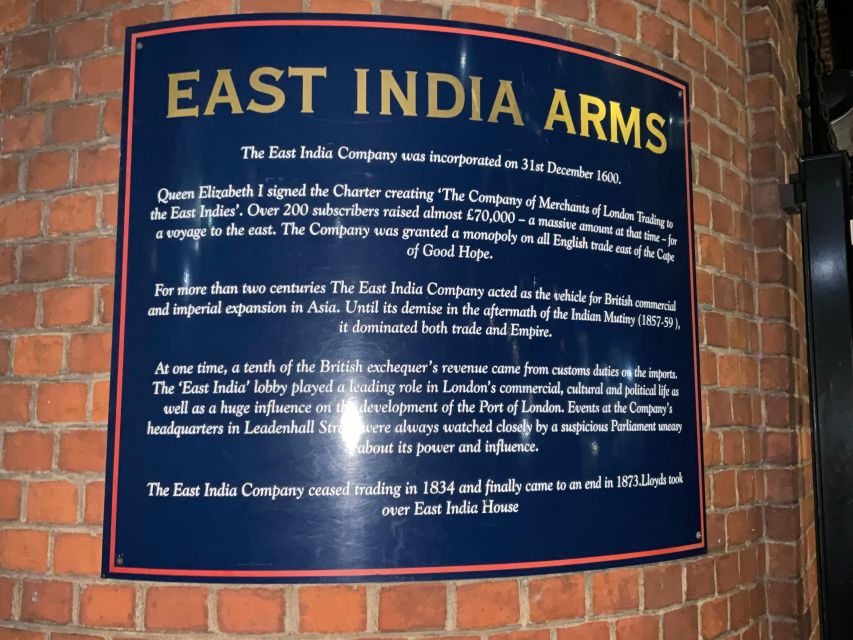
- Fen Court and the East India Arms
- Finishing at Aldgate Square
- Is $26 a fair price?
- Who should book this walk?
- Should you book the Slavery & City of London Walking Tour?
- FAQ
- Where does the tour start?
- Where does the tour finish?
- How long does the tour last?
- What language is the tour in?
- Is the tour wheelchair accessible?
- What should I bring?
Key points to know before you go
- The route connects Tower Hill with Aldgate Square, moving through several parts of the City of London.
- A 10-minute guided visit at the Tower of London gives the walk an immediate historical anchor.
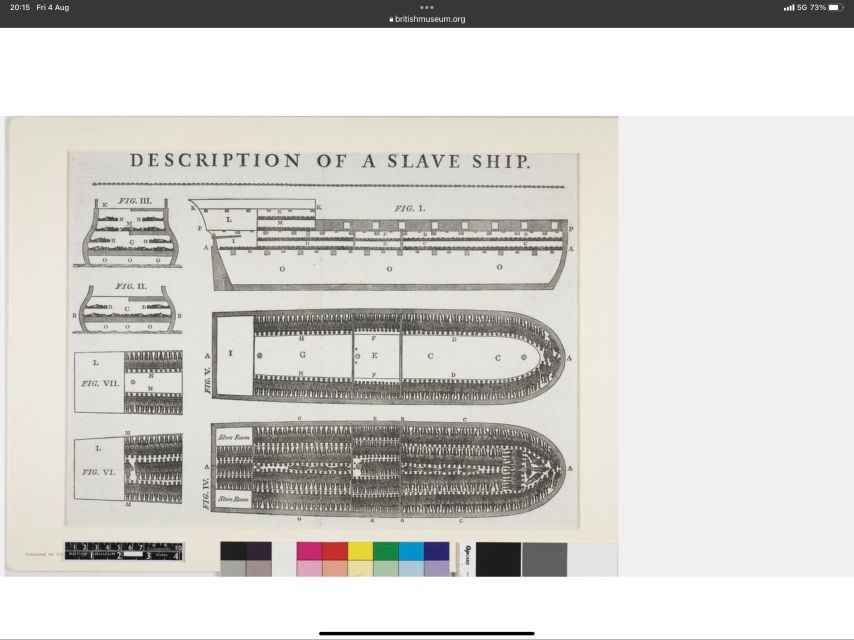
- The tour covers more than Atlantic slavery, including Roman enslavement of Britons, Germanic customs, feudalism, indentured servitude, and press gangs.
- Historic financial sites become part of the story, including the Royal Exchange, Bank of England, East India Company, Lloyds Coffee House, and Jamaica Wine House.
- You finish at Aldgate Square, not back at the meeting point, so plan your onward journey from the east side of the City.
- Comfortable shoes matter, and the tour is offered in English with a live guide.
Why this City of London walk feels different
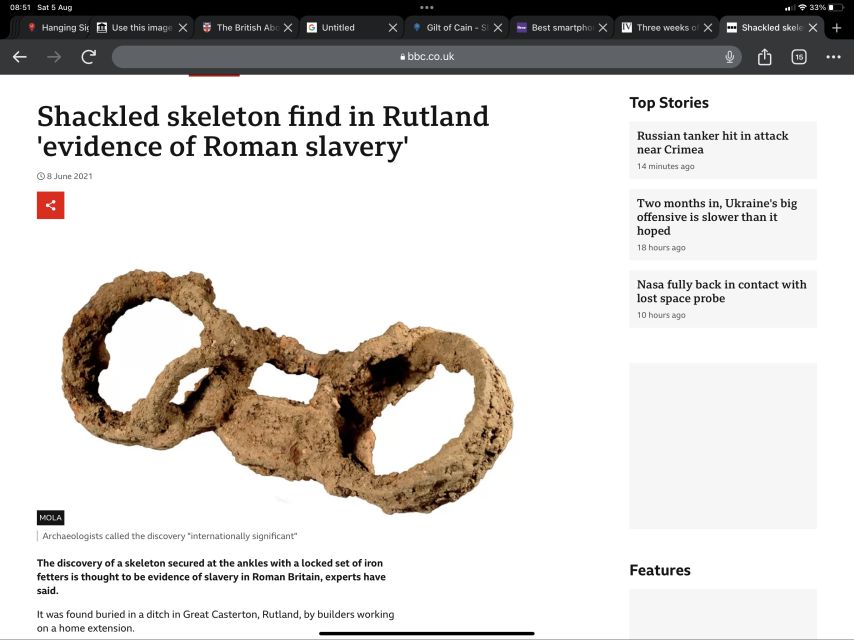
Many London walks focus on kings, churches, famous buildings, or crime. This one asks a harder question: who worked, who profited, and who had the power to decide another person’s freedom?
That question gives familiar streets a new purpose. The City of London is often presented as a polished financial district, but its buildings also connect to trade, empire, labor, law, and social rank. You are not simply looking at old stone. You are being asked to consider the people whose work supported those institutions.
The tour begins with a broad historical frame. Romans enslaved Britons, and Germanic tribes continued the practice after Roman rule faded. In the 11th century, William the Conqueror replaced slavery with feudalism, a system the walk examines alongside other forms of dependency.
That comparison is useful because it avoids treating slavery as one isolated subject. The tour also brings in indentured servitude and press gangs, along with class divisions, commissioned officers, and the long fight for suffrage. You get a wider picture of how power operated in Britain.
I appreciate that approach, though it also means the tour covers a great deal in a short time. If you want a single story explained slowly, this may feel brisk. If you want a thought-provoking overview that sends you back to the map and history books, it offers good material.
More Walking Tours in London
- Magical London: Harry Potter Guided Walking Tour
★ 4.7 · 22,044 reviews - London: The Original Jack the Ripper Walking Tour
★ 4.7 · 7,833 reviews - London: Harry Potter Movies Walking Tour (Kids Go Free)
★ 4.7 · 3,071 reviews
Starting at Tower Hill and the Tower of London
The meeting point is Tower Hill Tram, where the guide carries a sign for the Slavery & City of London Walk. That clear sign should make the group easier to find, especially in a busy area near one of London’s best-known landmarks.
The Tower of London is the first major stop. You receive about 10 minutes of guided touring here, enough to place the opening discussion beside a building tied to royal authority, imprisonment, punishment, and state power.
The information provided does not promise a full Tower of London admission or an extended interior visit, so you should treat this as a short stop within the walking tour rather than a replacement for a separate Tower ticket. If you want to see the Crown Jewels, towers, and exhibitions at length, allow another visit and additional time.
Still, the opening location works well. The Tower gives the guide a strong setting for discussing who controlled land, law, military power, and social order. It also makes an easy starting landmark for anyone unfamiliar with the City.
Roman walls and Vine Street
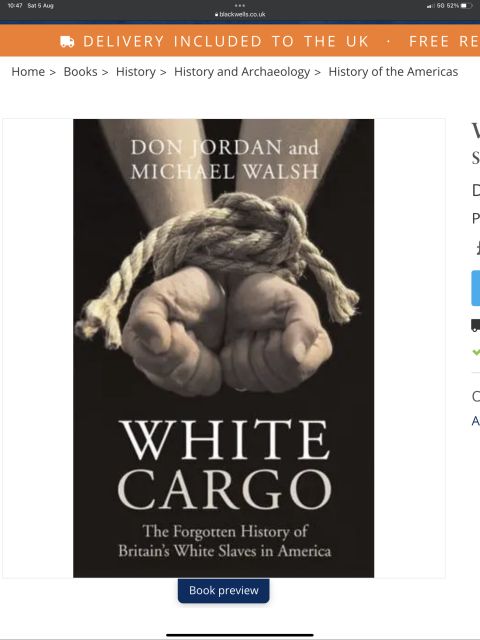
From the Tower, the walk moves toward the Roman Wall by Vine Street and the Vine Street Gallery. This section introduces London’s Roman foundation and the fact that Romans enslaved Britons.
A Roman wall can look like a small fragment beside modern buildings, but that contrast is part of its appeal. You see how much of London has changed while a piece of the old city remains in place. The subject also becomes more immediate when connected to the people who built, served, or suffered under Roman rule.
The Vine Street area helps the walk move from broad history to physical evidence. You are not confined to a lecture. The guide points out remains, structures, and urban spaces that help you picture the changing city.
Because this is a street tour, the amount of time at each location may be limited. Bring your attention to the guide rather than expecting every stop to be a formal museum presentation.
Aldgate Square, Creechurch Lane, and the tea trade
The route continues through Aldgate Square and Creechurch Lane, including the Tea Warehouse. These stops shift the discussion toward trade and the commercial systems that made the City powerful.
A tea warehouse is a useful reminder that ordinary products can carry complicated stories. Tea was part of daily life, but its movement depended on shipping, commerce, labor, taxation, and imperial connections. The walk uses the City’s buildings to show how trade was organized and who benefited from it.
Aldgate Square also matters as a transition point. The walk begins near the Tower and later returns to this eastern part of the City, but the route is not simply a loop around a few famous sights. It moves through working streets and lanes where large economic systems once operated.
A different kind of day out entirely:
- London: The London Eye Entry Ticket
★ 4.6 · 35,875 reviews - From London: Harry Potter Warner Bros Studio Tour
★ 4.7 · 26,588 reviews - London: Westminster to Greenwich River Thames Cruise
★ 4.5 · 22,836 reviews - London: Madame Tussauds London
★ 4.6 · 20,915 reviews
Leadenhall Street and the East India Company
Leadenhall Street brings in two of the City’s most important subjects: finance and empire. Here you see the Lloyds building and learn about the East India Company.
The East India Company is especially important for understanding how commerce, political power, and overseas activity could overlap. The name may sound like a company from a distant chapter of history, but its presence on this route shows that London’s financial institutions were tied to events far beyond Britain.
The Lloyds building adds a modern architectural counterpoint. The tour’s iconoclastic approach places newer commercial design beside older trading stories, encouraging you to think about continuity rather than treating history as something sealed away.
You may find this part especially useful if you know London’s financial district mainly through its modern offices. The walk gives those streets a human and political context. It asks you to see the City not only as a place where money changes hands, but also as a place where decisions affected workers, colonies, soldiers, and enslaved people.
Cornhill, St Michaels Alley, and Jamaica Wine House
The route then reaches Cornhill, St Michaels Alley, and the Jamaica Wine House. These locations bring the subject closer to the social world of merchants, traders, and drinking establishments.
The Jamaica Wine House is a striking name on a tour about slavery and commerce. The stop helps connect Caribbean history with London’s urban life. You are reminded that colonial wealth did not remain overseas. It circulated through London’s businesses, streets, clubs, and financial relationships.
St Michaels Alley adds another layer. Narrow lanes can make the City feel more intimate than its large office blocks suggest. You may find it easier to picture past commercial life here than on a broad modern street, although the guide’s explanation remains the key part of the stop.
This is also where the tour’s title becomes especially clear. The walk is not only about slavery as a legal system. It examines the networks of money, goods, institutions, and social status that helped sustain exploitation.
The Royal Exchange and Bank of England
At the Royal Exchange and the Bank of England, the walk reaches the heart of London’s financial power. These are among the most useful stops for understanding why the City mattered so much to national and international trade.
The Royal Exchange represents organized commerce. The Bank of England represents the financial machinery behind government, credit, currency, and economic confidence. Together, they provide a setting for discussing how wealth was gathered and managed.
I like this section because it connects the subject to places you can still visit without a history degree. You do not need to memorize every date to grasp the basic point: systems of labor and trade were supported by laws, institutions, investors, and officials.
The tour also examines commissioned officers and class divisions. Those subjects fit naturally here, since economic power and military or administrative rank often shaped who could command others and who had limited choices.
You should expect ideas rather than a long interior tour. The point is to read the buildings and spaces as evidence, not to spend an hour inside each institution.
St Mary Woolnoth churchyard and Lombard Street

St Mary Woolnoth churchyard gives the walk a quieter setting. Churchyards can reveal how religion, public life, burial, charity, and social rank overlapped in the old City.
From there, the route reaches Lombard Street and Lloyds Coffee House. The coffee house is an important name in a tour about business and information. Such places helped merchants and traders meet, exchange news, arrange deals, and build relationships.
The stop also helps explain how commercial culture developed beyond formal offices. Trade depended on conversation, reputation, paperwork, and access to useful contacts. Not everyone entered those spaces on equal terms, and the tour’s discussion of class and power makes that imbalance part of the story.
This is a good moment to look up from the pavement. The City’s compact streets can make the past feel layered. A churchyard, a financial street, and a former coffee-house site may sit within a short walk, yet each points to a different part of urban life.
George Yard and the campaign against the slave trade
George Yard introduces the Society for the Abolition of the Slave Trade. This stop shifts the focus from exploitation and commercial power to organized opposition.
That change matters. A useful history walk should show not only how systems operated, but also how people challenged them. The society gives the guide a chance to discuss political campaigning, public pressure, and the question of who was allowed to influence national policy.
The placement within the City is meaningful. Abolition is often taught as a national political story, but this stop links the campaign to the streets where commercial interests and financial power were concentrated.
You may want to spend time after the tour thinking about the tension between commerce and reform. The same city that helped support trade could also produce organized resistance to the slave trade. That contradiction is one of the walk’s strongest themes.
Gracechurch Street, Fenchurch Street, and Plantation Lane
The route continues along Gracechurch Street and Fenchurch Street before reaching Plantation Lane. The names themselves invite questions about ownership, production, and colonial connections.
Plantation Lane is particularly direct in its wording. It helps bring the discussion back to the systems that produced wealth overseas and the people forced or pressured to create it. The guide uses these urban references to show how distant plantations were tied to London’s economy.
This section may be less visually dramatic than the Tower or the Royal Exchange. That is normal for a history walk focused on overlooked stories. The value lies in the connections the guide draws between a street name, a commercial district, and a much larger system.
Fen Court and the East India Arms
Fen Court and the East India Arms on Fenchurch Street bring the walk toward its final stretch. The East India Arms name returns you to the links between London, overseas trade, and the East India Company.
By this point, the tour has moved across many forms of control: Roman slavery, Germanic practices, feudal obligation, indentured servitude, press gangs, class hierarchy, and political exclusion. The route gives those subjects physical reference points without pretending they were all identical.
That distinction is important. Feudalism was not simply the same thing as slavery, and indentured servitude had its own legal and social conditions. The value of the tour is that it compares systems while encouraging you to notice their differences.
The final streets also reinforce the basic lesson of the walk. London’s history is not held only in grand monuments. It is written into business names, lanes, churchyards, walls, and institutions you might otherwise pass without a second thought.
Finishing at Aldgate Square
The walk ends at Aldgate Square, EC3N 1AF. This is useful to know before booking because you finish away from the Tower Hill starting point.
Aldgate Square gives you a practical place to continue exploring the east side of the City, but the tour data does not specify onward transport details. I would check your route home before arrival, especially if you have a timed booking afterward.
The total duration is 1.5 hours. That length suits you if you want a focused history walk before lunch, after visiting the Tower area, or as one part of a full day in central London. It is short enough to fit around other plans, but the amount of subject matter means you should listen closely.
Is $26 a fair price?
At $26 per person, the tour offers a live guide, a carefully chosen City route, and a broad historical theme. You are paying for interpretation and connections, not admission to a large collection of attractions.
The value is strongest if you enjoy walking, urban history, and subjects that receive less attention in standard sightseeing tours. The cost is less compelling if you want long interior visits, extensive time at the Tower of London, or a tour focused mainly on famous architecture.
Free cancellation up to 24 hours before the start and the option to reserve now and pay later make it easier to fit into a changing London schedule. The tour is wheelchair accessible, though you should still wear comfortable shoes and clothes for the 90-minute street route.
Who should book this walk?
I would recommend it to you if you want to understand London through labor, trade, class, empire, and political change. It should suit history students, curious first-time visitors, and repeat visitors who have already seen the standard landmarks.
It may also work well for anyone who wants a short guided walk with a clear social purpose. The English-speaking live guide keeps the experience direct, while the route supplies enough landmarks to help you place the discussion.
I would hesitate if you prefer light sightseeing or dislike difficult subjects. The tour deals with slavery and other forms of coercion plainly, and the wide time span can feel compressed. You should also allow extra time if you want to visit the Tower of London properly.
Should you book the Slavery & City of London Walking Tour?
Book it if you want London’s financial district explained through the people and systems behind its wealth. The unusual focus, compact route, and $26 price make it a useful addition to a City of London day.
Skip it if your priority is a long Tower visit or a relaxed stroll with little historical discussion. For the right audience, this is a serious, accessible walk that turns familiar streets into a sharper lesson about power, labor, and British history.
FAQ
Where does the tour start?
The tour starts at Tower Hill Tram. The guide has a sign reading Slavery & City of London Walk.
Where does the tour finish?
The walk finishes at Aldgate Square, EC3N 1AF.
How long does the tour last?
The tour lasts 1.5 hours. The guided portion at the Tower of London is listed as 10 minutes.
What language is the tour in?
The live guided tour is conducted in English.
Is the tour wheelchair accessible?
Yes, the activity is listed as wheelchair accessible.
What should I bring?
Bring comfortable shoes and comfortable clothes for the walking route.
Just added in London
- The Best of British Cooking Class & Dining Experience★ 5.0 · 1 review
- London: Live Comedy Show at Big Belly Bar and Comedy Club★ 4.5 · 80 reviews
- London: British Museum Highlights Guided Small Group Tour★ 4.9 · 113 reviews
- The Beatles London Walking Tour★ 4.2 · 147 reviews
- The Best Highlights of London Walking Tour & Boat Cruise★ 5.0 · 1 review
- Iconic London: Bard, Beatles, Bond & Baker Street★ 4.9 · 15 reviews
- The Authentic Walking Tour with Indian Tasting Meal★ 4.8 · 4 reviews
- London: Tate Britain Official Discovery Tour★ 4.7 · 7 reviews
Walking Tours, compared.

Magical London: Harry Potter Guided Walking Tour
Read our review →
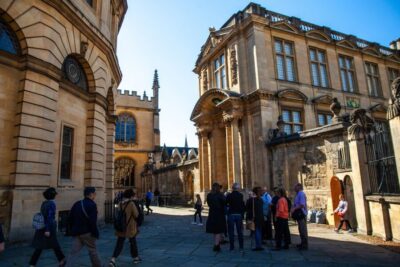
University and City Walking Tour with Alumni Guide
Read our review →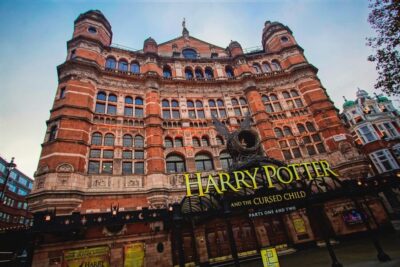
Harry Potter Movies Walking Tour (Kids Go Free)
Read our review →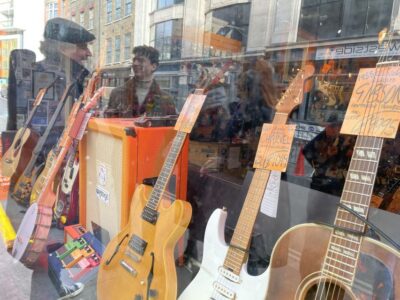
The Great British Rock and Roll Music Walking Tour
Read our review →
Jack the Ripper Walking Tour – Ripper Vision Tours
Read our review →
Other lists this tour turns up in