
REVIEW · 3-HOUR EXPERIENCES
Tate Britain London: Private Guided Tour – 3 Hour
British art rewards a little guidance. This private Tate Britain tour gives you three hours with an art historian who can connect paintings to British culture, politics, and changing taste. I like the small group limit of five, and I like that you can shape the visit around your interests rather than follow a fixed script.
I also like the coverage, from 16th-century portraits to 20th-century modern art, with special attention to Turner and other major British figures. The main drawback is cost: at $263 per group, it is good value for five people but expensive for one or two. Temporary exhibitions are also not included.
In This Review
- Key points to know before you book
- Starting at Tate Britain by the River Thames
- A three-hour route through British art
- From Reynolds and Gainsborough to Turner
- Victorian drama and changing ideas of Britain
- Into modern Britain: Bomberg, Bacon, Freud, and Hockney
- Why a private guide changes the museum visit
- The Turner factor and the value of expert commentary
- Price, group size, and practical value
- Who will enjoy this Tate Britain tour most?
- Should you book the three-hour private tour?
- FAQ
- How long does the Tate Britain private tour last?
- How many people can join the private tour?
- Where do I meet the guide?
- Is the temporary exhibition included?
- What language is the tour conducted in?
- Is the tour wheelchair accessible?
Key points to know before you book
- Three hours inside Tate Britain: Enough time for a serious tour of major works without trying to see every room.
- Private group of up to five: You can ask questions freely and set a pace that suits your party.
- British art from the 16th to 20th century: The route can include Rubens, Van Dyck, Reynolds, Turner, Millais, Bacon, Freud, Hockney, Moore, and others.
- Turner receives special attention: The guide Robert Miller is especially praised for his enthusiasm for the Turner collection.
- Meeting point by the Thames: Meet at the front entrance, where your guide carries a card with your name.
- Temporary exhibitions cost extra: The tour focuses on the permanent collection, so check separately if a special exhibition matters to you.
Starting at Tate Britain by the River Thames
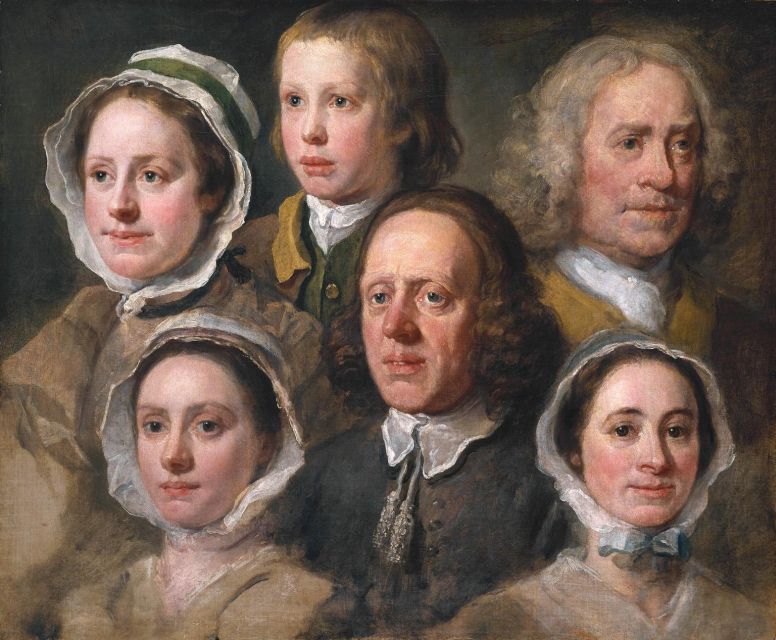
Your meeting point is the front entrance overlooking the River Thames. Your guide carries a card printed with your name, which should make the first meeting straightforward.
That riverside setting gives the tour a useful sense of place before you see a single painting. Tate Britain is not simply a box of galleries. It is a major institution devoted to British art, and the building’s location helps frame the country’s long relationship with portraiture, empire, industry, class, literature, and modern life.
Your guide begins with the gallery itself and the story of its collecting. That context matters. A museum collection is never just a pile of famous pictures. It reflects decisions about what deserves to be saved, displayed, studied, and called British art.
I appreciate this opening because it gives you a map for the next three hours. Instead of meeting each painting as an isolated object, you can watch ideas change across centuries. You might begin with court portraits, move through the polished confidence of the Georgian period, and later encounter artists who questioned traditional subjects and techniques.
The exact route is flexible. Since this is a private tour, you can tell your guide if you are drawn to portraits, landscape painting, modern art, Turner, or a particular artist. That freedom is one of the strongest reasons to choose this experience over a large group visit.
A few more options to weigh up in London
- London: The London Eye Entry Ticket
★ 4.6 · 35,875 reviews - From London: Harry Potter Warner Bros Studio Tour
★ 4.7 · 26,588 reviews - London: Westminster to Greenwich River Thames Cruise
★ 4.5 · 22,836 reviews
A three-hour route through British art
Three hours is a useful amount of time at Tate Britain. It is long enough to explore major works with proper explanation, but short enough to avoid the museum fatigue that can set in during an all-day art marathon.
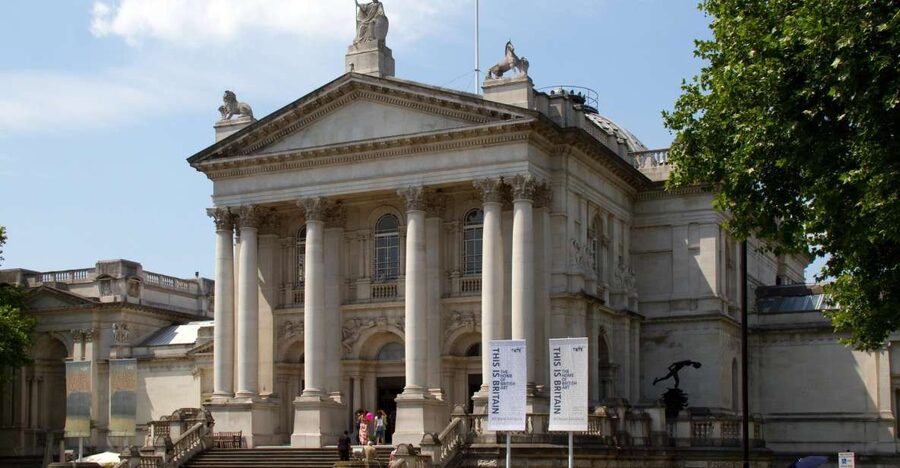
The guide’s job is not just to point at famous names. You can expect stories, background, and anecdotes that make the paintings easier to read. A good explanation helps you notice where an artist placed a hand, how a sitter wanted to be seen, or why a new style once seemed shocking.
The tour is described as covering works from the 16th century through contemporary pieces. That span gives you a broad look at British art rather than a narrow parade of familiar Victorian paintings.
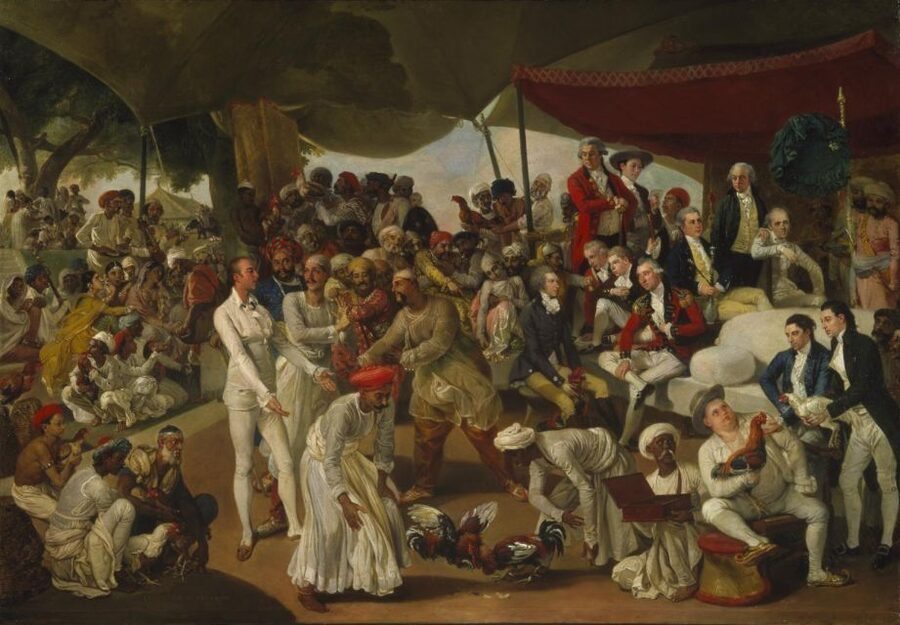
You may encounter artists such as Rubens and Van Dyck, whose work helps explain the grand European traditions adopted by British patrons. Later portraits by painters such as Lely and Kneller show how power and fashion were presented in Britain’s royal and aristocratic circles.
As the tour moves forward, Hogarth offers a different tone. His work is often sharper and more socially alert, with details that reward close looking. Canaletto brings another point of interest, showing how views, cities, and public life could become carefully arranged subjects.
From Reynolds and Gainsborough to Turner
The 18th century is an important part of the visit, particularly through artists such as Joshua Reynolds and Thomas Gainsborough. Their portraits can tell you as much about social ambition and public identity as they do about brushwork.
A guide can help you compare how these painters treated clothing, posture, setting, and expression. That is where a private tour earns its keep. You are not left to guess why one portrait feels formal and another more relaxed, or how artistic choices supported the sitter’s image.
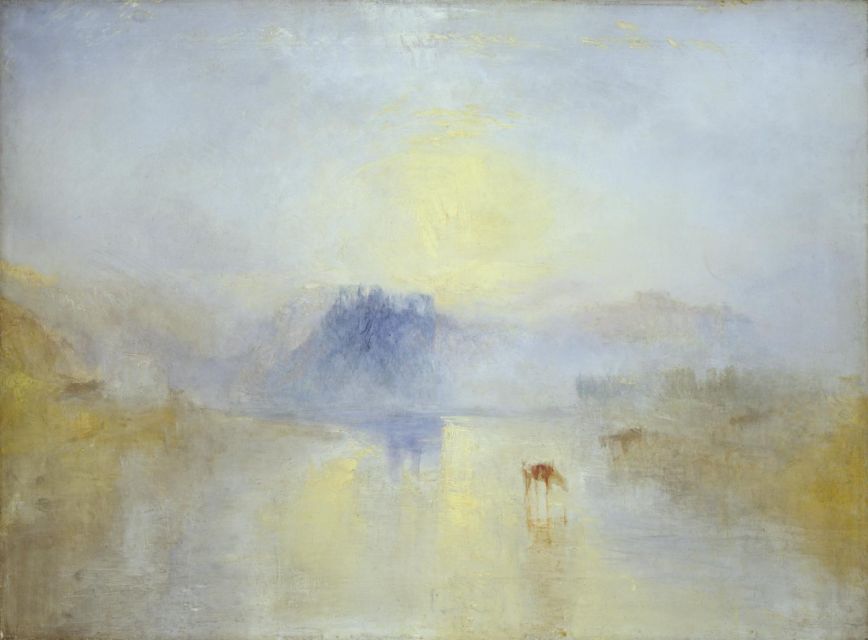
Turner is likely to be one of the tour’s high points. His paintings can look simple from a distance, especially when color and light seem to dissolve solid forms. Up close, the decisions become more complex. You begin to see how he pushed painting toward atmosphere and abstraction while still working from the tradition of British scenery.
Robert Miller has received particular praise for his enthusiasm for the Turner collection. If he is leading your tour, you can expect Turner to receive lively attention. His approach has also been praised for connecting individual works to wider British art and national history.
I would tell you not to rush this section. Turner’s work often benefits from a few quiet minutes after the explanation. Look first at the overall effect, then return to the surface and see how the paint creates movement, weather, distance, or light.
Victorian drama and changing ideas of Britain
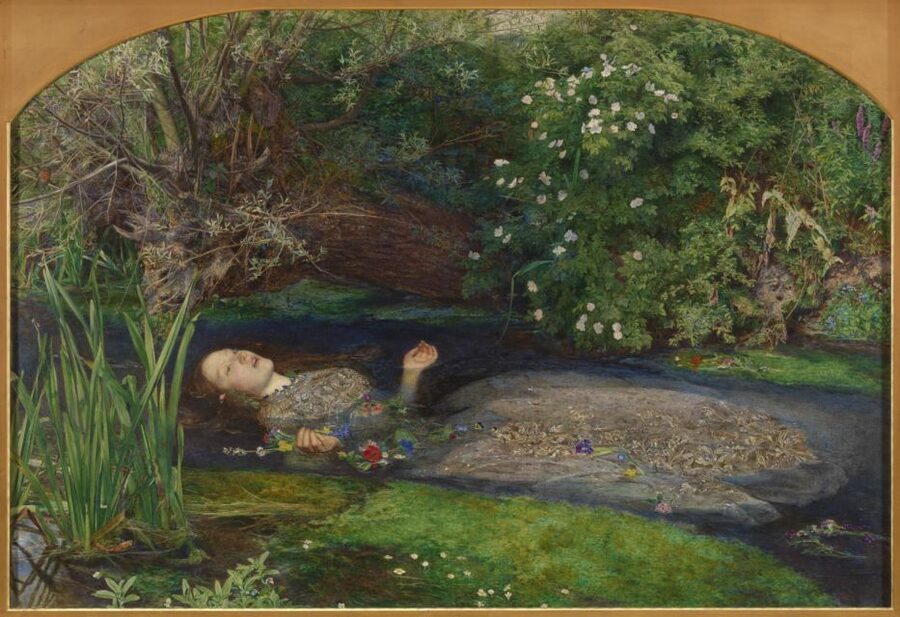
The Victorian section can give you a very different experience. Artists such as John Everett Millais show the period’s interest in detail, literary subjects, beauty, morality, and dramatic storytelling.
Millais is also useful for understanding how British art could be both technically precise and emotionally theatrical. A painting may reward you with finely observed fabric or plants while also asking you to follow a larger story.
William Blake brings a more personal and visionary form of art. His work can be a useful reminder that British art was never only about formal portraits and respectable scenes. Blake’s imagination, symbolism, and unusual techniques offer a marked change from the polished public style of earlier painters.
The guide can make these shifts easier to follow. Rather than treating each artist as a separate genius, you can see how one generation reacted against, borrowed from, or moved beyond the last.
That wider view is especially helpful if you do not already know British art. You do not need a long reading list before arriving. The tour is designed to give you enough context to understand what you are seeing without turning the visit into a lecture.
A different kind of day out entirely:
- Magical London: Harry Potter Guided Walking Tour
★ 4.7 · 22,044 reviews - London: Madame Tussauds London
★ 4.6 · 20,915 reviews - London: Warner Bros. Studio Tour with Transfers
★ 4.7 · 17,586 reviews - London: Tower Bridge Entry Ticket
★ 4.7 · 15,560 reviews
Into modern Britain: Bomberg, Bacon, Freud, and Hockney
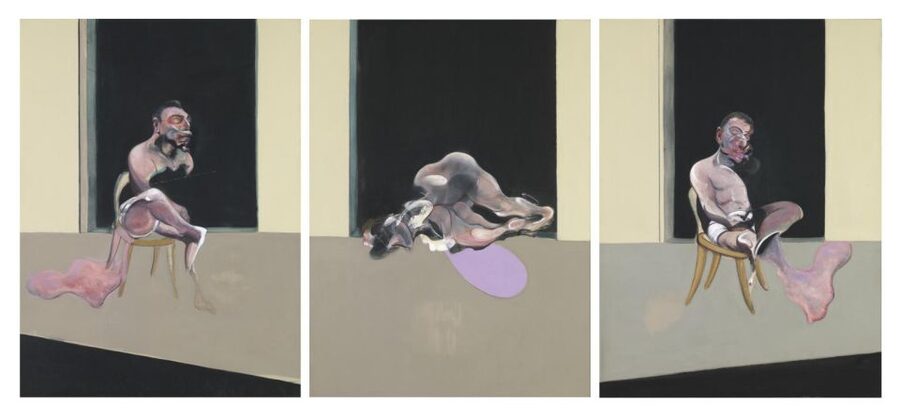
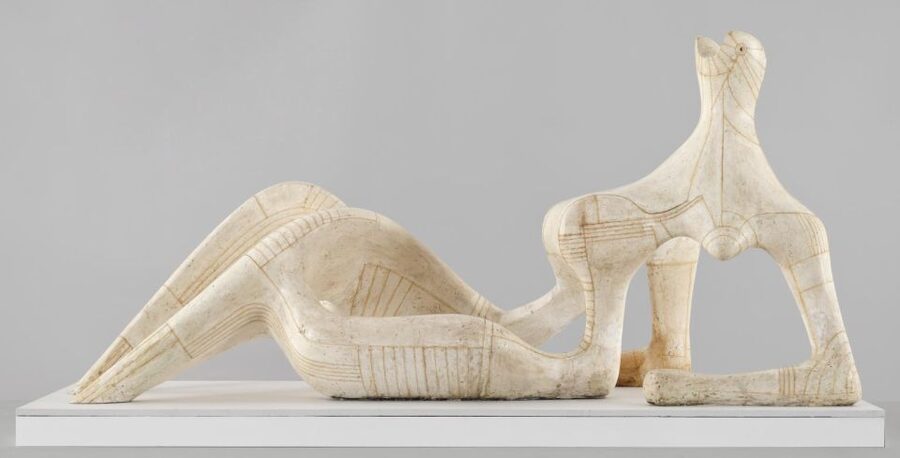
The later part of the tour brings you toward artists who challenged older ideas about what a painting should look like. David Bomberg, Francis Bacon, Lucian Freud, Jacob Epstein, Henry Moore, and David Hockney are among the names that may appear.
This part of the collection can be more demanding. There may be no polished costume, clear narrative, or obvious beauty to guide your first response. A personal guide can help you approach the work through material, mood, form, the human body, and the concerns of modern Britain.
Bacon and Freud, for example, can lead to a discussion of portraiture that feels far removed from Reynolds or Gainsborough. Their subjects are not presented simply as social types. Texture, distortion, and psychological tension become central.
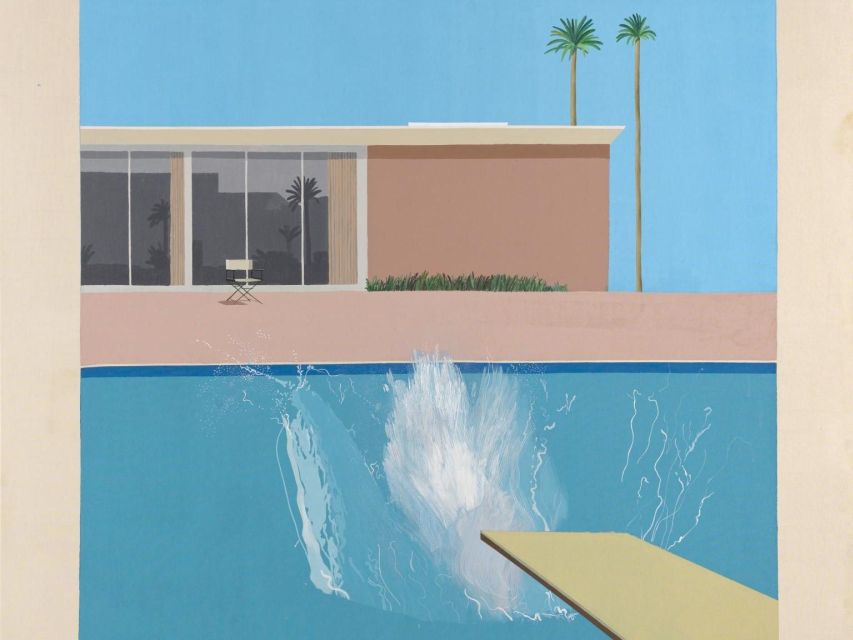
Moore and Epstein offer another route into modern art, especially if you want to understand how sculpture changed during the 20th century. Hockney then brings a different energy and a more contemporary view of color, place, and personal experience.
I like that the tour includes both celebrated names and the connections between them. You are not only ticking off artists. You are watching British art expand its subjects, materials, and ideas.
Why a private guide changes the museum visit
A large group tour can be useful, but it usually has limits. The guide must keep moving, questions may be brief, and the route has to suit a mixed crowd. Here, you can pause when a painting catches your attention.
The group limit is five people, so this works well for a family, a group of friends, or a small private party. You can ask why a work matters, compare two artists, or admit that a famous painting leaves you cold. That last option is part of the fun. Art museums are better when you can speak honestly.
The tour can also be tailored to your interests. If you already know you want Turner, Victorian painting, portraits, sculpture, or modern art, say so when arranging the visit. A bespoke route makes the three hours more useful than a standard highlights walk.
The guide’s communication style matters here. Robert Miller is praised for clear explanations, strong art knowledge, and thought-provoking views. One account also notes that other people in the gallery began following along because they wanted to hear the discussion. That suggests an engaging delivery, though it may also mean you attract a small unofficial audience in busy rooms.
You should still expect the tour to focus on major works rather than every room. Tate Britain is too large for a complete survey in three hours. The value comes from learning how to look, not from counting galleries.
The Turner factor and the value of expert commentary

If Turner is high on your list, this tour becomes more attractive. The collection gives you a chance to spend time with a key figure in British art, and the guide’s enthusiasm can turn a difficult painting into a memorable one.
Turner is not always easy to appreciate at first glance. Some works seem hazy or unfinished if you expect sharp outlines and clear detail. An explanation of his methods and place in British painting can help you see the purpose behind the looseness.
The same principle applies to other artists. Portraits can become more interesting when you understand who commissioned them and what image they wanted to project. Modern works can become less puzzling when you learn what earlier traditions the artist was resisting.
This is the best reason to pay for a guide. You are buying interpretation, not just access to rooms you could enter on your own. If you enjoy learning through conversation, the private format gives you more value than a short introductory talk.
If you are already an art specialist, tell the guide what you know and what you want to examine. The flexible format should allow a more focused conversation rather than a basic introduction.
Price, group size, and practical value
The price is $263 per group of up to five. With five people, that works out to about $52.60 per person for three hours of private instruction. For four people, it is about $65.75 each. With two people, the per-person cost rises to $131.50.
That makes the tour easiest to recommend for a full group. A family or group of friends can share the cost and receive a more personal experience than a standard group tour. For a solo visitor or couple, the price is harder to justify unless art is a major reason for your London visit.
You are paying for a private, English-language tour with an expert guide. The museum’s temporary exhibitions are not included, and those require separate tickets at an additional cost. If a special exhibition is part of your plan, arrange that independently and allow time around the three-hour tour.
The timing also deserves thought. Three hours is substantial, so avoid placing this between several other major attractions. You will get more from the visit if you arrive ready to look and listen rather than racing through it before another appointment.
The tour is wheelchair accessible. It is not suitable for people with visual or hearing impairments, according to the activity information. English is the stated tour language.
You can cancel up to 24 hours in advance for a full refund, and you can reserve now and pay later. Those policies are useful if your London schedule is still shifting, but the main decision remains the same: are you willing to pay for focused interpretation rather than explore independently?
Who will enjoy this Tate Britain tour most?
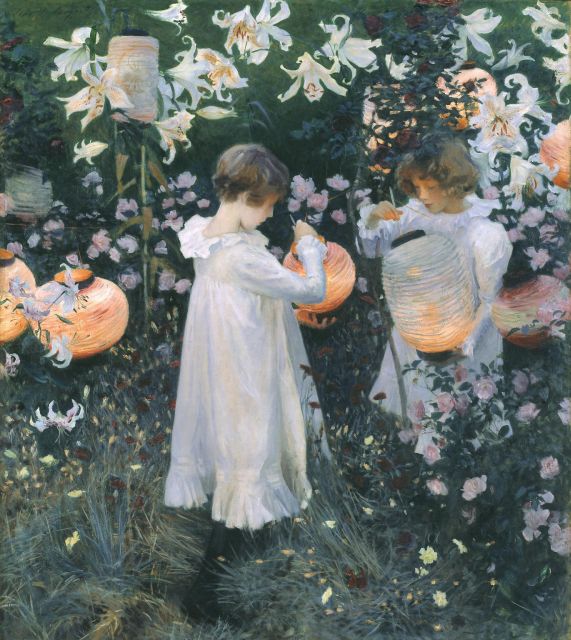
I would recommend it first to anyone with limited time and a serious interest in British art. Three hours with a guide can help you find the key works quickly and understand why they matter.
It also suits families with older children, provided they enjoy conversation and visual details. A private guide can adjust the pace and avoid losing everyone in a huge group.
The tour works well for first-time visitors who feel unsure about modern art. The route moves from familiar portrait traditions toward more difficult 20th-century work, giving you a framework for the changes.
Art students, repeat visitors, and people with a particular interest in Turner may also get strong value. Tell the company what you want to see so the route can reflect your priorities.
I would hesitate if you prefer wandering alone, want to see temporary exhibitions, or plan to spend only a short time at Tate Britain. You can also save money by visiting independently, especially if your group is small and you are comfortable reading the gallery information.
Should you book the three-hour private tour?
Book this tour if you want Tate Britain to feel less like a long list of rooms and more like a conversation about Britain through art. The private format, flexible route, and strong attention to Turner are the main advantages.
The cost makes most sense for three to five people. If you can fill the group, you receive a focused three-hour visit at a reasonable per-person rate. If you are traveling alone, compare that price with your interest in the collection before committing.
Robert Miller’s clear explanations, thought-provoking opinions, and enthusiasm for Turner make him a particularly appealing guide if he is available for your date. Just remember that temporary exhibitions cost extra, and the permanent collection is the heart of this experience.
FAQ
How long does the Tate Britain private tour last?
The tour lasts about three hours.
How many people can join the private tour?
The tour is private for a group of up to five people.
Where do I meet the guide?
Meet at the front entrance overlooking the River Thames. The guide will have a card printed with your name.
Is the temporary exhibition included?
No. Temporary exhibitions require pre-booked tickets at an additional cost.
What language is the tour conducted in?
The tour is conducted in English.
Is the tour wheelchair accessible?
Yes, the activity is wheelchair accessible. It is not suitable for people with visual or hearing impairments.
Just added in London
- London: British Museum Highlights Guided Small Group Tour★ 4.9 · 113 reviews
- The Best of British Cooking Class & Dining Experience★ 5.0 · 1 review
- London: Live Comedy Show at Big Belly Bar and Comedy Club★ 4.5 · 80 reviews
- The Beatles London Walking Tour★ 4.2 · 147 reviews
- The Best Highlights of London Walking Tour & Boat Cruise★ 5.0 · 1 review
- The Authentic Walking Tour with Indian Tasting Meal★ 4.8 · 4 reviews
- Iconic London: Bard, Beatles, Bond & Baker Street★ 4.9 · 15 reviews
- London: Tate Britain Official Discovery Tour★ 4.7 · 7 reviews
3-Hour Experiences, compared.


Other lists this tour turns up in