
REVIEW · HISTORICAL TOURS
Museum of Ryde: Ticket to 250 Years of Ryde’s History
Ryde has more stories underground. The Museum of Ryde packs 250 years of local life into a former commercial building, with everything from old shop bottles and school photos to wartime aircraft wreckage. I especially like the searchable archive of more than 10,000 Ryde images and the world’s largest Donald McGill collection. The main drawback is simple: there is so much to see that one short visit may feel rushed.
I also like the museum’s odd, hands-on details, including a Victorian can opener, a bread oven, an Ice Well, and the remains of two USAF P41-D Mustangs. The ticket costs about $6 per person, and it remains valid for free returns over 14 days, which makes the price unusually good if you are spending time in Ryde.
In This Review
- Key things to know before visiting
- Finding the Museum of Ryde underground
- Why the $6 ticket offers strong value
- The searchable archive of Ryde photographs
- The Commercial Room, where local business becomes history
- The School Room and the story of Ryde Pier
- Flight Path: from Ryde Airport to the Hovercraft
- Military Rooms and the remains of two Mustangs
- Ryde Carnival, local films, and everyday memories
- Household Room: practical objects and great fires
- The Ice Well, bread oven, and local records
- Transport, sport, and Ryde’s local champions
- Donald McGill’s saucy seaside world
- Helpful service from the museum volunteers
- Who should visit the Museum of Ryde?
- Practical tips for a better visit
- Should you book the Museum of Ryde?
- FAQ
- How much does admission to the Museum of Ryde cost?
- How long is the ticket valid?
- Can I return to the museum for free?
- Where is the entrance?
- Is the museum wheelchair accessible?
- What is special about the Donald McGill collection?
- Can the museum help with local research?
Key things to know before visiting
- Ryde’s first pier: Learn how Ryde Pier began as the country’s first public pier and later gained tram and railway piers.
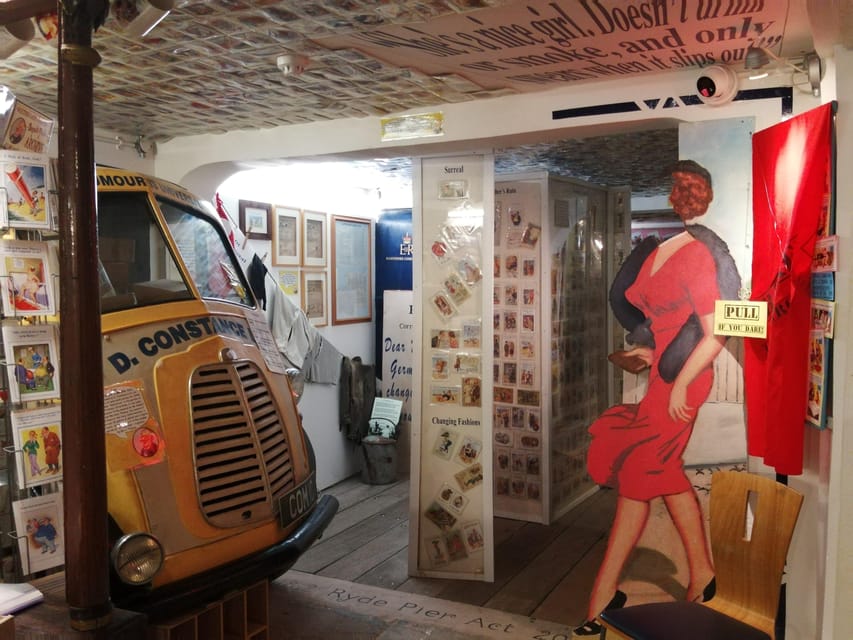
- Donald McGill’s saucy postcards: See original artwork, thousands of comic images, and reprints of cards once banned as obscene.
- A searchable local archive: Browse more than 10,000 photographs covering Ryde and the surrounding district from the 1860s to today.
- Rare wartime remains: View parts of two American P-41-D Mustangs that crashed in The Solent during the Second World War.
- An unusual Ice Well: See where ice from Norway and North America was stored, along with a recently uncovered bread oven.
- A ticket built for a second look: Your admission allows free returns within a fortnight, useful if you want to study the archive properly.
Finding the Museum of Ryde underground
The entrance is not presented like a grand civic museum. From the front of the Arcade, walk toward the rear, turn right into Victoriana Lanes, and go down the stairs. That tucked-away entrance is part of the charm, though you will want to look carefully for the route.
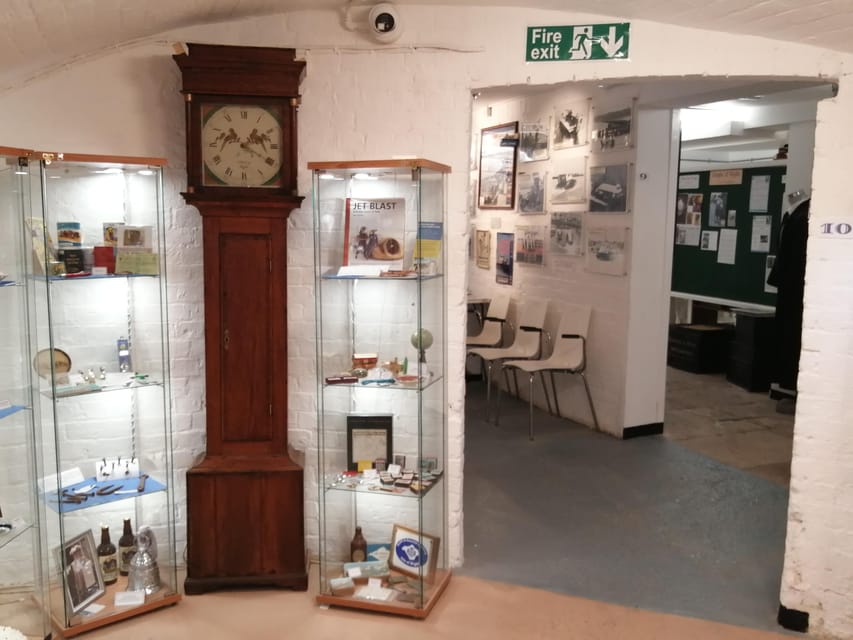
The museum is underground, and its rooms are arranged around different parts of Ryde life. This is not a quick line of display cases followed by an exit. You move from transport to household objects, from local photographs to military material, then into the separate Donald McGill exhibition.
The museum is wheelchair accessible, with a stairlift available for visitors with mobility issues. Since the ticket lasts 14 days from first activation, you do not need to force the whole collection into one sitting.
More Museum Tours in Britain:
- Liverpool: Liverpool Football Club Museum and Stadium Tour
★ 4.8 · 10,764 reviews - London: Chelsea Football Club Stadium and Museum Tour
★ 4.8 · 4,576 reviews - London Transport Museum Entrance Ticket
★ 4.5 · 1,323 reviews
Why the $6 ticket offers strong value
At around $6, admission is modest for a museum that combines several substantial collections. You are not paying only for a general display about Ryde. The ticket covers local history, transport, military material, social history, photographs, films, and the Donald McGill postcard museum.
The free return within the next fortnight makes the value even better. On a first visit, you can get your bearings and focus on the main rooms. On a second visit, you can spend time searching the photo archive, reading local files, or looking closely at the postcard collection without feeling that you are paying twice.
The ticket is valid for 14 days, not just for a single afternoon. That suits a longer Isle of Wight stay, especially if you have a rainy day, a spare morning, or a particular interest in family history and old Ryde streets.
The only caution is that the museum’s size and detail can work against a hurried schedule. If you have only 20 minutes before a train, you will see the headline objects but miss much of what makes the place worthwhile.
The searchable archive of Ryde photographs
One of the best features is the photo archive, with more than 10,000 pictures of Ryde and the surrounding district. The collection runs from the 1860s to the present day, giving you a chance to see how streets, businesses, buildings, and local life changed over time.
The searchable slideshow is especially useful if you have a connection to Ryde. You might find an old street view, a school, a shop, a family name, or a local event that helps turn the town around you into a more understandable place.
Even without a personal connection, the archive gives context to the physical displays. A photograph of an old pier structure, carnival, hospital, or shop can explain how Ryde functioned before modern development altered the town.
This is one area where a second visit helps. A quick scan through thousands of images can become absorbing, but it can also eat up your available time. I would save it for the end of your first visit or return specifically to search it.
The Commercial Room, where local business becomes history
The Commercial Room focuses on the everyday trade that kept Ryde running. You will see bottles, flagons, and other objects linked to local breweries, chemists, and dairies.
These objects may look ordinary, but that is precisely their value. A bottle with a local name on it can reveal the businesses that supplied a town before national brands took over. The collection also covers roughly 150 years of shopping in Ryde, with shop signage, old posters, medical items, servants’ bells, and other commercial objects.
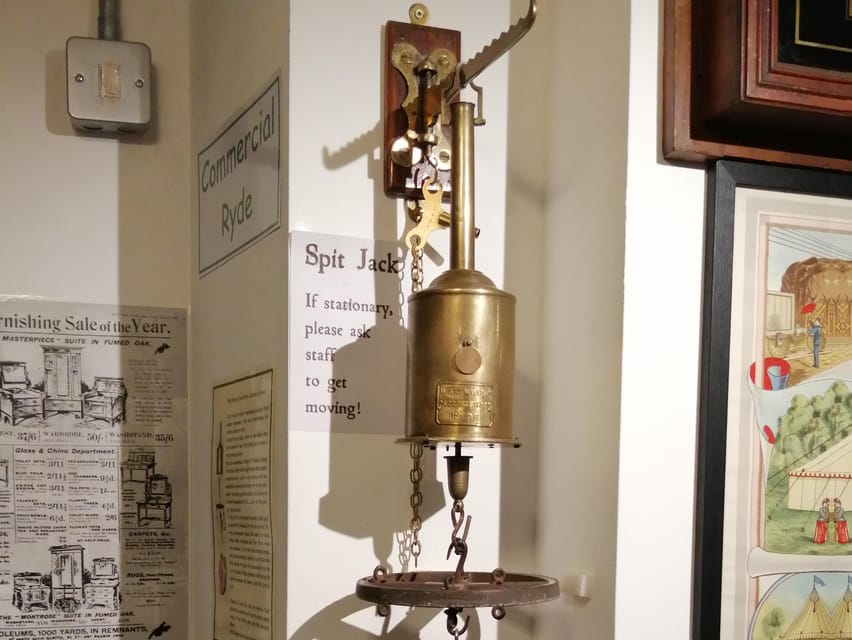
A clockwork spit jack adds a slightly eccentric touch. It is the sort of machine that helps you picture the work behind a large household meal, rather than simply reading a date on a wall.
This room suits anyone interested in social history, food, medicine, retail, or domestic work. It is also a good place to slow down if you prefer objects with a direct link to daily life.
More History Tours in Britain:
- London: Historic Pubs of Central London Walking Tour
★ 4.9 · 1,065 reviews - Portsmouth: Historic Dockyard Ultimate Explorer Ticket
★ 4.8 · 1,052 reviews - York: Witches and History Old Town Walking Tour
★ 4.7 · 928 reviews - London: Soho Music and Historic Pubs Walking Tour
★ 4.9 · 836 reviews
The School Room and the story of Ryde Pier
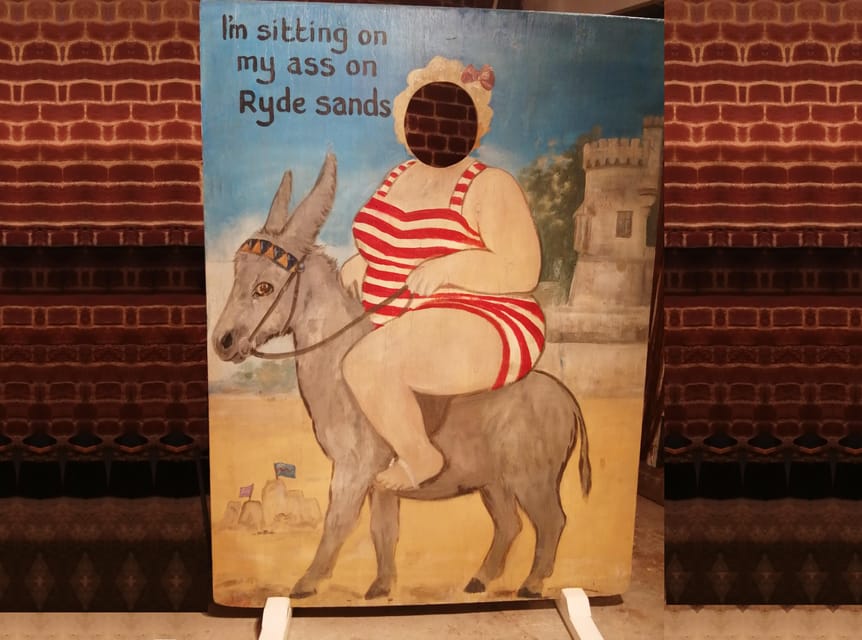
The School Room offers a clear look at education in earlier times. Old school photographs and classroom artefacts show how children in Ryde were taught, while a film of holiday cine footage from the last century adds a more personal record of local life.
Across from it, the museum explains the development of Ryde Pier. Ryde Pier was the first public pier in the country, and the display follows its growth, including later tram and railway piers.
That history matters because the pier was not just a pleasant place for a walk. It helped connect Ryde with visitors, transport, and the wider island economy. Looking at the pier’s development inside the museum gives you a useful reason to pay closer attention when you see it above ground.
The same area includes information about early local photographers. One photographer counted Queen Victoria and her family among his clients, a reminder that island photography was not merely a small-town trade.
Flight Path: from Ryde Airport to the Hovercraft
The Flight Path section covers two very different forms of transport. One is the long-gone Ryde Airport. The other is the locally built Hovercraft, which still operates in the area.
A film explains the development of the Hovercraft, making this more than a collection of technical facts. You can see how a locally connected form of transport became part of the island’s identity and practical links with the mainland.
The contrast between a vanished airport and an operating Hovercraft gives the room a useful sense of change. Transport is never fixed. Routes disappear, new machines arrive, and local places are reshaped around them.
If you are interested in engineering or Isle of Wight transport, give this section proper time. The film is one of the more accessible ways to understand why the Hovercraft remains such a notable local feature.
Military Rooms and the remains of two Mustangs
The Military Rooms cover the Isle of Wight Rifles and both World Wars. The display includes military objects from the island, giving local context to national events.
The most striking items are the remains of two USAF P41-D Mustangs that crashed in The Solent during the Second World War. These fragments connect the museum to a specific and sobering episode rather than presenting war as a distant subject.
The aircraft remains are likely to interest anyone who enjoys aviation or military history, but they also give the museum emotional weight. Small pieces of wreckage can say a great deal about the risks faced by pilots and the importance of the Solent as a wartime setting.
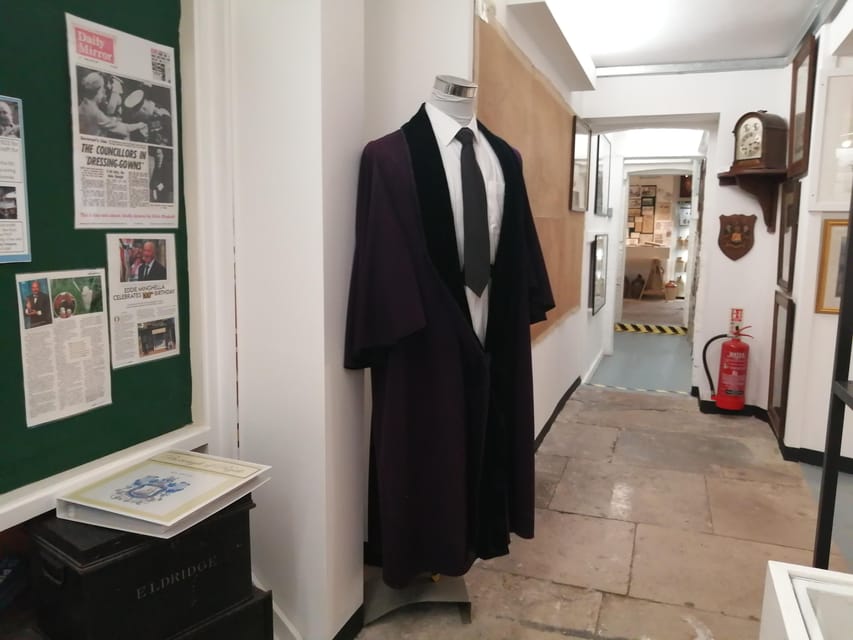
Nearby displays cover the early beginnings of the Isle of Wight Festival, including Bob Dylan, along with memories of Oscar-winning film director Anthony Minghella. The subjects are very different, but together they show Ryde as a place shaped by military life, popular culture, and people who went on to wider recognition.
Ryde Carnival, local films, and everyday memories
The museum preserves 140 years of Ryde Carnival, described as the oldest carnival in the United Kingdom. Films of the carnival help bring movement and sound to a subject that could otherwise become a series of dates and photographs.
You will also find a film showing holiday cine footage from the last century. These films have a value beyond nostalgia. They show clothing, public spaces, family habits, and the way people used Ryde for leisure.
The collection’s focus on ordinary life is one of its strengths. National museums often concentrate on major events and famous figures. Here, the small records of shopping, schooling, holidays, parades, and household routines receive equal attention.
Household Room: practical objects and great fires
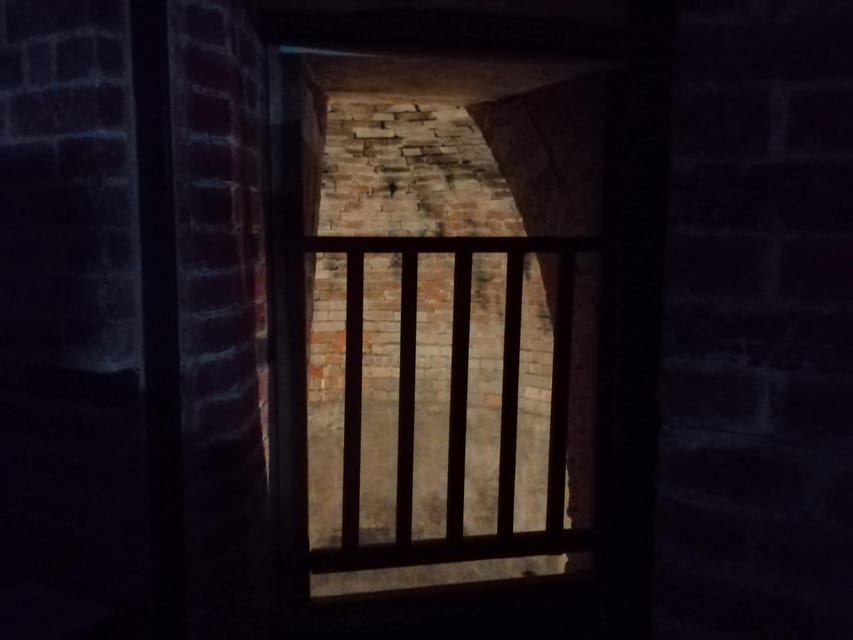
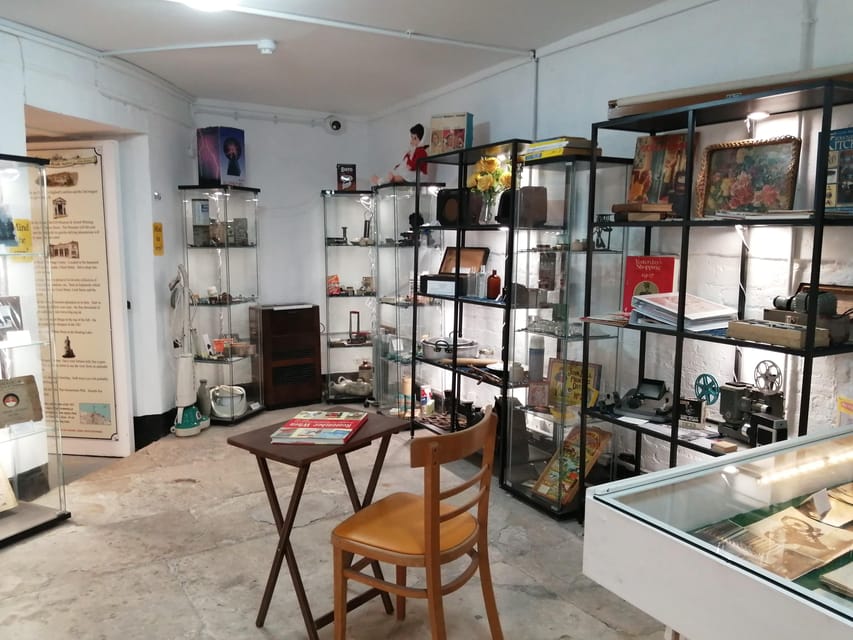
The Household Room is filled with old everyday objects, some familiar enough that you may still use their modern descendants. It also includes Police and Fire Brigade items.
A video about the Great Fires of Ryde adds a more serious local story. Fire changed towns in ways that go beyond the buildings lost. It affected businesses, housing, public safety, and the way local authorities responded.
This room should appeal to families because the objects are easy to understand and often invite comparison with life today. It also works well for older visitors who may recognise tools, fittings, or household equipment from their own earlier years.
The Ice Well, bread oven, and local records
The Tony Packer Room contains two of the museum’s most unusual physical features: an Ice Well and a recently uncovered bread oven. The Ice Well was built to hold ice brought from Norway and North America.
It is a fine example of how food storage depended on long-distance trade and careful planning before electric refrigeration. The phrase Turtle Soup for 15/- a quart points toward the changing food habits and commercial life that the museum explores elsewhere.
The bread oven adds another layer of domestic history. These are not portable objects placed behind glass. They are part of the building and help you picture how the site was used in earlier periods.
The room also contains artefacts from St Thomas’s Church, local-interest files, maps, and charts. If you are researching a person, street, or event, the volunteers can undertake light research when they have enough information to work with.
Transport, sport, and Ryde’s local champions
The Transport and Sport Room explains the first buses on the island and other local transport. It also covers sportsmen and sportswomen from Ryde, as well as hospitals that no longer exist.
This section is useful because it widens the idea of local history. Ryde is not presented only through buildings and dates. You also see the people who played sport, worked in transport, received medical care, and shaped community life.
The display includes Hands, carved for the 2011 Island Games, plus Ryde crested china souvenirs. The souvenirs show how the town was marketed to visitors, while the sports material records a different kind of local pride.
Donald McGill’s saucy seaside world
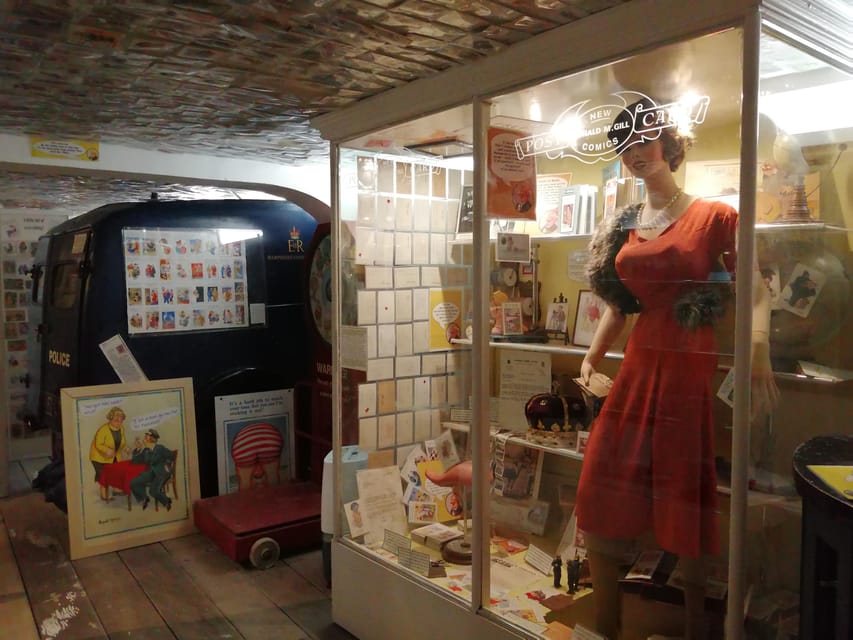
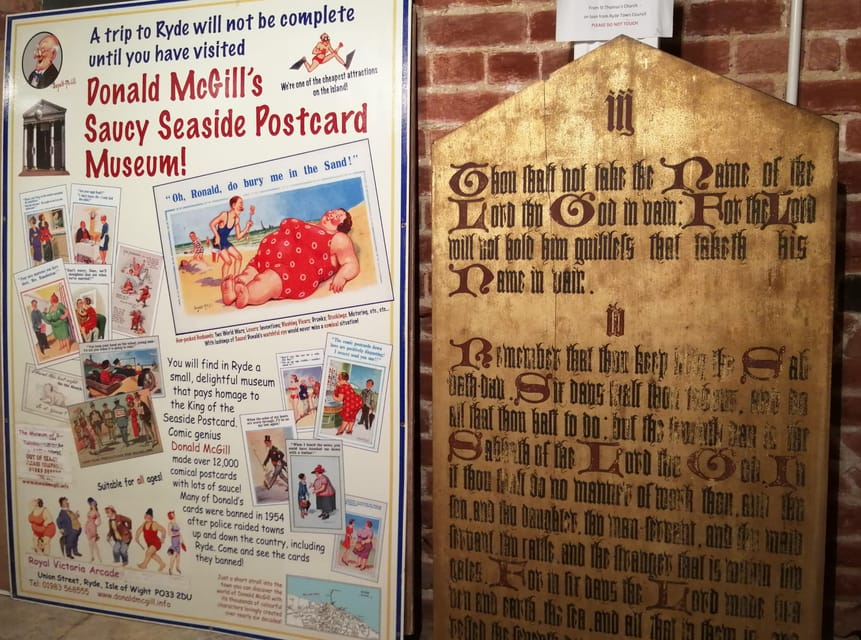
The Donald McGill exhibition is the museum’s most playful section. McGill was born in 1875, trained as a draughtsman, and began producing comic drawings in 1904. Up to 1962, he created more than 12,000 designs.
His humour is broad, cheeky, and very much tied to the seaside postcard tradition. Some cards were judged obscene during trials in the 1950s, and 3,000 were destroyed in Ryde alone.
That history gives the postcards more interest than a simple collection of jokes. The displays show how ideas about public decency changed, and how a cheap postcard could attract the attention of courts and censors.
You can see original Donald McGill artwork and browse hundreds of items and thousands of images. Reprints of the banned cards are available to buy and send, so the exhibition offers a chance to take home a small piece of old seaside humour.
The subject is not for every visitor. Some cards contain sexual references and double meanings, even if much of the humour now seems mild by modern standards. Parents may want to look around first if visiting with young children.
Helpful service from the museum volunteers
The museum is volunteer-run, and that affects the experience in a good way. The space was described as well organised and well lit, with two helpful men offering strong local knowledge and assistance.
You should feel free to ask about a person, place, photograph, or object. Light research may be possible if you have a local question, though the museum does not promise instant answers to every family-history puzzle.
The displays are arranged clearly enough for independent exploration, but the human help adds value. A short conversation can point you toward a photograph or file that you might otherwise miss.
Who should visit the Museum of Ryde?
I would recommend it most strongly to:
- Anyone spending several days on the Isle of Wight
- People interested in local or family history
- Fans of old photographs, transport, and social history
- Visitors curious about Ryde Pier and the Hovercraft
- Military and aviation enthusiasts
- Anyone who enjoys unusual objects and slightly naughty postcard humour
- Families who like museums with films and recognisable household items
It is less suitable if you want a large, polished national museum with sweeping galleries. The attraction here is the local focus, the unusual collection, and the chance to ask about Ryde places and people.
Practical tips for a better visit
Allow enough time to read the displays, especially in the Commercial Room, the Military Rooms, and the Tony Packer Room. If you try to see every photograph and postcard in one session, you may lose track of the main story.
Keep your ticket after leaving. A free return within 14 days means you can visit once for the main exhibits and return later for the archive or Donald McGill collection.
The museum sells souvenirs, books by local authors, and Donald McGill items. The reprinted banned cards make an amusing souvenir, though their humour is best judged for yourself.
The entrance is down stairs from Victoriana Lanes, but a stairlift is available. The museum is wheelchair accessible, so ask staff for assistance if the route requires help.
Free cancellation is available up to 24 hours before the visit, and you can reserve now while paying later. Those options are useful if your Isle of Wight plans are still shifting.
Should you book the Museum of Ryde?
Yes, if you want to understand Ryde through its people, objects, transport, festivals, shops, schools, and odd surviving details. At about $6, with free returns for a fortnight, this is one of the better-value small museum visits in the area.
Book it if the Donald McGill postcards, Ryde Pier, local photographs, WWII aircraft remains, or the Ice Well catch your interest. Skip it only if your schedule is extremely tight or you prefer museums with a single narrow theme. For most visitors with time to spare, the low price and second-visit option make this an easy addition to a Ryde day.
FAQ
How much does admission to the Museum of Ryde cost?
Admission costs $6 per person.
How long is the ticket valid?
The ticket is valid for 14 days from first activation.
Can I return to the museum for free?
Yes. You can return free within the next fortnight if you want to see more or look around again. Keep your ticket.
Where is the entrance?
From the front of the Arcade, walk toward the rear, turn right into Victoriana Lanes, and go down the stairs.
Is the museum wheelchair accessible?
Yes. The museum is wheelchair accessible and has a stairlift for visitors with mobility issues.
What is special about the Donald McGill collection?
It is the world’s largest collection of Donald McGill items, including original artwork and reprints of cards that were considered obscene during trials in the 1950s.
Can the museum help with local research?
Yes. Volunteers can undertake light research if you have questions about local people or places.
Just added in Britain
- Chester: The Dead Good Ghost Walking Tour★ 4.3 · 9 reviews
- London: Live Comedy Show at Big Belly Bar and Comedy Club★ 4.5 · 80 reviews
- London: British Museum Highlights Guided Small Group Tour★ 4.9 · 113 reviews
- The Best of British Cooking Class & Dining Experience★ 5.0 · 1 review
- The Beatles London Walking Tour★ 4.2 · 147 reviews
- The Best Highlights of London Walking Tour & Boat Cruise★ 5.0 · 1 review
- From Edinburgh: Best of Scotland Small-Group Day Tour★ 4.7 · 61 reviews
- The Authentic Walking Tour with Indian Tasting Meal★ 4.8 · 4 reviews
Historical Tours, compared.
Other lists this tour turns up in