
REVIEW · MUSEUMS
London Transport Museum Entrance Ticket
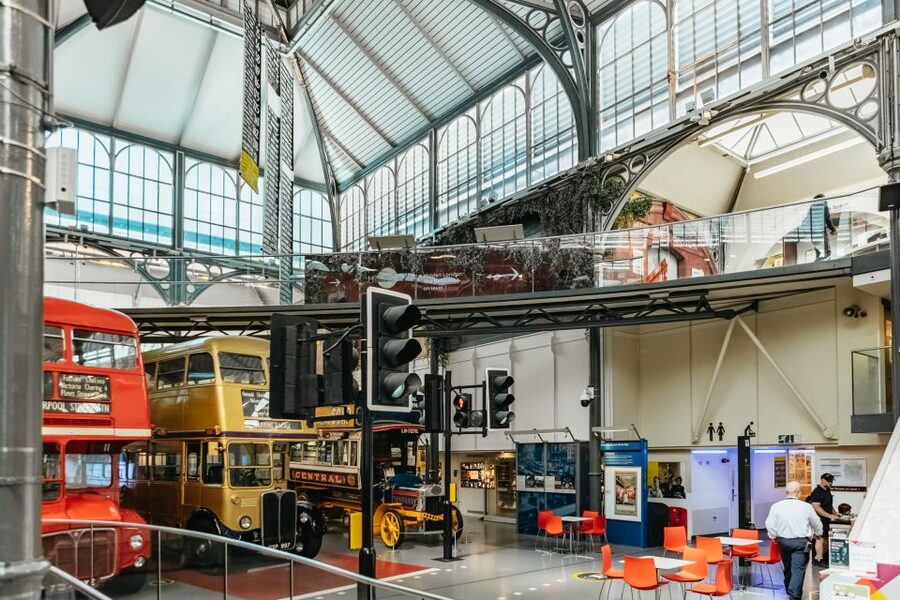
London’s Tube story begins beneath your feet. At the London Transport Museum in Covent Garden, you can trace how buses, trams, trains, and underground railways helped shape modern London. I especially like the original historic vehicles and the hands-on exhibits, including a chance to drive an Elizabeth line train in a simulator. The main drawback is noise and crowding, particularly on weekends and during school holidays.
This is a museum with genuine appeal for mixed-age groups. Young children get play areas and interactive controls, while adults can study transport design, engineering, social change, and London’s famous graphic identity. At about $33 per person, it is good value if you stay for two or three hours, but less convincing if you rush through in 60 minutes.
In This Review
- Key Points
- Covent Garden Is the Right Setting for London Transport
- From Horse-Drawn Buses to the First Underground Railway
- Historic Buses, Trams, and Vehicles You Can See Up Close
- The Tube Map and the Power of London’s Design
- The Global Poster Gallery, Opened in 2023
- Future Engineers and the Elizabeth Line Simulator
- A Good Family Museum, With One Important Warning
- How Long to Spend Inside
- Is the $33 Ticket Good Value?
- Access, Bags, and Practical Planning
- Who Should Book This Museum Ticket?
- FAQ
- Where is the London Transport Museum?
- How long does a visit take?
- What are the museum’s opening times?
- Is the museum suitable for children?
- Is the London Transport Museum wheelchair accessible?
- Can I bring luggage or a large bag?
- Should You Book the London Transport Museum?
Key Points
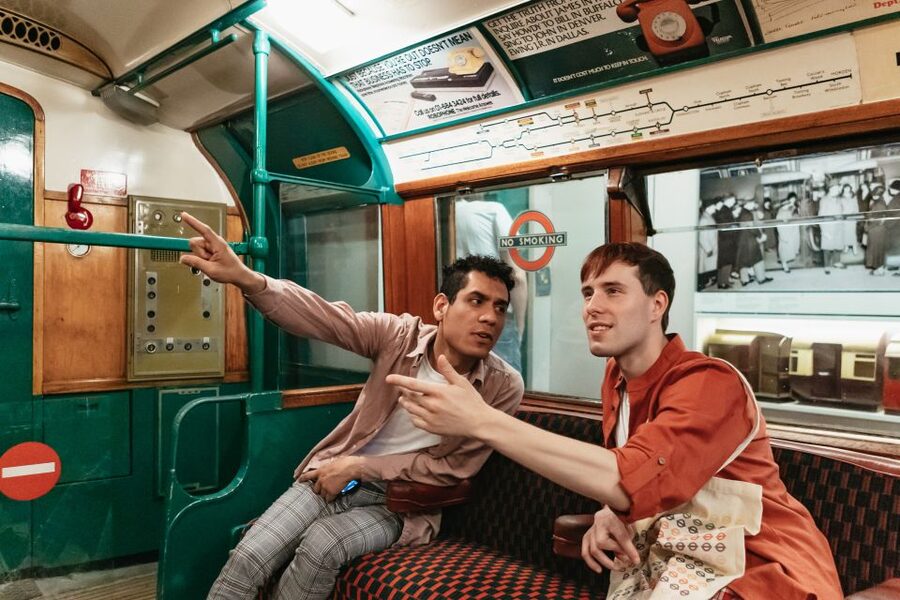
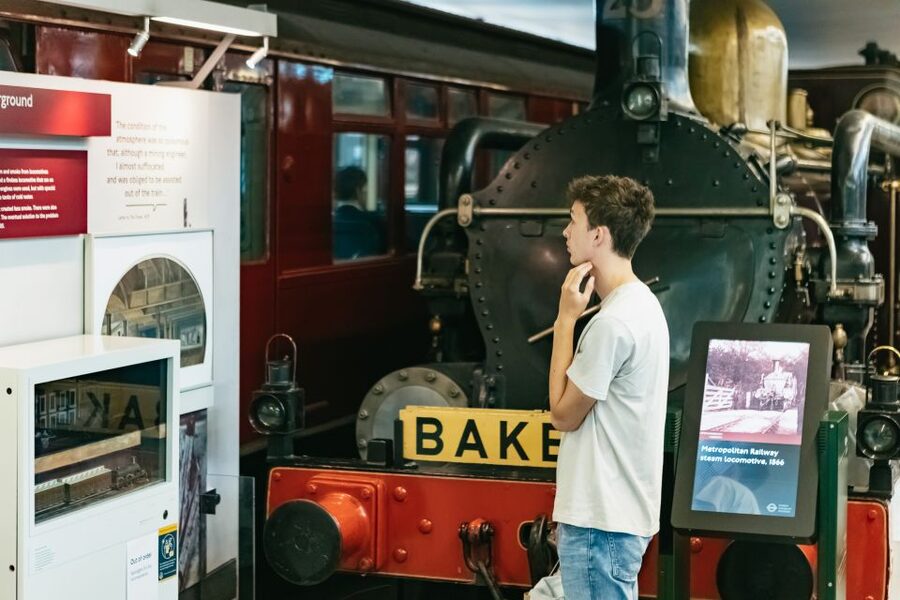
- See the first underground railway technology: View the world’s first underground steam train and an early electric Tube railway.
- Drive an Elizabeth line train: The Future Engineers simulation gives children and adults a practical taste of train operation.
- Study the famous London transport brand: Explore the bullseye logo, Tube map, posters, signs, and graphic design that made London transport instantly recognizable.
- Visit the Global Poster Gallery: Admission includes this permanent gallery, opened in October 2023, with more than 100 poster artworks.
- Plan around the crowds: The museum is especially popular with families, and some areas can become noisy and busy.
- Allow at least 90 minutes: You can see the main exhibits quickly, but three to four hours gives you time for the displays and interactive areas.
Covent Garden Is the Right Setting for London Transport
The London Transport Museum sits in the heart of Covent Garden, one of the most central and convenient parts of London. That setting matters. You are not visiting an isolated collection of vehicles in a distant depot. You are surrounded by the streets, stations, markets, and theatres that make London’s transport system feel like part of daily life.
The museum tells the story of London from the 1800s onward. It shows how transport allowed the capital to expand, how new railways changed where people lived and worked, and how buses and Tube trains became part of London’s identity.
I like that the museum does not treat transport as a collection of machines alone. The displays connect engineering with ordinary life. A bus is not just a bus. It represents commuting, tourism, wartime travel, childhood memories, and the changing shape of the city.
The entrance is also practical for a sightseeing day. You can combine the museum with time in Covent Garden, making it a useful indoor stop when the weather turns wet or your feet need a rest from central London.
More Museum Tours in London:
- London: Chelsea Football Club Stadium and Museum Tour
★ 4.8 · 4,576 reviews - London: British Museum Guided Tour
★ 4.3 · 1,182 reviews - London: Jack the Ripper Museum Tickets
★ 4.2 · 894 reviews
From Horse-Drawn Buses to the First Underground Railway
The museum’s main story begins with the earliest forms of organised London transport. You will see how horse-drawn buses and other early services developed before the arrival of underground railways.
This opening section gives you the basic context for everything that follows. London was growing quickly in the 19th century, and moving people around the capital became a major challenge. The eventual answer was a network that could carry large numbers of people beneath crowded streets.
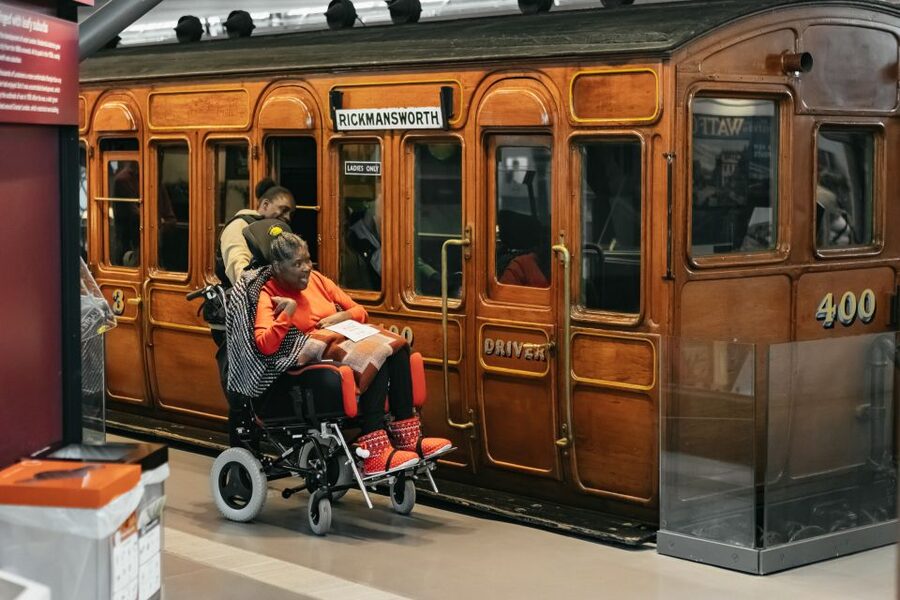
The world’s first underground steam train is one of the key exhibits. It helps explain both the ambition and the limitations of early underground travel. Steam-powered trains could move through tunnels, but the technology brought obvious engineering problems, including smoke and ventilation.
The electric Tube railway shows the next major step. Electric power made underground travel cleaner and more practical, and it helped create the system that London still depends on today.
I find this part particularly useful if you have already ridden the Tube but never stopped to consider how unusual its beginnings were. You are looking at the early solutions to a problem that still affects every large city: how to move many people through a dense urban centre.
Historic Buses, Trams, and Vehicles You Can See Up Close
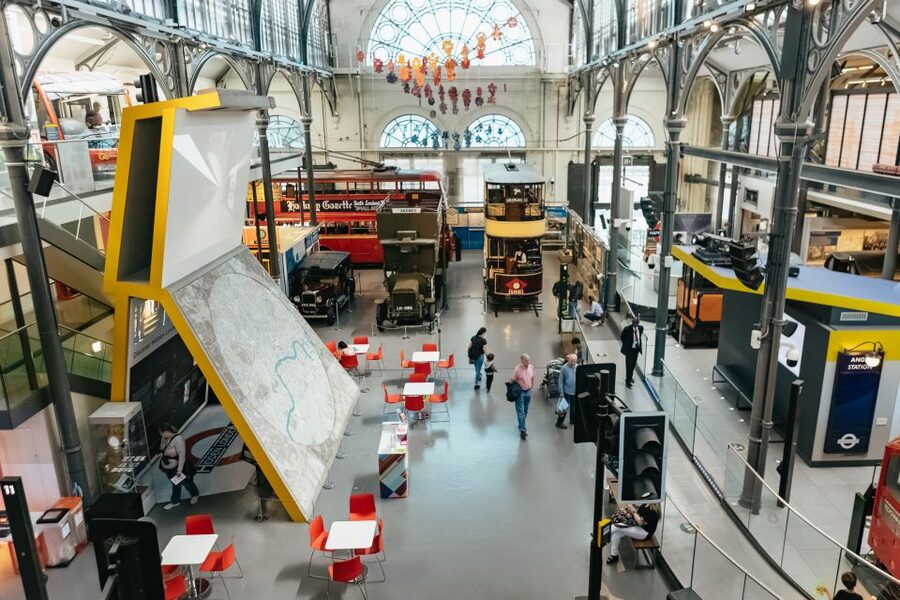
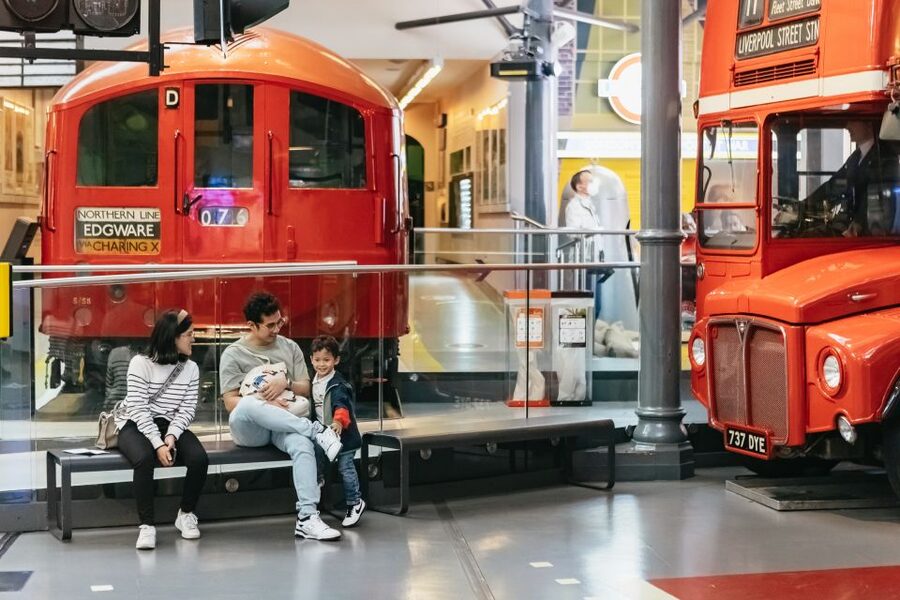
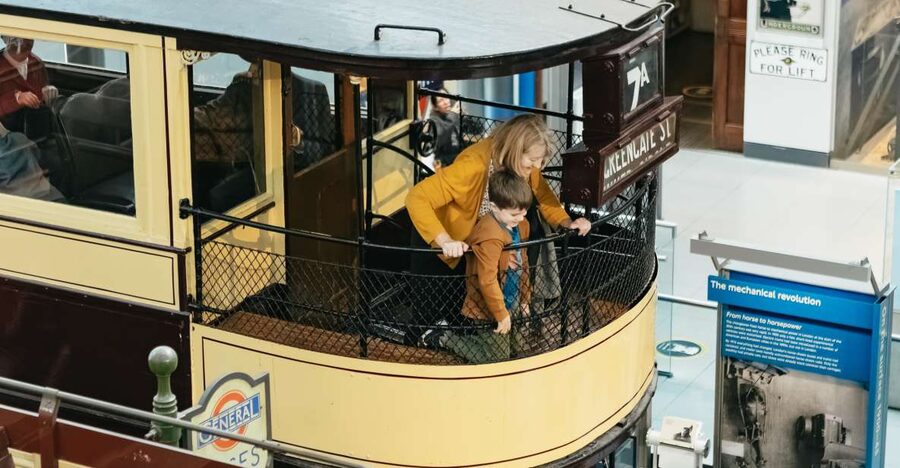
Large historic vehicles give the museum much of its visual appeal. The collection includes buses, trams, trains, and other examples of London transport from different periods.
The vehicles are presented as part of a developing story rather than simply lined up for inspection. You can compare the shapes, materials, and design choices of different eras. The displays help you see how transport changed from horse power to steam, electricity, and modern rail systems.
Families often find these vehicles the easiest place to begin. Children can see the size of a real bus or train rather than just looking at photographs. Adults may enjoy the nostalgic side, especially if they remember older London buses or Tube trains from the 1940s, 1950s, or 1960s.
The collection also gives the museum a strong sense of place. These are not anonymous vehicles from a transport archive. They are tied to London’s streets and to the way people have moved through the capital for generations.
Do not expect every vehicle to function like a full ride. The appeal is in seeing the preserved machines and understanding their role. Interactive stations add activity, but this remains a museum visit rather than a theme-park attraction.
The Tube Map and the Power of London’s Design
One of the museum’s best themes is the creation of London transport’s famous visual identity. The bullseye Tube logo and the diagrammatic Tube map are more than attractive bits of design. They helped turn a complicated transport system into something people could understand quickly.
The Tube map is especially important because it does not try to show London exactly as it is geographically. It simplifies the city so you can find routes and connections without worrying about precise distances or bends in the tracks.
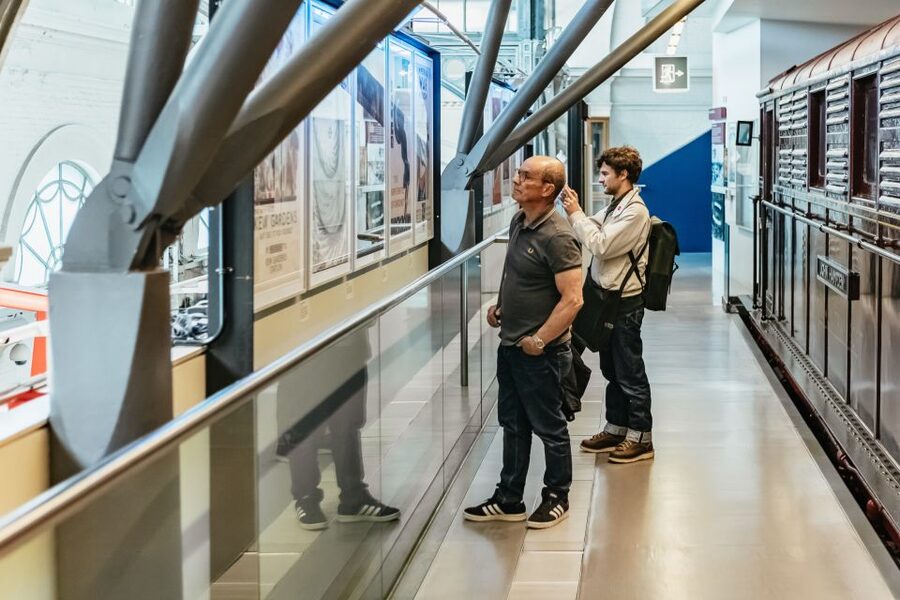
The museum explores how this clear visual language developed. You can see posters, signs, logos, maps, and other objects from the transport collection. Together, they show how London Transport became an internationally recognized brand.
I like this section because it adds a creative and social side to the engineering story. A railway needs trains and tunnels, but it also needs signs that people can read, maps they can trust, and a consistent style that makes the whole network feel connected.
This is also a good area for adults who may not be drawn to vehicle displays. If you enjoy typography, illustration, advertising, or urban design, you will find plenty to study here.
A few more options to weigh up in London
- London: The London Eye Entry Ticket
★ 4.6 · 35,875 reviews - From London: Harry Potter Warner Bros Studio Tour
★ 4.7 · 26,588 reviews - London: Westminster to Greenwich River Thames Cruise
★ 4.5 · 22,836 reviews - Magical London: Harry Potter Guided Walking Tour
★ 4.7 · 22,044 reviews
The Global Poster Gallery, Opened in 2023
The Global Poster Gallery is included with museum admission and adds a strong modern reason to visit. Opened in October 2023, it focuses on commercial poster art and design.
The gallery contains more than 100 poster artworks and posters. Its subject reaches beyond transport, although it connects naturally with London’s long tradition of using strong graphic design to communicate with the public.
The exhibition How to Make a Poster looks at the poster-making process and the creative decisions involved. It focuses on the pre-digital age from 1900, when posters depended on commissioning, illustration, lettering, printing, and physical production.
For you, the value is that the gallery turns something familiar into something worth examining. You may normally walk past a poster without thinking about its layout, colours, wording, or intended audience. Here, those choices become part of the story.
The gallery is also a useful change of pace. After looking at heavy vehicles and railway technology, you can shift to artwork and advertising. That variety helps keep the museum from feeling like one long display of buses and trains.
Future Engineers and the Elizabeth Line Simulator
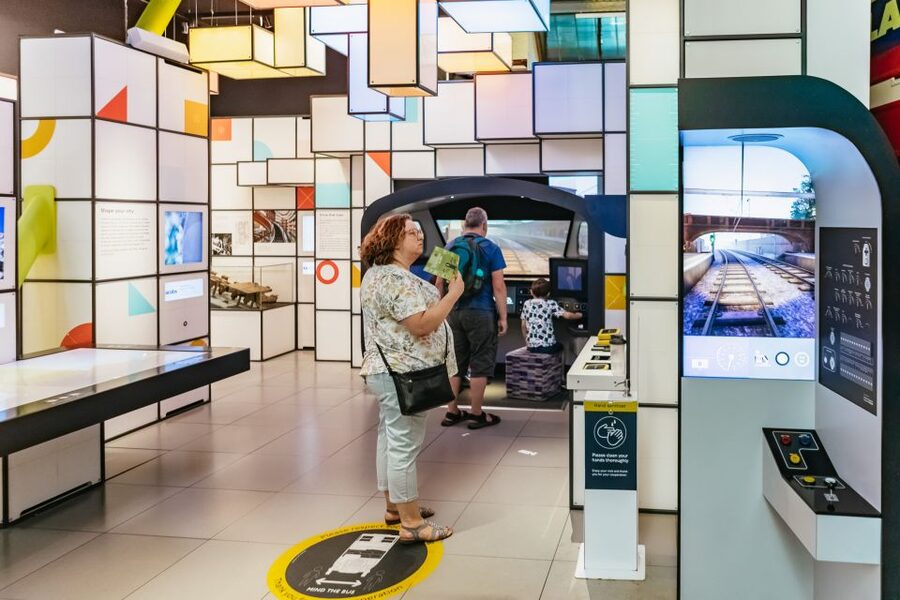
The Future Engineers area provides some of the museum’s most popular hands-on activities. One highlight is the simulation that lets you drive a modern Elizabeth line train.
This kind of exhibit gives you a feel for the decisions involved in operating a railway. It is not the same as driving a real train, of course, but it makes modern rail technology more approachable. Children can take the controls, while adults can enjoy seeing how a contemporary system is presented.
Other interactive activities include train-related controls, railway track switches, and a brake pad change. These stations connect simple actions with the work required to keep a transport network running.
The museum has also had other interactive features over time, and some activities may change. If a particular exhibit is important to your family, check what is operating when you arrive.
This area is one reason the museum works so well for children. They are not asked to stand quietly in front of long text panels. They can make choices, operate equipment, and see how transport systems respond.
A Good Family Museum, With One Important Warning

I would recommend this museum most strongly for families with children from toddler age through the early teens. There are play areas, interactive exhibits, puzzles, and activities aimed at different ages.
Small children have spaces where they can play rather than simply follow adults from case to case. Older children can spend more time with the train simulator, railway controls, maps, and engineering displays.
The museum also works for a mixed-age group. A family group ranging from toddlers to older adults can find different reasons to enjoy the same visit. Grandparents may appreciate the older buses and the chance to revisit earlier decades, while children focus on the controls and play equipment.
The warning is sound. The museum can become loud, especially when many children are using the interactive areas. If you prefer a quieter museum visit, choose a weekday or arrive early. Saturday mornings can be busy but well organized, and mornings may offer a better chance to move through the displays comfortably.
Do not mistake the family focus for a lack of adult content. There is plenty to read and study. Just expect an active atmosphere rather than a silent gallery.
How Long to Spend Inside
You can see the main sections in about one to one and a half hours if you keep moving. That approach works if you are fitting the museum between other Covent Garden plans.
I would allow two to three hours for a comfortable visit. This gives you time for the historic vehicles, underground railway displays, Tube design, poster gallery, and several interactive activities.
If you read the information carefully and have children who want to use every control, three to four hours is realistic. The museum has enough variety to support a longer stay, particularly if you are interested in both transport history and graphic design.
A one-day ticket gives you flexibility. You do not need to force the entire visit into a short window, and the museum closes at 6:00 PM, with last entry at 5:00 PM. Since the ticket is valid for the day, you may be able to plan around lunch or other central London activities, but check the current entry arrangements before leaving the building.
Is the $33 Ticket Good Value?
At $33 per person, this is not a cheap quick stop. The price makes the most sense when you plan to spend at least two hours inside and use the interactive sections.
For a family, the value improves because the museum offers activities for several ages in one place. You are not paying only for a display of old vehicles. You are also getting access to temporary exhibitions, the Global Poster Gallery, hands-on engineering stations, and a broad collection covering buses, trams, trains, maps, and posters.
The ticket is less attractive if you have only 45 minutes available. In that case, you may see the major vehicles but miss the slower parts of the museum, including the poster gallery and the design story.
Ask at the museum about the current possibility of upgrading a day ticket to an annual pass. Some ticket holders have found this useful, especially when visiting with children who want to return as new activities appear. The exact terms can change, so confirm before paying for an upgrade.
Free cancellation up to 24 hours before the visit and the reserve-now, pay-later option make the booking less rigid. Those features are helpful if your London schedule may change.
Access, Bags, and Practical Planning
The museum is wheelchair accessible. Stroller and buggy parking is available, which is useful because the interactive sections can be awkward to navigate with a large pushchair.
Large bags and luggage are not allowed. Do not arrive with your main suitcase or a large shopping bag and expect to carry it through the museum. Plan your luggage storage before you go.
The meeting point is simply the London Transport Museum itself in Covent Garden. You do not need to meet a guide or join a separate walking group.
The booking information lists a one-day duration, but it does not provide fixed starting times. Check availability for the date you want, then plan your arrival around the 5:00 PM last entry.
If you want the calmest experience, go early and avoid weekends or school holidays when possible. If you are bringing children, busy periods may provide more energy and more children to play alongside, but the sound level can rise quickly.
Who Should Book This Museum Ticket?
I would choose this museum for families, transport enthusiasts, design fans, and anyone who wants more context for London’s Tube system. It is also a good indoor choice when you are already in Covent Garden.
You do not need a special interest in railways to enjoy it. The museum connects transport with London’s growth, public life, design, and memory. That gives you more to take away than a simple collection of old vehicles.
Couples and solo visitors can enjoy it too, particularly if they like posters, maps, engineering, or social history. Just consider visiting outside the busiest family periods if you want time to read in peace.
I would skip it only if you have very little time in London, dislike interactive family museums, or are looking for a quiet art gallery. For most other visitors, the combination of original vehicles, strong design, and hands-on exhibits makes the admission worthwhile.
FAQ
Where is the London Transport Museum?
The museum is in Covent Garden, in central London, South East England.
How long does a visit take?
A quick visit can take about one to one and a half hours. If you want to examine the displays and use the interactive exhibits, allow three to four hours.
What are the museum’s opening times?
Last entry is at 5:00 PM daily, and the museum closes at 6:00 PM.
Is the museum suitable for children?
Yes. It includes play areas, interactive exhibits, puzzles, and hands-on activities for a range of ages.
Is the London Transport Museum wheelchair accessible?
Yes, the museum is wheelchair accessible. Stroller and buggy parking is also available.
Can I bring luggage or a large bag?
No. Luggage and large bags are not allowed inside the museum.
Should You Book the London Transport Museum?
Book it if you want an activity that combines London history, engineering, design, and family play in one central location. The strongest reasons are the first underground railway exhibits, the Elizabeth line simulator, and the included Global Poster Gallery.
For the best value, arrive early, plan to stay at least two hours, and avoid carrying large luggage. If you are visiting with children, expect some noise, but also expect plenty to keep them busy. For a short, quiet museum stop, choose somewhere else. For a practical and entertaining explanation of how London became the city it is today, this ticket earns its place in your itinerary.
Just added in London
- The Best of British Cooking Class & Dining Experience★ 5.0 · 1 review
- London: Live Comedy Show at Big Belly Bar and Comedy Club★ 4.5 · 80 reviews
- London: British Museum Highlights Guided Small Group Tour★ 4.9 · 113 reviews
- The Beatles London Walking Tour★ 4.2 · 147 reviews
- The Best Highlights of London Walking Tour & Boat Cruise★ 5.0 · 1 review
- The Authentic Walking Tour with Indian Tasting Meal★ 4.8 · 4 reviews
- Iconic London: Bard, Beatles, Bond & Baker Street★ 4.9 · 15 reviews
- London: Tate Britain Official Discovery Tour★ 4.7 · 7 reviews
Museums, compared.

Liverpool Football Club Museum and Stadium Tour
Read our review →
Chelsea Football Club Stadium and Museum Tour
Read our review →




British Museum Audio Tour & Priority Entrance Ticket
Read our review →Other lists this tour turns up in