
REVIEW · WHISKY & DISTILLERY TOURS
Northumberland: Ad Gefrin Anglo-Saxon Museum & Distillery
Northumbria’s past meets its whisky future. Ad Gefrin brings a 7th-century royal court back to life in Wooler, then follows local barley through England’s northernmost distillery. I especially like the carefully presented Great Hall, with its historical projections, and the chance to pair museum time with a guided distillery tour and tasting. The main drawback is that the café service may be slow, and the museum visit alone may not justify the full $33 price if you do not drink whisky or gin.
The experience works best when you give it time rather than treating it as a quick museum stop. You can explore the museum at your own pace, add a 90-minute guided distillery visit, eat at the bistro, and browse the shop before leaving. Children under eight can visit the Great Hall and Museum but cannot join the distillery tour.
In This Review
- Key points before you book
- Why Ad Gefrin works as a Northumberland stop
- Inside the Great Hall and Museum
- The 90-minute distillery tour
- Whisky, gin, and the tasting experience
- Food, drinks, and the Wooler setting
- The shop and what to expect from it
- Is the $33 price good value?
- Access, clothing, and practical planning
- Who should book Ad Gefrin?
- Should you book Ad Gefrin?
- FAQ
- Is entry to the Ad Gefrin Museum free?
- What does the full experience include?
- How long is the distillery tour?
- Can children visit Ad Gefrin?
- What should I wear?
- Is Ad Gefrin wheelchair accessible?
- Are dogs allowed?
- Is food available at Ad Gefrin?
Key points before you book
- The Great Hall recreates Northumbria’s 7th-century royal court with projections and storytelling focused on the people who lived there.
- Museum entry is currently free, so the paid experience offers its strongest value when you include the distillery tour and tasting.
- The distillery tour lasts 90 minutes and follows locally grown barley through production, the cask store, and a multi-sensory tasting.
- A small group setting makes questions easier, with the experience listed as limited to two participants.
- The bistro and terrace extend the visit, offering seasonal food, drinks, indoor seating, and outdoor tables.
- Bring warm clothing and sensible shoes, since part of the distillery tour goes outside and high heels are not allowed.
Why Ad Gefrin works as a Northumberland stop
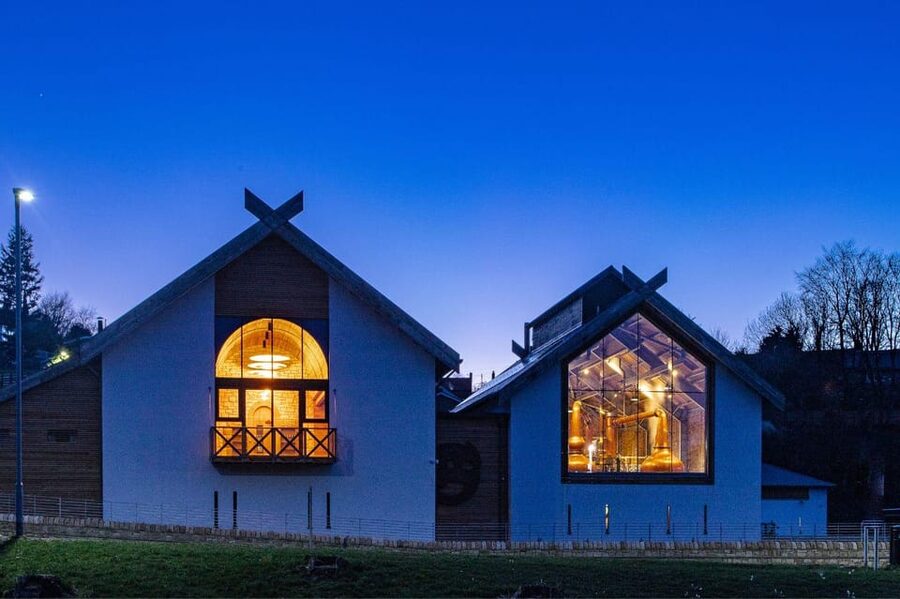
Ad Gefrin sits beside the A697 as it passes through Wooler, making it an easy place to combine local history, food, and drink in one stop. You are not visiting only a museum or only a distillery. The appeal comes from seeing how Northumbria’s older identity is presented alongside a new regional spirit brand.
The name Ad Gefrin refers to an important Anglo-Saxon royal site connected with Northumbria’s Golden Age. The attraction presents that period through a recreated Great Hall, historical projections, artifacts, and stories about the court and its community. Then the focus shifts to barley, fermentation, barrels, and tasting glasses.
I like that the visit does not treat history as something locked behind glass. The building is designed as a place for food, conversation, shopping, and drinks too. That makes it more welcoming for mixed groups, especially if one person wants the museum while another is more interested in whisky.
The experience is not a full-day guided tour in the usual sense. The booking information lists a one-day duration because you can choose your starting time and spend extra time at the bistro, terrace, or shop. The actual guided distillery portion is 90 minutes, while the museum tour is self-guided and untimed.
More Whisky Tours in Britain:
- From Edinburgh: Scottish Highlands Tour with Whisky Tasting
★ 4.8 · 628 reviews - Edinburgh: Loch Ness, Scenic Walk, Glencoe & Whisky Day Tour
★ 4.9 · 393 reviews - Edinburgh: Ultimate Whisky Experience
★ 4.8 · 305 reviews
Inside the Great Hall and Museum
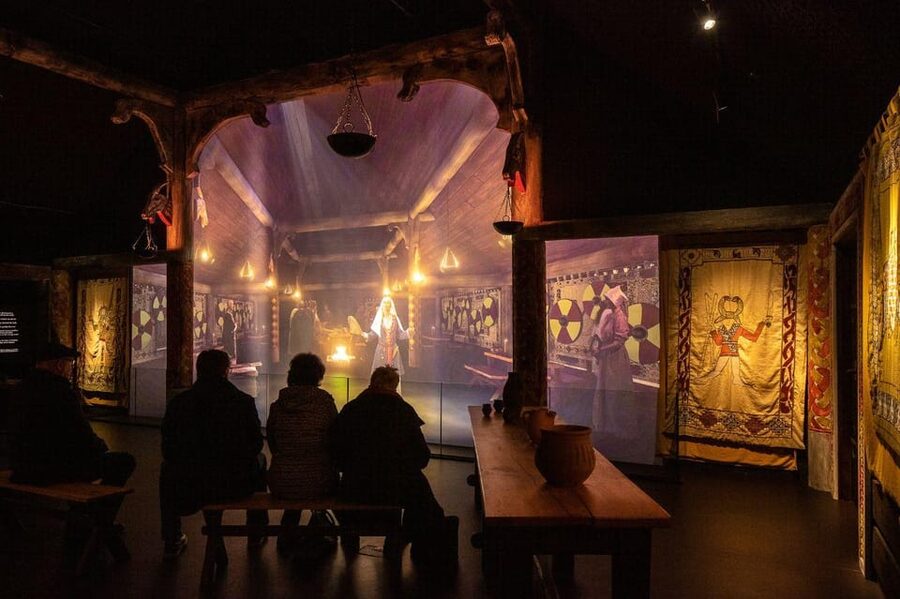
Start with the Great Hall. This is the emotional center of the visit, recreating the setting of a 7th-century Northumbrian royal court. Historical projections help tell the story, giving the room movement and atmosphere instead of leaving you with a quiet display of objects and labels.
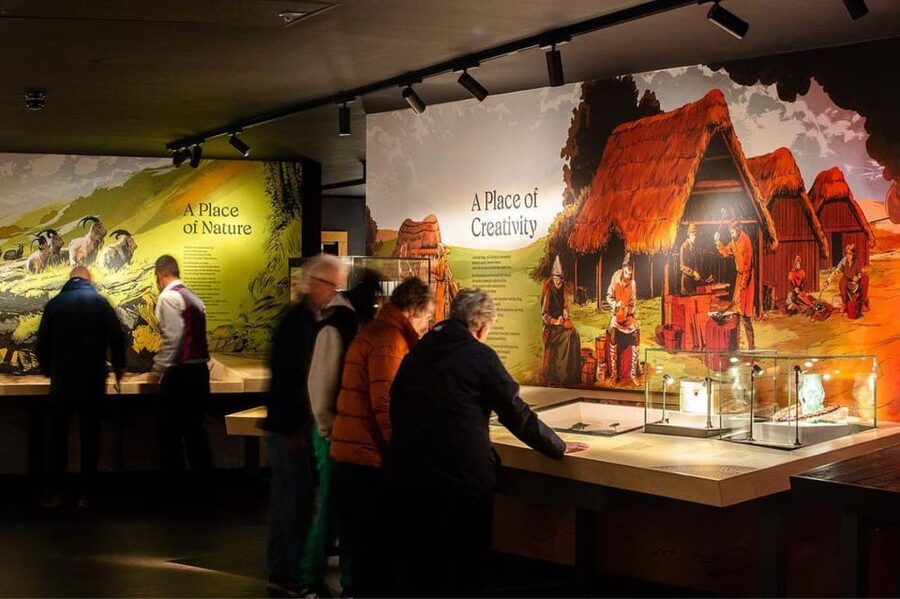
The presentation focuses on the kings and queens of Northumbria, along with the people who supported court life. You can expect the museum to explore creativity, craftsmanship, and culture during Northumbria’s Golden Age. The emphasis is not only on rulers. It also considers the skills and daily work that made the court possible.
A recent assessment praised the building and the way the historical projections were presented. That praise is deservedly important because presentation matters here. Anglo-Saxon material can feel remote if it is reduced to dates and names. A re-created hall gives the period a physical setting, while the projections help explain why the objects matter.
The museum portion is self-guided, so you can move at your own pace. That suits visitors who like to read every panel, pause over objects, or take the experience slowly. It also means you should not expect a guide to explain every part of the museum unless you join another arranged talk.
The artifacts are described as some of the finest examples of Northumbrian creativity and craftsmanship. They offer a chance to look beyond the usual image of the Anglo-Saxon period as only battles and royal politics. The attraction connects the objects with artistic skill, cultural life, and the people who made and used them.
For families, the museum is the more flexible part of the visit. Children under eight are welcome in the Great Hall and Museum, even though they cannot join the distillery tour. That makes it possible for families to see the historical displays together, although the alcohol-focused part will need an adult-only plan.
The 90-minute distillery tour
The distillery tour changes the pace. Instead of moving through displays at your own speed, you join a small guided group for a closer look at how Ad Gefrin makes its spirits.
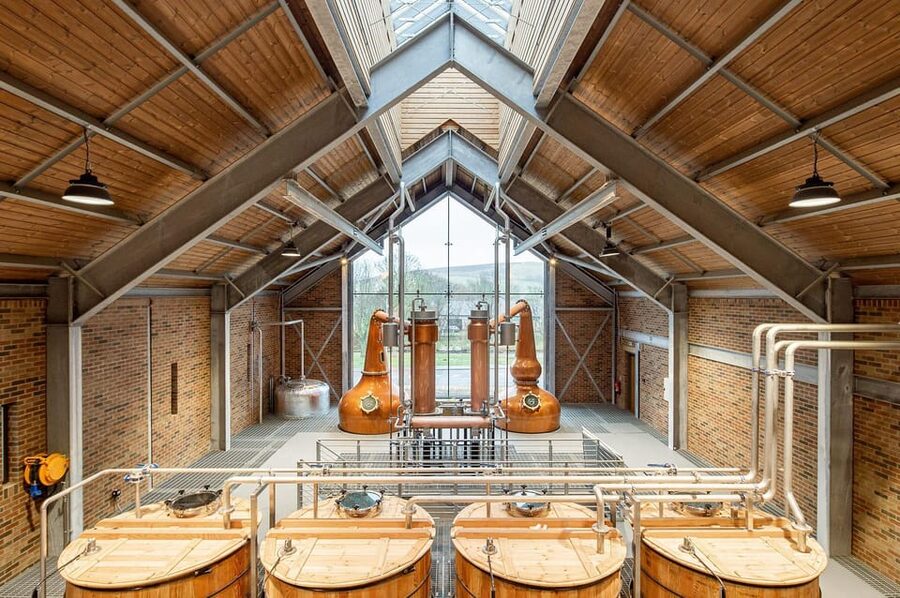
The route follows the journey from locally grown barley to whisky. You should expect the guide to explain the stages involved in turning grain into spirit, then show you the distillery and cask store. The attraction describes this as a barley to barrel experience, which gives the tour a clear local angle.
The use of Northumbrian barley is more than a marketing detail. It ties the modern distillery to the area around Wooler and gives the tour a sense of place. You are not simply looking at a generic whisky production line. You are being shown how a regional product is being developed in northern England.
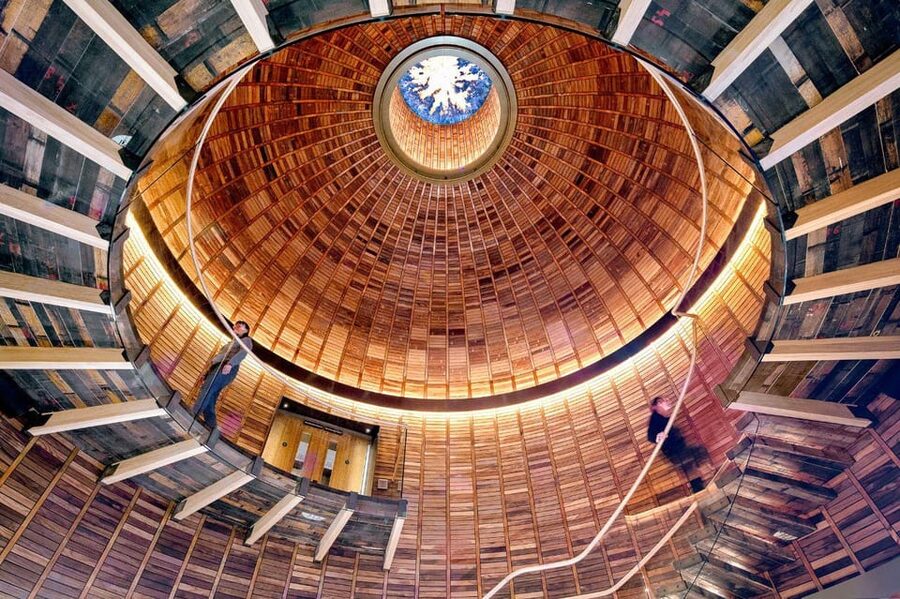
The cask store is another useful part of the route. Whisky gains much of its character during maturation, so seeing the barrels helps explain why the finished drink cannot be judged only by the distilling process. The cask store also gives the visit a more hands-on feel than a simple tasting-room presentation.
The tour is guided in English. A previous visit report praised the guide’s ability to answer questions, so this is a good setting for asking about barley, barrels, whisky production, or the relationship between the museum and the distillery. The small group format should make that exchange easier than it would be on a large coach excursion.
One practical warning matters here: part of the tour requires you to go outside temporarily. Bring warm clothing in winter and wear comfortable shoes. High heels are not permitted, and sensible footwear is required. This is not the place for dress shoes chosen only for appearance.
Children under eight cannot take part in the distillery tour. The restriction makes sense for an operating production area, but it affects how families plan the visit. Adults may need to split up, or simply visit the Great Hall and Museum without booking the distillery portion.
Whisky, gin, and the tasting experience
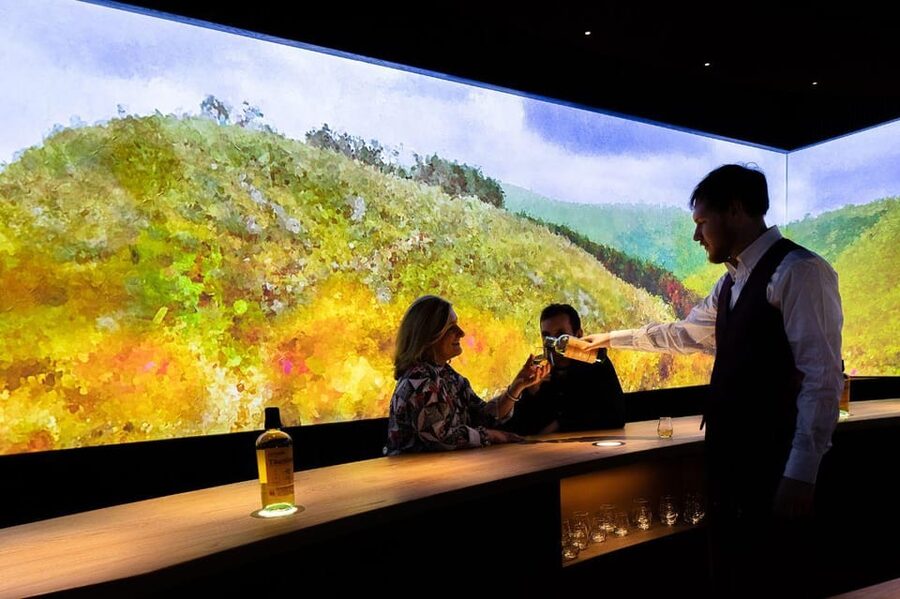
The tasting is designed as a multi-sensory part of the visit, featuring Ad Gefrin whisky and gin. That suggests more than simply being handed a glass. The tasting is meant to connect aroma, flavor, and the production story you have just heard.
For whisky enthusiasts, the tasting adds the clearest reason to pay for the full option. You have already seen the barley, distillery, and casks. Tasting the spirits afterward gives those details a practical purpose.
The whisky is described as the first Northumbrian English Single Malt Whisky. That is a significant regional claim and gives the tasting a local identity. You are not only sampling a drink; you are seeing a new product being made in a part of England better known for castles, coast, and countryside.
Gin drinkers are not left out. The tasting includes Ad Gefrin gin as well as whisky, making the experience more suitable for couples or friends with different tastes. If you do not usually drink whisky, the gin may make the tasting more approachable.
The exact tasting lineup is not specified, so do not book expecting a particular number of pours or named expressions. The sensible approach is to view it as a guided introduction to the Ad Gefrin range, with the distillery process providing the context.
More Museum Tours in Britain:
- Liverpool: Liverpool Football Club Museum and Stadium Tour
★ 4.8 · 10,764 reviews - London: Chelsea Football Club Stadium and Museum Tour
★ 4.8 · 4,576 reviews - London Transport Museum Entrance Ticket
★ 4.5 · 1,323 reviews - Manchester: National Football Museum Admission Ticket
★ 4.4 · 1,243 reviews
Food, drinks, and the Wooler setting

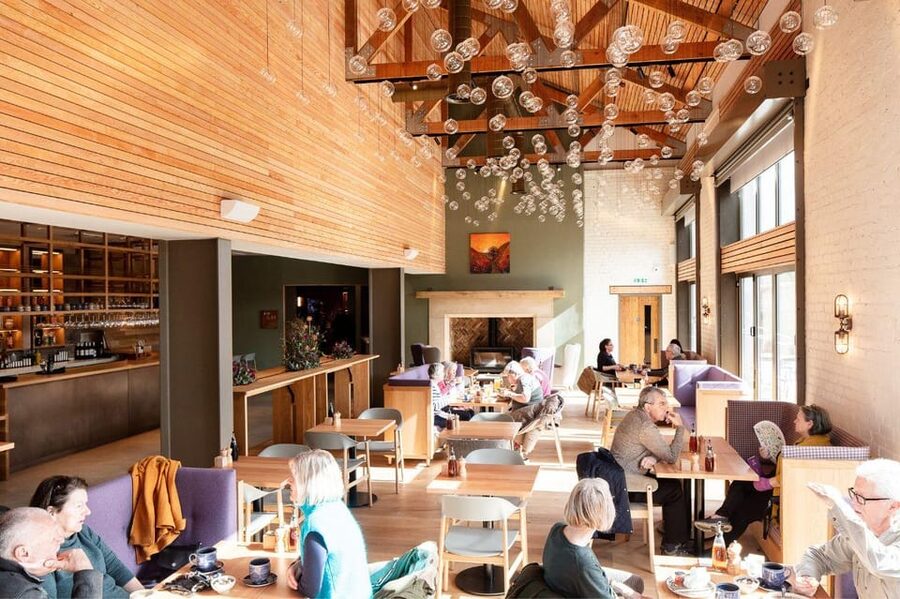
After the museum and distillery, you can continue at the bistro. The menu changes with the seasons and presents familiar Northumberland dishes in new ways. This is a useful part of the experience because it lets you turn a museum visit into a proper meal stop rather than rushing back onto the road.
The bistro offers indoor seating and an outdoor terrace with at-table service. You can also finish with a drink on the terrace or by the fire. Dogs and their owners are welcome in the outdoor areas, including the bistro patio, which gives dog owners a practical reason to linger outside.
Reservations and walk-ins are available for the bistro, but table service may not be quick. A recent assessment specifically noted slow café service. I would allow extra time if you have another appointment, a long drive, or a fixed dinner booking elsewhere.
The food is part of the attraction’s wider idea of Northumbrian hospitality. You can visit for the history, stay for the distillery, and finish with lunch or a drink. That layered format gives Ad Gefrin more value than a museum with a small snack counter.
You can choose from coffee, tea, beer, wine, cocktails, aperitifs, and spirits. The range makes the bistro useful for non-drinkers and for groups whose interests do not all center on whisky.
The shop and what to expect from it
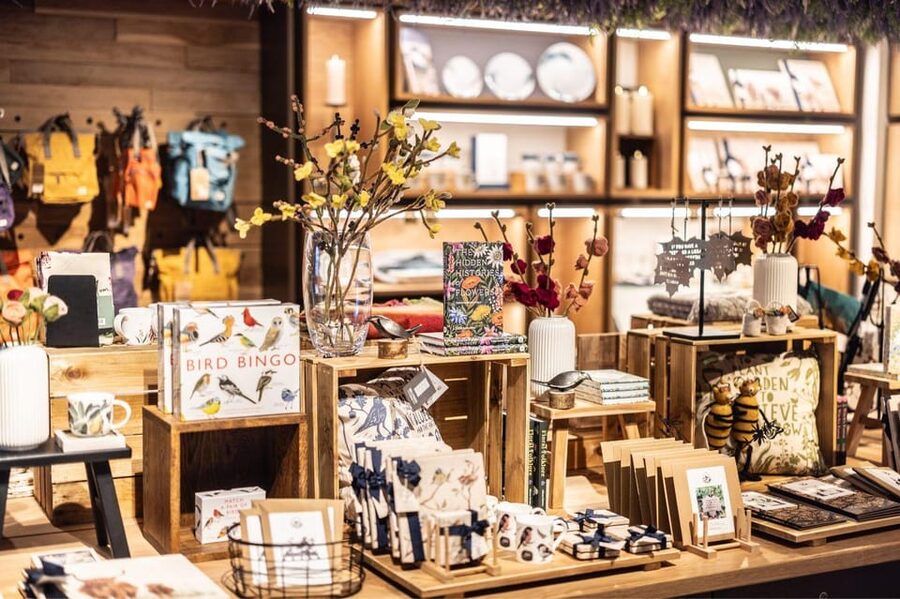
The shop sells Ad Gefrin spirits along with giftware from Northumbrian designer makers and handmade items from further afield. A bottle of whisky is the obvious souvenir, but it is not the only option.
The shop is worth saving until the end. By then, you will have a better sense of whether the whisky or gin fits your taste, and you can choose a bottle with more confidence. If you are flying or traveling light, check your own transport restrictions before buying alcohol.
One area could use more attention: the gift selection does not appear to be strongly focused on Anglo-Saxon-inspired souvenirs. If you want a historical keepsake linked directly to the Great Hall, you may find fewer choices than expected. The shop seems better suited to spirits, contemporary Northumbrian design, and general handmade gifts.
Is the $33 price good value?
At about $33 per person, the value depends on which part of Ad Gefrin you plan to use. Museum entry is currently free, so the price makes the most sense when it includes the guided distillery tour, cask store visit, and multi-sensory tasting.
If you are mainly interested in Anglo-Saxon history, you can visit the Great Hall and Museum without paying for the full distillery package. That is a strong advantage for budget-conscious visitors, families, and anyone who does not drink alcohol.
If you enjoy whisky, gin, food, or regional producers, the paid option is easier to justify. You are getting a 90-minute guided tour, a tasting, and access to a modern production site tied to Northumbrian ingredients. The small group setting also adds value because you have a better chance to ask direct questions.
Check which option you are booking. One choice includes Great Hall and Museum entry with an untimed self-guided tour. The other adds the small-group distillery tour, cask store, and tasting. Since the museum is currently free, do not assume both choices offer the same value.
I would plan for at least several hours if you want to see the museum, take the distillery tour, eat, and shop. The official duration is listed as one day, but the guided portion itself lasts 90 minutes. Your total time depends on how long you spend in the museum and whether you stop for food or drinks.
Access, clothing, and practical planning
The attraction is fully wheelchair accessible, and spoken tours can be arranged in advance. English is the tour language. If you need a spoken tour or other assistance, arrange it before arriving rather than relying on a last-minute request.
Wear comfortable shoes for the museum and sensible shoes for the distillery. Warm clothing is important in winter because the tour includes a temporary outdoor section. High heels are not allowed.
The activity is listed as a small-group experience limited to two participants. That is a particularly good fit if you prefer a quieter visit and want room for questions. Because group limits and starting times can affect availability, check the date and time that suit you before making other plans.
Free cancellation up to 24 hours before the visit and reserve-now, pay-later booking make the experience easier to fit into a changeable Northumberland itinerary. These terms are useful, but the main decision is still the ticket type. Choose the museum-only visit if history is your priority, and the full package if the whisky-making process interests you.
Who should book Ad Gefrin?
I would recommend Ad Gefrin to visitors who want something beyond castles and scenic drives. It gives you a focused look at Northumbrian culture, then connects that past with a current local business.
It suits whisky and gin drinkers, food-minded visitors, couples, small groups, and anyone who enjoys seeing how regional products are made. The Great Hall also gives history lovers a reason to visit even if they skip the tasting.
Families should plan carefully. Children under eight may enter the museum but cannot join the distillery tour. Older children can visit the museum, but the tasting and production areas are still primarily adult interests.
The attraction may be less satisfying if you want a large collection of Anglo-Saxon objects, a long guided history tour, or a heavily themed gift shop. The museum is presented through a recreated court and projections, while the distillery portion carries much of the paid experience.
Should you book Ad Gefrin?
Book it if you want a compact Northumberland experience that combines Anglo-Saxon culture, local food, and English whisky. The Great Hall is the strongest historical feature, and the guided distillery visit gives the day a clear second act.
For the best value, choose the option with the 90-minute distillery tour and tasting. If you only want the museum, take advantage of the current free entry and spend your money on lunch, a drink, or a bottle from the shop instead.
Allow time for the bistro, expect service to move at a relaxed pace, and bring warm clothes and flat shoes. With those details in mind, Ad Gefrin makes a thoughtful stop in Wooler, especially for visitors who like history with a drink at the end.
FAQ
Is entry to the Ad Gefrin Museum free?
The museum is currently free entry. Paid options may add the guided distillery tour, cask store visit, and multi-sensory tasting, so check the option you select.
What does the full experience include?
The full option includes entry to the Great Hall and Museum, a self-guided museum tour, a small-group guided 90-minute distillery tour, a visit to the cask store, and a multi-sensory tasting of Ad Gefrin whisky and gin.
How long is the distillery tour?
The guided distillery tour lasts 90 minutes. The museum tour is self-guided and untimed, so your total visit can be longer.
Can children visit Ad Gefrin?
Children under eight are welcome in the Great Hall and Museum but are not permitted on the distillery tour. The distillery experience is not suitable for children under eight.
What should I wear?
Wear comfortable, sensible shoes and warm clothing, especially in winter. Part of the distillery tour takes place outside temporarily, and high-heeled shoes are not allowed.
Is Ad Gefrin wheelchair accessible?
Yes. The experience is fully accessible, and spoken tours can be arranged in advance.
Are dogs allowed?
Dogs and their owners are welcome in the outdoor areas, including the bistro patio.
Is food available at Ad Gefrin?
Yes. The bistro offers a seasonal menu with indoor and outdoor terrace seating and at-table service. Reservations and walk-ins are available.
Just added in Britain
- Chester: The Dead Good Ghost Walking Tour★ 4.3 · 9 reviews
- The Best of British Cooking Class & Dining Experience★ 5.0 · 1 review
- London: Live Comedy Show at Big Belly Bar and Comedy Club★ 4.5 · 80 reviews
- London: British Museum Highlights Guided Small Group Tour★ 4.9 · 113 reviews
- The Beatles London Walking Tour★ 4.2 · 147 reviews
- The Best Highlights of London Walking Tour & Boat Cruise★ 5.0 · 1 review
- From Edinburgh: Best of Scotland Small-Group Day Tour★ 4.7 · 61 reviews
- The Authentic Walking Tour with Indian Tasting Meal★ 4.8 · 4 reviews
Whisky & Distillery Tours, compared.

Loch Ness, Scenic Walk, Glencoe & Whisky Day Tour
Read our review →



Other lists this tour turns up in