
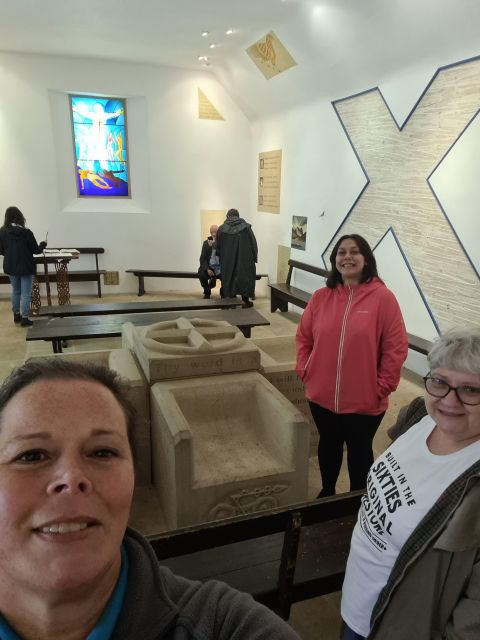
REVIEW · HISTORICAL TOURS
Aberdeen’s Ancient Heritage and Folklore Tour
Ancient Scotland is hiding in plain sight. This full-day outing from Aberdeen connects hillforts, Pictish carvings, stone circles, medieval ruins, and old local stories in one carefully packed route through Aberdeenshire. You travel by van with no more than seven people, so the day feels far more personal than a large coach excursion.
I like the way the tour joins Pictish culture with older prehistoric sites, rather than treating each monument as an isolated stop. I also like the guide-led storytelling, especially the explanations of carved symbols and the tales that helped past generations make sense of their world. The main drawback is the walking: grassy ground, rough paths, and steep hill sections make this a poor fit for anyone with limited mobility or low fitness.
The guide, Jacqueline, receives especially strong praise for her clear explanations, flexible approach, and careful driving. The experience costs $134 per person and lasts 7.5 hours. That is a fair price if you want several distant sites in one day without arranging a car, though you will need to buy your own lunch and bring outdoor gear.
In This Review
- Key points at a glance
- Why this day makes sense for history lovers
- Meeting beside William Wallace in Aberdeen
- Barra Hill Fort and the shape of early settlement
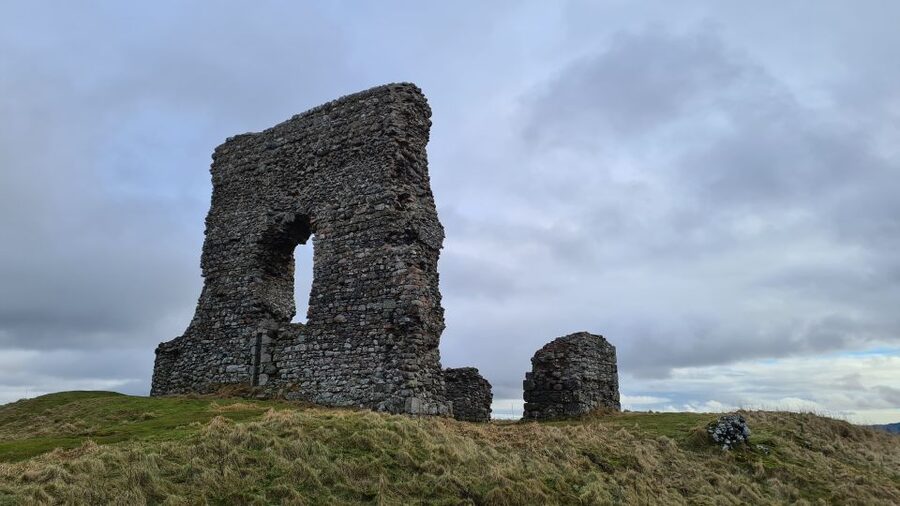
- Dunnideer Castle and an older hillfort beneath it
- Rhynie and the Pictish heart of the route
- Lunch at Kildrummy keeps the day grounded
- Tomnaverie Stone Circle and the view from the hill
- What makes the stone and symbol stops valuable
- The guide can make or break a day like this
- How difficult is the walking?
- Is $134 good value?
- Who should book this tour?
- Should you book Aberdeen’s Ancient Heritage and Folklore Tour?
- FAQ
- Where does the tour begin?
- How long does the tour last?
- How many people are in the group?
- What language is the tour conducted in?
- Is lunch included?
- Do I need to pay extra entry fees?
- Is the tour suitable for people with mobility impairments?
Key points at a glance
- Barra Hill Fort begins the story with earthworks and high ground where early communities lived and worked.
- Rhynie gives the strongest Pictish focus, including carved stones, the Crawstane, and the huge Tap O’Noth hillfort nearby.
- Tomnaverie Stone Circle offers broad views along with a close look at a monument more than 4,000 years old.
- The group is limited to seven people, making it easier to ask questions and hear folklore without shouting across a coach.
- The route mixes many periods, from prehistoric stone circles to Pictish symbols and the medieval ruins of Dunnideer Castle.
- Good footwear is essential, since several walks use grass, unpaved paths, and sloping ground.
Why this day makes sense for history lovers
Aberdeenshire can be awkward to explore without your own transport. Ancient sites are spread across the countryside, and public transport will not easily link a hillfort near Barra, Pictish stones around Rhynie, and a stone circle near Inverurie in a single day.
This tour solves that problem with a van and a local guide. The driving stretches are part of the experience, too. You move through the northeast of Scotland while the guide supplies the connections between places that can otherwise seem unrelated.
The central theme is the Picts, the people who settled much of this area in the early medieval period. Their written records are limited, so carved stones, settlement remains, church sites, and later historical accounts matter greatly. You will not get a simple textbook story. Instead, you will see the physical clues and hear how scholars interpret them.
Folklore adds another layer. Stories passed down through generations helped explain strange stones, ancient mounds, kings, battles, and sacred places. The appeal is not just learning dates. It is seeing how people gave meaning to the ground beneath their feet.
More History Tours in Scotland
- St Andrews: Golf Origins and Old Course History Tour
★ 4.7 · 322 reviews - St Andrews: Town, Golf, and Old Course History Tour
★ 4.7 · 162 reviews - Historic Orkney Private Odyssey Tour By a Native Islander
★ 5.0 · 42 reviews
Meeting beside William Wallace in Aberdeen
The day begins next to the William Wallace statue by Union Terrace Gardens on Rosemount Viaduct. This is a practical central point, but arrive ready for an outdoor day rather than a city walk.
The first van ride lasts about 35 minutes. With such a small group, the guide can set the scene before you reach the first monument and answer questions as the route unfolds. The small group is one of the tour’s better features. Seven people is enough for conversation but small enough to keep the group moving at rural sites.
The vehicle also matters because the route covers a lot of ground. You are not simply visiting one nearby attraction and returning. The day includes several separate stops, with driving times ranging from 15 to 55 minutes.
Barra Hill Fort and the shape of early settlement
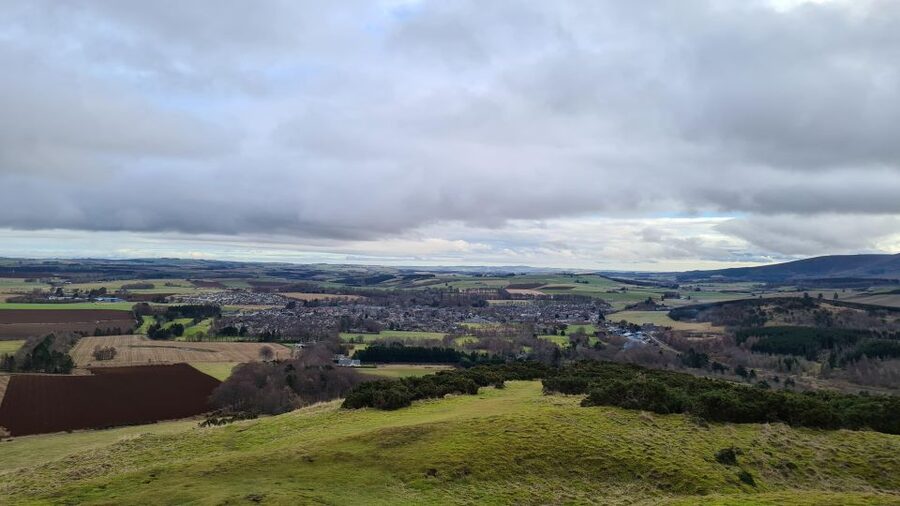
Your first substantial stop is Barra Hill Fort, reached after the initial drive. You spend about an hour walking along the earthworks and foundations.
Hillforts were built on higher ground and often enclosed by wooden or stone defenses. Inside, people lived and worked in early settlements. The remains here are mainly about reading the shape of the site rather than entering preserved buildings. The guide helps you imagine how an elevated community may have been arranged and why high ground mattered.
This stop is useful because it starts with the basics. Before looking at Pictish symbols or medieval castles, you get a sense of how early communities used terrain. The rise of the hill, the earthworks, and the open views provide the setting for the rest of the day.
There is a practical catch. The walk crosses fields and off-road paths, and the ground can be uneven. Wear proper hiking shoes, not smooth-soled trainers. If the weather turns wet, grassy sections can become slippery.
Dunnideer Castle and an older hillfort beneath it
After another 35 minutes in the van, you reach the Insch area for a short stop of about 20 minutes. The walk up the low hill gives you a view of Dunnideer Castle, a tower house built around 1260.
The castle used part of an existing vitrified hillfort. That detail makes the stop especially interesting. Medieval builders were not working on an untouched hill. They were reusing a place that already carried a much older human story.
Nearby are the remaining stones of Dunnideer Stone Circle. The stop is brief, so think of it as a focused photo opportunity and a chance to hear the connection between the castle, the hillfort, and the stone circle. You do not get a long free period here, but the compact visit keeps the full day moving.
For me, this is one of the best examples of how the tour layers time. A prehistoric monument, an early fortification, and a medieval tower occupy the same general area. Scotland often rewards you for looking beneath the most obvious ruin.
A different kind of day out entirely:
- Edinburgh: Loch Ness, Glencoe & the Scottish Highlands Tour
★ 4.6 · 17,446 reviews - From Edinburgh: Loch Ness, Glencoe & Scottish Highlands Tour
★ 4.7 · 11,381 reviews - Inverness: Isle of Skye and Eilean Donan Castle Day Trip
★ 4.8 · 4,136 reviews - Edinburgh: Glenfinnan Viaduct, Glencoe & Fort William
★ 4.8 · 3,366 reviews
Rhynie and the Pictish heart of the route
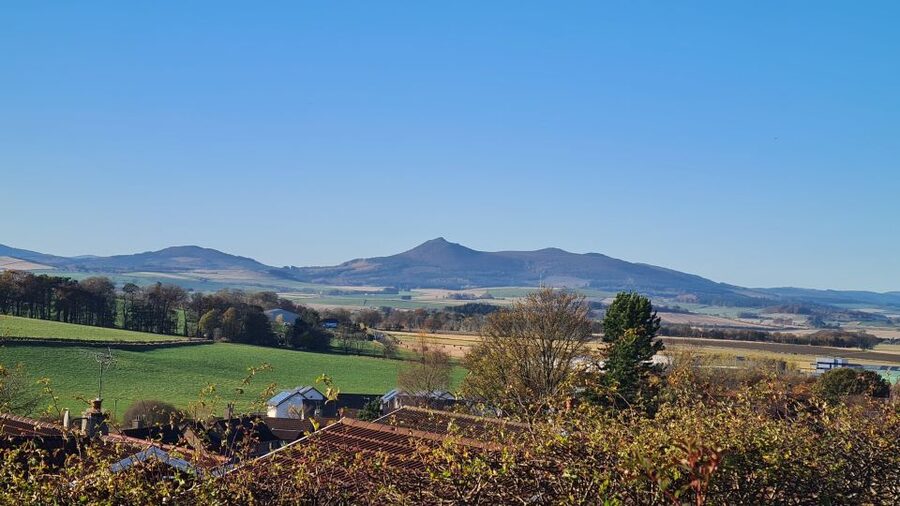
Rhynie receives about 40 minutes, including a walk and time to examine Pictish material. This is likely to be the most rewarding section if your main interest is early medieval Scotland.
The area around Rhynie was a Pictish stronghold. Nearby Tap O’Noth has Scotland’s largest hillfort, and researchers believe its settlement may once have held more than 5,000 people. You do not climb Tap O’Noth as part of the stated route, but knowing its scale helps you understand that this was not a minor rural outpost.
You will see a collection of Pictish carved stones and learn how to read some of their symbols. Pictish art can look mysterious at first, with animals, discs, crescents, and other forms that do not come with written explanations. A good guide does more than point at the carvings. You need someone who can explain what is known, what is debated, and why the symbols matter.
The Crawstane is another important stop. This lone standing stone once stood at the center of a settlement connected to Mediterranean trade and considerable wealth. That fact challenges the old image of ancient Scotland as isolated and poor. Trade, status, belief, and political power were all tied together here.
The guide also explains the rise of the King of Scots and the cultural changes that contributed to the decline of the Picts. That political shift gives the carvings a wider meaning. You are not just looking at old stonework. You are seeing evidence from a society that eventually lost its separate identity.
Jacqueline’s strength, according to the available feedback, is particularly clear at sites like this. She is praised for knowing the subject thoroughly, explaining the meaning of the stones, and adjusting the pace to suit the group. That flexibility matters because Pictish symbols can reward questions and patient observation.
Lunch at Kildrummy keeps the day grounded
The route pauses at Kildrummy for about 40 minutes and lunch. Food is not included, so bring money and be prepared to buy your own meal or refreshments.
This is a useful break after the morning’s walking and driving. Forty minutes is enough to eat and rest, but it is not a long leisurely lunch. I would keep your meal simple and avoid assuming you will have time for a drawn-out stop.
The break also divides the day neatly. The morning focuses heavily on early settlement and Pictish evidence. The afternoon shifts toward prehistoric monuments and wide countryside views.
Tomnaverie Stone Circle and the view from the hill
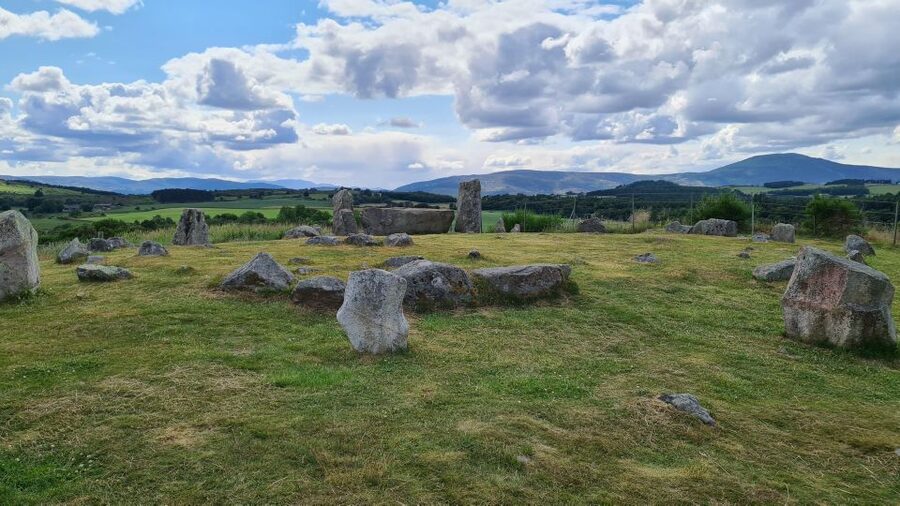
After lunch, a 15-minute drive brings you to Tomnaverie Stone Circle. You spend about 35 minutes here with time to walk, take photographs, and hear about the monument.
Tomnaverie is a recumbent stone circle dating back more than 4,000 years, from the late Neolithic or early Bronze Age. Its design includes a large reclining stone, two tall stones beside it, and a ring of smaller stones.
The arrangement is distinctive, and the setting adds plenty. The site has a broad panoramic view, which makes it a strong final monument before the long return drive. You get both the close detail of the stones and the larger sweep of the surrounding countryside.
Do not expect a polished museum experience. The interest comes from the stones, the setting, and the explanation. You need to walk over open ground, and the weather can change quickly. Keep your waterproof layer handy even if the morning begins brightly.
The route description also places several other heritage sites within the wider focus of the day, including Easter Aquhorthies, Loanhead of Daviot, the Bass at Inverurie, and the Dyce Symbol Stones. These sites help show the range of Aberdeenshire’s past. However, the timed route specifically names Tomnaverie as the afternoon stone-circle stop, so you should not assume every site in the wider description will be visited during your departure.
What makes the stone and symbol stops valuable
The monuments work best when you see them as evidence rather than scenery. A stone circle shows planning, labor, and ritual activity from thousands of years ago. A Pictish stone shows artistic choices and symbols from a later culture. A motte such as the Bass reveals how medieval power used an existing mound.
The Bass near Inverurie is a natural mound roughly 15 metres high, later shaped into a medieval motte in the 12th century by the Earls of Garioch. The adjoining Little Bass formed the bailey. Four Class I Pictish stones are sheltered in a glass case between the two mounds.
The Dyce Symbol Stones, near St. Fergus’ Chapel, offer another close look at Pictish carving. They date from around the sixth to eighth centuries and include symbols such as a mirror and comb, a double disc, a crescent, and animal figures.
These locations may be part of the wider heritage coverage rather than every timed stop on the day. Their importance is clear, though: they show how much variety exists within a relatively small part of northeast Scotland.
The guide can make or break a day like this
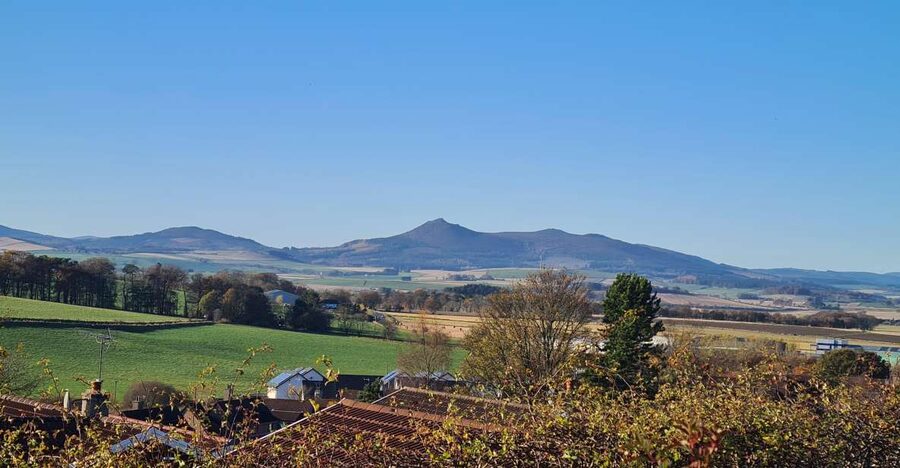
Ancient sites often come with few signs. Without explanation, a mound can look like an ordinary hill and a carved stone can seem like a puzzle with no answer.
That is why the guide matters so much here. Jacqueline is praised for her subject knowledge, warmth, adaptability, and driving. One particularly useful quality is her willingness to adjust to the group’s needs while still covering the main material.
The folklore element also depends on delivery. Facts about dates and construction are useful, but stories help you remember a place. The tour aims to explain the beliefs and tales that shaped local culture, not just point out ruins.
You should still ask questions. Small groups make that easy, and the subject has plenty of room for discussion. If you want a quiet ride or a fast checklist of photo stops, this may feel more talk-heavy than you prefer.
How difficult is the walking?
The tour involves a moderate amount of walking on unpaved paths, grassy ground, and sloping sections. Some hills are steep, and parts of the day require a moderate level of exertion.
You do not have to take part in every walk, and walking poles may be available on the day. You can also bring your own. Still, the experience is not suitable for people with mobility impairments or a low level of fitness.
Bring:
- Sturdy hiking shoes
- Comfortable outdoor clothing
- Water
- Weather protection suited to the forecast
- A packed snack if you want something between stops
The right footwear will improve the day more than almost any other preparation. Ancient monuments are rarely placed beside smooth pavements.
Is $134 good value?
At $134 per person, the tour is not a budget bus ride, but it offers a reasonable return for a seven-and-a-half-hour day. You get transport from central Aberdeen, a live English-speaking guide, a group limited to seven people, and no extra entry tickets at the listed stops.
The strongest value comes from the route itself. Hiring a car would require planning several rural locations, driving unfamiliar roads, and researching the meaning of each site. Here, the transport and interpretation are handled for you.
Food and drinks are extra, and the day includes plenty of driving. If you only want one stone circle or one castle, the price may feel high. If you want a connected look at Pictish, prehistoric, and medieval Aberdeenshire, it is easier to justify.
Free cancellation up to 24 hours before departure and the option to reserve now and pay later also make the booking less rigid. Check the available starting time before committing, since the departure schedule can vary.
Who should book this tour?
I would recommend it to anyone who enjoys archaeology, folklore, old carvings, and rural scenery but does not want to arrange a complicated self-drive day. It is especially good for first-time visitors to Aberdeenshire who want context as well as photographs.
It suits active adults and older children who can manage grassy paths and short hill walks. It is less suitable for anyone needing level access, frequent long rests, or a fully indoor experience.
You will get the most from it if you enjoy asking questions and looking closely. The reward is not a single spectacular building. It is the gradual realization that the same region contains traces of prehistoric ritual, Pictish power, medieval rule, Christian activity, and local storytelling.
Should you book Aberdeen’s Ancient Heritage and Folklore Tour?
Book it if you want a small, personal day focused on the oldest layers of Aberdeenshire. The combination of Barra Hill Fort, Dunnideer Castle, Rhynie, and Tomnaverie gives you a strong range of sites, while the guide supplies the connections that signs and guidebooks often miss.
Skip it if you dislike uneven walking, need accessible paths, or prefer spending a full day at one major attraction. Also remember that lunch is your responsibility and that several hours are spent in the van.
For most history-minded visitors, the small group and strong guide make the $134 worthwhile. The best moments are likely to come from the Pictish stones and the wide view at Tomnaverie, but the real pleasure is seeing how many different cultures left marks on the same corner of Scotland.
FAQ
Where does the tour begin?
It begins next to the William Wallace statue by Union Terrace Gardens on Rosemount Viaduct in Aberdeen.
How long does the tour last?
The experience lasts 7.5 hours, including transport between sites.
How many people are in the group?
The group is limited to seven participants.
What language is the tour conducted in?
The live tour guide speaks English.
Is lunch included?
No. Food and refreshments are not included, and the tour stops for lunch at Kildrummy.
Do I need to pay extra entry fees?
No additional entry tickets are required for the included stops.
Is the tour suitable for people with mobility impairments?
No. The route includes unpaved paths, grassy ground, and steep hill sections, so it is not suitable for people with mobility impairments or a low level of fitness.
Just added in Scotland
- From Edinburgh: Best of Scotland Small-Group Day Tour★ 4.7 · 61 reviews
- Stornoway: Private Tour Isle of Lewis★ 5.0 · 2 reviews
- Stirling: Daily Guided Walking Tour (11am & 2pm)★ 4.7 · 66 reviews
- Stirling: Private Old Town & Castle Walking Tour★ 4.9 · 17 reviews
- Stirling Castle: Skip-the-Line Guided Tour in Spanish★ 4.8 · 19 reviews
- Edinburgh: Stirling, Whisky & St Andrews Tour in Italian★ 3.9 · 14 reviews
- Stirling: Historical Walking Tour in Spanish★ 4.4 · 4 reviews
- From Glasgow: Standing Stones, Castles & Highlands Tour★ 4.8 · 44 reviews
Historical Tours, compared.


Other lists this tour turns up in