
REVIEW · WALKING TOURS
Birmingham: Discovering Birmingham Guided Walking Tour
Birmingham’s canals tell surprising stories. I like the atmospheric walk beside the water, and I like how guide Jonathan links Georgian workshops, Victorian factories, and today’s city. The main drawback is pace: you cover about 3 kilometers in two hours, so some stops receive only a short look.
This $20 tour gives you a useful first-day introduction rather than a simple stroll past monuments. You’ll see the Jewellery Quarter, follow a lesser-known canal route, and face the difficult results of post-war redevelopment. Bring comfortable shoes, and remember to bring earphones with a 3.5 mm jack for the audio receiver.
In This Review
- Five things to know before you book
- Why this short walk works so well
- Starting at the Library of Birmingham
- Following Birmingham’s original canal story
- Entering the Jewellery Quarter through Georgian Birmingham
- Seeing Victorian invention turn into factory production
- The modern Jewellery Quarter and its changing role
- Confronting post-war redevelopment
- Returning to St. Philip’s Cathedral
- What the guide adds to the experience
- Who should book this Birmingham walk?
- Price, timing, and practical value
- Should you book the Discovering Birmingham tour?
- FAQ
- How long is the Discovering Birmingham walking tour?
- Where does the tour meet?
- What language is the tour in?
- What areas does the walking tour visit?
- What should I bring?
- What happens if I do not have suitable earphones?
- What is included in the price?
Five things to know before you book
- The canal route is the opening lesson: Birmingham’s waterways explain how goods, workers, and new industries helped shape the city.
- The Jewellery Quarter gets the most character: Georgian beginnings and Victorian factory growth come together in one compact district.
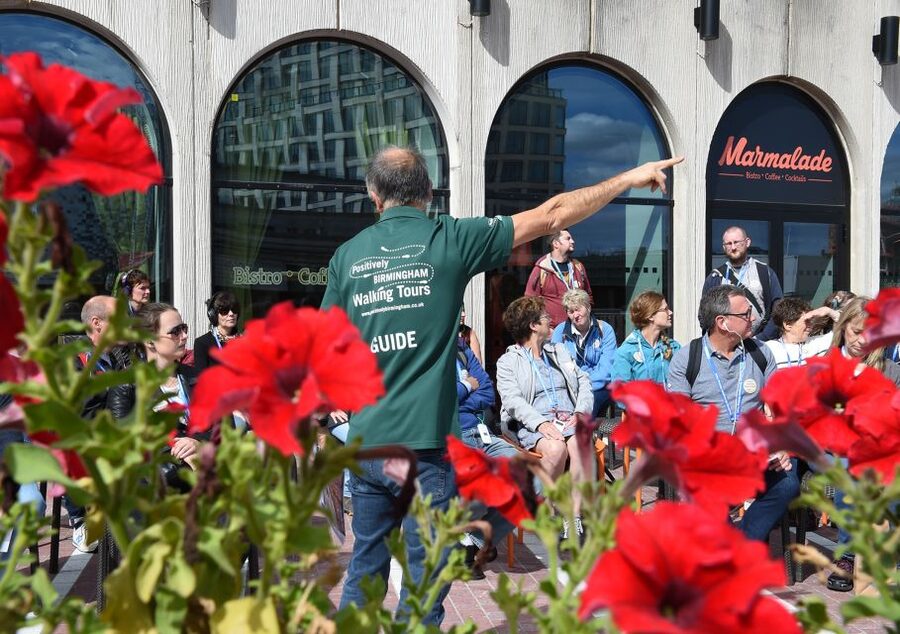
- Jonathan is a major strength: His lively delivery and clear passion for Birmingham have earned especially strong praise.
- The tour does not avoid hard subjects: Post-war rebuilding, urban problems, and the costs of becoming the workshop of the world all form part of the story.
- St. Philip’s Cathedral adds a grand finish: English Baroque architecture and a thoughtful churchyard bring the walk back into the city center.
- The practical setup is simple: The walk lasts two hours, covers 3 kilometers, and begins at the front entrance of the Library of Birmingham.
Why this short walk works so well
Birmingham can be hard to read at street level. It is a modern city with broad roads, new buildings, surviving industrial areas, and canals that once carried the raw materials of mass production. Without context, those pieces can feel disconnected.
This walk gives you a framework. You learn how Birmingham grew, why its canal system mattered, how inventors and business owners turned ideas into factory production, and why later redevelopment created fresh problems.
I like that the tour treats the city as more than a success story. Birmingham’s industrial rise brought jobs and wealth, but it also created difficult working and living conditions. The walk keeps both sides in view.
That balance matters. You are not simply shown attractive corners and told to admire them. You are encouraged to look at the city’s choices, including the post-war changes that damaged parts of its older character and the current effort to create a modern world city.
At $20 per person, the price is modest for two hours with a live English-speaking guide, an audio receiver, and a tourist guide book. It makes the most sense when you want orientation and context early in your stay. If you already know Birmingham’s industrial story well, the route may feel familiar, but Jonathan’s delivery can still add detail and energy.
The score of 4.9 from 26 ratings fits the tour’s strongest qualities: clear information, a relaxed tone, and a guide who cares about his subject. One especially useful detail is that the commentary is sent through an audio receiver, so you should not need to crowd close to the guide to hear.
More Walking Tours in Birmingham
- Birmingham: Slogging Gangs Guided Walking Tour
★ 4.2 · 216 reviews - Birmingham: Guided City Center Walking Tour (10:30am & 2pm)
★ 4.8 · 147 reviews - Coventry: Godiva’s Cathedral Quarter Guided Walking Tour
★ 4.8 · 17 reviews
Starting at the Library of Birmingham
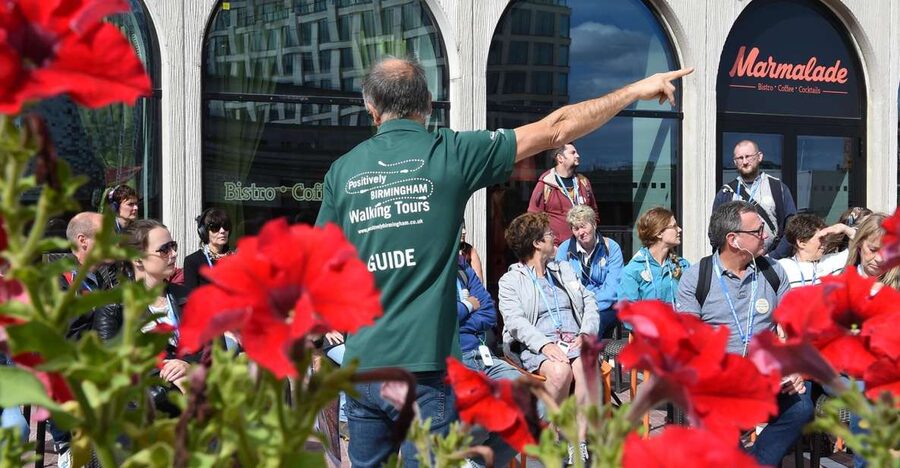
The meeting point is the front entrance of the Library of Birmingham, normally beside a pop-up stand. This is a sensible place to begin because the tour quickly moves from the present-day city center into the older story beneath it.
You should arrive ready to walk rather than expecting a series of long indoor visits. The experience is built around streets, canals, historic buildings, and viewpoints along the route.
The Library meeting point also makes the tour easy to fit into a first day. You begin in the central area, learn how Birmingham developed, then return to the city center near the end. No separate transport is required during the walk.
The audio receiver is a practical touch. City streets can be noisy, and the system helps the guide speak to the whole group. You need to bring earphones with a 3.5 mm jack. If you do not have the right pair, you can receive earphones in exchange for a small donation to a local charity supporting people experiencing homelessness.
That arrangement gives the equipment a useful social purpose, but it is still worth checking your bag before you set out. Comfortable shoes are also important. The distance is only 3 kilometers, yet the route takes two hours because it includes frequent explanations and stops.
Following Birmingham’s original canal story
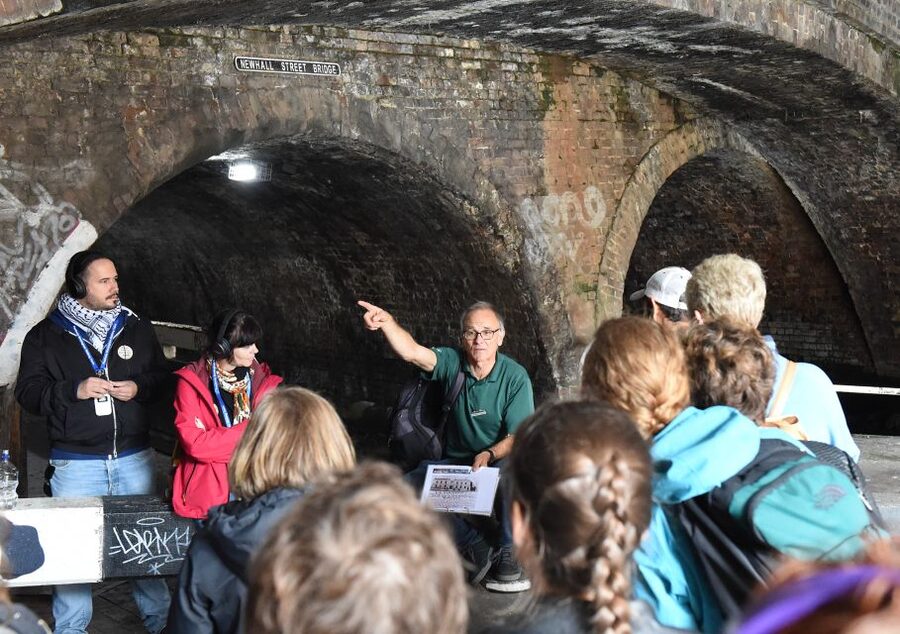
The canal section gives the walk its atmosphere. Water, brick, and industrial buildings create a strong contrast with Birmingham’s newer city center, and the guide uses that setting to explain why canals were so important.
You learn about the origins of Birmingham’s original canal system and how the waterways supported work across the city. The point is not simply that canals are picturesque today. They were practical routes tied to industry, production, and movement.
This part of the walk helps you understand why Birmingham became so important during the Industrial Revolution. A canal was more than a pleasant strip of water. It connected places of work and made large-scale production possible.
The route then follows what is described as a secret canal toward the Jewellery Quarter. That wording suggests a less obvious side of the city, though you should not expect a wilderness path or a private attraction. It is a city walk with industrial history close at hand.
I would pay attention here to the contrast between the peaceful canal edge and the scale of the work that once depended on it. The calm setting can make it easy to forget how hard and fast industrial Birmingham operated.
Entering the Jewellery Quarter through Georgian Birmingham
The Jewellery Quarter is the heart of the tour. Its story reaches back to Georgian times, when the district developed as one of Birmingham’s main centers of industry and skilled work.
This is where the walk moves beyond a general account of canals and explains how a particular part of the city grew. The Quarter became closely tied to Birmingham’s Industrial Revolution, and the route shows how work, invention, and commercial ambition gathered in one area.
You’ll encounter a few surprises along the way. The details are not specified in advance, which is part of the fun. They give the walk a lighter touch and prevent the history from becoming a lecture delivered at fixed points.
The best reason to value this section is that it connects buildings and streets with the people who used them. You learn that Birmingham’s modern working methods did not appear from nowhere. Many have roots in older systems of making, selling, organizing, and taking business risks.
The Georgian period also provides a useful starting point for the later story. Birmingham’s industrial growth was not one sudden event. It developed through several stages, with early workshops and enterprise creating the conditions for larger production.
Do not expect every building to receive a long architectural explanation. The route covers a lot of ground, and the guide is trying to build a broad picture in a limited time. If you want a detailed examination of individual jewellery businesses or interiors, this is not the right format. If you want to understand why the Quarter matters, it delivers more.
A different kind of day out entirely:
- Birmingham: Cadbury World Entry Ticket
★ 4.4 · 230 reviews - From Birmingham: Cotswolds Full-Day Tour
★ 4.7 · 215 reviews - Birmingham: Winterbourne House and Garden Admission Ticket
★ 4.7 · 199 reviews - From Birmingham: Stonehenge & Bath Day Tour
★ 4.6 · 158 reviews
Seeing Victorian invention turn into factory production
The Victorian part of the story shows Birmingham at its most ambitious. The city became a place where inventors and entrepreneurs could act quickly, turning new ideas into production on a large scale.
That speed is one of the tour’s most interesting themes. Innovation was not treated as an abstract concept. An idea could move into a workshop, then into a factory system, in a surprisingly short period.
You get a clearer sense of why Birmingham became known as the workshop of the world. The phrase carries pride, but the tour also asks you to consider what that title meant for the people who lived and worked in the city.
I like this section because it explains Birmingham as a working city, not just an industrial museum. The Jewellery Quarter still has a role in the modern city, and the guide brings the story forward rather than leaving it in the Victorian era.
Jonathan’s style appears to suit this material. The strongest comments about the tour focus on his passion, clear delivery, and ability to keep the facts light-hearted and engaging. One rating described the afternoon as very interesting while also noting that it remained fun. That mix is valuable when a subject includes both invention and serious social problems.
You will hear a lot in a short time, so I would avoid trying to memorize every date or name. Instead, focus on the pattern: waterways supported industry, industry attracted enterprise, and successful production changed the shape of the city.
The modern Jewellery Quarter and its changing role
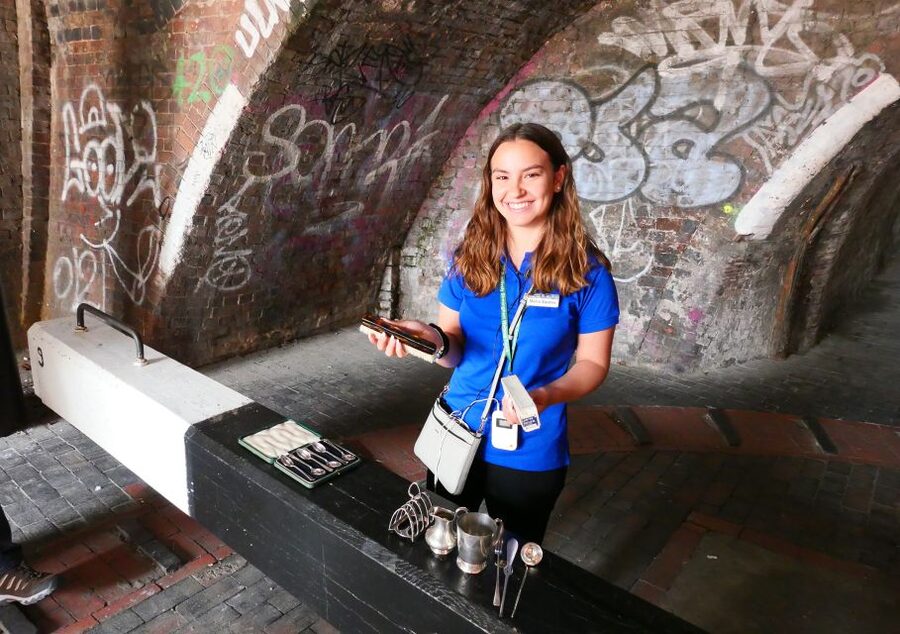
The Quarter is not presented as a frozen Victorian set. You’ll see its place in Birmingham today and consider how an older industrial district fits into a modern city.
That modern focus gives the walk more relevance. Historic streets are easier to appreciate when you understand that they are part of a living district, not merely scenery for a history lesson.
The route also shows that urban change can bring mixed results. Birmingham has tried to remake itself, and some of those changes have helped the city move forward. Other decisions, especially during the post-war period, created serious difficulties.
This part may appeal most if you like city planning and urban history. It asks you to look closely at the relationship between old buildings, new development, traffic, public space, and the city’s ambitions.
The drawback is that the tour cannot explore every issue in depth. Two hours and 3 kilometers allow for a strong overview, not a full study of Birmingham’s planning history. Still, the route gives you useful questions to carry into the rest of your time in the city.
Confronting post-war redevelopment
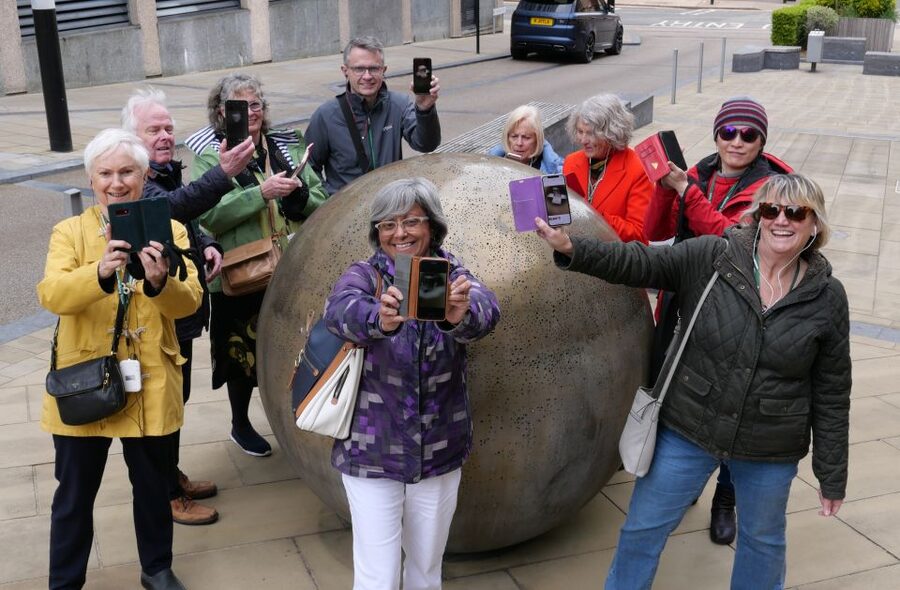
The post-war redevelopment section is one of the tour’s most valuable features. Many city walks prefer an easy story of renewal. This one shows how rebuilding can solve one problem while creating another.
Birmingham’s redevelopment is described as vivid rather than abstract. You can see the contrast between the older city and the very modern city that followed. The route uses that contrast to explain serious issues caused by post-war planning.
I appreciate the honesty here. You are not asked to admire every new road, building, or planning decision simply because it was modern when built. The guide shows how the city’s attempt to adapt affected its character and its daily life.
At the same time, the walk is not stuck in criticism. Birmingham is rejuvenating itself and trying to become a modern world city. The route makes that effort visible, giving you a sense of a city still making decisions about its future.
This is also where the tour becomes useful for the rest of your visit. Once you understand why parts of Birmingham look so different from the Jewellery Quarter, the city feels less random. You can read the changes as layers of policy, industry, decline, and renewal.
Returning to St. Philip’s Cathedral
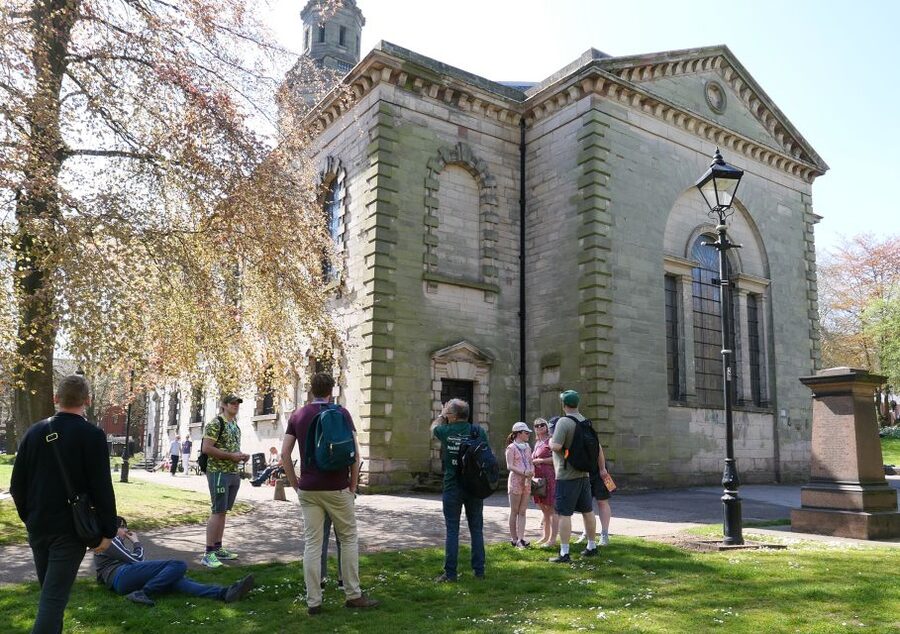
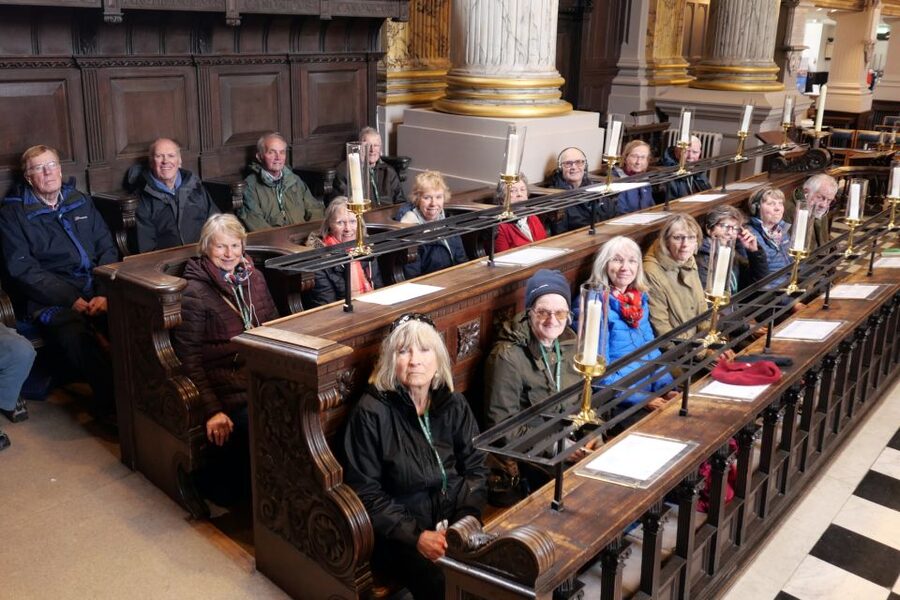
Back in the city center, St. Philip’s Cathedral provides a striking change of mood. Its English Baroque architecture offers a grand visual contrast to the canals and industrial streets.
The cathedral is not included simply as a pretty final stop. Its churchyard carries part of Birmingham’s harder story, including the problems the town faced as it grew into the workshop of the world.
That combination makes the ending effective. You move from working waterways and factories to a major church at the center of civic life. The building represents beauty and ambition, while the churchyard points toward the human costs that accompanied industrial success.
The stop should appeal to anyone interested in architecture, even if your main reason for booking is Birmingham’s industry. English Baroque design gives the final stage of the walk a different visual language from the brick canals and factory districts.
Because the cathedral comes near the end, you may be ready for a pause. The two-hour timing is manageable, but the guide continues to cover a substantial amount of material. Think of the cathedral as a thoughtful conclusion to the city’s development story rather than a long interior visit.
What the guide adds to the experience
A walking tour rises or falls on its guide, and Jonathan receives the strongest praise connected with this experience. His appeal is not just the amount of information he shares. It is his dedication to Birmingham and the way he delivers facts with warmth and humor.
That matters here because the subject can become dense. Canals, industrial production, Victorian enterprise, post-war planning, and civic architecture are a lot to cover. A guide who can move between those subjects without losing the group makes the two hours easier to follow.
The audio equipment supports him, but it does not replace the live element. You can hear the commentary clearly while walking, and the guide can shape the pace and emphasis of the route.
A useful bonus is the included tourist guide book. It gives you something to consult after the walk and helps extend the value beyond the two hours. One of the strongest comments specifically praised the book, so do not leave it behind at the end.
The English-only format is simple and clear. If you want a tour in another language, this will not suit you. If you follow spoken English comfortably, the combination of live commentary and a printed guide should work well.
Who should book this Birmingham walk?
I would recommend it most strongly to first-time visitors who want context before exploring alone. It gives you a clear map of Birmingham’s development and shows why the canals and Jewellery Quarter deserve attention.
It also suits anyone interested in industrial history, city planning, architecture, or the way old districts adapt to present-day life. The route covers all four without becoming a specialist lecture.
You will probably enjoy it if you prefer a thoughtful city walk to a list of famous sights. The experience asks you to look at how Birmingham works, not just where to take photographs.
Families with older children may also find the story approachable because the guide keeps it lively. The 3-kilometer distance is not extreme, but everyone should be comfortable walking for two hours and listening while standing or moving.
I would be less likely to choose it if you want extended time inside buildings, a food-focused experience, or a tour devoted only to the Jewellery Quarter. The route is broad by design. Its strength is the connection between canals, industry, redevelopment, and the cathedral.
Price, timing, and practical value
At $20 per person, this is good value if Jonathan is guiding your departure. You receive two hours of live commentary, an audio receiver, and a tourist guide book, while the route covers several parts of Birmingham that make more sense together than separately.
The main value is explanation. You could walk beside the canals and through the Jewellery Quarter without paying, but you would miss the links between the places. The guide turns separate sights into one story about work, invention, expansion, damage, and renewal.
Free cancellation up to 24 hours before the start and the option to reserve now and pay later make the booking flexible. Starting times vary, so you need to check availability for your chosen day.
Wear shoes you can walk in comfortably. Bring 3.5 mm earphones if you have them, and arrive at the Library of Birmingham’s front entrance, usually by the pop-up stand.
Should you book the Discovering Birmingham tour?
Book it if you want Birmingham to make sense quickly. The canals, Jewellery Quarter, post-war redevelopment, and St. Philip’s Cathedral form a well-chosen route, and Jonathan’s enthusiasm gives the history a human voice.
Skip it if you want a narrow, specialist tour or a mostly indoor sightseeing experience. For $20, though, the combination of strong guiding, a useful book, clear audio, and a serious look at Birmingham’s past and future makes this an easy choice for a first visit.
FAQ
How long is the Discovering Birmingham walking tour?
The tour lasts two hours and covers about 3 kilometers, or 2 miles.
Where does the tour meet?
The meeting point is at the front entrance of the Library of Birmingham. There is normally a pop-up stand at the meeting place.
What language is the tour in?
The live tour is conducted in English.
What areas does the walking tour visit?
The route includes Birmingham’s canal system, a lesser-known canal route toward the Jewellery Quarter, the historic Jewellery Quarter, the modern city center, and St. Philip’s Cathedral.
What should I bring?
Bring comfortable shoes and earphones with a 3.5 mm jack for the audio receiver.
What happens if I do not have suitable earphones?
You can receive a pair in exchange for a small donation to a charity supporting homelessness in Birmingham.
What is included in the price?
The experience includes live guide commentary through an audio receiver and a tourist guide book.
Just added in Birmingham
- Birmingham: City Center Highlights Private Guided Tour★ 5.0 · 4 reviews
- MATRIX VR – Virtual Reality Gaming Experience Session – 1hr★ 4.9 · 7 reviews
- Haunted Coventry Ghost Walk★ 5.0 · 6 reviews
- Coventry: Godiva’s Cathedral Quarter Guided Walking Tour★ 4.8 · 17 reviews
- Digbeth, Public art and Peaky Film Guided Walking Tour★ 4.7 · 11 reviews
- Birmingham: Victorian Canals and Modern-Day Birmingham Tour★ 4.7 · 92 reviews
- Birmingham : Must-see Attractions Private Walking Tour★ 5.0 · 3 reviews
- Birmingham: Legoland Discovery Centre Entry Ticket★ 4.1 · 74 reviews
Walking Tours, compared.

Magical London: Harry Potter Guided Walking Tour
Read our review →

University and City Walking Tour with Alumni Guide
Read our review →
Harry Potter Movies Walking Tour (Kids Go Free)
Read our review →
The Great British Rock and Roll Music Walking Tour
Read our review →
Jack the Ripper Walking Tour – Ripper Vision Tours
Read our review →
Other lists this tour turns up in