
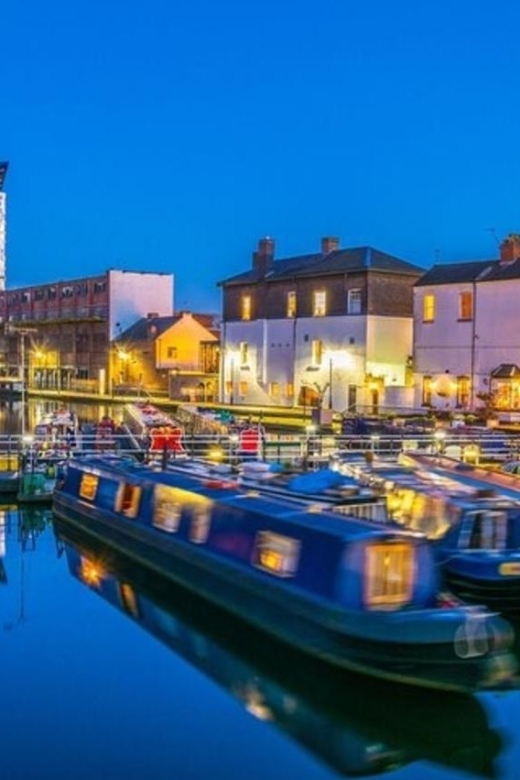
REVIEW · WALKING TOURS
Birmingham : Must-see Attractions Private Walking Tour
Birmingham rewards curious walkers. This private two-hour tour links canals, civic squares, street art, shopping areas, and old industrial districts in one compact route. I like the personal format, which lets you focus on the parts of the city that matter most to you. I also like the guide’s practical role: you get advice on what else to see, eat, and do after the walk. The main consideration is pace. Nine stops in two hours means some places receive a short look rather than a long visit.
The meeting point at 1 Church St is central and easy to pair with Birmingham Cathedral, the Birmingham Museum and Art Gallery, shops, and restaurants. At $82 per person, the price makes most sense for visitors who want a private introduction rather than a low-cost group walk. Food and drinks are not included, and most stops are photo stops or guided walks rather than ticketed attractions.
In This Review
- Key points to know before you book
- Why this Birmingham walk works
- Starting at 1 Church St
- The Mailbox: Birmingham beside the canals
- Gay Village and the city’s social character
- The Bull and Victoria Square
- The Jewellery Quarter: workshops, cemeteries, and Banksy
- Digbeth and Birmingham’s street-art edge
- Centenary Square and Birmingham’s civic face
- Roundhouse Birmingham and the canal-side finish
- What $82 per person really buys
- Who should choose this tour
- Practical details for a smoother walk
- Should you book the Birmingham private walk?
- FAQ
- Where does the tour begin?
- How long does the walking tour last?
- Is this a private tour?
- Can the route be customized?
- What language is the tour conducted in?
- Is the tour wheelchair accessible?
- Are food and drinks included?
- Can the team help book attraction tickets?
- Can I cancel the tour for a refund?
Key points to know before you book
- Private route with room for requests: You are the only group on the tour, and the route can be adjusted around your interests.
- Nine city stops in two hours: The walk covers The Mailbox, Gay Village, Victoria Square, the Jewellery Quarter, Digbeth, Centenary Square, and Roundhouse Birmingham.
- A useful mix of old and new: Canals, Victorian-era reminders, jewelry production, Banksy street art, independent shops, and modern cultural spaces all appear.
- Good for first-time orientation: Your guide can point out places to return to, as well as suggest other activities in Birmingham.
- Wheelchair accessible: The activity is listed as accessible, though the route remains a city walking tour with several outdoor stops.
- Flexible booking: You can cancel up to 24 hours before the tour for a full refund and reserve now while paying later.
Why this Birmingham walk works
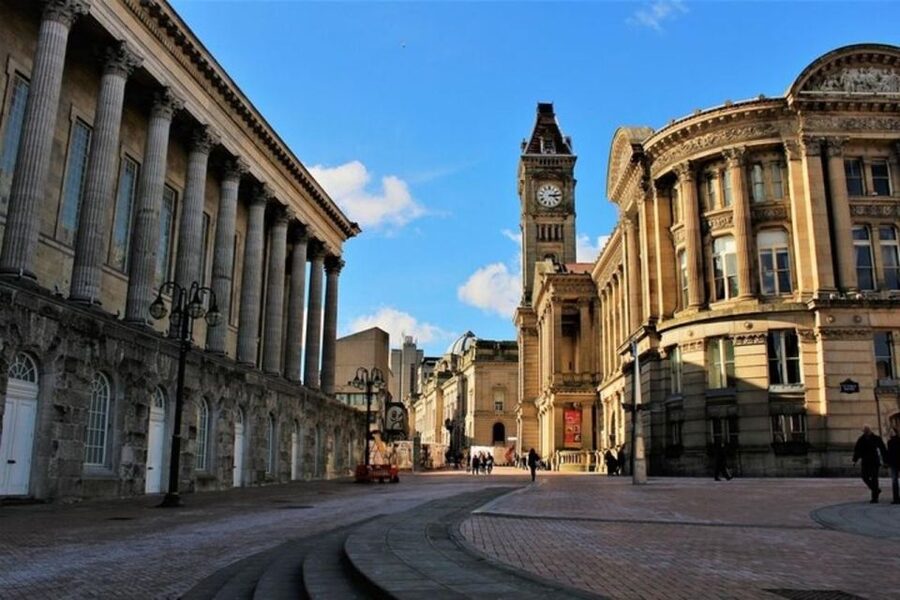
Birmingham can feel spread out when you first arrive. Its attractions sit across several districts, and the city’s identity changes quickly from canal-side redevelopment to civic architecture, then to old workshops and street art. This tour gives you a framework for understanding those changes.
I like that the experience is not limited to one museum or one famous building. You move through several parts of central Birmingham, each with a different mood and purpose. The guide supplies the connecting story, helping you see how the city’s industrial past, cultural life, and present-day creativity fit together.
The private format matters here. You can ask why a building matters, request more time for photographs, or steer the conversation toward architecture, local culture, shopping, or food. A group tour often has to keep everyone moving. With this arrangement, your questions can shape the walk.
Still, the two-hour limit creates a clear trade-off. The route lists roughly 15 minutes at each stop, which is enough for an introduction, some explanation, and photographs. It is not enough for a full visit to every district. Think of this as a guided orientation with local advice, not a day of detailed sightseeing.
More Walking Tours in Birmingham
- Birmingham: Slogging Gangs Guided Walking Tour
★ 4.2 · 216 reviews - Birmingham: Guided City Center Walking Tour (10:30am & 2pm)
★ 4.8 · 147 reviews - Birmingham: Discovering Birmingham Guided Walking Tour
★ 4.9 · 26 reviews
Starting at 1 Church St
The walk begins at 1 Church St, in the city centre. This is a handy meeting point near Birmingham Cathedral and the Birmingham Museum and Art Gallery, with shops and places to eat nearby.
That location helps in two ways. First, it is straightforward to reach when you are staying in central Birmingham. Second, you can build the tour into a larger day of sightseeing. You might visit the museum before meeting your guide, or return to the cathedral and surrounding streets afterward.
Arrive ready to walk outdoors. The experience is wheelchair accessible, but you should still consider the usual demands of a city route, including street crossings, pavements, and time spent moving between districts. Since food and drinks are excluded, carry water and plan a café stop before or after the tour.
The Mailbox: Birmingham beside the canals
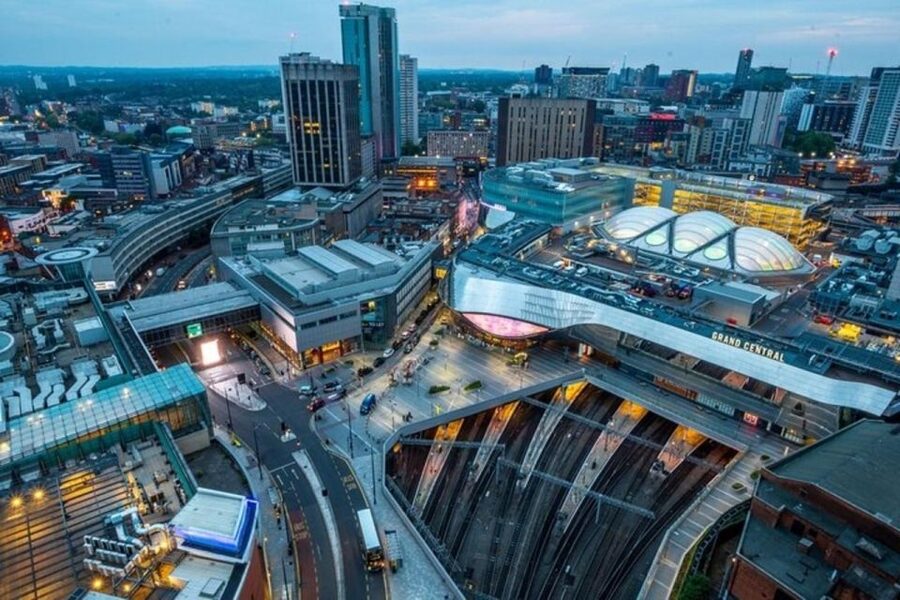
The Mailbox is one of the early stops, with about 15 minutes for a guided visit, sightseeing, and photographs. It gives you a quick look at Birmingham’s canal-side side, where renovated buildings and waterside paths create a very different impression from the older industrial areas elsewhere on the route.
This is a useful opening because it shows how Birmingham has reused former commercial and industrial spaces. The area is also practical for visitors, with places to eat, shop, and continue exploring after the tour.
Do not expect a long stop. The value lies in orientation and context. Your guide can help you understand where The Mailbox sits in relation to the rest of the centre, then point you toward places worth revisiting later. If you want a meal here, schedule it outside the two-hour walk.
Gay Village and the city’s social character
The Gay Village follows as another short stop. The tour allows about 15 minutes for a guided walk, sightseeing, and photographs.
This district adds a social and cultural layer to the city centre. It is not just another architectural stop. Your guide can explain its place in Birmingham and help you notice how the neighbourhood differs from the civic areas around Victoria Square.
The short timing is again the key point. You will get an introduction, but not an extended evening out or a detailed tour of individual venues. If you are interested in spending more time here, ask your guide for suggestions while you walk. That is one of the strongest reasons to choose a private tour: you can turn a brief introduction into useful plans for later.
A different kind of day out entirely:
- Birmingham: Cadbury World Entry Ticket
★ 4.4 · 230 reviews - From Birmingham: Cotswolds Full-Day Tour
★ 4.7 · 215 reviews - Birmingham: Winterbourne House and Garden Admission Ticket
★ 4.7 · 199 reviews - From Birmingham: Stonehenge & Bath Day Tour
★ 4.6 · 158 reviews
The Bull and Victoria Square
At The Bull by Laurence Broderick, you see one of Birmingham’s most recognizable public artworks. The sculpture gives the city centre a memorable meeting point and makes an easy photograph. A 15-minute stop should give you time to look closely, hear the background, and continue without losing the route’s rhythm.
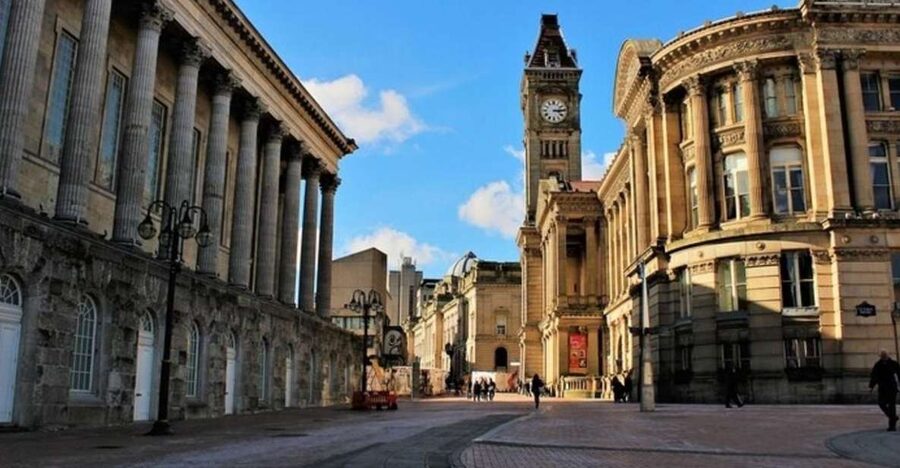
Victoria Square then shifts the focus from public art to major civic buildings and open city space. It is one of the places where Birmingham’s public identity is easiest to read. The square also helps connect several central attractions, including the area near the museum and cathedral.
I like the contrast between these two stops. The Bull feels immediate and informal. Victoria Square feels more official. Together, they show how the city uses both art and public architecture to define its centre.
Because both stops are short, listen for the details that help you decide where to return. If a particular building or artwork catches your attention, tell the guide. The route can be customized, so your interests do not need to remain secondary to a fixed script.
The Jewellery Quarter: workshops, cemeteries, and Banksy
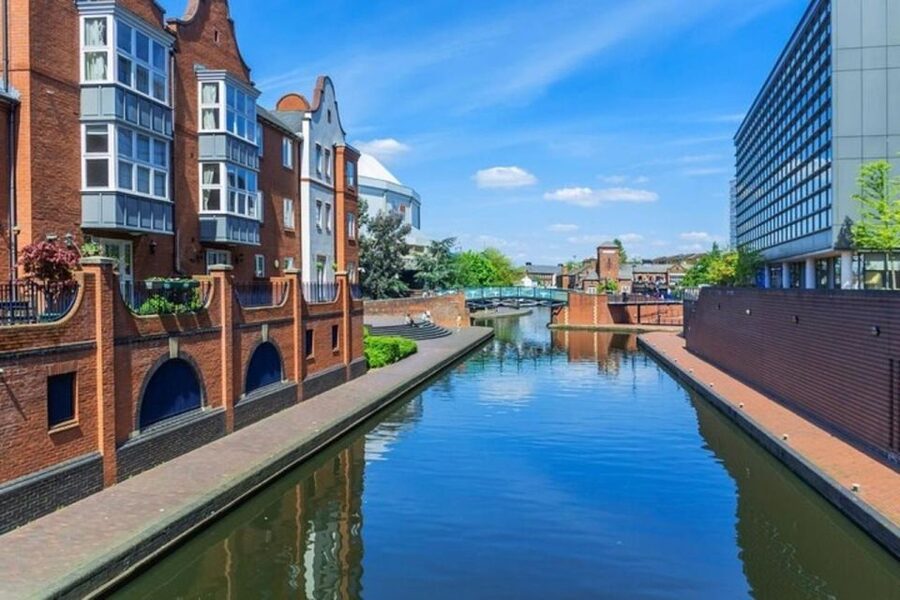
The Jewellery Quarter is likely to be one of the most rewarding sections of the walk. This district is associated with jewelry production, but the experience also points to Victorian cemeteries, residential apartments, the legacy of the FA Cup, and Banksy street art.
That mix matters. The area is not presented as a single-theme shopping stop. You get a sense of working life, housing, public memory, sport, and modern art in the same district. The contrast between older buildings and newer creative uses gives the quarter its character.
The mention of jewelry production is especially useful if you want to understand Birmingham beyond its main centre. The city’s identity was shaped by skilled manufacturing, and this district keeps that story visible. At the same time, the Banksy mural points to a more recent cultural side of Birmingham.
You have about 15 minutes here, so you will not explore every workshop, cemetery, or apartment street. Treat the stop as a well-chosen sample. If this is the part of the route that interests you most, ask for extra attention here when you book or at the start of the walk. The private setup makes that request realistic.
Digbeth and Birmingham’s street-art edge
Digbeth Coach Station is listed as the stop for exploring Digbeth. The district is known for independent shops and street art, giving you another sharp change in tone from the civic centre and Jewellery Quarter.
Digbeth is valuable on this walk because it shows Birmingham in a less polished, more creative form. The independent businesses and murals offer a view of local culture that you will not get from a standard list of major landmarks. For many visitors, this is where the city feels most contemporary.
The tour does not include shopping or a meal, so the stop is mainly about seeing the area and learning from the guide. You may want to return afterward if a shop, mural, or venue interests you. Your guide’s recommendations can help you decide where to spend more time.
Again, 15 minutes is enough to get your bearings, but not enough to cover the whole district. Wear comfortable shoes and keep your expectations sensible. This is a snapshot, not a full street-art expedition.
Centenary Square and Birmingham’s civic face
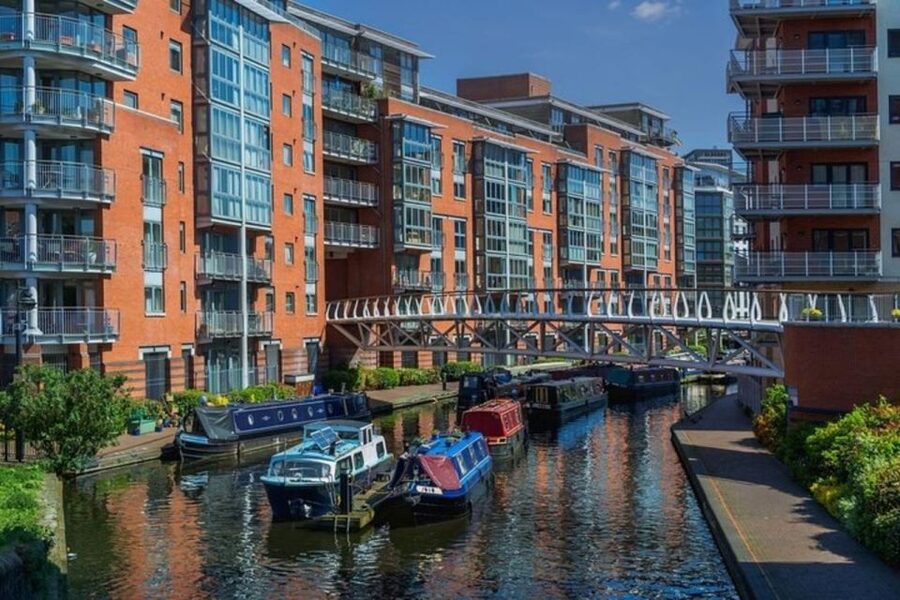
Centenary Square brings you back to the city’s major public spaces. The Birmingham Library and The Hall of Memory are the key architectural points named for this part of the walk.
The library is an important stop for anyone interested in modern public architecture. The Hall of Memory adds a more reflective note, giving the square a sense of remembrance alongside its newer buildings. Together, they show how Birmingham combines forward-looking design with respect for the past.
I appreciate this section because it gives the route some balance. After the informal energy of Digbeth and the industrial associations of the Jewellery Quarter, Centenary Square lets you pause and consider how the city presents itself to residents and visitors.
The stop is still brief. If you want to enter the library or spend time inside another building, ask the guide about ticketing and timing. The tour includes help from the team with booking tickets for desired visits, but admission itself is not included in the tour price.
Roundhouse Birmingham and the canal-side finish
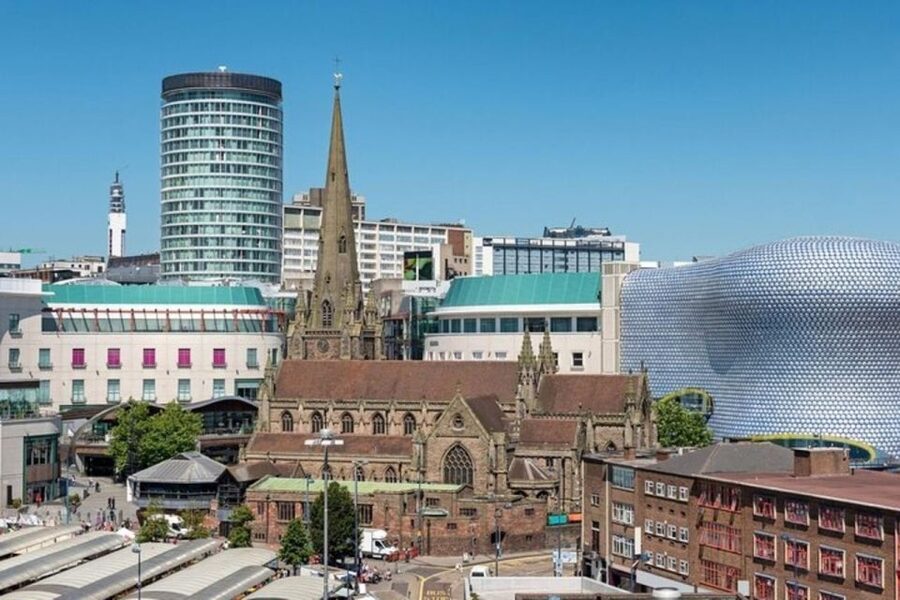
Roundhouse Birmingham, along the canals, provides a fitting final stop. The building and its setting offer another look at the city’s industrial past, this time beside the water.
Ending near the canals helps bring the different parts of the tour together. You have seen the modern Mailbox, public squares, manufacturing links, street art, and central neighbourhoods. Roundhouse Birmingham returns you to the waterways that helped shape Birmingham’s growth.
The stop is listed at about 15 minutes. That makes it more of a concluding visit than a full building tour. Your guide can explain the site and help you decide if it deserves a longer return visit.
This is also a good moment to ask for final advice. You can find out what to do next, which district suits your interests, and where to spend the rest of your day. The practical value of the tour often comes from these suggestions, not only from the sights you see during the walk.
What $82 per person really buys
At $82 per person, this is not Birmingham’s budget sightseeing option. You are paying for privacy, customization, and a guide focused only on your group. The price can be fair if you are short on time, prefer personal attention, or want a route shaped around specific interests.
The value drops if you only want a list of landmarks or plan to explore independently with a map. Several stops last around 15 minutes, and there are no included drinks, meals, or attraction admissions. You should budget separately if you want to enter buildings or stop for refreshments.
For couples, families, or small groups, the private arrangement can make sense. You avoid waiting for a large group and can ask questions without interrupting a set commentary. You also get advice tailored to your plans, which can save time during the rest of your visit.
I would compare the cost with the price of a private guide in your own group. If you are travelling alone, $82 is a bigger outlay for two hours. If several people share the experience, the personal format may feel more reasonable, especially when Birmingham is new to you.
Who should choose this tour
I would recommend it most to first-time visitors who want a fast introduction to Birmingham’s centre and surrounding districts. It is also a good match for anyone who values local explanation over a rigid sightseeing checklist.
The tour suits you if you want:
- A private walk rather than a shared group
- A flexible route covering several parts of Birmingham
- Advice about what to do after the tour
- A mix of architecture, public art, canals, street art, and local districts
- An accessible walking experience in English
It may not suit you if you want long visits inside attractions, a food experience, or detailed time in one neighbourhood. You should also be comfortable with a brisk route. The nine-stop plan covers a lot in only two hours.
Book with a clear request if you have a priority. You might want more time in the Jewellery Quarter, extra attention to street art, help planning a museum visit, or suggestions for an evening in the Gay Village. The earlier you explain that interest, the more useful the customization should be.
Practical details for a smoother walk
The tour lasts two hours and is conducted in English with a live guide. It is a private group experience, so no one outside your booking joins you.
The meeting point is 1 Church St, Birmingham B3 2FE. Since the address is near central cultural sites, allow enough time to find it without rushing. The tour is listed as wheelchair accessible, but you can still ask about the exact route if you have specific mobility needs.
Food and drinks are not included. Plan a snack or café visit before or after the walk, especially since the route moves through areas where you may want to keep going rather than stop for a meal.
The tour offers free cancellation up to 24 hours in advance for a full refund. You can also reserve now and pay later, which helps if your Birmingham plans are still taking shape.
Should you book the Birmingham private walk?
Book it if you want Birmingham explained by one guide who can adjust the conversation and suggest what to do next. The strongest features are the private format, the wide range of districts, and the chance to connect familiar landmarks with less obvious areas such as Digbeth and the Jewellery Quarter.
Skip it if you want extended attraction visits or a low-cost overview. At $82 per person, the experience earns its price through personal attention rather than included admissions or refreshments.
My practical choice would be to book this early in your Birmingham stay. Use the two hours to get oriented, tell the guide what interests you, and save the best recommendations for the days that follow. That approach makes the short stops useful instead of frustrating.
FAQ
Where does the tour begin?
The meeting point is 1 Church St, Birmingham B3 2FE, UK.
How long does the walking tour last?
The tour lasts two hours.
Is this a private tour?
Yes. It is an exclusive private group tour, with no one else added to your group.
Can the route be customized?
Yes. Customization is included, and the guide can focus on the areas or interests that matter most to you.
What language is the tour conducted in?
The live tour guide speaks English.
Is the tour wheelchair accessible?
Yes. The activity is listed as wheelchair accessible.
Are food and drinks included?
No. Food and drinks are not included in the tour price.
Can the team help book attraction tickets?
Yes. The team can help you book tickets for visits you want to make, but the ticket costs are not included.
Can I cancel the tour for a refund?
Yes. You can cancel up to 24 hours in advance for a full refund. You can also reserve now and pay later.
Just added in Birmingham
- Birmingham: City Center Highlights Private Guided Tour★ 5.0 · 4 reviews
- MATRIX VR – Virtual Reality Gaming Experience Session – 1hr★ 4.9 · 7 reviews
- Haunted Coventry Ghost Walk★ 5.0 · 6 reviews
- Coventry: Godiva’s Cathedral Quarter Guided Walking Tour★ 4.8 · 17 reviews
- Digbeth, Public art and Peaky Film Guided Walking Tour★ 4.7 · 11 reviews
- Birmingham: Victorian Canals and Modern-Day Birmingham Tour★ 4.7 · 92 reviews
- Birmingham: Legoland Discovery Centre Entry Ticket★ 4.1 · 74 reviews
- Birmingham : Private Custom Walking Tour With a Local Guide★ 4.3 · 2 reviews
Walking Tours, compared.

Magical London: Harry Potter Guided Walking Tour
Read our review →
University and City Walking Tour with Alumni Guide
Read our review →
Harry Potter Movies Walking Tour (Kids Go Free)
Read our review →
The Great British Rock and Roll Music Walking Tour
Read our review →
Jack the Ripper Walking Tour – Ripper Vision Tours
Read our review →
Other lists this tour turns up in