
REVIEW · WALKING TOURS
Digbeth, Public art and Peaky Film Guided Walking Tour
Digbeth tells Birmingham’s story in paint, brick, and old canals. This two-hour walking tour links the Bullring with the historic Digbeth and Deritend area, showing how a small market hamlet grew into a major city while pointing out public art and Peaky Blinders film locations. I like the mix of local history and modern street culture, and I like that the route reaches places many first-time visitors might skip. The main consideration is the walking: just over 4 kilometres on pavements, footpaths, and towpaths, with no suitability for people with mobility impairments.
Jonathan Berg leads the walk. He is an author and photographer who runs Positively Birmingham and has written about the city’s public art, especially Digbeth’s street art. His strongest qualities, judging from the experience offered and the high praise for his lively, helpful approach, are his enthusiasm and close knowledge of the artists and places along the route. Bring comfortable shoes, and if you have earphones with a 3.5 mm jack, bring them for the headset.
In This Review
- Five good reasons to put this Digbeth walk on your Birmingham plans
- From the Bullring bull to old Digbeth
- How a market hamlet became Birmingham
- Digbeth’s public art, explained by an insider
- Peaky Blinders at LOC studios
- Custard Factory and Red Brick Market
- A district changing before your eyes
- What the headset adds to the experience
- Is $20 a fair price?
- Who will enjoy this walk most?
- Should you book the Digbeth tour?
- FAQ
- Where does the tour begin?
- How long is the walking tour?
- How far does the route cover?
- Which areas does the tour visit?
- Is the tour conducted in English?
- Is a headset included?
- Can I cancel the booking for a refund?
Five good reasons to put this Digbeth walk on your Birmingham plans
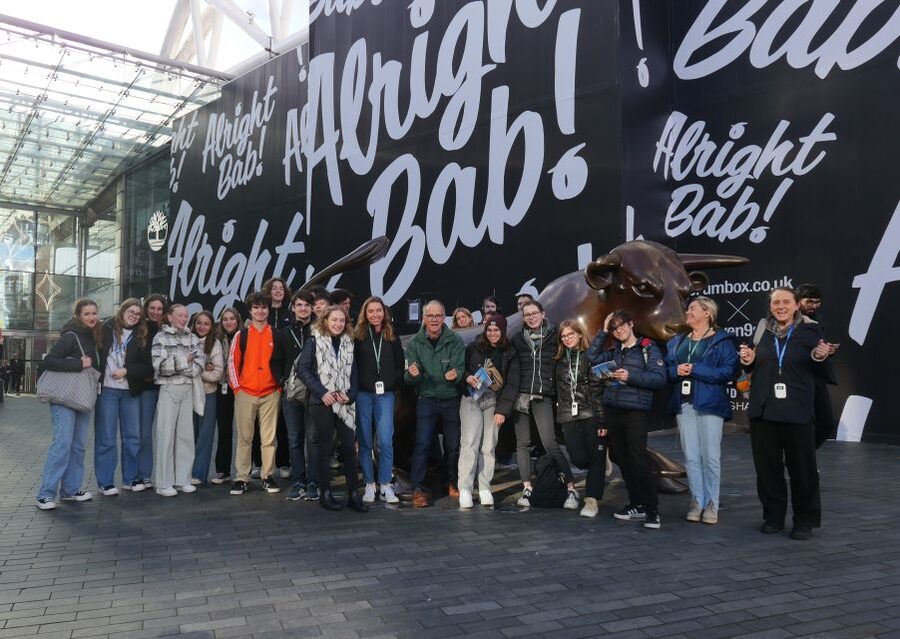
- The Bull statue is a useful starting point: You begin beside the famous bronze bull by the Nike Superstore in the Bullring, an easy central meeting place.
- The route explains Birmingham’s beginnings: You walk from the modern city centre toward Digbeth and Deritend, learning how Birmingham developed from a market hamlet.
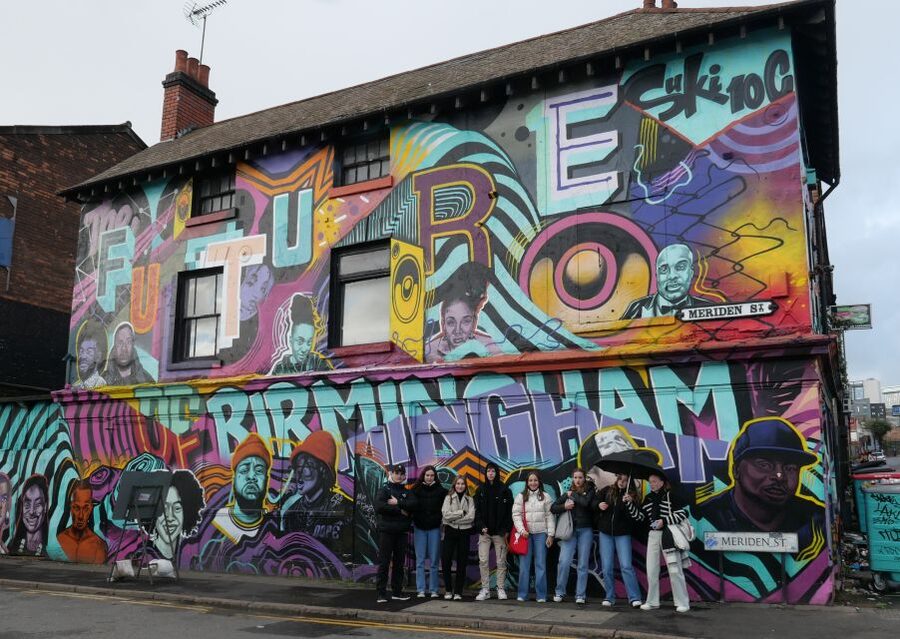
- Street art is treated as local history: Jonathan Berg’s background as a public-art author and photographer gives the murals and painted walls more context than a quick photo stop.
- Peaky Blinders fans get a current film connection: The route includes possible feature-film locations and the Digbeth LOC studios, where production is underway.
- The price is modest for a long guided walk: At $20 per person, you get two hours with a live English-speaking guide, a headset, and a route that covers both familiar and less typical Birmingham sights.
From the Bullring bull to old Digbeth
The meeting point is the bronze Bull statue beside the Nike Superstore in the Bullring Shopping Centre. This is practical rather than romantic, but it works well. The Bullring is one of Birmingham’s easiest places to find, and the statue gives the group a clear landmark in the middle of the city.
From here, the tour heads away from the shopping centre toward Digbeth and Deritend. That change in scenery is part of the point. You begin among busy retail streets and modern Birmingham, then move toward an older district with industrial buildings, canals, creative spaces, and public art.
I like this direction because it gives the tour a clear story. You are not simply being driven or led between isolated photo spots. You see the city centre gradually give way to an area that helps explain Birmingham’s growth.
The route uses pavements, footpaths, and towpaths. It covers just over 4 kilometres, so you should expect steady walking rather than a short stroll with long pauses. The pace and number of stops are not specified, but two hours gives the guide time to explain the area instead of rushing past it.
More Walking Tours in Birmingham
- Birmingham: Slogging Gangs Guided Walking Tour
★ 4.2 · 216 reviews - Birmingham: Guided City Center Walking Tour (10:30am & 2pm)
★ 4.8 · 147 reviews - Birmingham: Discovering Birmingham Guided Walking Tour
★ 4.9 · 26 reviews
How a market hamlet became Birmingham
The historical thread begins with Birmingham’s early development. The tour looks at how the city grew from a market hamlet, then connects that past to the Digbeth and Deritend area you are walking through.
That context matters because Digbeth can otherwise feel like a collection of old buildings, new creative businesses, murals, and construction work. With a guide, the area becomes easier to read. You can consider how routes, industry, commerce, and later city expansion helped shape Birmingham.
I especially like this part for people who have already seen the Bullring, Birmingham city centre, or the main shopping streets. It adds a sense of place beyond the standard city-centre route. One participant who had also taken Positively Birmingham’s other city tour found that the two walks worked well together, giving a broader view of Birmingham.
The tour does not promise a museum visit or an indoor historical attraction. Its value comes from seeing the area in place, on foot, with explanations as you go. That suits you if you prefer streets and buildings to display cases, but it may feel less satisfying if you want a formal heritage tour with many interior stops.
Digbeth’s public art, explained by an insider
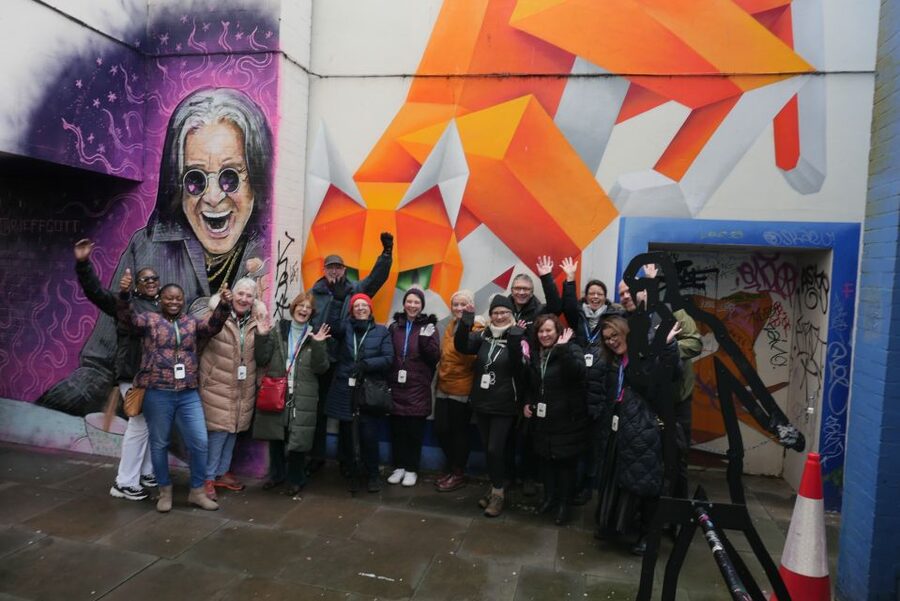
Public art is one of the main reasons to choose this walk. Digbeth is known for its street art, and the tour focuses on the artists and the way public art has become part of the district’s identity.
Jonathan Berg’s book about Birmingham’s public art, with particular attention to Digbeth, gives him a useful connection to this subject. That does not mean every wall becomes a lecture. The appeal is that you can look at the work with more awareness of who made it, why it is there, and how it fits into the area.
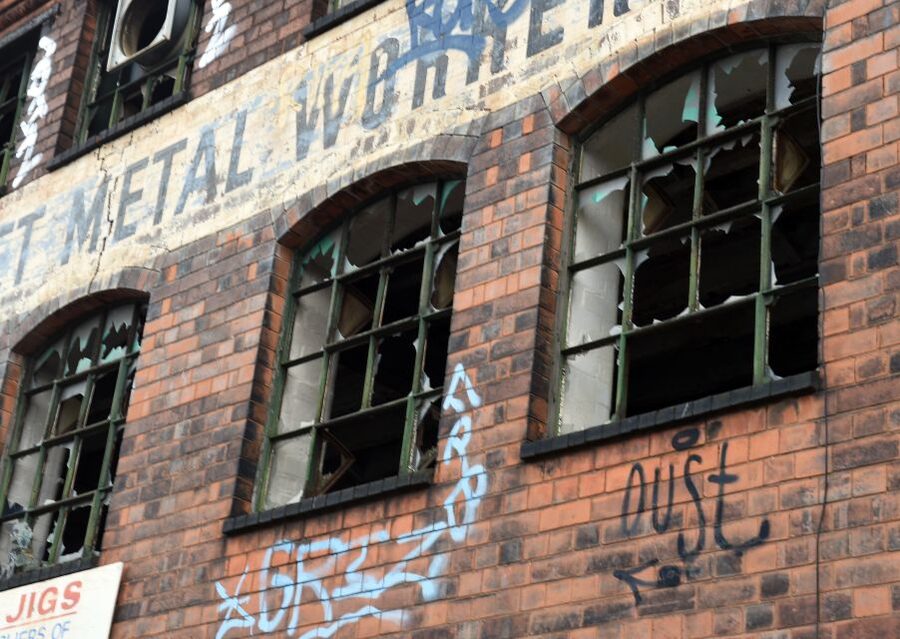
The painted walls and murals also help explain Digbeth’s bohemian character. The district is not presented as a polished historic quarter. Its interest comes from the meeting of older urban fabric, creative work, film production, markets, and major redevelopment.
The strongest praise for the tour focuses on Jonathan’s enthusiasm, helpfulness, and ability to explain the area. That matters on a street-art walk, where the guide’s eye shapes what you notice. A good guide can point out details you would otherwise pass without seeing.
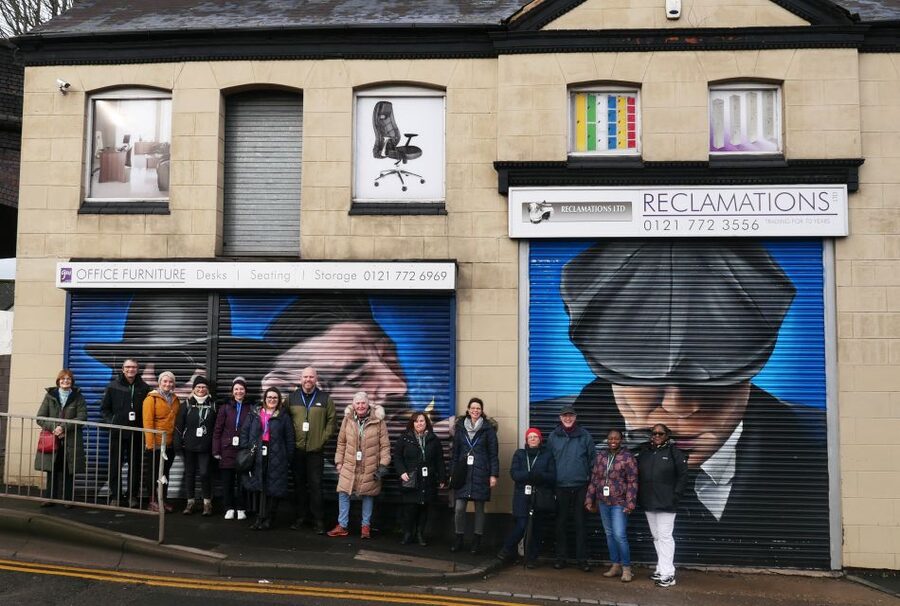
You should bring a camera or phone if you enjoy photographing public art, especially because the Peaky Blinders murals at LOC studios provide a clear selfie opportunity. The tour is not only about taking pictures, though. The explanations are what turn a collection of murals into a picture of Digbeth’s present-day culture.
Peaky Blinders at LOC studios
The Peaky Blinders connection gives this walk extra appeal, particularly if you have followed the series or are interested in Birmingham’s screen identity. Digbeth is the location for the Peaky Blinders feature film, with production underway at Digbeth LOC studios.
The route includes possible filming locations and the studios themselves. The information provided does not promise access inside the studios, a film-set tour, or sightings of cast members. You should think of this as an outside look at a working film location, along with a chance to see the Peaky murals and take photographs.
That distinction is important. Fans who expect a full behind-the-scenes production visit may find the film element more limited than imagined. Fans who enjoy connecting a real Birmingham district with the screen world should find it a worthwhile addition to the history and art.
The film link also fits the character of Digbeth. This is an area being reshaped while keeping its older identity visible. The tour connects the past market hamlet, the industrial district, the street-art scene, and the modern film industry in one walk.
A different kind of day out entirely:
- Birmingham: Cadbury World Entry Ticket
★ 4.4 · 230 reviews - From Birmingham: Cotswolds Full-Day Tour
★ 4.7 · 215 reviews - Birmingham: Winterbourne House and Garden Admission Ticket
★ 4.7 · 199 reviews - From Birmingham: Stonehenge & Bath Day Tour
★ 4.6 · 158 reviews
Custard Factory and Red Brick Market
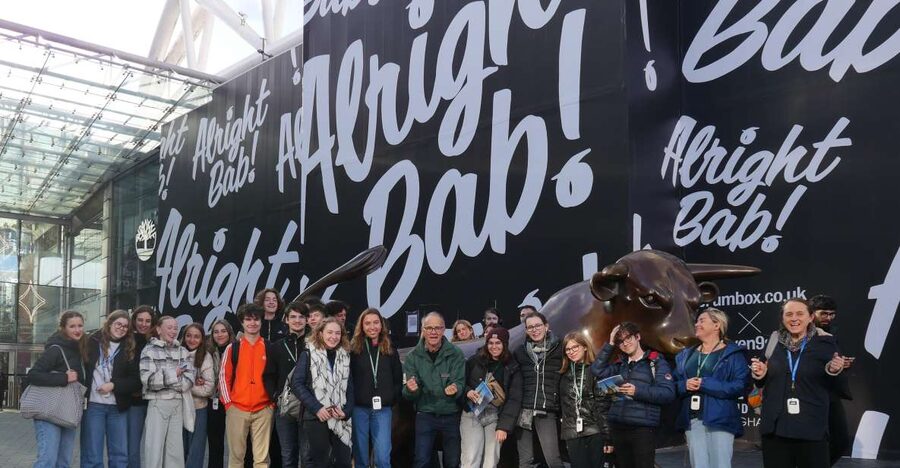
The Custard Factory is one of the named highlights, and it gives the walk a different texture from the city-centre opening. It is part of Digbeth’s creative and independent side, alongside the Red Brick Market.
You should expect these places to be encountered as part of the walking route, not necessarily as long shopping or browsing sessions. The tour lasts two hours and includes several themes, so the guide’s focus is the area and its character rather than a dedicated market visit.
Still, these locations are useful stops. They show how Digbeth has become associated with creative businesses, independent retail, and a more bohemian feel. The Red Brick Market adds a local shopping angle, while the Custard Factory helps make sense of the district’s role in Birmingham’s modern cultural life.
If you enjoy independent markets and creative quarters, you will probably appreciate this part. If you want lots of time to shop, eat, or browse stalls, plan to return after the walk. A guided tour can introduce you to a place, but it cannot replace an unhurried visit.
A district changing before your eyes
Digbeth is not being presented as frozen history. The arrival of HS2 and the Metro tram is part of the tour’s modern context, showing how the district is becoming more closely tied to Birmingham city centre.
The exact effect of these projects can change as work continues, and the experience information does not promise a particular construction viewpoint. The useful idea is broader: you see a district in transition, with new transport links and development adding pressure and opportunity.
That makes this a good walk for understanding Birmingham as a living city. You get old routes, public art, film production, markets, and transport change in the same two-hour outing. The contrast is likely to be more interesting than a perfectly preserved historic quarter.
It also means the visual character of Digbeth may change over time. Murals can change, construction can alter views, and the film connection is tied to current production. If you return to Birmingham later, this is the type of walk that may feel different from one visit to the next.
What the headset adds to the experience
A headset is included so you can hear Jonathan clearly while walking. If you have earphones with a 3.5 mm jack, you are encouraged to bring them. Otherwise, a new pair is supplied.
This is a small but useful feature. Digbeth is an urban area, and a guide speaking to a moving group can be hard to hear beside traffic, building work, or general city noise. The headset should help you follow the historical explanations without needing to stay directly beside him.
You should still keep your attention on the route. The walk uses towpaths and footpaths as well as ordinary pavements, and the information specifically says it is not suitable for people with mobility impairments. Wear shoes that are comfortable for more than 4 kilometres, and be ready for an outdoor experience in changing weather.
The tour is in English and has a live guide. No other language option is provided.
Is $20 a fair price?
At $20 per person, this is good value if you want a guided introduction to Digbeth rather than a short photo walk. You get two hours, a live guide, a headset, and a route linking the Bullring, Digbeth, public art, film locations, the Custard Factory, and Red Brick Market.
The value is strongest because of the guide’s subject knowledge. You could walk through Digbeth independently, but you would not necessarily know the story behind the public art, the link to the Peaky Blinders feature film, or the wider changes taking place around HS2 and the Metro tram.
The price is less compelling if you only want to see the murals or take a quick selfie. You can visit parts of Digbeth without paying for a tour, and the walk does not include a meal, attraction admission, or studio access.
For a first visit, though, $20 is a sensible way to get your bearings and decide which parts deserve a longer return visit. The high rating of 4.7 from 11 reviews, along with repeated praise for Jonathan’s enthusiasm and information, supports the idea that the guide is the main thing you are paying for.
Who will enjoy this walk most?
I would recommend this experience to you if you like city history told outdoors, street art, changing neighbourhoods, and film connections. It is also a good choice if you have already seen the central Birmingham sights and want something less typical.
Peaky Blinders fans will appreciate the LOC studios and murals, but you do not need to know the show to enjoy the tour. The history, art, and urban change give it a wider appeal.
This walk may suit you particularly well if you are visiting Birmingham for more than one day. You can use it to understand Digbeth first, then return to the Custard Factory or Red Brick Market with more time.
I would be cautious if you have mobility limitations, dislike walking several kilometres, or want a tour mainly inside historic buildings. The route is outdoor and active, and the information clearly says it is not suitable for people with mobility impairments.
Free cancellation is available up to 24 hours before the start, and you can reserve now and pay later. Those terms are useful if your Birmingham plans are still shifting, but the more important decision is whether the walking route suits you.
Should you book the Digbeth tour?
Book it if you want Birmingham explained through its streets rather than only through its major attractions. The combination of the Bullring, old Digbeth and Deritend, public art, Peaky Blinders filming links, LOC studios, the Custard Factory, Red Brick Market, and current transport development gives you a well-shaped two-hour introduction.
I especially like the strong focus on public art and the guide’s personal connection to that subject. Jonathan Berg’s enthusiasm is repeatedly praised, and that is exactly what this kind of tour needs.
Skip it if you want guaranteed access to a film studio, a short walk, or a fully indoor history experience. For most visitors who can comfortably manage just over 4 kilometres, however, $20 is a fair price for an energetic and unusual look at Birmingham.
FAQ
Where does the tour begin?
It begins at the bronze Bull statue beside the Nike Superstore in Birmingham’s Bullring Shopping Centre.
How long is the walking tour?
The tour lasts two hours.
How far does the route cover?
The route is just over 4 kilometres.
Which areas does the tour visit?
It travels from Birmingham city centre into the historic Digbeth and Deritend area, using pavements, footpaths, and towpaths.
Is the tour conducted in English?
Yes. The tour has a live English-speaking guide.
Is a headset included?
Yes. A headset is provided so you can hear the guide clearly. You can bring earphones with a 3.5 mm jack, or a new pair will be supplied.
Can I cancel the booking for a refund?
Yes. You can cancel up to 24 hours in advance for a full refund. You can also reserve now and pay later.
Just added in Birmingham
- Birmingham: City Center Highlights Private Guided Tour★ 5.0 · 4 reviews
- MATRIX VR – Virtual Reality Gaming Experience Session – 1hr★ 4.9 · 7 reviews
- Haunted Coventry Ghost Walk★ 5.0 · 6 reviews
- Coventry: Godiva’s Cathedral Quarter Guided Walking Tour★ 4.8 · 17 reviews
- Birmingham: Victorian Canals and Modern-Day Birmingham Tour★ 4.7 · 92 reviews
- Birmingham : Must-see Attractions Private Walking Tour★ 5.0 · 3 reviews
- Birmingham: Legoland Discovery Centre Entry Ticket★ 4.1 · 74 reviews
- Birmingham : Private Custom Walking Tour With a Local Guide★ 4.3 · 2 reviews
Walking Tours, compared.

Magical London: Harry Potter Guided Walking Tour
Read our review →
University and City Walking Tour with Alumni Guide
Read our review →
Harry Potter Movies Walking Tour (Kids Go Free)
Read our review →
The Great British Rock and Roll Music Walking Tour
Read our review →
Jack the Ripper Walking Tour – Ripper Vision Tours
Read our review →
Other lists this tour turns up in