
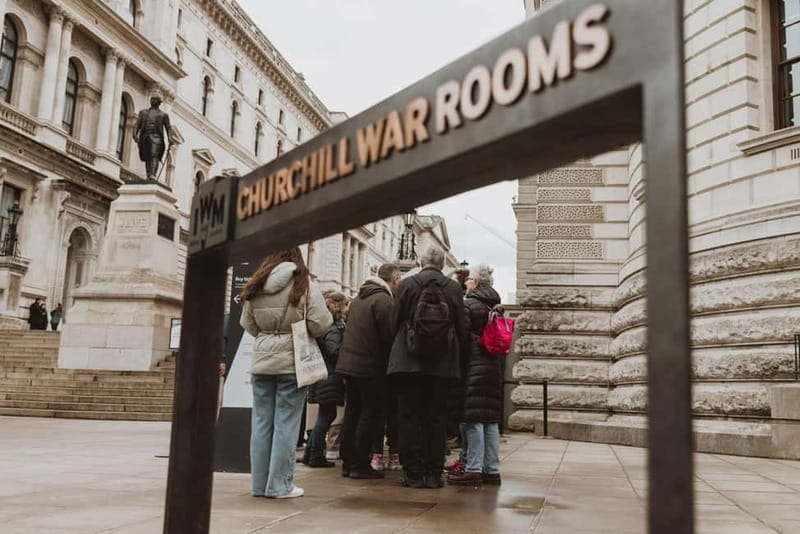
REVIEW · CHURCHILL WAR ROOMS TOURS
London: Churchill’s Life & WW2 with Tour of War Rooms
History comes alive underground. I like the way this three-hour tour links Churchill’s speeches and decisions to real London places, from the RAF Memorial to Downing Street. I also like the small-group format, capped at 15 people, with guides such as Kate, Peter, and Salvadore praised for lively storytelling. The main drawback is that the walking portion moves at a moderate pace, and the War Rooms can feel crowded on weekends and during school holidays.
You begin outdoors with a guide and finish inside Churchill’s wartime headquarters, where an audio guide lets you explore at your own speed. The $106.41 price is not cheap, but it includes a reserved War Rooms ticket and a guided walk through central London, making it fair value if Churchill and World War II are high on your list.
In This Review
- Key points to know before you book
- Why Churchill’s London works best on foot
- Starting at the RAF Memorial and Boudica Statue
- Big Ben, Parliament Square, and Westminster Abbey
- Downing Street, Whitehall, and the Guards Memorial
- Entering Churchill’s War Rooms
- What the guides add to the experience
- Is $106.41 a fair price?
- Who should take this tour?
- Practical details that affect your day
- Should you book the Churchill War Rooms tour?
- FAQ
- How long does the Churchill’s Life and World War II tour last?
- Where does the tour begin?
- What language is the tour offered in?
- Is admission to Westminster Abbey included?
- Is the tour wheelchair accessible?
- Are hotel pickup and drop-off included?
Key points to know before you book
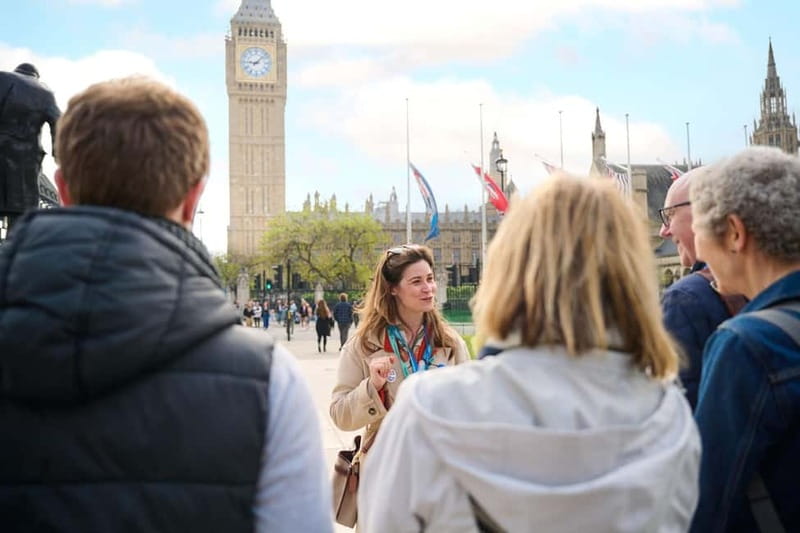
- The tour begins at the Royal Air Force Memorial: Arrive 15 minutes early and look for a guide holding a green Walks sign.
- You see major landmarks before entering the War Rooms: Big Ben, Parliament Square, Westminster Abbey’s exterior, Downing Street, Whitehall, and Horse Guards Parade all appear along the route.
- Churchill’s War Rooms take about 90 minutes: This section uses an audio guide rather than a live guide.
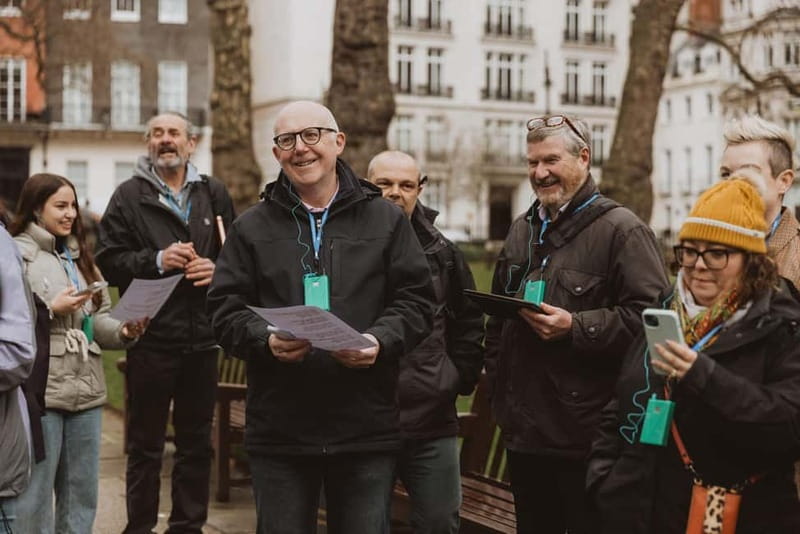
- Small groups make the outdoor walk easier: The maximum is 15 people, though the actual group can be smaller.
- The tour is English-only: You need to follow spoken explanations outdoors and use the English audio guide underground.
- Plan for steady walking and security checks: The experience is not suitable for wheelchair users, people with mobility impairments, or strollers according to the important tour information.
Why Churchill’s London works best on foot
Churchill’s wartime story is spread across a compact section of central London. That is the strength of this experience. Instead of visiting the War Rooms as an isolated museum, you first see the public places tied to Britain’s wartime leadership.
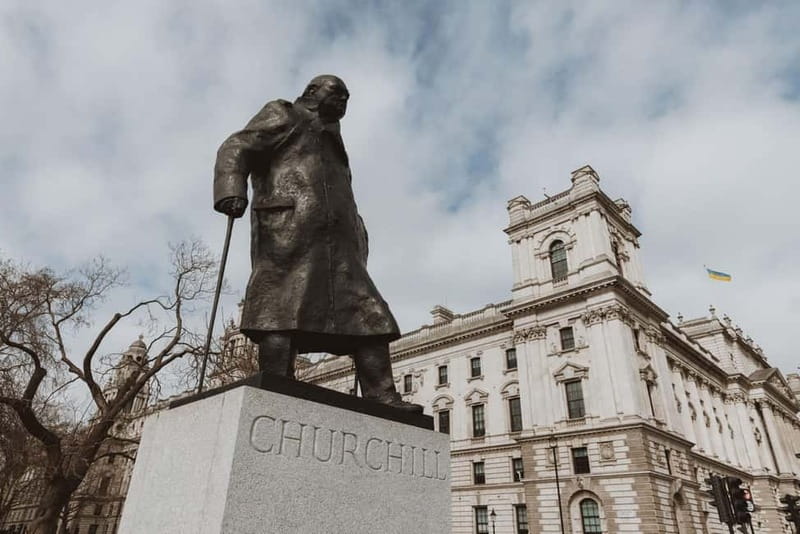
Your guide supplies the links as you walk. At the RAF Memorial, you hear about the Battle of Britain and the speeches that helped steady Britain during its hardest months. At Parliament Square, Churchill’s statue gives the story a human focus. Downing Street and Whitehall then bring you close to the places where wartime government made its decisions.
I find this format more useful than a tour that simply lists dates and names. You get a sense of how Churchill’s public role, military concerns, and political work fit together. The outdoor section also gives you a quick orientation to Westminster, so you can return later to see the area at your own speed.
There is a tradeoff. This is a walking tour through busy central London, not a quiet museum visit. You will pause often, but you will also cover several streets and public squares in a fairly short time. Wear comfortable shoes and expect to remain with the group.
More Churchill War Rooms visits:
- London: Westminster WW2 Tour & Churchill’s War Rooms Ticket
★ 4.5 · 925 reviews - London: London in WW2 and Churchill War Rooms Entrance
★ 4.9 · 669 reviews - London: Westminster Tour and Churchill War Rooms Visit
★ 4.7 · 371 reviews
Starting at the RAF Memorial and Boudica Statue
The meeting point is the Royal Air Force Memorial in London. Arrive 15 minutes before the start, with enough time to find the guide holding a green Walks sign.
The nearby monument honors the RAF, making it a fitting place to begin a World War II tour. Your guide explains how Churchill used his speeches to inspire Britain during the Battle of Britain. This is not just a speech-focused introduction. It sets up the larger question running through the tour: how did Churchill keep public confidence while Britain faced military danger and bombing?
The next stop is the Boudica Statue, a short guided pause of about five minutes. The statue depicts the ancient British queen as a symbol of resistance. Churchill often referred to historic examples of strength, and this stop helps explain the older national stories he drew upon.
Do not expect a long visit at either location. These are outdoor storytelling stops, not museums with time for close inspection. Their value comes from the explanation you receive, especially if you are unfamiliar with the way Churchill presented Britain’s wartime struggle.
Big Ben, Parliament Square, and Westminster Abbey
Big Ben receives about 10 minutes of guided attention. You hear how the clock tower survived bomb damage and became a symbol of hope during the Blitz. It is a useful reminder that famous London sights were not removed from the war. They were part of the city people saw, protected, and worried about every day.
Across Parliament Square, the Houses of Parliament and Churchill Statue provide the tour’s central political setting. Here, the guide discusses Churchill’s wartime leadership and his efforts to protect British democracy during the Blitz.
This is one of the tour’s strongest outdoor sections because the setting does much of the work. You are looking at the buildings connected with national government while hearing about decisions made under extreme pressure. A good guide can make this stop feel focused rather than like another standard photo pause.
The tour also stops outside Westminster Abbey for roughly 15 minutes. Entry is not included, so you see the exterior only. That limitation matters if you want a full visit to the abbey, but it keeps the group moving and leaves time for the War Rooms.
You will have several major sights in view during this part of the walk. Keep your camera ready, but listen closely too. The explanations are the reason this route is more than a general Westminster sightseeing walk.
Downing Street, Whitehall, and the Guards Memorial
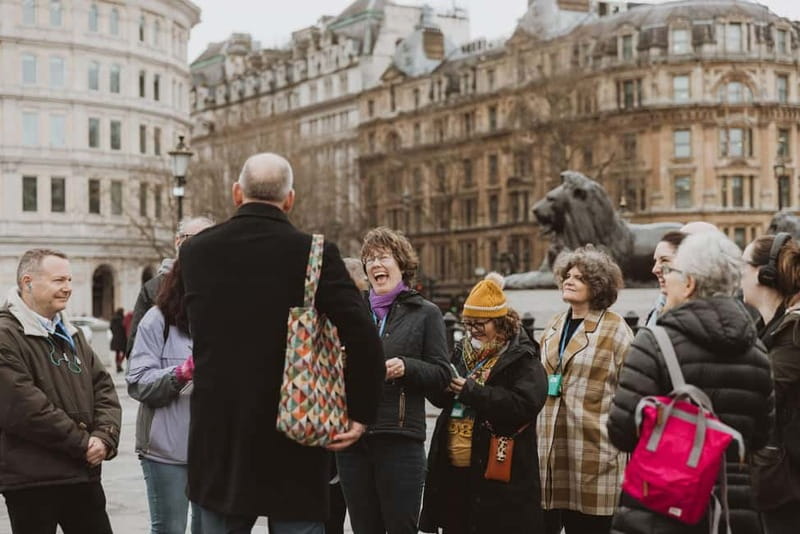
At 10 Downing Street, your guide connects the famous address with Churchill’s wartime strategy. You do not enter the residence, so the stop is about the street, the role of the prime minister, and the decisions made behind its guarded entrance.
Whitehall follows, with about 10 minutes devoted to war-related landmarks along this important government street. This section helps bridge the gap between Churchill as a public speaker and Churchill as a working political leader. You see the physical setting of ministries, offices, and military administration rather than only hearing about them in a museum.
Horse Guards Parade offers another brief stop. Your guide explains Churchill’s connection to this historic site. The space also gives you a change of pace after the tighter streets around Parliament and Downing Street.
The final outdoor pause is at the Guards Memorial, which honors those who served during World War II. It is a short stop, about five minutes, but it gives the walk a respectful close before you enter the War Rooms.
The outdoor route is carefully packed. You receive many short explanations rather than one long lecture. That suits you if you like variety and want to see several landmarks in one outing. If you prefer a slow, detailed look at each memorial, the pace may feel brisk.
A few more options to weigh up in London
- London: The London Eye Entry Ticket
★ 4.6 · 35,875 reviews - From London: Harry Potter Warner Bros Studio Tour
★ 4.7 · 26,588 reviews - London: Westminster to Greenwich River Thames Cruise
★ 4.5 · 22,836 reviews - Magical London: Harry Potter Guided Walking Tour
★ 4.7 · 22,044 reviews
Entering Churchill’s War Rooms
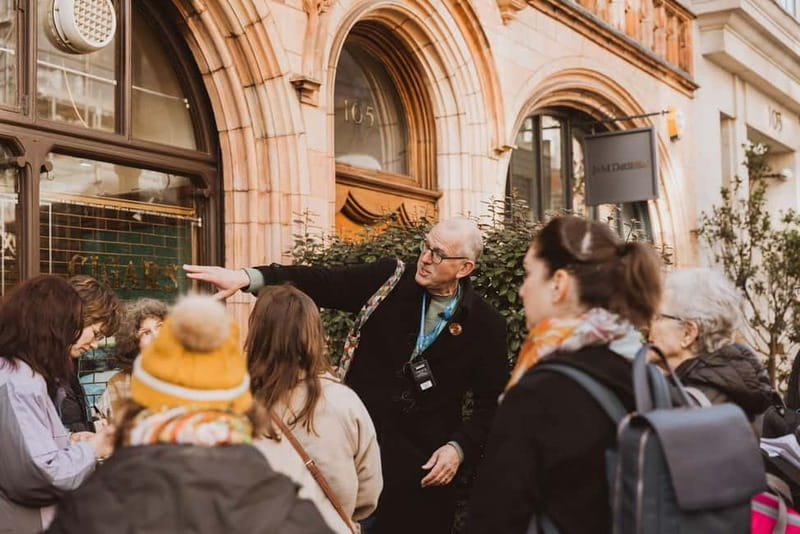
The War Rooms are the main event, and the visit lasts about an hour and a half. These underground bunkers served as a wartime command center and were left untouched after 1945. You move through the rooms where Churchill and his staff worked during World War II.
The museum includes Churchill’s private office and bedroom area, the Map Room, and other spaces connected with wartime planning. The preserved rooms give the visit its force. You are not simply reading about government under attack. You are seeing the cramped working environment where information was tracked and decisions were made.
The Map Room is especially important because it shows how military information was gathered and monitored. Even without adding invented detail, the layout itself helps you understand the scale of the work. War was being managed through maps, messages, schedules, and constant updates below the streets of London.
Your live guide does not accompany you through this entire section. Instead, you receive an audio guide and explore at your own speed. I see this as a benefit for the museum portion. You can pause at a room that interests you, move ahead when you are ready, and spend more time with Churchill’s personal spaces or the operational rooms.
It also changes the feel of the tour. The first half depends on your guide’s voice and timing. The second half is quieter and more self-directed. If you expect three continuous hours of live commentary, you should know that the War Rooms portion is audio-guided.
Security screening is required before entry. Sharp objects and weapons are not allowed. The museum may be crowded during weekends and school holidays, which can make the underground rooms harder to appreciate. If you dislike crowds, choose a quieter available time if possible.
What the guides add to the experience
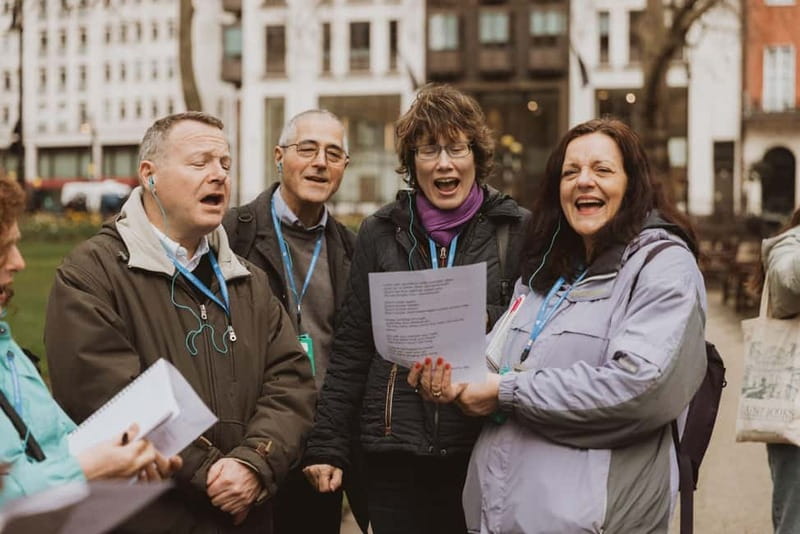
The guide can make or break the walking portion. The strongest feedback centers on clear explanations, humor, and personal attention.
Kate received praise for explaining both Churchill’s private life and public achievements. That combination matters because Churchill can easily become a cardboard wartime hero. Personal details, when handled well, help you understand the person behind the speeches without losing sight of his political work.
Peter was praised for being funny, answering questions, and getting to know the group. That is useful on a three-hour walk. Humor helps keep the pace light, while direct answers prevent the tour from becoming a one-way lecture. One small group had only six people, which allowed more conversation and easier movement.
Salvadore was praised for his London and Churchill knowledge and for making the walk entertaining. His approach also shows why the outdoor portion can be especially valuable. You receive context for the sights before reaching the museum, then gain quick access to the War Rooms as the final part of the experience.
The group limit is 15, so you should have a better chance of hearing the guide than on a large coach tour. Still, group size can vary, and the tour remains outdoors for much of its first half. Stay near the guide at busy crossings and crowded public squares.
Is $106.41 a fair price?
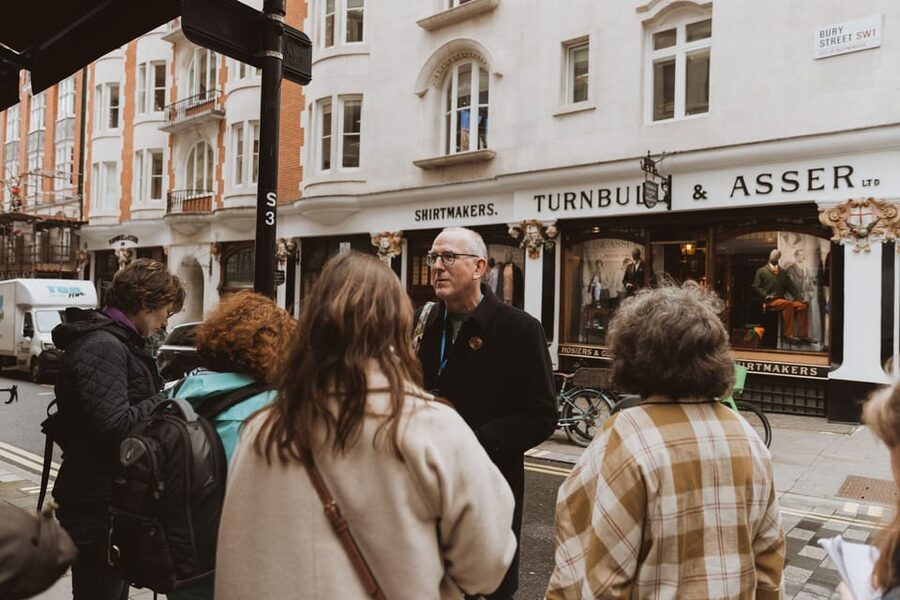
At $106.41 per person, this sits in the higher range for a three-hour London activity. The price includes the reserved Churchill War Rooms admission, the audio guide, and the live walking tour with an English-speaking local guide.
The value depends on how you would otherwise visit the museum. If you already plan to buy a War Rooms ticket and explore Westminster independently, you may find the added walking tour less essential. You are paying for the connection between the sites, the guide’s storytelling, and the convenience of a reserved entry.
I think the price makes the most sense for a first visit to London or for anyone with a strong interest in Churchill and World War II. You see a string of major Westminster sights and receive a focused history lesson before entering one of London’s most important wartime museums.
The small-group format adds value, especially if your guide is as engaging as Kate, Peter, or Salvadore. It does not make the tour private, and the experience still depends on the energy and quality of the guide assigned that day. The 4.2 rating from 52 reviews suggests a generally strong experience, but not one that will suit every visitor.
Who should take this tour?
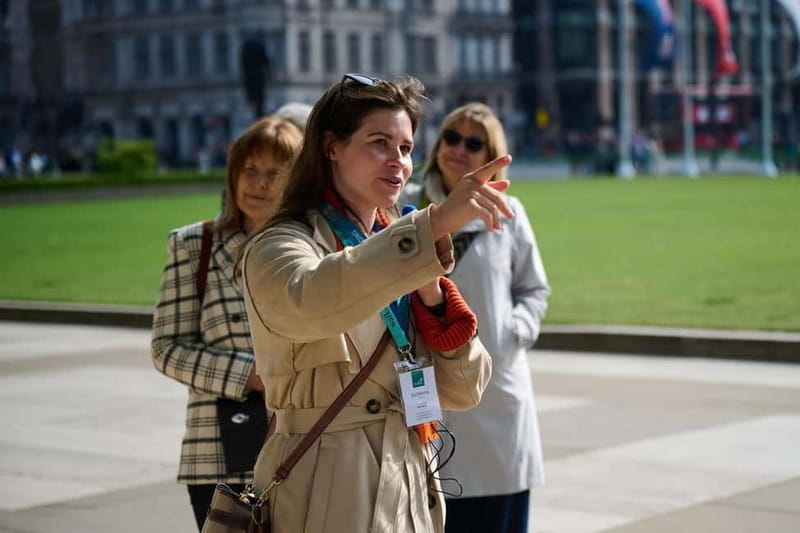
I would recommend it to you if Churchill is a main reason for visiting London, or if you want a structured introduction to Westminster’s wartime story. It works well for people who appreciate a guide’s context but still want time to explore a museum independently.
It also suits first-time visitors who want to combine sightseeing with history. Big Ben, Parliament Square, Westminster Abbey’s exterior, Downing Street, Whitehall, and Horse Guards Parade all appear without requiring separate planning.
You may prefer a different approach if you want to enter Westminster Abbey, spend a long time photographing each monument, or avoid walking. The tour requires a moderate pace and is not suitable for wheelchair users, people with mobility impairments, or strollers according to the important information provided.
There is also a confusing accessibility note: the general activity details describe the tour as wheelchair accessible, while the specific important information says it is not suitable for wheelchair users or people with mobility impairments. Contact the operator before booking if access is important to you, and rely on the more restrictive warning until you receive clear confirmation.
The tour is offered in English only. You should be comfortable following live explanations outside and using an English audio guide inside the museum.
Practical details that affect your day
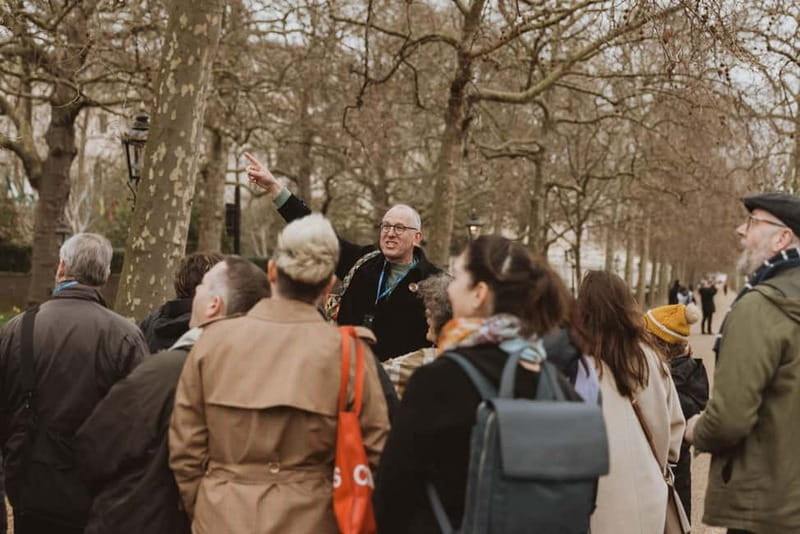
The experience lasts three hours, with about 90 minutes inside the War Rooms. There is no hotel pickup or drop-off, so you need to reach the RAF Memorial on your own.
The listed finish is at Clive Steps on King Charles Street, London SW1A 2AH. The meeting information also says the activity ends back at the meeting point, so check the final location when you book. Either way, you finish in central Westminster, close to major transport and sightseeing areas.
Wear shoes suitable for steady city walking. The route includes several short stops, but it is not a slow stroll. Baby strollers are not allowed, and all participants must pass through security before entering the War Rooms.
Free cancellation is available up to 24 hours before the start, and you can reserve now and pay later. That flexibility helps if your London plans are still changing.
Should you book the Churchill War Rooms tour?
Book this tour if you want Churchill’s story explained across the streets of Westminster before you enter the underground rooms where wartime decisions were made. The strongest reason to go is the combination of a compact landmark walk, a small group, and reserved museum entry.
I would skip it if you mainly want the War Rooms and prefer to explore without a guide. I would also choose another activity if crowds, moderate walking, or an English-only presentation would make the day difficult.
For most history-minded visitors, this is a sensible way to connect the public face of Churchill with the working rooms beneath London. Arrive early, wear good shoes, and save your energy for the museum, where the preserved offices and Map Room provide the most memorable part of the visit.
FAQ
How long does the Churchill’s Life and World War II tour last?
The tour lasts three hours. About one and a half hours are allocated to the Churchill War Rooms.
Where does the tour begin?
The tour begins at the Royal Air Force Memorial in London. Arrive 15 minutes early and look for a guide holding a green Walks sign.
What language is the tour offered in?
The live tour guide speaks English, and the Churchill War Rooms visit uses an English audio guide.
Is admission to Westminster Abbey included?
No. The tour stops at Westminster Abbey from the outside only.
Is the tour wheelchair accessible?
The information is inconsistent. One section describes the activity as wheelchair accessible, but the important information says it is not suitable for wheelchair users or people with mobility impairments. Contact the operator before booking to confirm your needs.
Are hotel pickup and drop-off included?
No. You are responsible for reaching the starting point, and hotel pickup and drop-off are not included.
Just added in London
- The Best of British Cooking Class & Dining Experience★ 5.0 · 1 review
- London: Live Comedy Show at Big Belly Bar and Comedy Club★ 4.5 · 80 reviews
- London: British Museum Highlights Guided Small Group Tour★ 4.9 · 113 reviews
- The Beatles London Walking Tour★ 4.2 · 147 reviews
- The Best Highlights of London Walking Tour & Boat Cruise★ 5.0 · 1 review
- The Authentic Walking Tour with Indian Tasting Meal★ 4.8 · 4 reviews
- Iconic London: Bard, Beatles, Bond & Baker Street★ 4.9 · 15 reviews
- London: Tate Britain Official Discovery Tour★ 4.7 · 7 reviews
Churchill War Rooms Tours, compared.
Westminster WW2 Tour & Churchill’s War Rooms Ticket
Read our review →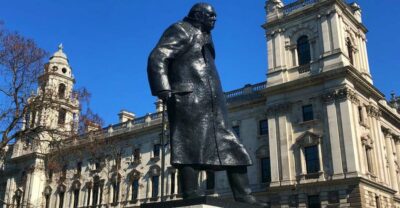
Westminster Tour and Churchill War Rooms Visit
Read our review →
Churchill War Rooms Ticket & Political London Audio
Read our review →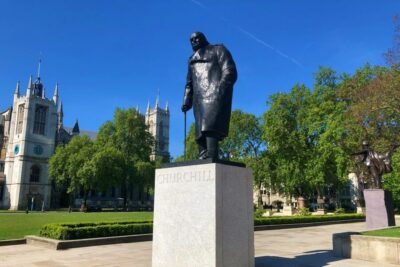
Winston Churchill and London in WWII Walking Tour
Read our review →
Big Ben, Churchill War Rooms & Buck’ham Palace Tour
Read our review →

Westminster Abbey & Churchill War Rooms Walking Tour
Read our review →Other lists this tour turns up in