
REVIEW · CHURCHILL WAR ROOMS TOURS
London: Churchill War Rooms Ticket & Political London Audio
History feels closer underground. This experience takes you through the bunker where Churchill and Allied leaders directed the Second World War, then sends you into Westminster with a self-guided political London audio tour. I love the chance to see the Map Room and Cabinet War Rooms in their original setting, and I like having a second audio route that includes places such as 10 Downing Street and Parliament. The main drawback is crowding, which can make the narrow rooms feel rushed, especially during holidays and busy times.
You pay about $62 per person for a one-day experience with entry to the Churchill War Rooms, two audio guides, and a sightseeing app with a digital map. You do not get a live guide, transport, phone, or headphones, so this works best if you arrive with a charged smartphone and your own earbuds ready to go.
In This Review
- Key points at a glance
- Entering Churchill’s underground headquarters
- What the Cabinet War Rooms reveal
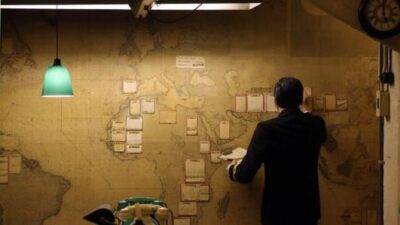
- The Map Room and the work behind the maps
- Secret rooms and everyday life during the Blitz
- The Churchill Museum adds needed context
- Adding the political London audio walk
- Is $62 good value?
- Crowds, timing, and the pace of the visit
- Who will enjoy this most?
- Should you book the Churchill War Rooms experience?
- FAQ
- Where is the meeting point?
- What is included in the ticket?
- Is there a live guide?
- Do I need to bring headphones?
- Which languages are available?
- Can I bring a suitcase?
- Is the experience wheelchair accessible?
Key points at a glance
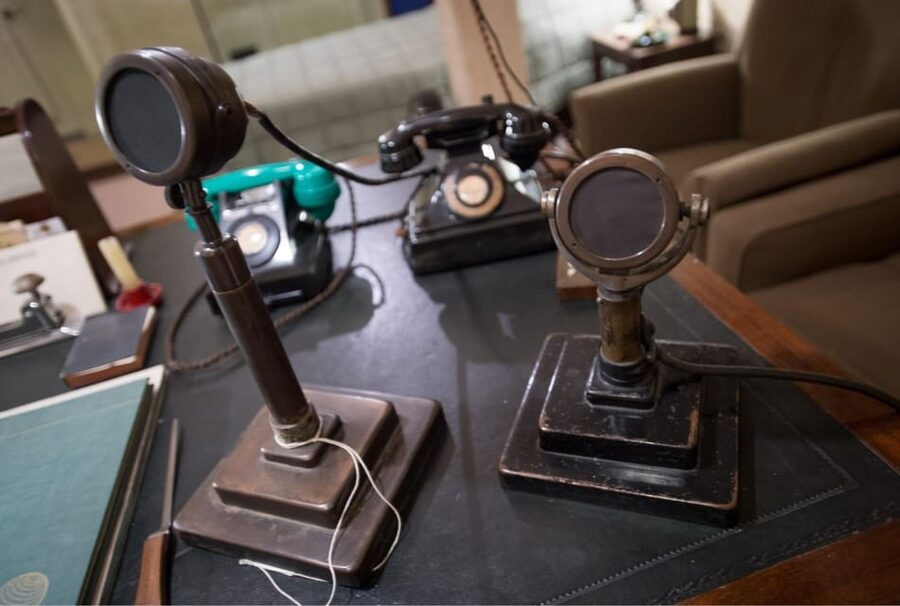
- Walk through the actual wartime bunker: See the Cabinet War Rooms, Map Room, offices, corridors, and disguised communication spaces used by the British government.
- Study the Map Room: Allied intelligence tracked German movements here, including the advance and retreat of German forces in Russia.
- Look for human details: Ashtrays, cramped work areas, and personal stories help explain what daily life was like during the Blitz.
- Add a Westminster audio walk: The app covers 15 political points of interest, including 10 Downing Street and the Houses of Parliament.
- Bring your own equipment: You need a charged phone and headphones, and large bags or suitcases are not allowed.
- Plan around crowds: The site is fascinating, but a busy room can limit how long you spend with the displays.
Entering Churchill’s underground headquarters
Meet your host in front of the Churchill War Rooms on King Charles Street. The host wears a VoxCity uniform and helps with the entry process, but this is not a guided tour with a person leading you from room to room.
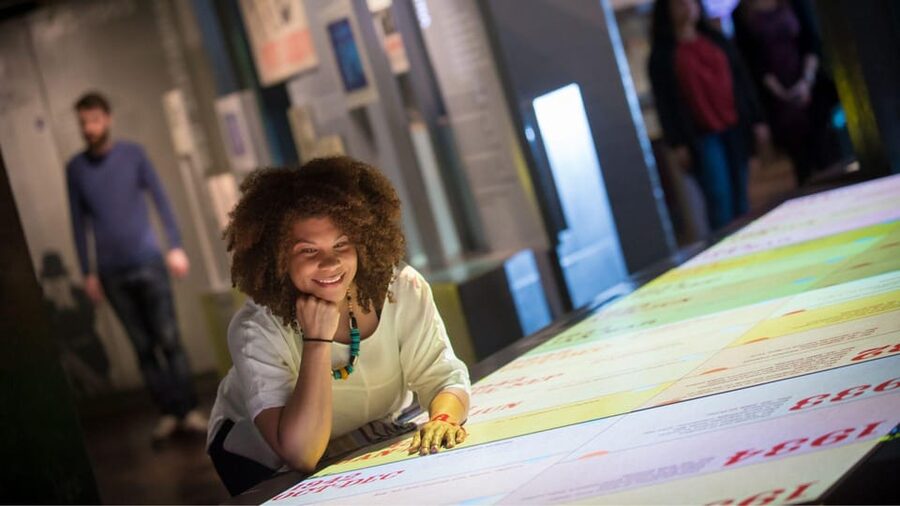
Once inside, you explore at your own pace with the Churchill War Rooms audio guide. It is available in English, German, French, Italian, Spanish, Mandarin Chinese, Portuguese, and Hebrew. The audio gives you a useful framework, but you still need to watch the route and match the audio points to the correct displays.
The entrance is near Westminster, so this experience fits neatly into a day focused on central London. You can visit the war rooms first, then use the political London audio route afterward, or save the second part for another point on the same booked day.
The ticket is valid for the booked date and time slot. That matters here because this is a popular London museum, and arriving at the wrong time can create a practical problem even if you have already paid.
More Self-Guided Tours in London
- London: Emirates Stadium Entry Ticket and Audio Guide
★ 4.7 · 5,513 reviews - London: British Museum Audio Tour & Priority Entrance Ticket
★ 4.5 · 631 reviews - London: Royal Walking Tour and Buckingham Palace Audio Tour
★ 4.8 · 154 reviews
What the Cabinet War Rooms reveal
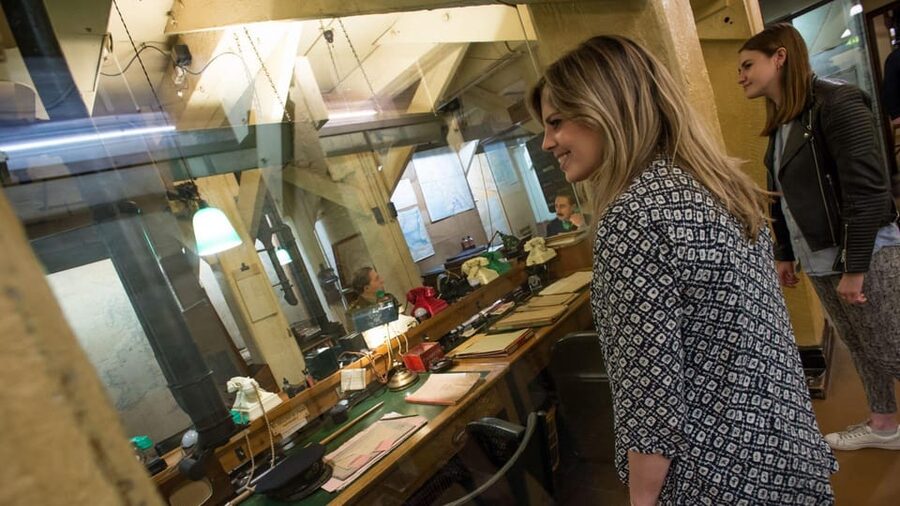
The Cabinet War Rooms were the underground center of the British government during the Second World War. Rather than seeing a polished museum reconstruction, you move through the rooms and passages where government officials, military leaders, and support staff worked under the pressure of war.
The appeal is partly physical. You are below the streets of London, moving through a maze of rooms that feel compact and functional. The setting helps explain how much of wartime decision-making depended on routine, secrecy, and long hours rather than grand ceremony.
The audio guide fills in the political and military background. You hear how Churchill and Allied commanders planned the war effort against Hitler and the Axis powers. The experience is strongest when you pause to look at the rooms while listening instead of rushing from one number to the next.
Directional signs can be limited in places. If you like to follow an audio tour in exact order, take a moment to get your bearings before pressing play. One useful habit is to check the audio number against the display before moving on, since the site can feel confusing when several people are circulating at once.
The Map Room and the work behind the maps
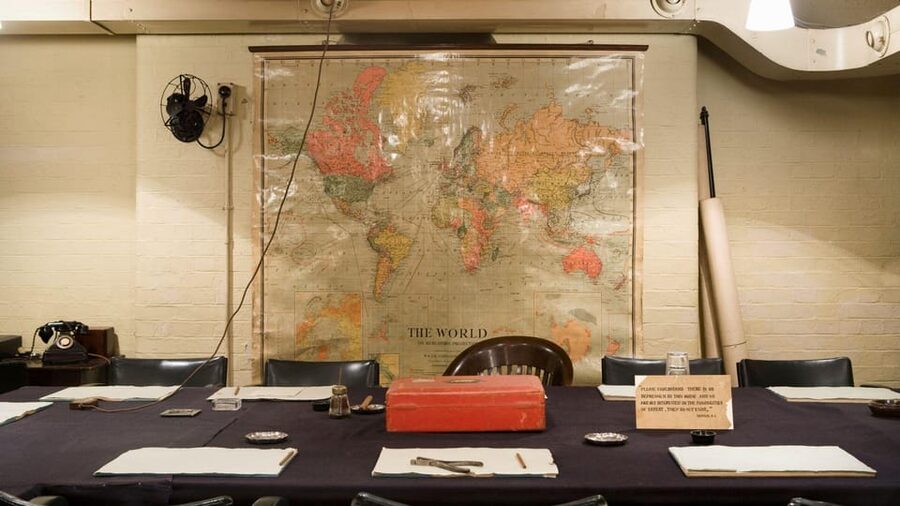
The Map Room is the key stop for many people. This top-secret room was used to follow military movements and update Allied leaders on the changing war.
You can still see how intelligence workers tracked German forces, including their advance and eventual retreat in Russia. The maps turn large military events into something easier to grasp. Pins, markings, and reports represent decisions that affected armies and civilians across Europe.
I find this more meaningful than simply looking at a famous object in a glass case. The room shows war as a constant flow of information. People had to collect reports, check them, mark changes, and pass them to decision-makers. You can sense the pressure without needing a staged performance.
The audio also helps you imagine the staff at work during long stretches of uncertainty. This is a place to slow down. Crowds may encourage you to keep moving, but the Map Room rewards a few extra minutes if the space allows.
Secret rooms and everyday life during the Blitz
One of the most memorable details is a secret communication room disguised as a toilet. The disguise sounds almost comic, but it shows how seriously secrecy was treated. The war rooms were not only a place for speeches and strategy. They were also a working office complex designed to protect communications and key personnel.
The displays include objects that make the bunker feel lived in. Ashtrays are a particularly memorable detail, reflecting Churchill’s well-known cigar habit. You also hear personal stories about life underground during the Blitz, when bombing and air raid sirens were part of daily existence.
These small details give the visit its human side. A map explains military movement, but a used ashtray suggests fatigue, habit, and personality. You get a better sense of the people who spent years working in the bunker, often with little privacy and no easy way to forget the danger above them.
Some videos contain loud bombing sounds and air raid sirens. If you are sensitive to sudden noise, be prepared. The warning is important for children and anyone who prefers a quieter museum visit.
More Churchill War Rooms visits:
- London: Westminster WW2 Tour & Churchill’s War Rooms Ticket
★ 4.5 · 925 reviews - London: London in WW2 and Churchill War Rooms Entrance
★ 4.9 · 669 reviews - London: Westminster Tour and Churchill War Rooms Visit
★ 4.7 · 371 reviews - London: Winston Churchill and London in WWII Walking Tour
★ 4.8 · 143 reviews
The Churchill Museum adds needed context
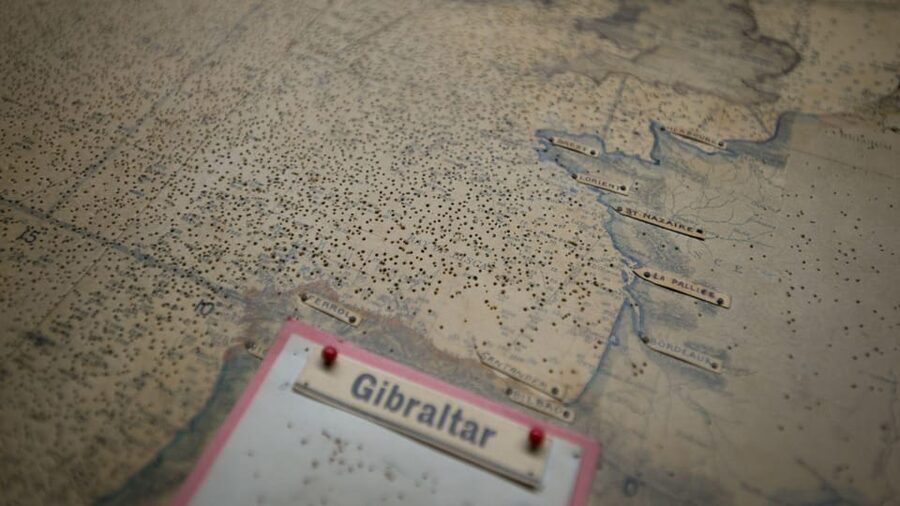
The war rooms tell you where the work happened. The Churchill Museum helps explain the person and the wider political story.
A visit can take around an hour and a half for a fairly quick walk through, but you may spend longer if you stop for the displays and audio. The museum itself deserves attention rather than being treated as a short passage to the bunker.
The material gives more background on Churchill, the government, and the conflict. It also helps connect the rooms to the choices being made outside them. If you have a strong interest in wartime history, allow extra time instead of treating the whole attraction as a quick photo stop.
The setting is not built around live performances. It is a self-guided museum visit with recorded information, objects, and preserved rooms. That suits you if you prefer to pause, replay, and set your own speed. If you want actors or a guide bringing scenes to life, this may feel more subdued.
Adding the political London audio walk
The second part is a self-guided audio tour of political London. The sightseeing app includes a digital map and 15 points of interest. The route includes major places such as 10 Downing Street and the Houses of Parliament.
This is a useful addition because it puts the war rooms in a wider setting. After seeing where wartime decisions were made, you can walk through the area where British political power still operates. The route gives you a way to connect underground history with the visible institutions around Westminster.
The audio guide is offered in English, German, French, Italian, Spanish, and Mandarin Chinese. You use your own mobile device and headphones, so download the guide before arriving if possible. The supplied instructions say to scan the QR code before arrival, which is sensible. Mobile service, battery life, and crowded streets are not things you want to solve at the first stop.
The political route is not a live walking tour. You follow the map and listen independently. That gives you flexibility, but it also means you must manage the route yourself. If you want a guide to answer questions or point out details in real time, this package will not provide that.
Is $62 good value?
At $62 per person, this is not a cheap museum ticket. The value depends on how much use you make of both parts.
The Churchill War Rooms are the main reason to buy. You are paying for access to a major historical site, the preserved underground rooms, the Churchill Museum, and an audio guide in several languages. For someone interested in Churchill, the Second World War, military planning, or London’s political history, the ticket can justify its cost.
The political London audio guide adds value if you plan to walk around Westminster anyway. It covers 15 points of interest without requiring you to schedule a second paid tour. If you only use the war rooms and ignore the app, the package becomes less attractive.
You should also account for the equipment you supply yourself. There is no headset or mobile device, and transportation is not included. That is normal for an app-based self-guided experience, but it means the price is not fully all-inclusive in practical terms.
The one-day validity gives you some freedom, but the ticket remains tied to a booked date and time slot. Since the activity is non-refundable, choose your day carefully.
Crowds, timing, and the pace of the visit
Crowding is the biggest concern. The rooms are underground and often narrow, so a full admission period affects the experience more than it would in a large open museum.
At busy times, you may need to keep moving or wait for space near a display. Holiday periods can feel especially pressured. A quieter visit gives you more time to listen, read, and picture the work taking place in each room.
I would avoid treating this as a quick stop between tightly scheduled appointments. Even if you spend only about 90 minutes inside, the audio, museum displays, ticket check, and movement through the complex can take more of your day.
Arrive prepared:
- Download the audio guide before you reach King Charles Street.
- Charge your phone fully.
- Bring headphones.
- Keep the official e-ticket available, and print it if convenient.
- Leave suitcases, pull-along baggage, and large bags elsewhere.
- Check the audio number before moving to the next room.
The official Churchill War Rooms e-ticket is sent for download, with delivery through WhatsApp within 24 hours of the travel date. Make sure you download the official ticket itself, not just rely on a booking confirmation screen.
Who will enjoy this most?
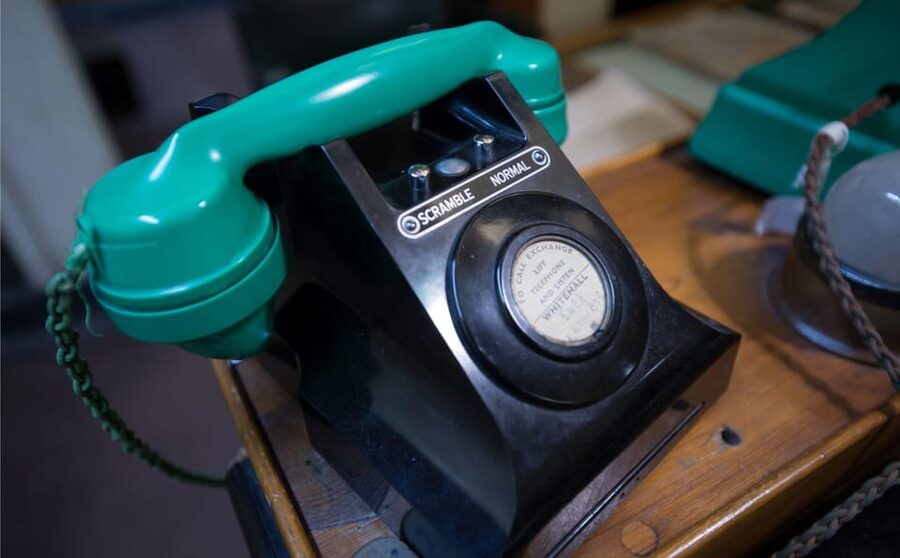
This experience suits history-minded visitors who like to explore independently. You will get the most from it if you enjoy reading displays, listening carefully, and taking time with preserved rooms rather than being entertained by a guide.
It is especially good for:
- First-time visitors interested in Churchill and the Second World War
- Families with older children who can follow an audio guide
- Museum fans who prefer their own pace
- Visitors already planning to walk around Westminster
- People who want multiple language options
- Anyone curious about the practical side of wartime government
It may be less suitable if you dislike underground spaces, sudden loud sounds, or crowded museums. It is also not ideal if you want a personal guide, live storytelling, or a fully managed walking route.
The site is wheelchair accessible, which makes the experience available to a wider range of visitors. You should still arrive with the same digital preparation, since accessibility does not change the need for a valid timed ticket and your own audio equipment.
Should you book the Churchill War Rooms experience?
Book it if the war rooms are high on your London list and you are happy exploring with your phone. The preserved Map Room, Cabinet War Rooms, disguised communication room, and human details such as the ashtrays make this far more than a standard political museum visit.
The package is strongest when you use both components. Spend proper time inside the bunker and then follow at least part of the 15-stop political London route around Westminster. At $62, that combination gives you a full historical theme for the day.
If your schedule falls during a very busy holiday period, expect crowds and a less relaxed pace. Still, for a self-guided look at where Britain’s wartime leadership worked, this is a worthwhile and unusually direct London history experience.
FAQ
Where is the meeting point?
Meet your host in front of the Churchill War Rooms on King Charles Street. The host wears a VoxCity uniform.
What is included in the ticket?
The package includes entry to the Churchill War Rooms, the Churchill War Rooms audio guide, a host at the meeting point, a sightseeing app with a digital map of London, and the political London audio guide.
Is there a live guide?
No. The experience is self-guided. A host is present at the meeting point, but there is no live guide leading the visit.
Do I need to bring headphones?
Yes. Headphones and a charged smartphone are not provided, so bring your own.
Which languages are available?
The Churchill War Rooms audio guide is available in English, German, French, Italian, Spanish, Mandarin Chinese, Portuguese, and Hebrew. The political London audio guide is available in English, German, French, Italian, Spanish, and Mandarin Chinese.
Can I bring a suitcase?
No. Suitcases, pull-along baggage, and large bags are prohibited.
Is the experience wheelchair accessible?
Yes, the activity is listed as wheelchair accessible. You still need to bring the required e-ticket and arrive for your booked date and time slot.
More Audio Tours in London
- London: Gin and Afternoon Tea Bus Tour with Audio Guide
★ 4.8 · 11 reviews - Bath: Roman Baths Entry Ticket with Audio Guide
★ 4.7 · 425 reviews - Canterbury Cathedral: Entry Ticket with Audio Guide
★ 4.6 · 266 reviews - Bristol: Self-Guided Sightseeing Audio Tour
★ 4.4 · 151 reviews
Just added in London
- London: British Museum Highlights Guided Small Group Tour★ 4.9 · 113 reviews
- The Best of British Cooking Class & Dining Experience★ 5.0 · 1 review
- London: Live Comedy Show at Big Belly Bar and Comedy Club★ 4.5 · 80 reviews
- The Beatles London Walking Tour★ 4.2 · 147 reviews
- The Best Highlights of London Walking Tour & Boat Cruise★ 5.0 · 1 review
- The Authentic Walking Tour with Indian Tasting Meal★ 4.8 · 4 reviews
- Iconic London: Bard, Beatles, Bond & Baker Street★ 4.9 · 15 reviews
- London: Tate Britain Official Discovery Tour★ 4.7 · 7 reviews
Churchill War Rooms Tours, compared.

Westminster WW2 Tour & Churchill’s War Rooms Ticket
Read our review →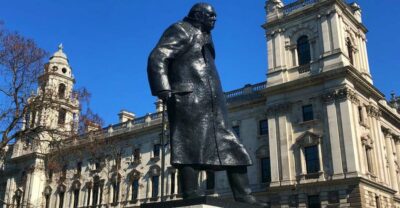
Westminster Tour and Churchill War Rooms Visit
Read our review →
Winston Churchill and London in WWII Walking Tour
Read our review →
Big Ben, Churchill War Rooms & Buck’ham Palace Tour
Read our review →
Westminster Abbey & Churchill War Rooms Walking Tour
Read our review →Other lists this tour turns up in