
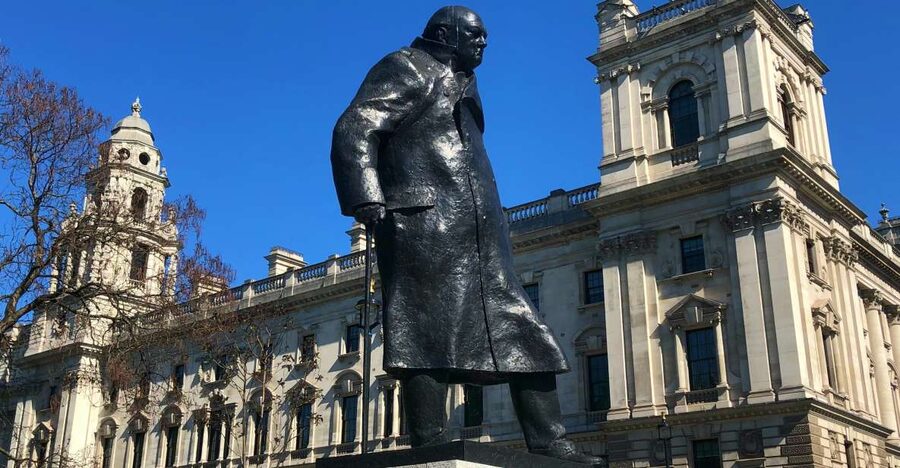
REVIEW · CHURCHILL WAR ROOMS TOURS
London: London in WW2 and Churchill War Rooms Entrance
London remembers the war in stone. This three-hour experience links Westminster’s famous sights with the underground rooms where Churchill and his cabinet directed Britain’s wartime effort. I like the small groups of 15 or fewer, which make it easier to hear stories and ask questions. I also like the smart pairing of an outdoor walk with time inside the Churchill War Rooms.
The main drawback is that the second half is self-guided with an audio device, and the War Rooms can become crowded. You also need comfortable shoes and a tolerance for London weather, since the walking tour runs rain or shine.
In This Review
- Key points to know before booking
- Starting beneath Westminster Station
- Westminster Abbey, Parliament, and wartime London
- The Cenotaph and the meaning of Whitehall
- Downing Street and Churchill’s public role
- Entering the Churchill War Rooms
- How much time should you allow?
- Is the $96 price good value?
- Who will enjoy this experience most?
- Practical tips for a smoother visit
- Should you book the London WW2 and Churchill War Rooms tour?
- FAQ
- How long does the tour last?
- Where does the tour meet?
- How do I identify the guide?
- Is entrance to Churchill’s War Rooms included?
- Is the War Rooms visit guided in person?
- What should I bring?
- Is the tour suitable for wheelchair users?
Key points to know before booking
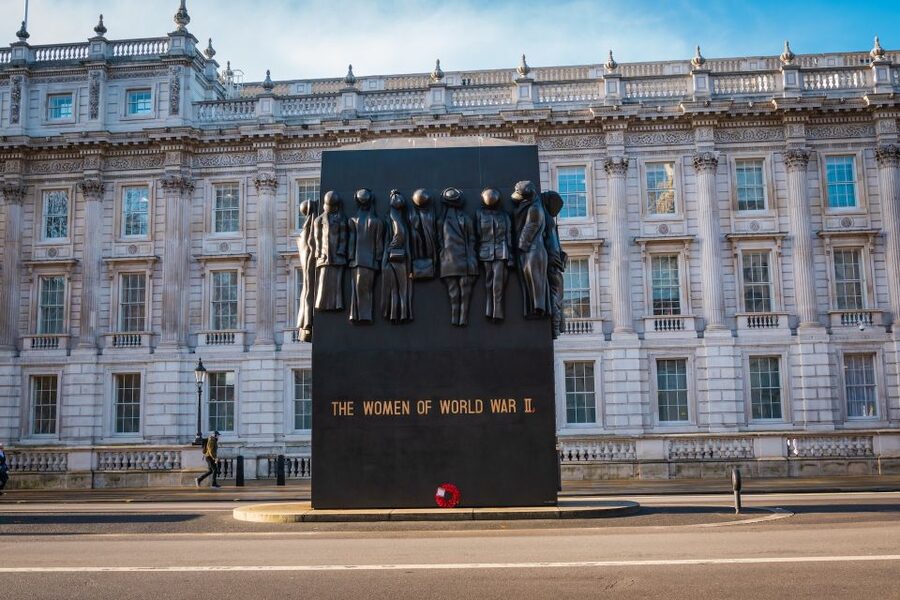
- The route connects major Westminster sights: You pass Westminster Abbey, Big Ben, the Houses of Parliament, Downing Street, the Cenotaph, the Ministry of War, and Whitehall.
- The guides are the heart of the experience: Nathan, Babs, Richard, Jeremy, and Paul have all been praised for lively storytelling, humor, and strong command of the subject.
- The War Rooms entrance is included: You do not need to arrange a separate admission for this part of the visit.
- The outdoor section provides useful context: The monuments and government buildings mean more once you understand their wartime role.
- The museum needs time: A few hours can pass quickly among the rooms, exhibits, and presentations, so avoid scheduling another tight activity afterward.
- It is not suitable for everyone: The tour is not recommended for wheelchair users or people with mobility impairments, and large bags and strollers are not allowed.
Starting beneath Westminster Station
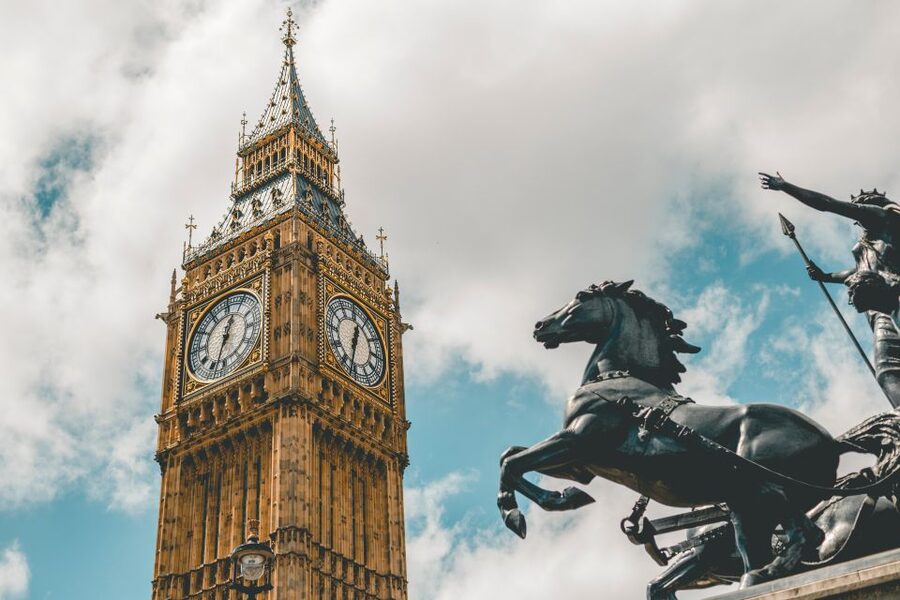
You meet the guide outside Westminster Station by the Boadicea and Her Daughters statue. Use Exit 2, following signs for Victoria Embankment, then climb the stairs to street level. The guide will be beside the statue with an orange Urban Saunters sign.
This is a practical meeting point, but Westminster Station can feel confusing if you rush out of the wrong exit. Give yourself a few minutes to find Exit 2. The statue is the fixed landmark, and the orange sign should make the group easy to spot.
From the start, you are in one of London’s most politically important areas. The tour does not cover a huge amount of ground, which is actually useful. You spend less time marching between distant sights and more time hearing what happened around the buildings in front of you.
The group size matters here. With 15 people or fewer, you should be able to stay close to the guide and catch the commentary. A larger crowd would make it harder to gather around monuments or hear quieter details.
More Churchill War Rooms visits:
- London: Westminster WW2 Tour & Churchill’s War Rooms Ticket
★ 4.5 · 925 reviews - London: Westminster Tour and Churchill War Rooms Visit
★ 4.7 · 371 reviews - London: Churchill War Rooms Ticket & Political London Audio
★ 4.6 · 224 reviews
Westminster Abbey, Parliament, and wartime London
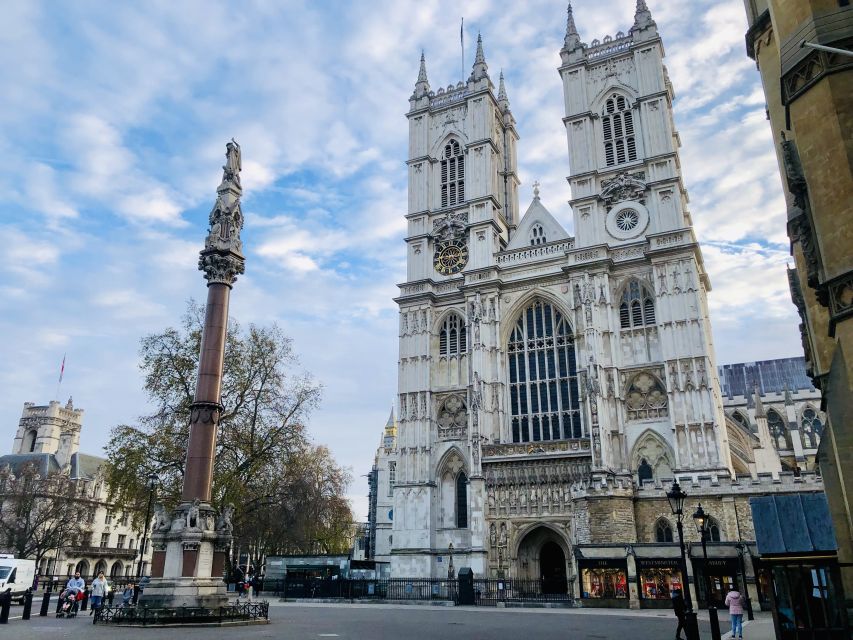
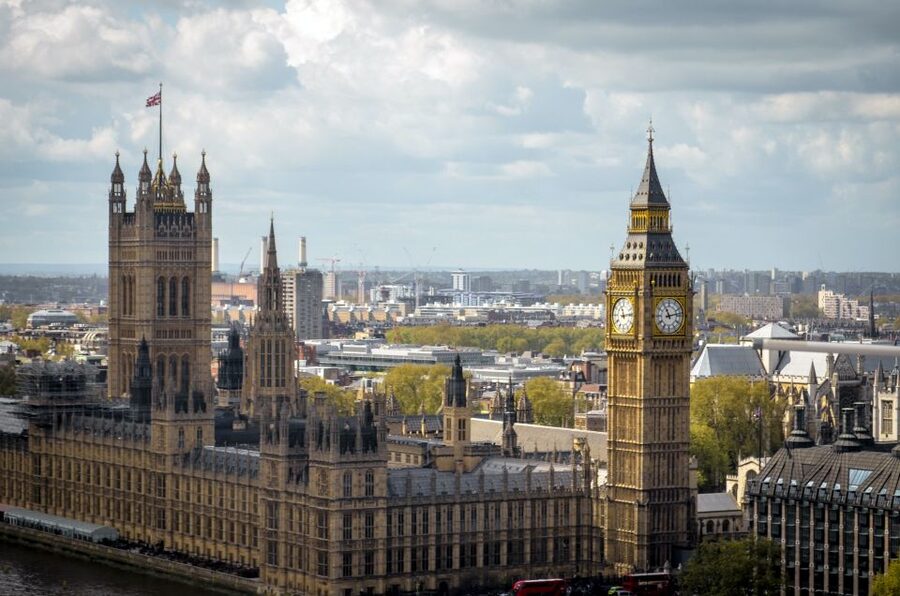
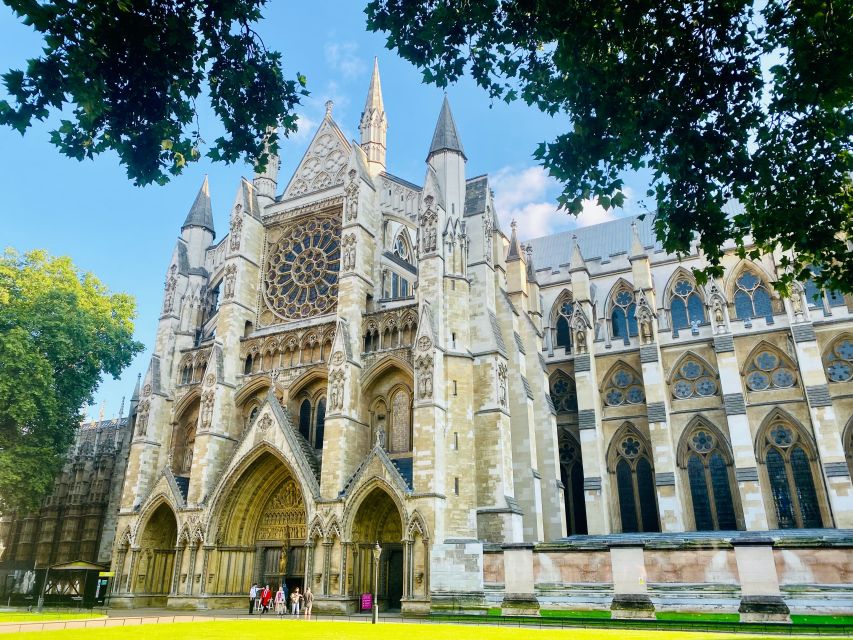
The walk takes you past Westminster Abbey and the Houses of Parliament, with Big Ben forming one of the instantly recognizable backdrops. These are sights many people photograph and move past. The guide adds the wartime setting: air raid sirens, night bombing, rationing, restrictions, and the strain placed on civilians and military personnel.
The point is not simply to admire the buildings. You are asked to picture Westminster in the 1940s, when government work continued under the threat of German bombing raids. The familiar streets become part of a working capital under pressure.
Big Ben is especially useful as a symbol of wartime change. The description of the clock no longer sounding gives you a sense of how ordinary public life was altered. Darkness, silence, and blackout conditions replaced the normal rhythms of the city.
The outdoor section also helps explain Britain’s wider war effort. You hear about the people serving in Europe and beyond, along with the civilians who managed rationing and restrictions at home. The best guides balance large events with individual stories, so the period does not feel like a list of dates and military operations.
Nathan has received repeated praise for his storytelling, humor, and ability to hold attention. Babs is also known for bringing warmth and energy to the subject, while Richard is praised for making the material engaging and approachable. The guide assigned to your group can vary, but the experience depends greatly on getting someone who enjoys telling these stories aloud.
The Cenotaph and the meaning of Whitehall
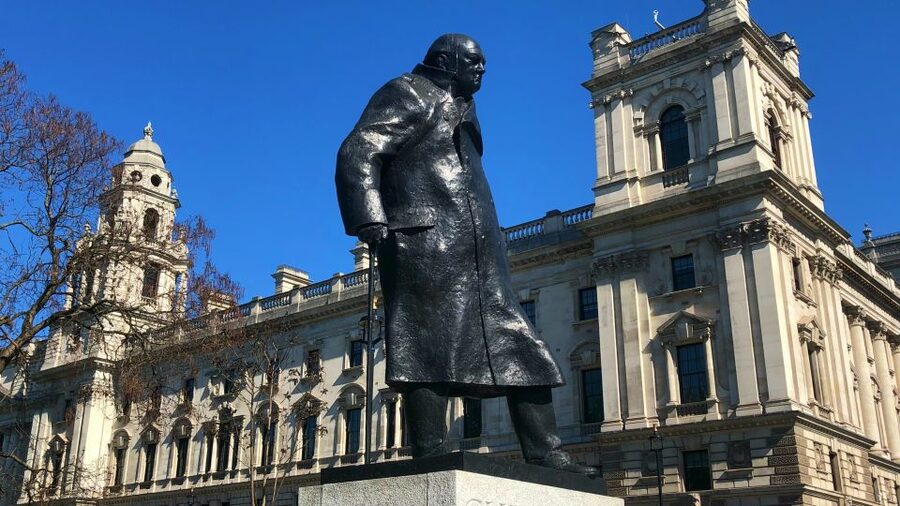
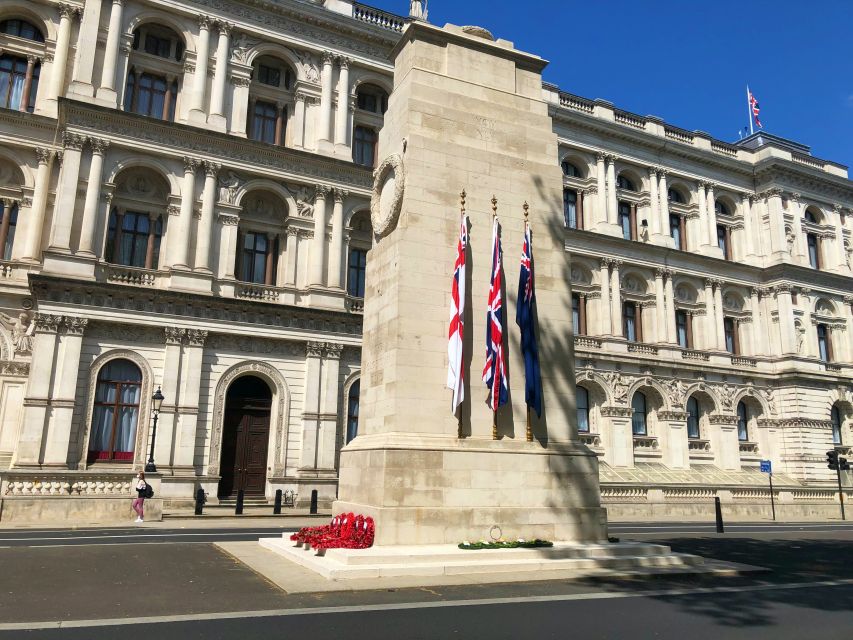
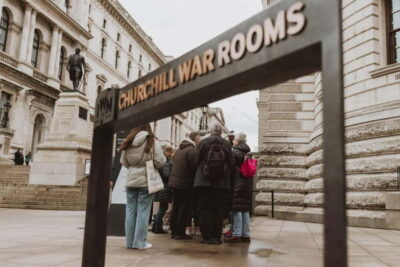
Whitehall is the natural middle chapter of the walk. This broad government district is filled with military offices, memorials, and reminders of national service. The Cenotaph gives the guide a place to discuss remembrance and the personal cost behind official wartime language.
This stop can be more moving than the famous landmarks. You are not only looking at a memorial. You are considering the people represented by it, including those who served and those who never returned. One particularly strong part of the guiding style is the attention given to people who worked alongside major figures, not only to Churchill himself.
The tour also passes the Ministry of War and other government buildings. The value here is context. You begin to understand Westminster as a command center, not merely a ceremonial district. Decisions made in these offices affected soldiers abroad and families trying to keep daily life going in Britain.
Expect to spend much of this section standing while the guide talks. On warm days, a good guide may look for shade, as Babs did for one group. On wet days, the same stops can be less comfortable. Bring an umbrella and wear clothing suited to the forecast.
Downing Street and Churchill’s public role
The walk continues toward 10 Downing Street and Whitehall. You will not be taking a casual stroll into the prime minister’s residence, but the location gives the guide a strong setting for explaining Churchill’s position during the war.
Churchill is presented as a leader, public speaker, and working politician, rather than as a simple heroic statue. The strongest commentary brings in his habits, personality, decisions, and relationships with the people around him. It also connects his public image to the practical work carried out underground.
This is one reason the tour can work for people who are not already devoted to military history. The guide supplies the setting and human detail before you enter the museum. You do not need to arrive with a long list of dates in your head.
The tone is generally serious, but humor helps keep the walk from becoming heavy. Nathan in particular has been praised for using wit without losing respect for the people who lived through the period. Babs is praised for her enthusiasm and personal warmth. Jeremy and Peter have also been singled out for clear explanations and an ability to adapt to the group.
A few more options to weigh up in London
- London: The London Eye Entry Ticket
★ 4.6 · 35,875 reviews - From London: Harry Potter Warner Bros Studio Tour
★ 4.7 · 26,588 reviews - London: Westminster to Greenwich River Thames Cruise
★ 4.5 · 22,836 reviews - Magical London: Harry Potter Guided Walking Tour
★ 4.7 · 22,044 reviews
Entering the Churchill War Rooms
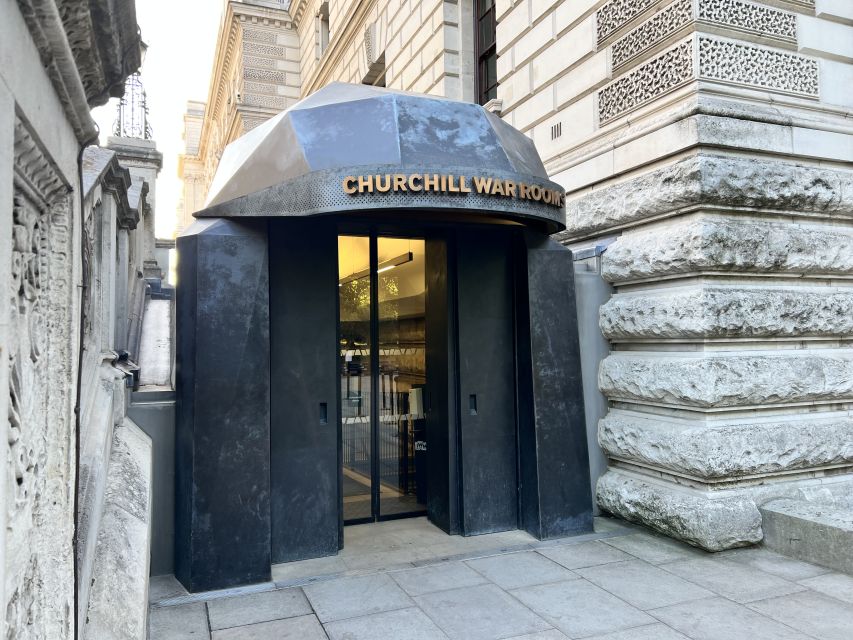
After the Westminster walk, you say goodbye to the guide and enter the Churchill War Rooms. The admission is included, and you explore the site at your own pace using an audio guide.
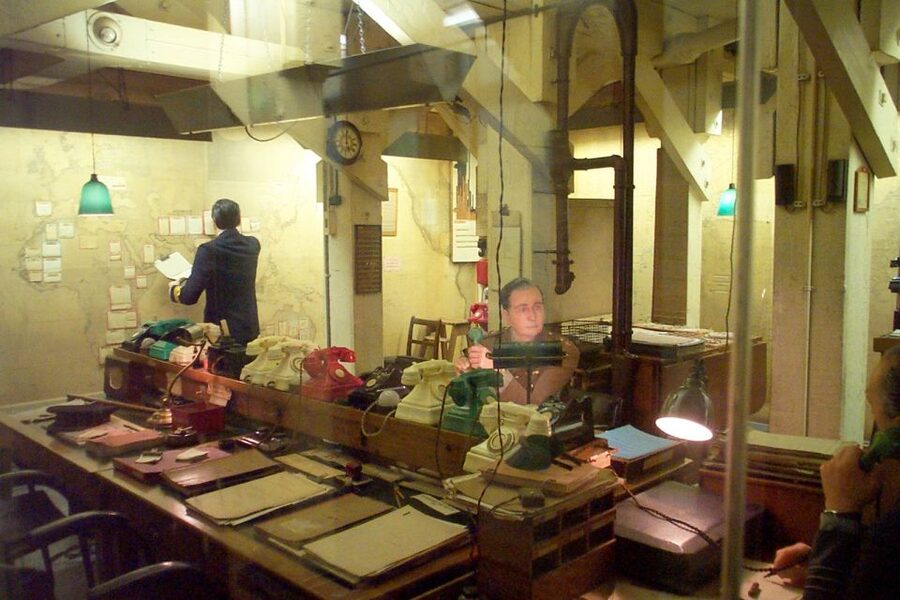
This change in format is important. The first part is social and guided. The second is more independent, allowing you to pause at displays and spend longer with sections that interest you. The underground complex has been preserved as a wartime command center, giving you a direct sense of the cramped, practical environment in which Churchill and his cabinet worked.
The rooms are not presented as a polished modern office. Their power comes from the fact that they remain frozen in wartime form. You move through miles of strategic bunkers and see the spaces connected with government planning during World War II.
The audio guide provides structure, but it cannot react to your questions in the way a live guide can. One guest found the audio commentary less informative than the first half, and that is a fair expectation to set. The outdoor guide can explain a monument in response to your question. Inside, you follow the museum’s own system.
Crowds are another consideration. At busy moments, it may be difficult to see every display carefully or listen without interruption. Move at your own pace when possible, and do not assume you can inspect the entire museum quickly. One afternoon group found that a few hours was not enough to cover every exhibit and presentation in detail.
How much time should you allow?
The advertised duration is three hours, including the walking tour and the War Rooms visit. The exact balance depends on the schedule and the time available after the guided walk.
If your tour begins later in the day, you may have less time inside the museum before another commitment. I would keep the rest of the day flexible. The War Rooms are the sort of place where you may want to stop, listen, reread a panel, and then continue.
The first part also takes concentration. You are walking through central London while listening to a long series of stories, so this is not a simple photo stop. Build in time afterward for a drink or meal, since food and drinks are not included.
The route is compact, which suits visitors who want substance without crossing half of London. It also means you will be on your feet for much of the experience. Comfortable shoes are essential, and a water bottle is sensible.
Is the $96 price good value?
At $96 per person, this is not a low-cost sightseeing walk. The value comes from combining a live, small-group guide with entrance to the Churchill War Rooms and an audio guide inside.
The War Rooms admission is a major part of the package. Buying the experience also saves you from arranging the outdoor tour and museum visit separately, while giving you a clear historical link between the two. That connection is more useful than seeing the bunkers without first understanding Westminster’s wartime setting.
I would consider the price fair if you care about World War II, Churchill, British political history, or well-told stories about London. It is less compelling if you only want a quick look at Big Ben and Westminster Abbey. You are paying for interpretation, not just access to famous buildings.
The small group also supports the price. A guide who can answer questions and keep the group together offers more than a large, impersonal city walk. Still, the museum section is self-guided, so do not expect a personal guide to accompany you through every underground room.
Free cancellation up to 24 hours before the start and the option to reserve now and pay later reduce the risk of booking. Those policies are helpful if your London schedule is still shifting.
Who will enjoy this experience most?
I would choose this tour for:
- First-time London visitors who want a wartime angle on Westminster
- People with an interest in Churchill or World War II
- Families with older children and teenagers who respond well to stories
- Visitors who prefer a guide to explain monuments rather than simply photograph them
- Anyone who wants to combine outdoor sightseeing with a major museum visit
It can work across age groups. One group found that the guide held the attention of everyone from a senior citizen to a tween. That depends partly on the guide’s style, but the combination of recognizable landmarks, personal stories, and preserved underground rooms gives the subject several ways in.
I would be cautious if you have mobility limitations. The experience is not suitable for wheelchair users or people with mobility impairments. You should also leave large luggage and baby strollers elsewhere, since they are not allowed.
This is not the right choice for a visitor who dislikes standing, walking, or listening to extended commentary. It is also not ideal if you need a fully live-guided museum visit. The War Rooms portion uses an audio guide.
Practical tips for a smoother visit
Wear shoes that remain comfortable on city streets and hard museum floors. Bring water, an umbrella, and layers that work in changing weather.
Arrive at the Boadicea and Her Daughters statue rather than simply aiming for Westminster Station. Exit 2 is essential. The guide uses an orange Urban Saunters sign, so look for that rather than wandering around the station entrances.
Do not bring large bags or luggage. Everyone must pass through security before entering the War Rooms, so allow patience for that step.
If you are visiting on a rainy day, remember that the walk continues in poor weather. The tour takes place rain or shine. London rain will not pause for your historical education, sadly.
Try to keep the rest of your day open. The museum can absorb more time than expected, especially if you listen to the audio guide carefully and stop for the displays. If you start in the afternoon, you may not have enough time to see everything at a leisurely pace.
Should you book the London WW2 and Churchill War Rooms tour?
Book it if you want the War Rooms to make sense, not simply appear as a series of underground offices. The walking route gives you Westminster’s wartime setting, while the museum shows where national decisions were made.
The strongest reason to go is the guiding. Nathan, Babs, Richard, Jeremy, and Paul have each been praised for clear narration, humor, warmth, and respect for the subject. Your guide will vary, but the format gives a good storyteller room to bring the monuments to life.
Skip it if you want a quick, inexpensive sightseeing loop, have mobility concerns, or prefer to explore museums without a fixed schedule. For most history-minded visitors, though, the $96 cost is reasonable because it joins two experiences that work better together than apart.
FAQ
How long does the tour last?
The experience lasts three hours. This includes the guided Westminster walk and entry to Churchill’s War Rooms.
Where does the tour meet?
Meet by the Boadicea and Her Daughters statue outside Westminster Station, Exit 2. Follow signs for Exit 2, Victoria Embankment, then take the stairs to street level.
How do I identify the guide?
The guide will be holding an orange Urban Saunters tour sign beside the statue.
Is entrance to Churchill’s War Rooms included?
Yes. Entrance to Churchill’s War Rooms and an audio guide are included.
Is the War Rooms visit guided in person?
No. After the walking tour, you explore the War Rooms at your own pace with an audio guide.
What should I bring?
Bring comfortable shoes, an umbrella, water, and comfortable clothing. The outdoor section takes place rain or shine.
Is the tour suitable for wheelchair users?
No. The experience is not suitable for wheelchair users or people with mobility impairments. Baby strollers, luggage, and large bags are also not allowed.
Just added in London
- The Best of British Cooking Class & Dining Experience★ 5.0 · 1 review
- London: Live Comedy Show at Big Belly Bar and Comedy Club★ 4.5 · 80 reviews
- London: British Museum Highlights Guided Small Group Tour★ 4.9 · 113 reviews
- The Beatles London Walking Tour★ 4.2 · 147 reviews
- The Best Highlights of London Walking Tour & Boat Cruise★ 5.0 · 1 review
- The Authentic Walking Tour with Indian Tasting Meal★ 4.8 · 4 reviews
- Iconic London: Bard, Beatles, Bond & Baker Street★ 4.9 · 15 reviews
- London: Tate Britain Official Discovery Tour★ 4.7 · 7 reviews
Churchill War Rooms Tours, compared.

Westminster WW2 Tour & Churchill’s War Rooms Ticket
Read our review →
Westminster Tour and Churchill War Rooms Visit
Read our review →
Churchill War Rooms Ticket & Political London Audio
Read our review →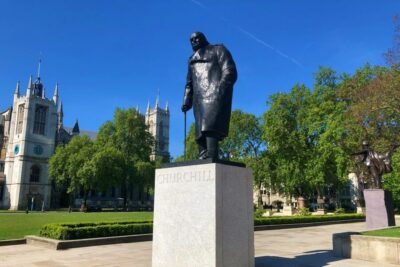
Winston Churchill and London in WWII Walking Tour
Read our review →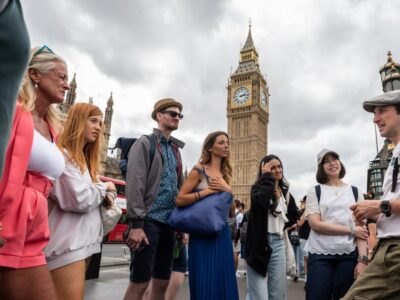
Big Ben, Churchill War Rooms & Buck’ham Palace Tour
Read our review →

Westminster Abbey & Churchill War Rooms Walking Tour
Read our review →Other lists this tour turns up in