
REVIEW · PORTSMOUTH TOURS
Portsmouth: The D-Day Story Entry Ticket
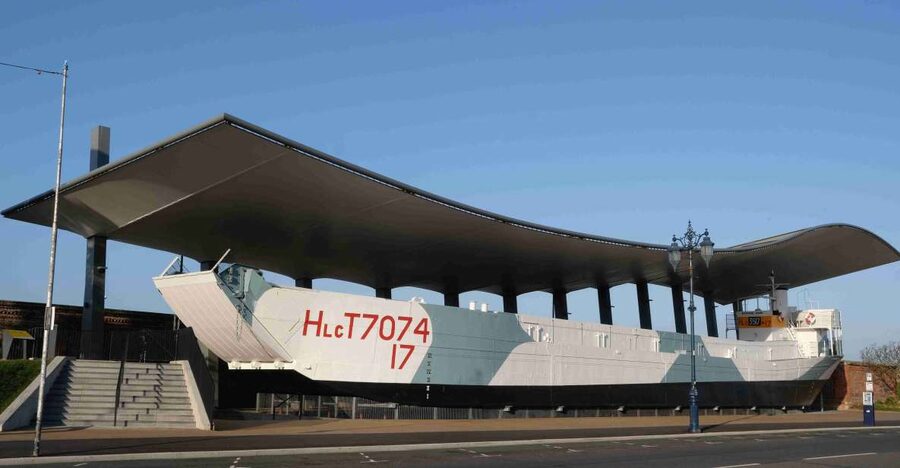
D-Day comes alive in Portsmouth. This Southsea museum makes 6 June 1944 feel personal, showing the invasion through soldiers’ voices, civilian stories, military objects, and the decisions behind the operation. I especially like the chance to board LCT 7074, the last surviving landing craft tank used on D-Day, and the moving Overlord Embroidery, told in 34 hand-stitched panels.
The museum is also strong on detail. You can examine more than 10,000 objects and personal possessions, then watch veterans explain what happened in their own words. Allow at least two to three hours, and more if you read everything. The main drawback is that the volume of information can feel tiring, and the embroidery’s low lighting may make some panels hard to see.
In This Review
- Key points to know before you go
- Why Portsmouth is the right place for this museum
- Begin with the plan behind the invasion
- Follow the invasion through personal voices
- Board LCT 7074 and picture ten tanks inside
- End with the Overlord Embroidery
- How long should you allow?
- Is the $19 admission good value?
- Practical comfort and access
- Who will get the most from this visit?
- A simple route through the museum
- Should you book The D-Day Story?
- FAQ
- Where is The D-Day Story located?
- What does the admission ticket include?
- How long is the ticket valid?
- What are the opening hours?
- What are the final entry times?
- Is the museum wheelchair accessible?
Key points to know before you go
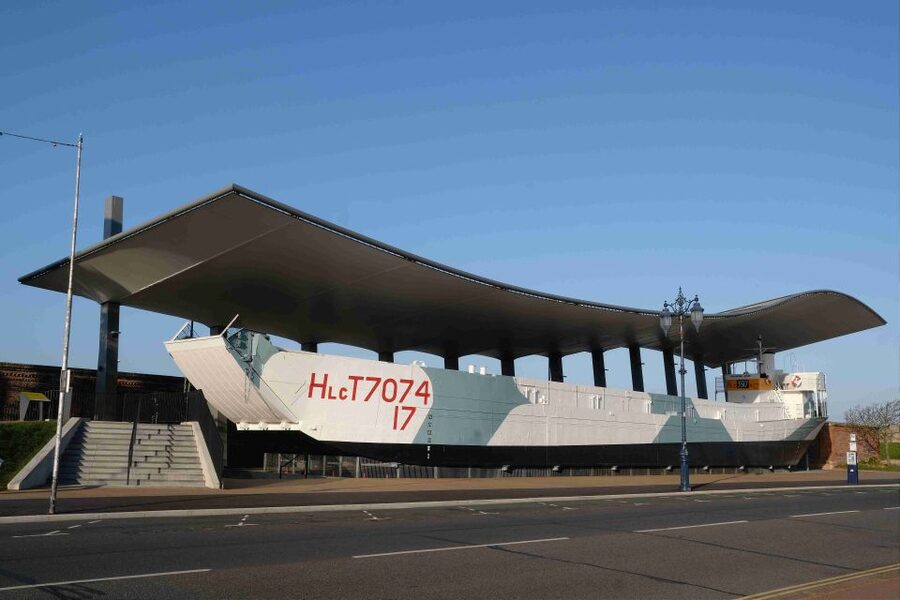
- The landing craft is the big physical highlight: LCT 7074 carried ten tanks to Normandy, and its open vehicle deck gives you a clear sense of the cramped, heavy business of an assault crossing.
- The museum covers people as well as battle plans: Personal accounts include the experiences of men, women, and children affected by D-Day.
- The Overlord Embroidery tells the campaign in 34 panels: It is an extraordinary textile artwork and a fitting final stop, though the subdued lighting takes patience.
- The planning section explains the gamble: You learn how commanders chose the time and place of the invasion, and how secrecy and deception protected the plan.
- Two hours is not enough for many visitors: Three hours is a sensible target if you want to hear the films and read the labels.
- The price is fair for a full museum visit: At about $19 per person, admission includes both the galleries and the landing craft for a full day of access.
Why Portsmouth is the right place for this museum
The D-Day Story sits on Clarence Esplanade in Southsea, Portsmouth, PO5 3NT. The setting matters. Portsmouth was a major base for the Allied invasion, so this is not an abstract account presented far from the events. The museum connects the wider military operation with the people and equipment that passed through this part of southern England.
This is the only museum in the United Kingdom devoted specifically to the Allied invasion of June 1944. That narrow focus helps the visit. You are not moving through every campaign of the Second World War. Instead, the story stays with the build-up, the crossing, the landings, and the Battle of Normandy.
I like that the museum does not treat D-Day as a simple victory story. It explains the planning, the risks, the confusion, and the human cost. The films and personal possessions keep the subject grounded. A map can explain where troops landed, but a helmet, letter, photograph, or spoken memory helps you picture the person who carried the burden.
A few more options to weigh up in Britain
- Portsmouth: Historic Dockyard Ultimate Explorer Ticket
★ 4.8 · 1,052 reviews - The Mary Rose: Day Admission Ticket
★ 4.8 · 460 reviews - Portsmouth: Spinnaker Tower Ticket
★ 4.6 · 437 reviews
Begin with the plan behind the invasion
The first major thread is The Plan, the enormous military puzzle behind the landings. You learn why the Allies had to decide when to cross the English Channel, where to land, and how to keep German forces from understanding the real target.
This section is valuable because it slows down the popular image of D-Day. The invasion was not simply a rush onto the beaches. It depended on weather, tides, ships, aircraft, supplies, maps, timing, and strict secrecy. The museum shows how commanders had to make crucial choices with incomplete information.
The deception work is especially important. The Allies needed German leaders to expect an invasion, but not to know its actual location and timing. You are shown how secrecy and misdirection formed part of the military operation. This gives you a better sense of the danger before the first landing craft reached Normandy.
The displays use objects, interactive features, and film to explain the decisions. If you enjoy military planning, this may be the most satisfying part of the museum. If you prefer large vehicles and dramatic scenes, give it time before rushing on. Without this background, the landing craft and tanks can become impressive hardware without much meaning.
Follow the invasion through personal voices
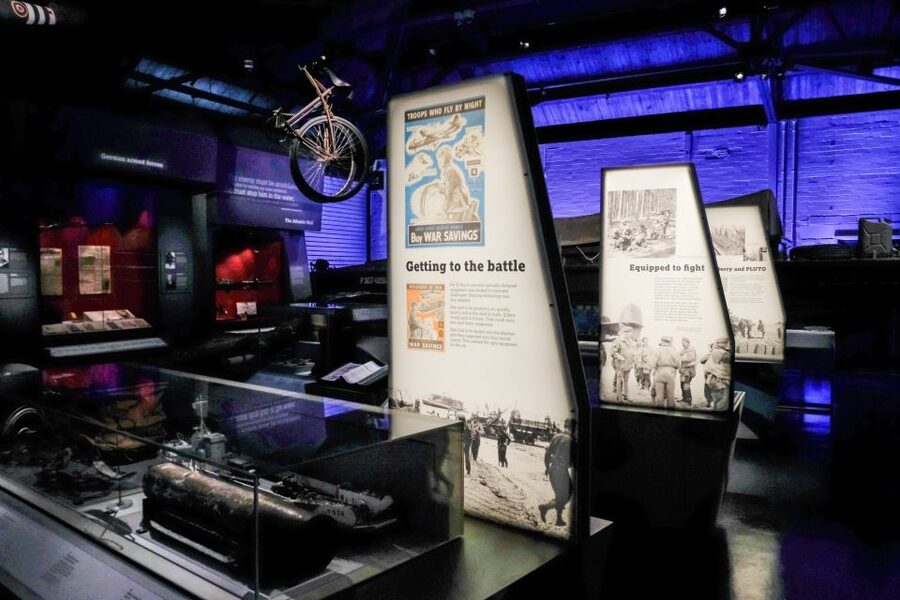
The central galleries tell the story through the people who experienced D-Day. You hear from servicemen, veterans, resistance members, civilians, and others connected with the operation. Film clips of veterans are one of the museum’s strongest features because the spoken memories add weight that labels alone cannot provide.
The museum also includes the experiences of women and children. That wider view helps you understand that D-Day affected more than the troops on the beaches. Families, communities, resistance networks, and people waiting at home all lived with the uncertainty and danger of the invasion.
More than 10,000 items, artifacts, and personal possessions are held in the collection. You will not study every object during one visit, but the range gives the galleries texture. Some displays are carefully numbered and arranged, which helps you connect an object with its explanation. The downside is that repeated display cases can become tiring after a while, especially if you try to read every label.
I recommend choosing a steady pace. Watch the films that catch your attention, read the stories beside the objects, and do not feel obliged to inspect every numbered item. The museum rewards curiosity, but it can overwhelm you if you treat it like a test.
Board LCT 7074 and picture ten tanks inside
LCT 7074 is the museum’s most memorable object. This landing craft tank carried ten tanks to Normandy on D-Day, and it is the last surviving example of its kind. Admission includes access on board, so do not leave the ship until the end because you are tired.
The craft helps you understand the scale and strain of the crossing. Sherman and Churchill tanks are displayed on board, giving you an impression of what the deck looked like when packed with vehicles. The tanks are not merely museum pieces here. Their size, weight, and placement show how little spare room there was.
The most effective moment comes when you picture the front doors opening toward the shore. One of the four-star evaluations described the landing craft as especially useful for understanding what it must have felt like when those doors opened. That is exactly its value. The ship turns a military diagram into a physical space.
Volunteer guides may be present on the craft, and they can add useful explanations about the vessel and the sailors who served aboard it. Staff members are frequently praised for being friendly and willing to answer questions. If you have a particular question, ask it. The human explanation can make the vessel much easier to understand.
There are practical limits. Access to the craft is subject to its entry times, which are earlier than the main gallery closing time. From April through September, the last entry on board is at 4pm. From October through March, it is at 3:30pm. Plan to see the ship before the galleries, not after.
A different kind of day out entirely:
- London: The London Eye Entry Ticket
★ 4.6 · 35,875 reviews - From London: Harry Potter Warner Bros Studio Tour
★ 4.7 · 26,588 reviews - London: Westminster to Greenwich River Thames Cruise
★ 4.5 · 22,836 reviews - Magical London: Harry Potter Guided Walking Tour
★ 4.7 · 22,044 reviews
End with the Overlord Embroidery
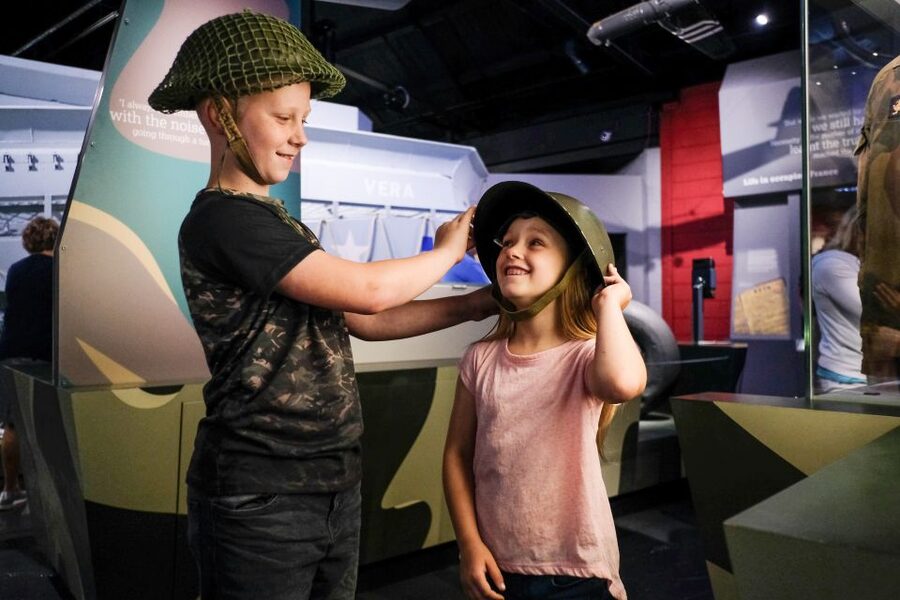
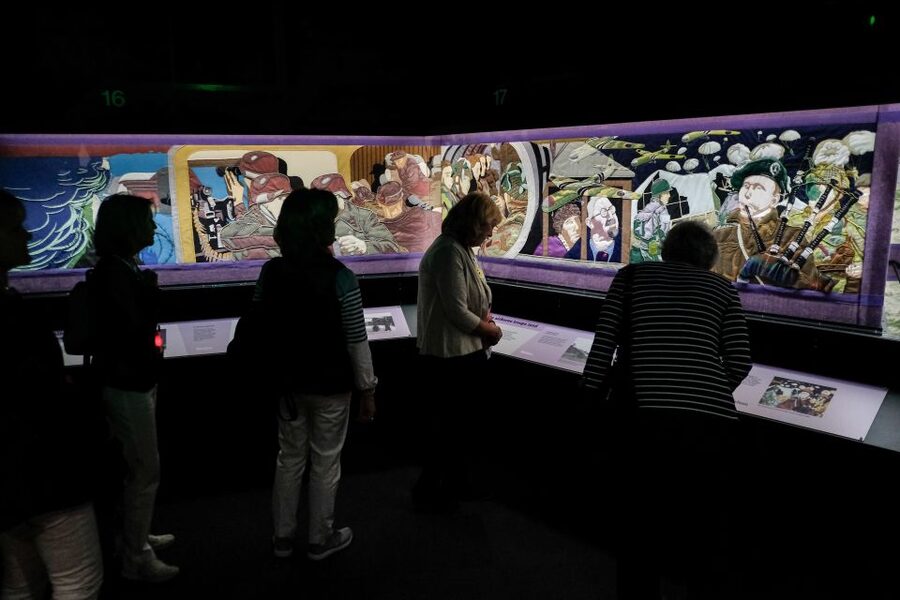
The Overlord Embroidery is displayed as 34 hand-stitched panels telling the story of D-Day and the Battle of Normandy. It was commissioned to remember the people who took part in the campaign, and it provides a striking change of pace after the machinery, films, and military displays.
Do not expect a small decorative piece. The panels form a large visual account, with scenes that reward a slow look. I would save this section for the end, when you have the planning and personal stories in mind. The artwork then feels less like a separate attraction and more like a final reflection on the whole campaign.
The lighting is intentionally low, and that can make some details difficult to appreciate. Give your eyes time to adjust, and stand close enough to examine the stitching without rushing. The quiet setting suits the subject, but it is not ideal for anyone hoping to see every detail quickly.
Some people casually call it a tapestry, but it is technically an appliqué work. That distinction is less important than the effect. The panels are visually powerful and offer a different way to remember an event that is often reduced to arrows on a map and photographs of landing craft.
How long should you allow?
The official ticket is valid for one day, but most people will use it for one substantial visit. Two hours may cover the main route if you move quickly. It is not enough if you want to watch several veteran films, read the personal accounts, spend time on LCT 7074, and study the embroidery.
A better plan is two to three hours at minimum. If D-Day is a major interest, you could spend much of the day here. One visitor specifically found that the museum took longer than expected, while another felt two hours was not enough to appreciate the exhibition properly.
The seasonal hours are:
- From 1 April to 30 September: 10am to 5:30pm
- From 1 October to 31 March: 10am to 5pm
The main galleries have later final entry than the landing craft. From April through September, last entry to the galleries is 4:30pm. From October through March, it is 4pm. Arriving late in the day is a poor bargain because you may have to choose between the ship and the galleries.
Is the $19 admission good value?
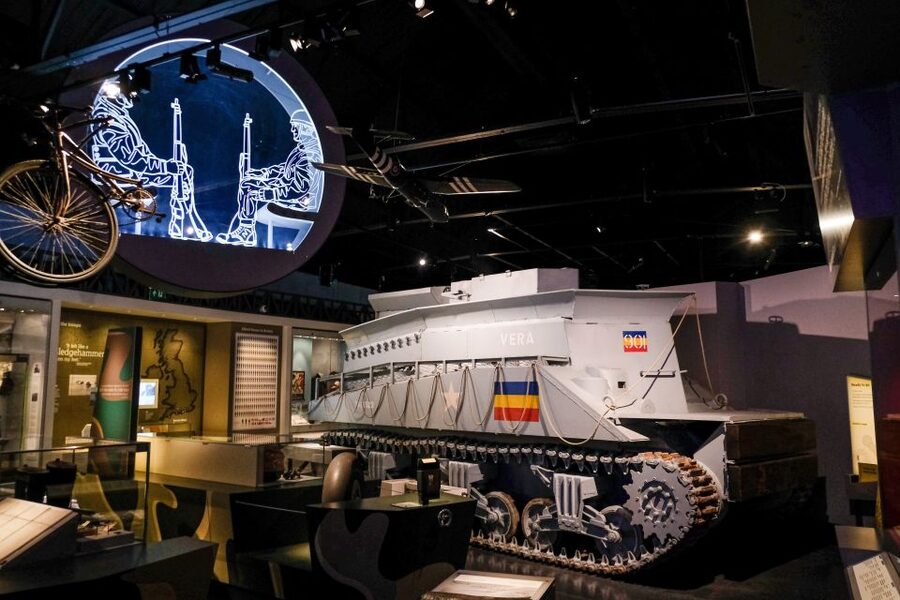
At around $19 per person, the ticket is good value if you have a serious interest in D-Day, military history, or personal wartime stories. You receive access to a substantial museum, the LCT 7074, the tanks, the Overlord Embroidery, films, and a very large collection of objects.
The value comes from the variety. A smaller museum might give you artifacts but no major vessel. Another might show a ship but offer little explanation of the planning or civilian experience. Here, the pieces support one another.
It is less suitable if you want a quick photo stop. The subject requires attention, and much of the best material is in the accounts, films, and explanations rather than in dramatic objects. You are paying for time and interpretation as much as for the tanks.
The ticket can also be cancelled up to 24 hours before the visit for a full refund, and you can reserve now while paying later. That flexibility is useful when planning a Portsmouth day around changing schedules.
Practical comfort and access
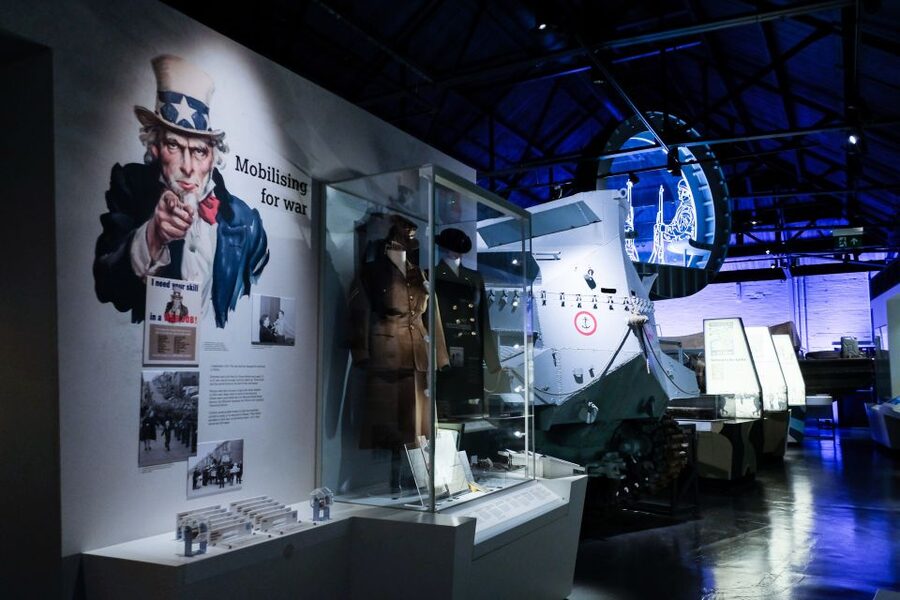
The museum is wheelchair accessible, and the ticket covers entry to The D-Day Story. The site also has a cafe and gift shop. The cafe is useful if you want a break during a longer visit, especially since the galleries can take several hours.
Parking is available directly outside and has been described as inexpensive. That makes the museum fairly straightforward for a driving day in Portsmouth. Still, check the official museum website before setting out for current visiting information and conditions.
The building can feel cold, particularly outside the warmer months. Bring a coat even if the weather seems mild. Comfortable shoes also make sense because the visit involves moving through several parts of the museum and spending time standing at displays.
The material is serious. Older children and teenagers with an interest in history should find plenty to hold their attention, but the subject matter and long reading sections may not suit very young children. Interactive displays help, yet this is not primarily a hands-on attraction.
Who will get the most from this visit?
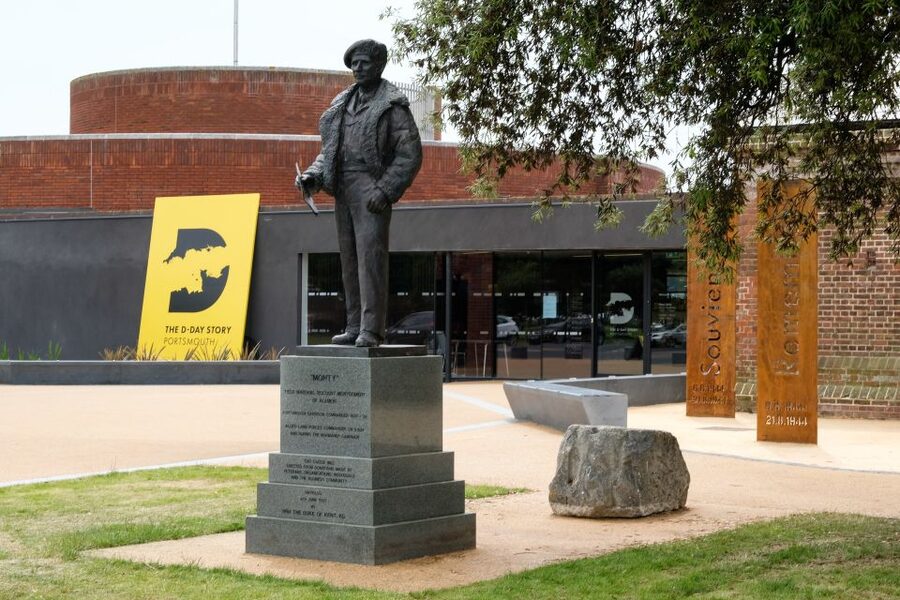
I would recommend The D-Day Story to:
- Anyone studying the Second World War
- Families with older children who want history beyond a textbook
- Military history enthusiasts interested in planning and equipment
- Visitors with a personal or family connection to D-Day
- Anyone planning a Portsmouth history day
- People who prefer museums built around first-person accounts
It works especially well for mixed groups. One person can focus on tanks and ships, another on personal stories, and another on the artwork. You do not need expert military knowledge to follow the main story.
It may not suit you if you have only an hour, dislike reading-heavy museums, or want a broad survey of British naval history. This museum stays tightly focused on the Allied invasion and asks you to give the subject time.
A simple route through the museum
For the best use of your day, I would follow this order:
- Start with the planning displays so you understand the decisions behind the invasion.
- Move through the personal accounts, objects, and films at a measured pace.
- Board LCT 7074 while you still have energy, and look carefully at the Sherman and Churchill tanks.
- Finish with the Overlord Embroidery, allowing time for the low lighting and detailed panels.
- Take a cafe break before returning to any section you skipped.
This route gives the visit a clear shape: decision, preparation, human experience, machinery, and remembrance. You can alter it, of course, but seeing the landing craft before the final artwork helps the whole story build naturally.
Should you book The D-Day Story?
Book it if you want more than a quick military display. The museum’s strongest qualities are its personal accounts, clear explanation of the invasion plan, large collection, and the rare chance to walk through LCT 7074 beside full-size tanks.
Allow three hours if possible, arrive well before the final landing craft entry, and bring a coat in cooler weather. If you give the museum enough time, the $19 ticket feels like a sensible price for a serious and moving Portsmouth experience. If your schedule allows only two hours, concentrate on the plan, the landing craft, the veteran films, and the Overlord Embroidery rather than trying to read every display.
FAQ
Where is The D-Day Story located?
The museum is at The D-Day Story, Clarence Esplanade, Southsea, Portsmouth PO5 3NT, in South East England.
What does the admission ticket include?
The ticket includes admission to The D-Day Story, including the museum galleries, LCT 7074, the Sherman and Churchill tanks on board, and the Overlord Embroidery.
How long is the ticket valid?
The ticket is valid for one day.
What are the opening hours?
From 1 April to 30 September, the museum is open from 10am to 5:30pm. From 1 October to 31 March, it is open from 10am to 5pm.
What are the final entry times?
From April through September, the last entry to LCT 7074 is at 4pm and the last gallery entry is at 4:30pm. From October through March, the final landing craft entry is at 3:30pm and the last gallery entry is at 4pm.
Is the museum wheelchair accessible?
Yes. The D-Day Story is wheelchair accessible.
Just added in Britain
- Chester: The Dead Good Ghost Walking Tour★ 4.3 · 9 reviews
- The Best of British Cooking Class & Dining Experience★ 5.0 · 1 review
- London: Live Comedy Show at Big Belly Bar and Comedy Club★ 4.5 · 80 reviews
- London: British Museum Highlights Guided Small Group Tour★ 4.9 · 113 reviews
- The Beatles London Walking Tour★ 4.2 · 147 reviews
- The Best Highlights of London Walking Tour & Boat Cruise★ 5.0 · 1 review
- From Edinburgh: Best of Scotland Small-Group Day Tour★ 4.7 · 61 reviews
- The Authentic Walking Tour with Indian Tasting Meal★ 4.8 · 4 reviews
Portsmouth Tours, compared.



Other lists this tour turns up in