
REVIEW · WALKING TOURS
Birmingham: All in One Walking Tour
Birmingham rewards curious walkers. This two-hour tour brings together the city’s Victorian landmarks and its modern independent quarter, linking grand civic buildings with street art, cafes, markets, and stories of industry, migration, and reform. I like that the route covers a wide slice of Birmingham without demanding a long march. I also like the focus on the city’s bold character, rather than treating it as just a shopping stop.
The main consideration is time. Two hours is enough for an informed introduction, but not enough to properly explore every museum, gallery, concert hall, and historic building along the way. This works best as a first look, with time afterward to return to the places that catch your interest.
In This Review
- Key points to know before booking
- Why Birmingham makes a good walking tour city
- Starting outside morridge Oats + Coffee
- Great Western Arcade and Birmingham’s changing center
- Grand Hotel, Cathedral Square, and the Red Palace
- From the Business District to Victoria Square
- Paradise Birmingham and Chamberlain Place
- Centenary Square and Birmingham’s cultural quarter
- Birmingham Museum and Gallery, street art, and the independent quarter
- What the guide adds to the experience
- Is $66 good value for two hours?
- Who should book this Birmingham walk?
- Final verdict: book it for context, not entry tickets
- FAQ
- How long does the Birmingham walking tour last?
- What is the price of the tour?
- Where does the tour meet?
- What language is the tour conducted in?
- Is this a private tour?
- How much walking is involved?
- Can I cancel the booking for a full refund?
Key points to know before booking
- A compact route through central Birmingham: The tour covers major squares, civic buildings, cultural sites, and the independent quarter without a great deal of walking distance.
- Industrial Birmingham takes center stage: You hear how the city helped shape the Industrial Revolution and how its past still appears in the architecture and urban layout.
- The route mixes grand and informal sights: Expect the Grand Hotel, Town Hall, and Council House alongside independent shops, cafes, street art, and street food.
- A strong guide matters here: Gregory received particular praise for answering questions directly and tailoring the experience to a very small group.
- Good for a first visit: The tour gives you useful bearings before you choose which museums, galleries, restaurants, or neighborhoods deserve more of your time.
- Bring sensible gear: Comfortable shoes are wise, and an umbrella is useful if rain is likely.
Why Birmingham makes a good walking tour city
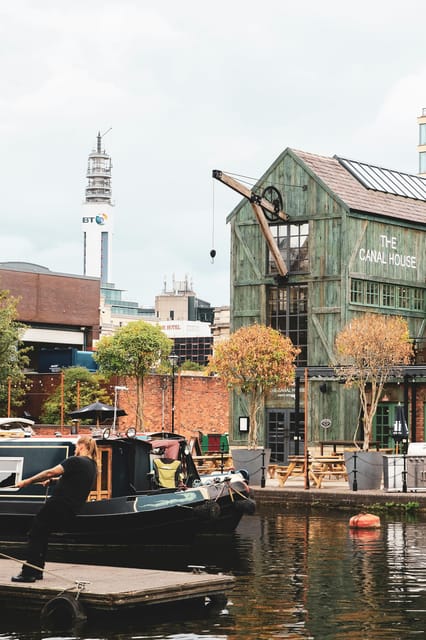
Birmingham is often introduced as the UK’s second city, but that label does not explain its personality. The center combines grand civic architecture, remnants of industrial growth, modern cultural buildings, canals, public squares, and a large student and international population.
The city’s identity came from making things. Birmingham was at the forefront of the Industrial Revolution, and its growth was tied to manufacturing, engineering, metalwork, and trade. A guide can connect those broad facts to streets and buildings in a way a quick solo walk may not.
I also appreciate the city’s less polished edges. Birmingham carries the marks of wartime bombing, postwar rebuilding, and changing ideas about urban design. The result is not a perfectly preserved historic center. Instead, you get a city that keeps adapting, sometimes awkwardly, often creatively.
The tour also gives space to Birmingham’s role in opposing slavery, even at a cost to its own economy. That subject adds moral weight to the city’s industrial story. You are not hearing only about wealth, factories, and civic pride. You also hear about the choices people made when business interests and principle collided.
More Walking Tours in Birmingham
- Birmingham: Slogging Gangs Guided Walking Tour
★ 4.2 · 216 reviews - Birmingham: Guided City Center Walking Tour (10:30am & 2pm)
★ 4.8 · 147 reviews - Birmingham: Discovering Birmingham Guided Walking Tour
★ 4.9 · 26 reviews
Starting outside morridge Oats + Coffee
The meeting point is outside morridge Oats + Coffee. That gives you a clear central starting place, but you should allow a few minutes to find the exact storefront and meet the guide before the scheduled start.
Because this is a walking tour, there is no coach transfer or complicated transport arrangement to manage. That keeps the focus on the center and lets the guide point out details as you move between districts.
The route is described as compact rather than strenuous. Still, you will be on your feet for two hours, so wear comfortable shoes. Rain can change the feel of any city walk, and the practical advice is simple: bring an umbrella if the forecast looks uncertain.
The group format can make a noticeable difference. A private group is available, and one October 2024 booking had only two participants. Guide Gregory was able to concentrate on their questions and adjust the conversation as they went. You should not assume every departure will be that small, but the possibility of a private group is useful if you want a more personal pace.
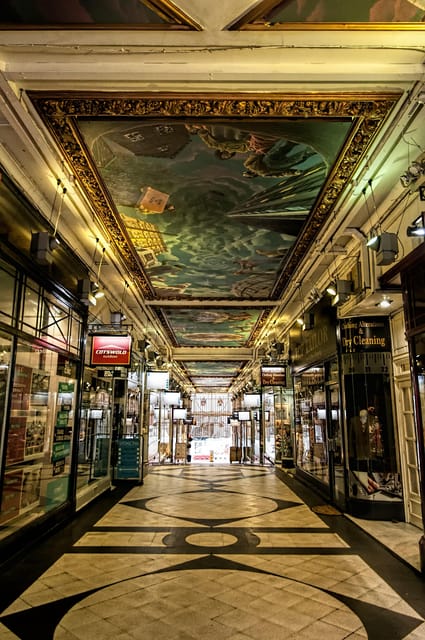
Great Western Arcade and Birmingham’s changing center
The Great Western Arcade provides an early look at Birmingham’s mix of handsome older architecture and independent retail. Arcades such as this are useful reminders that the city center was not shaped only by factories and warehouses. Shopping, dining, and social life have long been part of Birmingham’s urban story.
I would pay attention here to the contrast between the enclosed arcade and the larger commercial streets around it. The tour’s emphasis on independent shops, markets, and cafes makes more sense after you see how different parts of the center serve different kinds of city life.
This is also a good point to ask questions. A guide can help you decide where to return later for food or browsing, especially if you prefer local businesses over familiar chains. The tour does not include meals, so treat these stops as orientation rather than a tasting experience.
Grand Hotel, Cathedral Square, and the Red Palace
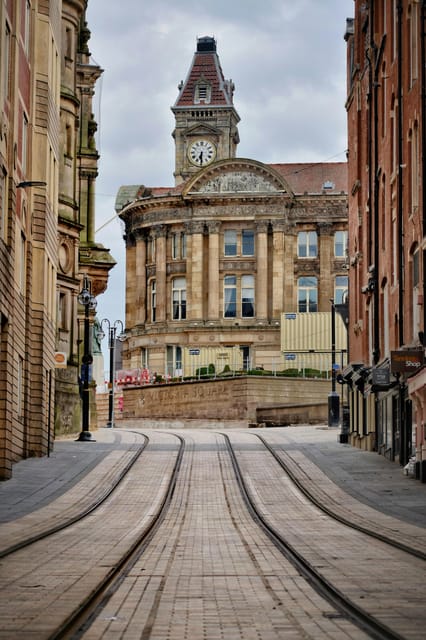
The Grand Hotel brings a more formal side of Birmingham into view. Its architecture helps explain the city’s Victorian confidence, when industrial success supported large hotels, civic projects, and public buildings designed to impress.
Cathedral Square shifts the mood. Public squares are valuable on a city walk because they help you understand scale and direction. You can pause, look around, and see how older buildings relate to the modern center.
The Red Palace adds another visual change. Its name suggests the kind of colorful, distinctive detail that can be missed when you hurry from one major attraction to another. On a guided route, these smaller visual markers help break up the standard list of monuments.
You should not expect a long interior visit at each location. The value comes from seeing the places in sequence and hearing how they fit into Birmingham’s development.
A different kind of day out entirely:
- Birmingham: Cadbury World Entry Ticket
★ 4.4 · 230 reviews - From Birmingham: Cotswolds Full-Day Tour
★ 4.7 · 215 reviews - Birmingham: Winterbourne House and Garden Admission Ticket
★ 4.7 · 199 reviews - From Birmingham: Stonehenge & Bath Day Tour
★ 4.6 · 158 reviews
From the Business District to Victoria Square
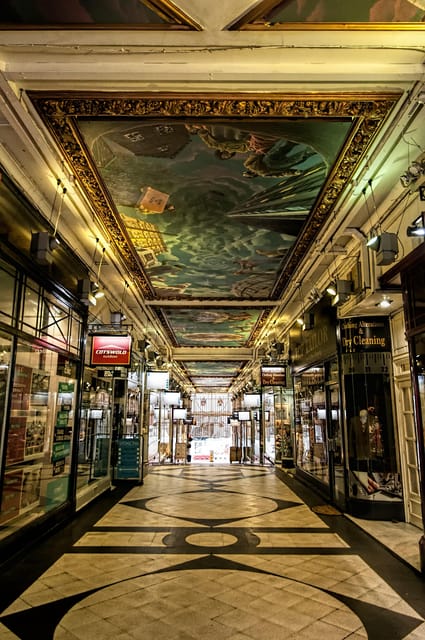
The Business District represents Birmingham’s working present, while Victoria Square offers some of the city’s most recognizable civic architecture. Moving between them helps you see the center as more than a collection of isolated buildings.
Victoria Square is a natural storytelling point. Here, the Council House and Town Hall convey the confidence of a city that grew quickly and wanted public buildings to match its status. These are not merely backdrops for photographs. They express how Birmingham presented itself to residents, visitors, businesses, and political leaders.
I like this part of the route because it gives the industrial story a civic result. Factories and trade created wealth, but the city also invested in halls, offices, meeting places, and public institutions. The buildings show how a manufacturing center wanted to be seen as cultured and powerful.
At the same time, grand architecture can crowd out the human story if a guide only lists dates and styles. The best part of this experience is likely to be the explanation behind the buildings, including the choices, conflicts, and social changes that shaped them.
Paradise Birmingham and Chamberlain Place
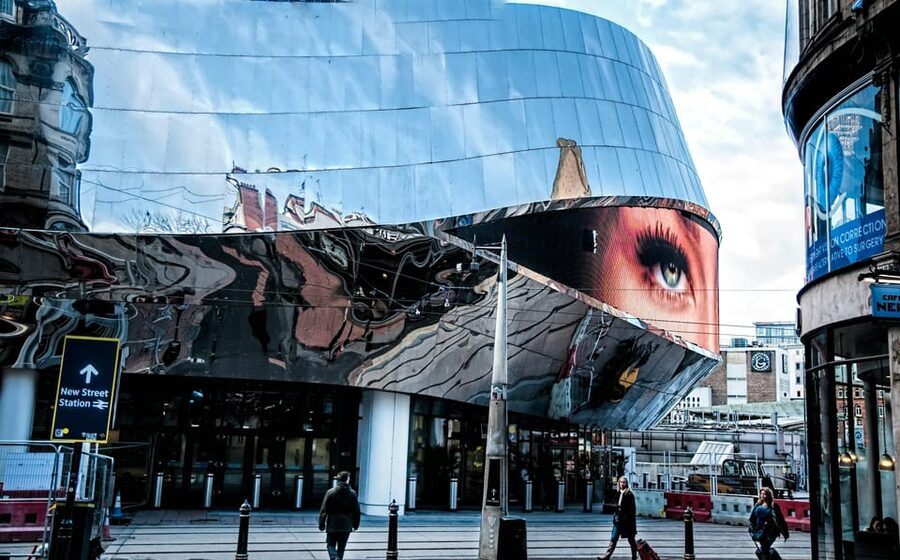
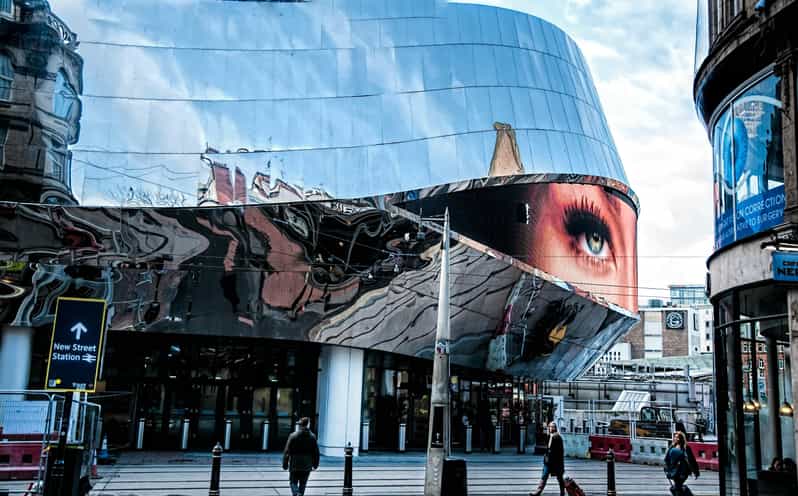
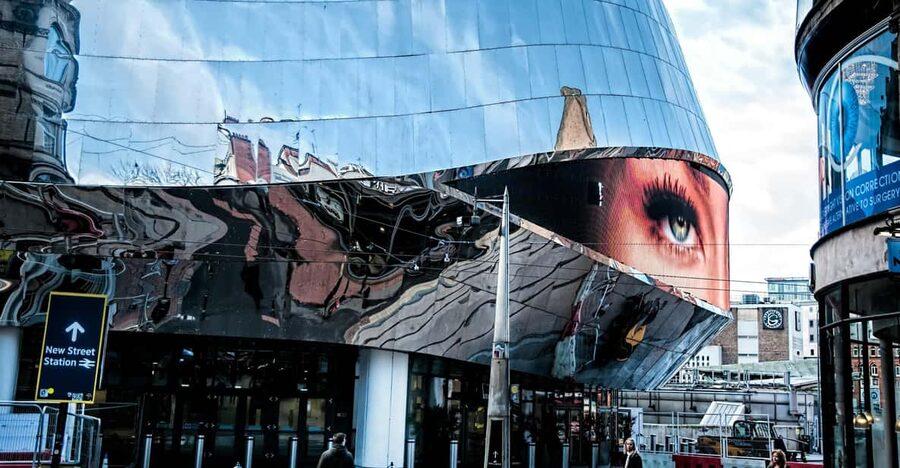
Paradise Birmingham shows how the city has continued to rebuild and rethink its center. The name is optimistic, but the important point is the relationship between older civic buildings and newer development.
Chamberlain Place adds another public space to the route. These open areas are useful for understanding Birmingham’s layout, especially if you plan to explore on your own later. After the tour, you should have a better sense of how the central districts connect.
The tour’s Victorian focus does not mean Birmingham is frozen in the nineteenth century. Its story moves from industrial growth to wartime damage, modernist architecture, cultural investment, and new communities. That changing timeline is one of the route’s strongest features.
If you are hoping for a detailed architectural lecture, two hours will feel short. If you want a clear explanation of how old and new Birmingham sit together, this section should be worthwhile.
Centenary Square and Birmingham’s cultural quarter
Centenary Square gathers several important cultural buildings in one area. The route includes Memorial Hall, Birmingham Symphony Hall, the International Convention Centre, and Birmingham Library.
This collection shows how Birmingham presents itself today. The city’s identity is not limited to manufacturing. It also includes music, conferences, public learning, performance, and the arts.
Birmingham Symphony Hall gives the area a strong musical association, while the International Convention Centre points to the city’s role as a business and events destination. Birmingham Library adds a more public and accessible note. Even if you do not enter every building, seeing them together helps explain the range of city life concentrated around the square.
Memorial Hall brings another layer of memory. A good walking tour uses places like this to connect public architecture with the people and events a city chooses to remember.
The practical advantage is that you can return later. The tour gives you a map of the area, but the two-hour schedule does not include full visits to the cultural venues. Check separately if you want a concert, exhibition, library visit, or organized event.
Birmingham Museum and Gallery, street art, and the independent quarter
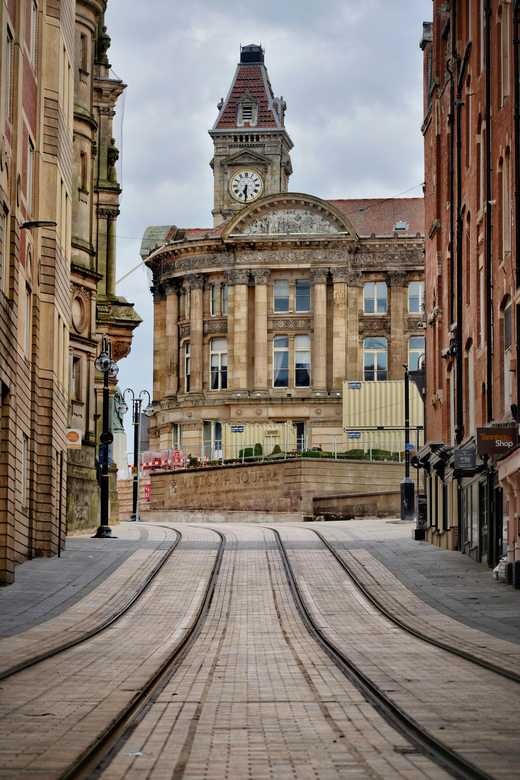
Birmingham Museum and Gallery is among the route’s major cultural stops. The building and its collections offer a way to move from public architecture into art and local identity.
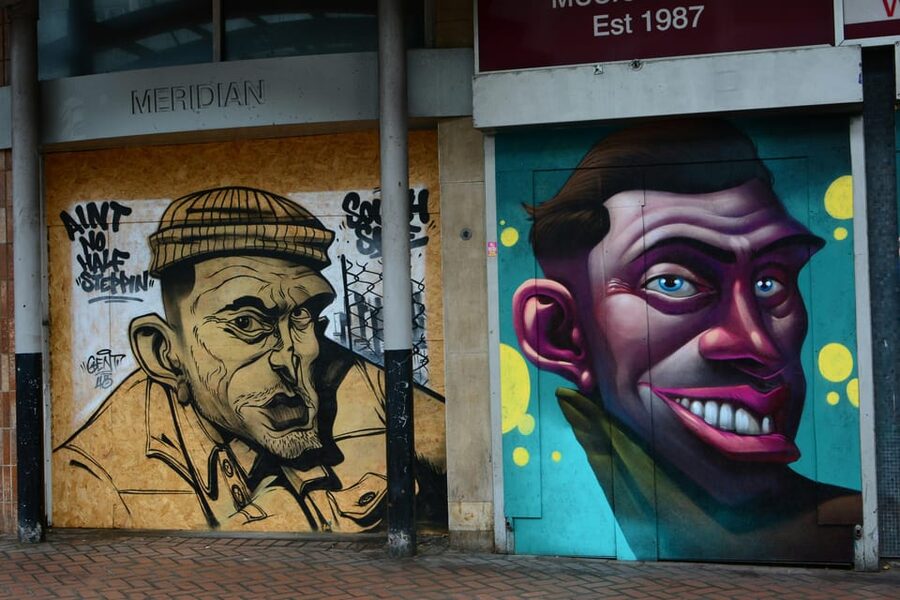
The tour also points toward the independent quarter, where street art, street food, cafes, and small shops give Birmingham a younger and less formal feel. This is one of the most appealing contrasts in the experience. You can see the official city in the Council House and Town Hall, then encounter a more experimental side in the independent areas.
Street art is easy to miss if you are focused on navigation. A guide can direct your attention to walls, signs, and small details that you might otherwise pass without noticing. The same applies to food. The tour does not promise tastings, but it can show you where Birmingham’s food culture is more varied than the standard pub and chain restaurant circuit.
The city has a young population and communities from many parts of the world. That matters because Birmingham’s modern culture is not separate from its history. Migration, trade, industry, and urban change all help explain the range of food, art, and businesses you find in the center.
What the guide adds to the experience
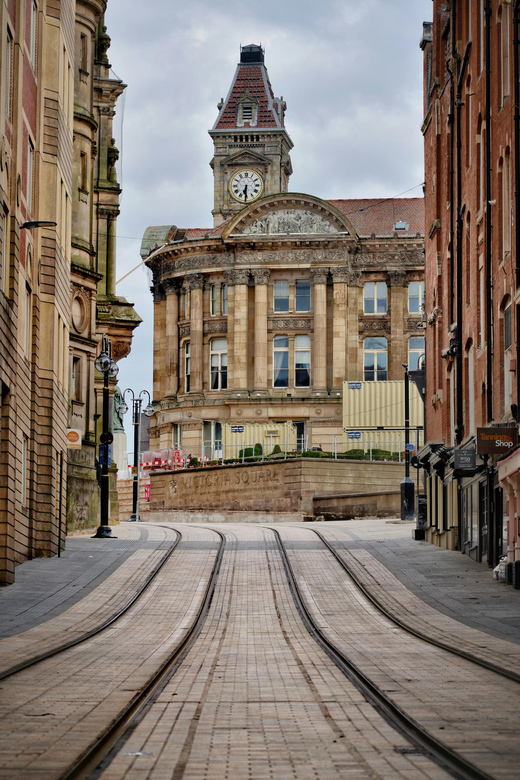
A two-hour walking tour succeeds or fails on the guide’s storytelling. Birmingham has enough landmarks to fill a route, but a list of names will not give you much to remember.
Gregory is worth mentioning because one small group had a particularly direct experience. With only two people on that booking, he could focus on their questions and offer background information suited to their interests. The result was a session that felt quick because the conversation stayed active.
You may not have the same group size, but you can still improve the experience by arriving with a few questions. Ask about the city’s industrial past, its opposition to slavery, the rebuilding after wartime bombing, or the best areas to revisit for food and independent shops.
The English-language format is important to note. The live tour is in English, and the guide is described as local and experienced. If you need another language, this experience is not presented as a multilingual tour.
Is $66 good value for two hours?
At $66 per person, this is not the cheapest way to walk around Birmingham. You can see many central buildings independently for little or no cost. The price needs to be judged against the guide’s interpretation, the compact route, and the convenience of receiving a city introduction in one session.
I think the value is strongest for a first visit, especially if you want context before spending time in museums or cultural venues. You are paying to connect the stops, not simply to look at them. That connection can save time and help you choose what deserves a longer visit.
The value is also better if you book a private group or receive a small-group departure. A personal conversation makes a short tour feel more useful. If the group is larger, the experience may feel more like a standard overview, though the itinerary still covers a good range of central sights.
For repeat visitors who already know Birmingham’s center, the price may be harder to justify unless you want the specific historical themes or a fresh introduction through the independent quarter.
Who should book this Birmingham walk?
I would recommend it to first-time visitors, couples, solo visitors who want an easy orientation, and anyone interested in industrial history and changing city culture. It also suits people who prefer a compact walk over a long, tiring route.
The tour is a good fit if you like moving between different types of places: Victorian buildings, public squares, cultural venues, street art, cafes, and independent businesses. It is less suitable if your main goal is extended time inside museums, a concert hall, or a single historic building.
Families may appreciate the short distance, but the appeal will depend on how interested everyone is in architecture and city history. The route includes plenty of visual variety, yet the guide’s stories are central to the experience.
Plan to keep part of the day free afterward. You may want to return to Birmingham Museum and Gallery, explore the independent quarter, find a cafe, or look more closely at the buildings around Centenary Square and Victoria Square.
Final verdict: book it for context, not entry tickets
Book this tour if you want Birmingham to make sense quickly. Its best feature is the range: industrial history, Victorian ambition, public memory, modern culture, independent businesses, and the city’s response to war and social change all appear within two hours.
I especially like the combination of major landmarks and less formal city life. The tour does not treat Birmingham as a museum piece. It presents a working city that has repeatedly rebuilt itself.
Skip it if you prefer to explore alone, already know central Birmingham well, or want long interior visits. At $66, the price depends on how much you value a guide’s explanations. For a first visit, a small group, and an interest in the stories behind the buildings, it is a practical and worthwhile introduction.
FAQ
How long does the Birmingham walking tour last?
The tour lasts two hours.
What is the price of the tour?
The price is $66 per person.
Where does the tour meet?
Meet your guide outside morridge Oats + Coffee.
What language is the tour conducted in?
The live tour is conducted in English.
Is this a private tour?
A private group option is available.
How much walking is involved?
It is a walking tour, but the route does not involve a great deal of distance. Comfortable shoes are still recommended because you will be on your feet.
Can I cancel the booking for a full refund?
Yes. You can cancel up to 24 hours in advance for a full refund.
Just added in Birmingham
- Birmingham: City Center Highlights Private Guided Tour★ 5.0 · 4 reviews
- MATRIX VR – Virtual Reality Gaming Experience Session – 1hr★ 4.9 · 7 reviews
- Haunted Coventry Ghost Walk★ 5.0 · 6 reviews
- Coventry: Godiva’s Cathedral Quarter Guided Walking Tour★ 4.8 · 17 reviews
- Digbeth, Public art and Peaky Film Guided Walking Tour★ 4.7 · 11 reviews
- Birmingham: Victorian Canals and Modern-Day Birmingham Tour★ 4.7 · 92 reviews
- Birmingham : Must-see Attractions Private Walking Tour★ 5.0 · 3 reviews
- Birmingham: Legoland Discovery Centre Entry Ticket★ 4.1 · 74 reviews
Walking Tours, compared.

Magical London: Harry Potter Guided Walking Tour
Read our review →
University and City Walking Tour with Alumni Guide
Read our review →
Harry Potter Movies Walking Tour (Kids Go Free)
Read our review →
The Great British Rock and Roll Music Walking Tour
Read our review →
Jack the Ripper Walking Tour – Ripper Vision Tours
Read our review →
Other lists this tour turns up in