
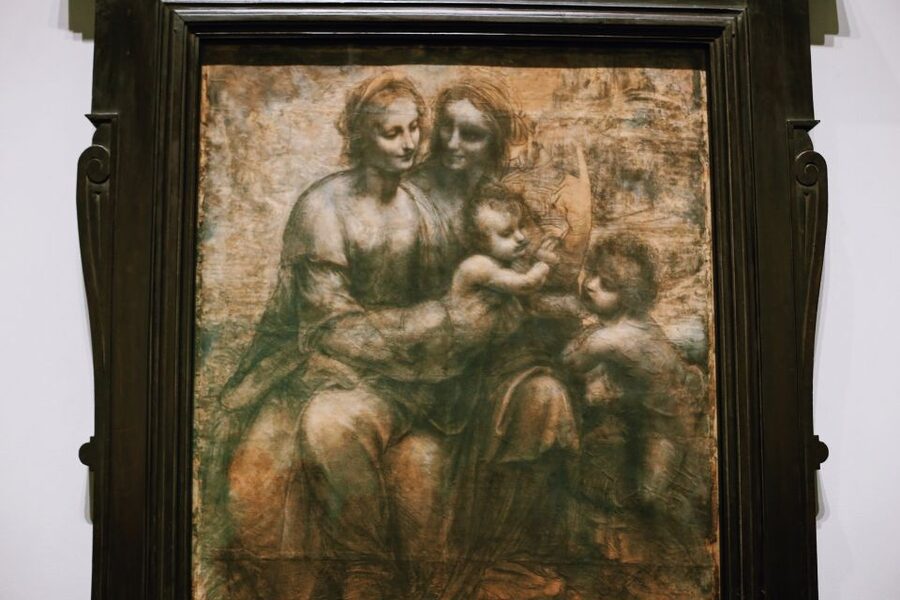
REVIEW · NATIONAL GALLERY TOURS
London: National Gallery of London Masterpieces Guided Tour
Art history can feel wonderfully human here. This 2.5-hour National Gallery tour moves from the 1300s to modern painting through famous works by Botticelli, Da Vinci, Vermeer, Rembrandt, Monet, Van Gogh, and Seurat. I like the clear sweep through time, and I like the small group size, limited to eight people. The main consideration is the $112 price, which makes this a better choice for visitors who want expert interpretation rather than a quick look around.
I also like the guides’ lively approach. Jake, Stephanie, Matilda, Becky, Alex, and others have been praised for making art easy to follow, even for people who do not speak English as their first language. The drawback is that the gallery can be noisy, and one guest wished for Bluetooth headsets, so you may need to stay close to the guide.
In This Review
- Key Points Before You Book
- What the $112 Price Buys You
- Starting With Painting From the 1300s
- Da Vinci’s The Virgin of the Rocks
- Velázquez, Vermeer, and the Art of Close Observation
- From Monet to Van Gogh
- Seurat’s Bathers at Asnières and the Changing Rules
- Guides Who Turn Looking Into a Conversation
- Group Size, Timing, and Practical Comfort
- Who Will Get the Most From This Tour?
- Should You Book It?
- FAQ
- How long does the National Gallery masterpieces tour last?
- Is the tour private or shared?
- What language is the tour offered in?
- Which artists and paintings are included?
- What should I bring, and can I bring luggage?
- Can wheelchair users join the tour?
Key Points Before You Book
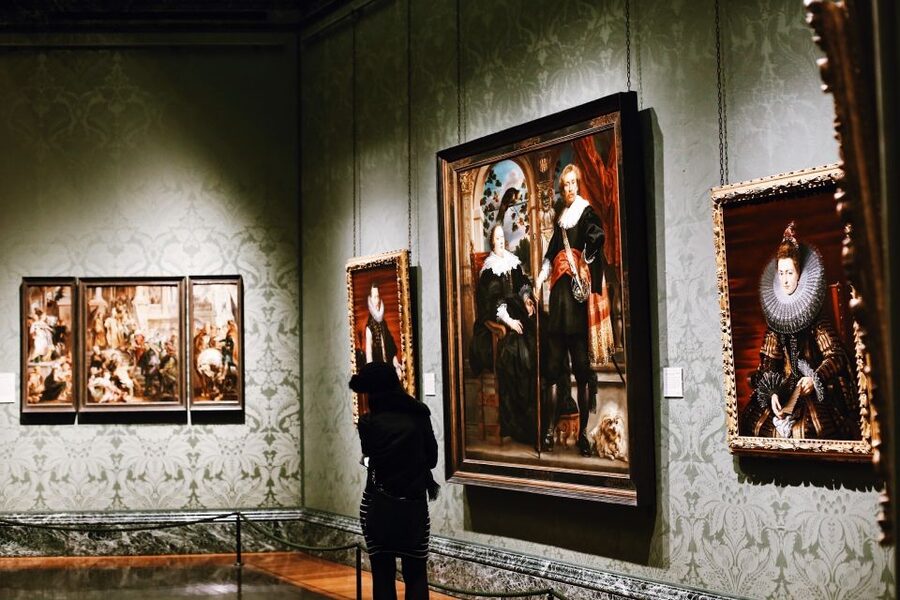
- A focused route through 600 years of art: You move from early devotional painting to 20th-century works rather than wandering without a plan.
- Small groups of no more than eight: This gives you a better chance to ask questions and hear the guide in crowded rooms.
- Major works include Da Vinci and Van Gogh: The Virgin of the Rocks and Sunflowers are central highlights.
- Guides make paintings easier to read: Expect stories about symbols, technique, artists, rivalries, and the period behind each work.
- The tour lasts 2 to 2.5 hours: That is enough time for a serious introduction without turning the museum into an endurance test.
- Bring ID and leave large bags behind: Luggage is not allowed, and the meeting point can change with the option you book.
What the $112 Price Buys You

At $112 per person, this is not a budget museum visit. The National Gallery itself is a place where you can spend hours walking in, looking at paintings, and trying to make sense of the collection on your own. The value here comes from the guide’s choices and explanations.
The gallery holds far more art than anyone can absorb in one visit. A good guide gives you a path through it. Instead of stopping at every attractive frame, you spend time with works that show how painting changed over the centuries. You learn to notice subject matter, technique, symbolism, and the social world behind the canvas.
The small group format also matters. With no more than eight people, you are not part of a large crowd trailing behind a flag. You can ask about a detail, compare two paintings, or admit that you do not understand why a work is famous. The private option costs more in many tour setups, but it offers a more personal pace. The shared option is the sensible pick for most visitors who want expert help without paying for a private guide.
The price makes the most sense if you have limited time in London, feel unsure about art, or want more than a list of famous names. If you already know the gallery well and prefer to read labels at your own speed, admission-free self-guided exploration may suit you better.
More National Gallery visits:
- London: National Gallery Guided Tour with Art Expert Guide
★ 4.7 · 440 reviews - London: National Gallery Guided Tour
★ 3.8 · 67 reviews - London: National Gallery Guided Tour and Afternoon Tea
★ 4.5 · 64 reviews
Starting With Painting From the 1300s
The tour begins with early works that can look formal or unfamiliar beside later paintings. This is useful because the guide can explain how religious subjects, panel painting, and devotional art shaped the first part of the collection.
Raphael’s early devotional paintings provide an important starting point. Rather than treating them as distant religious objects, the guide can point out how composition, gesture, and human emotion work together. You begin to see that these paintings were not simply made to decorate a wall. They helped people focus, pray, and understand sacred stories.
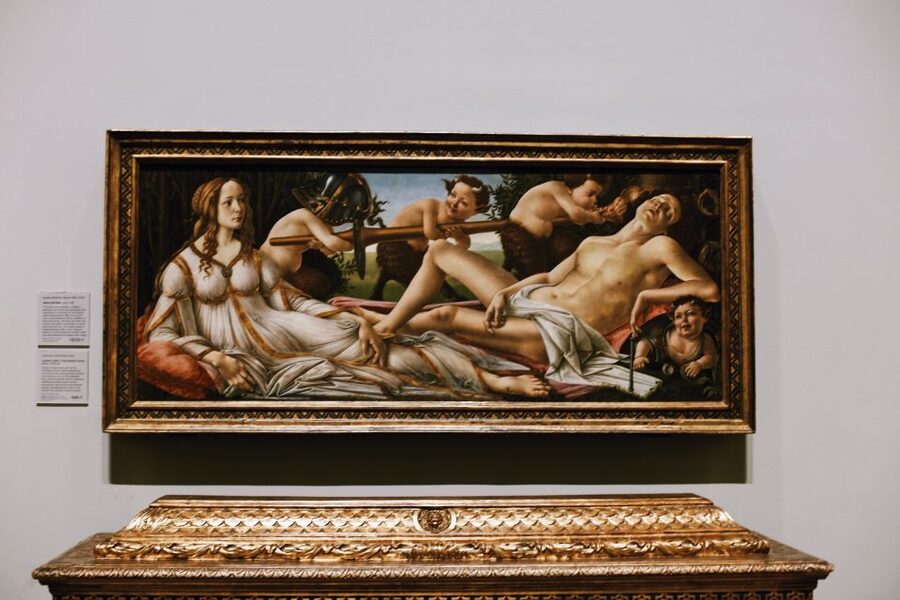
Botticelli’s Venus and Mars brings a very different mood. The panel painting combines mythology, beauty, and an almost comic contrast between the alert Venus and the sleeping Mars. It gives the tour a chance to explain how artists in Renaissance Florence looked back to ancient mythology while also making images for their own patrons and society.
I like this early section because it gives you a measuring stick. Once you have seen the careful structure and symbolic details of Renaissance painting, later works feel more like part of a long conversation. You are not just jumping from one famous canvas to another.
Da Vinci’s The Virgin of the Rocks

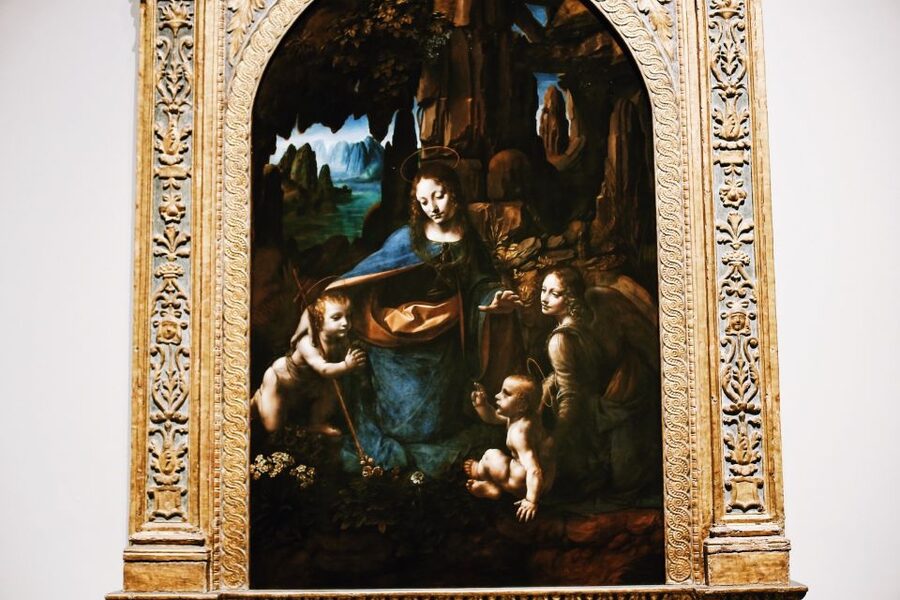
Leonardo da Vinci’s The Virgin of the Rocks is one of the tour’s key stops. It is a painting that rewards patient looking, and a guide helps you notice why.
The figures are arranged in a calm, closely connected group. Leonardo’s handling of light and shadow softens the edges, making the scene feel less like a collection of outlined figures and more like a living encounter. The rocky setting adds mystery, while the gestures guide your eye from one person to the next.
This is the kind of painting that can lose some of its force when you see it quickly in a crowded room. The guide’s explanation gives you a reason to pause. You may find yourself looking at hands, expressions, and the way the figures relate to one another instead of simply ticking Da Vinci off your list.
The tour does not treat Leonardo as an isolated genius dropped into the museum. His work becomes part of the larger story of changing artistic ideas. That context is one of the strongest reasons to book a guided visit.
Velázquez, Vermeer, and the Art of Close Observation
The route then moves through works by artists such as Velázquez and Vermeer. These painters show how much can happen in a quiet scene.
Velázquez’s Rokeby Venus gives the guide room to discuss the human body, reflection, and the unusual viewpoint of the painting. You see Venus from behind, with her face reflected in a mirror. That simple arrangement raises questions about looking, beauty, and the relationship between the subject and the person viewing the painting.
Vermeer’s Lady Standing at a Virginal is smaller and quieter than many blockbuster works in the collection. That is part of its appeal. A guide can draw your attention to light, interior space, the musical setting, and the controlled details that make Vermeer’s rooms feel so still.
These stops also help you avoid a common museum mistake: assuming that the biggest canvas is the most interesting one. Some of the best moments come from slowing down beside a modestly sized work and learning how the artist built its effect.
Rembrandt adds a different kind of drama. His paintings often reward attention to faces, age, texture, and the emotional weight of light. The guide’s stories about artists and their working methods make these works easier to connect with, even if you do not normally spend much time in art museums.
More Museum Tours in London:
- London: Chelsea Football Club Stadium and Museum Tour
★ 4.8 · 4,576 reviews - London Transport Museum Entrance Ticket
★ 4.5 · 1,323 reviews - London: British Museum Guided Tour
★ 4.3 · 1,182 reviews - London: Jack the Ripper Museum Tickets
★ 4.2 · 894 reviews
From Monet to Van Gogh
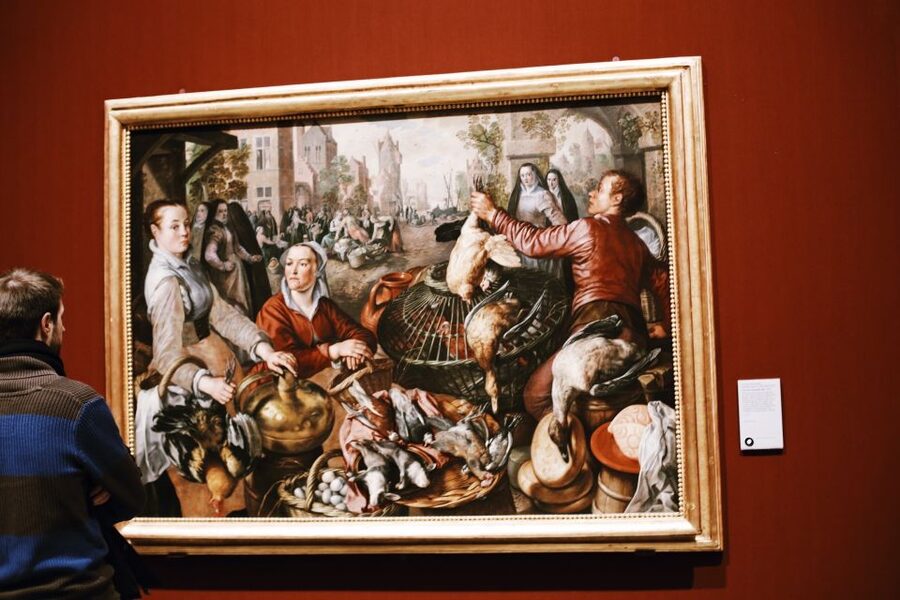
The later part of the tour shows how quickly painting changed in the 19th and early 20th centuries. Monet represents a new interest in light and atmosphere, while Van Gogh brings stronger color, more visible brushwork, and intense personal expression.
Van Gogh’s Sunflowers is an obvious crowd favorite, but familiarity can work against it. You may have seen reproductions on posters, mugs, and calendars. In person, the guide can direct you toward the paint itself, the thick strokes, the shifting yellows, and the way the flowers occupy the space.
That physical surface matters. A reproduction gives you the image, but not the same sense of paint being pushed and placed across the canvas. The guide’s explanation helps you look beyond the famous name and notice the decisions that make the work compelling.
Monet gives you another way to think about color. Instead of treating objects as fixed forms with hard outlines, Impressionist painters often explored how light changes what you see. A guide can connect this approach to the broader shift away from academic rules and toward direct observation.
These paintings usually generate strong interest from teenagers and first-time museum visitors because the colors are immediate. Gabriela specifically praised a guide for making the tour interesting and fun enough to awaken her teenage daughters’ curiosity. That is a useful sign for families who worry that a gallery visit may lose younger attention after ten minutes.
Seurat’s Bathers at Asnières and the Changing Rules
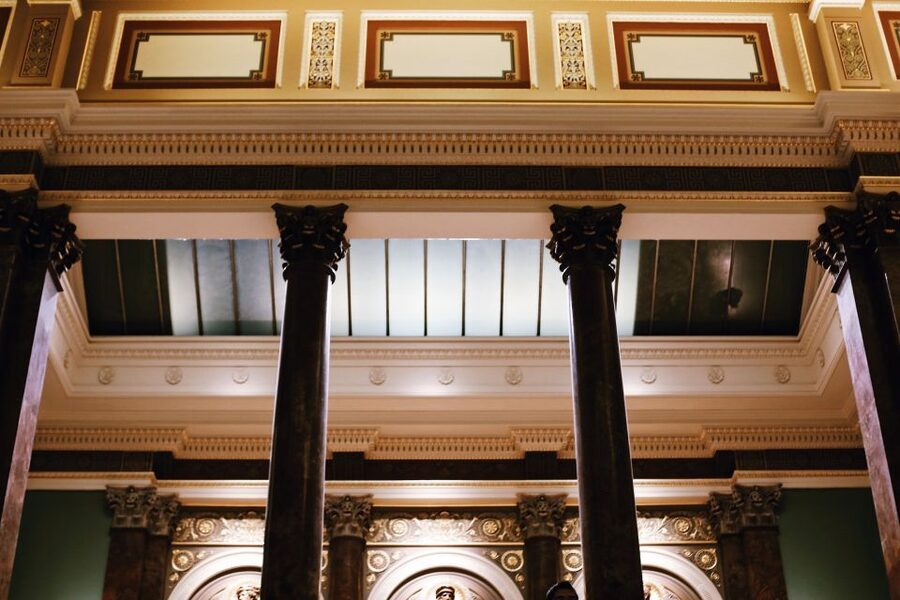
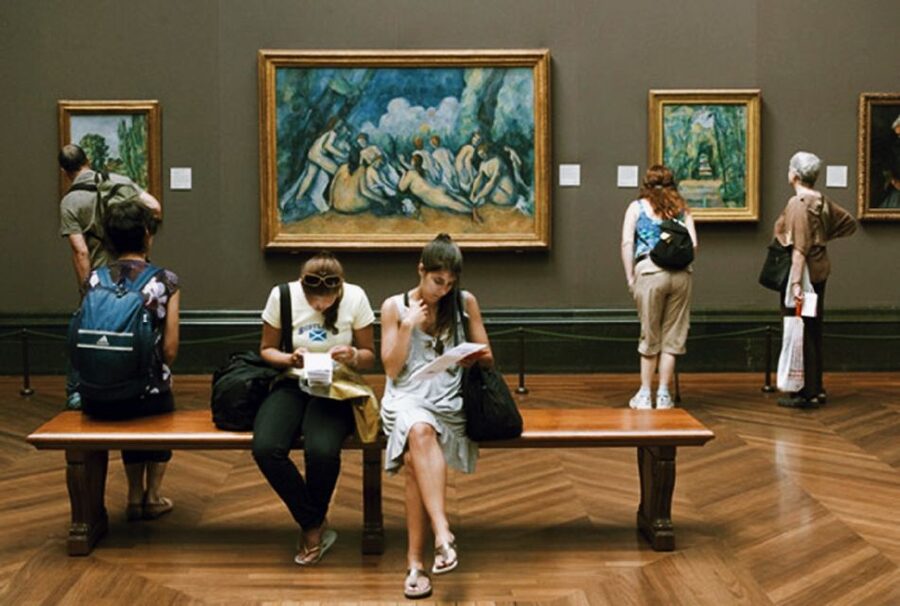
Seurat’s Bathers at Asnières brings the tour close to modern painting. It shows how artists were testing new ideas about color, brushwork, and everyday subjects.
The painting depicts people relaxing beside the Seine, but the scene is more carefully constructed than it first appears. Seurat’s method encourages you to look at small marks of color and how they work together from a distance. The result is a useful contrast with the looser effects associated with Impressionism.
This is where the tour’s chronological structure pays off. You can compare Seurat with earlier painters instead of seeing his technique as a strange trick. The guide connects changes in style to changes in subject, science, public life, and ideas about what art should do.
You will not cover every major movement in European art during 2.5 hours. That would be impossible. You will get a selected route, with enough examples to understand the broad direction from devotional panels and Renaissance balance toward modern experiments in color and form.
Guides Who Turn Looking Into a Conversation
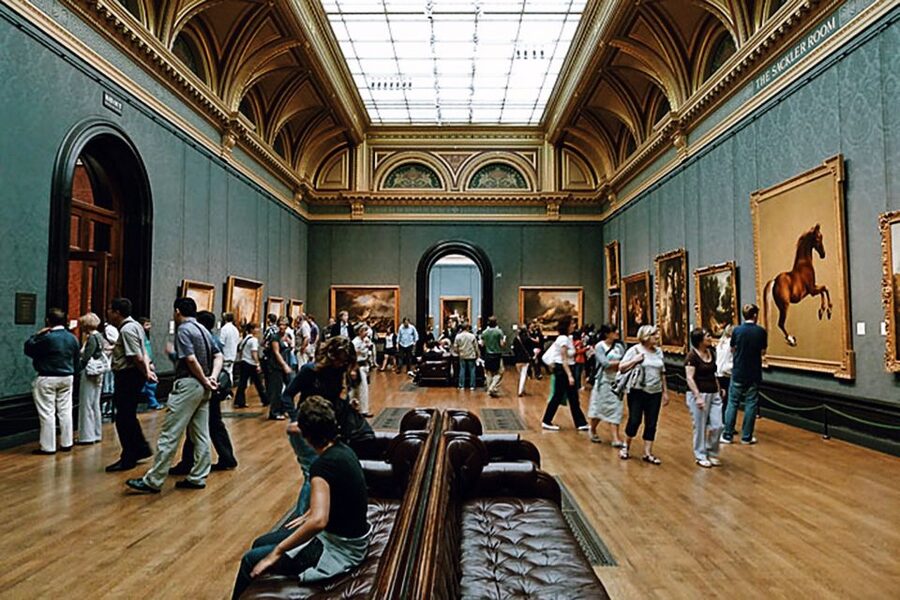
The guide is the heart of this experience. The strongest feedback has focused on personality, clear speech, and the ability to make complicated ideas approachable.
Jake has been praised for his professional manner, strong command of art and history, and ability to keep people interested. One couple on a honeymoon described him as the best guide they had encountered across tours in Rome, Florence, Milan, and London. That is high praise, especially from people who had plenty of comparisons.
Stephanie has also received repeated praise. She was described as enthusiastic, easy to understand, and good at creating a space for questions and observation. One guest with hearing aids found her clear even in the crowded museum, which is a practical detail worth noting.
Matilda’s style appears especially patient and friendly. Her tours have been praised for explaining how art developed and for bringing out the hidden details in the paintings. Becky and Alex have also been praised for their engaging delivery, energy, and ability to make the visit enjoyable.
No guide can control every condition inside a busy public museum. You may encounter noise, other groups, or a room where it is hard to stand in the best position. One guest suggested Bluetooth headsets would have helped. Stay close, arrive ready to focus, and do not hesitate to ask the guide to repeat a point.
Group Size, Timing, and Practical Comfort
The tour runs daily and takes about 2 to 2.5 hours. Check the available start times before booking, since the exact schedule can vary.
The shared group option requires at least two people. If that minimum is not reached, you will be offered another date or a full refund. The maximum group size is eight, which keeps the format more personal than a large coach-style museum tour.
A small amount of walking is involved. You should still expect to spend much of the visit standing in galleries, so comfortable shoes are sensible. The tour is in English, and the guides have been praised for speaking clearly to people who use English as a second language.
The meeting point depends on the option you choose, so check your booking details carefully. Hotel pickup and drop-off are not included. Food and drinks are also not included, and temporary exhibitions are outside the tour.
Bring a passport or ID card if required for your booking. Leave luggage and large bags elsewhere, since they are not allowed. Wheelchair-friendly tours can be arranged only upon request, but the activity is listed as unsuitable for wheelchair users, so you should confirm access before paying.
Free cancellation is available up to 24 hours before the tour for a full refund. You can also reserve now and pay later, which helps if your London schedule is still moving around.
Who Will Get the Most From This Tour?
I would recommend this tour to first-time National Gallery visitors who want a clear plan. It also suits couples, families with older children, and anyone who likes stories about people as much as facts about paintings.
The tour is a particularly good fit if you have only one afternoon for the gallery. You will not see everything, but you will leave with a useful framework and a short list of works worth revisiting on your own.
Art students and experienced museum visitors may still enjoy the guide’s comparisons and stories, but they should choose the private option if they want to shape the discussion around specific artists or periods. The shared format follows the guide’s selected highlights.
I would be more cautious if you dislike fixed schedules, prefer complete silence, or want to spend twenty minutes with a single painting. The group must keep moving, and the gallery environment can be loud. At $112, the experience needs to offer more than entry, and its success depends heavily on the guide you get.
Should You Book It?
Book this National Gallery tour if you want famous paintings explained in plain language and linked into one long story. The strongest reasons are the small groups, the carefully chosen works, and guides such as Jake, Stephanie, and Matilda, who bring warmth and energy to the subject.
Skip it if you are happy exploring alone or if the price feels too high for a guided introduction. The gallery offers plenty to see without this tour, but you may spend much of your visit deciding where to go next.
For most first visits, I think the tour earns its price. You see Da Vinci, Botticelli, Vermeer, Van Gogh, and Seurat, but the real benefit is learning how to look at them. That skill stays with you after the guide has gone.
FAQ
How long does the National Gallery masterpieces tour last?
The tour lasts 2.5 hours, though the stated duration can range from 2 to 2.5 hours depending on the tour.
Is the tour private or shared?
You can choose a private tour or a small group tour. Small groups have a maximum of eight people.
What language is the tour offered in?
The tour is offered in English with a live guide.
Which artists and paintings are included?
The tour includes works connected with Botticelli, Da Vinci, Monet, Rembrandt, Vermeer, Van Gogh, Raphael, Velázquez, and Seurat. Featured paintings include Venus and Mars, The Virgin of the Rocks, Lady Standing at a Virginal, Sunflowers, Rokeby Venus, and Bathers at Asnières.
What should I bring, and can I bring luggage?
Bring a passport or ID card. Luggage and large bags are not allowed.
Can wheelchair users join the tour?
Wheelchair-friendly tours are available only upon request, but the activity is listed as unsuitable for wheelchair users. Confirm accessibility before booking.
Just added in London
- The Best of British Cooking Class & Dining Experience★ 5.0 · 1 review
- London: Live Comedy Show at Big Belly Bar and Comedy Club★ 4.5 · 80 reviews
- London: British Museum Highlights Guided Small Group Tour★ 4.9 · 113 reviews
- The Beatles London Walking Tour★ 4.2 · 147 reviews
- The Best Highlights of London Walking Tour & Boat Cruise★ 5.0 · 1 review
- The Authentic Walking Tour with Indian Tasting Meal★ 4.8 · 4 reviews
- Iconic London: Bard, Beatles, Bond & Baker Street★ 4.9 · 15 reviews
- Terrific East-End Private Food tour with a friendly local.★ 5.0 · 1 review
National Gallery Tours, compared.
National Gallery Guided Tour with Art Expert Guide
Read our review →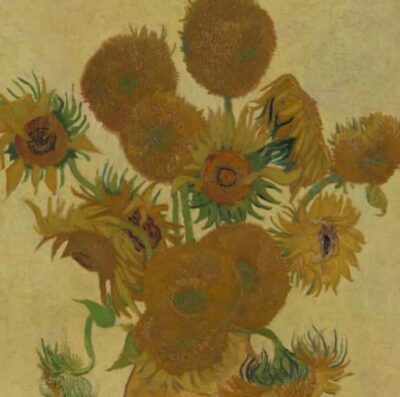
Private Tour of the National Gallery with tickets
Read our review →
British Museum & National Gallery Highlight Tour 8 guests 5h
Read our review →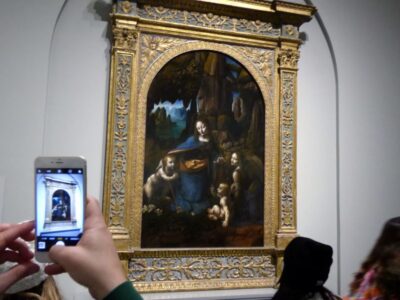
Guided Italian Tour of the National Gallery in London
Read our review →Other lists this tour turns up in