
REVIEW · HISTORICAL TOURS
London: Natural History Museum Entry Ticket and Guided Tour
The museum can feel wonderfully overwhelming. This one-hour tour gives you a clear route through London’s Natural History Museum, with a guide pointing out the famous displays instead of leaving you to decode the building map alone. I especially like the chance to see the huge dinosaur skeletons and the 82-foot blue whale, plus the useful explanations about how scientists study and preserve the museum’s specimens. The main drawback is time: one hour is enough for highlights, not the whole museum, so you may want to return afterward.
I also like the express security check, particularly when the entrance area is busy, and the option to use headsets if you need to hear the guide clearly. The tour is in English, costs $76 per person, and works best for first-time visitors, families with school-age children, and anyone who wants a strong introduction before exploring alone.
In This Review
- Key points to know before booking
- Why a guided hour helps inside this enormous museum
- Meeting at South Kensington
- The grand entrance and dinosaur skeletons
- Hintze Hall and the 82-foot blue whale
- Volcanoes, earthquakes, and the making of Earth
- Minerals, gems, and the detail of the small
- Butterflies and the Evolution gallery
- The Wildlife Garden and the living side of natural history
- Guide quality, questions, and family appeal
- Is $76 good value for one hour?
- Who should book this Natural History Museum tour?
- Final verdict: book it for orientation, not the whole museum
- FAQ
- How long is the Natural History Museum guided tour?
- What language is the tour conducted in?
- What is included in the tour price?
- Does the tour include transportation?
- Where is the meeting point?
- Does the tour include the museum’s famous dinosaur exhibits?
- Can I see the blue whale skeleton?
- Is the tour wheelchair accessible?
Key points to know before booking
- One hour, famous sights only: You get a brisk introduction rather than a complete visit to every gallery.
- Blue whale and dinosaurs: The route includes the enormous blue whale skeleton in Hintze Hall and the Diplodocus skeleton in the Central Hall.
- Helpful guide-led context: The guide explains the specimens, the museum’s scientific work, and the larger story of Earth and evolution.
- Express security entry: The tour includes an express security check, but the meeting point can be hard to identify.
- Good for families with older children: Guides such as Paul have been praised for keeping children engaged, while toddlers may find the pace and subject matter less suitable.
- Wildlife beyond the galleries: The Wildlife Garden offers a haven for birds, bees, and other animals, though the one-hour route may not leave time for every area.
Why a guided hour helps inside this enormous museum
The Natural History Museum is not a small collection you can casually wander through in half an hour. Its displays cover dinosaurs, geology, minerals, evolution, animals, and the forces that shaped Earth. Without a plan, you can spend a long time moving between impressive rooms without understanding how the pieces connect.
That is the main value of this tour. Your guide selects important stops and gives each one a story. Instead of simply looking at a skeleton, you learn why it matters. Instead of passing a case of minerals, you get an explanation of how the objects relate to the formation of our planet.
I like this approach for a first visit. You get your bearings quickly, then you can return to the galleries that interest you most. Several people found that the tour helped them decide what deserved more time later. That is a useful service in a museum with far more to see than any one-hour walk can cover.
The guide also explains how museum scientists preserve and study specimens. That extra layer matters. The displays are not only objects from the past. They are part of ongoing research into Earth, animals, evolution, and the natural world.
More History Tours in London
- London: Historic Pubs of Central London Walking Tour
★ 4.9 · 1,065 reviews - London: Soho Music and Historic Pubs Walking Tour
★ 4.9 · 836 reviews - London: Rock ‘n’ Roll History Tour
★ 4.6 · 645 reviews
Meeting at South Kensington
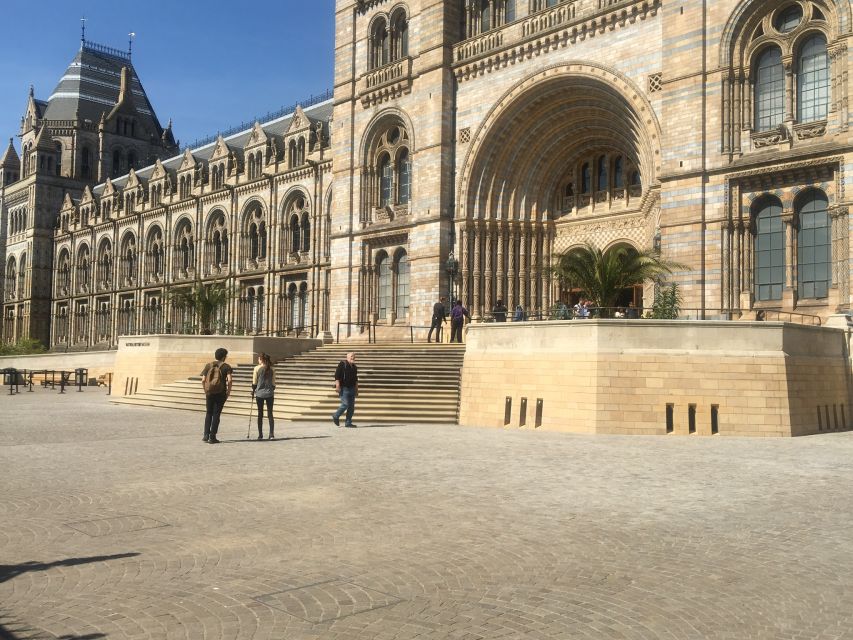
The meeting point is outside the museum, near the South Kensington station area. You should take the station exit marked Natural History Museum Ismaili Centre Exit, then go to Exhibition Road, SW7. The guide is to be found near the metal plate marked The Royal Borough of Kensington and Chelsea.
This is the one practical detail I would take seriously. The meeting instructions are specific, but the exact landmark may not be immediately obvious if you are arriving in a crowd or looking for a large tour sign. Give yourself extra time, and read the location details before leaving the station.
Transportation is not included, so you make your own way to South Kensington. The location is convenient for a museum visit, but the tour itself begins at the stated meeting point rather than with hotel pickup.
After meeting the guide, you go through the express security check. That does not mean you can skip every procedure, but it should make the start more efficient than joining a standard entry line. The reservation ticket is included, along with headsets if they are needed.
The grand entrance and dinosaur skeletons
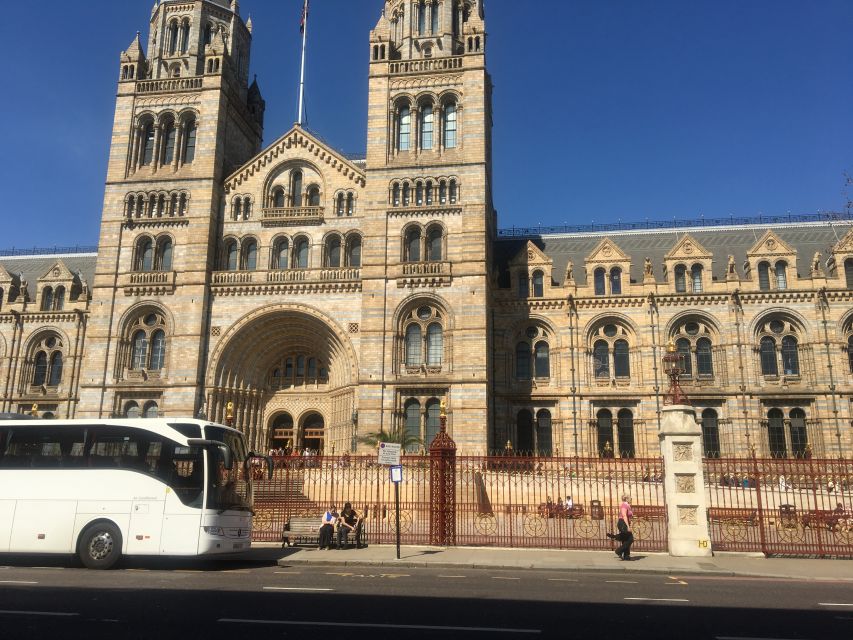
The opening rooms provide an immediate sense of scale. The museum’s architecture is part of the experience, with its high halls and elaborate interior details. Your guide leads you through the main areas rather than asking you to find the key exhibits on your own.
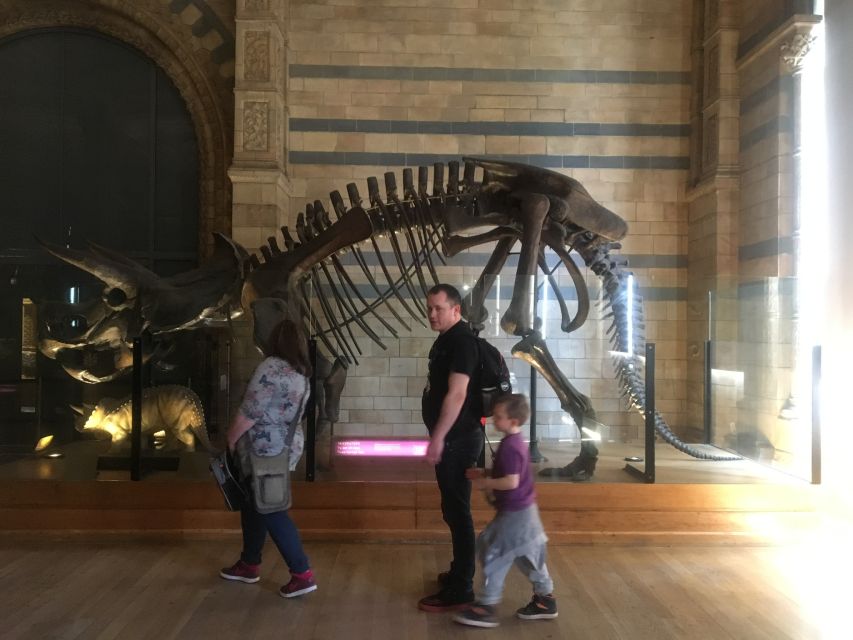
The Diplodocus skeleton in the Central Hall is one of the major early sights. Its long frame gives you the right introduction to the museum’s ability to make natural science feel dramatic. A guide can help turn that first look into something more useful by explaining what you are seeing and placing the dinosaur within the wider story of life on Earth.
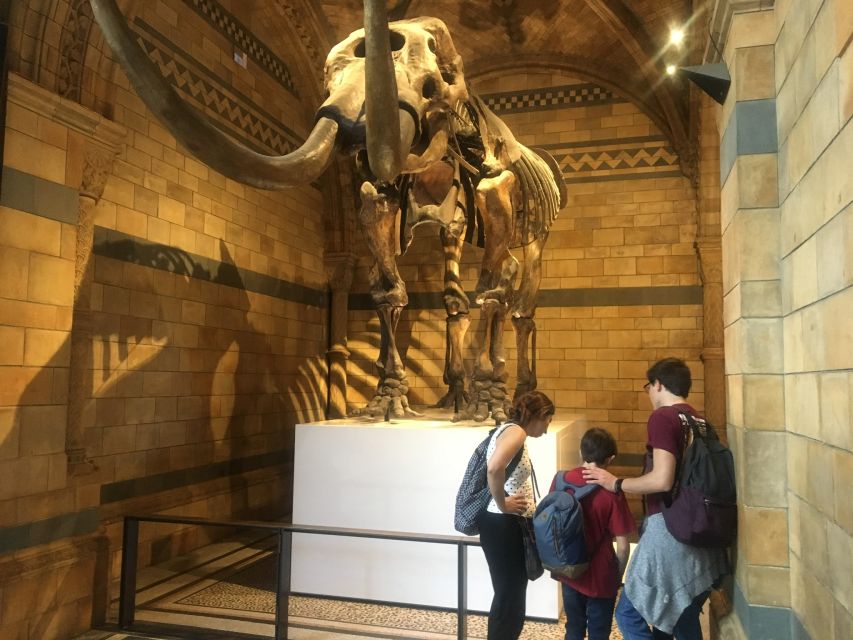
The museum’s dinosaur displays are especially good for families. Children can focus on size and shape, while adults can follow the scientific explanations. Paul, one of the guides associated with this experience, has been praised for answering questions and making the subject work for both adults and children.
Do not expect a slow, detailed paleontology lesson in this opening hour. The tour has several major areas to cover, so the dinosaur stop is designed to give you a strong introduction. If dinosaurs are your main reason for visiting, keep time after the tour to explore more on your own.
Hintze Hall and the 82-foot blue whale
The blue whale skeleton in Hintze Hall is the museum’s great showstopper. At 82 feet, or 25 meters, long, it fills the room with a scale that is difficult to grasp from a photograph. Seeing the skeleton suspended above you gives the museum’s natural history theme a memorable center.
This stop also helps balance the dinosaur displays. The Diplodocus represents a distant chapter in Earth’s past, while the whale connects the museum’s story to life in the modern world. Your guide can use both exhibits to show how varied life on Earth has been and remains.
The whale is also a good place to listen rather than simply take pictures. The hall can contain a lot to look at, and the guide’s explanation gives you a reason to notice the structure of the skeleton, not just its size. Headsets may help if the group is spread out or the surrounding sound makes it difficult to hear.
The tour’s one-hour limit matters here. You will have time to appreciate the main sight and hear the explanation, but you may not have time to linger as long as you like. If you want photographs from several angles, plan to return after the guided portion.
More Museum Tours in London:
- London: Chelsea Football Club Stadium and Museum Tour
★ 4.8 · 4,576 reviews - London Transport Museum Entrance Ticket
★ 4.5 · 1,323 reviews - London: British Museum Guided Tour
★ 4.3 · 1,182 reviews - London: Jack the Ripper Museum Tickets
★ 4.2 · 894 reviews
Volcanoes, earthquakes, and the making of Earth
The Volcanoes and Earthquakes Gallery shifts the focus from animals to the forces that shape the planet. It is one of the most useful stops for understanding that natural history is not only about fossils and skeletons. Earth itself is active, changing, and sometimes violent.
A guide adds value here because the displays can raise large questions quickly. How did Earth form? What causes earthquakes? How do volcanoes alter the surface? The tour introduces these subjects without requiring you to read every panel in the room.
I find this part particularly useful for visitors who want more than a parade of famous objects. It connects the museum’s galleries into a larger story. The minerals, fossils, animals, and geological events are all part of the same planet.
The drawback is again the clock. This gallery contains enough material to occupy much longer than the time allotted to it. You will get the main ideas, but you should not expect a full lesson on geology.
Minerals, gems, and the detail of the small
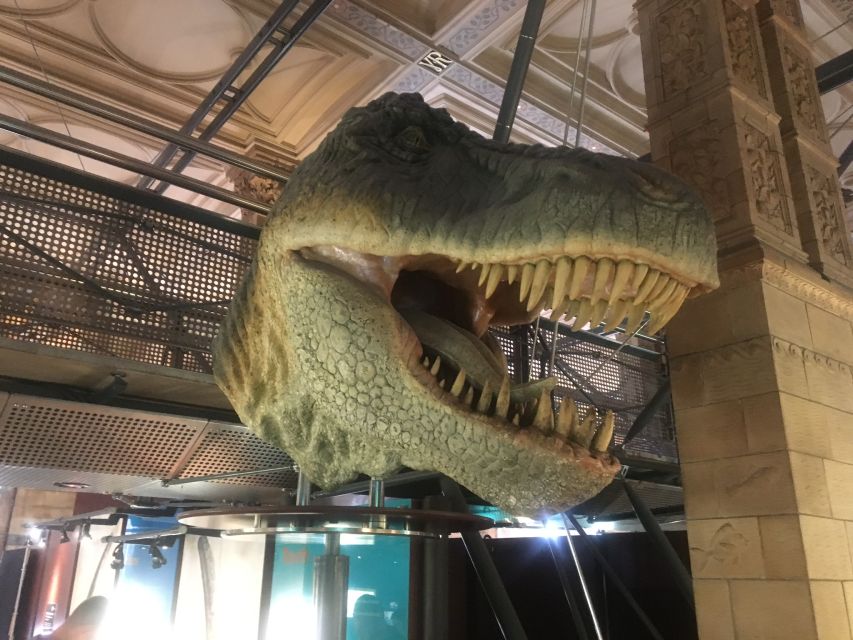
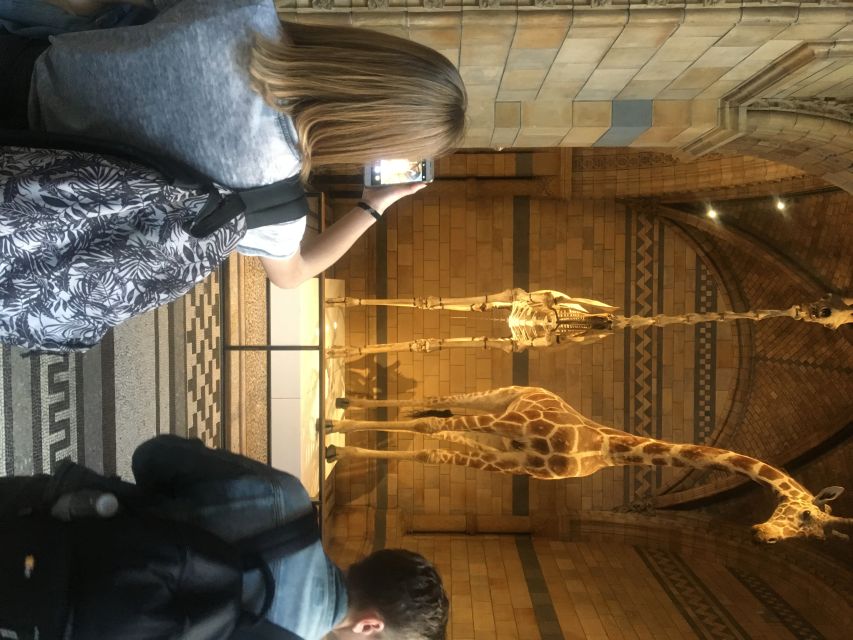
The mineral and gem displays provide a welcome change of scale. After looking up at enormous skeletons, you can focus on intricate forms and colors in the cases. The displays show that natural history can be dramatic at both ends, from giant whales to finely formed stones.
Your guide helps explain why these specimens matter, rather than treating them as decoration. The museum’s collection is tied to the study of Earth’s materials and formation, so this stop supports the geological story introduced in the Volcanoes and Earthquakes Gallery.
I would pay attention here even if you came mainly for dinosaurs. The mineral displays show how the museum’s collections extend far beyond animals. They also give you a quieter pause in an otherwise visually powerful route.
The exact amount of time spent in this section can depend on the guide and the group’s interests. If you have strong interest in gems or geology, mention it early. A one-hour tour must keep moving, and the guide cannot give every display equal attention.
Butterflies and the Evolution gallery
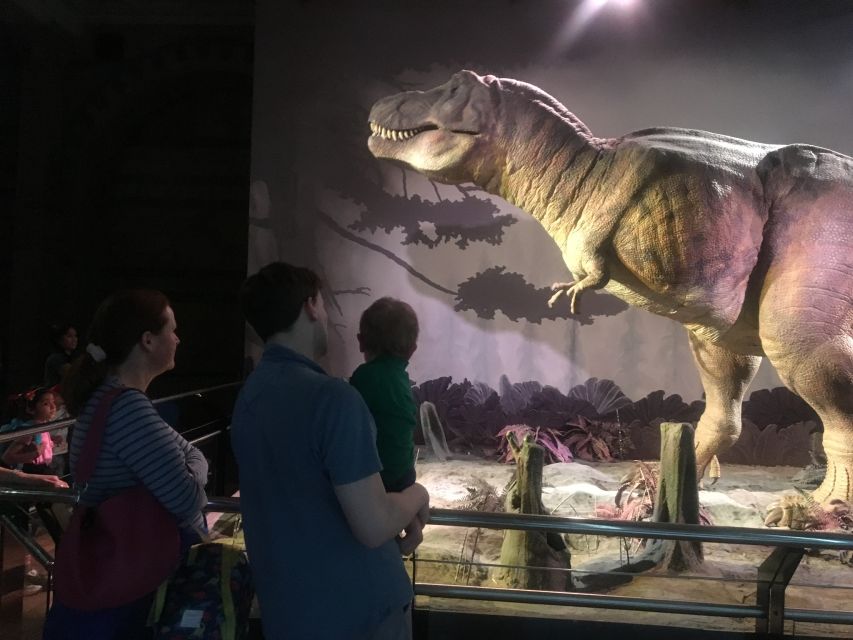
The butterfly collection brings fine detail and variety to the visit. The displays help show the range of life on Earth, while the Evolution gallery gives that variety a broader scientific setting.
This is where the guide’s explanations can make a real difference. Evolution is easier to understand when the displays are connected to a clear thread. Rather than looking at separate specimens, you can consider how life changes and diversifies over time.
The tour is not presented as an exhaustive visit to every case. It is a guided selection of important areas. That is good for a first visit, but it means you should ask questions if one subject matters especially to you. The guides are encouraged to explain and respond, and Paul has been praised for handling many questions in a friendly way.
Families should find this section more accessible than a room filled only with technical information. Children can notice colors, shapes, and unusual specimens, while the guide provides the larger explanation. Still, this is better suited to older children than toddlers. A full hour of listening and walking may be hard for very young visitors.
The Wildlife Garden and the living side of natural history
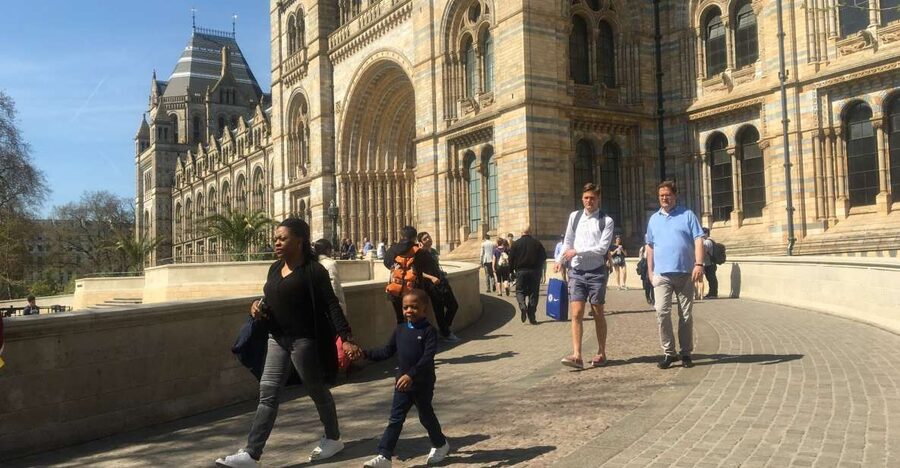
The Wildlife Garden is described as a haven for birds, bees, and other animals. It offers a different kind of museum experience, moving the idea of natural history outside the display cases.
If the route or your remaining time allows a visit, the garden can add a useful contrast to the indoor galleries. You have seen preserved specimens and skeletons, then you can think about living creatures and habitats. It reinforces the idea that the natural world is not only something stored behind glass.
You should treat the garden as an attraction to keep in mind rather than assume the one-hour guided route will cover every part of it. The tour’s main promise is a selection of famous museum exhibits, and the indoor highlights already require a brisk pace.
If the Wildlife Garden is especially important to you, ask the guide about it at the beginning. That gives you the best chance of learning how to fit it into your visit.
Guide quality, questions, and family appeal
The guide is the heart of this experience. The strongest feedback centers on clear explanations, friendliness, and the ability to answer questions. Paul is repeatedly singled out for his warm manner, academic grasp of the subject, and skill with both adults and children.
That matters because a museum tour can easily become a list of facts. The best guides adjust their explanations to the group. A seven-year-old can focus on size and strange animals, while an adult can ask about scientific research or Earth’s formation.
One especially useful feature is the guide’s advice about what to see after the tour. A good one-hour introduction should not pretend to cover everything. It should help you choose your next stop, and that is exactly how this experience works best.
The tour is in English, so you should be comfortable following spoken English for the full hour. Headsets are available if necessary. The tour is wheelchair accessible, which is helpful for visitors who need a more supported route through the museum, although the provided information does not specify details about every gallery or facility.
Is $76 good value for one hour?
At $76 per person, this is not a cheap museum entry. The value depends on how much you want from a guided introduction and how difficult you find large museums to navigate.
If you are happy to explore alone, the price may feel high for a one-hour visit. The tour does not include food, drinks, or transportation, and the short duration means you will probably want extra museum time afterward.
I see stronger value in it for a first-time visitor with limited planning time. The reservation ticket, express security check, guide, and headsets are included. You also get a route through major highlights, explanations that connect the displays, and practical advice on what to see next.
The experience is also a better buy for families who want structure. A child may lose interest during a long self-guided visit, but a guide who asks questions and points out the most striking objects can keep the hour moving.
The listed rating is 3.8 out of 5 from 212 bookings, so I would not treat the tour as perfect for every group. The positive comments focus heavily on the guides, while the meeting point is the clearest concern. Your experience may depend on who leads the tour and how well the group fits the brisk schedule.
Who should book this Natural History Museum tour?
I would recommend it to:
- First-time museum visitors who want the main sights quickly
- Families with school-age children
- Adults who enjoy science but prefer explanations to wall text alone
- Visitors with limited time in London
- Anyone who wants help choosing which galleries to revisit
I would be more cautious if you want a slow, specialist visit. One hour cannot give equal attention to dinosaurs, geology, minerals, butterflies, evolution, the blue whale, and the Wildlife Garden.
Toddlers may also find the format less suitable. The tour involves listening, moving through several areas, and following a guide’s pace. Older children have received especially strong attention from guides, including efforts to involve a child who did not speak English.
Final verdict: book it for orientation, not the whole museum
Book this tour if you want a well-organized first look at the Natural History Museum and value a guide who can turn famous objects into a connected story. The dinosaur skeletons, blue whale, geological displays, minerals, butterflies, and Evolution gallery give you a strong sample of what the museum does best.
Skip it if you prefer to wander slowly or already know exactly which galleries you want to study. For most first-time visitors, I would book the guided hour, then leave extra time afterward for the displays that catch your attention. Arrive early at the South Kensington meeting point, look carefully for the metal plate on Exhibition Road, and ask the guide about the Wildlife Garden and the best places to continue once the tour ends.
FAQ
How long is the Natural History Museum guided tour?
The guided tour lasts one hour.
What language is the tour conducted in?
The live tour guide speaks English.
What is included in the tour price?
The price includes a guide, a reservation ticket, and headsets if needed to hear the guide.
Does the tour include transportation?
No. Transportation is not included, so you must make your own way to the meeting point.
Where is the meeting point?
Meet near the metal plate marked The Royal Borough of Kensington and Chelsea on Exhibition Road, SW7. From South Kensington station, use the Natural History Museum Ismaili Centre Exit.
Does the tour include the museum’s famous dinosaur exhibits?
Yes. The experience includes major dinosaur displays, including the Diplodocus skeleton in the Central Hall.
Can I see the blue whale skeleton?
Yes. The tour includes the blue whale skeleton in Hintze Hall, which is 82 feet, or 25 meters, long.
Is the tour wheelchair accessible?
Yes. The activity is listed as wheelchair accessible.
Just added in London
- The Best of British Cooking Class & Dining Experience★ 5.0 · 1 review
- London: Live Comedy Show at Big Belly Bar and Comedy Club★ 4.5 · 80 reviews
- London: British Museum Highlights Guided Small Group Tour★ 4.9 · 113 reviews
- The Beatles London Walking Tour★ 4.2 · 147 reviews
- The Best Highlights of London Walking Tour & Boat Cruise★ 5.0 · 1 review
- The Authentic Walking Tour with Indian Tasting Meal★ 4.8 · 4 reviews
- Iconic London: Bard, Beatles, Bond & Baker Street★ 4.9 · 15 reviews
- Terrific East-End Private Food tour with a friendly local.★ 5.0 · 1 review
Historical Tours, compared.



Other lists this tour turns up in