
REVIEW · MUSEUMS
Barbara Hepworth Museum & Sculpture Garden: entry to site.
Art feels different in its old home. Barbara Hepworth’s former house in St Ives gives you a close look at her work, her living spaces, and the garden where larger sculptures sit among subtropical planting. I like the unchanged setting and the way the visit brings together sculpture, paintings, drawings, archive material, and studio views. I also like that the $13 ticket covers the whole site rather than only a gallery room.
The main consideration is its modest size. This is a focused museum visit, not a full-day attraction with a café, large shop, or many facilities. You will find only one toilet, food and drinks are not allowed, and the souvenir range is limited. Still, for anyone interested in modern art, sculpture, or gardens, the setting gives the collection a special force.
In This Review
- Key points to know before you go
- Why Barbara Hepworth’s St Ives home matters
- Start with the archive and career photographs
- Upstairs in Hepworth’s former living area
- The sculpture garden is the heart of the visit
- Studios and the feeling of an active workplace
- How long should you allow?
- Is the $13 admission good value?
- Practical rules that affect your visit
- Who will enjoy this most?
- Booking flexibility and visit planning
- Should you book the Barbara Hepworth Museum?
- FAQ
- How much does admission cost?
- How long is the ticket valid?
- What does the ticket include?
- Is the museum wheelchair accessible?
- Are food and drinks available on site?
- Can I cancel my booking?
Key points to know before you go
- Barbara Hepworth’s former home: See the living area and rooms connected with the artist’s life in St Ives.
- Sculpture among subtropical planting: Larger works sit outdoors in a garden designed as part of the experience.
- Archive material first: The entrance area presents chronological photographs and objects from Hepworth’s career.
- A small, focused visit: The site is compact, with no café and limited shopping, so plan it as one stop within a St Ives day.
- Flexible admission: Your ticket is valid for one day, with free cancellation up to 24 hours before the visit.
- Access needs planning: Wheelchair entry is available through a side-street entrance by prior arrangement.
Why Barbara Hepworth’s St Ives home matters
A museum can tell you about an artist. A former home can show you how that artist worked and lived. At Barbara Hepworth Museum and Sculpture Garden, the house, studios, garden, and artworks remain closely tied together, helping you see sculpture in a more personal setting.
Hepworth was one of the major modern artists associated with St Ives, and this site presents her work in the place where she lived and worked. You are not simply moving from one neutral gallery room to another. You are seeing selected sculptures, paintings, and drawings in her former living area, then stepping outside to larger pieces in the garden.
That change of setting is the main reason I would choose this visit over a standard museum stop. Indoors, you can study the smaller and more intimate works. Outdoors, the sculptures have room around them, and the planting changes how you see their curves, openings, surfaces, and shadows.
The site is kept close to its original character. That can feel more meaningful than a polished modern exhibition, though it also means the facilities are basic. You come for Hepworth and the setting, not for a long list of visitor services.
More Museum Tours in Cornwall:
- Porthmeor Beach: Tate St. Ives Gallery Entry Ticket
★ 4.3 · 28 reviews - Liverpool: Liverpool Football Club Museum and Stadium Tour
★ 4.8 · 10,764 reviews - London: Chelsea Football Club Stadium and Museum Tour
★ 4.8 · 4,576 reviews
Start with the archive and career photographs
Your visit begins in the admission area, where chronological photographs and archive objects introduce Hepworth’s career. This opening section gives you a useful timeline before you see the main collection.
I like this arrangement because it gives the artworks some context without requiring a long lecture or guided tour. You can first get a sense of Hepworth’s working life, then head upstairs to see selected pieces in the former living area.
The archive display is especially useful if you are new to her work. Modern sculpture can seem difficult when you meet it without preparation. Seeing photographs and career material first helps you understand that the museum is about a person’s working life as well as a set of abstract forms.
Take your time with the photographs. They help connect the artist to the house and garden, and they make the site feel less like a borrowed exhibition space. The information is presented as part of the visit, so you can explore at your own pace.
Upstairs in Hepworth’s former living area
After the entrance display, you go upstairs to view a selection of Hepworth’s works in the area that was once part of her home. The collection includes abstract sculptures, paintings, and drawings, giving you more than one way into her art.
The scale of the display matters. A small selection can be easier to appreciate than a huge collection that leaves you tired and unsure what to remember. You can look closely at individual pieces, compare the different media, and consider how two-dimensional drawings relate to the sculptures.
The former living area also gives the indoor section a domestic feel. You are seeing art in surroundings connected to Hepworth’s daily life, rather than in a room designed only for display. That does not make every work easier to understand, but it gives the visit a direct and human quality.
If you already admire Hepworth, this section lets you spend time with selected works without the pressure of rushing through a major museum. If modern art is new to you, the archive introduction and compact arrangement make the visit approachable.
Do not expect a large survey covering every stage of her career. The experience is selective. Its strength is the relationship between the pieces and the house, not the number of objects on display.
The sculpture garden is the heart of the visit
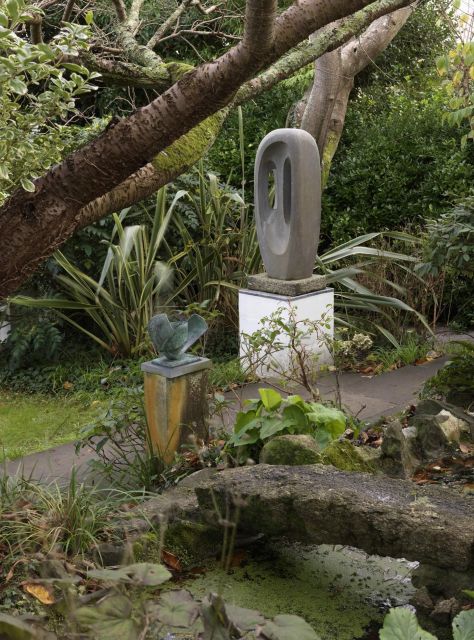
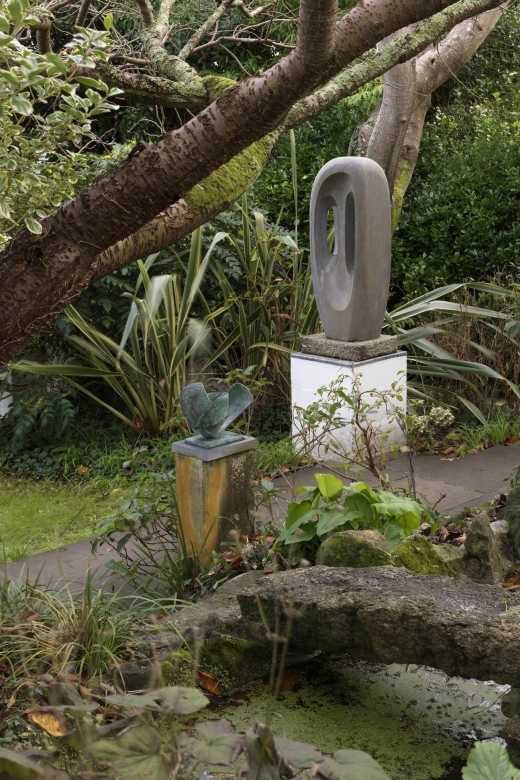
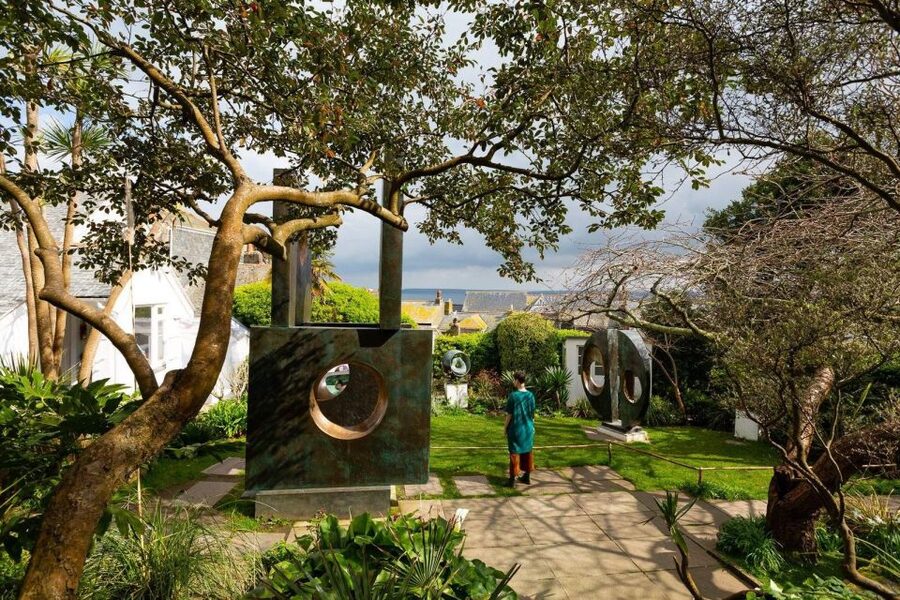
Outside, the visit changes pace. Larger-scale sculptures are set among a beautiful subtropical garden, where the plants form part of the visual experience rather than a separate attraction.
This is where the site feels most distinctive. Hepworth’s work is strongly connected to space, shape, light, and the human body. Outdoors, you can move around the sculptures and see them from different angles. Planting softens the hard surfaces and creates a natural contrast with the abstract forms.
The garden has also received strong praise for the way it complements the art. I would give this area more time than a quick walk-through allows. Look at the sculpture from one position, then move around it. Notice how the background changes and how the garden affects the work’s outline.
The subtropical planting is an important part of the ticket’s value. You are not paying only to enter a house with sculptures inside. You are also getting an outdoor setting that changes the mood and gives the larger pieces breathing room.
At the same time, do not expect a large public garden with broad paths, extensive lawns, or a long walking route. The site is relatively small. Its appeal comes from careful placement and atmosphere, not size.
A few more options to weigh up in Cornwall
- Cornwall: Eden Project Entry Ticket
★ 4.4 · 495 reviews - Doc Martin Tour
★ 4.6 · 380 reviews - Bodmin: Bodmin Jail Entry Ticket & Dark Walk
★ 4.7 · 346 reviews - Padstow: Guided RIB Sealife Safari
★ 4.7 · 165 reviews
Studios and the feeling of an active workplace
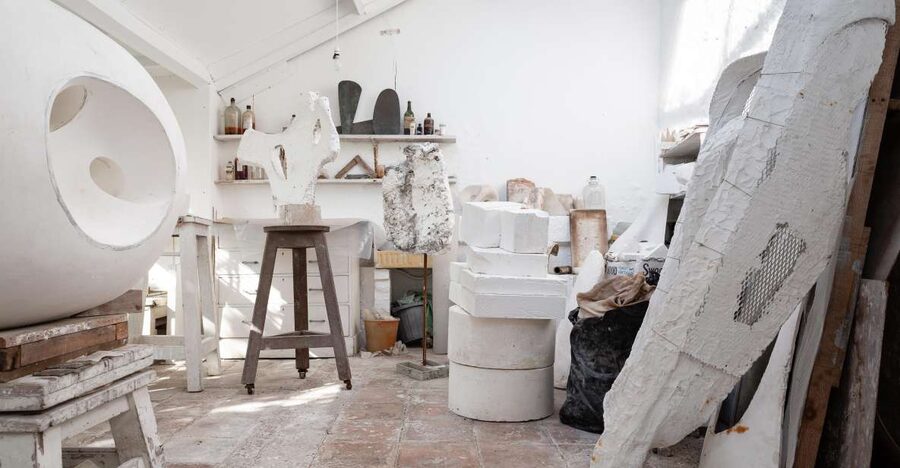
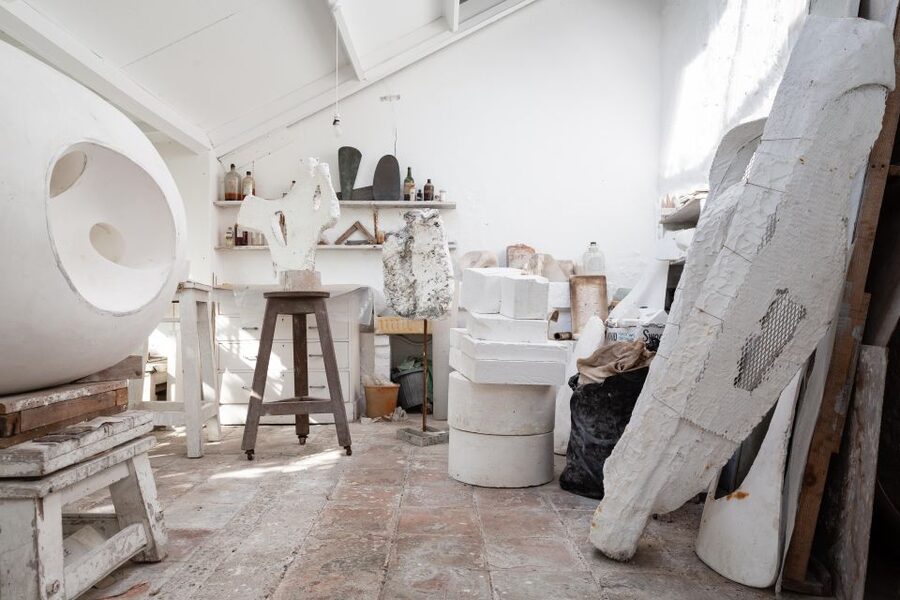
The ticket also includes views of Hepworth’s work studios. These spaces help you picture the practical side of sculpture, including the connection between an artist’s ideas and the place where objects were made.
Even a partial view of a studio can change how you look at the finished works. Sculptures stop seeming like isolated objects and become part of a process involving tools, materials, planning, and repeated changes.
The studios also reinforce the sense that the site has been preserved as a working home. The attraction is not presented as a blank gallery with a famous name attached. Its rooms, garden, and work areas are all part of the story.
Because the museum keeps the setting close to how it was during Hepworth’s time, you should approach it with care. Touching exhibits is not allowed, and flash photography, tripods, and professional cameras are prohibited. Those rules protect the works and help preserve the calm character of the house.
How long should you allow?
The ticket is valid for one day, so you are not tied to a narrow touring schedule. The available start times depend on the date, and you should check them before booking.
The site can work well as a focused visit within a larger day in St Ives. One visitor described spending a magical and inspiring hour there, which gives you a useful idea of the scale. You can see the archive, indoor works, garden, and studio views in a compact visit, but your exact timing will depend on how closely you study the art.
I would avoid treating the museum as a quick ten-minute photo stop. The archive photographs deserve attention, and the garden rewards a slow circuit around the sculptures. If you enjoy reading museum information and looking at art from several angles, allow enough time to avoid turning the visit into a hurried checklist.
The one-day validity is useful if you want flexibility. You can fit the museum around other plans instead of building your whole day around a fixed small-group tour.
Is the $13 admission good value?
At $13 per person, the ticket is reasonably priced for a specialist museum with a preserved home, garden, archive material, indoor art, and studio views. The value comes from the combination. If you visited only a small collection of sculptures in a conventional room, the price might feel less compelling. Here, the setting adds much of the appeal.
I would consider it good value for three types of people:
- Someone who already likes Barbara Hepworth and wants to see her work in a personal setting.
- Someone interested in modern art who wants a compact introduction.
- Someone who enjoys gardens and sculpture together.
The price is less attractive if you expect a full-day attraction with refreshments, extensive facilities, or a large shop. There is no café or refreshment service, food and drinks are not allowed, and the souvenir selection is limited.
Plan to eat and drink elsewhere. That small bit of preparation will make the basic facilities feel less like a problem. The museum is intentionally preserved rather than built around commercial services.
Practical rules that affect your visit
The restrictions are strict but understandable for a historic art site. You cannot bring large bags, oversize luggage, coolers, bikes, surfboards, skateboards, skates, or mobility scooters. Weapons, sharp objects, drones, alcohol, drugs, and fireworks are also prohibited.
Smoking and vaping are not allowed. You must not touch the exhibits, feed animals, climb, litter, or use speakers. Flash photography and tripods are prohibited, as are professional cameras. Assistance dogs are allowed, but other pets are not.
Unaccompanied minors and party groups, including bachelor and bachelorette groups, are not permitted. The rules may feel extensive on paper, but they reflect the site’s small scale and the need to protect the art and garden.
Wheelchair access is available through a side-street entrance, but you need to arrange this before your visit. Mobility scooters are not permitted. There is only one toilet on site, so keep that in mind if you need regular facilities.
The experience is listed as a small group with a limit of nine participants. That should suit you if you prefer a quieter, more controlled visit rather than a crowded attraction. It also makes following the site rules and moving through the rooms more important.
Who will enjoy this most?
I would recommend the museum most strongly to modern-art admirers, sculpture lovers, and garden enthusiasts. The combination is unusual, and the outdoor works are likely to be the most memorable part for anyone who responds to art through space and setting.
It also suits visitors who prefer focused cultural stops. You do not need to commit a whole day to a vast museum, and the one-day ticket gives you room to fit the visit into your St Ives plans.
Families may find the site interesting, but the restrictions and quiet atmosphere require care. Children must not touch the exhibits, and unaccompanied minors are not allowed. This is a place for looking closely rather than running around.
If you want refreshments, extensive shopping, or a large collection covering every part of Hepworth’s career, you may find the experience too limited. The museum’s small scale is both its charm and its main weakness.
Booking flexibility and visit planning
The booking terms are helpful if your plans may change. You can cancel up to 24 hours in advance for a full refund, and the reserve-now, pay-later option lets you hold a place without paying immediately.
That flexibility is useful when planning a day in South West England, especially if weather or other St Ives plans may shift. You should still check the available starting times and arrange wheelchair access ahead of time if needed.
The ticket is valid for one day, not a multi-day pass. Treat it as admission to a compact museum and garden rather than as an open-ended attraction ticket.
Tate St Ives is the experience provider, and the site is in St Ives, United Kingdom. No meeting point is required, since this is direct admission rather than a transport-based excursion.
Should you book the Barbara Hepworth Museum?
Book it if you want to see Hepworth’s work in the home, garden, and studio setting that shaped its presentation. The strongest reasons are the unchanged character of the site, the excellent pairing of sculpture and subtropical planting, and the chance to move from archive material to indoor works and then larger outdoor pieces.
Skip it if you need a café, a big shop, wide-ranging facilities, or a full day of activities. The museum is small, and its one toilet and limited refreshments require planning.
For $13, I think the visit is a sound choice for modern-art fans and anyone already planning time in St Ives. Go slowly in the garden, study the archive before heading upstairs, and treat the house as part of the artwork’s story. That is where this admission earns its value.
FAQ
How much does admission cost?
Admission costs $13 per person.
How long is the ticket valid?
The ticket is valid for one day. You should check availability for the starting times offered on your chosen date.
What does the ticket include?
It includes entry to Barbara Hepworth’s original home and garden, archive information and images, abstract sculptures, paintings, drawings, the subtropical garden, and views of the work studios.
Is the museum wheelchair accessible?
Yes. Wheelchair access is available through a side-street entrance, but you need to arrange this before your visit.
Are food and drinks available on site?
No. The site has no café or refreshment facilities, and food and drinks are not allowed inside. There is only one toilet on site.
Can I cancel my booking?
Yes. You can cancel up to 24 hours in advance for a full refund. The reserve-now, pay-later option also lets you keep your plans flexible.
Just added in Cornwall
- Rounding Cornwall Boat Trip Experience. (Departing Hayle)★ 5.0 · 6 reviews
- Porthmeor Beach: Tate St. Ives Gallery Entry Ticket★ 4.3 · 28 reviews
- Mounts Bay, Penzance Boat Trip★ 5.0 · 7 reviews
- Newquay: Paddleboarding Lesson & Tour★ 5.0 · 3 reviews
- Newquay: Taster Bodyboard Lesson★ 5.0 · 1 review
- Newquay: Sea Kayaking Tour★ 4.7 · 12 reviews
- Newquay: Coasteering★ 4.9 · 21 reviews
- Newquay: Taster Surf Lesson★ 4.7 · 8 reviews
Museums, compared.

Liverpool Football Club Museum and Stadium Tour
Read our review →
Chelsea Football Club Stadium and Museum Tour
Read our review →


Other lists this tour turns up in