
REVIEW · NATIONAL GALLERY TOURS
London: National Gallery Private Tour with Fast Track Entry
Great art needs a little guidance. This two-hour private visit makes London’s National Gallery easier to understand, with a dedicated guide leading you from Renaissance works through Impressionism and beyond. I like the small private group, priced at $168 for up to three people, and the pre-booked fast-track entry, which helps you spend more time with paintings and less time waiting.
I also like the way the tour connects art to technique, symbols, and history instead of simply naming famous painters. Guides named in recent feedback include Stefania and Damiano, both praised for clear, lively explanations. The main consideration is simple: two hours gives you a strong introduction, not a complete survey of one of Europe’s great collections. Some important works may also be absent on the day.
In This Review
- Key points to know before booking
- Why a private National Gallery visit can be worth it
- Meeting your guide after security
- The opening fifteen minutes: finding your bearings
- Renaissance and Northern Renaissance masterpieces
- Caravaggio and the drama of light
- Vedutisti, Turner, and Constable
- Monet, Seurat, and Van Gogh
- What the guide adds to the paintings
- The two-hour pace and its limits
- Accessibility, language, and who will enjoy it
- Booking details that affect your day
- Should you book this National Gallery tour?
- FAQ
- How long does the National Gallery private tour last?
- How much does the private tour cost?
- Does the tour include fast-track entry?
- Where do I meet the guide?
- Which languages are available?
- Is the tour wheelchair accessible?
- Are temporary exhibitions included?
Key points to know before booking
- A private tour for up to three people: You get a guide focused on your group rather than a large crowd with mixed interests.
- Fast-track entry after security: Pre-booked tickets use a separate line, but you still need to pass the gallery’s security checks.
- A broad sweep of art history: The route can cover Renaissance, Northern Renaissance, Vedutisti, Romanticism, Impressionism, and Post-Impressionism.
- Famous names, from Leonardo to Van Gogh: The collection includes works by artists such as Raphael, Michelangelo, Van Eyck, Holbein, Botticelli, Caravaggio, Turner, Constable, Monet, and Seurat.
- Useful for families and first-time visitors: Stefania’s explanations and art-history links held the attention of a 12-year-old, which is no small achievement in a picture gallery.
- Two hours on your feet: Wear comfortable shoes, carry backpacks in front, and leave drinks outside the museum galleries.
Why a private National Gallery visit can be worth it
The National Gallery is free to enter for its permanent collection, so the $168 price requires a clear reason. Here, you are paying for a private guide, a reserved entry arrangement, and a focused two-hour route for up to three people. For a couple or small family, that works out differently than the headline group price suggests.
At the full group price, three people pay $56 each. That is not a casual museum admission, but it can be good value if you want help making sense of the collection and would otherwise spend hours wandering from room to room without a plan. A private guide can also adjust the pace and explanation level for your group.
I would be more cautious for a solo visitor or someone already comfortable with art history. In that case, the added cost may be harder to justify, especially since the permanent collection itself does not require this ticket. The tour makes the most sense when your London time is short, you want expert interpretation, or you are traveling with family members who need a clear story to keep the visit moving.
The two-hour length is well judged for a first visit. It is long enough to see major works and understand how styles changed, but short enough to avoid the glazed-over feeling that can arrive after too many crowded galleries. You can always return later on your own for a slower look.
More National Gallery visits:
- London: National Gallery Guided Tour with Art Expert Guide
★ 4.7 · 440 reviews - London: National Gallery of London Masterpieces Guided Tour
★ 4.9 · 78 reviews - London: National Gallery Guided Tour
★ 3.8 · 67 reviews
Meeting your guide after security
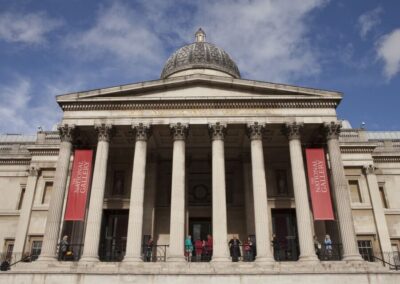
The meeting point is right after the security checks at the National Gallery. That detail matters. You should not expect to walk straight past every queue and directly into the collection. The fast-track arrangement uses a separate entrance or line for pre-booked tickets, but security remains part of the process.
Arrive ready for a short security inspection. Drinks are not allowed inside, and staff may ask you to empty bottles at the entrance. After security, you can refill bottles at the museum’s water fountains, so you do not need to go thirsty for two hours.
Backpacks must be carried in front rather than behind your back under museum rules. This is easy to forget in a crowded gallery, but it helps protect the paintings and people around you. Flash photography is not allowed, while photography without flash is permitted.
The practical lesson is to travel light. A small bag, comfortable shoes, and a charged phone for non-flash photographs are enough. The tour does not include hotel pickup or drop-off, food, or drinks, so you arrange your own route to Trafalgar Square and your own refreshments before or after the visit.
The opening fifteen minutes: finding your bearings
Once you meet the guide, the first useful service is orientation. The National Gallery can feel less like a single museum and more like a chain of rooms from different centuries. A guide gives the visit a route and a purpose.
The opening explanation will likely set up the main question of the tour: how painting changed over time. You may move from early Renaissance ideas of space and religious storytelling toward the more natural figures, stronger light, and changing subjects of later centuries.
That structure is more useful than treating every painting as an isolated masterpiece. When you understand the period, you have a better chance of seeing why one artist painted a face, landscape, room, or gesture in a particular way.
The guide also brings out details that are easy to miss. Symbols, hand positions, clothing, architecture, light, and small objects can alter the meaning of a scene. A two-hour visit cannot explain every work in the building, so expect selected paintings to carry the larger story.
This is where the private format helps. You can ask for clarification without worrying that you are holding up a large group. If one artist interests you more than another, you can say so. The exact route can depend on the guide, the gallery’s current displays, and which works are available that day.
Renaissance and Northern Renaissance masterpieces
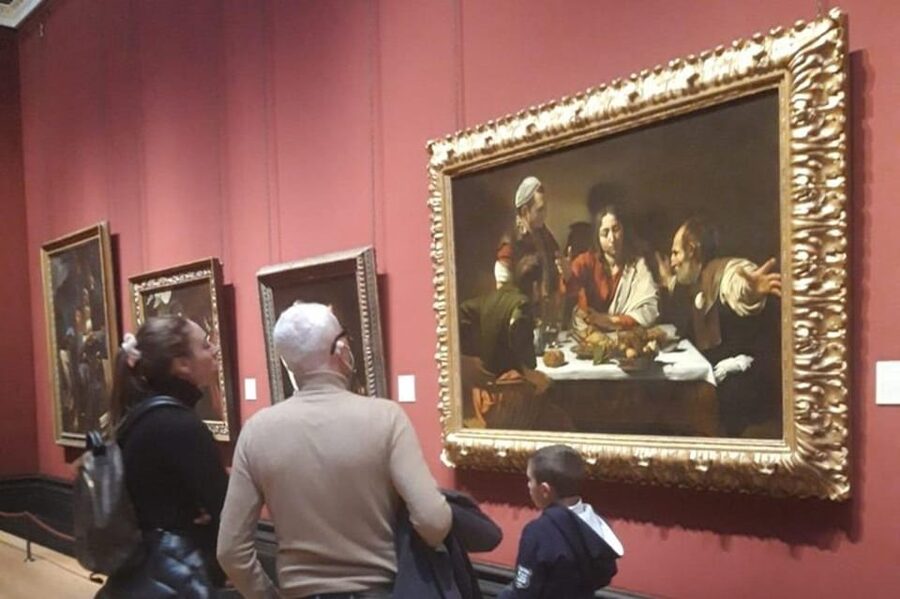
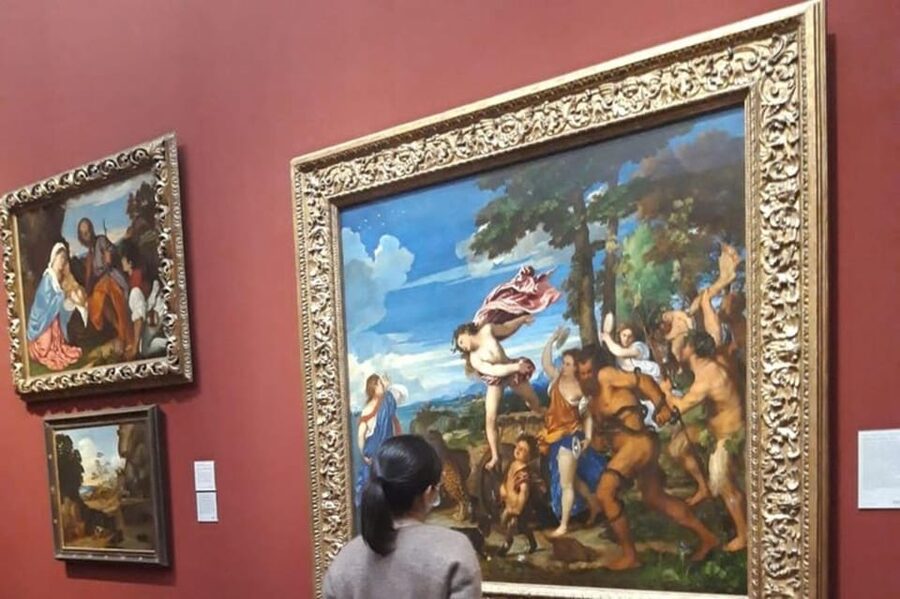
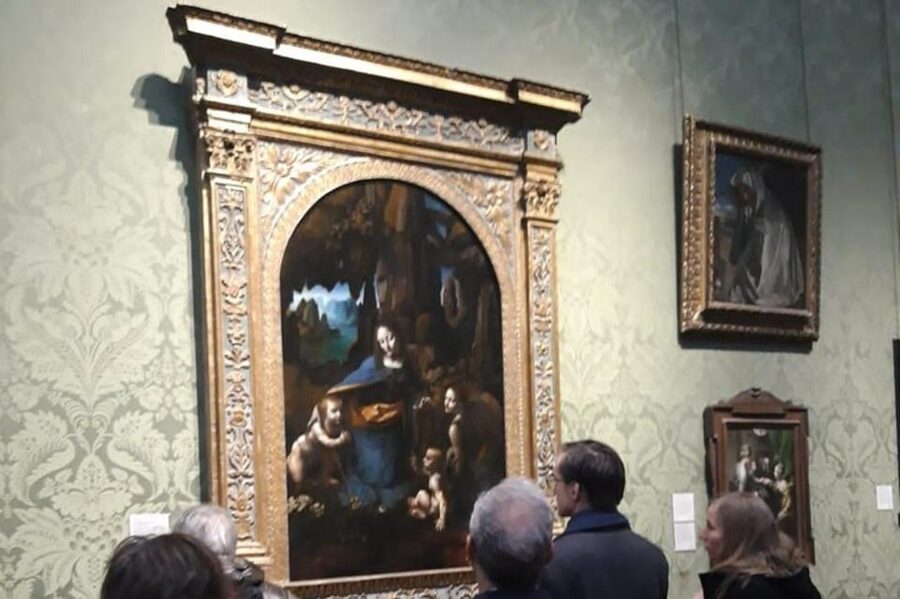
The Renaissance section gives the tour its foundation. Works connected with Leonardo da Vinci, Raphael, Michelangelo, and Botticelli let the guide discuss proportion, religious imagery, anatomy, composition, and the renewed interest in the classical world.
Do not expect a studio lesson with paintbrushes in hand. The focus is on how artists achieved their effects and why their methods mattered. You may learn to look for the construction of a figure, the arrangement of a group, or the way an artist directs your eye across a scene.
Leonardo is especially useful for explaining subtle modeling and the way soft transitions can make a face appear more lifelike. Raphael can open a discussion about balance and grace. Michelangelo brings the relationship between painting, sculpture, anatomy, and monumental design into view. Botticelli offers a different path, with line, flowing forms, and mythological subject matter.
The Northern Renaissance adds another kind of precision. Artists such as Jan van Eyck and Hans Holbein are associated with careful surface detail, portraiture, objects, and close observation. Here, you may be encouraged to inspect textures and tiny details that look almost photographic from a distance.
The contrast between Italian and Northern approaches gives the visit real shape. You are not just ticking famous names off a list. You are comparing different ideas about space, the human body, materials, and storytelling.
More Museum Tours in London:
- London: Chelsea Football Club Stadium and Museum Tour
★ 4.8 · 4,576 reviews - London Transport Museum Entrance Ticket
★ 4.5 · 1,323 reviews - London: British Museum Guided Tour
★ 4.3 · 1,182 reviews - London: Jack the Ripper Museum Tickets
★ 4.2 · 894 reviews
Caravaggio and the drama of light
Caravaggio gives the guide a chance to change the mood. His dramatic light and strong contrasts make a painting feel immediate, even when the subject comes from a religious or historical story.
This is a good point in the tour to listen for technique. Light is not only decoration. It selects the important figures, creates tension, and controls the direction of your attention. A guide can show you how a dark background makes a gesture or face carry more weight.
Caravaggio also helps explain why art history is not a straight line from old to new. Artists did not simply improve in a neat sequence. They made choices, reacted against earlier styles, and found new ways to reach viewers.
For younger visitors, this kind of visual drama can be easier to grasp than a long lecture about dates and movements. The feedback about a 12-year-old enjoying Stefania’s anecdotes is useful here. Good storytelling gives a child an entry point without reducing the art to a children’s lesson.
Vedutisti, Turner, and Constable
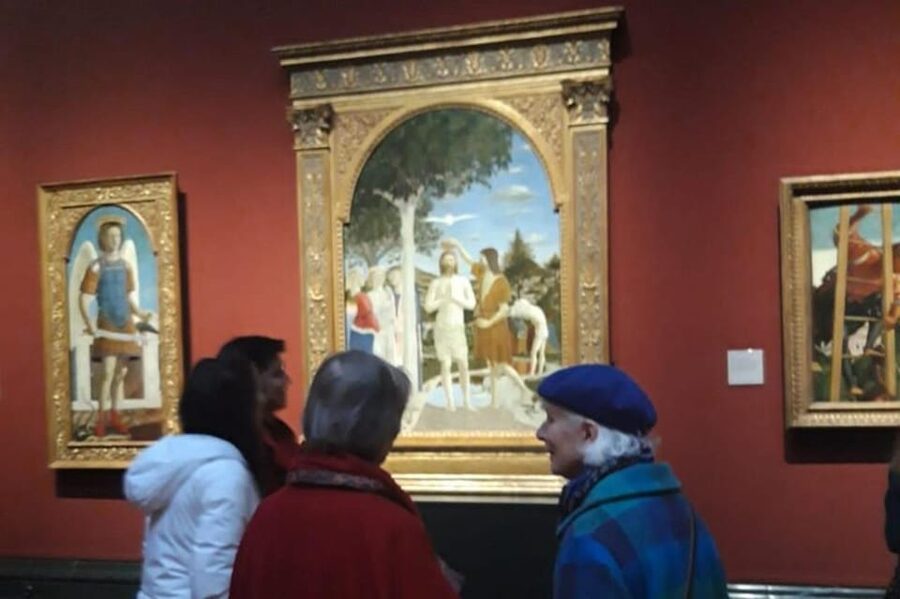
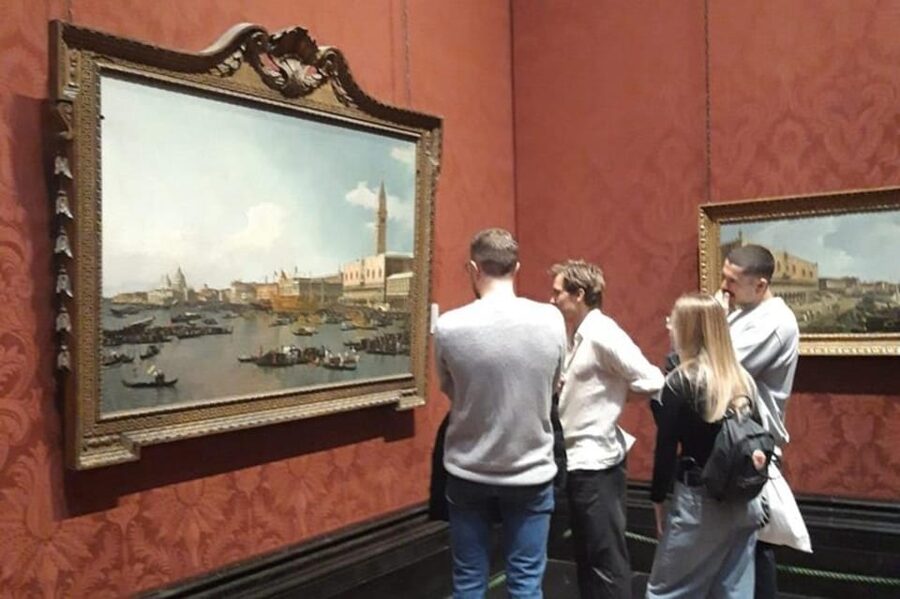
The tour then reaches artists concerned with views, atmosphere, weather, and the changing experience of place. The Vedutisti, or view painters, provide a bridge into detailed scenes of cities and public spaces. Their work can prompt a discussion about accuracy, travel, urban life, and the appeal of a recognizable view.
Turner and Constable take the treatment of nature in different directions. Constable is known for close attention to the English countryside and sky, while Turner pushes light, color, and atmosphere toward a more impressionistic experience.
I like this part of the route because it shows that a painting does not need to record every object sharply to communicate a place. A landscape can be built from weather, color, movement, and mood. The exact works shown will depend on the gallery display, but these artists give the guide strong material for explaining how observation and emotion can work together.
Do not expect a full lecture on British painting. Two hours must keep moving. Still, the transition from precise views to looser handling of light helps you see why later painters looked different from their predecessors.
Monet, Seurat, and Van Gogh
The final stretch toward Impressionism and Post-Impressionism is likely to be the most familiar for many people. Monet, Seurat, and Van Gogh are names most first-time visitors already recognize, but recognition is not the same as understanding.
The guide can explain how Impressionist artists treated light, color, and modern life in new ways. Instead of smoothing every brushstroke into an invisible finish, they often allowed the marks to remain visible. Seurat offers a chance to discuss the careful arrangement of small color marks, while Monet opens questions about changing light and repeated views.
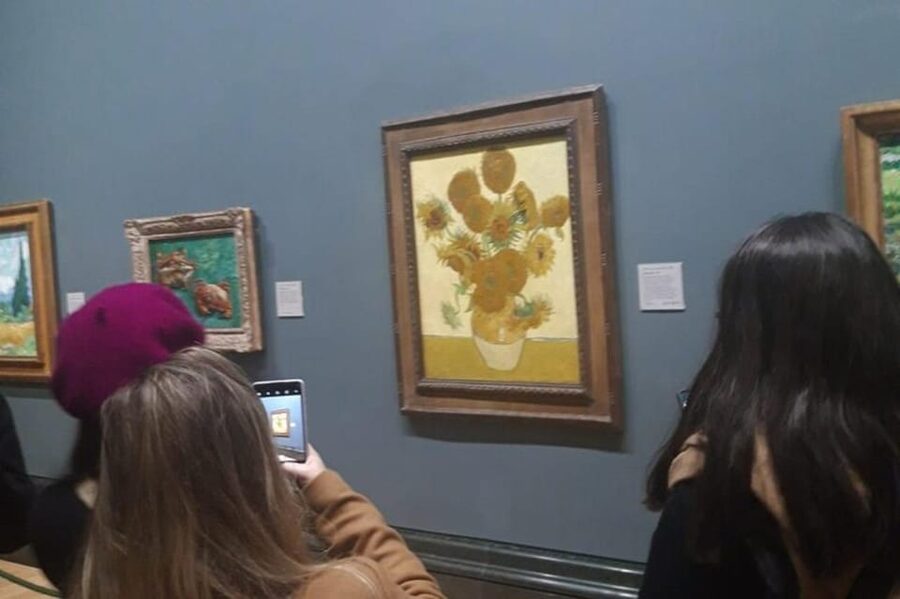
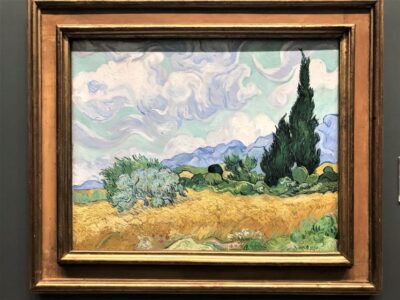
Van Gogh brings emotion and energetic brushwork to the conversation. His paintings are easy to identify, but a guide can help you look beyond the familiar swirling strokes. Pay attention to the direction of the brushwork, the pressure of the color, and the way the surface makes the scene feel active.
This section often works well as the tour’s payoff because you can compare it with the earlier Renaissance paintings. The subject may still be a person, building, or outdoor scene, but the artist’s aim and method have shifted. You see the history of painting as a series of changing choices rather than a row of unrelated styles.
What the guide adds to the paintings
The strongest part of this experience is the explanation. A guide does more than identify an artist. The best moments connect a detail in front of you with a wider idea about art and society.
The feedback about Stefania is especially specific. She used anecdotes and small curiosities, then linked them to art-history themes. That combination matters because facts alone can feel dry, while anecdotes without context can become trivia. The useful guide does both.
Damiano is also named in the feedback, described as passionate, well prepared, and engaging. Since guides can vary, I would not assume every visit follows the same personality or exact route. But the tour is designed around live guidance in English or Italian, and the comments suggest a strong emphasis on clear explanation.
The private setting gives you room to ask practical questions:
- Why did the artist use this color?
- What is the small object in the corner?
- How can you tell which period a painting belongs to?
- Why is this work considered important?
- What should I look at first?
Those questions often lead to a better visit than trying to memorize every name and date. You leave with a way to look, not just a list of paintings.
The two-hour pace and its limits
Two hours is enough for a well-chosen highlights tour. It is not enough to cover every major room or study the permanent collection in depth. I would treat this as an introduction, then return independently if a particular artist catches your attention.
The pace may feel quick if you want long, silent periods in front of each painting. It may feel just right if you prefer a clear route and lively commentary. A private guide can usually respond to your interests, but the available information does not promise a fully customized itinerary, so it is wise to mention priorities at the start.
Some major works may not be on view. Paintings can be loaned, moved, or absent for reasons outside the guide’s control. That is the main content risk for anyone booking because of one specific masterpiece.
If you have a must-see artist, ask about availability when you meet the guide rather than assuming every named painter will appear. The experience includes the permanent collection, while temporary exhibitions are not included.
Accessibility, language, and who will enjoy it
The experience is wheelchair accessible, which makes the private format easier for visitors who need a more manageable pace. The stated tour languages are English and Italian.
I would recommend it most strongly for:
- First-time National Gallery visitors
- Couples or families of up to three people
- Parents who want art explained in an engaging way
- Visitors with only a few hours in central London
- People who enjoy famous works but want help reading them
- Italian-speaking visitors who prefer a guided visit in Italian
You may prefer a self-guided visit if you want to linger silently, already know the collection well, or are traveling alone and focused on keeping costs low. The permanent collection can be visited without paying for this private service, so the guide is the central reason to book.
Booking details that affect your day
The tour lasts two hours, with starting times based on availability. Cancellation is free up to 24 hours in advance, and you can reserve now and pay later. Those terms are useful if your London schedule is still shifting.
The price is $168 per private group of up to three. There is no hotel transfer, meal, temporary exhibition ticket, or gratuity included. Plan your transport separately and allow time before the meeting point for security.
Wear comfortable shoes. You will be walking and standing in a museum for two hours, and the practical rules about bags, drinks, and photography are worth taking seriously. You can photograph without flash, but drinks must be emptied before entry and refilled afterward at the water fountains.
Should you book this National Gallery tour?
Book it if you want a focused introduction, fast-track handling for pre-booked entry, and a guide who can turn a famous collection into a readable story. The private price becomes more reasonable when shared by three people, especially if one member of your group is a child or anyone who would find an unstructured museum visit tiring.
I would skip it if your main goal is to save money or spend half a day studying a few paintings at your own pace. Remember that two hours only samples the permanent collection, and specific works may be unavailable.
For most first-time visitors who value explanation over simply walking through rooms, this is a strong choice. Just arrive prepared for security, carry your backpack in front, and tell the guide what you most want to see.
FAQ
How long does the National Gallery private tour last?
The guided visit lasts two hours.
How much does the private tour cost?
The price is $168 per private group of up to three people.
Does the tour include fast-track entry?
Yes. Pre-booked tickets provide access through a separate line, although you still need to pass through security checks.
Where do I meet the guide?
You meet the guide right after the security checks at the National Gallery.
Which languages are available?
The live tour guide is available in English or Italian.
Is the tour wheelchair accessible?
Yes, the activity is wheelchair accessible.
Are temporary exhibitions included?
No. The experience covers the National Gallery’s permanent collection. Temporary exhibitions are not included.
Just added in London
- The Best of British Cooking Class & Dining Experience★ 5.0 · 1 review
- London: Live Comedy Show at Big Belly Bar and Comedy Club★ 4.5 · 80 reviews
- London: British Museum Highlights Guided Small Group Tour★ 4.9 · 113 reviews
- The Beatles London Walking Tour★ 4.2 · 147 reviews
- The Best Highlights of London Walking Tour & Boat Cruise★ 5.0 · 1 review
- The Authentic Walking Tour with Indian Tasting Meal★ 4.8 · 4 reviews
- Iconic London: Bard, Beatles, Bond & Baker Street★ 4.9 · 15 reviews
- London: Tate Britain Official Discovery Tour★ 4.7 · 7 reviews
National Gallery Tours, compared.
National Gallery Guided Tour with Art Expert Guide
Read our review →
National Gallery of London Masterpieces Guided Tour
Read our review →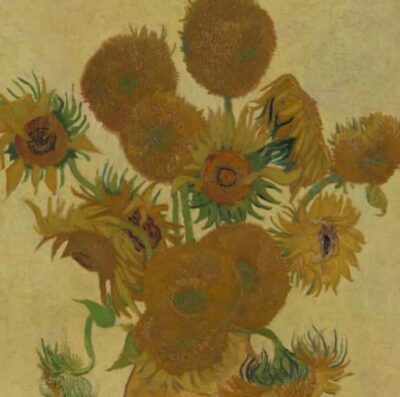
Private Tour of the National Gallery with tickets
Read our review →
British Museum & National Gallery Highlight Tour 8 guests 5h
Read our review →Other lists this tour turns up in