
REVIEW · MUSEUMS
London: Freud Museum Entry Ticket
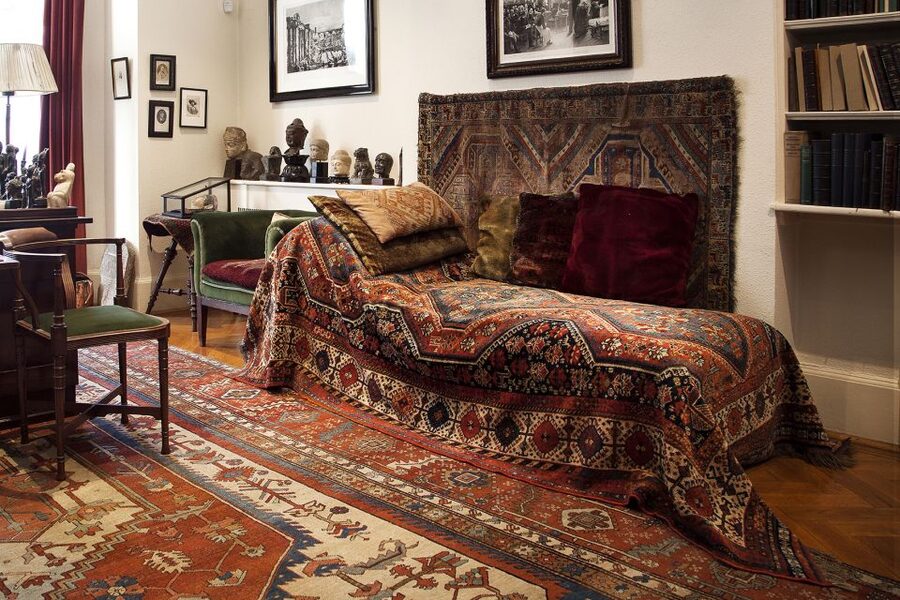
Freud’s famous couch still waits in London. I like the original Study, preserved with Freud’s desk, antiquities, and unusual chair, and I like how the house connects his personal story with the wider development of psychoanalysis. The peaceful garden also gives the visit a welcome pause after the intense rooms indoors.
The main consideration is that this is a self-guided museum visit, so you need to bring your own phone and headphones for the audio guide. At $19, it offers good value for anyone interested in Freud, Anna Freud, psychology, or unusual London museums, but casual visitors may find the subject matter more specialized than a standard sightseeing stop.
In This Review
- Key points to know before visiting
- Entering Freud’s final London home
- Freud’s Study and the couch that changed popular culture
- The dining room tells the family story
- Anna Freud’s room adds a second point of view
- The 20-minute film brings voices into the rooms
- The garden offers a quiet finish
- Audio guide or free tour?
- How much time should you allow?
- Who will appreciate this museum most?
- Is $19 good value?
- Practical advice before you go
- Should you book the Freud Museum?
- FAQ
- Where is the Freud Museum located?
- How much does admission cost?
- How long is the ticket valid?
- Is an audio guide included?
- Are headphones provided?
- Is there a free tour?
- Where do you enter the museum?
Key points to know before visiting
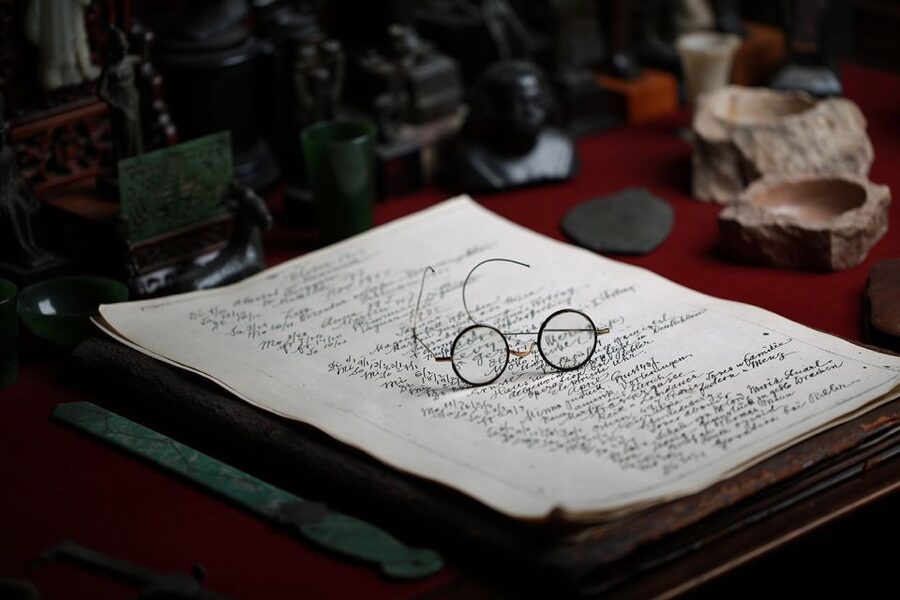
- Freud’s original Study remains preserved: See the world-famous psychoanalytic couch, his desk, favorite antiquities, and a chair designed around his preferred sitting position.
- Anna Freud has her own important story: Her room explores her pioneering work in child psychoanalysis and includes her couch and collections.
- The 20-minute film adds personal context: Hear Anna Freud’s voice and a rare recording of Sigmund Freud, alongside footage from Vienna and London.
- A Salvador Dalí portrait appears near Anna’s room: The display connects Freud with Dalí’s 1938 meeting in London.
- A free tour runs Thursday through Saturday at 2pm: You can choose the audio guide or attend this included tour when available.
- The garden softens the visit: Freud’s peaceful garden offers a quiet place to think after seeing the preserved home.
Entering Freud’s final London home
The Freud Museum occupies the final home of Sigmund Freud, founder of psychoanalysis, and his daughter Anna Freud, an important figure in child psychoanalysis. The visit is not a grand museum experience with vast galleries. It is a personal house visit, and that scale matters.
You enter at the back of the house through the shop. Take a moment to get oriented before moving into the rooms. The shop entrance is practical rather than dramatic, so following the instructions closely will save you a little time.
Admission costs $19 per person and is valid for one day. That price makes sense if you plan to take your time with the Study, dining room, film, Anna Freud’s room, and garden. You are not paying for a quick look at one famous object. You are paying for access to a preserved domestic setting with several layers of family and professional history.
You can also reserve now and pay later, which helps if your London schedule is still taking shape. Free cancellation is available up to 24 hours in advance for a full refund, giving you some useful flexibility.
More Museum Tours in London:
- London: Chelsea Football Club Stadium and Museum Tour
★ 4.8 · 4,576 reviews - London Transport Museum Entrance Ticket
★ 4.5 · 1,323 reviews - London: British Museum Guided Tour
★ 4.3 · 1,182 reviews
Freud’s Study and the couch that changed popular culture
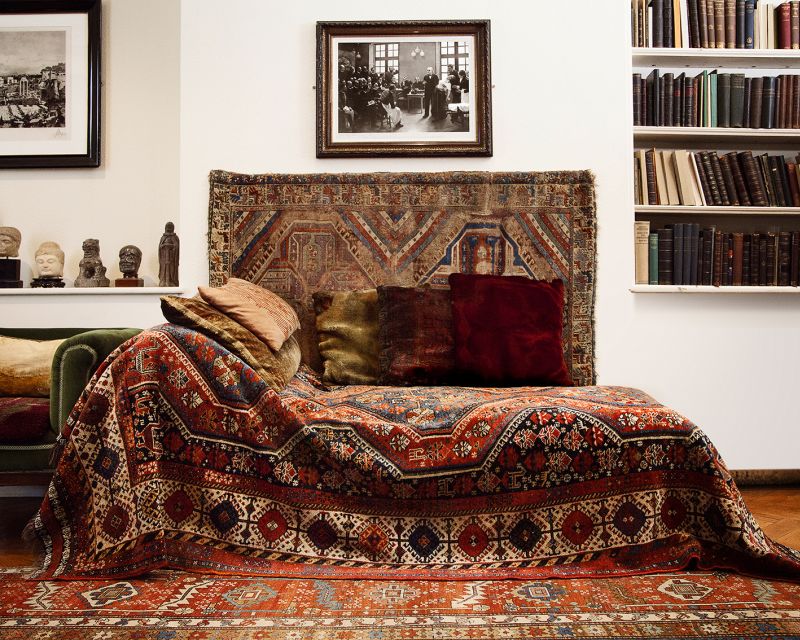
The Study is the heart of the visit. This is where the house feels most immediate, because the room has been preserved as Freud left it. You see the famous psychoanalytic couch, the object most closely tied to the public image of psychoanalysis.
The couch is important, but it is only part of the room’s appeal. Freud’s desk remains in place, along with the antiquities he collected and kept close to him. These objects help you picture the working environment behind his theories. The room feels less like a display built from later interpretation and more like a preserved personal workspace.
Look carefully at the chair designed especially for Freud. Its unusual shape accommodated the way he preferred to sit, with his legs over one arm. It is a small detail, but it gives the room a human quality. You are not just seeing the office of a famous thinker. You are seeing the habits and preferences of a particular man.
The Study can also feel emotional. The room carries the weight of Freud’s work, his family’s move from Vienna, and the fact that this was his final home. If you have read Freud or studied psychoanalysis, you will likely spend longer here. If you know little about him, the audio guide can help explain why these objects matter.
The dining room tells the family story
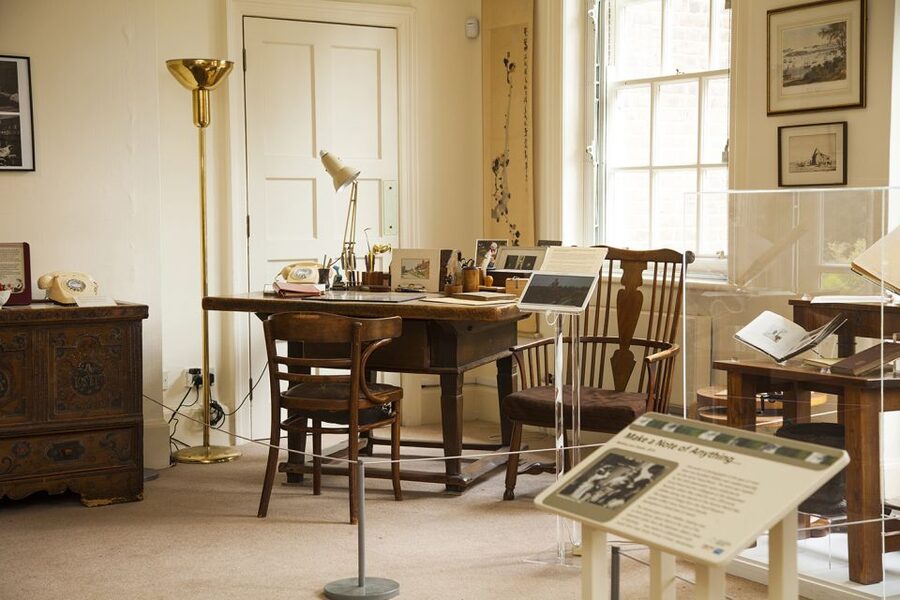
The Dining Room shifts the focus from Freud’s private work to his family and the development of psychoanalysis. This is a useful change of pace after the intensity of the Study.
Here, you can place Sigmund Freud’s work within the story of the household. The museum presents both the family background and the wider story of psychoanalysis, so the visit does not depend entirely on your prior knowledge.
I would not rush through this room. The Study naturally attracts attention, but the Dining Room helps explain how the house functioned as a family home rather than only as a shrine to one celebrated figure. For anyone visiting with a partner or friend who is less interested in psychology, this broader family material may be easier to connect with.
The displays also help keep the visit grounded. Psychoanalysis can become abstract very quickly. A domestic room gives the subject a more direct setting and reminds you that these ideas developed within a real family, in a real home, during a period of major change.
Anna Freud’s room adds a second point of view
Anna Freud’s Room is essential to the visit. Without it, the museum could feel too focused on Sigmund Freud. Her room gives you a clearer picture of her own work and her role as a pioneering child psychoanalyst.
You can see Anna’s couch and collections, then learn how her work extended the story of psychoanalysis into childhood. This section is especially worthwhile if your interest is in child development, education, family relationships, or the history of psychology beyond Sigmund Freud.
The room also changes the balance of the house. Freud’s Study is famous because of the couch and desk, but Anna’s room shows that the family story did not end with her father’s work. Her professional identity deserves attention in its own right.
Nearby, you will see a portrait of Sigmund Freud by Salvador Dalí. The museum also connects the portrait with Dalí’s meeting with Freud in London in 1938. That small art connection adds variety to the visit and gives you another way to think about Freud’s public image.
The Dalí portrait is not a separate museum visit by itself, of course, but it is a memorable detail within the house. If you enjoy the meeting point between art, personality, and intellectual history, spend a little extra time with it.
A few more options to weigh up in London
- London: The London Eye Entry Ticket
★ 4.6 · 35,875 reviews - From London: Harry Potter Warner Bros Studio Tour
★ 4.7 · 26,588 reviews - London: Westminster to Greenwich River Thames Cruise
★ 4.5 · 22,836 reviews - Magical London: Harry Potter Guided Walking Tour
★ 4.7 · 22,044 reviews
The 20-minute film brings voices into the rooms
The film lasts about 20 minutes and offers one of the most useful parts of the experience for first-time visitors. It includes voiceovers from Anna Freud, a rare recording from an interview with Sigmund Freud, and footage from Vienna and London.
That combination gives the visit a human voice. Objects can tell you where Freud worked, but recordings help you hear the people behind the story. The film is also a good way to gather context if you arrive without much background in psychoanalysis.
Set aside the full 20 minutes rather than treating the film as an optional filler. It helps connect the rooms, the family, and the move between Vienna and London. You may find that details in the Study and Anna’s room make more sense after watching it.
The film also gives the museum a stronger emotional center. Freud is often presented as a set of theories or controversial ideas. Hearing his voice and Anna’s voice brings the family story closer and makes the house feel less distant.
The garden offers a quiet finish
Freud’s garden provides a calm ending to the visit. After the Study, family rooms, portrait, and film, the garden gives you space to slow down.
This is not simply an extra patch of outdoor space. It changes the rhythm of the experience. The indoor rooms ask you to look closely and think about Freud’s work, while the garden lets you process what you have seen without another wall label demanding your attention.
I would save a few minutes for it rather than leaving immediately after the final indoor display. The garden is likely to appeal even if you are only mildly interested in psychoanalysis. It gives the museum a more balanced feel and prevents the visit from becoming too serious or enclosed.
Audio guide or free tour?
Admission includes an audio guide, but headphones and a phone are not provided. Bring both, and check that your phone is ready before you enter. This is the most practical point to remember because the audio material will add useful explanation to the preserved rooms.
A free tour is offered Thursday through Saturday at 2pm. If that timing works for you, it gives you another way to experience the museum. The provided information does not identify a guide by name, so you should think of the tour as a useful scheduling option rather than booking around a particular guide.
The audio guide is the safer choice if you prefer to move at your own pace. You can linger in the Study, pause near Anna’s collections, or spend longer in the garden. The 2pm tour is better suited to you if you like a set structure and want the visit to have a shared start time.
Because the experience is valid for one day, you have room to organize your visit around the museum’s available starting times. Check the schedule before booking, especially if you want the Thursday to Saturday tour.
How much time should you allow?
The ticket is valid for one day, but the museum itself is a focused visit rather than an all-day attraction. The most useful approach is to allow enough time for every room, the 20-minute film, the audio guide, and the garden.
Your pace will depend on your interest. A person already familiar with Freud may want to study the objects and listen closely to every explanation. Someone stopping in between other London plans may prefer the main rooms and film.
Do not treat the museum as a five-minute photo stop. The famous couch may be the initial reason you come, but the value lies in seeing how the Study, Dining Room, Anna Freud’s Room, film, and garden work together.
Who will appreciate this museum most?
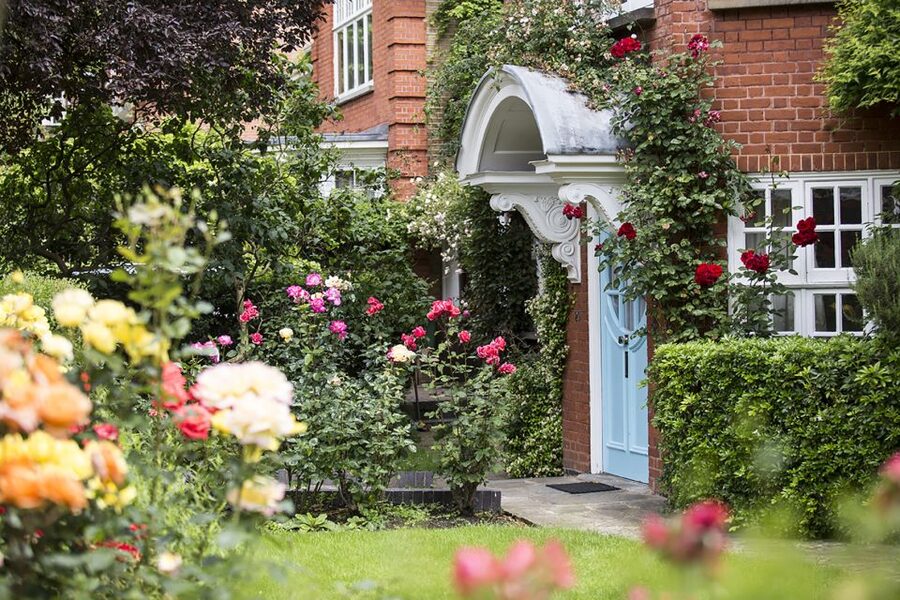
I would recommend the Freud Museum most strongly to:
- People interested in Sigmund Freud and psychoanalysis
- Students of psychology, psychiatry, or child development
- Readers curious about Anna Freud’s work
- Art lovers interested in the Salvador Dalí portrait
- Visitors who prefer historic homes and personal stories to large public museums
- Anyone looking for a quieter London cultural stop
It may be less satisfying if you want a fast, highly visual attraction with lots of objects and little reading. The experience asks for attention. You will get more from it if you are willing to listen, read, and think about the connections between a family home and a major intellectual movement.
The emotional tone also matters. Freud’s Study can feel intense, and the subject is not light entertainment. The garden helps, but you should expect a reflective visit rather than a purely casual one.
Is $19 good value?
At $19, the ticket is fairly priced for a specialist museum with original furnishings, an included audio guide, the 20-minute film, and access to the garden. The original couch alone may draw you in, but the ticket would feel thin if that were all you saw. Here, the preserved Study, Anna Freud’s room, family displays, Dalí portrait, film, and garden create a fuller visit.
The value is strongest when you use the included material. Bring headphones, listen to the audio guide, watch the complete film, and take your time in the Study. If you skip the explanations and leave quickly, the price may feel high for the size of the museum.
The free tour from Thursday through Saturday at 2pm adds value if you can attend. It gives you a choice between a guided format and independent listening without an extra tour charge.
Practical advice before you go
Enter through the shop at the back of the house, not the front. Bring your phone and headphones for the free audio guide, since headphones are not included.
Check availability for starting times before you book. If your plans might change, the option to cancel up to 24 hours in advance for a full refund is useful. You can also reserve without paying immediately.
I would visit when you have enough time to avoid rushing. The Study deserves close attention, Anna Freud’s room deserves more than a quick glance, and the film takes 20 minutes on its own. End in the garden if the weather and opening arrangements allow.
Should you book the Freud Museum?
Book it if you want a personal, thoughtful look at Freud’s final home and you are genuinely interested in psychology, family history, or unusual London museums. The original Study, famous couch, Freud’s working objects, Anna Freud’s room, and the rare recordings give the $19 ticket solid value.
Skip it if you are looking for a broad London attraction that works without reading, listening, or prior interest. The museum is focused and quiet, not a major blockbuster stop.
For the right visitor, this is a memorable visit because it lets you see the private setting behind a public intellectual legacy. Bring headphones, allow time for the film and garden, and do not leave after photographing the couch. The best parts come from the details around it.
FAQ
Where is the Freud Museum located?
The experience takes place in London, in South East England, at Freud’s final home.
How much does admission cost?
The listed price is $19 per person.
How long is the ticket valid?
The ticket is valid for one day.
Is an audio guide included?
Yes, admission includes an audio guide. You must bring your own phone and headphones.
Are headphones provided?
No. Headphones are not included, so bring your own pair for the audio guide.
Is there a free tour?
Yes. A free tour is available Thursday through Saturday at 2pm.
Where do you enter the museum?
Go to the back of the house and enter through the shop.
Just added in London
- The Best of British Cooking Class & Dining Experience★ 5.0 · 1 review
- London: Live Comedy Show at Big Belly Bar and Comedy Club★ 4.5 · 80 reviews
- London: British Museum Highlights Guided Small Group Tour★ 4.9 · 113 reviews
- The Beatles London Walking Tour★ 4.2 · 147 reviews
- The Best Highlights of London Walking Tour & Boat Cruise★ 5.0 · 1 review
- The Authentic Walking Tour with Indian Tasting Meal★ 4.8 · 4 reviews
- Iconic London: Bard, Beatles, Bond & Baker Street★ 4.9 · 15 reviews
- London: Tate Britain Official Discovery Tour★ 4.7 · 7 reviews
Museums, compared.
Liverpool Football Club Museum and Stadium Tour
Read our review →
Chelsea Football Club Stadium and Museum Tour
Read our review →


Other lists this tour turns up in