
REVIEW · MUSEUMS
London: Household Cavalry Museum Entry Ticket
A working stable hides behind Whitehall. This small museum gives you a close look at the Household Cavalry’s horses and troopers, along with displays explaining the training, duties, and traditions of the Life Guards and the Blues and Royals. I especially like the view into the original 18th-century stables and the personal accounts that make the military story easier to follow. The main drawback is size: if you expect a large museum or a full stable tour, the visit may feel brief.
At about $14 per person, this is a reasonable central London stop, particularly if you already plan to see Horse Guards in Whitehall. I also like the flexible admission, since you can visit during the day without a specific entry slot. Still, the museum is mainly in English, there is no audioguide, and some people may find the collection too small for a stand-alone attraction.
In This Review
- Key points to know before you go
- Arriving at the Horse Guards in Whitehall
- The original stables and the horses
- Trooper training and personal accounts
- Rare objects and interactive displays
- The Life Guards and the Blues and Royals
- How long the visit takes
- Is the $14 ticket good value?
- Who will enjoy this museum most?
- Practical details that affect your visit
- Should you book the Household Cavalry Museum?
- FAQ
- Where is the Household Cavalry Museum located?
- How long should I allow for the visit?
- Does the ticket include a tour guide?
- Is there an audioguide?
- Can I see the Household Cavalry horses?
- Is the museum wheelchair accessible?
- Are pets allowed?
Key points to know before you go
- See the working Household Cavalry: A large glazed partition looks directly into the original 18th-century stables, where you may see troopers and horses carrying out their daily work.
- Visit a real military headquarters: The building dates from 1750 and remains connected with the Household Division.
- Learn about two senior regiments: The displays explain the Life Guards and the Blues and Royals, including their role in the British Army.
- Expect a compact visit: Allow at least 60 minutes, though anyone wanting a large museum may wish for more.
- Use the flexible entry well: Admission is valid for one day, and a fixed time is not required according to the available booking details.
- Good for families and military-history fans: Interactive displays and unusual objects give children and adults something to follow.
Arriving at the Horse Guards in Whitehall
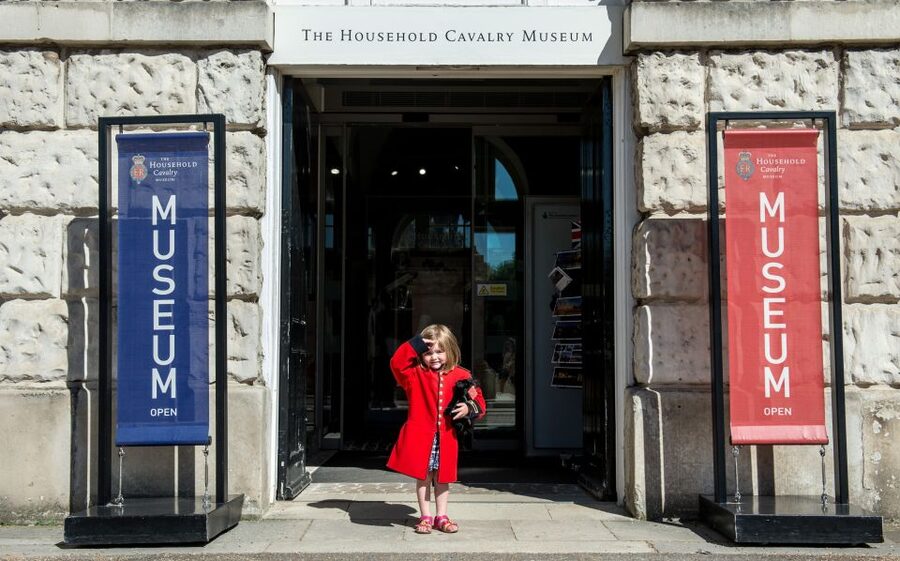
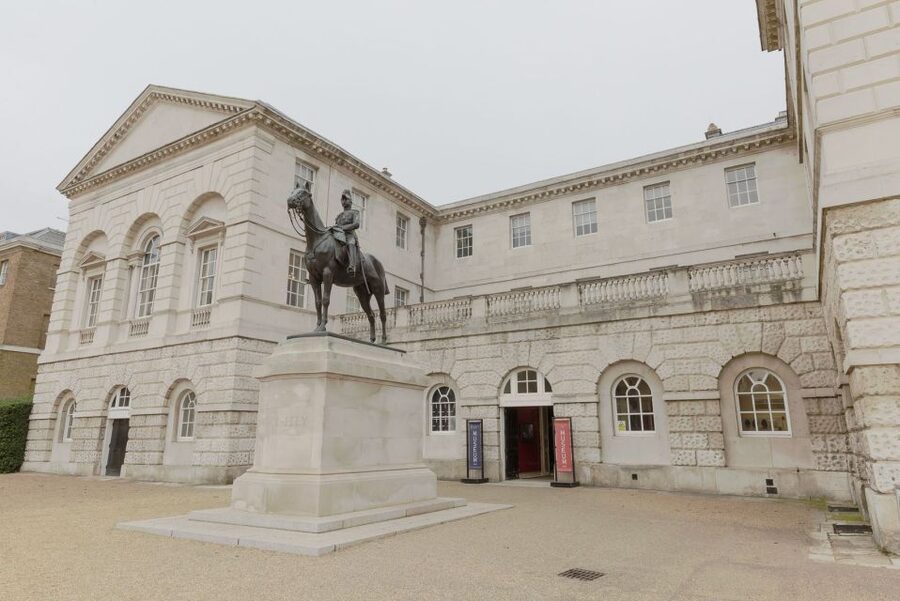
The museum sits inside Horse Guards in central London, so you meet directly at the attraction rather than joining a guided walk from another part of the city. That makes it easy to fit into a day around Whitehall, Westminster, or nearby royal sights.
The setting matters. You are not entering a modern exhibition hall built only to display old uniforms and weapons. The museum occupies a building dating from 1750, and the Household Cavalry still has a working connection with the site. The result is a visit where the building itself forms part of the story.
You should allow at least an hour. That is enough time to read the main displays, watch the stable area, and take in the objects without rushing. If you read every panel carefully, you may want longer, but this is not an all-day museum.
Admission is listed at about $14 per person. In central London, that is fair value if you have an interest in the British Army or want a more focused stop than a huge national museum. The value is strongest because you get both the museum collection and a view into an active stable. If you only want a quick look at ceremonial guards, the price may feel less attractive.
More Museum Tours in London:
- London: Chelsea Football Club Stadium and Museum Tour
★ 4.8 · 4,576 reviews - London Transport Museum Entrance Ticket
★ 4.5 · 1,323 reviews - London: British Museum Guided Tour
★ 4.3 · 1,182 reviews
The original stables and the horses
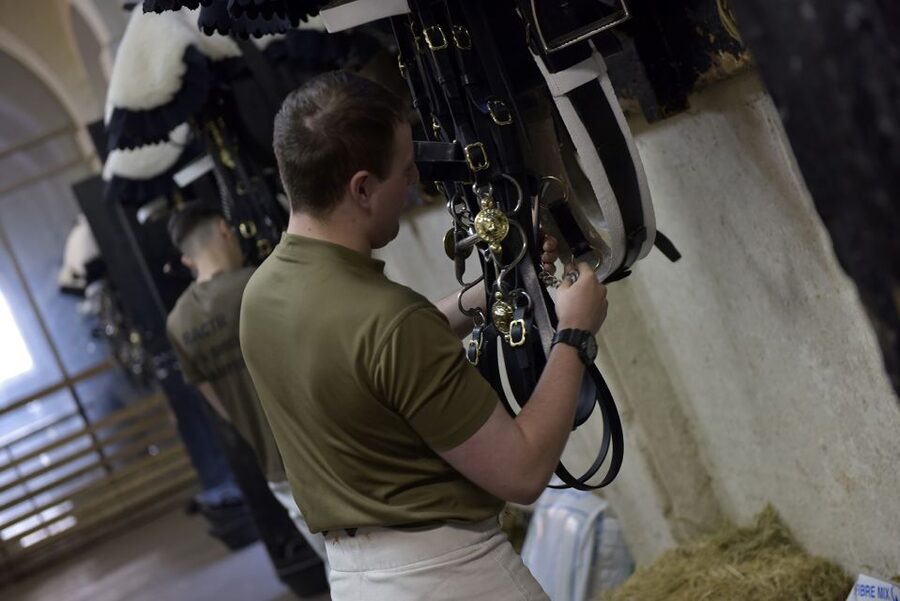
The most distinctive part of the visit is the large glazed partition looking into the original 18th-century stables. You do not simply see preserved saddles and painted portraits. You may watch working troopers and horses in the same broader setting where the Household Cavalry continues its duties.
This is the feature that separates the museum from a standard military collection. A display case can explain a regiment, but a living stable gives you a sense of the practical work behind the uniforms and ceremonies. You can see that the horses are not just symbols used for photographs. They are part of an organized military role.
Keep your expectations in check. The ticket does not promise a stable walk, a horse-handling session, or access to the working area. You look through the glazed partition, and the activity may vary depending on what is happening at the time. That limited view is still unusual, but it is not the same as touring every part of the stables.
The stable area also gives the visit a human scale. The Household Cavalry can seem formal and distant when seen only during a guard ceremony. Here, you get a closer sense of the troopers’ daily responsibilities and the care required to work with large, trained animals.
For children, this may be the biggest draw. Young visitors who would skim military text panels may pay attention when they can look into a real stable. Adults interested in British ceremonial life will find a useful link between public pageantry and the work that supports it.
Trooper training and personal accounts
The museum uses personal stories and first-hand accounts to explain the demanding training of the troopers. This is an important choice because military history can easily become a list of dates, regimental names, and ceremonial uniforms.
Training accounts help you understand the discipline behind the polished appearance. The Household Cavalry has performed the Queen’s Life Guard for more than 350 years, and that long tradition depends on repeated practice, strict standards, and physical preparation. The displays connect those broad facts with the people who actually carry out the work.
You will not have a tour guide leading you through the museum. Instead, you follow the displays at your own pace. That suits visitors who like to stop and read, but it means you should not expect questions answered during the visit or a carefully narrated route.
The personal material is especially useful if you know little about the Household Cavalry. You can move from the familiar image of mounted guards to the less visible demands of military training. The museum tries to show the people behind the uniforms, rather than presenting the regiments as pure ceremony.
Language is worth considering. The visit is in English, and the available information indicates there is no audioguide. If you are comfortable reading English, the displays should be manageable. If you prefer spoken interpretation or a multilingual audio option, this attraction may feel less accessible in practice, even though the museum itself is wheelchair accessible.
Rare objects and interactive displays
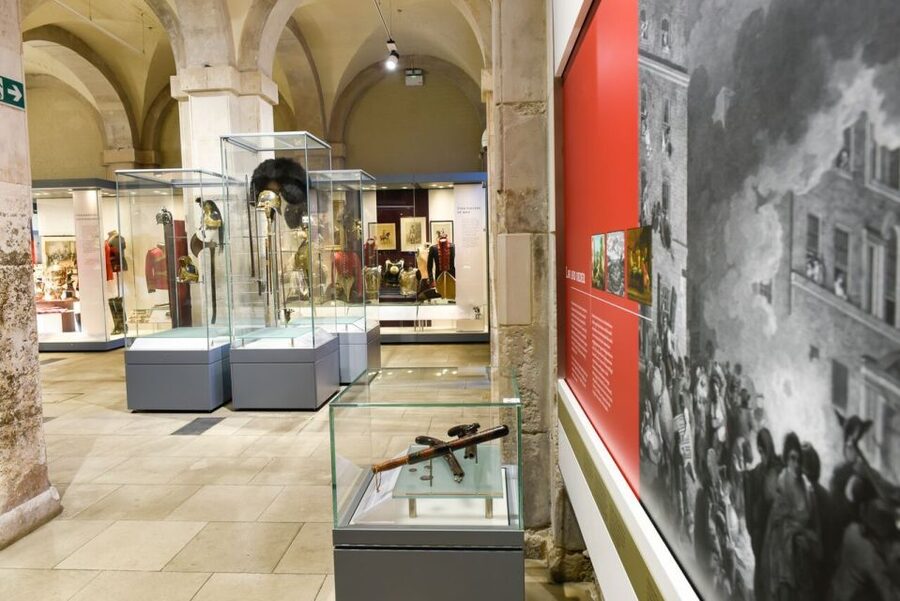
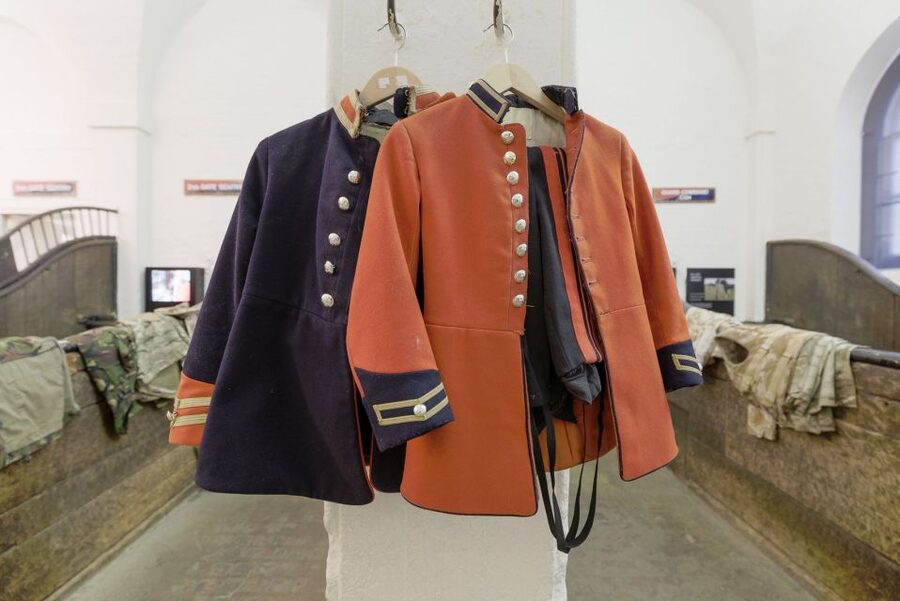
Inside the museum, you will find rare objects, including items placed on public display for the first time. These artifacts give the collection its detail. They help show how military work, ceremonial duty, and regimental identity have changed over time.
The displays also include interactive elements. That makes the museum easier to approach for families and for anyone who is not already familiar with British military organization. You can use the interactive material to break up the reading and follow the story in a more active way.
I would not expect the object collection to fill several large rooms. The museum is compact, and one recent assessment called it too small for the idea of a full stable experience. That criticism is fair if you arrive expecting a major national military museum.
The smaller size also has an advantage. You can get through the central story in about an hour without becoming worn out by endless cases. If you have limited time in London, a focused museum can work better than an enormous collection that takes half a day.
Look for the balance between objects and explanation. The rare pieces are interesting on their own, but the personal accounts and interactive displays give them meaning. A uniform or piece of equipment tells you more when you understand the duties and training connected with it.
A few more options to weigh up in London
- London: The London Eye Entry Ticket
★ 4.6 · 35,875 reviews - From London: Harry Potter Warner Bros Studio Tour
★ 4.7 · 26,588 reviews - London: Westminster to Greenwich River Thames Cruise
★ 4.5 · 22,836 reviews - Magical London: Harry Potter Guided Walking Tour
★ 4.7 · 22,044 reviews
The Life Guards and the Blues and Royals
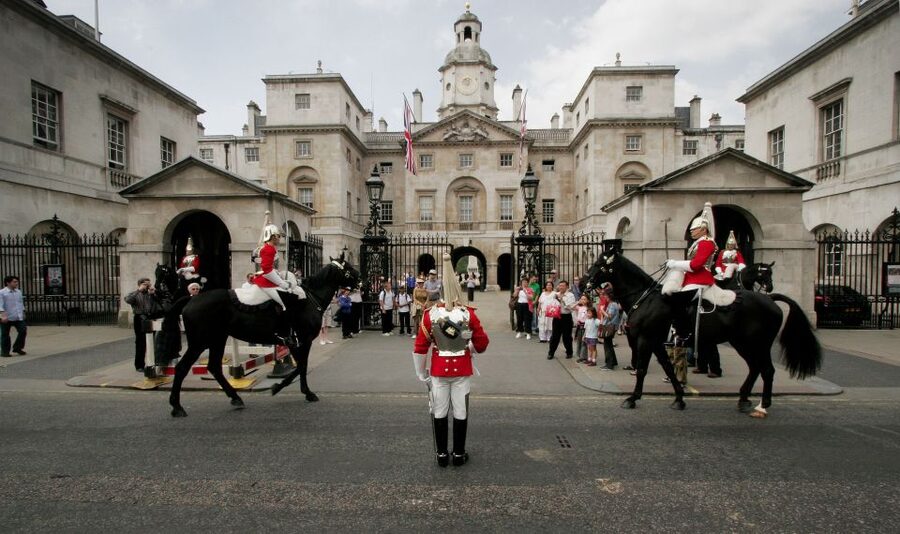
A central purpose of the museum is to explain the two senior regiments of the British Army within the Household Cavalry: the Life Guards and the Blues and Royals. You will learn how these regiments fit into the Household Division and why their ceremonial role carries such weight.
The museum also places the building within a much longer story. The Household Cavalry has performed the Queen’s Life Guard for over 350 years. That fact gives context to the uniforms, horses, and formal routines you see associated with Horse Guards.
The wording about the Queen’s Life Guard reflects the supplied activity information. If you are reading about the attraction after a change in the monarchy, keep in mind that the museum’s historical displays may use period titles and established terminology.
This section is useful for anyone who has watched a guard ceremony but never understood the organization behind it. Instead of treating the soldiers as a single group, the museum shows the identity of the two regiments and their place in the British Army.
The experience is best when you take time to connect the military story with the physical building. Headquarters, stables, artifacts, and ceremonial duties are all part of one setting. You get a better sense of why this particular location still matters.
How long the visit takes
Plan on at least 60 minutes. That gives you time to enter, move through the exhibits, read the accounts, and spend a while watching the stable area through the glass.
The ticket is valid for one day, and a specific start time is not required according to the available details. This is useful in London, where weather, crowds, and nearby sights can change your plans. You can build the museum around your day instead of arranging the rest of your schedule around a timed entry.
The flexible access also helps if you want to see the area around Horse Guards before or after visiting. Since you meet directly at the museum, there is no separate transfer or tour departure to manage.
Do not confuse one-day validity with a full-day activity. The stated visit length is at least an hour, and the museum’s compact size means most people will finish much sooner than they would at a major national institution.
Is the $14 ticket good value?
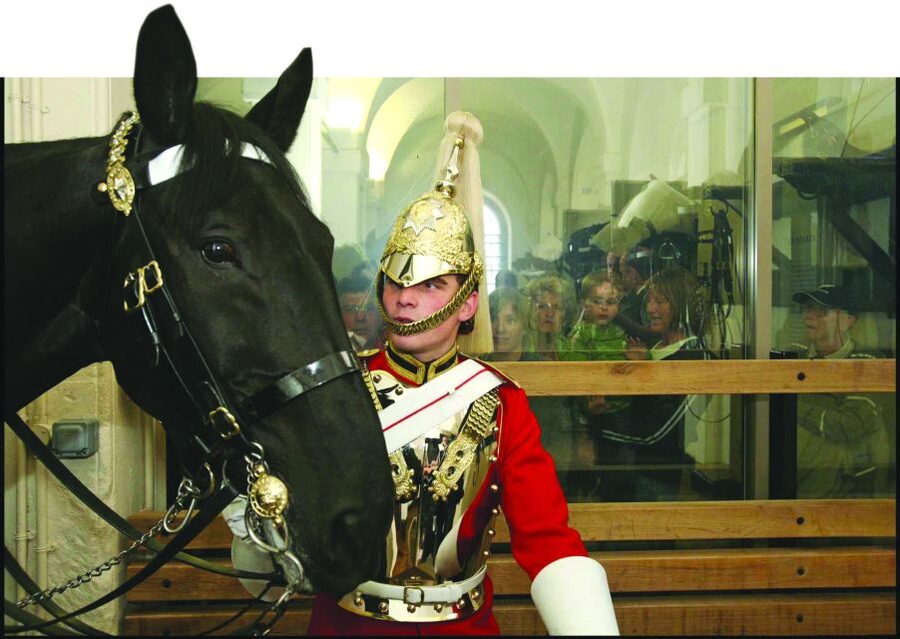
For $14, I think the ticket offers solid value for the right audience. You are paying for a small museum with a specific subject, but that subject is presented in a working setting. The stable view gives the experience something you cannot get from a purely historical display.
The price makes the most sense if you enjoy military history, royal ceremony, historic buildings, or horses. Families may also find it worthwhile because the interactive displays and live stable view provide variety.
Value is less certain if your main goal is a lengthy museum visit. Two assessments rated the experience very poorly because it felt too small or did not match the idea of a stable visit. I would take those concerns seriously. The museum cannot replace a full day at a major London museum, and you should not book it expecting extensive access behind the scenes.
The strongest plan is to combine it with other central London sights. Its location in Whitehall makes it a practical one-hour addition rather than an attraction that needs to carry an entire day.
Who will enjoy this museum most?
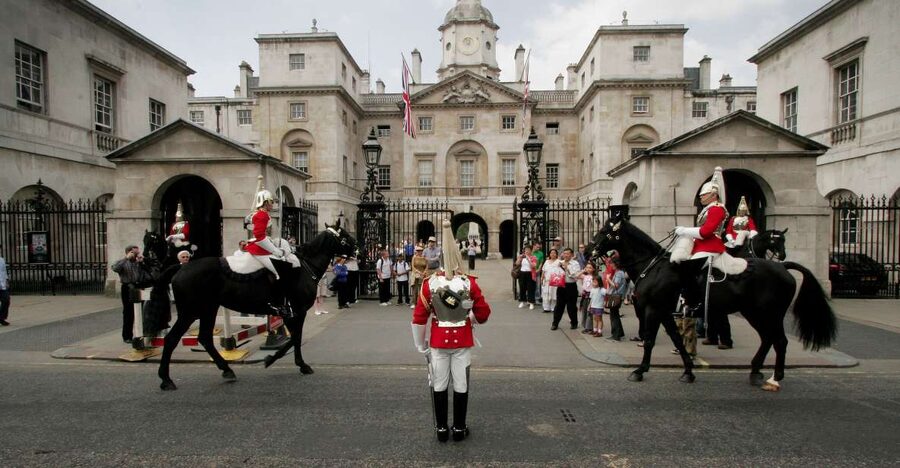
I would recommend it most strongly to:
- People curious about the Household Cavalry and British military life
- Visitors who want to see working horses in a historic setting
- Families looking for a short, manageable museum visit
- Anyone interested in royal guards beyond the usual photo opportunity
- Visitors already planning time around Whitehall and Horse Guards
- People who prefer self-guided museum visits
You may want to skip it if you need a large collection, extensive horse access, or a spoken guide. The attraction is self-guided, in English, and compact. It gives you a focused look rather than a grand museum experience.
I also would not choose it as your only military-history stop in London. Think of it as a precise introduction to the Household Cavalry, with the added benefit of seeing an active stable.
Practical details that affect your visit
The museum is wheelchair accessible, which is useful for visitors who need step-free access. Pets are not allowed, although assistance dogs are permitted.
You can cancel up to 24 hours before the visit for a full refund, and the reserve-now, pay-later option keeps your plans flexible. Those terms are helpful in London, where a busy sightseeing schedule can change quickly.
The ticket includes entry to the Household Cavalry Museum only. A tour guide is not included, and there is no audioguide listed. Plan to explore independently and allow extra time if you need to read English displays carefully.
The booking information lists a one-day validity and asks you to check availability for starting times, while the practical details indicate that no specific time slot is needed during the chosen day. I would confirm the exact entry arrangement when booking, then treat the ticket as a flexible daytime visit.
Should you book the Household Cavalry Museum?
Book it if you want a short, reasonably priced look at a real military institution, especially if the horses and working stables interest you. The combination of an 18th-century building, personal trooper accounts, rare objects, interactive displays, and a glazed view into the stables gives the museum a clear purpose.
Skip it if you expect a large collection or a full stable tour. The experience is compact, self-guided, and English-only, and some people may finish feeling they wanted more.
My advice is simple: add it to a Whitehall sightseeing day, allow an hour, and see it as a focused museum with a rare working-horse view. At $14, that is a fair deal for the right expectations.
FAQ
Where is the Household Cavalry Museum located?
The museum is inside Horse Guards in Whitehall, in central London, South East England.
How long should I allow for the visit?
You should allow at least 60 minutes for the museum visit.
Does the ticket include a tour guide?
No. The ticket includes museum entry only, and a tour guide is not included.
Is there an audioguide?
No audioguide is listed. The visit is conducted in English through the museum displays and interactive material.
Can I see the Household Cavalry horses?
Yes. You can look through a large glazed partition into the original 18th-century stables, where working troopers and horses may be visible.
Is the museum wheelchair accessible?
Yes. The museum is wheelchair accessible.
Are pets allowed?
Pets are not allowed. Assistance dogs are permitted.
Just added in London
- The Best of British Cooking Class & Dining Experience★ 5.0 · 1 review
- London: Live Comedy Show at Big Belly Bar and Comedy Club★ 4.5 · 80 reviews
- London: British Museum Highlights Guided Small Group Tour★ 4.9 · 113 reviews
- The Beatles London Walking Tour★ 4.2 · 147 reviews
- The Best Highlights of London Walking Tour & Boat Cruise★ 5.0 · 1 review
- The Authentic Walking Tour with Indian Tasting Meal★ 4.8 · 4 reviews
- Iconic London: Bard, Beatles, Bond & Baker Street★ 4.9 · 15 reviews
- London: Tate Britain Official Discovery Tour★ 4.7 · 7 reviews
Museums, compared.
Liverpool Football Club Museum and Stadium Tour
Read our review →
Chelsea Football Club Stadium and Museum Tour
Read our review →


Other lists this tour turns up in