
REVIEW · MUSEUMS
London: Museum of Brands Skip-the-Line Ticket
Packaging can tell you more than you expect. London’s Museum of Brands turns ordinary tins, boxes, toys, adverts, and household labels into a lively story about daily life. I like the chronological Time Tunnel, which links changing products with railways, cars, cinema, radio, television, and the digital age. I also like the sheer variety: more than 12,000 objects give you plenty of familiar names to spot.
The main drawback is its narrow focus. If you prefer grand paintings, famous historical figures, or large interactive exhibits, this compact museum may feel modest. Food and drinks cost extra, and the museum is best for curious minds, families, advertising fans, and anyone who enjoys the warm jolt of seeing a childhood brand again.
In This Review
- Key points at a glance
- Finding the museum in Notting Hill
- Entering the Time Tunnel
- From royal events to the Moon landing
- Advertising, television, and changing entertainment
- The 12,000-object collection
- Temporary displays and changing themes
- A calm stop in the memorial garden
- Is the $18 ticket good value?
- Opening hours and practical planning
- Who will enjoy this museum most?
- Should you book the Museum of Brands?
- FAQ
- Where is the Museum of Brands located?
- How much does admission cost?
- How long is the ticket valid?
- What does the ticket include?
- Are food and drinks included?
- What are the opening hours?
- When is the museum closed?
- Is the museum wheelchair accessible?
- What language is used at the museum?
- Can I cancel my booking?
Key points at a glance
- Five minutes from Portobello Road: Pair the museum with a visit to one of Notting Hill’s best-known market streets.
- 200 years in one Time Tunnel: The displays run from the Victorian era through two world wars, royal coronations, the Moon landing, and the digital age.
- More than 12,000 objects: Expect packaging, adverts, toys, tins, and products connected with changing habits and popular culture.
- Entertainment gets its own story: Cinema, radio, television, music, leisure, and travel all appear alongside consumer goods.
- A quiet garden finish: The award-winning memorial garden gives you a place to pause after the displays.
- Good value at $18: Admission covers the museum, temporary displays, and garden for one day, with free cancellation up to 24 hours before the visit.
Finding the museum in Notting Hill
The Museum of Brands sits on Lancaster Road in the heart of Notting Hill, about five minutes from Portobello Road Market. That location makes it easy to combine with a neighborhood outing rather than treating it as a stand-alone stop across town.
I would plan the museum before or after Portobello Road, depending on your schedule. The market area can fill much of a day, while the museum offers a calmer indoor change of pace. You can browse stalls and streets first, then step into the Time Tunnel for a more ordered look at how everyday goods changed over time.
Your ticket is valid for one day from first activation. The admission includes the main museum, temporary displays, and garden. Food, drinks, souvenirs, and personal purchases are not included, so keep the final cost slightly above the $18 ticket price if you plan to sit down for coffee or browse the shop.
The ticket is described as skip-the-line access. That is useful at a popular London attraction, though it does not mean every part of the visit is timed or guided. You can set your own pace once inside.
More Museum Tours in London:
- London: Chelsea Football Club Stadium and Museum Tour
★ 4.8 · 4,576 reviews - London Transport Museum Entrance Ticket
★ 4.5 · 1,323 reviews - London: British Museum Guided Tour
★ 4.3 · 1,182 reviews
Entering the Time Tunnel
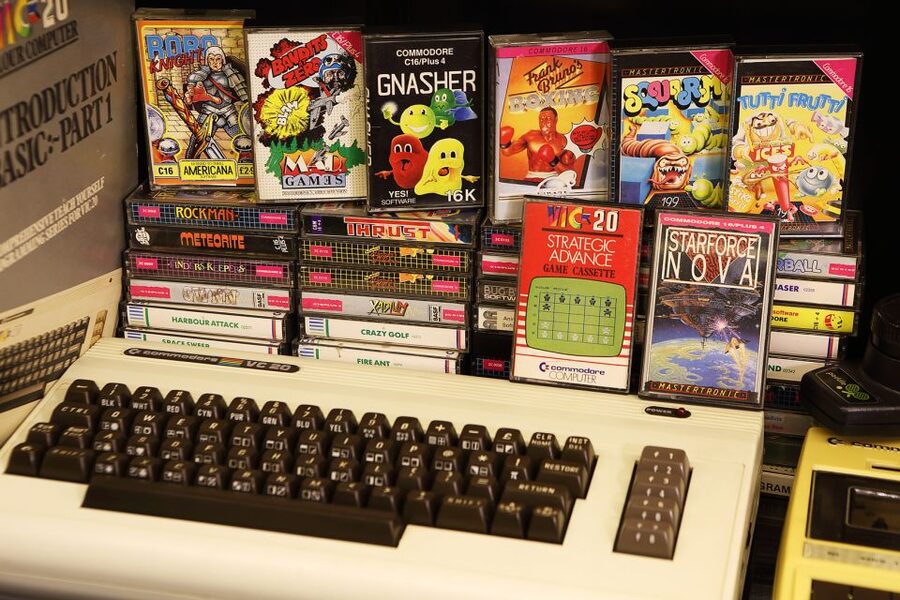
The central attraction is the Time Tunnel, a chronological walk through roughly 200 years of consumer culture and social change. This arrangement gives the visit a clear structure. Instead of looking at unrelated objects in glass cases, you see products placed within the period that shaped them.
The earliest sections begin in Victorian times. As you move forward, the displays connect daily goods with major developments such as the railway, motor car, and airplane. These inventions changed how people traveled, where they lived, what they bought, and how quickly ideas moved from one place to another.
That connection is the museum’s real strength. A package may look like a small object, but it can point toward larger changes in manufacturing, advertising, transport, family life, and leisure. You are not only looking at old labels. You are seeing how design and shopping habits responded to a changing society.
The chronological layout also helps if you visit with children or with someone who does not usually choose museums. The story moves forward naturally, and familiar packaging gives you easy points of recognition. You can ask which items still exist, which have changed names, and which have disappeared.
From royal events to the Moon landing
The Time Tunnel places brands beside major public events. You will encounter references to royal coronations, two world wars, the first human landing on the Moon, and the arrival of the digital age.
This approach keeps the museum from becoming only a display of old commercial artwork. It shows how public events influenced the objects people bought and the messages companies used to sell them. National celebrations, wartime conditions, technological advances, and new forms of entertainment all affect the visual world around consumers.
I particularly like this kind of context because it gives you something to discuss as you walk. You can look at a tin or advert and then consider what was happening outside the shop window at that time. The museum does not need to present every event in full detail to make the point. The objects act as small markers of a much larger story.
The experience is also personal. The museum’s appeal does not depend only on knowing British history. A familiar product, a style of lettering, or a type of box can bring back memories even when the original item was never particularly important. One of the strongest responses recorded for the experience was that it reminded a visitor of childhood. That reaction makes sense here: nostalgia is built into the subject.
Advertising, television, and changing entertainment
The museum follows more than food and household products. It also looks at entertainment, travel, leisure, music, and the arrival of cinema, radio, and television.
These sections help explain why advertising changed so much over time. A product once sold through a printed label could later appear in a cinema reel, on the radio, or in a television commercial. As new media entered homes, companies found new ways to sell an image of modern life.
After the Time Tunnel, you have the chance to watch television adverts from earlier periods. This is a worthwhile part of the visit because advertisements show tone, language, fashion, humor, and family ideals in a direct way. Packaging tells you how a product looked on a shelf. A television advert shows how the company wanted you to feel about it.
The subject is also useful for anyone interested in design. Logos, colors, mascots, typefaces, and package shapes often survive in memory long after a product changes. You can see how small visual decisions helped brands remain recognizable across different eras.
Do not expect a full museum of film, broadcasting, or music. Those subjects appear as part of the larger story of consumer life. The visit works best when you treat them as connected threads rather than separate galleries.
A few more options to weigh up in London
- London: The London Eye Entry Ticket
★ 4.6 · 35,875 reviews - From London: Harry Potter Warner Bros Studio Tour
★ 4.7 · 26,588 reviews - London: Westminster to Greenwich River Thames Cruise
★ 4.5 · 22,836 reviews - Magical London: Harry Potter Guided Walking Tour
★ 4.7 · 22,044 reviews
The 12,000-object collection
More than 12,000 items form the collection, so there is a lot to notice. The objects cover packaging, advertising, products, toys, tins, and other pieces of popular culture.
The large number matters because it gives the museum texture. One famous object would make a nice display. Thousands of ordinary objects show patterns. You begin to notice how packaging became more colorful, how language shifted, and how products adapted to new tastes and technology.
At the same time, a large collection can feel visually busy. You may want to slow down rather than try to read every label. The chronological route gives you a sensible way through, but the sheer quantity means you cannot take in everything in one pass.
I suggest choosing a few themes as you go. Look for changes in travel, children’s entertainment, music, household shopping, or food packaging. That gives your visit a question to answer and keeps the display from becoming a blur of familiar logos.
This is also why the museum suits repeat visits. The ticket is valid for one day, but the collection contains more detail than most people will absorb on a quick stop. If you are combining the museum with Portobello Road, accept that you will see highlights rather than every item.
Temporary displays and changing themes
Beyond the permanent Time Tunnel, the museum presents temporary displays. Past subjects have included 1950s toys, the London punk scene, chocolate brands, and biscuit tins.
These themes show how broad the collection can be. A display on toys can bring back childhood play and design. A punk-focused display can connect clothing, music, attitude, and graphic style. Chocolate brands and biscuit tins reveal how everyday food became part of family rituals and gift giving.
Because temporary exhibitions change, the exact subject available on your visit is not specified here. That is both a benefit and a limitation. You may find a special display that matches your interests, but you should not book expecting one particular past theme to be present.
The temporary displays also give you a reason to return. The permanent Time Tunnel provides the main structure, while changing exhibitions add a closer look at one corner of consumer culture.
A calm stop in the memorial garden
The award-winning memorial garden is a welcome part of the visit. After rooms filled with labels, colors, packaging, and adverts, the garden gives you somewhere quieter to sit and collect your thoughts.
You can purchase cake and coffee, or a glass of Prosecco, at your own expense. None of these refreshments are included in the $18 admission, so think of the garden café as an optional finish rather than part of the ticket.
I like the way this ending changes the pace. The museum asks you to look closely and remember things. The garden gives you time to talk about what you noticed. If you are visiting with family or friends, this is a natural place to compare the objects that caught your eye.
The garden is not a replacement for a major London park. Its value is practical: it offers a pleasant pause in the middle of a Notting Hill outing and keeps the visit from feeling like a quick march through display cases.
Is the $18 ticket good value?
At $18 per person, the museum offers fair value for a full day of access to the collection, temporary displays, and garden. The exact value depends on how you visit. If you spend only a short time inside, the price may feel high compared with a free museum. If you enjoy the subject and take time with the displays, the amount is reasonable for a specialized London attraction.
The skip-the-line feature adds convenience, especially if you are fitting the museum into a busy day around Portobello Road. You are also paying for a collection that is unusually focused. This is not a general museum with a few old packages in a corner. Consumer products and advertising are the main subject.
The cost becomes easier to justify if you use the garden, watch the old adverts, and take time with the temporary displays. A coffee, cake, Prosecco, or gift-shop purchase will add to your bill, but those are optional.
The free cancellation policy gives you some flexibility. You can cancel up to 24 hours in advance for a full refund, and the reserve-now, pay-later option means you do not have to pay at the time of booking. Those terms are useful when your London plans are still moving around.
Opening hours and practical planning
The museum is open Monday through Saturday from 10:00 a.m. to 6:00 p.m. On Sundays and bank holidays, it opens from 11:00 a.m. to 5:00 p.m.
It is closed on August 27, 28, and 29, December 24, 25, and 26, and January 1. Check the date carefully if your visit falls near a holiday, since these closures are easy to miss when planning a short London stay.
The experience is offered in English, and the host or greeter speaks English. Wheelchair access is available, which makes the museum a practical choice for visitors who need an accessible attraction.
There is no set tour duration beyond the one-day validity. That is helpful because you can make the visit short or unhurried. I would allow enough time to follow the Time Tunnel, see the television adverts, look at the temporary displays, and spend a few minutes in the garden. The right length depends on how closely you read and how strongly the collection connects with your own memories.
Who will enjoy this museum most?
I would recommend the Museum of Brands to several kinds of visitors:
- Families: Children can recognize toys, food packaging, and entertainment brands while adults explain what has changed.
- Design and advertising fans: The collection offers years of logos, package shapes, slogans, and visual styles.
- Nostalgia seekers: If old products and television adverts bring back memories, you may find the visit unusually personal.
- History-minded visitors: The museum links consumer goods with wars, coronations, transport, technology, and major public events.
- Portobello Road visitors: Its location makes it an easy indoor addition to a Notting Hill day.
I would be less likely to recommend it if your main goal is fine art, ancient objects, or a major national collection. The subject is specific, and the experience depends on your interest in ordinary things and the stories attached to them.
Should you book the Museum of Brands?
Book it if you enjoy seeing how everyday life changes through products, adverts, entertainment, and design. The 12,000-item collection, clear Time Tunnel route, old television adverts, and garden give the $18 ticket enough substance for a worthwhile Notting Hill stop.
Skip it if you want a grand, dramatic museum with famous masterpieces or a highly guided experience. For the right visitor, though, this is a friendly and unusual place where a biscuit tin or faded package can open a door to childhood, family habits, and the way modern consumer life took shape.
FAQ
Where is the Museum of Brands located?
The museum is on Lancaster Road in Notting Hill, South East England, about five minutes from Portobello Road Market.
How much does admission cost?
The ticket costs $18 per person.
How long is the ticket valid?
The ticket is valid for one day from first activation.
What does the ticket include?
Admission includes entry to the museum, temporary displays, and the memorial garden.
Are food and drinks included?
No. Food and drinks are not included. You can purchase cake, coffee, or Prosecco separately.
What are the opening hours?
The museum is open Monday through Saturday from 10:00 a.m. to 6:00 p.m. On Sundays and bank holidays, it is open from 11:00 a.m. to 5:00 p.m.
When is the museum closed?
It is closed on August 27, 28, and 29, December 24, 25, and 26, and January 1.
Is the museum wheelchair accessible?
Yes. The museum is wheelchair accessible.
What language is used at the museum?
The experience is in English, and the host or greeter speaks English.
Can I cancel my booking?
Yes. You can cancel up to 24 hours in advance for a full refund. A reserve-now, pay-later option is also available.
Just added in London
- The Best of British Cooking Class & Dining Experience★ 5.0 · 1 review
- London: Live Comedy Show at Big Belly Bar and Comedy Club★ 4.5 · 80 reviews
- London: British Museum Highlights Guided Small Group Tour★ 4.9 · 113 reviews
- The Beatles London Walking Tour★ 4.2 · 147 reviews
- The Best Highlights of London Walking Tour & Boat Cruise★ 5.0 · 1 review
- The Authentic Walking Tour with Indian Tasting Meal★ 4.8 · 4 reviews
- Iconic London: Bard, Beatles, Bond & Baker Street★ 4.9 · 15 reviews
- Terrific East-End Private Food tour with a friendly local.★ 5.0 · 1 review
Museums, compared.
Liverpool Football Club Museum and Stadium Tour
Read our review →
Chelsea Football Club Stadium and Museum Tour
Read our review →

Other lists this tour turns up in