

REVIEW · MUSEUMS
London: Postal Museum Entry Ticket and Underground Rail Ride
Mail once travelled beneath London.
That is the hook here. The Postal Museum turns a familiar service into a lively story about people, machines, danger, and invention. I especially like the 15-minute Mail Rail ride through the old underground tunnels, and I like how the galleries let you handle, sort, design, and test things rather than simply read labels. The main drawback is that the train ride is short, and the museum’s hands-on displays can feel aimed more at children than adults.
You pay about $24 per person for entry, with the underground railway ride included. The advertised visit lasts 1.5 hours, but I would allow closer to two hours, or even three if you read carefully, try the interactive stations, and stop at the café. The attraction is wheelchair accessible, though the small rail car may feel tight for very tall visitors or anyone uneasy in enclosed spaces.
In This Review
- Key points before you go
- Why London’s postal museum is worth your time
- The underground railway ride is the main event
- Sorting mail on a wobbly train carriage
- The Penny Black and the story of postage
- Flintlock pistols reveal the risks of delivery
- Victorian transport and street-level postal life
- How long should you allow?
- Family appeal, adult interest, and crowd levels
- Café, shop, and small practical details
- Is $24 good value?
- Who should book the Postal Museum?
- Should you book this London experience?
- FAQ
- Where does the experience start?
- How long does the visit last?
- How long is the underground Mail Rail ride?
- Is the Mail Rail train suitable for people who dislike confined spaces?
- Is the Postal Museum wheelchair accessible?
- Is the attraction suitable for children?
- What can I see at the museum?
- Can I cancel the booking?
Key points before you go
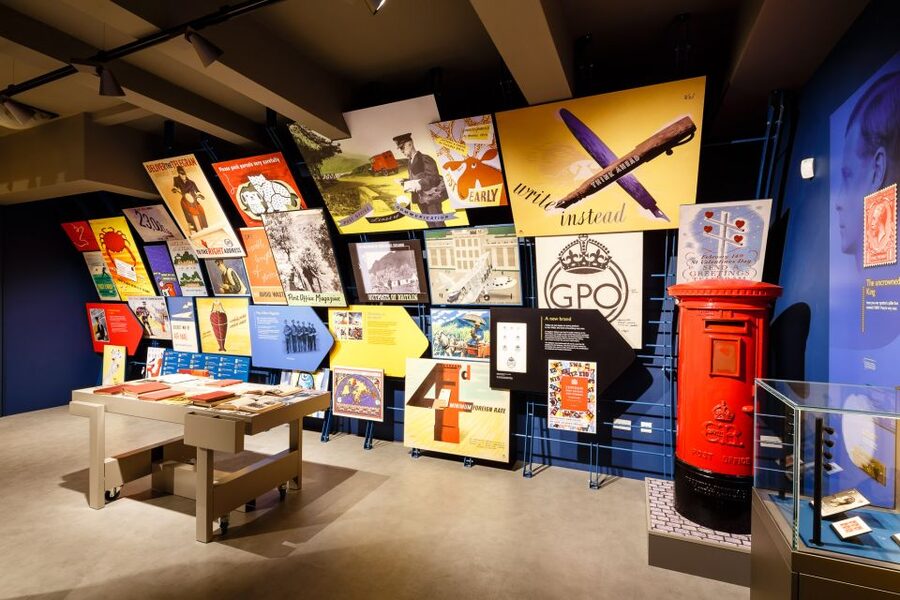
- The Mail Rail ride lasts about 15 minutes, using a miniature train to take you through the Post Office’s century-old underground railway.
- The Penny Black is on display, giving you a close look at the world’s first postage stamp.
- The museum is highly hands-on, with mail-sorting games, a wobbly train carriage floor, old films, dress-up activities, and stamp design.
- Flintlock pistols show the dangerous side of mail delivery, when postal workers needed protection from theft.
- Families can easily spend more than 1.5 hours here, especially if children take over the interactive exhibits.
- The underground ride is not ideal for everyone, particularly very tall visitors or people who dislike dark, confined spaces.
Why London’s postal museum is worth your time

London has grand museums filled with kings, paintings, and ancient objects. The Postal Museum tells a more ordinary story, but that is exactly its strength. Letters, stamps, post boxes, telephones, sorting offices, and delivery routes shaped daily life for generations.
I like attractions that explain how a city actually worked. This one shows how messages moved before email, mobile phones, and instant online payments changed expectations. It also gives you a glimpse of the workers behind the system, from mail sorters to the people who defended stagecoaches carrying valuable correspondence.
The displays cover more than 500 years of postal development. You see early communication methods, changes in post boxes and telephone boxes, and the equipment used to keep mail moving through London. It is not a huge museum, but the material is varied enough to keep the visit moving.
The tone is friendly and accessible. You do not need to be a stamp collector or transport enthusiast to enjoy it. The attraction works best when you treat it as a story about technology and everyday life, not simply a collection of postal objects.
More Museum Tours in London:
- London: Chelsea Football Club Stadium and Museum Tour
★ 4.8 · 4,576 reviews - London Transport Museum Entrance Ticket
★ 4.5 · 1,323 reviews - London: British Museum Guided Tour
★ 4.3 · 1,182 reviews
The underground railway ride is the main event
The Mail Rail experience is the reason I would book this attraction. The Post Office operated its own underground railway for more than 100 years, carrying mail beneath London when surface roads were slow, crowded, and unreliable.
You board a miniature train for a short trip through the old tunnels. The ride itself lasts around 15 minutes, with commentary, projected films, and information presented along the route. The combination of movement, sound, images, and the tunnel setting makes the history easier to grasp than a standard museum label.
The train pauses for video sections, including material connected with former employees. The projected timeline helps explain how the railway worked and why it mattered. You get a sense of the scale of the underground operation without needing a long technical lecture.
I found the ride’s brevity both good and bad. Fifteen minutes is long enough for a memorable introduction and short enough for most children to manage. If you arrive expecting a full underground railway tour, though, you may feel it ends too soon. People who want more detail about the tunnels and mail system may wish the commentary lasted longer.
The small car is part of the charm, but also part of the practical warning. The ride is not suited to anyone who dislikes confined spaces, and very tall people may find the seating uncomfortable. A brief black-out section can feel startling, especially for young children. If your child dislikes darkness, explain this before boarding.
Bags are left in separate lockers for the train ride. The lockers are secured by a staff member and opened again when you return. That arrangement may make you pause at first, but it is handled in an orderly way.
Sorting mail on a wobbly train carriage
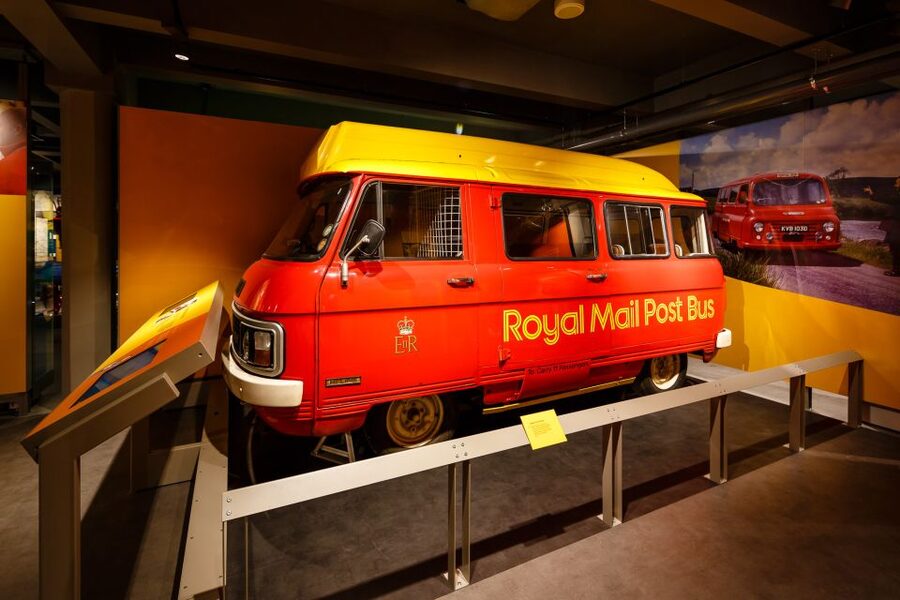
After the train ride, the interactive sections give you a chance to understand the physical work of sorting letters. One of the most memorable activities recreates a moving mail carriage with a wobbly floor.
Try sorting mail while the surface shifts under your feet. It sounds simple until you attempt it. The activity shows why workers needed balance, speed, and concentration, and it gives children something to do while adults read the surrounding information.
I like this kind of display because it turns an abstract job into a physical problem. You are not just told that railway sorting was difficult. You feel a small version of the challenge.
Children often make a beeline for this area, and younger visitors may take over the controls. If you want a calm look at every interactive feature, arrive at a quieter time if possible. The displays are more enjoyable when you can use them at your own pace.
Other activities include educational games, dress-up elements, and stamp design. These features are clearly aimed at families, but adults can still enjoy the nostalgia. You may find yourself explaining rotary telephones, old communication habits, or the idea of waiting days for a letter to arrive.
The Penny Black and the story of postage

The Penny Black gives the museum a useful historical anchor. It was the first postage stamp, and its arrival changed the way people paid for sending letters.
Before prepaid stamps, postal charges could be complicated and expensive. The Penny Black helped create a simpler system in which postage was paid before the letter travelled. That change made regular correspondence more practical for a much wider public.
The stamp is small, so do not expect a grand visual spectacle. Its value is in what it represents. A tiny square of printed paper helped create a system that connected families, businesses, soldiers, schools, and government offices.
The museum places this object within a wider story of changing communication. You see how the postal system developed alongside telephones and other forms of messaging. That link is especially useful for children, who may understand a stamp better when it is compared with the fast digital messages they use today.
A few more options to weigh up in London
- London: The London Eye Entry Ticket
★ 4.6 · 35,875 reviews - From London: Harry Potter Warner Bros Studio Tour
★ 4.7 · 26,588 reviews - London: Westminster to Greenwich River Thames Cruise
★ 4.5 · 22,836 reviews - Magical London: Harry Potter Guided Walking Tour
★ 4.7 · 22,044 reviews
Flintlock pistols reveal the risks of delivery
Postal history is often presented as tidy and respectable. This museum also shows its rougher side.
The flintlock pistols were used to defend mail from theft. Mail coaches and postal routes could carry money, documents, and private correspondence, making them tempting targets. The pistols remind you that delivering letters was once a hazardous job.
I enjoyed this detail because it breaks up the lighter family material. The postal system was not only about stamps and sorting trays. It depended on workers travelling through dangerous conditions and protecting the material in their care.
You may also find stories about unusual incidents involving postal workers and transport. One display recalls a mail stagecoach attacked by a lioness, a wonderfully strange episode that helps make the collection feel connected to real people and unexpected events.
Victorian transport and street-level postal life
A Victorian miniature rail car adds another angle to the story. It helps show how postal transport changed over time, from surface vehicles to underground systems designed specifically for moving mail.
The museum also explores the development of post boxes and telephone boxes. These objects are easy to overlook on a London walk, but their design and placement shaped how people sent letters and made calls.
The attraction works well when you pay attention to these ordinary details. A red post box is not just a piece of street furniture. It is part of a system that required standard sizes, collection times, routes, sorting offices, and staff working to a strict schedule.
The displays are not extensive enough to satisfy someone seeking a large national postal archive. Some adults may find the museum section modest, especially after the excitement of the railway. But the information is clearly presented, and the objects are chosen to support the main story rather than overwhelm you.
How long should you allow?
The official duration is 1.5 hours. That is realistic if you take the train ride, move briskly through the galleries, and do not stop at every activity.
I would plan for two hours at a minimum. Families with children can easily spend three hours, especially if the interactive displays are busy but appealing. Several areas invite you to pause and try something rather than simply walk past.
A useful plan is to allow about 30 minutes for arrival and the first exhibits, 15 minutes for Mail Rail, and at least 45 minutes for the interactive galleries. Add time for the café and shop if those matter to you.
The train ride may be scheduled at a particular time, so do not assume you can wander in whenever you like. Check availability and starting times when booking. If you arrive with a tight London sightseeing schedule, leave some margin rather than planning another attraction immediately afterward.
Family appeal, adult interest, and crowd levels
This is one of the better London choices for a family that needs different age groups to stay interested. Children can sort letters, design stamps, dress up, and ride the small train. Adults get the social and technological story, along with a reminder of how much effort once went into sending a simple message.
The museum is especially good for children who learn by doing. A child who ignores a wall of text may happily try to keep balance in the moving carriage or operate a sorting activity.
The family focus can also be a drawback. At busy weekend times, young children may crowd the interactive stations. If you want to read every panel or try each activity yourself, patience will be part of the ticket price.
Adults without children should not dismiss the place, but I would set expectations correctly. The Mail Rail ride is the strongest feature. The museum galleries are informative and inventive, though some sections have a clear younger audience.
Café, shop, and small practical details
The family-friendly café offers snacks, refreshments, and a place to rest. It is useful because the attraction can take longer than expected, especially with children. The café has been praised for its tea and reasonable snack options, though cleanliness and table clearing may vary at busy times.
The shop sticks to the communication theme, with postal and telephone-related items rather than generic London souvenirs. A stamp-design activity and the shop make the visit feel like more than a short railway ride.
The museum is wheelchair accessible. For the train itself, you should consider the confined car and tunnel setting as well as general museum access. The supplied information confirms accessibility for the attraction, but it does not describe specific train boarding arrangements, so ask staff if you need detailed assistance.
The Postal Museum has offered Tuesday opening during particular seasonal periods, including a stated extension through August 2023. Since that information is dated, check current opening days before you set out.
Is $24 good value?
At about $24 per person, I consider this fair value if you use the museum as a two-hour or longer visit. The Mail Rail ride alone is memorable, but a 15-minute journey would feel expensive if you treated it as the whole attraction.
The price makes more sense when you include the galleries, interactive stations, historic objects, café break, and the chance to return if your ticket terms allow it. Some ticket arrangements have allowed admission for a year, which is useful if you live nearby or want to return with grandchildren. Confirm that condition at the time of booking.
For a family, the cost rises quickly, but the range of activities helps. You are not paying only for a display of stamps. You are paying for a short transport experience plus a hands-on museum that can occupy a full afternoon.
Free cancellation up to 24 hours before the activity and a reserve-now, pay-later option make the booking less risky. These terms are helpful in London, where weather, tired children, and changing sightseeing plans can alter your day.
Who should book the Postal Museum?
I would recommend it most strongly to:
- Families with school-age children
- Anyone interested in transport, engineering, or London infrastructure
- Visitors who enjoy unusual museums rather than famous art collections
- People who remember old telephones, post boxes, and paper mail
- Adults looking for a short attraction near central London that does not require a full day
I would be more cautious if you dislike small dark spaces, want a long underground railway ride, or prefer museums with large collections and lengthy historical displays. The train is short, and the galleries may feel compact if you are expecting a major national museum.
The attraction also suits a rainy afternoon. You can move between exhibits, use the interactive features, take the train, and stop for a drink without needing to cross half of London.
Should you book this London experience?
Yes, if you want something different from London’s usual list of palaces, towers, and art museums. The Mail Rail ride is the clear highlight, but the Penny Black, flintlock pistols, Victorian rail car, and hands-on sorting displays give it substance.
I would book it for a family day out or for anyone curious about the systems that made old London function. Go expecting a short train ride and a child-friendly museum, not a long technical tour. Allow two to three hours, arrive with patience for busy interactive areas, and check the current opening schedule.
At $24, it is a sound choice when you have time to use the whole museum. If you only want a railway ride, the short duration may leave you wanting more. If you enjoy stories about ordinary objects and the people who kept a city connected, this is a clever and worthwhile stop.
FAQ
Where does the experience start?
You start at the Postal Museum in London.
How long does the visit last?
The stated duration is 1.5 hours. You may want two hours or more if you explore the galleries, use the interactive activities, visit the café, or travel with children.
How long is the underground Mail Rail ride?
The miniature underground railway ride lasts about 15 minutes.
Is the Mail Rail train suitable for people who dislike confined spaces?
The ride may not suit people who are claustrophobic because it uses a small train in underground tunnels. Very tall visitors may also find the carriage uncomfortable.
Is the Postal Museum wheelchair accessible?
Yes, the experience is listed as wheelchair accessible. The available information does not give detailed boarding information for the miniature train, so ask the museum directly if you need specific assistance.
Is the attraction suitable for children?
Yes. The museum includes educational games, interactive displays, mail-sorting activities, dress-up features, stamp design, and the train ride. A separate Sorted! Postal Play Space for children aged 8 is booked separately through the Postal Museum website.
What can I see at the museum?
You can see the Penny Black, a Victorian miniature rail car, flintlock pistols used to protect mail, and exhibits about postal development, post boxes, telephone boxes, sorting, and communication.
Can I cancel the booking?
You can cancel up to 24 hours in advance for a full refund. A reserve-now, pay-later option is also available.
Just added in London
- The Best of British Cooking Class & Dining Experience★ 5.0 · 1 review
- London: Live Comedy Show at Big Belly Bar and Comedy Club★ 4.5 · 80 reviews
- London: British Museum Highlights Guided Small Group Tour★ 4.9 · 113 reviews
- The Beatles London Walking Tour★ 4.2 · 147 reviews
- The Best Highlights of London Walking Tour & Boat Cruise★ 5.0 · 1 review
- The Authentic Walking Tour with Indian Tasting Meal★ 4.8 · 4 reviews
- Iconic London: Bard, Beatles, Bond & Baker Street★ 4.9 · 15 reviews
- London: Tate Britain Official Discovery Tour★ 4.7 · 7 reviews
Museums, compared.
Liverpool Football Club Museum and Stadium Tour
Read our review →
Chelsea Football Club Stadium and Museum Tour
Read our review →


Other lists this tour turns up in