
REVIEW · MUSEUMS
Sheffield: National Emergency Services Museum Entry Ticket
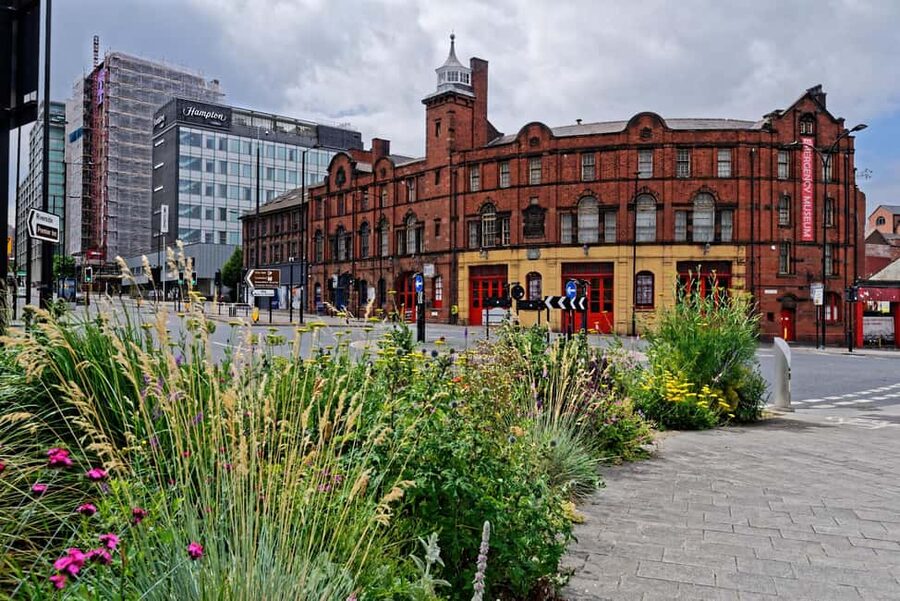
Heroes worked here long before museum visitors arrived. Sheffield’s National Emergency Services Museum gives you a hands-on look at police, fire, and ambulance work inside an original Victorian emergency-services station, with three floors of exhibits, old police cells, an engine house, vintage vehicles, medical equipment, and a 47-foot lifeboat. It is history you can see, touch, and test rather than simply read about.
I especially like the mix of original working spaces and family activities. The police cells and engine house give the building a real sense of place, while interactive displays help children stay involved. The main consideration is the building itself: it is Victorian, so access can be limited for wheelchair users and people with mobility problems, even though the museum is described as wheelchair accessible.
The museum suits a couple of hours well, though your visit can last longer if your children want to try every activity. At about $12 per person, it offers solid value for a family day in Sheffield, especially since the ticket covers all exhibitions. Parking requires some care, and the building can be cool, so bring warm clothing.
In This Review
- Key things to know before you visit
- Inside Sheffield’s former police, fire, and ambulance station
- Police cars, fire archives, and medical equipment
- The 47-foot lifeboat gives the collection scale
- Hands-on activities keep children involved
- How long should you allow?
- Is the $12 entry good value?
- Practical access, clothing, and parking advice
- Who will enjoy this museum most?
- Should you book the National Emergency Services Museum?
- FAQ
- Where is the National Emergency Services Museum?
- What does the entry ticket include?
- How long is the ticket valid?
- How much does entry cost?
- Is the museum wheelchair accessible?
- What should I bring?
- Can I cancel my booking?
Key things to know before you visit
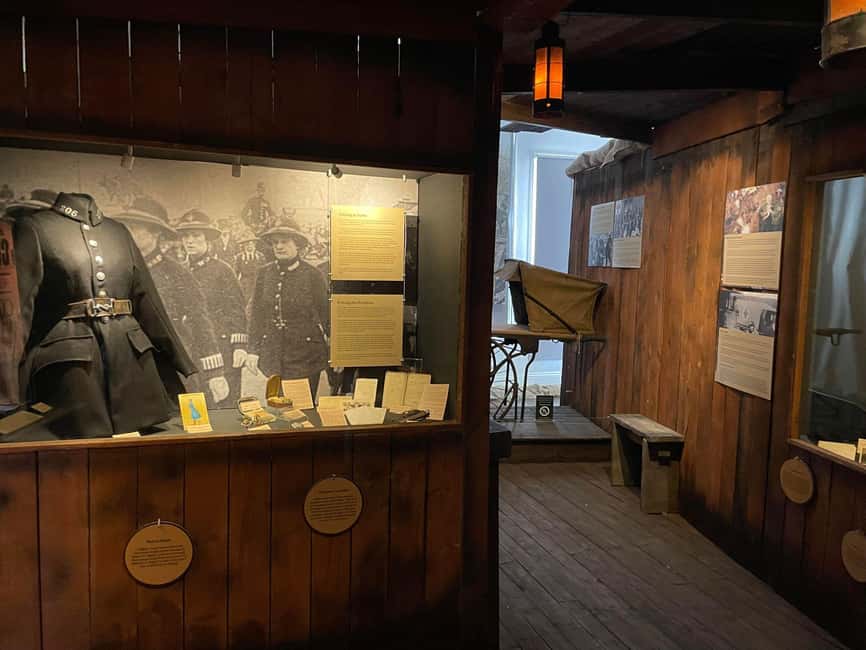
- Three floors in a former emergency station: Explore an original Victorian police, fire, and ambulance building rather than a modern gallery.
- Original police cells and engine house: These preserved spaces give the visit a strong sense of how emergency services once operated.
- Hands-on exhibits for children and adults: Interactive games make the museum more than a display of old vehicles and equipment.
- A 47-foot lifeboat among the highlights: The collection reaches beyond Sheffield, showing the wider range of emergency work.
- A good two-hour outing: Most people can see a lot in a couple of hours, with extra time useful for families who stop at every activity.
- Allow for cool rooms and awkward access: Warm clothing is sensible, and the Victorian layout may be difficult for some wheelchair users.
Inside Sheffield’s former police, fire, and ambulance station
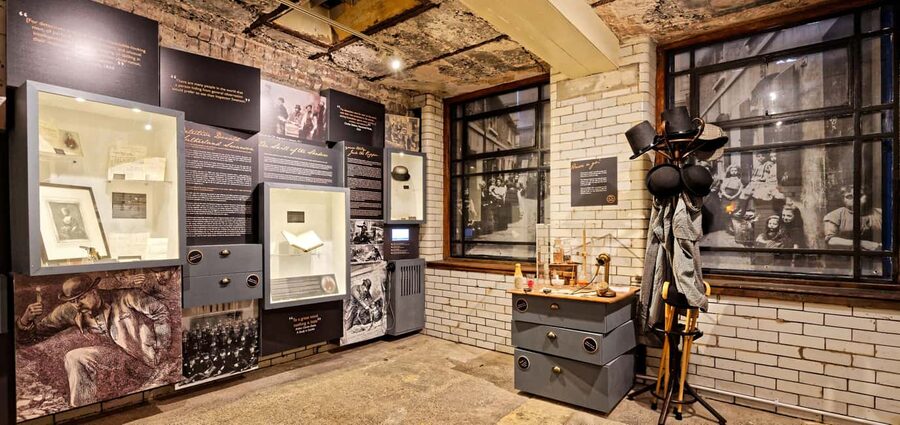
The setting does much of the teaching before you reach the displays. This is not simply a collection placed in a neutral exhibition hall. The museum occupies a Victorian police, fire, and ambulance station, so the walls, rooms, and original police cells help explain the daily setting of emergency work.
You start with a building that feels connected to the subject. The police cells are one of the clearest draws because they are part of the original station. They give children a memorable point of reference, while adults can think about how police work, custody, and public safety have changed over time.
The engine house adds another important part of the story. Firefighting is not treated as a side exhibit, and the building helps connect the machinery and archives with the people who used them. I like this kind of museum because the place itself does part of the explaining. You do not need a long introduction to understand why these rooms mattered.
The three-floor layout also gives the visit a feeling of discovery. You move through different areas rather than seeing one large room all at once. That makes it easier to split your time between displays, historic equipment, and activities for younger family members.
More Museum Tours in Britain:
- Liverpool: Liverpool Football Club Museum and Stadium Tour
★ 4.8 · 10,764 reviews - London: Chelsea Football Club Stadium and Museum Tour
★ 4.8 · 4,576 reviews - London Transport Museum Entrance Ticket
★ 4.5 · 1,323 reviews
Police cars, fire archives, and medical equipment
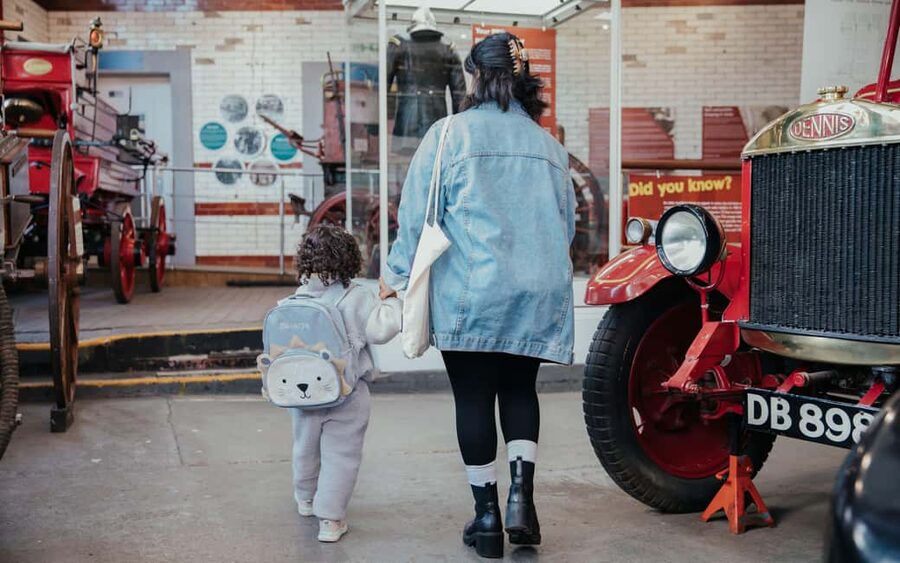
The collection covers the three main services linked to the building: police, fire, and ambulance work. Vintage police cars are among the most eye-catching objects. They show how emergency transport and public-facing police work have changed, and they give children something large and immediate to focus on.
The firefighting archives provide a different kind of experience. Instead of relying only on dramatic vehicles, the museum also shows the records and objects behind the service. That helps you see emergency work as an organized profession, not just a series of exciting rescues.
Medical equipment adds another layer. Old life-saving equipment can look basic beside modern technology, but it raises useful questions about how ambulance care developed. You may find that this part appeals more to adults than very young children, especially if you enjoy practical history and objects with a clear working purpose.
The museum presents these services together, which is useful. Police, fire, and ambulance crews often appear separately in popular culture, yet all three are part of the same public safety system. Here, you can compare the tools, vehicles, and working spaces used by each service.
The 47-foot lifeboat gives the collection scale
The 47-foot lifeboat is one of the museum’s most unusual objects. It broadens the visit beyond local police and fire history and shows that emergency work can happen far from city streets.
A lifeboat also gives you a sense of scale that smaller artifacts cannot. You can look at a piece of equipment in a case, but a vessel this large helps you picture the demands of rescue work. It is an especially strong stop for children because it is instantly understandable and visually impressive without needing much explanation.
The lifeboat also keeps the museum from feeling too narrow. You are not only learning about Sheffield’s emergency services. You are seeing examples of the wider systems used to protect and rescue people in difficult situations.
Because the museum includes such varied objects, you should not expect every exhibit to have the same tone. Some areas focus on machinery and vehicles, others on records or hands-on play. That variety is a strength for families, though visitors who want a tightly focused specialist museum may find the collection broad.
Hands-on activities keep children involved
The museum’s strongest family feature is its interactive approach. Children can play, test, explore, and learn as they move through the exhibitions. That matters because emergency-services history can otherwise become a row of vehicles and information panels that younger visitors quickly pass by.
The activities are not only distractions. They give children a way to connect with the work being explained. A display about equipment becomes easier to understand when a child can interact with it. A police or fire exhibit becomes more memorable when it feels like an activity rather than a school lesson.
I would expect the museum to work particularly well for families with primary-school children and older children who still enjoy practical exhibits. A visit also suited two different age groups in the same family: adults can read the informative display boards while children focus on the games and action-based elements.
One useful point is that the museum does not appear to limit its appeal to very young children. A family visit with children aged 10 and 13 was described as inclusive and interesting for both ages. That is a good sign if you are planning a day out with children who no longer want a purely preschool attraction.
The museum also aims to give something to young visitors and the young at heart. Adults who remember older vehicles or emergency equipment may enjoy the historical side, while children get a more active visit. You can let each person spend time in the sections that suit them without turning the outing into a compromise.
A few more options to weigh up in Britain
- London: The London Eye Entry Ticket
★ 4.6 · 35,875 reviews - London: Tower Bridge Entry Ticket
★ 4.7 · 15,560 reviews - London: Westminster Abbey Entrance Ticket
★ 4.6 · 11,254 reviews - London: St Paul’s Cathedral Entry Ticket
★ 4.7 · 9,813 reviews
How long should you allow?
The ticket is valid for one day, but the practical visit length is shorter for most people. Plan on around two hours for a steady look through the museum. Families may need more time because interactive activities slow the pace, in a good way.
A couple of hours makes this a useful addition to a Sheffield day rather than a full-day commitment. You can visit without worrying that the museum will consume your entire schedule. At the same time, the one-day validity gives you flexibility if you want to take a break and continue later, subject to the museum’s operating arrangements and available start times.
I would avoid rushing through the three floors. The original cells, engine house, vehicles, lifeboat, and interactive displays serve different purposes, so the museum works best when you give yourself time to switch between reading and playing.
The informative display boards deserve attention. One visit can be playful and active, but the written material adds substance for adults who want to understand what they are seeing. If your group includes people with different interests, agree on a relaxed pace rather than trying to keep everyone together at every display.
Is the $12 entry good value?
At about $12 per person, the museum is reasonably priced for a family attraction, particularly because entry includes access to all exhibitions. You are not paying a separate fee for the police cells, engine house, or the upper floors.
The strongest value comes from the combination of duration and flexibility. A two-hour visit is long enough to feel worthwhile, yet short enough to fit around other Sheffield plans. Children have activities to occupy them, and adults have historic objects and display boards to explore.
The price makes more sense if you use the museum as a shared experience rather than a quick photo stop. The old station gives you a setting to discuss, and the interactive exhibits give children reasons to stay engaged. That combination can be hard to find in a small museum.
There is an optional upgrade to a year ticket, but it is not included in the standard entry. If you live nearby or expect to return, ask about the annual option before paying. For a one-off visit, the regular ticket is the straightforward choice.
Food and drinks are not included, so plan your refreshments separately. The museum is best treated as part of a wider day in Sheffield, with lunch or a café stop outside the admission price.
Practical access, clothing, and parking advice
The museum is wheelchair accessible, but you should set realistic expectations. It is housed in a Victorian building, and access may be limited in places for wheelchair users and people with mobility impairments. Contact the museum before arrival if you need specific access information for your group.
Bring warm clothing. This is a practical tip, not a minor extra. Older buildings can feel cool, and the museum specifically advises visitors to dress warmly. A jumper or light jacket can make the visit much more comfortable.
Parking is the main practical warning from the available feedback. Directions can be confusing, with signs that do not always repeat clearly which car park you are approaching. If you drive, check your parking plan before setting off rather than relying only on signs near the museum.
An NCP car park is available in the area, but it can be expensive if you do not use the app. That cost can change the real price of a supposedly inexpensive museum visit, especially for a family. Look into parking options and payment rules before you arrive.
The host or greeter language is English, and the museum information is also in English. This is worth noting if someone in your group needs another language for guided interpretation.
Who will enjoy this museum most?
Families are the clearest match. Children get games and hands-on displays, while adults can focus on the social and technical history of emergency services. The museum also works for grandparents visiting with grandchildren because the exhibits offer both nostalgia and play.
It is a good choice for children who like police cars, fire engines, rescue stories, or medical equipment. The 47-foot lifeboat adds something different for anyone interested in rescue beyond the city.
Adults without children can enjoy it too, especially if you like historic buildings, working equipment, or the development of public services. You should not expect a quiet art museum atmosphere. The appeal comes from seeing how emergency work was organized and from interacting with displays.
The museum may be less suitable if you want a long, formal guided tour or a collection focused on one narrow subject. It covers police, fire, ambulance, and lifeboat material across several floors. That broad approach is ideal for a family outing but less so for a specialist research visit.
Should you book the National Emergency Services Museum?
I would book this if you want an affordable, practical museum visit in Sheffield that works for several age groups. The original police cells, engine house, three-floor layout, and hands-on exhibits give the $12 ticket real value, while the 47-foot lifeboat adds a memorable feature you may not expect.
Book with care if parking, stairs, or limited mobility are concerns. Check access details first, dress warmly, and plan your parking rather than following signs at the last minute.
The museum offers free cancellation up to 24 hours before the visit and a reserve-now, pay-later option, which helps if your Sheffield plans are still taking shape. For families, grandparents, and anyone curious about how police, fire, and ambulance services developed, this is an easy recommendation. Allow about two hours, but give yourself longer if your children want to try everything.
FAQ
Where is the National Emergency Services Museum?
The museum is in Sheffield, South Yorkshire, in the United Kingdom. It is housed in a Victorian police, fire, and ambulance station.
What does the entry ticket include?
The ticket includes entry to the National Emergency Services Museum and access to all exhibitions.
How long is the ticket valid?
The ticket is valid for one day. Available starting times depend on the date you select.
How much does entry cost?
The listed price is about $12 per person. A year-ticket upgrade is not included.
Is the museum wheelchair accessible?
The museum is described as wheelchair accessible, but the Victorian building means access may be limited for some wheelchair users and people with mobility impairments.
What should I bring?
Bring warm clothing because the museum is in an older Victorian building.
Can I cancel my booking?
You can cancel up to 24 hours in advance for a full refund. You can also reserve now and pay later to keep your plans flexible.
Just added in Britain
- Chester: The Dead Good Ghost Walking Tour★ 4.3 · 9 reviews
- The Best of British Cooking Class & Dining Experience★ 5.0 · 1 review
- London: Live Comedy Show at Big Belly Bar and Comedy Club★ 4.5 · 80 reviews
- London: British Museum Highlights Guided Small Group Tour★ 4.9 · 113 reviews
- The Beatles London Walking Tour★ 4.2 · 147 reviews
- The Best Highlights of London Walking Tour & Boat Cruise★ 5.0 · 1 review
- From Edinburgh: Best of Scotland Small-Group Day Tour★ 4.7 · 61 reviews
- The Authentic Walking Tour with Indian Tasting Meal★ 4.8 · 4 reviews
Museums, compared.
Liverpool Football Club Museum and Stadium Tour
Read our review →
Chelsea Football Club Stadium and Museum Tour
Read our review →


Other lists this tour turns up in