
REVIEW · MUSEUMS
Warwick: British Motor Museum Entry Ticket
Cars tell family stories better than brochures. At Warwick’s British Motor Museum, more than 400 vehicles chart British motoring from the 1890s to near the present day. I like the way the museum connects cars with ordinary life, from family journeys to double yellow lines, and I like the enthusiastic volunteers who add stories you will not get from a display label alone.
The museum works for serious enthusiasts and people who only know cars by color. The Time Road is especially good, and the hands-on Under The Skin exhibits help explain how cars work. The main drawbacks are that some guided talks can be hard to hear in the large halls, and the buildings may feel warm on a hot day.
In This Review
- Key points to know before you go
- A museum where British motoring becomes personal
- Start with the Time Road and watch daily life change
- Making British Cars explains an industry
- Under The Skin turns mechanics into plain English
- The Collections Centre gives the visit a working side
- Jaguar, Vauxhall, racing cars, and prototypes
- How long should you plan for?
- Family visits and mixed-age groups
- Access, parking, food, and practical comfort
- Who will get the most from this visit?
- Should you book the British Motor Museum?
- FAQ
- How much does admission to the British Motor Museum cost?
- How long is the ticket valid?
- How many cars are in the museum?
- What is the Time Road?
- What is Making British Cars?
- What can you do in Under The Skin?
- Can I see how vehicles are conserved?
- Is the museum suitable for children?
- Is the British Motor Museum wheelchair accessible?
- Are pets allowed?
- Does the museum have parking and a café?
- Can I cancel my booking?
Key points to know before you go
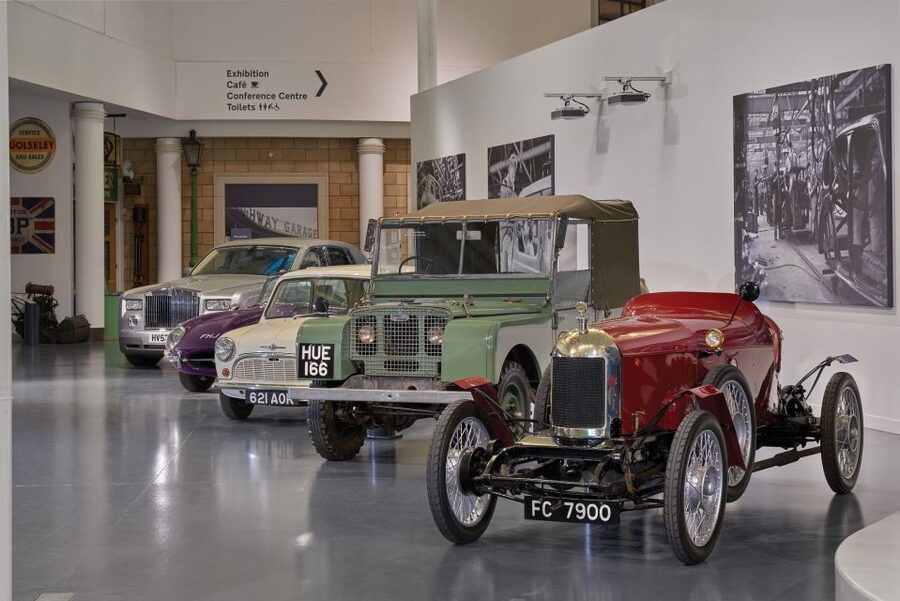
- More than 400 British vehicles: See cars dating from the 1890s, along with motorcycles, prototypes, film cars, racing cars, and unusual one-off designs.
- The Time Road: Follow changing cars, music, family life, and familiar motoring rules through the decades.
- Collections Centre access: Look behind the scenes at vehicle conservation and speak with staff or volunteers working on the collection.
- Hands-on learning: Under The Skin explains suspension, rack and pin steering, power steering, and other mechanical ideas.
- Good family value: Admission includes family activities, a play area, free parking, lifts, and an onsite café.
- Allow several hours: A brisk visit may take around 2.5 hours, while many people spend four to five hours exploring.
A museum where British motoring becomes personal
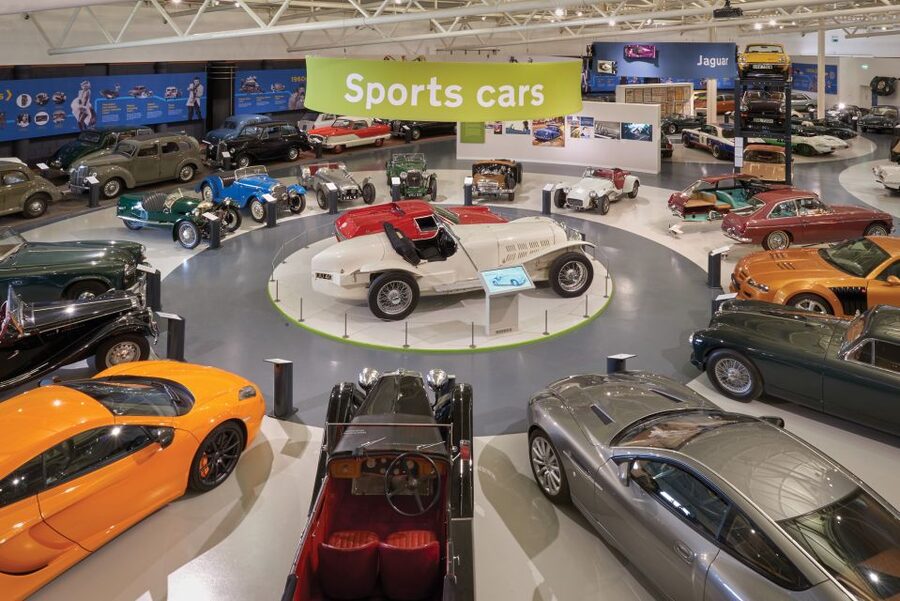
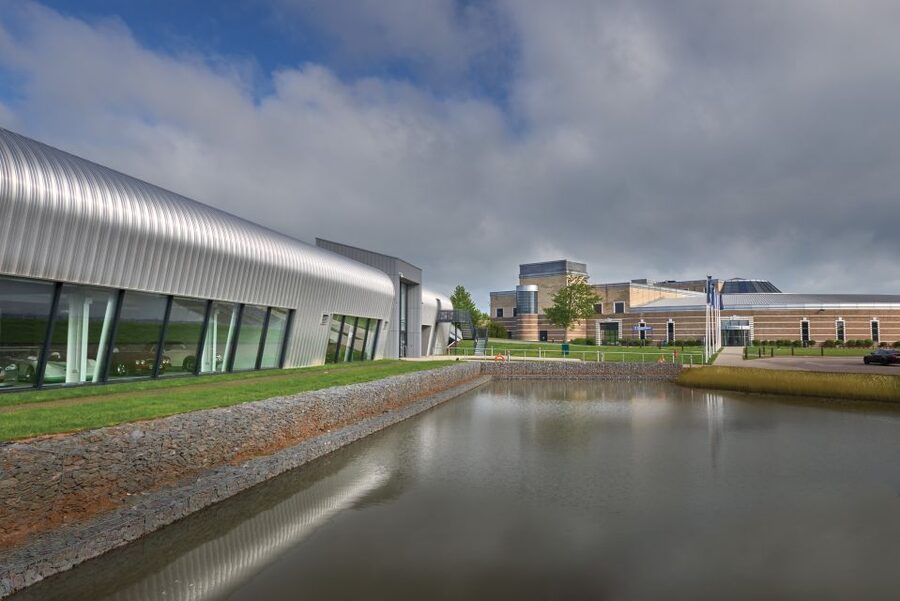
The British Motor Museum is not simply a hall full of polished cars. It is a story about how Britain moved, worked, shopped, raced, and spent weekends.
That wider view makes the visit useful even if you cannot tell a Jaguar from a Vauxhall. You will see cars as products of their time. A small family saloon, a luxury model, and a racing machine each reveal something about money, technology, taste, and daily life.
The collection begins with vehicles from the 1890s and continues through decades of British production. You can expect familiar names, rare models, prototypes that never reached production, racing cars, motorcycles, and vehicles remembered from films.
The museum’s strongest quality is its range. One display may appeal to a lifelong car fan, while the next brings back a car your grandparents drove. That personal link gives the collection warmth. You are not only looking at old metal. You are seeing the cars that carried families to the seaside, took workers to factories, and shaped the look of British roads.
More Museum Tours in Stratford-upon-Avon:
- Stratford-upon-Avon: Tudor World Museum Entrance Ticket
★ 4.4 · 34 reviews - Liverpool: Liverpool Football Club Museum and Stadium Tour
★ 4.8 · 10,764 reviews - London: Chelsea Football Club Stadium and Museum Tour
★ 4.8 · 4,576 reviews
Start with the Time Road and watch daily life change
The Time Road is one of the best places to begin. It gives your visit a clear route through the decades, showing how motoring developed alongside family life and popular culture.
Period music helps set the mood, but the useful part is the context. The exhibits point to everyday changes, including memorable road rules such as the introduction of double yellow lines. That small detail says a lot: motoring history is not only about engines and bodywork. It is also about how towns changed, how roads were managed, and how drivers learned new rules.
I would take your time here rather than rushing toward the most glamorous cars. Look at the way vehicle shapes, interiors, and practical features change from one period to the next. You may find yourself remembering a family car, a school run, or the vehicle parked outside a relative’s house.
For children, the Time Road gives a simple way to understand time. They can see that cars did not change all at once. Design, comfort, safety, and steering developed step by step.
Making British Cars explains an industry

The Making British Cars section widens the story from individual vehicles to the motor industry itself. It looks at how important car manufacturing has been in Britain and where the industry is heading.
This part is valuable because it explains why the collection exists. British car making influenced employment, engineering, exports, design, and national identity. The museum helps you see that a car factory was not just a place where vehicles were assembled. It was part of the economic and social life of many communities.
The displays also help connect famous marques with wider industrial change. Some names have vanished, some have changed owners, and some remain familiar. You can compare the polished final products with the pressures that shaped the industry.
If you visit with a mixed group, this is a good place to pause. One person can focus on design and branding, while another considers the people and technology behind production. The material is more engaging when you ask not only What is this car? but also Why did Britain build it this way?
Under The Skin turns mechanics into plain English
Under The Skin is the most useful area for visitors who want to understand how cars work. Interactive exhibits break down mechanical ideas that can seem mysterious when hidden beneath a bonnet.
You can compare older and newer suspension systems and see how rack and pin steering differs from power steering. These demonstrations give you something concrete to watch and try, instead of asking you to absorb a block of technical text.
I like this section for families because it gives children a reason to engage with the engineering. It also helps adults who have always driven cars without knowing exactly what the major parts do.
Do not treat Under The Skin as a quick children’s corner. The displays provide a better appreciation of the engineering behind the vehicles in the main halls. After seeing a suspension demonstration, you will look at a classic car’s wheels and undercarriage with a little more interest.
A few more options to weigh up in Stratford-upon-Avon
- The Sinister Side of Shakespeare’s Stratford Walking Tour
★ 4.8 · 547 reviews - Stratford-upon-Avon: Shakespeare’s Birthplace Ticket
★ 4.6 · 476 reviews - Stratford-Upon-Avon: The Famous Walk Talk Show
★ 4.9 · 342 reviews - Stratford-upon-Avon:City Sightseeing Hop-On Hop-Off Bus Tour
★ 4.4 · 296 reviews
The Collections Centre gives the visit a working side
The Collections Centre lets you see more than finished vehicles under bright lights. It offers a look at how cars are conserved for future generations.
That behind-the-scenes element matters. Keeping historic vehicles safe is not the same as putting them on display. The staff and volunteers working around the collection can explain restoration and care in practical terms, and conversations with them often add useful detail about particular marques or models.
Volunteer guides are a real strength here. Trevor is one guide who has been praised for making the development of cars easier to understand. Other volunteers have shared stories about Jaguar, Vauxhall, and individual vehicles while working in the collection areas.
You should ask questions if a volunteer is available. The museum’s people are keen to talk, and their enthusiasm gives the displays a human voice. One caution: talks in the large rooms may be difficult to hear because of the acoustics. Stand close to the guide when possible, and do not be shy about asking for a point to be repeated.
Jaguar, Vauxhall, racing cars, and prototypes
The collection has enough variety to reward repeat visits. Jaguar is a major draw for many people, with several cars that invite close attention to design and workmanship.
The Vauxhall collection is especially appealing if those cars belong to your generation. Familiar vehicles can create a stronger connection than rare prestige models. You may remember the shape, dashboard, or sound of a car long before you remember its model name.
The museum also includes prototypes that never entered regular production. These are among the most interesting vehicles because they reveal roads not taken. A production car shows what the public could buy. A prototype shows what designers and engineers considered possible, even when cost, demand, or company policy stopped the idea.
Racing and film cars add another layer. Displays linked to Silverstone cover the circuit’s development and the Formula One story, while movie vehicles bring popular culture into the collection. These areas work well for visitors who are less interested in factory history but enjoy competition, cinema, or famous cars.
You may also find motorcycles and early pedal bikes, which help show that British transport history did not begin with the modern car. Give these displays a proper look rather than treating them as filler.
How long should you plan for?
The ticket is valid for one day, and I would plan at least half a day rather than trying to squeeze the museum into a short stop.
A focused visit can take about 2.5 hours, particularly if you move steadily. If you read the displays, talk with volunteers, spend time with the interactive exhibits, and stop for food, four to five hours is quite reasonable.
Car enthusiasts may want even longer. The collection rewards close inspection, especially around rare cars, prototypes, Jaguars, film vehicles, and racing displays. Non-enthusiasts may be ready to leave sooner, but the Time Road and family-life material provide good natural breaks from technical displays.
A useful plan is to begin with the Time Road, move through Making British Cars, spend time in Under The Skin, and then follow your interests through the larger vehicle collections. Save the café for a proper pause instead of treating it as a rushed refueling stop.
Family visits and mixed-age groups
This is a good choice for a family group because everyone can find a different entry point.
Children have family activities, an onsite play area, and small push-along cars. The interactive mechanical exhibits give younger visitors something to do with their hands, while older children may prefer the racing, film, or prototype displays.
Grandparents and grandchildren are particularly well matched here. One generation may remember the cars in the collection, while another sees them as strange and new. That gap creates easy conversation.
Adults who are not car fans should not assume they will be bored. The museum’s best displays deal with social change, design, memories, and British industry. I would still be realistic: if your group has no interest in vehicles, you may not need a full day. A shorter visit focused on the Time Road, family activities, and a few standout collections may work better.
Access, parking, food, and practical comfort
Free parking improves the value of the visit, especially for families or anyone making a longer drive. The museum is wheelchair accessible, with lifts and routes that are generally easy to manage. Mobility scooter users can move around the site with relative ease.
The café serves hot and cold meals, snacks, and drinks. It is a useful part of a longer visit, though prices may feel high to some people. Several people have found the food and choice good, so I would budget for a café stop if you plan to stay for several hours.
The buildings are clean and well presented, but ventilation may be an issue in hot weather. One summer visit became less comfortable because the halls did not have enough air circulation or fans. On a hot day, you may want to pace yourself and take a break rather than trying to see everything at once.
Pets are not allowed, although assistance dogs are permitted. Check the available starting times when booking, even though the ticket gives you one day of admission.
The ticket costs $24 per person. That is fair value if you give the museum three or more hours, use the family activities, and take advantage of the free parking. It becomes particularly good value for a car enthusiast who may spend four or five hours studying the collection.
For a short visit, the price feels less generous. The museum is spread across substantial displays, and its strength comes from taking time with the story. Reserve now and pay later is available, and cancellation is free up to 24 hours before the visit, which helps if your Warwickshire plans are still shifting.
Who will get the most from this visit?
I would recommend the British Motor Museum to:
- Car enthusiasts who want rare British models, prototypes, racing cars, and film vehicles
- Families looking for an indoor activity with play facilities and hands-on exhibits
- Older visitors who enjoy classic cars and memories of family motoring
- Anyone interested in British industry, engineering, design, or social change
- Visitors with limited mobility who need lifts and manageable indoor routes
- Couples with different interests, since the museum offers both technical and cultural material
I would be more cautious if you want an outdoor driving experience. The museum focuses on viewing, learning, and conservation. A former 4×4 track and karting are no longer part of the attraction, so this is not the place for driving thrills.
Should you book the British Motor Museum?
Book it if you want a thoughtful, varied look at British motoring rather than a quick row of shiny classics. The best features are the Time Road, the volunteer-led stories, the interactive Under The Skin area, and the chance to see prototypes and conservation work alongside famous production cars.
Allow half a day, or closer to five hours if your group includes serious enthusiasts. Start with the historical route, stay near guides during talks, and visit on a cooler day if you dislike warm exhibition halls.
At $24 per person, free parking, family activities, and a good café make this a sensible Warwickshire day out. It is especially worth booking for families, grandparents and grandchildren, and anyone who wants cars placed in the story of British life.
FAQ
How much does admission to the British Motor Museum cost?
The listed price is $24 per person.
How long is the ticket valid?
The ticket is valid for one day. Check availability for the starting times when booking.
How many cars are in the museum?
The collection includes more than 400 cars dating back to the 1890s.
What is the Time Road?
The Time Road presents changes in motoring and family life through the decades. It includes period music and events such as the introduction of double yellow lines.
What is Making British Cars?
Making British Cars explains the importance of the British motor industry over the years and considers where it is heading in the future.
What can you do in Under The Skin?
Under The Skin uses interactive exhibits to explain how cars work. You can compare suspension systems and look at the difference between rack and pin steering and power steering.
Can I see how vehicles are conserved?
Yes. The Collections Centre offers a look behind the scenes at how vehicles are conserved for future generations.
Is the museum suitable for children?
Yes. Family activities are included with admission, and there is an onsite play area. The interactive exhibits also give children hands-on ways to learn.
Is the British Motor Museum wheelchair accessible?
Yes. The museum is wheelchair accessible, and lifts are available. The site is also suitable for visitors using mobility scooters.
Are pets allowed?
Pets are not allowed. Assistance dogs are permitted.
Does the museum have parking and a café?
Yes. Parking is free, and the museum has an onsite café serving hot and cold meals and snacks.
Can I cancel my booking?
You can cancel up to 24 hours in advance for a full refund. Reserve now and pay later is also available.
Just added in Stratford-upon-Avon
- Warwick Castle: Shakespeare’s Stratford: and the Cotswolds★ 5.0 · 2 reviews
- Stratford-upon-Avon: Tudor World Museum Entrance Ticket★ 4.4 · 34 reviews
- Stratford-upon-Avon: Shakespeare’s New Place Entry Ticket★ 4.0 · 3 reviews
- Stratford-Upon-Avon’s Town Walking Tour (10:30am & 2pm)★ 4.8 · 143 reviews
- Stratford-upon-Avon: City Walking Tour & Exploration Game★ 4.6 · 3 reviews
- Warwickshire: The Explorer Pass by Shakespeare’s England★ 4.6 · 26 reviews
- Shakespeare Distillery Tour & Tasting (Gin & Rum)★ 4.8 · 69 reviews
- Shakespeare’s Schoolroom and Guildhall Entrance Tickets★ 4.4 · 70 reviews
Museums, compared.

Liverpool Football Club Museum and Stadium Tour
Read our review →
Chelsea Football Club Stadium and Museum Tour
Read our review →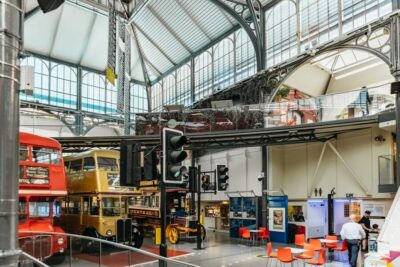




Other lists this tour turns up in