
REVIEW · BRITISH MUSEUM TOURS
London: British Museum Guided Tour
Two hours can tame a giant museum. This guided visit gives you a clear route through the British Museum, from Egyptian mummies and the Rosetta Stone to Parthenon sculptures, Roman art, Sutton Hoo, and a moai from Easter Island. I especially like the focus on major objects and the chance to ask questions instead of wandering past important pieces without context.
I also like the price. At $39 per person, you are paying for a live guide who helps you make sense of a free public museum, not for admission to the building itself. The main concern is sound: one visitor found the guide hard to hear among the crowds, and the tour may run in two languages at once if demand requires it.
The best guides turn this huge collection into a story you can follow. Filomena, Stuart, Tara, Rebekka, Lucia, and Maya have all received strong praise for clear explanations, warm personalities, and an ability to keep both adults and children involved. Still, you should arrive ready to walk, wear comfortable shoes, and accept that two hours can only introduce the museum’s greatest hits.
In This Review
- Key points to know before booking
- Why a guide helps inside the British Museum
- Ancient Egypt and the Rosetta Stone
- Ancient Greece and the Parthenon sculptures
- Roman power in statues and mosaics
- Sutton Hoo and early English life
- Hoa Hakananai’a and the wider world
- What the two-hour route feels like
- Meeting point, tickets, and timing
- Is $39 good value?
- Who should book this British Museum tour?
- Final verdict: book it for direction and context
- FAQ
- How much does the British Museum guided tour cost?
- How long does the tour last?
- Is museum admission included?
- Where do I meet the guide?
- How will I receive my entry ticket?
- Which languages are available?
- Is the tour wheelchair accessible?
- What should I bring?
- Can I cancel the booking?
Key points to know before booking
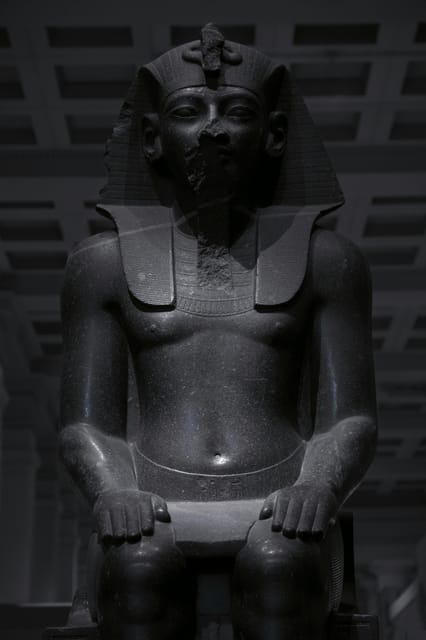
- Rosetta Stone and ancient Egypt: Start with the object that helped scholars read Egyptian hieroglyphics, along with relics connected to pharaohs and Egyptian life.
- Parthenon sculptures and the Elgin Marbles: See famous Greek works while also considering the ongoing debate about how these objects reached London.
- Sutton Hoo treasures: Get a glimpse of early English life through finely made Anglo-Saxon objects.
- Hoa Hakananai’a moai: Encounter a powerful stone figure from Easter Island and discuss the spiritual ideas behind it.
- A fast route through a vast museum: The guide chooses key displays so you spend less time studying floor plans and more time looking at objects.
- A useful value at $39: Admission to the public museum is free, so the fee pays for direction, explanation, and saved time.
Why a guide helps inside the British Museum
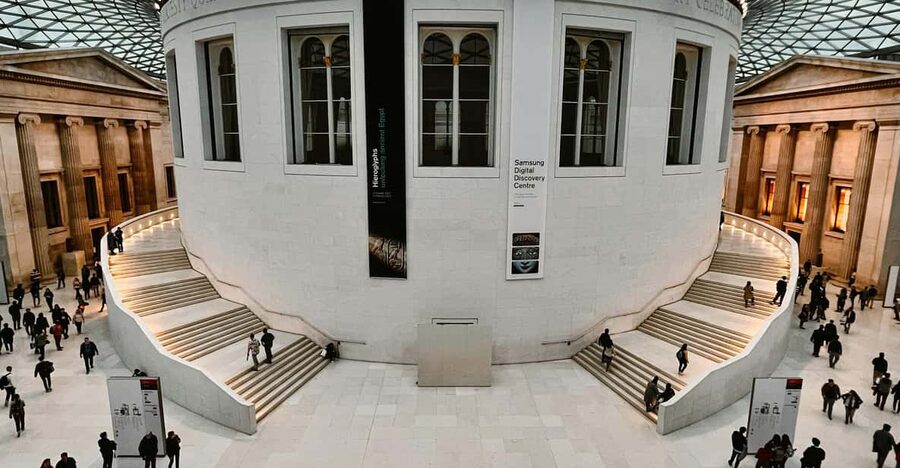
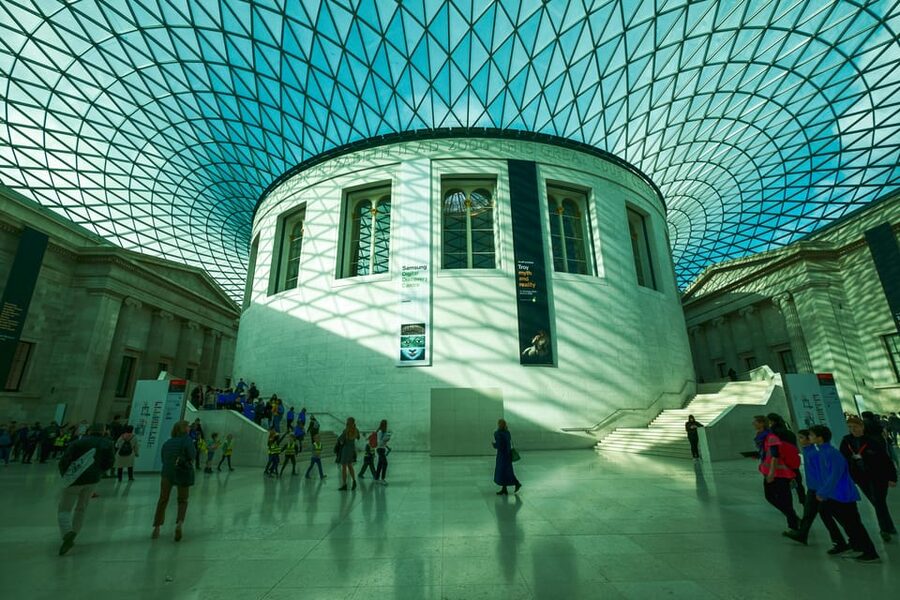
The British Museum is the sort of place that can swallow half a day before you have worked out where you are. Its collection covers many civilizations and thousands of years, with major objects spread across galleries that can feel disconnected when you visit alone.
That is where this tour earns its fee. You get a planned path through important rooms, with someone explaining why each object matters and how it fits into a larger story. I like this approach for a first visit, especially if you have only one morning or afternoon in London.
The guide also gives you a person to ask. Museum labels can be brief, crowded, or written for someone who already knows the background. A good explanation can turn a stone, fragment, or small piece of metal into evidence of how people lived, worshipped, traded, ruled, and recorded ideas.
The tour is not designed for slow, detailed study of every display. You will see a selection of major sights and some less visited objects, but you will need to return on your own if one gallery catches your attention. One guest described the tour as ideal for seeing the most important pieces in the least amount of time, while independent wanderers may prefer to set their own pace.
More British Museum visits:
- London: British Museum Guided Tour
★ 4.3 · 1,182 reviews - London: Tour of the British Museum
★ 4.1 · 678 reviews - London: British Museum Audio Tour & Priority Entrance Ticket
★ 4.5 · 631 reviews
Ancient Egypt and the Rosetta Stone
The tour begins with ancient Egypt, a strong choice because the collection offers both famous objects and an easy way into the museum’s larger themes. Your guide introduces relics linked with pharaohs and explains the beliefs, writing systems, and rituals that shaped Egyptian society.
The major stop is the Rosetta Stone. Its importance is not just visual. The same text appears in different scripts, allowing scholars to compare them and make progress in reading Egyptian hieroglyphics. Your guide can help you understand why this one slab changed the study of ancient Egypt.
The surrounding displays give the stone a wider setting. Instead of treating it as a stand-alone celebrity, the tour connects it with other Egyptian objects and the people who made, used, and preserved them.
You should expect some crowding here. The Rosetta Stone is one of the museum’s best-known objects, and groups may gather around it. Stay close enough to hear, and do not hesitate to ask your guide to repeat a point if the room gets noisy.
Ancient Greece and the Parthenon sculptures
The Greek galleries bring a different mood, with sculpture, architecture, and inscriptions at the center. The tour highlights the Parthenon sculptures, often called the Elgin Marbles, which once formed part of the Athenian temple.
These works are beautiful, but the visit should not treat them as simple decoration. Their presence in London raises difficult questions about ownership, removal, imperial power, and the rights of modern nations to cultural objects. One guide, Stuart, was praised for discussing contentious pieces such as the Greek marbles and Benin bronzes rather than brushing aside the uncomfortable parts.
That honesty adds value. You can admire the craftsmanship while also considering how museums collected such works and why debates over their return continue. The tour does not turn into a legal seminar, but it gives you useful context for looking at the sculptures with open eyes.
The Greek section also brings in philosophy and inscriptions. Your guide may point out how written ideas and artistic forms helped shape later Western thought. The time is short, so do not expect a full course in classical Greece, but you should leave with a clearer sense of how art, public life, religion, and civic identity connected.
Roman power in statues and mosaics
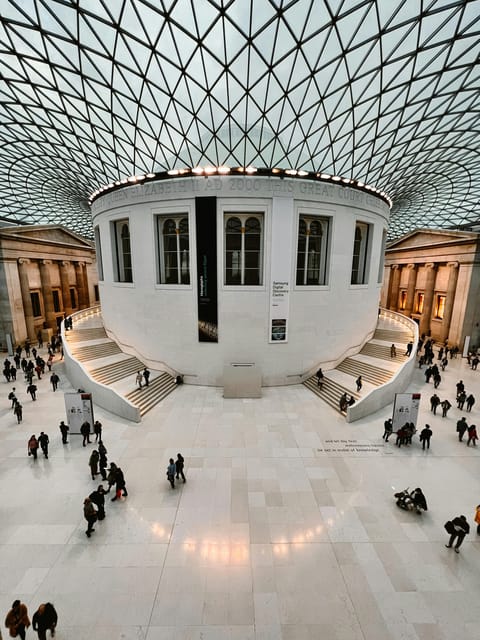
The Roman galleries shift attention from Greek ideals to empire, engineering, and public display. You will see mosaics, statues, and images of gods and heroes, along with objects linked to the world of Roman emperors.
This part works best when the guide explains how an object functioned. A statue was not simply a portrait for a quiet gallery. It could project authority, connect a ruler with a god, or present a public image of strength. Mosaics, meanwhile, show how detailed design entered domestic and civic spaces.
The tour also explains Rome’s debt to Greece. Roman artists borrowed, adapted, and spread Greek styles across a much wider empire. That connection helps the museum’s galleries feel less like isolated rooms and more like chapters in an ongoing exchange of ideas.
You may find this section easier to appreciate with a guide than alone because the objects can look familiar at first glance. A short explanation about their use, symbolism, or connection to Roman rule gives them more weight.
More Museum Tours in London:
- London: Chelsea Football Club Stadium and Museum Tour
★ 4.8 · 4,576 reviews - London Transport Museum Entrance Ticket
★ 4.5 · 1,323 reviews - London: Jack the Ripper Museum Tickets
★ 4.2 · 894 reviews - Afternoon Tea at the British Museum
★ 4.2 · 511 reviews
Sutton Hoo and early English life
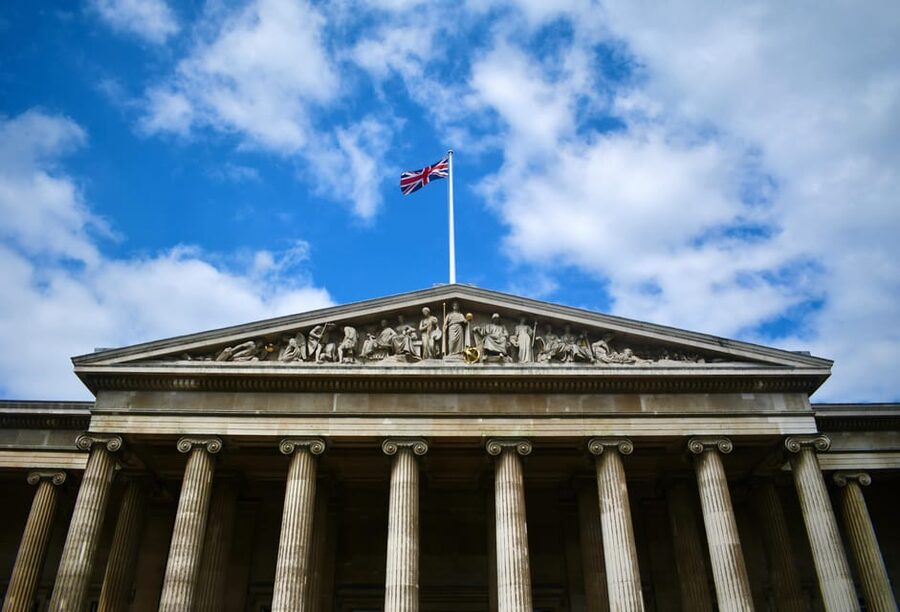
Sutton Hoo offers a welcome change from the better-known Mediterranean collections. The Anglo-Saxon treasures provide clues about early English life, craftsmanship, status, burial customs, and links with distant places.
The display is particularly useful because it reminds you that Britain’s story did not begin with the Romans or the later medieval period. Fine metalwork and other burial objects point to a society with strong artistic skills and connections beyond its immediate surroundings.
Your guide can help you notice details that are easy to miss in a glass case. The value here is not only in seeing beautiful objects, but in asking what they reveal about the person or community that created and used them.
Sutton Hoo also gives the tour a more local connection. After Egypt, Greece, and Rome, you get a chance to consider the early cultures of the British Isles. That broader geographic mix keeps the visit from becoming a simple parade of famous classical objects.
Hoa Hakananai’a and the wider world
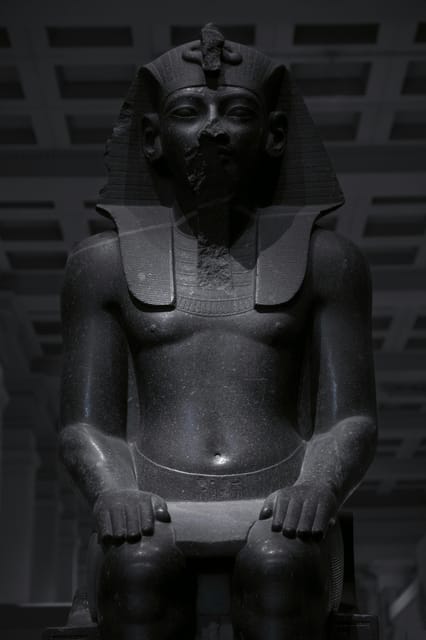
The moai called Hoa Hakananai’a brings the tour to Easter Island, also known as Rapa Nui. This large stone figure embodies the spiritual ideas of a distant civilization and gives you a chance to think about how communities represent ancestors, power, and sacred presence.
The moai is visually arresting, but the setting can make its story easy to reduce to a quick photograph. A guide supplies the needed pause. You can consider what the figure meant in its original culture and how its removal affects the way it is displayed today.
This stop also reinforces one of the museum’s central strengths: its global reach. You move from the Mediterranean and Britain to the Pacific, then on to objects from many other parts of the world. The collection offers an unusually broad look at human creativity, though that breadth also brings questions about collecting and ownership.
The guide may also point out other controversial objects, including the Benin bronzes. That is worth your attention. A visit to the British Museum is more useful when it includes both artistic appreciation and an honest look at the power structures behind museum collections.
What the two-hour route feels like
Two hours is enough to see major highlights, but it is not enough to read every label or spend long stretches in each gallery. I would treat the tour as an orientation, not a final visit.
The pace depends on the guide, group size, crowd levels, and how many questions people ask. When only a few people book, the experience may feel almost private. Several guests had tours with just a couple, or even one small party, and praised the extra attention this allowed.
A full group will feel different. The museum can be noisy, and one visitor had trouble hearing because the guide’s voice did not carry well. The tour information does not promise audio devices, so staying near the guide matters.
Some guides are especially good at adapting. Maya received praise for engaging children and adults, while Filomena was appreciated for adjusting explanations for people who were less comfortable with English. Stuart was repeatedly praised for detailed explanations, friendly conversation, and a dry sense of humor.
The tour can be offered in English, French, or Italian. Depending on demand, two languages may be used at the same time, which could slow the rhythm or make explanations feel less direct. If language clarity is important to you, check the available language and tour details before paying.
Meeting point, tickets, and timing
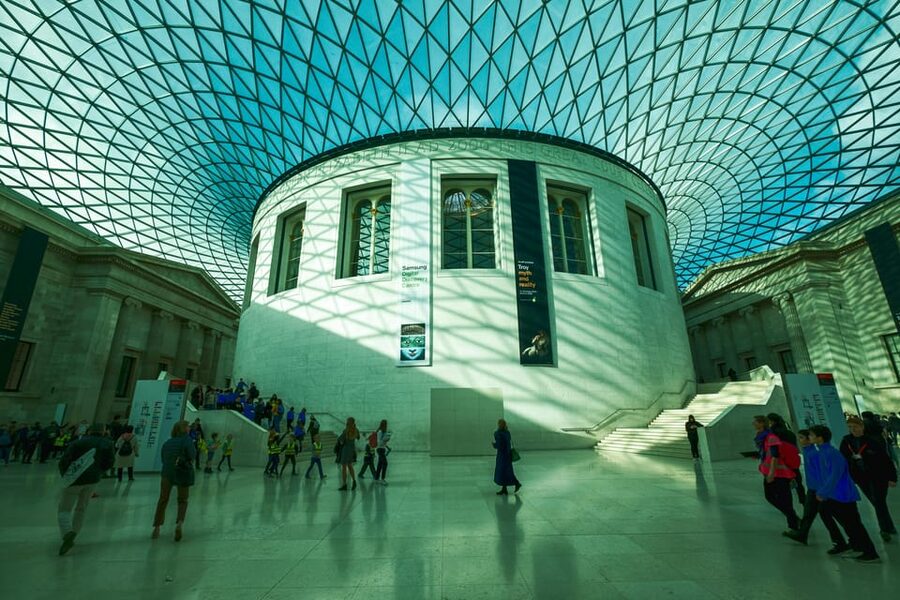
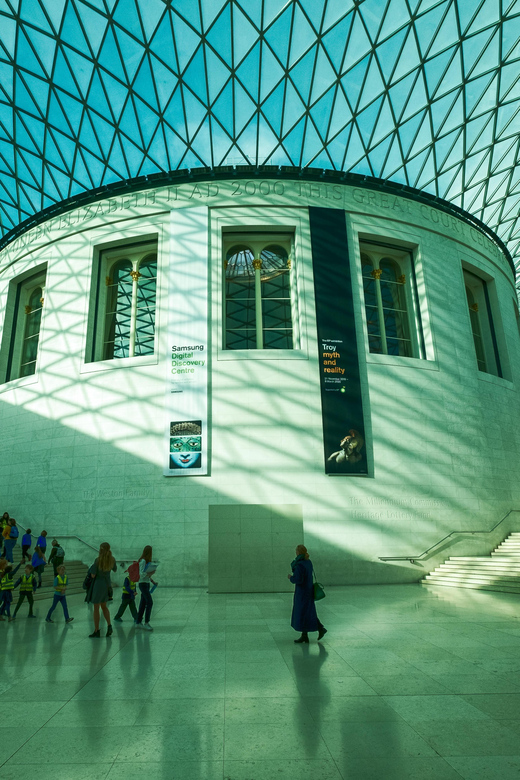
You meet the guide in front of the British Museum portals, on the stairs near the pillars, after passing security. This detail matters because the meeting point is not outside the gates. Do not wait on the pavement and assume you are in the right place.
Entry tickets are supplied about one to two hours before the tour when needed. They are sent through WhatsApp, though you can contact the provider by email if you do not use WhatsApp. Check your messages before leaving for the museum and keep the ticket easy to access.
The tour includes the guide but not transportation. You make your own way to the museum, and the experience lasts two hours. Starting times vary, so check availability for the date you want.
There is an express security check, but you still need to allow time to find the correct entrance and pass through security. Comfortable shoes are a smart choice, and weather-appropriate clothing helps because part of the meeting process involves getting to the entrance before you are inside.
The museum and tour are wheelchair accessible. If you need a slower pace or extra space, it is sensible to raise that before the tour begins so the guide can manage the route as well as possible.
Is $39 good value?
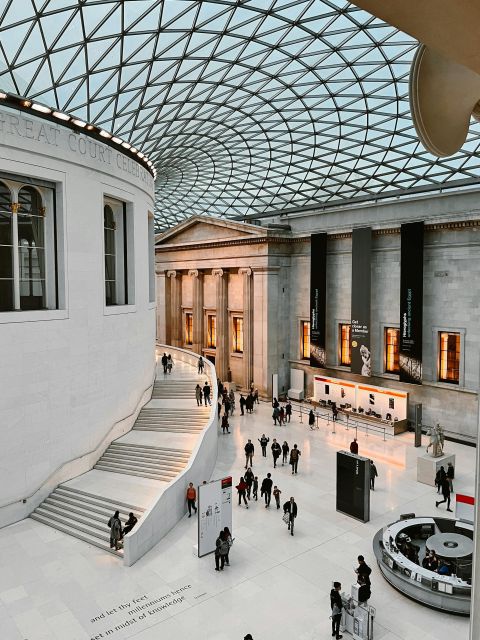
The museum itself is free, which makes the price worth examining closely. At $39, this is not a cheap way to enter a building. It is a paid lesson and orientation service inside a free collection.
I think the value is good if you have limited time, feel uneasy in enormous museums, or want the major objects explained rather than simply photographed. You are paying to avoid the random zigzag, the lost hour, and the familiar problem of reading too many small labels until your eyes give up.
The value is less clear if you enjoy wandering alone. You may prefer to choose one period, read at your own pace, and return to favorite objects whenever you like. In that case, the free museum admission gives you plenty of room to explore without a guide.
The strongest value comes when the group is small and the guide is engaging. That can make the tour feel close to a private visit, as happened for some bookings with Filomena and Stuart. But you should not assume every departure will have a tiny group.
Free cancellation up to 24 hours before the tour and the option to reserve now and pay later make the booking less rigid. Those policies are useful when your London schedule is still shifting.
Who should book this British Museum tour?
I would recommend it to a first-time visitor who wants a sensible introduction to the museum’s biggest themes. It suits families, couples, and adults who prefer stories and explanation to independent label reading.
It is also a good fit for anyone who wants to see Egypt, Greece, Rome, Sutton Hoo, and Easter Island in one sitting. The range is impressive, though the trade-off is time. You will sample many cultures rather than study one in depth.
Families should consider asking for a guide who is comfortable with children. Maya was specifically praised for keeping both children and adults involved. A personal, friendly guide can make a serious museum feel less like homework.
You may want to skip the tour if you already know exactly which galleries you want to visit. Independent visitors who enjoy taking their time will likely get more from a self-guided visit, especially because admission is free.
Final verdict: book it for direction and context
Book this tour if the British Museum feels too large to tackle alone, or if you want someone to explain why the Rosetta Stone, Parthenon sculptures, Roman objects, Sutton Hoo treasures, and Hoa Hakananai’a matter. The $39 fee is reasonable for a focused two-hour route and a strong guide.
I would be cautious if you need perfectly clear audio, dislike group pacing, or want a quiet, detailed study of one collection. Arrive at the correct meeting point, watch for your ticket on WhatsApp or email, stay close to the guide, and book an off-peak time if possible.
For most first visits, this is a practical way to get your bearings fast and leave with a better sense of the museum’s scale, beauty, and difficult questions.
FAQ
How much does the British Museum guided tour cost?
The tour costs $39 per person.
How long does the tour last?
The guided visit lasts two hours.
Is museum admission included?
The tour takes place in the public museum, which has free admission. The $39 price covers the guided experience, not transportation.
Where do I meet the guide?
Meet at the British Museum portals, on the stairs near the pillars, after passing the security check. The meeting point is not outside the gates.
How will I receive my entry ticket?
Tickets are provided about one to two hours before the tour through WhatsApp when needed. If you do not have WhatsApp, contact the provider by email so the tickets can be sent there.
Which languages are available?
Guided tours are offered in English, French, and Italian. Depending on demand, two languages may be used at the same time.
Is the tour wheelchair accessible?
Yes, the tour is listed as wheelchair accessible.
What should I bring?
Bring comfortable shoes and clothing suitable for the weather.
Can I cancel the booking?
Yes. You can cancel up to 24 hours in advance for a full refund. You can also reserve now and pay later.
Just added in London
- The Best of British Cooking Class & Dining Experience★ 5.0 · 1 review
- London: Live Comedy Show at Big Belly Bar and Comedy Club★ 4.5 · 80 reviews
- London: British Museum Highlights Guided Small Group Tour★ 4.9 · 113 reviews
- The Beatles London Walking Tour★ 4.2 · 147 reviews
- The Best Highlights of London Walking Tour & Boat Cruise★ 5.0 · 1 review
- The Authentic Walking Tour with Indian Tasting Meal★ 4.8 · 4 reviews
- Iconic London: Bard, Beatles, Bond & Baker Street★ 4.9 · 15 reviews
- London: Tate Britain Official Discovery Tour★ 4.7 · 7 reviews
British Museum Tours, compared.

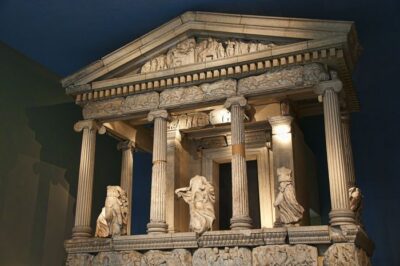

British Museum Audio Tour & Priority Entrance Ticket
Read our review →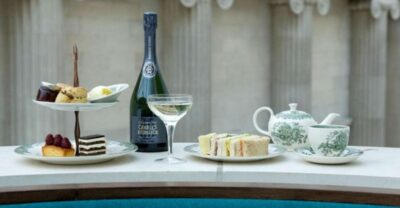
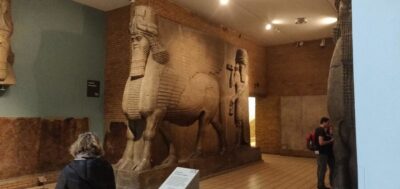
British Museum Archaeology Course and Guided Tour
Read our review →
British Museum Highlights Guided Small Group Tour
Read our review →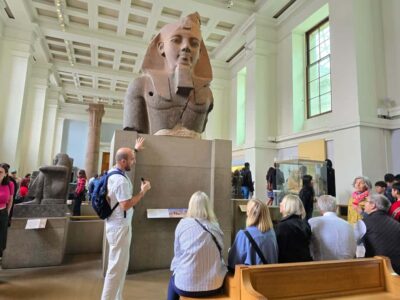
British Museum Guided Tour with Priority Entrance
Read our review →
British Museum Private Guided Tour with Tickets
Read our review →Other lists this tour turns up in