
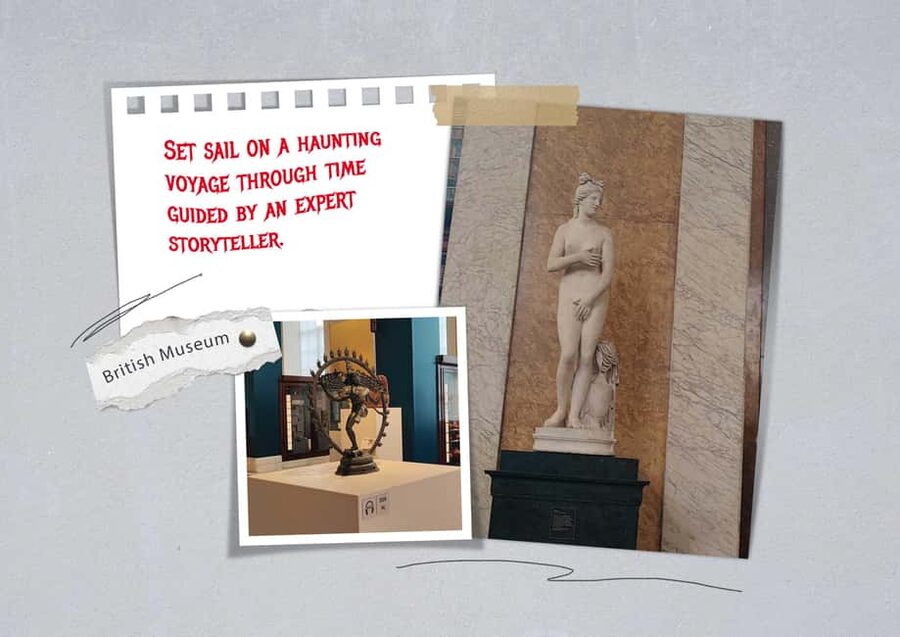
REVIEW · BRITISH MUSEUM TOURS
London: British Museum Highlights Tour: How Beauty Was Born
Beauty has a long memory. This two-hour British Museum tour follows changing ideas of beauty, belief, love, death, and storytelling through some of the museum’s best-known objects. I like the small group of no more than eight and the guide’s use of clear stories instead of a dry list of dates.
I also like the focused route, which brings together the Rosetta Stone, Parthenon Marbles, Egyptian mummies, ancient love stories, and medieval tales about Jesus. The main consideration is pace: you’ll do a fair amount of walking, and the tour is not suitable for wheelchair users or people with mobility impairments.
In This Review
- Key points to know before you book
- Why a two-hour tour helps at the British Museum
- Meeting your guide at Edward VII’s Entrance
- The Rosetta Stone and the power of a written clue
- Greek sculpture and changing ideas of beauty
- Egyptian mummies and the line between life and death
- Mesopotamia, the wheel, and ideas that still shape daily life
- Ancient India and the idea of rebirth
- Tragic love and fate in ancient art
- Medieval comic-book stories about Jesus
- Is $33.67 good value?
- Who should book this British Museum tour?
- FAQ
- How long is the British Museum tour?
- What language is the tour conducted in?
- How many people are in the group?
- Where does the tour start and finish?
- Is museum entry included?
- Can I bring a backpack or take photographs?
- Should you book it?
Key points to know before you book
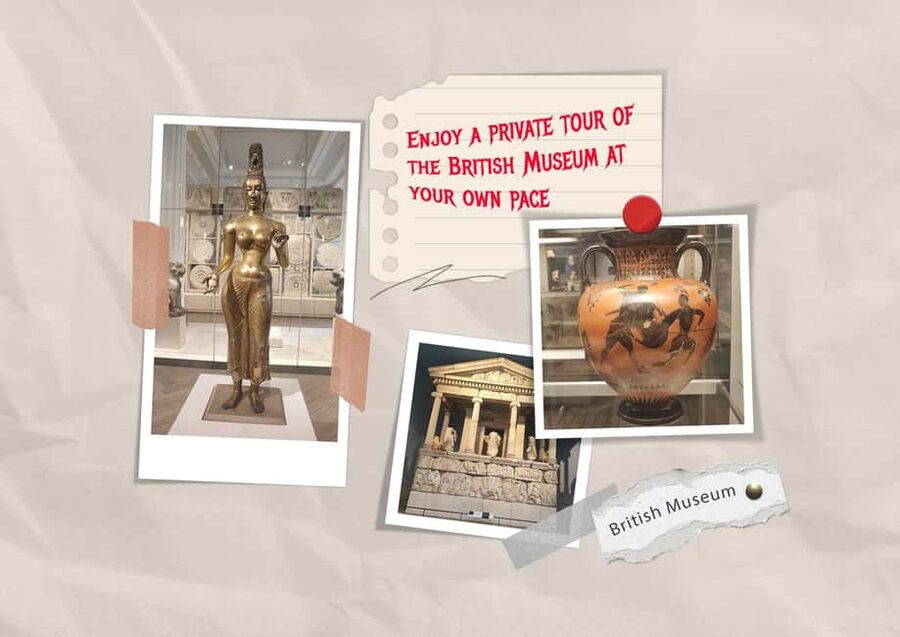
- The route connects famous objects through one theme: You look at how people in different ages pictured beauty, the body, love, death, and the sacred.
- The maximum group size is eight: That gives you a better chance to hear the guide and ask questions than on a large museum walk.
- The Rosetta Stone provides the opening history lesson: It shows how one artifact helped scholars read Egyptian hieroglyphs.
- The tour includes the Parthenon Marbles and Egyptian mummies: These are major museum highlights, but the guide also uses them to raise questions about art, belief, and cultural values.
- Medieval stories about Jesus add an unusual turn: You’ll hear about narratives outside the familiar biblical accounts.
- The price is $33.67 per person: For two hours with an English-speaking guide and express security access, that is a reasonable way to get direction inside a huge free museum.
Why a two-hour tour helps at the British Museum
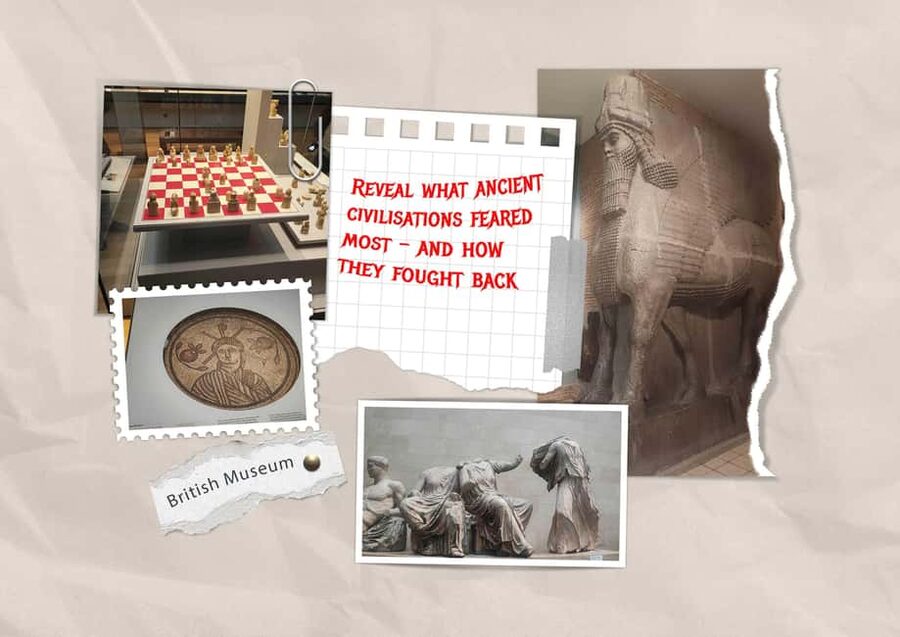
The British Museum is free to enter, but free does not mean easy. It holds more than 8 million objects, and a first visit can quickly become a march from one famous case to another. A guided route gives your visit shape.
This experience does not try to cover every gallery. Instead, it asks a broad question: how did people define beauty across time and place? That theme lets the guide move from Greece to Egypt, Mesopotamia, India, medieval Christianity, and tragic love stories without making the museum feel like a school timetable.
I like that approach. You still see major objects, but you also get a reason to look at them. A statue becomes evidence of a body ideal. A mummy becomes part of a conversation about death and the afterlife. A religious image becomes a clue to the stories people wanted to hear.
The two-hour length is another advantage. It is long enough for a serious introduction, but short enough to leave room for your own return visit. If you want to see the museum’s collection in detail, you will need much longer. If you want a strong first orientation, two hours is a sensible target.
More British Museum visits:
- London: British Museum Guided Tour
★ 4.3 · 1,182 reviews - London: Tour of the British Museum
★ 4.1 · 678 reviews - London: British Museum Audio Tour & Priority Entrance Ticket
★ 4.5 · 631 reviews
Meeting your guide at Edward VII’s Entrance
The meeting point is the group entrance at the British Museum, known as Edward VII’s Entrance. Your guide will hold a My London Guide sign, so arrive looking for that rather than wandering toward the main crowd.
The tour includes fast-track entry through an express security check. This does not mean you can ignore the museum’s security rules. Large bags and backpacks are not allowed inside, and the tour information specifically advises you to bring only what you need.
Wear comfortable shoes. The route includes a moderate amount of walking, and museum floors can make even a relaxed stroll tiring. Bring water for before or after the tour, but food and drinks are not permitted in the exhibition halls.
The guide speaks English, and the setting is designed for a small group. That format matters inside a crowded museum. You are less likely to lose the guide in a gallery, and the guide can respond to questions without stopping an entire coachload of people.
The Rosetta Stone and the power of a written clue
The Rosetta Stone is one of the best places to begin. It is famous not because it is the largest or most beautiful object in the museum, but because its inscriptions helped scholars read Egyptian hieroglyphs.
The stone carries the same decree in three forms of writing. That comparison gave researchers the evidence they needed to connect the unknown hieroglyphic script with known languages. In practical terms, it turned a wall of mysterious symbols into a readable record.
A guide can make this object easier to appreciate. Without context, you may simply see a dark slab surrounded by a crowd. With a story, you understand why this one piece changed the study of ancient Egypt.
This is also a good example of the tour’s wider method. The object matters not only for what it is, but for what it allowed people to learn. You are encouraged to think about how knowledge survives, disappears, and sometimes returns through a single fortunate discovery.
Greek sculpture and changing ideas of beauty
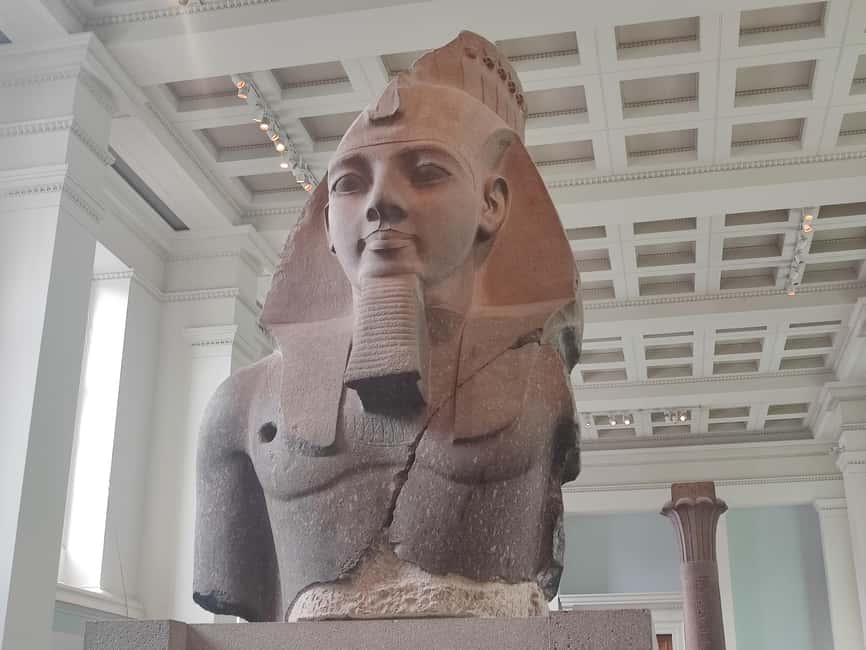
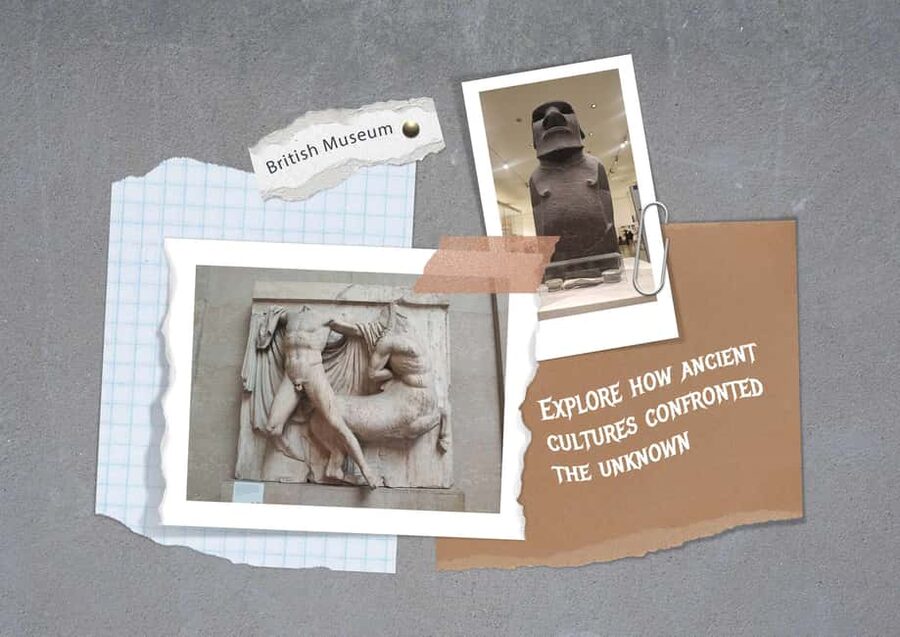
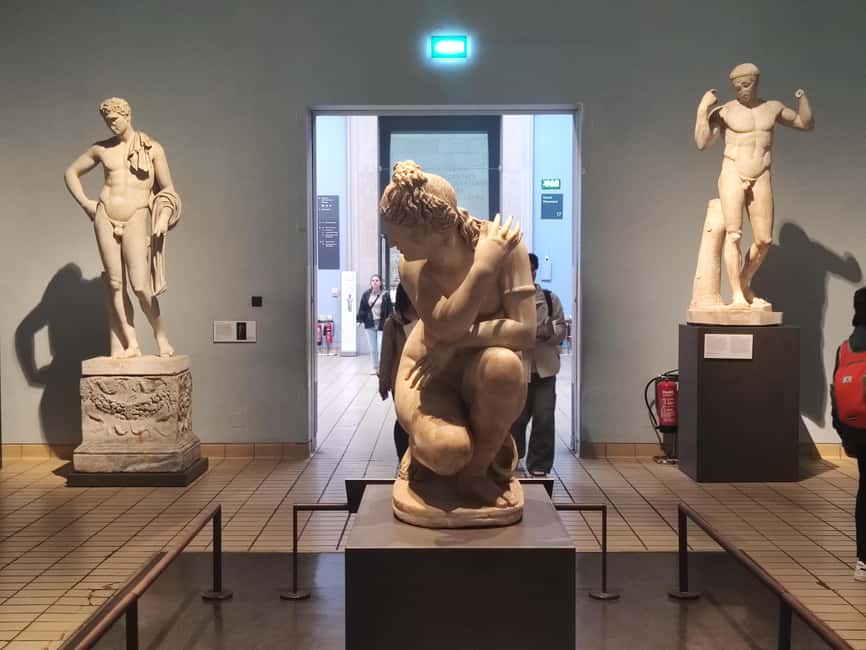
The Greek section gives the tour its clearest look at the human body. Ancient Greek art is often linked with balance, proportion, athletic form, and idealized figures. Those ideas have influenced later European art and still shape many modern images of beauty.
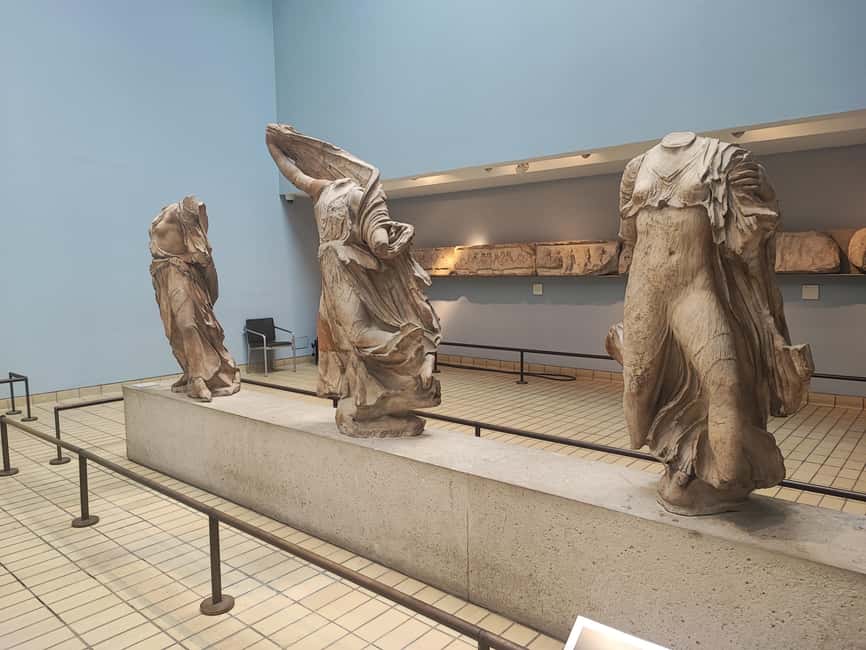
The Parthenon Marbles are central here. They once formed part of the Parthenon in Athens and show figures and scenes designed for a major religious building. The tour uses them to ask what the ancient Greeks considered beautiful, and why their ideas have remained so influential.
You will want to look closely at the treatment of the body, clothing, movement, and expression. Greek artists were not simply making decoration. They were presenting ideas about order, strength, grace, and the relationship between human beings and the gods.
The marbles also invite a practical question about museums and ownership. This experience is built around art and beauty, but the objects can also prompt thoughts about how cultural treasures reached London and how museums should display them. The supplied information does not promise a full debate on repatriation, so do not book this as a specialist political discussion. Expect the focus to remain on art, culture, and historical meaning.
More Museum Tours in London:
- London: Chelsea Football Club Stadium and Museum Tour
★ 4.8 · 4,576 reviews - London Transport Museum Entrance Ticket
★ 4.5 · 1,323 reviews - London: Jack the Ripper Museum Tickets
★ 4.2 · 894 reviews - Afternoon Tea at the British Museum
★ 4.2 · 511 reviews
Egyptian mummies and the line between life and death
Egypt’s mummies bring a different mood. The tour connects them with the Egyptian view of death, the body, medicine, and the hope of another life.
A mummy can look like a silent object behind glass, but it was once part of a careful process shaped by belief. Preservation of the body mattered because Egyptians connected the body with the person’s continued existence after death.
The Egyptian galleries also offer a chance to discuss medicine and practical knowledge. Ancient Egypt is associated with pyramids and hieroglyphs, but the tour places attention on the ways people studied the body and tried to understand illness, burial, and survival.
This section may appeal to you if you like the human side of museum objects. You are not just looking at an ancient body. You are considering the fears and hopes that guided a whole society.
The subject can be intense, especially for children or anyone uncomfortable with human remains. The tour information does not give an age recommendation, so use your own judgment. If mummies are a main reason for visiting, the guide’s interpretation should add meaning. If you prefer architecture and sculpture, this part may feel more somber.
Mesopotamia, the wheel, and ideas that still shape daily life
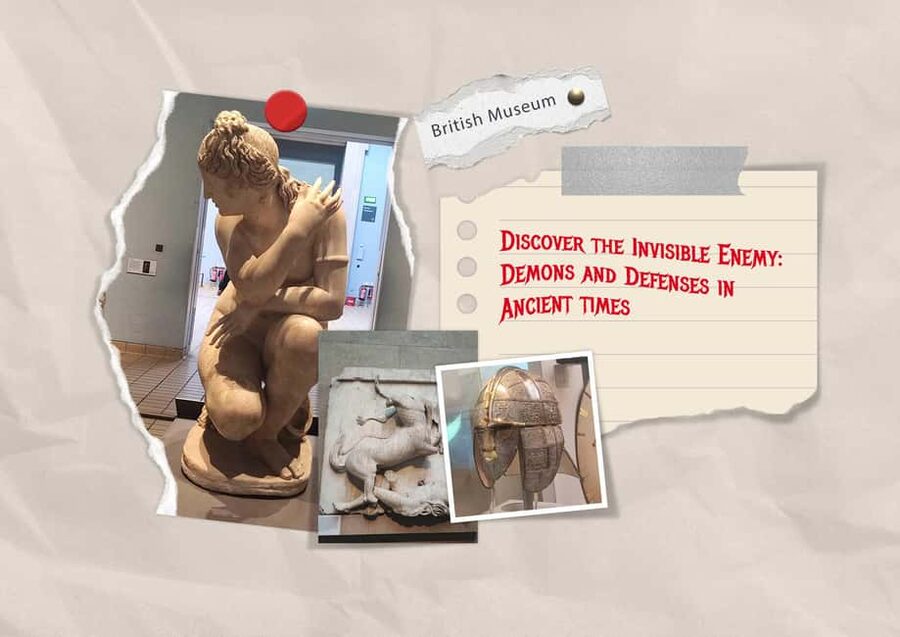
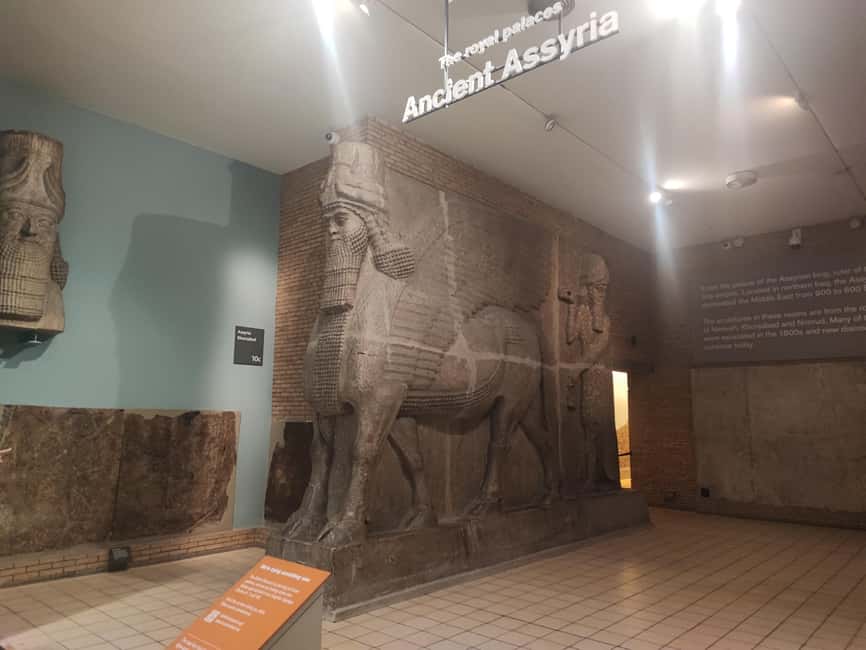
The Mesopotamian section widens the tour’s view beyond beauty in the narrow sense. Ancient Mesopotamia is connected with the wheel, siege engines, farming, and other ideas that changed how people moved, built, fought, and produced food.
This is a useful stop because it links ancient objects to ordinary life. You may not think about early farming when you walk through modern London, but food systems, transport, and engineering all depend on basic ideas developed long ago.
The guide’s task here is to show that beauty is not only a polished statue. It can also appear in clever design, practical invention, and the way a society solves problems. That makes this part valuable for you if you want more than a parade of famous artworks.
Do not expect a full survey of Mesopotamian civilization in a few minutes. The tour uses the subject as one part of a larger story. You will get a pointed introduction, not a specialist course in ancient technology.
Ancient India and the idea of rebirth
The India section turns from the body to the soul. The tour connects ancient Indian traditions with yoga, rebirth, and paths toward enlightenment, then asks how those ideas continue to influence modern views of life and inner peace.
This part gives the route a welcome change of rhythm. Greek art often directs your attention to the visible body. Indian religious traditions can direct it toward the unseen self, spiritual practice, and the cycle of life and death.
You may find this stop especially useful if you already have some interest in yoga or South Asian religion. The tour promises a cultural introduction rather than a practical yoga session, so do not arrive expecting exercise or meditation instruction.
The subject also fits the main theme well. Beauty can mean a perfect physical form, but it can also mean harmony, discipline, wisdom, or release from suffering. The tour’s best moments are likely to come when you notice those different definitions side by side.
Tragic love and fate in ancient art
The tour also explores stories of tragic love. These tales matter because they show that people in the ancient world were not only concerned with rulers, wars, and gods. They were also telling stories about desire, loss, loyalty, jealousy, and fate.
The guide uses art to consider how these stories affected their original audiences. A scene of lovers or separated families can carry emotional force even when you do not know every name or myth.
I like this addition because it keeps the tour personal. You can forget a date, but a story about love ending badly tends to stay with you. The subject also brings out the role of theatre and drama in ancient Greece, where public storytelling helped communities think about difficult choices and powerful emotions.
The exact objects used for this part are not specified, so the experience may vary according to the guide’s route and gallery conditions. That is not necessarily a weakness, but you should think of the theme as a guided interpretation rather than a fixed list of one or two guaranteed artworks.
Medieval comic-book stories about Jesus
The final unusual theme concerns the childhood of Jesus Christ. Medieval art sometimes presented stories that go beyond the accounts most familiar from the Bible. The tour describes these images as something like early comic books, a useful way to think about how pictures carried stories for people who could not read.
This is a lively way to approach medieval religious art. Instead of seeing a panel as a stiff devotional image, you can look for sequence, character, drama, and the details that guide the viewer through a story.
The childhood narratives are also a reminder that religious tradition has never been limited to one set of images. People wanted to know more about important figures, and artists responded with scenes that helped make sacred stories personal and memorable.
Do not expect a full theology lecture. The value here is visual storytelling. You get an accessible look at how medieval artists and audiences used images to expand familiar narratives.
Is $33.67 good value?
At $33.67 per person, this is not the cheapest possible British Museum visit, since general museum entry is free. You are paying for the guide, the route, the small group, and express security access.
For a first visit, I think the price can make sense. The museum is large enough that a short, well-planned route saves time and prevents you from spending your entire visit trying to find the famous objects. A group of eight is also a useful middle ground: more personal than a large public tour, but less costly than a private guide.
The value is weaker if you already know the British Museum well or prefer to explore at your own speed. You may want to spend forty minutes with one object, skip ancient India, or focus only on Egypt. This tour keeps you moving and follows its own theme.
You can reserve now and pay later, which helps if your London schedule is still changing. Cancellation is free up to 24 hours before the activity for a full refund. Those terms are practical, but the real decision comes down to how much guidance you want in a museum you can enter without paying an admission fee.
Who should book this British Museum tour?
I would choose this tour for a first-time visitor who wants the main highlights with a clear human story. It also suits you if you enjoy connecting art with questions about beauty, love, death, religion, and daily life.
The small group should work well for solo visitors, couples, and families with older children who can manage two hours of walking. The humor in the presentation may help keep the route light, especially when the subject turns to mummies and tragic fate.
You may want another option if you use a wheelchair, have a mobility impairment, or find moderate walking difficult. The activity is specifically not suitable for wheelchair users or people with mobility impairments.
Bring a camera if you like taking museum photographs. Flash photography is not allowed, but photography without flash is permitted. Leave your backpack behind, and remember that food and drinks cannot go into the exhibition halls.
FAQ
How long is the British Museum tour?
The tour lasts about two hours. Starting times vary, so you need to check availability when choosing your date.
What language is the tour conducted in?
The live guided tour is conducted in English.
How many people are in the group?
The tour is semi-private, with a maximum of eight participants.
Where does the tour start and finish?
You meet at the British Museum’s group entrance at Edward VII’s Entrance. The guide holds a My London Guide sign, and the activity ends back at the meeting point.
Is museum entry included?
Yes. The experience includes fast-track entry through an express security check at the British Museum.
Can I bring a backpack or take photographs?
Large bags and backpacks are not allowed inside the museum. Photography is allowed without flash, and food and drinks are not permitted in the exhibition halls.
Should you book it?
Book this tour if you want a guided first look at the British Museum rather than an unstructured walk through its galleries. The combination of the Rosetta Stone, Parthenon Marbles, mummies, ancient inventions, Indian beliefs, love stories, and medieval religious art gives you a broad two-hour introduction with a clear theme.
At $33.67, the fee is reasonable for the small group and guide, but it is not essential for confident museum visitors who prefer to wander. For most first-time visitors, especially those who value stories over lists of dates, this is a practical way to make two hours inside the British Museum count.
Just added in London
- The Best of British Cooking Class & Dining Experience★ 5.0 · 1 review
- London: Live Comedy Show at Big Belly Bar and Comedy Club★ 4.5 · 80 reviews
- London: British Museum Highlights Guided Small Group Tour★ 4.9 · 113 reviews
- The Beatles London Walking Tour★ 4.2 · 147 reviews
- The Best Highlights of London Walking Tour & Boat Cruise★ 5.0 · 1 review
- The Authentic Walking Tour with Indian Tasting Meal★ 4.8 · 4 reviews
- Iconic London: Bard, Beatles, Bond & Baker Street★ 4.9 · 15 reviews
- London: Tate Britain Official Discovery Tour★ 4.7 · 7 reviews
British Museum Tours, compared.
British Museum Audio Tour & Priority Entrance Ticket
Read our review →
British Museum Archaeology Course and Guided Tour
Read our review →
British Museum Highlights Guided Small Group Tour
Read our review →
British Museum Guided Tour with Priority Entrance
Read our review →Other lists this tour turns up in