

REVIEW · BRITISH MUSEUM TOURS
Unveil the Rosetta Stone, Parthenon at British Museum
Ancient treasures, one great museum. This two-hour British Museum tour brings you face to face with the Rosetta Stone and the Parthenon Sculptures, then moves through Egyptian mummies, Sutton Hoo, and Assyrian guardian figures. I like the clear route through such a huge collection, and I like that an English-speaking guide adds stories and context instead of leaving you to guess what matters. The main drawback is the pace: two hours is enough for famous highlights, but not enough for a leisurely look at every gallery.
The price is $70.35 per person, which is fair if you want a focused introduction and help finding the museum’s major objects. Guide Joe has earned especially warm praise for being upbeat and well informed, while another guide was described as entertaining and able to keep a child interested. Just remember that this is a shared walking tour, not a private visit, and the museum requires plenty of time on your feet.
In This Review
- Five reasons this British Museum tour is worth considering
- Begin beneath the Great Court’s glass roof
- The Rosetta Stone explains how a language returned
- The Parthenon Sculptures carry ancient beauty and modern controversy
- Egyptian mummies make burial customs personal
- Sutton Hoo adds an Anglo-Saxon chapter
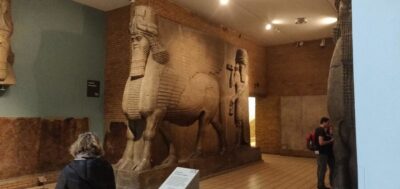
- Winged Bulls from Khorsabad show Assyrian power
- What the guide adds to a very large museum
- Is $70.35 a fair price for two hours?
- Timing, meeting point, and the fine print
- Who should book this guided museum visit?
- Should you book the British Museum highlights tour?
- FAQ
- How long does the British Museum guided tour last?
- Where do I meet the guide?
- How early should I arrive?
- What language is the tour conducted in?
- Which objects are included on the route?
- Is this a private tour?
- Is hotel pickup included?
- What should I bring?
- Can I cancel the tour for a refund?
Five reasons this British Museum tour is worth considering
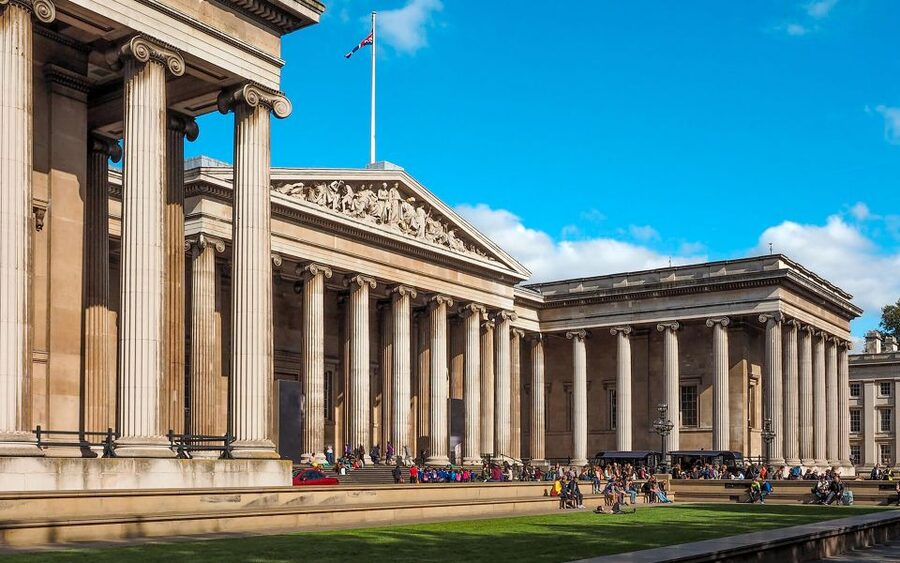
- The Rosetta Stone anchors the visit: You see the object that helped scholars read Egyptian hieroglyphs and hear why its inscriptions mattered.
- The Parthenon Sculptures bring a modern debate into the gallery: Your guide explains their ancient setting and the continuing argument over ownership and repatriation.
- Egyptian mummies add human detail: The galleries connect burial practices with beliefs about death and the afterlife.
- Sutton Hoo gives the tour an Anglo-Saxon turn: The famous helmet and burial treasures show a different side of Britain’s past.
- The Winged Bulls from Khorsabad deliver scale: These huge Assyrian figures once guarded a royal palace and make a memorable final stop.
- The Great Court starts things on a high note: Norman Foster’s glass roof gives you a striking view before the objects take over.
Begin beneath the Great Court’s glass roof
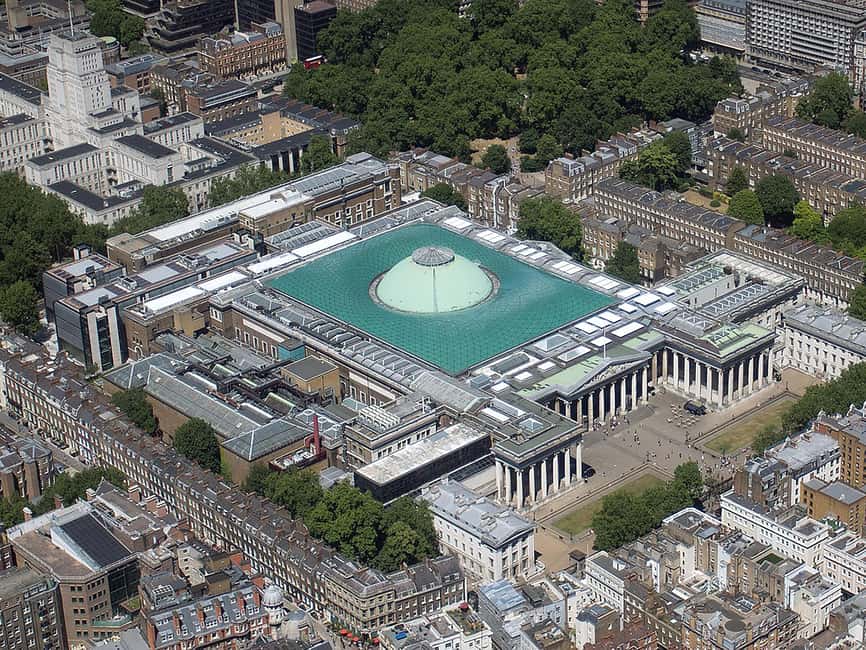
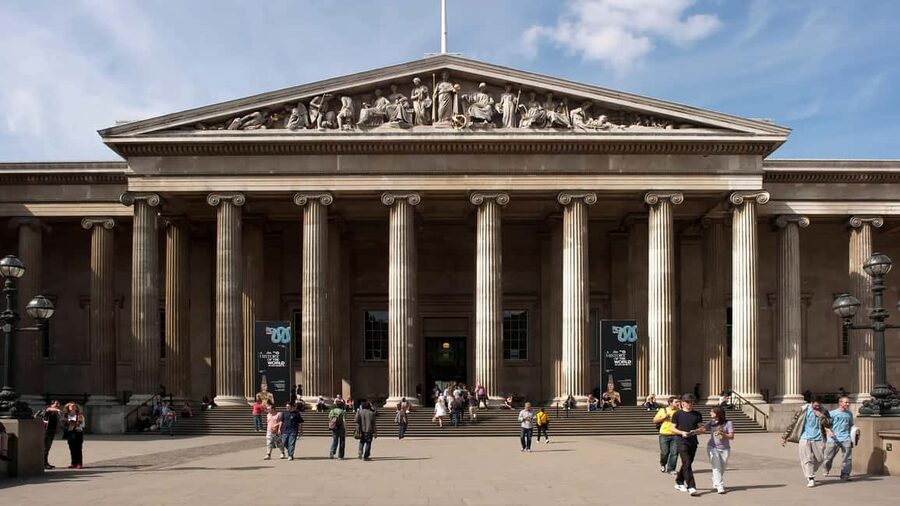
You meet your guide on the stairs at the main entrance, after passing through security. Arrive at least 15 minutes before your scheduled time. That buffer matters in a busy central London museum, since you do not want to be searching for the group while the guide is ready to leave.
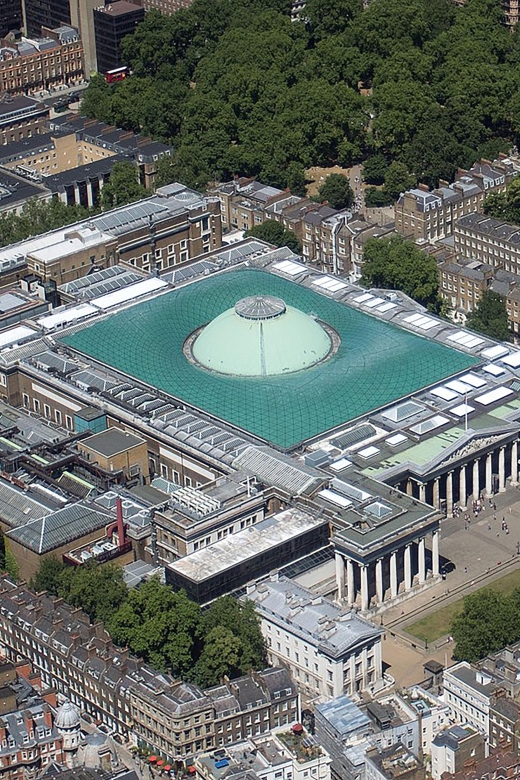
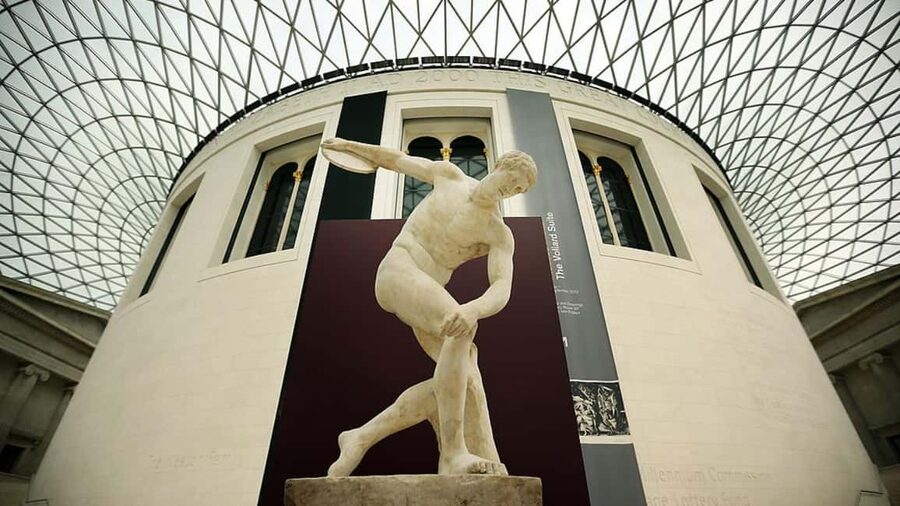
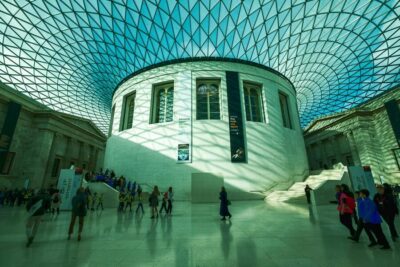
The first visual hit comes before the ancient objects. The Great Court is covered by a large glass roof designed by Norman Foster, and the ceiling changes the feel of the museum entrance. It gives you a bright, open place to gather and offers a useful moment to look around before the guided route begins.
This opening also helps you understand the scale of the British Museum. It is not a small collection where every display fits into one easy circuit. The building holds far more than you can see in two hours, so a guide-led visit is useful if you prefer a firm plan over wandering and wondering what you have missed.
The activity begins and ends at the museum. There is no hotel pickup, food, or drink included, so plan your arrival and refreshment needs separately. Since the visit is entirely on foot, comfortable shoes are a sensible choice.
More British Museum visits:
- London: British Museum Guided Tour
★ 4.3 · 1,182 reviews - London: Tour of the British Museum
★ 4.1 · 678 reviews - London: British Museum Audio Tour & Priority Entrance Ticket
★ 4.5 · 631 reviews
The Rosetta Stone explains how a language returned
The Rosetta Stone is the first major object on the route, and it is an excellent choice. Discovered in 1799, the stone was key to deciphering Egyptian hieroglyphs. Its importance is not only visual. The real story is how the inscriptions helped scholars make sense of a writing system that had been unreadable for centuries.
A guide can make this kind of object easier to appreciate. Without context, the stone is a dark slab covered in writing. With an explanation of its role, you begin to see it as a bridge between languages and a turning point in the study of ancient Egypt.
Expect other people around this famous display, especially because it is one of the museum’s best-known objects. A shared tour cannot control how long the group has at each stop, but the guide’s commentary gives you a reason to focus rather than simply take a quick photograph and move on.
I would pay attention to the explanation here, even if Egyptian history is not your main interest. The Rosetta Stone sets up a useful theme for the rest of the tour: objects are not just old things behind glass. They are evidence that helps us understand people, beliefs, government, and daily life.
The Parthenon Sculptures carry ancient beauty and modern controversy
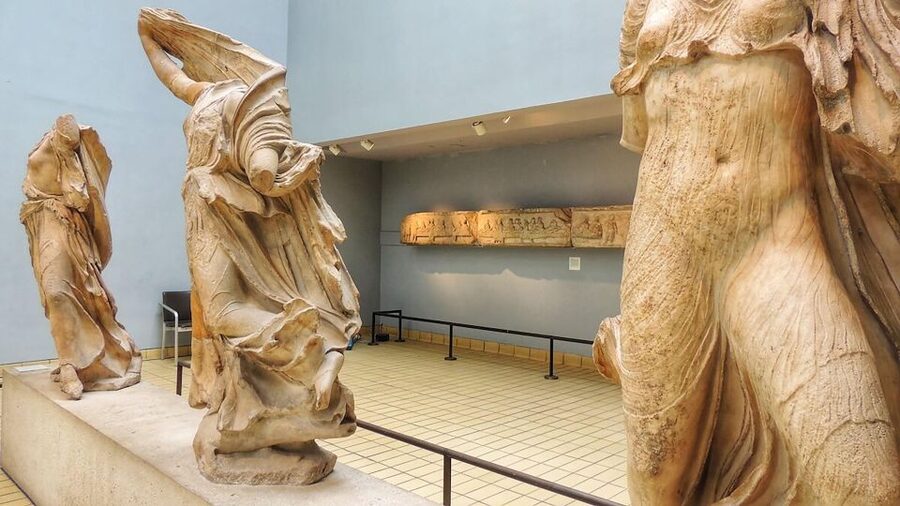
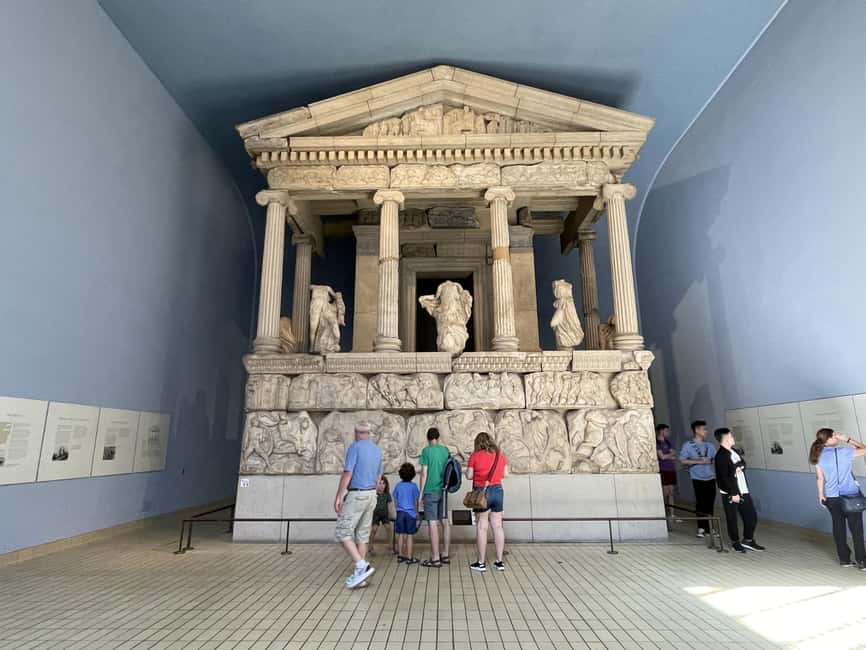
The next major stop is the Parthenon Sculptures, also called the Elgin Marbles. These marble carvings once formed part of the Parthenon in Athens. Lord Elgin, who served as the British ambassador to the Ottoman Empire, brought them to Britain.
The sculptures are visually impressive, but the story around them is just as important. Their presence in the British Museum has led to long-running arguments about cultural ownership, museum collections, and whether objects should return to the places where they were made.
This is one of the tour’s strongest features. You are not simply shown beautiful marble and hurried along. The guide offers a balanced view of the dispute, giving you the basic background you need to understand why the display remains controversial.
For you, that means the stop has two layers. You can study the carving and ancient subject matter, while also thinking about how museums acquired major works and who should care for them today. It is a good reminder that a museum visit can raise difficult questions as well as admiration.
The group format may limit your time in front of each sculpture. If the Parthenon collection is your main reason for coming, you may want to return afterward and look more closely on your own, assuming your plans allow. The two-hour tour gives you an introduction, not an exhaustive examination of the galleries.
Egyptian mummies make burial customs personal
The Egyptian galleries shift the focus from monumental sculpture to human remains and burial practice. You will see an extensive collection of Egyptian artifacts, including mummies, and hear about the beliefs that shaped how ancient Egyptians prepared the dead.
This part of the visit can be especially effective for families and first-time museum visitors. Mummies immediately catch the eye, but the guide’s explanation gives the displays more meaning. You learn to connect the physical remains with religious beliefs, funeral customs, and ideas about what happened after death.
I also like the change in mood. The Rosetta Stone is about writing and scholarship. The Parthenon Sculptures are about art, politics, and ownership. The mummies bring the conversation back to individual lives and the ways people faced death.
The museum is large, and the Egyptian section may contain more objects than the tour can cover in detail. Try to listen for the main ideas rather than expecting a full lesson on every case. If you have a strong interest in ancient Egypt, note the areas that catch your attention so you can return after the guided portion.
The walking can become tiring here, particularly if you have already spent part of the day sightseeing in London. The tour description specifically warns that the museum requires a lot of walking. Comfortable footwear is not a minor suggestion.
More Museum Tours in London:
- London: Chelsea Football Club Stadium and Museum Tour
★ 4.8 · 4,576 reviews - London Transport Museum Entrance Ticket
★ 4.5 · 1,323 reviews - London: Jack the Ripper Museum Tickets
★ 4.2 · 894 reviews - Afternoon Tea at the British Museum
★ 4.2 · 511 reviews
Sutton Hoo adds an Anglo-Saxon chapter
The route then moves to Sutton Hoo, an Anglo-Saxon site connected with a seventh-century burial ship. The famous Sutton Hoo helmet is the main draw, along with other treasures from the burial.
This stop widens the tour beyond Egypt, Greece, and the ancient Near East. You get a look at early medieval England and the craftsmanship associated with an important burial. The helmet is particularly memorable because it is both a practical object and a powerful symbol of status.
For a London visitor, Sutton Hoo provides useful local context. The British Museum is not only a place for objects from distant civilizations. It also holds major pieces connected with Britain’s own past.
The helmet can appeal to younger visitors who may not respond as quickly to inscriptions or fragments of architecture. One guide was praised for keeping a son enthralled and interested, and that kind of engaging presentation matters here. A good story can turn a display case into a scene you remember.
As with the other stops, you should expect an overview rather than a long study session. The tour is designed to show you several headline objects across different collections. If Sutton Hoo is your priority, ask the guide for the key details during the stop and leave time to revisit the display if possible.
Winged Bulls from Khorsabad show Assyrian power
The Winged Bulls from Khorsabad provide the tour’s most imposing visual moment. These colossal statues once guarded the entrance to the palace of Sargon II, an Assyrian king.
Their size helps explain their purpose. These were not quiet decorations tucked into a private room. They greeted people at a royal palace and projected strength, authority, and protection. Standing near them, you can better understand how ancient rulers used architecture and sculpture to shape a visitor’s first impression.
The guide also explains the stories behind their creation and meaning. That context helps you read the figures as part of a royal setting rather than as isolated stone animals.
This final highlight gives the route a strong sense of scale. You have moved from a stone covered in writing, to carved marble, human remains, a decorated helmet, and then enormous palace guardians. The variety is one of the best reasons to choose this tour.
The Winged Bulls can also be a useful closing image because they show how much ground the British Museum covers. In one short visit, you encounter ancient Egypt, Greece, Anglo-Saxon England, and Assyria. You will not master all four subjects in two hours, but you will leave with a clear set of landmarks to pursue later.
What the guide adds to a very large museum
The tour is led in English by a live guide, and the strongest praise has focused on the quality of the presentation. Joe is described as upbeat and highly informed, while another guide was called excellent and entertaining. The most useful detail is that the guide held a child’s attention, which suggests the commentary is not just a stream of dates and names.
That matters because the British Museum can feel overwhelming. A guide gives you a sequence, explains why each object matters, and links separate galleries into one story. You spend less time navigating and more time looking.
You should also understand the limits. This is not a private tour, so you share the experience with other people. The pace and time at each stop must suit the group, and the guide cannot tailor every explanation to one person’s interests.
Still, the format works well for a first visit. I would choose it if you want the major sights explained in plain language, especially if you are visiting with a child or a companion who might lose interest in a self-guided museum circuit.
Is $70.35 a fair price for two hours?
At $70.35 per person, this is not the cheapest way to enter a museum. The value depends on what you want from the visit.
You are paying for a planned two-hour route, a live English-speaking guide, and help interpreting several of the museum’s best-known objects. That can be worthwhile when you have limited time in London or feel unsure about where to begin in such a large institution.
The price is less attractive if you want to spend a full day exploring at your own pace. A guided group must keep moving, and you may want longer with the Egyptian mummies or Parthenon Sculptures than the schedule allows.
I see the tour as a time-saving introduction rather than a complete museum day. It earns its price when the alternative is wandering through numerous rooms without knowing which displays deserve your attention. Afterward, you can decide if one collection deserves a longer return visit.
There is also some flexibility in the booking terms. You can cancel up to 24 hours ahead for a full refund, and you can reserve now while paying later. Those conditions help if your London schedule is still changing.
Timing, meeting point, and the fine print
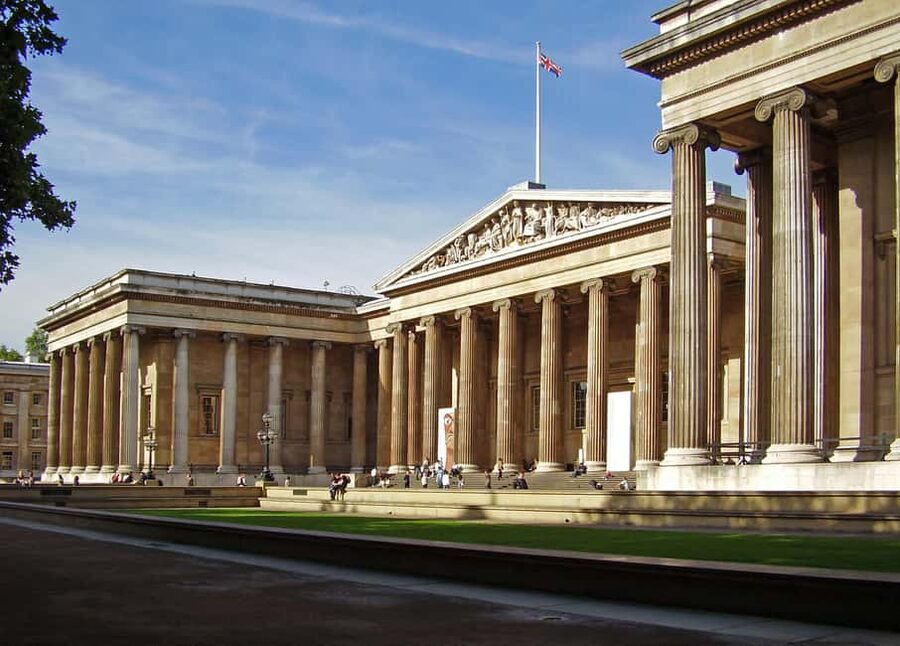
Your meeting point is the stairs at the main entrance, after security checks. Get there 15 minutes early and bring a passport or ID card, as requested for the activity.
Check the starting time carefully when booking. If the selected time is unavailable, you may be moved to the first available time on the same day. For example, a requested 10:00 slot could be changed to 14:00. Same-day or next-day bookings may be shifted to the following day if there are no seats.
That policy is important. Do not book a tight schedule around one assumed start time without checking the final confirmation. A time change can affect lunch, theater tickets, or another museum reservation.
The phrase skip the line does not mean walking straight past everyone with no waiting. It means using a faster priority queue with other people who have selected that option, instead of the normal long queue. Keep that distinction in mind when comparing this activity with other ways to visit.
The tour ends back at the original meeting point. Hotel pickup is not provided, and food and drinks are not part of the experience.
Who should book this guided museum visit?
I would recommend it to a first-time visitor who wants the British Museum’s headline objects explained without planning a route from scratch. It also suits families, thanks to the lively guiding style praised in the feedback and the strong visual appeal of the mummies, helmet, and giant bulls.
It is a good match for anyone with about two hours available. You get a compact look at several collections instead of spending the entire day in one section.
You may prefer an independent visit if you dislike group tours, need a wheelchair-accessible activity, or want to examine a small number of objects at length. The activity is not suitable for wheelchair users, and the walking route can be demanding.
I would also think twice if your schedule cannot absorb a possible change in start time. The time-shift policy is clearly stated, but it may be inconvenient for a tightly arranged day.
Should you book the British Museum highlights tour?
Book it if you want a guided first look at the museum’s most famous treasures, especially the Rosetta Stone, Parthenon Sculptures, Egyptian mummies, Sutton Hoo helmet, and Winged Bulls from Khorsabad. The route is varied, the two-hour length is manageable, and the best praise has gone to guides who make the material lively for both adults and children.
Skip it if you want solitude, a private guide, or several hours with one collection. At $70.35, the value comes from focus and explanation, not from unlimited time.
Arrive early, wear comfortable shoes, carry your ID, and keep some flexibility around the start time. With those points in mind, this is a practical way to get your bearings fast in one of London’s most demanding museums.
FAQ
How long does the British Museum guided tour last?
The tour lasts two hours. Starting times vary, so you should check availability when booking.
Where do I meet the guide?
Meet the guide on the stairs at the British Museum’s main entrance after passing through security checks.
How early should I arrive?
Arrive at least 15 minutes before your scheduled tour time.
What language is the tour conducted in?
The live guided tour is conducted in English.
Which objects are included on the route?
The route includes the Rosetta Stone, Parthenon Sculptures, Egyptian mummies, the Sutton Hoo helmet, and the Winged Bulls from Khorsabad. The Great Court is also part of the opening experience.
Is this a private tour?
No. This is a shared walking tour rather than a private visit.
Is hotel pickup included?
No. You must make your own way to the British Museum. Hotel pickup is not included.
What should I bring?
Bring a passport or ID card. Comfortable shoes are recommended because the tour involves substantial walking.
Can I cancel the tour for a refund?
Yes. You can cancel up to 24 hours in advance for a full refund. You can also reserve now and pay later, according to the booking terms.
Just added in London
- The Best of British Cooking Class & Dining Experience★ 5.0 · 1 review
- London: Live Comedy Show at Big Belly Bar and Comedy Club★ 4.5 · 80 reviews
- London: British Museum Highlights Guided Small Group Tour★ 4.9 · 113 reviews
- The Beatles London Walking Tour★ 4.2 · 147 reviews
- The Best Highlights of London Walking Tour & Boat Cruise★ 5.0 · 1 review
- The Authentic Walking Tour with Indian Tasting Meal★ 4.8 · 4 reviews
- Iconic London: Bard, Beatles, Bond & Baker Street★ 4.9 · 15 reviews
- London: Tate Britain Official Discovery Tour★ 4.7 · 7 reviews
British Museum Tours, compared.

British Museum Audio Tour & Priority Entrance Ticket
Read our review →
British Museum Archaeology Course and Guided Tour
Read our review →
British Museum Highlights Guided Small Group Tour
Read our review →
British Museum Guided Tour with Priority Entrance
Read our review →Other lists this tour turns up in